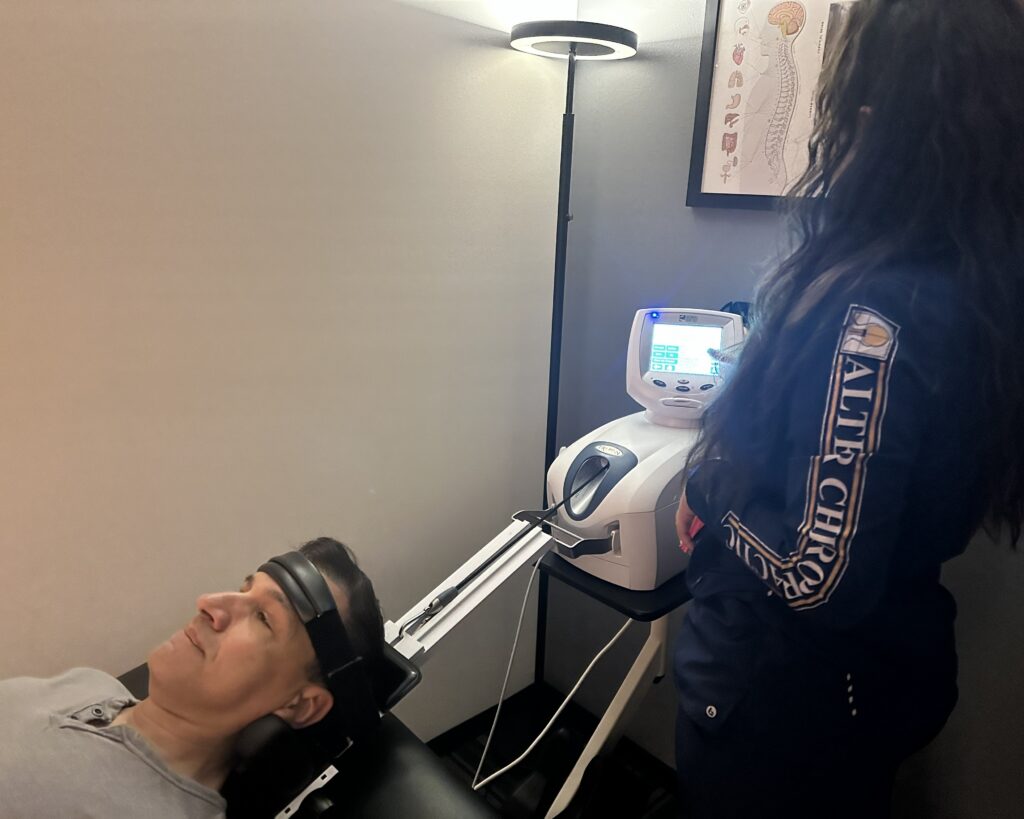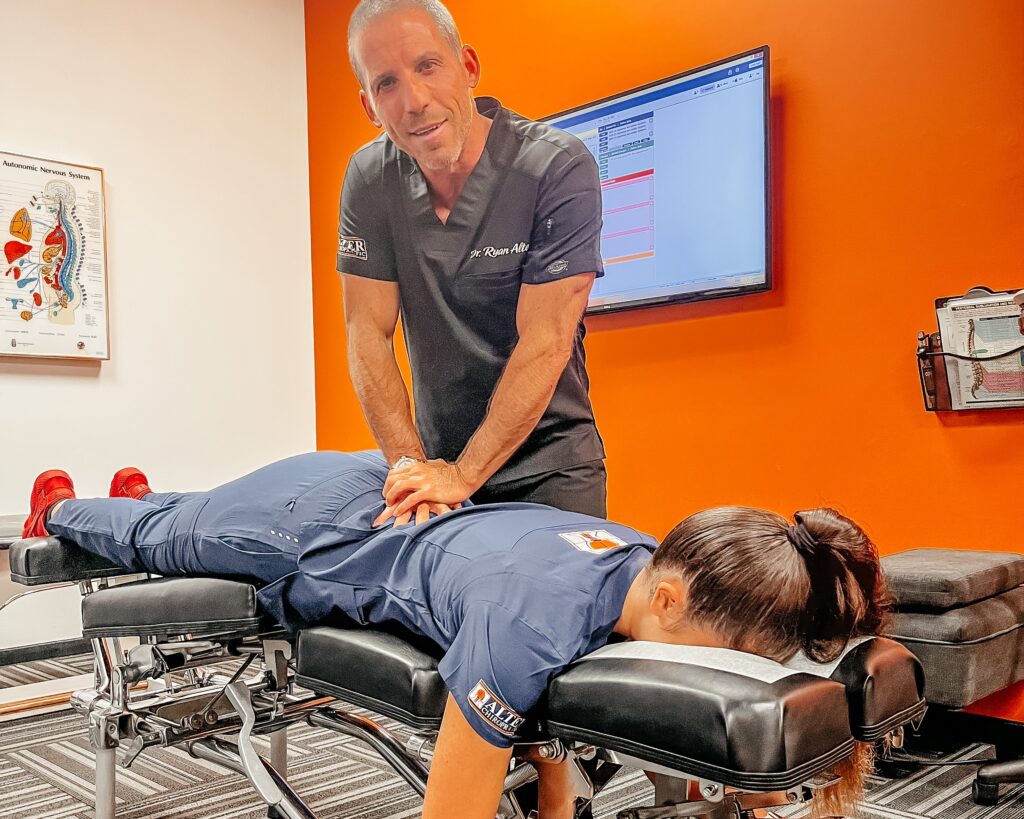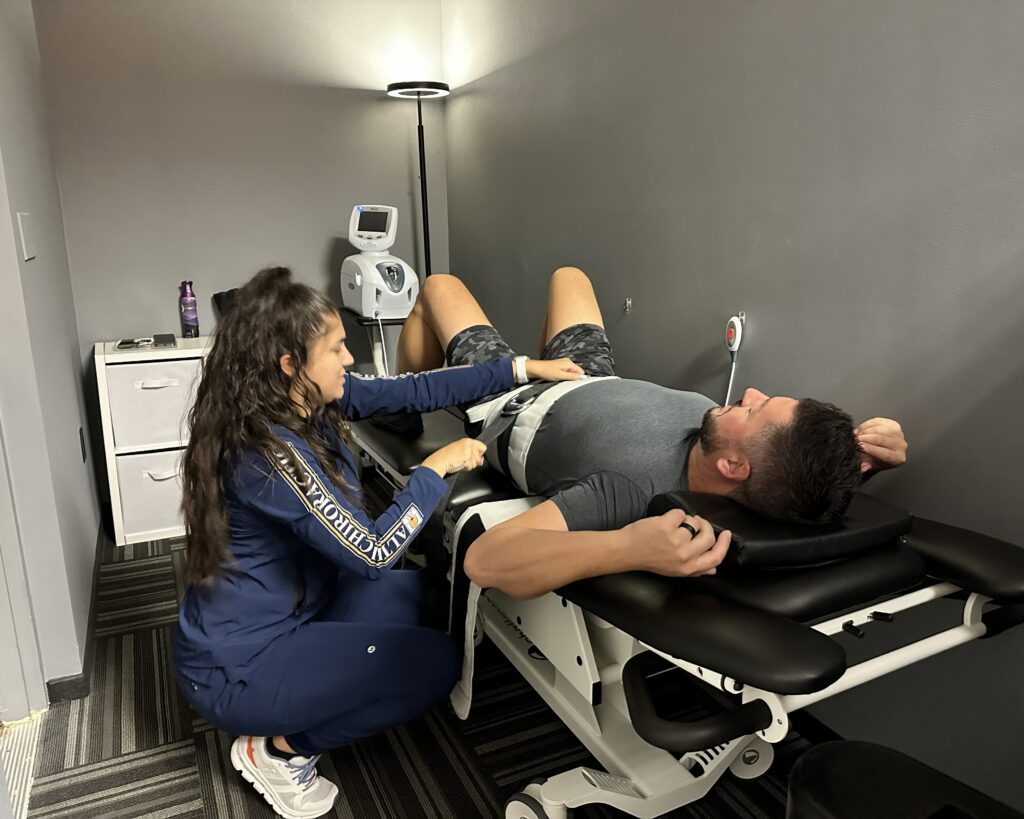

As a local chiropractor, I want to share some effective natural approaches to help alleviate your back pain. Many of my patients are surprised to learn that relief doesn’t always have to come from medication. Instead, there are several holistic strategies, including gentle stretches and alternative therapies, that can promote healing and enhance your overall well-being. If you’re curious about how you can take the first steps toward feeling better today, let’s delve into these practical techniques that could make a significant difference in your daily life. It’s all about integrating these methods into your routine for long-lasting relief.
Practice Regular Stretching and Strengthening Exercises
As a local chiropractor dedicated to helping you understand the benefits of natural healing, I want to emphasize the importance of incorporating regular stretching and strengthening exercises into your daily routine to effectively address back pain.
These exercises aren’t just about relieving discomfort; they play a crucial role in maintaining flexibility, improving posture, and building core strength, all of which can significantly alleviate your pain.
Begin with gentle stretches that focus on your lower back, hips, and hamstrings. Movements like knee-to-chest stretches and the cat-cow pose can be particularly effective in easing tension and promoting better mobility.
In addition to stretching, it’s essential to strengthen your core muscles, which include the abdomen and lower back. Exercises like planks, bridges, and pelvic tilts engage multiple muscle groups and provide the support your spine needs.
I recommend dedicating just 10 to 15 minutes each day to these exercises. It’s important to progress gradually and listen to your body, avoiding any movements that trigger discomfort.
By consistently incorporating these practices into your routine, you won’t only enhance your overall back health but also reduce the likelihood of experiencing future pain episodes.
Incorporate Yoga Into Your Routine
Incorporating yoga into your routine can be a powerful complement to chiropractic care, especially for managing back pain and enhancing your overall well-being. As a chiropractor, I often see how yoga’s blend of physical postures, breathing exercises, and mindfulness can significantly contribute to your health.
These practices not only help build strength and flexibility but also promote relaxation. To get started, consider simple poses like Cat-Cow, Child’s Pose, or Downward Dog. Focus on proper alignment and take your time to progress gradually.
Regular yoga practice can release tension in your back and improve your posture—two key factors that often play a role in back pain. It’s essential to listen to your body during your practice. If any pose feels uncomfortable, don’t hesitate to modify it or skip it altogether.
You might also find it beneficial to join a local class or explore online resources to guide your practice, ensuring you get the most out of it. In addition to the physical benefits, incorporating breathwork into your yoga routine can enhance relaxation and reduce stress, which can further alleviate pain.
I recommend setting aside time each week for a consistent practice. Over time, you’re likely to notice improvements not only in your back pain but also in your overall mood and well-being.
Embrace yoga as a supportive tool in your journey toward better health, and remember that it works hand-in-hand with chiropractic care for optimal results.
Utilize Heat and Cold Therapy
As a local chiropractor, I want to share with you an effective way to manage back pain using heat and cold therapy. These simple techniques can provide significant relief and support your healing journey.
Heat therapy is a wonderful option for easing muscle tension and enhancing blood flow to the affected area. You can use a warm towel or a heating pad for this purpose. I recommend applying heat for about 15-20 minutes at a time, but remember to let your skin cool down in between sessions to avoid burns.
On the flip side, cold therapy is beneficial for reducing inflammation and numbing sharp pain. Ice packs or cold compresses are great tools for this. Aim for about 10-15 minutes of cold application, allowing your skin to return to its normal temperature before reapplying.
For optimal results, consider alternating between heat and cold therapy. Pay attention to how your body responds; if one method feels more soothing, it’s perfectly fine to focus on that.
Maintain Good Posture
As a local chiropractor dedicated to your well-being, I want to emphasize the importance of maintaining good posture for a healthy back. One of the first steps is to ensure that your workstation is set up ergonomically. This means your chair and desk should provide proper support for your spine, promoting a natural alignment.
I encourage you to take a moment to assess your workspace and make adjustments as needed.
Moreover, it’s beneficial to practice mindful sitting techniques. This involves being conscious of your posture throughout the day, which can significantly improve your spinal health.
By incorporating these habits into your daily routine, you can help prevent discomfort and support your body’s natural healing processes.
Ergonomic Workstation Setup
As a chiropractor dedicated to promoting natural healing and overall wellness, I want to emphasize the importance of a well-designed ergonomic workstation. Many of my patients report experiencing back pain and discomfort after long hours of sitting, but with a few simple adjustments, you can greatly improve your comfort and posture.
First, ensure your chair is adjusted so that your feet rest flat on the floor, and your knees form a 90-degree angle. This position helps to support your lower back—consider adding a lumbar cushion for extra support.
Next, it’s essential to position your computer monitor at eye level to prevent straining your neck; aim for it to be about an arm’s length away from you.
Your keyboard and mouse should be at the same level as your elbows, so your forearms remain parallel to the ground. This setup reduces tension in your shoulders and arms, which can lead to discomfort over time.
Lastly, keep your desk organized to minimize the need to reach for items, allowing for a more fluid and less strained work process.
Mindful Sitting Techniques
As a local chiropractor, I want to share with you some essential mindful sitting techniques that can significantly improve your posture and overall well-being, especially if you’re not yet familiar with chiropractic care.
After establishing an ergonomic workstation, it’s crucial to adopt mindful sitting habits throughout your day.
Start by placing both feet flat on the floor, ensuring that your knees are aligned with your hips. This foundational position helps promote proper spinal alignment.
Sit back in your chair and utilize the backrest for support, allowing your spine to maintain its natural curve. It’s important to keep your shoulders relaxed and avoid slumping, as this can lead to unnecessary strain.
Engaging your core muscles gently can provide additional stability for your spine, supporting your posture throughout the day.
Position your computer screen at eye level to prevent neck strain, which is a common issue many people face. If you notice yourself leaning forward, take a moment to pull your shoulders back and realign your hips.
Don’t forget the importance of regular breaks! Stand up, stretch, and reset your posture every so often.
This mindfulness in your sitting habits can help alleviate back pain and enhance your overall comfort, allowing your body to function optimally.
Explore Acupuncture and Acupressure
As a local chiropractor, I often see patients searching for relief from back pain through conventional treatments. However, I want to introduce you to two natural alternatives that may be highly beneficial: acupuncture and acupressure.
Acupuncture involves the insertion of thin needles into specific points on your body. This practice stimulates the nervous system, which can promote healing and alleviate pain. Many of my patients have experienced remarkable improvements in their overall well-being after just a few acupuncture sessions.
On the other hand, acupressure is a technique that utilizes finger pressure on the same points as acupuncture but without the use of needles. This makes it an easy method to practice at home. For instance, you can apply pressure to areas like your lower back or hips to relieve tension and discomfort whenever you need quick relief.
Both acupuncture and acupressure focus on balancing your body’s energy, known as “qi.” By enhancing circulation and relieving pain, these methods can complement the chiropractic adjustments I provide in the office.
Many individuals find that incorporating these techniques into their wellness routine can lead to significant improvements.
I encourage you to explore acupuncture and acupressure as valuable tools in your journey toward pain relief and overall health. They may just be the key to the relief you’ve been searching for!
Consider Herbal Remedies and Supplements
As a local chiropractor, I often encourage my patients to explore herbal remedies and supplements as a natural complement to their back pain management. Many of my patients have found relief from discomfort by incorporating certain herbs into their routines.
For instance, turmeric is widely recognized for its anti-inflammatory properties, while ginger can help alleviate pain and swelling. Another option worth considering is devil’s claw, a traditional remedy that has shown promise in studies for reducing lower back pain.
Additionally, I recommend looking into omega-3 fatty acids, which are abundant in fish oil. These can be beneficial for promoting joint health and minimizing inflammation.
Boswellia, derived from the resin of the boswellia tree, is another herbal option that has demonstrated potential in easing pain and inflammation.
However, it’s crucial to approach any new herbal supplement with caution. I always advise my patients to consult with a healthcare professional before starting any new regimen, especially to ensure that it’s safe and compatible with any medications they may already be taking.
Engage in Mindfulness and Relaxation Techniques
As your local chiropractor, I want to share with you how mindfulness and relaxation techniques can play a significant role in managing back pain effectively. Many patients may not realize that incorporating practices such as deep breathing, meditation, or yoga into your daily routine can’t only alleviate discomfort but also promote overall wellness.
Beginning with simple deep-breathing exercises is an excellent start. Inhale slowly through your nose, hold for a moment, and then exhale through your mouth. This technique helps to calm your nervous system and reduce muscle tension, which is crucial for managing pain.
Guided meditations can also be incredibly beneficial. These sessions often lead you through visualizations that foster relaxation and help to distract your mind from pain, allowing you to develop a more positive outlook on your healing journey.
Yoga is another fantastic option that combines movement with mindfulness. It enhances flexibility and strengthens the muscles that support your back, which can lead to better posture and reduced pain over time.
I encourage you to set aside just a few minutes each day to practice these techniques. With consistency, you may notice a reduction in pain and an improvement in your overall quality of life.
Conclusion
As a local chiropractor, I want to share with you some natural approaches that can effectively alleviate back pain and improve your overall well-being. Incorporating regular stretching and yoga into your routine can strengthen your body and enhance flexibility. Additionally, maintaining proper posture is crucial for preventing strain on your back.
For immediate relief, consider using heat and cold therapy to soothe discomfort. You might also want to explore treatments like acupuncture and herbal remedies, which many of my patients have found beneficial in managing their pain. Furthermore, practicing mindfulness techniques can help you cope with stress, which often contributes to back pain.
It’s important to remember that consistency is essential. By making these practices a regular part of your daily routine, you can achieve lasting improvements in your back health. I’m here to guide you through these natural healing methods and support you on your journey to a pain-free life.