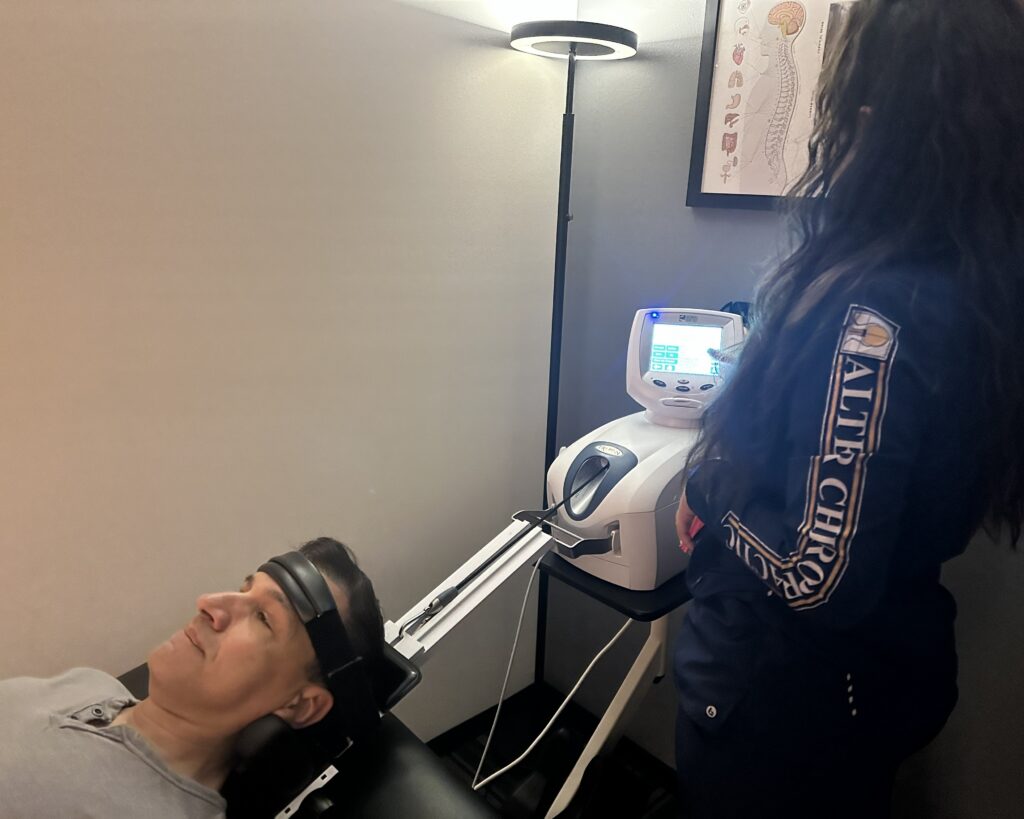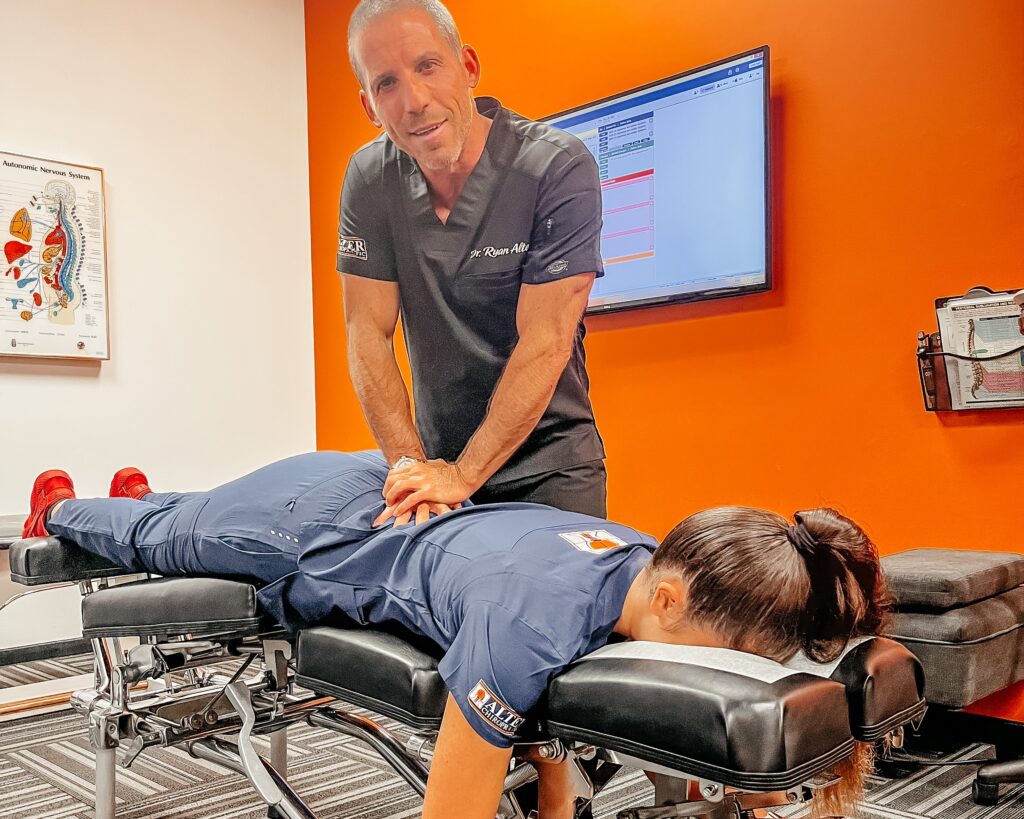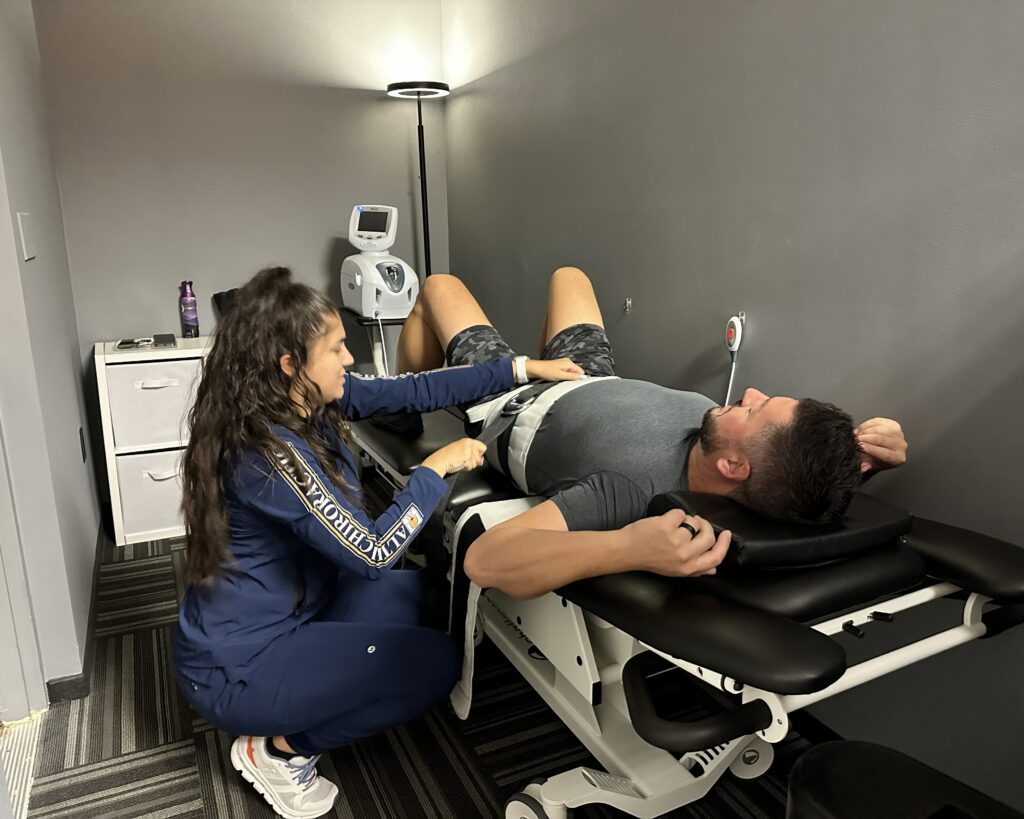

As a local chiropractor, I understand how challenging back pain can be, and I want to share some effective natural techniques that can help you find relief without the need for medication. Gentle stretching exercises and core-strengthening workouts are just a few options that can significantly alleviate your discomfort. Additionally, incorporating practices such as yoga and mindfulness can play a crucial role in enhancing your recovery process.
If you’re curious about which specific exercises and remedies might be best suited for your individual needs, I’m here to guide you. Together, we can explore various approaches that not only address your back pain but also promote overall wellness. Let’s take this journey towards better health and transform your experience with back pain management.
Stretching Exercises for Flexibility and Pain Relief
As a local chiropractor dedicated to promoting natural healing and well-being, I want to emphasize the importance of incorporating stretching exercises into your daily routine. Not only can these exercises significantly improve your flexibility, but they’re also effective in alleviating back pain. Stretching works wonders by lengthening your muscles, reducing tension, and increasing your range of motion.
I recommend starting with gentle stretches such as the cat-cow or child’s pose. These poses gently mobilize your spine and help relieve tightness. It’s beneficial to hold each stretch for 15 to 30 seconds—this gives your muscles the time they need to relax and adapt to the new length.
In addition, targeting the hamstrings with specific stretches can be particularly helpful, as tight hamstrings often contribute to lower back discomfort. While you stretch, remember to take deep breaths; this not only enhances relaxation but also increases the effectiveness of your stretches.
Consistency is crucial in reaping the benefits of stretching. I encourage you to make it a daily practice, especially after long periods of sitting or standing.
Over time, you’ll likely observe improvements in your posture and a reduction in discomfort. As stretching becomes a regular part of your routine, you’ll find yourself feeling more agile and prepared to engage in daily activities without the hindrance of nagging pain.
Embracing these natural methods can lead to a healthier, pain-free life.
Strengthening Exercises to Support Your Back
As a local chiropractor, I want to emphasize the importance of incorporating strengthening exercises into your routine to support your back and prevent pain. These exercises are crucial for building the muscles that stabilize your spine, which ultimately reduces the risk of injury during your daily activities.
I recommend starting with core workouts, such as planks and bridges. These exercises effectively engage your abdominal and lower back muscles, providing a solid foundation for your spine’s support.
In addition, bodyweight exercises like squats and lunges can enhance your overall strength and balance, which is vital for maintaining good posture and mobility.
If you’re ready to take it a step further, consider incorporating resistance training using bands or light weights to specifically target key muscle groups that support your back.
For optimal results, aim to dedicate at least two to three days a week to these workouts. Remember to listen to your body and modify exercises as needed to avoid any strain.
If you have any questions or concerns about which exercises are best for you, feel free to reach out. Together, we can work towards a stronger, healthier back!
The Benefits of Yoga for Back Pain Management
As a local chiropractor, I want to share how yoga can be an effective strategy for managing back pain, complementing the care you receive in my office.
Yoga provides a holistic approach that combines physical postures, breathing techniques, and mindfulness, all of which can support your spinal health.
When you engage in yoga, you focus on gentle stretches that not only enhance your flexibility but also strengthen the muscles that support your spine. This process can help alleviate tension and reduce discomfort, which is vital for your recovery.
Incorporating specific poses, such as Child’s Pose and Cat-Cow, can target tight areas and improve your range of motion.
Additionally, the emphasis on breath control during yoga practice promotes relaxation, which is important because stress can often worsen pain.
By committing to a regular yoga practice, you can build physical resilience while developing a deeper connection between your mind and body.
This heightened awareness allows you to identify pain triggers, empowering you to manage them more effectively alongside the chiropractic adjustments and treatments I provide.
Mindfulness and Meditation Techniques for Pain Relief
As a chiropractor, I want to emphasize the importance of integrating mindfulness and meditation into your everyday routine to help manage back pain effectively. By bringing your focus to the present moment, you can alleviate stress and tension—common culprits behind discomfort.
I encourage you to dedicate just a few minutes each day to practice deep breathing. Inhale deeply through your nose, letting your abdomen expand, and then exhale gently through your mouth.
Another technique you might find helpful is progressive muscle relaxation. This involves tensing each muscle group for a few seconds before releasing, while paying close attention to the sensations in your back. It’s a great way to connect with your body and identify areas of tension.
Additionally, guided meditations specifically designed for pain relief can make a significant difference. There are various apps and online resources available that can lead you through sessions tailored to your specific needs.
As you develop a mindfulness practice, you’ll likely become more attuned to your body’s signals, enabling you to respond to pain more effectively and make necessary adjustments.
With time, these techniques can contribute to lasting relief and enhance your overall well-being. Remember, natural healing methods, like chiropractic care, are most effective when complemented by practices that promote mindfulness and self-awareness.
Importance of Posture and Ergonomics
As a local chiropractor, I want to emphasize the crucial role that posture plays in your overall health, especially when it comes to managing back pain. Many people don’t realize that poor posture can place significant strain on your spine and muscles, leading to discomfort and fatigue. By becoming more aware of how you sit, stand, and move, you can significantly lower your chances of experiencing back pain.
Another vital aspect to consider is ergonomics, particularly in your workspace. When you set up your environment correctly, you help align your body in a way that reduces strain. For instance, ensure your chair is adjusted so that your feet rest flat on the floor and your knees form a 90-degree angle.
Position your computer screen at eye level to prevent hunching your shoulders, which can contribute to discomfort over time.
I encourage you to regularly check in on your posture throughout the day. Taking short breaks to stretch and realign your body can make a world of difference.
Natural Remedies: Essential Oils and Herbal Treatments
As a local chiropractor, I often see patients seeking natural ways to alleviate back pain, and I want to share some effective options that can complement your chiropractic care. Essential oils and herbal treatments can be wonderful allies in managing discomfort and promoting overall wellness.
For example, essential oils such as lavender, peppermint, and eucalyptus are known for their anti-inflammatory properties. When used properly, these oils can help reduce pain when massaged into the affected area of your back. To use them, simply dilute a few drops of your chosen essential oil in a carrier oil—like coconut or jojoba oil—and apply it directly to the sore spots for soothing relief.
In addition to essential oils, certain herbs can also play a significant role in pain management. Turmeric is particularly noteworthy due to its active compound, curcumin, which has strong anti-inflammatory effects. You can incorporate turmeric into your diet by adding it to your meals or taking it as a supplement.
Moreover, ginger tea is an excellent choice, as it not only helps reduce inflammation but also promotes improved circulation in the body.
It’s essential to remember that while these natural remedies can be beneficial, it’s always best to consult with a healthcare professional—like myself—before starting any new treatment regimen.
Conclusion
As a local chiropractor dedicated to your well-being, I want to introduce you to some effective natural techniques for relieving back pain that can significantly enhance your quality of life. Engaging in stretching and strengthening exercises is a great way to support your back health. Incorporating practices like yoga can also promote flexibility and relaxation, which are essential for a healthy spine.
Mindfulness is another powerful tool in managing back discomfort. By being aware of your body and its movements, you can take proactive steps to alleviate pain. Additionally, maintaining good posture and proper ergonomics throughout your daily activities is crucial for preventing strain on your back.
I also encourage you to explore natural remedies, such as essential oils, which can provide an extra layer of relief. By embracing these holistic strategies, you can effectively manage your pain and lead a more active, pain-free life. Remember, chiropractic care can complement these techniques, helping to align your spine and optimize your overall health. Let’s work together towards a healthier, pain-free future!