As a local chiropractor, I understand that many of you are seeking natural ways to manage back pain without relying on medications that may come with unwanted side effects. There are several effective techniques that can offer relief and promote healing.
Gentle stretching and yoga are excellent options to enhance your flexibility and alleviate discomfort. These practices not only help in reducing tension in the muscles but also improve your overall posture. Additionally, acupuncture has shown great promise in relieving pain by stimulating specific points in the body, promoting natural healing.
Essential oils can also be beneficial in your journey towards pain relief. They can be used through aromatherapy or topical application to help soothe sore muscles and create a calming environment.
But with so many options available, how do you determine which techniques are best suited for your individual needs? That’s where my expertise comes in. Together, we can explore personalized treatment plans that incorporate these natural methods, helping you find the relief you deserve. Remember, every body is different, and I’m here to guide you on your path to recovery.
Gentle Stretching Exercises
As a local chiropractor, I want to share how gentle stretching exercises can significantly alleviate back pain and enhance your flexibility. Integrating these stretches into your daily routine can help release muscle tension and improve your range of motion, which is essential for overall spinal health.
One of the simplest yet effective stretches you can start with is the cat-cow stretch. This involves alternating between arching and rounding your back, which warms up your spine and encourages mobility. As you perform this movement, pay attention to how your body feels—this will help you become more in tune with your physical state.
Another beneficial stretch is the child’s pose. To do this, kneel on the floor, sit back on your heels, and extend your arms forward. You should feel a gentle pull in your lower back, which can be incredibly soothing. Aim to hold each stretch for about 20-30 seconds while focusing on your breath; this will help deepen your relaxation and enhance the effectiveness of the stretch.
It’s important to listen to your body during these exercises. If something doesn’t feel right, don’t push through the discomfort.
Remember, regular gentle stretching not only aids in pain relief but also promotes overall well-being, making your daily activities easier and more enjoyable. By committing to these practices, you’ll likely notice a positive difference in how you feel.
Embrace these stretches as part of your journey to a healthier back!
Yoga for Back Pain Relief
As a local chiropractor, I want to share with you how yoga can be a powerful tool for relieving back pain, complementing the care you receive in my office.
Yoga combines physical movement with mindful breathing, which can enhance the healing process for your spine. By practicing yoga, you can strengthen your core and improve flexibility, both crucial for supporting your back.
Simple poses such as child’s pose, cat-cow, and downward-facing dog are effective in stretching tight muscles and alleviating discomfort. You don’t have to be an expert; even beginner-friendly classes can provide significant benefits.
Focusing on your breath is equally important, as deep breathing helps to release tension throughout your body. I encourage you to practice consistently, even if it’s just a few minutes each day.
Listen to your body and avoid pushing yourself into positions that cause pain. Over time, you may notice increased mobility and reduced discomfort. Incorporating yoga into your routine not only targets physical symptoms but also promotes relaxation and mental clarity, enhancing your overall well-being.
Acupuncture Techniques
As a local chiropractor, I want to introduce you to acupuncture, a remarkable approach that can significantly aid in alleviating back pain.
This ancient practice involves targeting specific points on the body to stimulate healing and reduce inflammation.
Many of my patients have found that combining chiropractic care with acupuncture not only enhances their recovery but also provides a holistic way to improve overall back health.
How Acupuncture Works
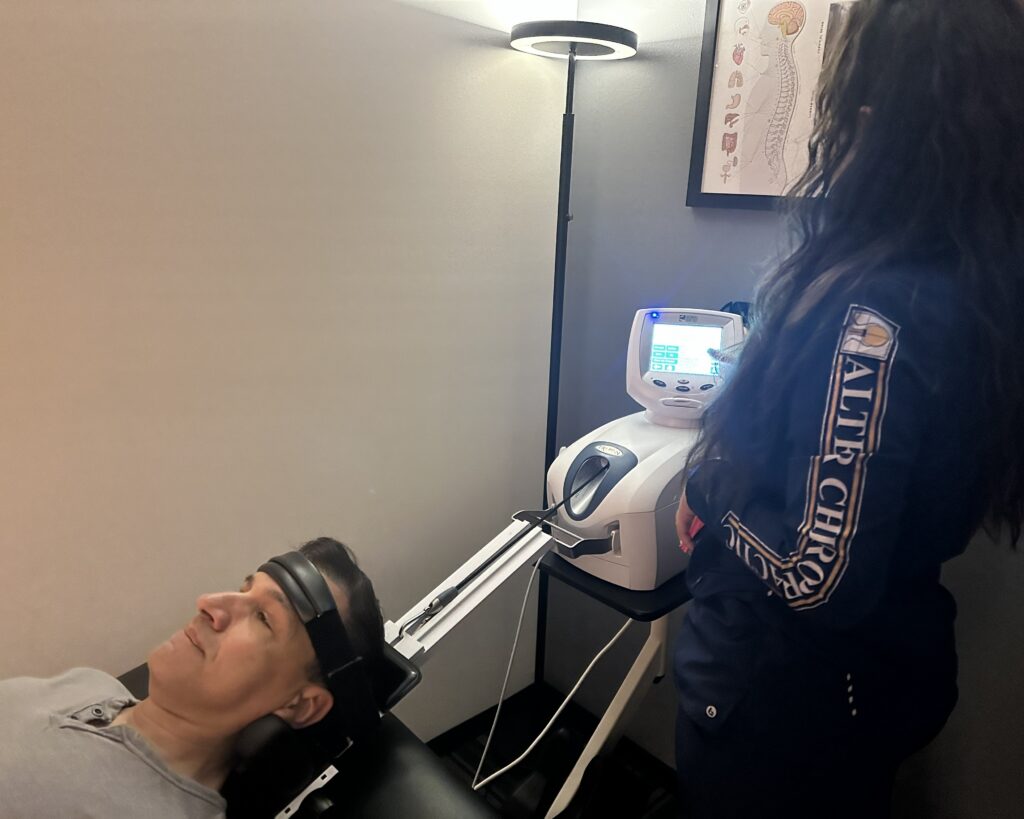
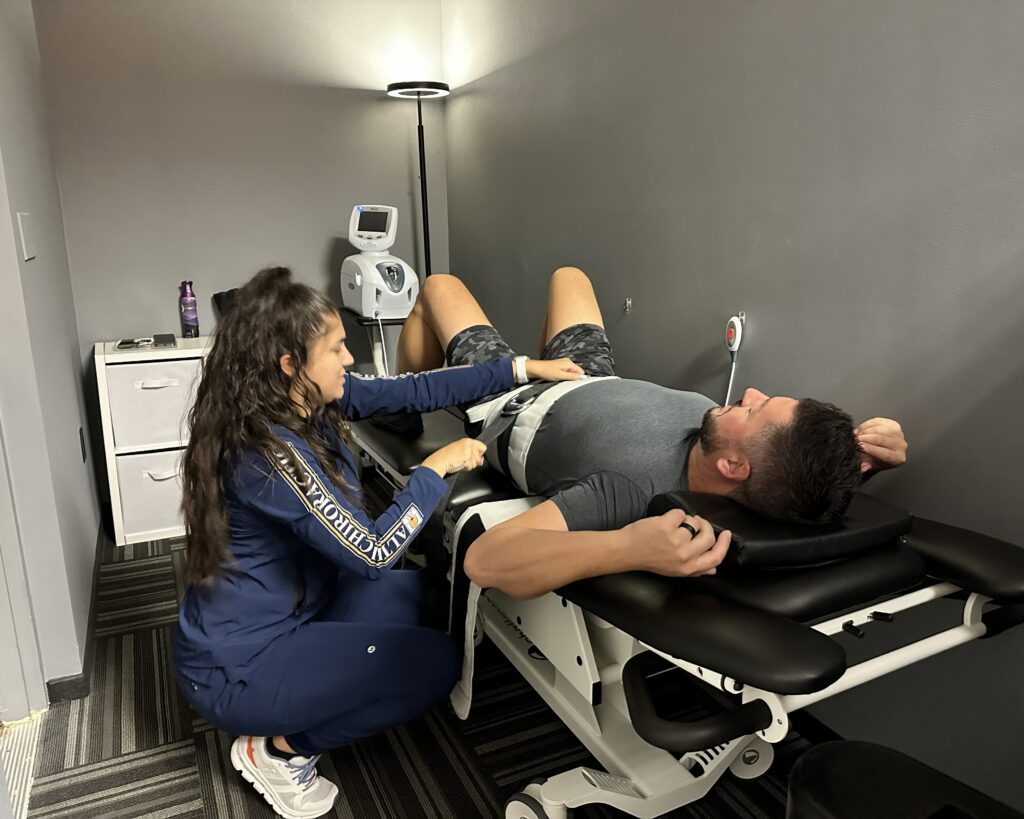
Many individuals experience relief from back pain through chiropractic care, a holistic approach grounded in natural healing principles. This method focuses on the alignment of the spine and the musculoskeletal system to enhance overall health.
Here’s how chiropractic care works:
- Assessment: As your chiropractor, I’ll thoroughly evaluate your condition and identify areas that require attention.
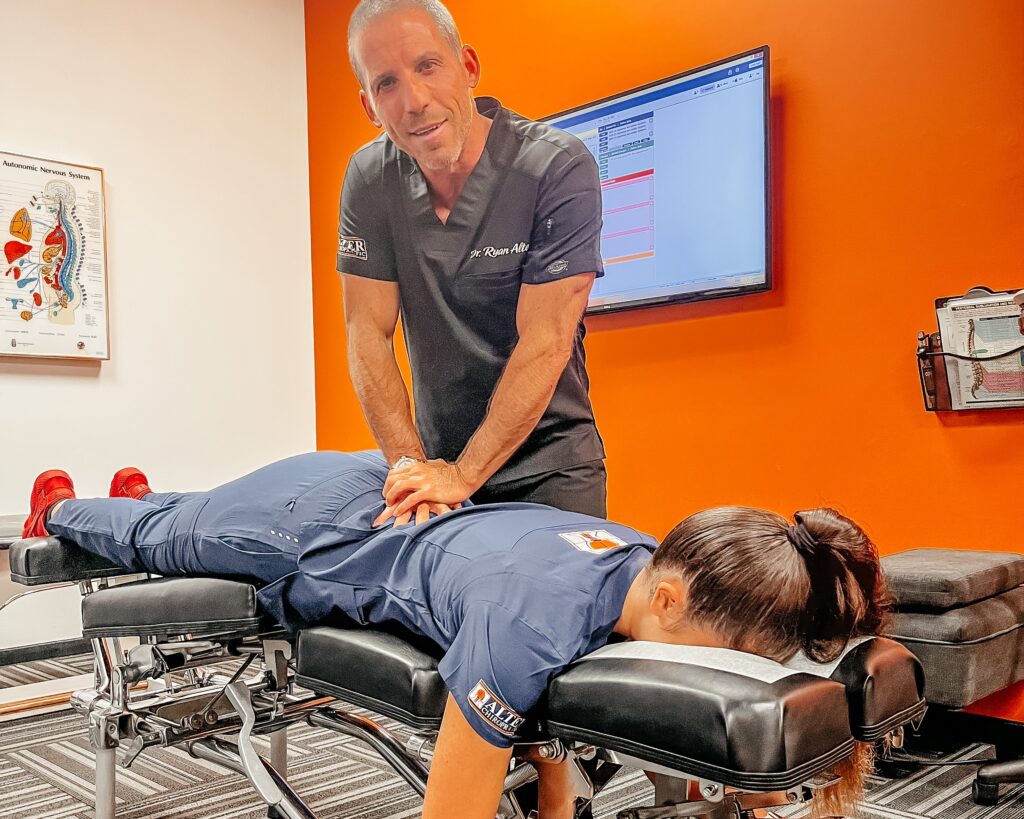
- Spinal Manipulation: Using precise techniques, I’ll adjust misaligned vertebrae to restore proper function and mobility to your spine.
- Nervous System Enhancement: These adjustments help improve nerve function, promote blood circulation, and can lead to a decrease in pain and discomfort.
- Session Duration: Each chiropractic session generally lasts between 30-60 minutes, providing ample time for your body to respond and enter a state of relaxation.
Benefits for Back Pain
As a local chiropractor dedicated to helping you manage back pain, I want to share with you the benefits of incorporating various methods into your pain relief routine. While chiropractic care is a solid foundation for addressing back issues, exploring additional therapies can significantly enhance your relief.
One such therapy is acupuncture, an ancient practice that can truly make a difference in your pain management. Acupuncture works by targeting specific points along your body’s energy pathways, which can help reduce inflammation and improve blood flow. This, in turn, may alleviate your discomfort and support your healing process.
Many of my patients have found that acupuncture sessions not only provide pain relief but also contribute to their overall well-being. After treatments, it’s common for individuals to experience reduced stress levels and improved sleep quality.
Unlike some medications, acupuncture offers a natural approach with minimal side effects, making it an appealing option for those seeking holistic solutions.
By incorporating acupuncture into your back pain relief strategy, you can take a more comprehensive approach to your health. This combination can help you regain mobility and enjoy life more fully.
If you’re curious about how acupuncture can complement your chiropractic care, I’d be happy to discuss it further with you.
Mindfulness and Meditation
As a local chiropractor, I want to share how mindfulness and meditation can be valuable allies in managing back pain.
These practices encourage you to focus on your breathing and develop a deeper awareness of your body—tools that help foster a sense of calm and relieve tension.
By incorporating mindfulness and meditation into your routine, you can enhance your overall well-being and support your journey to pain relief.
Let’s explore how these natural techniques can complement your chiropractic care and lead to a healthier, more balanced life.
Breathing Techniques
As a chiropractor, I understand that managing back pain can often feel daunting. However, I want to share with you a powerful approach that can complement your chiropractic care: breathing techniques. By integrating mindfulness and meditation into your daily routine, you can find significant relief from tension and promote relaxation throughout your body.
Here are some simple breathing techniques that you can incorporate:
- Diaphragmatic Breathing: This technique involves inhaling deeply through your nose, allowing your diaphragm to expand fully, and then exhaling slowly through your mouth. This helps to engage your core muscles and promote a sense of calm.
- 4-7-8 Technique: Inhale for a count of 4 seconds, hold your breath for 7 seconds, and then exhale for 8 seconds. This method is excellent for reducing stress and can enhance the overall effectiveness of your chiropractic adjustments.
- Box Breathing: Inhale for 4 seconds, hold for 4 seconds, exhale for 4 seconds, and pause for another 4 seconds. This rhythmic pattern can help stabilize your nervous system and support your body’s healing process.
- Mindful Breathing: Simply focus on each breath you take, paying attention to the sensations in your body. This practice helps ground you in the present moment and can be particularly beneficial if you’re feeling anxious or overwhelmed.
Incorporating these breathing techniques into your routine can greatly alleviate discomfort and enhance your overall well-being.
Body Awareness
As a local chiropractor, I want to share how becoming more aware of your body can significantly improve your management of back pain. Integrating mindfulness and meditation into your routine can help you connect with your physical sensations and emotional responses in a meaningful way.
To get started, find a quiet space where you can either sit or lie down comfortably. Close your eyes and take a few deep breaths, concentrating on the natural rise and fall of your abdomen.
As you breathe deeply, take a moment to mentally scan your body from head to toe. Pay attention to any areas that feel tense or uncomfortable. It’s important to acknowledge these sensations without judgment; simply notice them.
This practice not only fosters relaxation but also enhances your ability to respond to pain effectively. By cultivating body awareness, you empower yourself to identify pain triggers and adopt healthier posture habits.
This proactive approach can lead to more effective pain management strategies, complementing the chiropractic care you receive. Remember, understanding your body is a key part of your healing journey, and I’m here to support you every step of the way.
Hot and Cold Therapies
As a local chiropractor, I want to share with you the benefits of heat and cold therapies in managing back pain. These natural healing methods can be incredibly effective when used properly, helping to reduce inflammation, enhance circulation, and relax tight muscles.
Here’s how you can incorporate them into your pain relief routine:
- Heat Therapy: Applying a heating pad or a warm towel for about 15-20 minutes can work wonders. This technique helps soothe tight muscles and boosts blood flow to the affected area, promoting healing.
- Cold Therapy: For acute pain or swelling, using an ice pack wrapped in a cloth for 15-20 minutes can be very effective. This will numb the area and help reduce inflammation, giving you some much-needed relief.
- Contrast Therapy: Another effective approach is to alternate between heat and cold treatments. This contrast can improve circulation and alleviate discomfort, providing a more comprehensive pain relief strategy.
- Timing: It’s important to apply heat when you’re dealing with ongoing muscle tightness and to use cold for sudden pain or injuries. Listen to your body—if one method feels more beneficial than the other, adjust accordingly.
I encourage you to experiment with these therapies to discover what works best for you.
Natural healing is about understanding your body, and by tuning into its signals, you can achieve maximum relief from pain. If you have any questions or need further guidance, don’t hesitate to reach out!
Essential Oils for Pain Relief
As a chiropractor, I often encourage my patients to explore various natural approaches to managing pain, including the benefits of essential oils. These concentrated plant extracts aren’t only pleasant to the senses but also possess anti-inflammatory and analgesic properties that can help alleviate discomfort, particularly in the back.
Some oils that have shown promise in easing pain include lavender, peppermint, and eucalyptus. To incorporate these into your routine, you can mix a few drops with a carrier oil, such as coconut or jojoba oil, and gently massage the blend into your sore back. This method allows the oils to penetrate the skin and deliver their soothing effects directly where you need them most.
Another great way to enjoy the benefits of essential oils is by adding them to a warm bath. This creates a relaxing environment that can help ease muscle tension and promote overall relaxation. Additionally, using a diffuser to inhale the aromatic properties of essential oils can be a wonderful way to reduce stress and enhance your mood.
Before applying essential oils to your skin, it’s important to conduct a patch test to check for any potential irritation.
Proper Posture and Ergonomics
As a local chiropractor, I want to share with you the vital importance of proper posture and ergonomics in maintaining a healthy spine and preventing back pain.
Many people are unaware that the way we sit, stand, and interact with our workspaces can significantly impact our overall well-being.
Here are four essential tips to enhance your posture and create a more ergonomic environment:
- Sit Upright: Aim to keep your back straight and your shoulders relaxed while sitting. Your feet should rest flat on the floor. Choosing a chair that offers support for your lower back can make a world of difference in how you feel.
- Screen Height: It’s crucial to position your computer screen at eye level. This simple adjustment can help you avoid leaning forward or straining your neck, thereby reducing the risk of discomfort and pain.
- Keyboard and Mouse: Keep your keyboard and mouse close to your body. This will help maintain your elbows at a comfortable 90-degree angle, which reduces strain on your arms and shoulders.
- Take Breaks: Remember to stand up, stretch, and walk around every hour. These breaks are vital for relieving tension in your muscles and improving circulation, contributing to better overall spinal health.
By implementing these practices, you can support your spine and enhance your body’s natural ability to heal.
If you have any questions about how chiropractic care can further assist you in achieving optimal health, don’t hesitate to reach out!
Strengthening Core Muscles
As a local chiropractor, I want to emphasize the importance of strengthening your core muscles for supporting your spine and enhancing overall stability. A robust core not only helps you maintain proper posture but also reduces strain on your back, potentially alleviating pain.
The great news is that you don’t need to go to a gym; many effective exercises can be performed right at home.
I recommend starting with foundational exercises such as planks, bridges, and abdominal crunches to build your core strength. Additionally, incorporating movements like side planks and bird-dogs can help improve your balance and stability, which are crucial for overall health.
Aim for short exercise sessions several times a week. Consistency is vital; even dedicating just 10 to 15 minutes each day can lead to significant improvements in your core strength.
As you progress, consider challenging yourself with variations such as stability balls or resistance bands to further enhance your workouts.
Always listen to your body during these exercises. If you experience any discomfort or pain, it’s important to stop and reassess your technique or modify the exercise.
Lifestyle Changes for Prevention
As a chiropractor, I want to emphasize that while building a strong core is essential for back health, it’s just one aspect of a broader approach to preventing back pain. Your everyday habits significantly influence the well-being of your spine, and by integrating some simple lifestyle changes, you can greatly minimize your risk of back discomfort.
- Stay Active: Regular physical activity is crucial. Aim for exercises that include both stretching and strengthening to keep your muscles not only strong but also flexible. This can enhance your overall spinal health and support proper alignment.
- Practice Good Posture: Whether you’re sitting at your desk or standing in line, being mindful of your posture is key. Maintaining a neutral spine helps reduce strain on your back and can prevent discomfort over time.
- Mind Your Weight: Keeping your weight within a healthy range is important. Excess weight can place additional pressure on your spine and the surrounding muscles, leading to potential pain and discomfort.
- Use Proper Lifting Techniques: When lifting heavy objects, remember to bend at your knees and keep your back straight. This technique helps protect your spine and reduces the risk of injury.
By incorporating these changes into your daily routine, you can’t only prevent back pain but also enjoy a more active and fulfilling lifestyle.
As a chiropractor, I’m here to support you on this journey to better health through natural healing methods and lifestyle adjustments.
Conclusion
As your local chiropractor, I want to share some valuable insights on how you can alleviate back pain naturally and enhance your overall well-being. Many people are unaware of the benefits of incorporating gentle stretching, yoga, and mindfulness into their daily routines. These practices not only help in relieving pain but also promote a sense of calm and balance.
Additionally, techniques such as hot and cold therapies can provide immediate relief and support your healing process. It’s also essential to pay attention to your posture and engage in core strengthening exercises, as these are fundamental in preventing future discomfort.
By making a few simple lifestyle adjustments, you can take significant steps toward reclaiming your comfort and mobility. I encourage you to start integrating these natural techniques into your life today, and feel free to reach out if you have any questions or need guidance on your journey to wellness!