
When you think about chronic back pain relief, it's easy to feel overwhelmed by the options available. Non-invasive solutions, like physical therapy and mindfulness practices, promise a safer route that focuses on long-term well-being rather than quick fixes. But how do these methods stack up against more invasive procedures? Understanding their effectiveness and the experiences of others can shed light on what might work best for you. The nuances of each approach could change your perspective on managing pain—so what's really the best path forward?
Understanding Chronic Back Pain
When you experience chronic back pain, it can feel like a relentless burden that affects every aspect of your life. You might find it hard to get out of bed in the morning, sit at your desk, or even enjoy your favorite activities. This type of pain doesn't just come and go; it lingers for weeks, months, or even years, impacting your physical and mental well-being.
Chronic back pain often stems from various causes, including poor posture, repetitive movement, or underlying medical conditions like arthritis and herniated discs. You may not always know the exact cause of your pain, and that uncertainty can add to your frustration.
It's important to understand that chronic back pain isn't just a symptom; it's a complex condition that can involve nerve, muscle, and emotional factors.
As you navigate your daily life, you might notice that certain movements or activities worsen your pain. It's crucial to pay attention to these triggers and adapt your routine accordingly. You could benefit from keeping a pain diary, which helps track your symptoms and identify patterns.
Moreover, acknowledging the emotional toll of chronic back pain is significant. You may feel anxious or depressed, and these feelings can exacerbate your physical discomfort.
Understanding chronic back pain is the first step toward finding effective relief and reclaiming your life. By recognizing the multifaceted nature of your pain, you can take actionable steps toward managing it more effectively.
Benefits of Non-Invasive Treatments
Many people find that non-invasive treatments for chronic back pain offer significant relief without the risks associated with surgery or medications. You might appreciate that these methods can provide effective pain management while allowing you to maintain a more active lifestyle. Non-invasive treatments are often more accessible and can be tailored to your specific needs, making them a popular choice for many individuals.
One key benefit is that non-invasive options are generally safer than surgical interventions. Since they don't involve cutting into the body, you can avoid the complications and lengthy recovery times that come with surgery. Instead, you're likely to experience quicker improvements with fewer side effects. This allows you to get back to your daily activities sooner.
Another advantage is the holistic approach many non-invasive treatments offer. They often focus not only on alleviating pain but also on improving your overall well-being. This can include enhancing mobility, strengthening muscles, and promoting better posture. By addressing the underlying causes of your pain, you can achieve more sustainable results.
Additionally, non-invasive treatments can be more cost-effective over time. You'll save on potential surgical costs and lengthy rehabilitation expenses. Many insurance plans also cover these treatments, making them easier to access.
Common Non-Invasive Approaches
A variety of non-invasive approaches can help you manage chronic back pain effectively. These methods focus on relieving discomfort without the need for surgical procedures or invasive treatments.
One popular option is physical therapy, where a trained therapist guides you through exercises tailored to strengthen your back muscles, improve flexibility, and promote better posture.
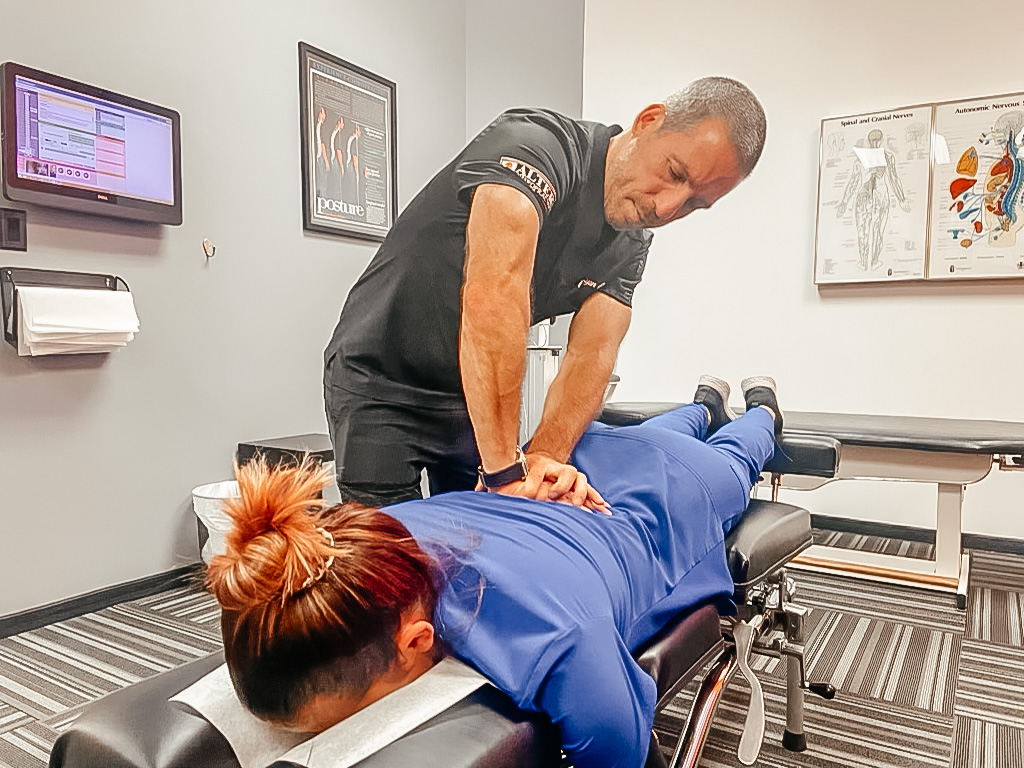
Another commonly used approach is chiropractic care. Chiropractors use manual adjustments to align your spine properly, which can reduce pain and enhance mobility. Many people find relief through regular chiropractic sessions.
Acupuncture is also gaining traction as a viable solution. This ancient practice involves inserting thin needles into specific points on your body to stimulate energy flow and alleviate pain. Many patients report significant improvements after a series of acupuncture sessions.
Additionally, mindfulness and relaxation techniques, such as yoga and meditation, can play an important role in pain management. These practices not only help you cope with pain but also enhance your overall well-being.
Incorporating breathing exercises can further reduce stress, which often exacerbates pain.
Lastly, over-the-counter medications like ibuprofen or acetaminophen can provide temporary relief. However, it's important to consult with a healthcare professional before relying on any medication long-term.
Comparing Effectiveness: Non-Invasive vs. Invasive
When considering treatment options for chronic back pain, it's crucial to weigh the benefits of non-invasive methods against invasive procedures.
You'll want to explore how each approach impacts long-term outcomes and overall quality of life.
Understanding these differences can help you make an informed decision about your pain management strategy.
Treatment Options Overview
Chronic back pain can be a persistent challenge, leading individuals to explore various treatment options. When considering your options, you'll find a range of non-invasive treatments that aim to relieve pain without the need for surgery.
These methods include physical therapy, chiropractic adjustments, acupuncture, and pain management techniques like mindfulness and yoga. Each of these approaches focuses on addressing the root cause of your pain while promoting overall well-being.
On the other hand, invasive treatments like injections or surgery may offer quicker relief for some. However, these methods come with higher risks and longer recovery times. While they might be effective in the short term, they often don't address the underlying issues contributing to your chronic pain.
Non-invasive treatments generally have fewer side effects and allow you to maintain a more active lifestyle. They encourage muscle strengthening and flexibility, which can lead to improved function over time.
Long-Term Outcomes Comparison
Understanding the long-term outcomes of non-invasive versus invasive treatments is key to making an informed choice about your back pain management. While both approaches have their merits, the effectiveness can vary greatly over time.
Here's a quick comparison of long-term outcomes for both treatment types:
- Non-Invasive Treatments: Many people experience sustained relief through methods like physical therapy, chiropractic adjustments, and acupuncture. These treatments often improve mobility and reduce pain without surgical risks.
- Invasive Treatments: Surgical options, such as spinal fusion, can provide immediate relief for specific conditions. However, they may come with complications and longer recovery times, influencing long-term effectiveness.
- Recurrence Rates: Non-invasive treatments tend to have lower recurrence rates for chronic back pain, as they focus on strengthening the body and preventing future issues.
- Quality of Life: Patients who opt for non-invasive methods often report better overall quality of life and functional outcomes in the long run compared to those who undergo invasive procedures.
Ultimately, weighing these factors helps you decide which path aligns best with your personal health goals and lifestyle.
Patient Testimonials and Case Studies
Many individuals struggling with chronic back pain have found relief through non-invasive solutions, and their stories highlight the effectiveness of these approaches.
Take Sarah, for instance. After years of battling debilitating back pain, she discovered a combination of physical therapy and acupuncture that transformed her life. Within weeks, she noticed a significant reduction in pain and an increase in flexibility.
Sarah now shares her journey to inspire others, emphasizing how these non-invasive methods restored her mobility without relying on medications.
Then there's Mark, who struggled with pain after a sports injury. Instead of opting for surgery, he chose chiropractic care and regular massage therapy.
Mark was amazed at how these treatments not only alleviated his pain but also enhanced his overall well-being. He often tells friends that the decision to pursue non-invasive solutions was life-changing.
Additionally, consider Lisa, who found relief through mindfulness and yoga. Initially skeptical, she embraced these practices and soon realized their profound impact on her pain levels.
The mental and physical aspects of her recovery helped her reclaim her life, and she encourages others to explore these options.
These testimonials and case studies illustrate that non-invasive solutions can be powerful allies in the fight against chronic back pain.
They serve as a reminder that with the right approach, you can find relief and regain control over your life without invasive procedures.
Lifestyle Changes for Pain Management
Making simple lifestyle changes can considerably improve your pain management strategy. You mightn't realize it, but adjustments in your daily routine can help alleviate chronic back pain. Here are some effective changes you can implement:
- Stay Active: Regular exercise strengthens your muscles and improves flexibility. Focus on low-impact activities like walking, swimming, or yoga to keep your body moving without straining your back.
- Improve Posture: Being mindful of your posture while sitting, standing, or lifting can greatly reduce back pain. Use ergonomic furniture and make sure that your workstation supports a healthy alignment.
- Maintain a Healthy Weight: Carrying excess weight puts added stress on your back. Adopting a balanced diet rich in fruits, vegetables, and whole grains can help you achieve a healthy weight and reduce pain.
- Practice Stress Management: Stress can exacerbate pain. Incorporate mindfulness techniques such as meditation, deep breathing, or journaling into your routine to help manage stress levels.
Making an Informed Choice
When it comes to managing chronic back pain, making an informed choice is essential.
You need to understand the non-invasive options available, evaluate their effectiveness, and consider their long-term impact on your health.
This knowledge empowers you to select a treatment plan that truly suits your needs.
Understanding Non-Invasive Options
Non-invasive options for chronic back pain relief can offer significant benefits without the risks associated with surgery or heavy medications. These alternatives allow you to manage pain effectively while maintaining a quality lifestyle.
When exploring these options, consider the following:
- Physical Therapy: Engaging in tailored exercises can strengthen your back muscles and improve flexibility, promoting better posture and reducing pain.
- Chiropractic Care: A chiropractor can perform spinal manipulations to enhance mobility and alleviate discomfort, helping your body to function at its best.
- Acupuncture: This ancient practice involves inserting thin needles into specific points on your body to stimulate healing and reduce pain, often proving effective for chronic conditions.
- Mind-Body Techniques: Practices like yoga, meditation, and mindfulness can help you manage stress and improve your mind-body connection, which may contribute to pain relief.
Evaluating Treatment Effectiveness
Evaluating the effectiveness of various non-invasive treatments for chronic back pain is essential for making informed choices about your care.
You'll want to reflect on the specific methods available, such as physical therapy, chiropractic adjustments, acupuncture, and massage therapy. Each treatment option has its strengths and weaknesses, and understanding these can help you find what works best for you.
Start by reviewing clinical studies and patient testimonials to gauge success rates and satisfaction levels. It's also important to assess how each treatment fits into your lifestyle. For example, some therapies require regular visits, while others can be done at home.
Don't forget to consult with your healthcare provider. They can offer insights tailored to your condition and may suggest a combination of therapies for better results.
Keep track of your progress and any changes in your symptoms; this will help you determine whether a treatment is truly effective.
Ultimately, your goal is to find a non-invasive solution that not only alleviates pain but also enhances your overall quality of life. Taking the time to evaluate your options will empower you to make the best decision for your health.
Long-Term Health Considerations
Finding the right non-invasive treatment for chronic back pain is only part of the equation; considering the long-term health implications is equally important.
You want to guarantee that your chosen approach not only alleviates pain in the short term but also promotes your overall well-being in the future.
Here are four key considerations to keep in mind:
- Sustainability: Evaluate if the treatment can be maintained over time without causing additional strain on your body or finances.
- Side Effects: Understand any potential long-term side effects. Some treatments might offer immediate relief but could lead to new health issues down the line.
- Physical Activity: Consider how the treatment affects your ability to stay active. A solution that promotes mobility is essential for maintaining overall health.
- Psychological Impact: Recognize the mental health implications. Chronic pain can lead to anxiety and depression, so choose a treatment that supports emotional well-being.
Conclusion
To sum up, exploring non-invasive solutions for chronic back pain can greatly improve your quality of life. By prioritizing treatments like physical therapy, chiropractic care, and mindfulness practices, you can alleviate pain while minimizing risks associated with surgery. Embracing lifestyle changes further empowers you to manage your pain effectively. Take charge of your health and make informed choices that align with your wellness goals, paving the way for a healthier, pain-free future.