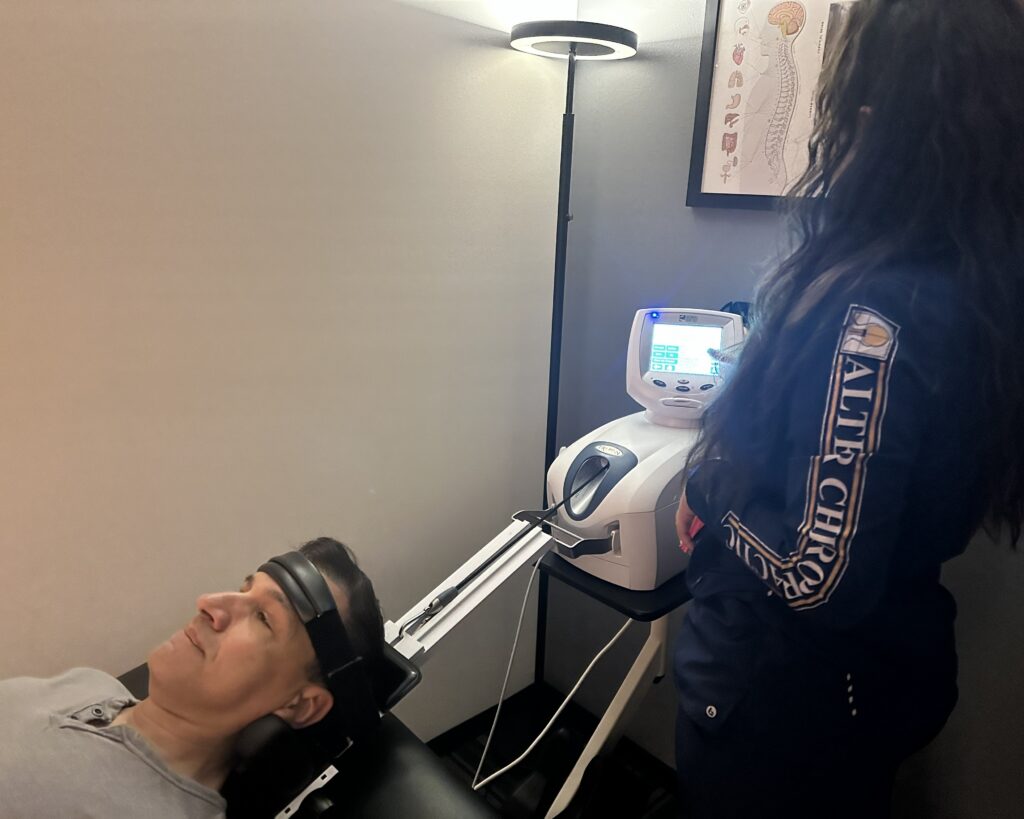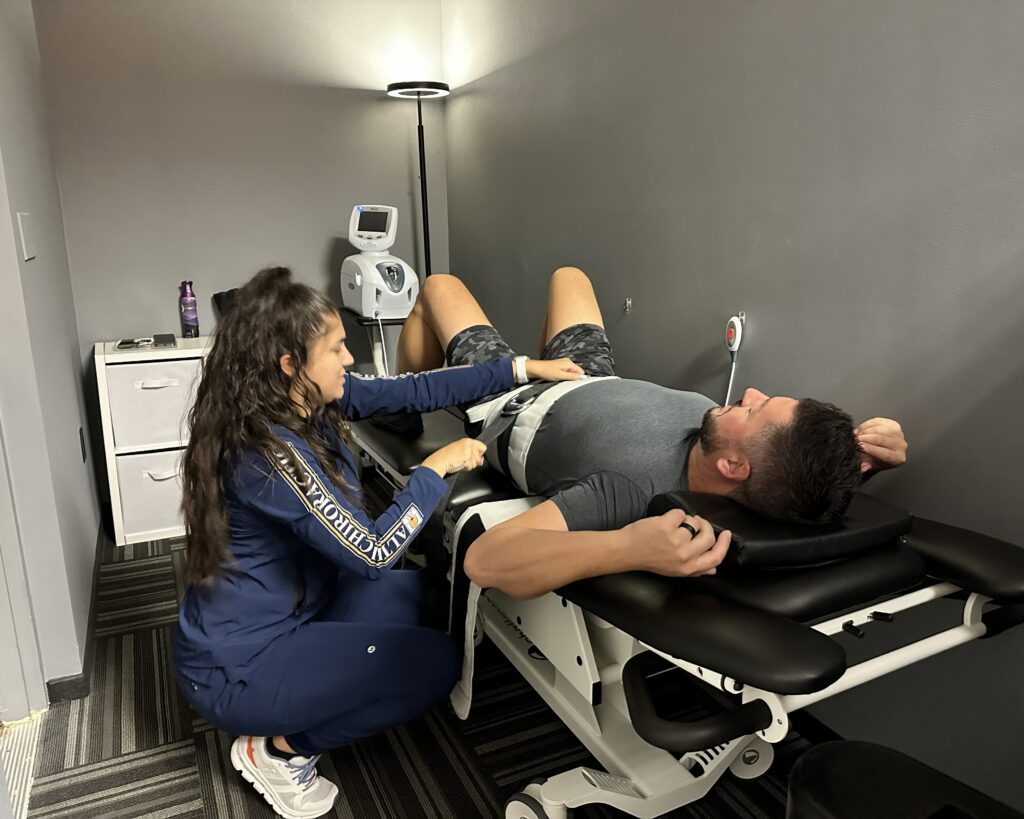

When it comes to managing headaches, finding the right visit frequency to your chiropractor is essential for effective relief and overall wellness. Many people begin with weekly appointments to establish a strong foundation for their spinal health and to address any underlying issues contributing to their headaches. As your symptoms change and improve, your treatment plan should adapt as well.
It’s crucial to monitor your progress, and your chiropractor can help you determine the best times to adjust your visits. You might wonder when it’s time to increase your appointments to get the most benefit from your chiropractic care. Here are some key factors that can help guide your decision:
- Symptom Frequency and Intensity: If you notice that your headaches are becoming more frequent or intense, it may be a signal to schedule more visits. Regular chiropractic adjustments can help alleviate tension and restore balance to your spine, which may reduce headache occurrences.
- Response to Treatment: Pay attention to how your body responds to adjustments. If you’re feeling great after a visit, but the relief doesn’t last until your next appointment, you might benefit from coming in more often. Your chiropractor can help you find the right rhythm for your visits.
- Lifestyle Factors: Stress, poor posture, and other lifestyle habits can all contribute to headaches. If you’re dealing with increased stress or changes in your daily routine, consider increasing your appointment frequency for additional support.
- Overall Health Goals: Think about your long-term health objectives. Regular chiropractic care not only focuses on headache relief but also promotes overall wellness. The more you invest in your spinal health, the better you may feel in all aspects of your life.
Remember, chiropractic care is a natural and effective way to manage headaches without relying on medications or invasive procedures. By prioritizing your spinal health, you can experience relief and enhance your quality of life.
As a general tip, always practice good posture, stay hydrated, and incorporate stress-reducing activities like yoga or meditation into your routine. These small changes can complement your chiropractic care and lead to even better outcomes. Your journey to optimal health starts with understanding your body and working closely with your chiropractor.
Key Takeaways
- The ideal frequency of visits to your chiropractor can differ based on how severe your headaches are and how well you respond to treatment. It’s important to remember that these factors may need to be adjusted as you progress on your healing journey.
- At the beginning, you might find that you need to visit more often, as we work together to understand your headaches and develop a personalized care plan. Once we establish a routine that works for you, visits may become less frequent.
- If you notice your headaches becoming more intense or happening more often, don’t hesitate to reach out for more visits. It’s crucial to stay on top of your care to effectively manage your symptoms.
- Regular follow-ups are key to tracking your progress and fine-tuning your treatment plan based on how your body responds. This ongoing communication helps us ensure you’re getting the best care possible.
- Consistent chiropractic care not only targets pain relief but also promotes overall wellness. Maintaining your spinal health is essential, and by keeping up with your adjustments, you can support your body in achieving optimal health naturally.
Tips for Managing Headaches:
- Stay hydrated: Drinking plenty of water can help reduce headache frequency.
- Maintain good posture: Proper alignment can ease tension in your neck and back.
- Take breaks: If you work at a desk or spend long periods looking at screens, take regular breaks to stretch and relax your muscles.
- Practice relaxation techniques: Deep breathing, meditation, or gentle yoga can help alleviate stress, which is often a headache trigger.
- Keep a headache diary: Tracking your headaches can help identify patterns and triggers, allowing for more effective treatment in collaboration with your chiropractor.
Remember, chiropractic care is a natural and effective way to manage headaches and enhance your overall quality of life!
Understanding Different Types of Headaches
When it comes to headaches, understanding the different types can make a significant difference in finding natural relief. As a chiropractor, I want to help you identify the source of your discomfort so you can take proactive steps toward wellness without relying on medications or surgeries.
Let’s start with tension headaches. These are often characterized by a dull, aching sensation and tightness in your neck or shoulders. They frequently stem from stress, poor posture, or muscle tension. Simple lifestyle changes, like practicing good posture, taking regular breaks during long periods of sitting, and incorporating relaxation techniques such as deep breathing or yoga, can help reduce the frequency and intensity of these headaches.
Migraines, on the other hand, can be more debilitating. They often present as intense throbbing pain, usually accompanied by nausea and sensitivity to light or sound. While the exact cause of migraines isn’t fully understood, regular chiropractic adjustments can help alleviate some of the tension that may trigger them. Additionally, maintaining a consistent sleep schedule, staying hydrated, and managing stress through natural means can be beneficial.
Cluster headaches, though less common, can strike suddenly and cause severe, burning pain around one eye. While they may be challenging to manage, chiropractic care can help improve spinal alignment, which may alleviate some of the pain. It’s also helpful to identify any triggers, such as certain foods or environmental factors, and avoid them when possible.
Sinus headaches, often linked to sinus infections, present with pressure and tenderness in the face. Addressing any underlying spinal issues can improve overall sinus function, which may help reduce these headaches. Keeping your living space free of allergens, staying hydrated, and utilizing steam inhalation can also provide relief.
By recognizing these types of headaches and understanding their causes, you can communicate more effectively with your chiropractor. Together, you can explore natural treatments like spinal adjustments, lifestyle modifications, and holistic approaches to achieve optimal health and wellness.
Assessing the Severity and Frequency of Your Headaches
To effectively manage your headaches, it’s important to assess both their severity and frequency. Start by identifying what may be triggering your headaches and tracking any patterns you notice. This information will be invaluable in helping you and your chiropractor develop a personalized plan for relief.
Chiropractic care can play a key role in alleviating headaches, as it focuses on restoring proper alignment and function to the spine. Misalignments in the spine can lead to tension and discomfort, which may contribute to headache symptoms. By addressing these issues through gentle adjustments, chiropractic care promotes natural healing and can often reduce the frequency and intensity of headaches.
Here are a few general tips you can incorporate into your daily routine to help manage headaches naturally:
- Stay Hydrated: Dehydration can be a common headache trigger. Make sure you drink plenty of water throughout the day.
- Practice Good Posture: Poor posture can lead to tension in the neck and shoulders, which may trigger headaches. Be mindful of your posture, especially when sitting for long periods.
- Manage Stress: Stress is a significant contributor to headaches. Incorporate relaxation techniques such as deep breathing, meditation, or gentle yoga into your routine.
- Get Regular Chiropractic Care: Regular visits to your chiropractor can help keep your spine aligned and may reduce headache occurrences.
- Limit Caffeine and Alcohol: Both substances can lead to dehydration and may trigger headaches in some individuals. Moderation is key.
By taking these steps and working with your chiropractor, you can create a natural pathway toward headache relief and overall wellness.
Identifying Headache Triggers
Identifying your headache triggers is crucial for managing their severity and frequency effectively, and chiropractic care can play a significant role in this process. Start by observing your lifestyle, diet, and environmental factors that may contribute to your headaches. Common triggers include stress, dehydration, certain foods, lack of sleep, and hormonal changes.
As a chiropractor, I encourage you to keep track of when your headaches occur and what you were doing beforehand. Often, you may notice patterns that highlight specific triggers. For example, if your headaches tend to follow a busy workweek, stress might be a significant factor. Moreover, certain foods like aged cheese or chocolate can also lead to discomfort.
In addition to being mindful of these triggers, consider how chiropractic care can help you manage tension and promote relaxation. Regular chiropractic adjustments can alleviate stress and tension in the body, ultimately helping to reduce headache occurrences.
Here are some general tips to help you manage headaches naturally:
- Stay Hydrated: Drink plenty of water throughout the day to prevent dehydration.
- Rest Well: Aim for a consistent sleep schedule to ensure you’re getting enough rest.
- Practice Stress Relief: Incorporate relaxation techniques like deep breathing, meditation, or yoga into your routine.
- Maintain Good Posture: Proper alignment can prevent tension headaches, so be mindful of your posture, especially at your workspace.
- Consider Your Diet: Keep a food diary to identify any potential food triggers and make healthier choices.
By understanding your headache triggers and incorporating chiropractic care into your wellness routine, you can take proactive steps to improve your overall health and reduce headache occurrences.
Tracking Headache Patterns
Understanding your headache triggers is a crucial step in tracking headache patterns, which can help you manage your discomfort effectively. By keeping a detailed record, you can uncover how frequently and how intensely your headaches occur. This valuable information not only aids in your understanding but also enhances the conversations you have with your chiropractor, who can guide you towards natural healing solutions.
Here are some important aspects to monitor:
- Frequency: Keep track of how many times you experience headaches each week. This helps paint a clearer picture of your headache habits.
- Severity: Rate your headaches on a scale of 1-10. This simple method allows you to communicate your pain levels effectively.
- Duration: Record how long each headache lasts. Knowing the duration can help your chiropractor tailor a treatment plan that focuses on those specific patterns.
- Associated Symptoms: Document any additional symptoms, such as nausea or sensitivity to light. Noting these can provide useful insights into your overall health.
- Potential Triggers: List any suspected triggers, such as stress, specific foods, or changes in your sleep patterns. Identifying these can lead to effective preventive measures.
Incorporating chiropractic care into your lifestyle can provide significant relief and promote overall wellness.
A chiropractor can work with you to address spinal health, which plays a vital role in how your body manages pain. By focusing on natural healing methods, you can create a personalized care plan that supports your journey towards optimal health.
Initial Consultation: What to Expect
When you arrive for your initial consultation seeking headache relief, you can expect a comprehensive evaluation that focuses on your unique symptoms and overall health. As your chiropractor, I’ll ask you about your headaches in detail—their frequency, duration, and intensity.
It’s important to share any triggers you’ve noticed and any previous treatments you’ve attempted, as this information will help us understand your situation better.
During the consultation, I’ll conduct a physical examination to identify any issues that may be contributing to your headaches. This includes assessing your posture, neck alignment, and neurological function.
It’s crucial to recognize how lifestyle habits—such as your sleep quality and stress levels—can impact headache frequency, so we’ll discuss these aspects as well.
Feel free to ask any questions during our time together. Your concerns and preferences regarding treatment options are important to me.
This initial consultation is a vital step towards understanding your headaches and developing a natural, chiropractic approach to relief.
Additionally, here are some general tips for managing headaches in your daily life:
- Stay Hydrated: Drink plenty of water throughout the day, as dehydration can trigger headaches.
- Maintain Good Posture: Pay attention to your posture, especially if you spend long hours sitting at a desk. Proper alignment can reduce strain on your neck and spine.
- Manage Stress: Incorporate relaxation techniques such as deep breathing, yoga, or meditation into your routine to help minimize stress-related headaches.
- Regular Exercise: Engaging in regular physical activity can promote overall health and help alleviate headache frequency and intensity.
- Sleep Hygiene: Ensure you have a consistent sleep schedule and create a peaceful sleeping environment to improve your sleep quality.
By opting for chiropractic care, you’re choosing a natural, holistic approach to achieve optimal health and wellness.
Together, we can work towards finding the best strategies for your headache relief.
Establishing a Treatment Plan
To create an effective treatment plan for your headaches, we’ll focus on natural healing methods and chiropractic care to relieve your pain and enhance your overall well-being. Together, we’ll identify the best strategies that align with your lifestyle and promote a healthier approach to managing headaches.
Here are some key elements we’ll consider in your treatment plan:
- Chiropractic Adjustments: Regular spinal adjustments can help alleviate tension and misalignments that contribute to headaches. This natural approach works to restore balance and function to your nervous system.
- Identifying Triggers: We’ll work together to identify any lifestyle factors or habits that may be triggering your headaches. This could include stress, poor posture, or dehydration. Making small adjustments can have a big impact!
- Hydration and Nutrition: Staying well-hydrated and eating a balanced diet is essential for reducing headache frequency. I’ll guide you on foods that can support your overall health and help minimize headaches.
- Gentle Exercises: Incorporating gentle stretches and exercises can improve your spinal health and reduce tension. Simple movements can be beneficial in relieving pain and promoting wellness.
- Relaxation Techniques: Adding relaxation methods to your daily routine, such as deep breathing exercises, mindfulness, or yoga, can help manage stress and prevent headaches from occurring.
- Regular Check-ins: We’ll schedule follow-up visits to monitor your progress and make any necessary adjustments to your treatment plan. Consistency is key in achieving long-term relief.
By focusing on these natural approaches, we can work together to help you find relief from headaches while promoting a healthier, more vibrant lifestyle.
Monitoring Progress: Follow-Up Visits
As you navigate your journey towards better health, regular follow-up visits with your chiropractor are vital for monitoring your progress and fine-tuning your treatment plan.
These appointments are a perfect opportunity to talk about any changes you’ve noticed in your body, discuss how well your chiropractic care is working, and address any discomfort or concerns you may have.
During these visits, your chiropractor can evaluate your progress by asking about your symptoms and any improvements you’ve experienced. Keeping a simple record of your pain levels or any specific triggers can be incredibly helpful.
This information allows your chiropractor to create a more personalized approach to your care, focusing on what works best for you.
To make the most of your visits, consider jotting down any changes in how you feel—like how often you experience discomfort or any new activities that may have affected your wellbeing.
Remember, open communication with your chiropractor is essential. Don’t hesitate to express your thoughts or ask questions; it’s an important part of your healing process.
Chiropractic care focuses on the body’s natural ability to heal itself.
By regularly checking in with your chiropractor, you can ensure that you’re on the right path toward optimal health and wellness.
Embrace this holistic approach, and take charge of your health journey!
When to Increase Visit Frequency
Recognizing the right time to increase your visit frequency can significantly enhance your journey towards headache relief through chiropractic care. Here are some key signs that suggest it might be beneficial to book more appointments with your chiropractor:
- You’re experiencing headaches more often or they feel more intense than usual.
- The relief you’re getting from your current treatments isn’t meeting your needs.
- You’ve identified new headache triggers or patterns that weren’t there before.
- Your headaches are starting to disrupt your daily activities or diminish your quality of life.
- You’ve made recent changes to your lifestyle, stress levels, or routines that could be affecting your well-being.
If any of these signs resonate with you, it’s important to have an open conversation with your chiropractor. They can assess your situation and help determine if increasing your visit frequency is the right path for you.
In addition to regular visits, here are some general tips for headache management through natural means:
- Stay hydrated: Dehydration can trigger headaches, so make sure you’re drinking enough water throughout the day.
- Maintain good posture: Poor posture can strain your spine and lead to headaches. Pay attention to your sitting and standing positions.
- Manage stress: Incorporate relaxation techniques like deep breathing, yoga, or meditation into your daily routine to help reduce tension.
- Get enough sleep: Aim for a consistent sleep schedule to ensure your body has time to recover and heal.
The Role of Self-Management in Headache Relief
Managing your headaches effectively starts with understanding your triggers, and this is where chiropractic care can play a pivotal role. By identifying what sparks your pain, alongside incorporating stress management techniques, and making key lifestyle modifications, you can gain more control over your symptoms.
Chiropractic care focuses on aligning your spine and enhancing your overall wellness, which can help alleviate headache pain. Regular chiropractic adjustments can reduce tension in your neck and shoulders, areas that often contribute to headaches. In addition to adjustments, practicing good posture and maintaining a healthy spine are essential for headache relief.
Here are some practical tips to consider in your headache relief journey:
- Keep a Headache Diary: Track when headaches occur and any potential triggers, such as certain foods or stressors. This can help you and your chiropractor create a tailored plan for your care.
- Stay Hydrated: Dehydration can lead to headaches, so make sure you’re drinking plenty of water throughout the day.
- Practice Stress Management: Techniques such as deep breathing, meditation, or gentle yoga can help manage stress, which is a common headache trigger.
- Maintain Good Posture: Be mindful of your posture, especially if you sit for long periods. Keeping your spine aligned can help prevent tension headaches.
- Regular Chiropractic Visits: Regular adjustments can help maintain spinal alignment and reduce the frequency and intensity of headaches.
By incorporating these self-management strategies along with the benefits of chiropractic care, you can make a real difference in your headache relief journey.
Tracking Headache Triggers
How can tracking headache triggers empower you in finding relief? By identifying patterns in your headaches, you can take proactive steps to minimize their frequency and severity, ultimately enhancing your overall wellness.
Keeping a detailed log helps you connect the dots between your lifestyle and headache occurrences, allowing you to make informed choices that support your health. Here are some key factors you might want to track:
- Diet: Pay attention to any foods or drinks that seem to trigger a headache. Keeping a food diary can help you pinpoint potential culprits and make healthier dietary choices.
- Sleep: Monitor your sleep patterns and quality. Adequate rest is crucial for overall health, and poor sleep can contribute to headaches. Establishing a consistent sleep routine can improve your sleep quality.
- Environment: Record any changes in your surroundings, such as weather conditions, lighting, or noise levels. Sometimes, simple adjustments in your environment can help reduce headache occurrences.
- Hormones: For those who experience headaches in relation to hormonal changes, tracking menstrual cycles or other hormonal fluctuations can be beneficial. Understanding these patterns may help you prepare and manage symptoms more effectively.
- Activities: Keep tabs on your physical activities and stress levels. Regular exercise and stress management techniques, such as yoga or deep breathing, can significantly help reduce headache frequency and improve your overall well-being.
Incorporating chiropractic care into your routine can also be a powerful way to alleviate headaches. Chiropractic adjustments help improve spinal alignment, which can reduce tension and enhance overall nerve function.
Stress Management Techniques
While stress is often an unavoidable part of life, finding effective management techniques can significantly help reduce headache occurrences and improve overall well-being. As a chiropractor, I encourage you to start by identifying your stressors—these could be work-related, personal, or even environmental factors. Understanding what triggers your stress is crucial in addressing it effectively.
One of the best natural ways to alleviate tension is through chiropractic care. Chiropractic adjustments not only help relieve headaches but also correct spinal misalignments that can contribute to stress. Regular visits to a chiropractor can promote a healthier spine and nervous system, leading to improved stress management.
In addition to chiropractic care, you can incorporate techniques like deep breathing exercises and mindfulness practices into your daily routine. Taking short breaks during your day to stretch or practice relaxation techniques can also be beneficial. Engaging in regular physical activity, such as walking or yoga, complements chiropractic treatment by enhancing overall body function and reducing muscle tension.
Don’t underestimate the importance of sleep; prioritizing adequate rest is essential for managing stress effectively. A well-rested body can better handle daily stressors and reduce headache frequency. Journaling your thoughts and feelings can also provide clarity and help you process emotions, further supporting your mental health.
By actively engaging in these self-management strategies and considering chiropractic care, you’ll likely notice a decrease in headache frequency and experience a more balanced, pain-free life.
Lifestyle Modification Strategies
To achieve lasting headache relief, integrating lifestyle modifications into your daily routine is essential. Not only can these changes enhance your quality of life, but they can also help reduce the frequency of headaches.
As a chiropractor, I believe that natural healing and wellness are key to managing pain. Here are some effective strategies that you can easily adopt:
- Stay Hydrated: Drinking enough water throughout the day is crucial. Dehydration can be a common trigger for headaches, so aim to sip water consistently.
- Establish a Sleep Routine: Prioritize getting 7-9 hours of restful sleep each night. Quality sleep is vital for overall health and can play a significant role in headache prevention.
- Maintain a Balanced Diet: Eating regular, nutritious meals helps keep your blood sugar levels steady. Focus on whole foods that nourish your body and support overall well-being.
- Exercise Regularly: Engaging in moderate physical activities, such as walking or yoga, can help alleviate stress and reduce muscle tension that often contributes to headaches.
- Limit Caffeine and Alcohol: While these substances can be enjoyable in moderation, cutting back on caffeine and alcohol can prevent headaches from flaring up.
Incorporating these strategies into your daily routine can empower you to manage headaches naturally.
Conclusion
In summary, discovering the best visit frequency for headache relief is a personalized journey that can greatly benefit from chiropractic care. By gaining a deeper understanding of your headaches and working with your chiropractor to establish a tailored treatment plan, you can effectively manage your symptoms. It’s important to keep track of your progress and don’t hesitate to increase your visit frequency if your headaches become more intense.
Chiropractic care focuses on the health of your spine and nervous system, which can have a significant impact on headache relief. Remember, taking an active role in your wellness is crucial. Incorporate self-care practices into your routine, such as staying hydrated, practicing good posture, and managing stress through relaxation techniques like deep breathing or gentle yoga.
Always communicate openly with your chiropractor about any changes in your condition. This collaboration will help ensure that you receive the best possible care on your path to wellness. By choosing chiropractic care as your primary approach, you’re not only addressing headaches but also promoting overall health and well-being. Let’s work together towards a life free from pain and full of vitality!