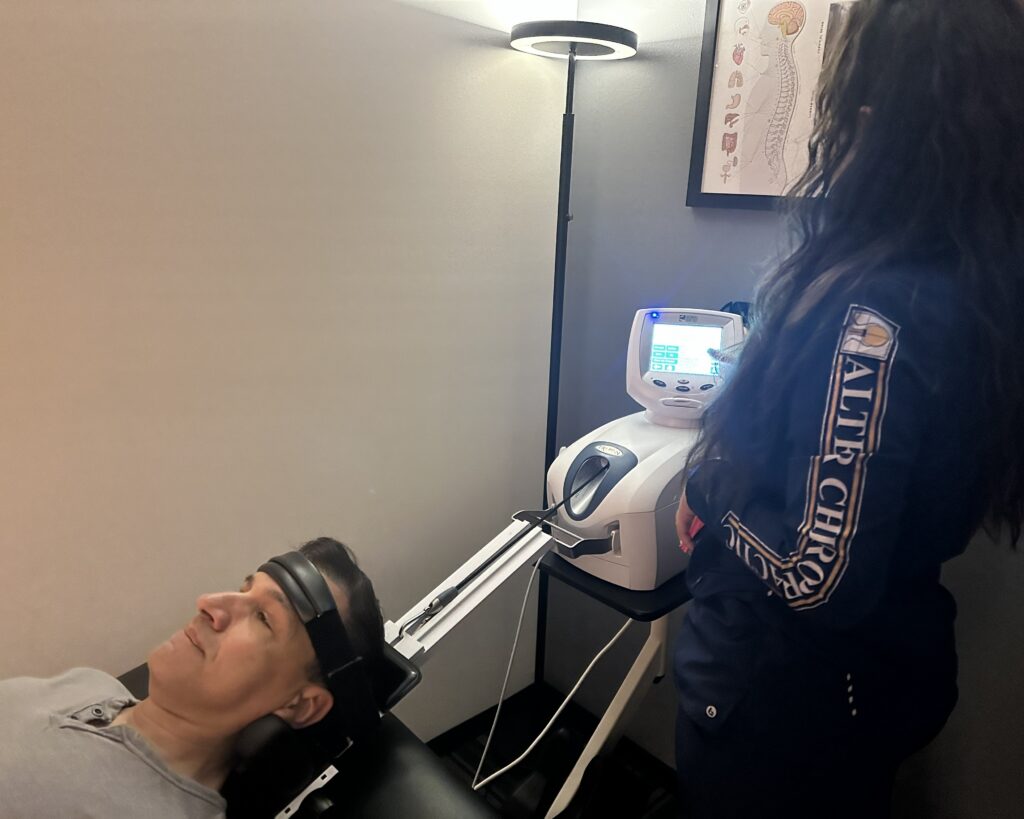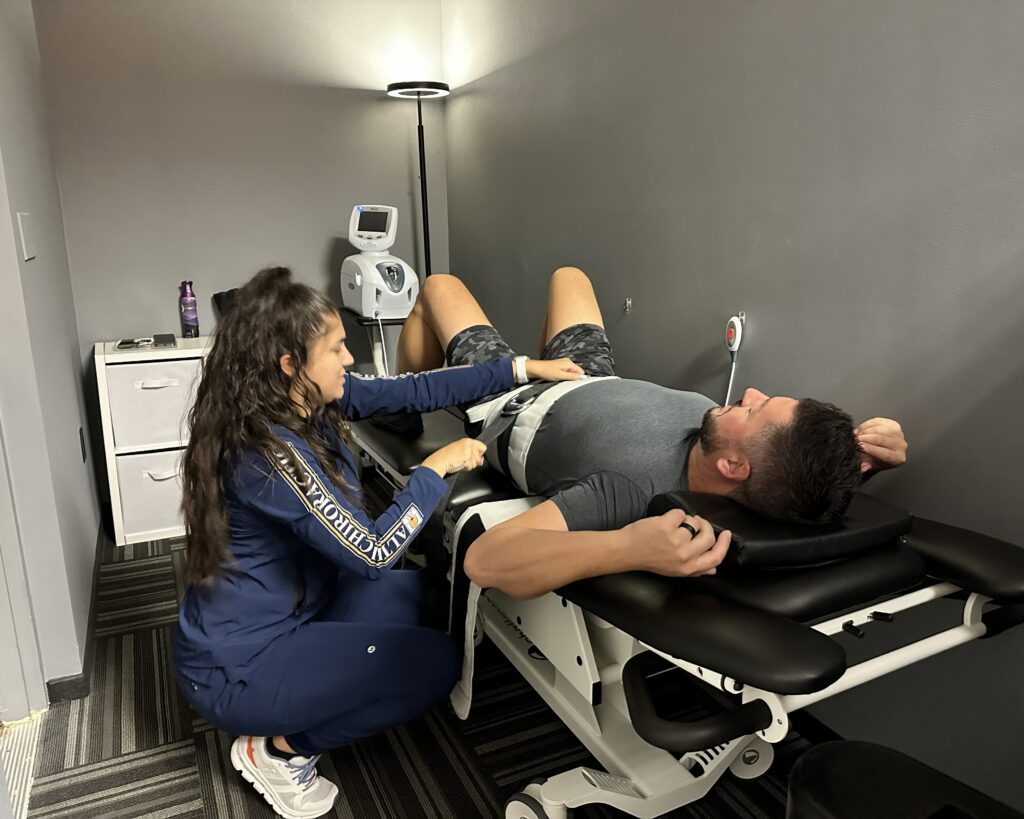

When it comes to finding relief from headaches, the frequency of your visits to a chiropractor is crucial in your journey towards optimal health. Starting with one to two sessions a week can lay a solid foundation for your treatment. As you progress, you may find that your visit frequency can be adjusted to better suit your needs. Tailoring your chiropractic care schedule can greatly enhance your overall well-being.
So, what should you consider when determining the best schedule for your chiropractic visits?
- Type of Headache: Different headaches may require different approaches. Migraines, tension headaches, and cluster headaches can all benefit from chiropractic adjustments, but the frequency might vary based on the severity and type.
- Response to Treatment: Pay attention to how your body responds after each visit. If you notice significant relief, you may be able to reduce your visits over time. Conversely, if you’re still feeling discomfort, you might want to maintain a more frequent schedule until you find the right balance.
- Lifestyle Factors: Your daily activities, stress levels, and overall health can affect your headaches. If you lead a stressful life or have a sedentary job, more frequent visits may help alleviate tension and promote better spinal health.
- Prevention: Regular chiropractic care can not only help relieve headaches but also prevent them from occurring in the first place. Once your pain is under control, consider maintaining a regular schedule to keep your spine aligned and your body functioning optimally.
- Communication with Your Chiropractor: Always communicate openly with your chiropractor about your headache patterns and any changes you experience. They can help adjust your treatment plan to ensure you’re getting the best care possible.
As you embark on your journey to headache relief through chiropractic care, remember that you are choosing a natural, holistic approach to health and wellness. By prioritizing regular chiropractic visits, you’re not just addressing your headaches; you’re investing in your overall health. Embrace the power of chiropractic care and take control of your well-being!
Key Takeaways
- Begin your journey to headache relief with one to two chiropractic visits each week. This allows for a thorough assessment and targeted treatment tailored to your specific needs.
- As you start to feel better, you may transition to visits every two weeks or even once a month, depending on your progress in alleviating headaches.
- Incorporating physical therapy into your routine can be incredibly beneficial. Start with 2-3 visits each week to build a strong foundation for healing.
- As you notice improvements, you can reduce physical therapy to once a week or bi-weekly, allowing your body to continue healing naturally.
- To maintain your progress and effectively manage headaches over time, consider scheduling monthly check-ins for both chiropractic care and physical therapy. These maintenance visits help ensure that you stay on track and feel your best.
- Remember, chiropractic care focuses on natural healing and overall wellness. By prioritizing your spinal health, you can achieve lasting relief from headaches and enhance your quality of life. Always listen to your body and communicate with your chiropractor to find the best plan for you.
Understanding Headache Types
Headaches can manifest in various forms, each with its own unique triggers and symptoms. By understanding these types, you can better identify what you’re experiencing and take steps toward relief.
Tension headaches, for example, often feel like a tight band around your head. They’re commonly caused by stress or muscle tension, and these types of headaches can often be alleviated with gentle chiropractic adjustments that help relieve muscle strain and improve spinal alignment.
Migraines are another type of headache that can be quite debilitating, often accompanied by nausea, sensitivity to light, and severe pain. These headaches can be triggered by certain foods, hormonal changes, or even shifts in the weather. Chiropractic care can be incredibly beneficial here as well, as it aims to alleviate tension in the body that may contribute to migraine onset.
Cluster headaches, though less common, are known for their excruciating pain and often occur in cyclical patterns, typically affecting one side of the head. While these can be challenging, maintaining a healthy lifestyle and regular chiropractic visits may help prevent their occurrence and reduce their intensity.
Sinus headaches are linked to sinus infections and come with facial pressure and nasal congestion. Chiropractic adjustments can aid in enhancing your sinus drainage and reducing pressure, providing a natural way to find relief.
By identifying the type of headache you’re dealing with, you can better manage your symptoms and seek appropriate relief. Remember, chiropractic care focuses on the whole body, promoting natural healing and optimal health.
Alongside chiropractic adjustments, here are a few general tips to help manage headaches:
- Stay Hydrated: Drink plenty of water throughout the day to prevent dehydration, which can trigger headaches.
- Practice Good Posture: Maintaining proper posture can reduce tension in your neck and shoulders, helping to prevent tension headaches.
- Manage Stress: Engage in relaxation techniques such as deep breathing, yoga, or meditation to help reduce stress levels.
- Regular Exercise: Physical activity can improve blood flow and reduce headache frequency.
- Sleep Well: Ensure you’re getting adequate rest, as sleep deprivation can lead to headaches.
Taking charge of your health through chiropractic care empowers you to make informed decisions about your well-being and find natural ways to manage headache pain. Remember, your spinal health is an essential piece of the puzzle in achieving overall wellness!
The Role of Healthcare Professionals in Headache Management
When it comes to managing your headaches, chiropractic care can be a game changer. As a chiropractor, I understand how vital it’s to identify the root cause of your headaches and not just mask the symptoms. By examining your spine and ensuring proper alignment, we can create a personalized treatment plan that’s focused on natural healing.
Chiropractors are trained to evaluate how your spine and nervous system interact, which can often reveal the underlying issues contributing to your headaches. Through gentle adjustments and spinal care, we can help alleviate tension, improve circulation, and promote overall wellness, leading to effective headache relief.
In addition to chiropractic adjustments, here are some general tips to help manage headaches naturally:
- Stay Hydrated: Dehydration can trigger headaches, so make sure you’re drinking enough water throughout the day.
- Maintain Good Posture: Poor posture can strain your neck and back, leading to tension headaches. Be mindful of your posture, especially when sitting at a desk.
- Practice Relaxation Techniques: Stress can be a major headache trigger. Incorporating deep breathing, meditation, or yoga into your routine can help reduce stress levels.
- Get Enough Sleep: Aim for a consistent sleep schedule to help your body recharge and prevent headaches caused by fatigue.
- Limit Screen Time: Excessive screen time can lead to eye strain and tension headaches. Take regular breaks and practice the 20-20-20 rule: look at something 20 feet away for 20 seconds every 20 minutes.
By embracing chiropractic care and these natural wellness practices, you can take control of your headache management journey and work towards achieving optimal health.
Importance of Diagnosis
Understanding the importance of a proper diagnosis is crucial for effectively managing headaches, and chiropractic care can play a key role in this process. When you visit a chiropractor, they’ll assess your symptoms, medical history, and lifestyle factors to identify the type of headaches you’re experiencing and their underlying causes. This thorough evaluation is essential because it shapes the natural strategies we use to help alleviate your discomfort.
Without a clear understanding of your condition, you may end up with treatments that don’t address the true source of your pain. For example, recognizing triggers—such as stress, poor posture, dietary habits, or hormonal changes—allows us to create a personalized management plan that suits your unique needs.
Chiropractic care emphasizes holistic healing and focuses on the spine and nervous system, which are often at the core of many headache issues. By ensuring your spine is aligned and functioning properly, we can reduce tension and discomfort, making it easier for your body to heal itself naturally.
Additionally, a proper diagnosis can help rule out more serious conditions, ensuring you receive the right care. By working closely with your chiropractor, you can achieve better overall health outcomes and significantly improve your quality of life.
Here are a few tips to help manage headaches naturally:
- Stay Hydrated: Drink plenty of water throughout the day to prevent dehydration, a common headache trigger.
- Practice Good Posture: Maintain proper posture, especially if you work at a desk. This can reduce tension in your neck and shoulders.
- Manage Stress: Incorporate relaxation techniques, such as deep breathing, meditation, or yoga, to help reduce stress-related headaches.
- Get Regular Adjustments: Regular chiropractic adjustments can help maintain spinal alignment and reduce headache frequency.
- Monitor Your Diet: Keep track of foods that may trigger headaches and consider reducing or eliminating them from your diet.
Treatment Plan Development
Creating an effective treatment plan for headaches can greatly benefit from a holistic approach, with chiropractic care at the forefront. By focusing on the spine and overall wellness, chiropractic adjustments can help alleviate tension and misalignments that may contribute to headache pain.
As a chiropractor, I emphasize the importance of a comprehensive strategy that goes beyond just addressing symptoms. Here’s a brief overview of how chiropractic care can play a key role in managing headaches:
| Healthcare Approach | Role in Treatment Plan |
|---|---|
| Chiropractic Care | Corrects spinal misalignments, reduces tension, and promotes natural healing |
| Lifestyle Modifications | Encourages healthy habits such as regular exercise, hydration, and proper posture |
| Nutritional Guidance | Advises on foods that may reduce inflammation and trigger headaches |
| Stress Management | Offers techniques such as relaxation exercises and mindfulness to cope with stress |
| Education on Body Mechanics | Teaches patients about proper body mechanics to prevent future headaches |
Chiropractic care not only targets the root cause of headaches but also empowers you with knowledge and strategies to maintain a headache-free lifestyle. Here are some helpful tips to support your journey toward optimal health:
- Stay Hydrated: Dehydration can lead to headaches, so make sure you’re drinking enough water throughout the day.
- Maintain Good Posture: Poor posture can strain your neck and spine, contributing to headaches. Keep your back straight and shoulders relaxed when sitting or standing.
- Incorporate Regular Exercise: Gentle activities like walking, stretching, or yoga can improve blood flow and reduce tension in the body.
- Manage Stress: Practice relaxation techniques such as deep breathing, meditation, or gentle yoga to help alleviate stress-related headaches.
- Listen to Your Body: Pay attention to triggers that may lead to headaches, such as certain foods or activities, and adjust your routine accordingly.
Ongoing Monitoring Strategies
Managing headaches effectively requires ongoing monitoring to ensure that you’re addressing the root causes and finding the best solutions for relief. Regular check-ins with a chiropractor can be a vital part of this process, as they can help you understand how spinal alignment and overall wellness impact your headaches.
Here are three key strategies for ongoing monitoring that support natural healing and optimal health:
- Symptom Diary: Keep a simple log of your headache patterns, including how often they occur, how long they last, and how intense they feel. This record can help you and your chiropractor identify specific triggers, whether they’re related to posture, stress, or other lifestyle factors.
- Chiropractic Evaluation: Regular visits to your chiropractor can help assess your spinal health and its connection to headache relief. Your chiropractor can provide gentle adjustments to improve alignment, which may reduce headache frequency and intensity. Be open about any changes you notice, as this feedback is crucial for tailoring your care.
- Lifestyle Assessment: Take a moment to evaluate your daily habits. Stress management, quality sleep, and a balanced diet play significant roles in how your body feels. Simple changes, such as incorporating relaxation techniques or adjusting your workspace ergonomics, can lead to significant improvements in your overall wellness and headache management.
By focusing on these strategies and working closely with your chiropractor, you can empower yourself on the journey to better health and natural headache relief.
Factors Influencing Visit Frequency
When it comes to managing headaches and achieving optimal health, the frequency of your visits to a chiropractor can be influenced by several important factors. First and foremost, the severity and frequency of your headaches are key indicators. If you’re dealing with persistent migraines or severe tension headaches, regular chiropractic adjustments can provide significant relief and help alleviate symptoms more effectively than waiting too long between visits.
Your body’s response to chiropractic care is also crucial. If you find that certain techniques or adjustments are helping your headaches, you may want to schedule more frequent visits to maintain that progress. On the other hand, if you’re not feeling the improvement you hoped for, it’s essential to communicate with your chiropractor about adjusting your treatment plan.
Additionally, any other health concerns you might’ve can impact your chiropractic care plan. For example, if you’re managing other chronic conditions, your chiropractor can help ensure that your spinal health is optimized, supporting your overall wellness journey.
Don’t forget to consider your lifestyle factors as well! Elements like stress levels, sleep quality, and nutrition play a significant role in headache frequency. Incorporating stress-reduction techniques, maintaining a balanced diet, and ensuring you get enough restorative sleep can enhance the benefits of chiropractic care.
By focusing on these aspects and prioritizing regular visits to your chiropractor, you can create a personalized approach to headache relief that emphasizes natural healing and optimal health.
Initial Assessment and Treatment Plans
When you first visit a chiropractor for headache relief, a comprehensive evaluation is crucial. This assessment allows us to understand your unique situation and develop a personalized treatment plan that prioritizes your specific needs. Chiropractic care focuses on the health of your spine and nervous system, which are key components in alleviating headaches and promoting overall wellness.
During your visit, we’ll examine your posture, range of motion, and any tension in your neck and upper back. This helps us identify any misalignments or areas of stress that may be contributing to your headaches. By addressing these underlying issues through gentle adjustments and holistic techniques, we aim to restore balance to your body and enhance your natural healing abilities.
It’s also important to keep track of your progress. Regular check-ins ensure that your treatment plan remains effective and can be adjusted as needed.
Remember, maintaining a healthy lifestyle plays a significant role in headache management. Staying hydrated, practicing good posture, and incorporating relaxation techniques like deep breathing or yoga can all support your journey to wellness.
Chiropractic care stands out as a natural and effective solution for headache relief. By focusing on the root causes of your discomfort rather than just masking symptoms, we empower you to achieve optimal health and well-being.
Together, we can work towards a pain-free life and enhanced quality of living.
Comprehensive Patient Evaluation
To effectively manage headaches and support your overall wellness, a thorough evaluation is crucial for creating personalized treatment plans. This approach helps both you and your chiropractor understand the underlying causes and triggers of your headaches.
Here are three essential components to focus on during your assessment:
- Medical History: Be open about your complete medical background, including any past treatments and medications. This information helps your chiropractor tailor the best natural care for you.
- Symptom Diary: Keep a simple diary to track your headaches. Note down when they occur, how long they last, their intensity, and any patterns you notice. This can provide valuable insights that can help your chiropractor develop effective strategies for relief.
- Lifestyle Factors: Discuss your daily habits, such as stress levels, sleep quality, and dietary choices. These factors can significantly influence the frequency and severity of headaches. Your chiropractor can guide you on healthy lifestyle adjustments that support better spinal health and overall well-being.
In addition to these components, consider incorporating regular chiropractic adjustments into your routine. Chiropractic care focuses on aligning the spine, which can alleviate tension and improve nervous system function, leading to better health outcomes.
Tailored Treatment Strategies
Tailoring treatment strategies for headache relief begins with your initial assessment, which lays the groundwork for a successful plan. During this assessment, we’ll explore your headache history, potential triggers, and any past treatments you’ve attempted. This information is crucial for uncovering patterns and understanding your unique situation.
From this assessment, I’ll develop a personalized chiropractic care plan aimed at addressing your specific needs. This plan may include adjustments to improve spinal alignment, lifestyle modifications to enhance overall wellness, and natural techniques to manage stress and tension that can contribute to headaches.
It’s important to consider factors like how often you experience headaches, their intensity, and how long they last, so we can create an approach that works best for you.
In addition to chiropractic adjustments, here are some general tips you can incorporate into your daily routine to support headache relief:
- Stay Hydrated: Dehydration can lead to headaches, so make sure you drink plenty of water throughout the day.
- Practice Good Posture: Maintaining proper posture can help reduce tension in your neck and back, which may alleviate headache symptoms.
- Manage Stress: Incorporate relaxation techniques such as deep breathing, yoga, or meditation into your daily routine to help manage stress levels.
- Get Regular Exercise: Physical activity can improve circulation and reduce tension, both of which can help prevent headaches.
- Maintain a Consistent Sleep Schedule: Aim for a regular sleep routine to promote restorative rest, which is essential for overall health and can help minimize headache occurrences.
Monitoring Progress Regularly
Regularly monitoring your progress is crucial for optimizing your wellness journey, especially when it comes to managing pain and enhancing your overall health. By paying close attention to your symptoms and how you respond to chiropractic adjustments, you can collaborate effectively with your chiropractor to tailor your care.
Here are three simple steps to help you along the way:
- Keep a Health Journal: Write down details about your headaches, such as how often they occur, their intensity, and how long they last. This diary can reveal patterns and triggers, making it easier for your chiropractor to address the root causes of your discomfort.
- Evaluate Your Response to Care: After trying new chiropractic techniques or exercises, take note of any changes you experience. Are your headaches becoming less intense or less frequent? This feedback is vital for your chiropractor to ensure your treatment is on the right track.
- Engage in Open Communication: Share your observations during your chiropractic visits. Honest conversations about your progress allow your chiropractor to adjust your treatment plan based on your unique needs, paving the way for more effective pain relief and overall wellness.
By actively monitoring your health and collaborating with your chiropractor, you can embrace a natural approach to healing and achieve optimal wellness without the need for invasive procedures or medications.
Frequency Recommendations for Chiropractors
When you’re struggling with headaches, chiropractic care can be an excellent solution for relief. Many chiropractors recommend starting with one to two visits per week. This frequency allows us to conduct thorough assessments and provide targeted treatments, helping to uncover the root causes of your headaches.
As you begin to feel better, we can adjust your visits to every two weeks or even monthly, depending on your progress and overall wellness. It’s essential to keep an open line of communication with your chiropractor about any changes in your symptoms, as this helps us tailor your treatment plan to your individual needs.
In addition to your chiropractic sessions, incorporating some self-care strategies can significantly enhance your healing journey. Practicing good posture—whether sitting at your desk or standing—can alleviate unnecessary strain on your neck and back. Managing stress through activities like deep breathing, yoga, or meditation can also make a big difference.
Every individual’s journey to wellness is unique, so what works for one person may not be the best for you. That’s why regular check-ins with your chiropractor are vital. Together, we can ensure your treatment remains aligned with your specific needs, paving the way for effective headache relief and overall better health.
Chiropractic care not only addresses the pain but also promotes natural healing, helping you achieve a healthier lifestyle without the need for medications or invasive procedures.
Embrace the journey to your optimal health with chiropractic care!
Frequency Recommendations for Physical Therapists
Chiropractic care is a powerful ally in your journey toward headache relief, and it works hand-in-hand with physical therapy to enhance your overall wellness.
To maximize the benefits of your chiropractic sessions, here are some simple frequency recommendations to consider:
- Initial Phase: In the beginning, aim for 2-3 visits per week. This frequency is crucial for building a solid foundation for your healing journey. It allows your chiropractor to closely monitor your progress and make necessary adjustments to your care plan.
- Transition Phase: Once you’ve established some progress, you can reduce your visits to once a week or every other week. This change gives you the opportunity to incorporate the techniques you’ve learned into your daily life and see how they positively affect your headaches.
- Maintenance Phase: After achieving relief, consider scheduling monthly check-ins with your chiropractor. These sessions are essential for maintaining your progress and ensuring that any new issues are addressed promptly.
Chiropractic care not only focuses on alleviating pain but also promotes natural healing and overall wellness.
Remember, your body has an incredible ability to heal itself when given the right support. By prioritizing regular chiropractic visits and implementing healthy lifestyle choices, like staying hydrated, practicing good posture, and managing stress, you can experience long-lasting relief and improved health.
Embrace the power of chiropractic care for a vibrant, pain-free life!
Importance of Regular Follow-Up Appointments
Regular follow-up appointments with your chiropractor are crucial for effectively managing your headache triggers. These visits enable your chiropractor to assess your progress, monitor how well your spinal adjustments and holistic care are working, and make any necessary adjustments to your treatment plan.
By staying engaged in this process, you can enhance your relief from headaches and significantly improve your overall well-being.
In addition to your chiropractic visits, here are some helpful tips for managing headaches naturally:
- Stay Hydrated: Dehydration can often trigger headaches. Aim to drink plenty of water throughout the day.
- Maintain Good Posture: Poor posture can strain your neck and shoulders, leading to tension headaches. Be mindful of how you sit and stand.
- Practice Relaxation Techniques: Stress can be a major headache trigger. Techniques such as deep breathing, meditation, or gentle yoga can help reduce stress levels.
- Get Regular Exercise: Engaging in regular physical activity can help reduce the frequency and intensity of headaches. Aim for activities that you enjoy, like walking or swimming.
- Sleep Well: Ensure you’re getting enough restorative sleep each night. Establishing a regular sleep routine can help.
- Limit Screen Time: Too much screen time can lead to eye strain and headaches. Take regular breaks to rest your eyes.
By focusing on these natural approaches and maintaining your chiropractic care, you can work towards achieving optimal health and reducing the impact of headaches on your life.
Managing Headache Triggers
Managing headache triggers can greatly improve your quality of life, and as a local chiropractor, I believe that understanding and addressing these triggers is essential for achieving optimal health.
While headache triggers can vary from person to person, effectively managing them requires ongoing attention and regular visits to your chiropractor. By committing to these appointments, you can deepen your understanding of your specific triggers and refine your management strategies.
Here are three key benefits of regular chiropractic visits:
- Identifying Patterns: Your chiropractor can help you uncover recurring headache triggers that may not be immediately obvious. Through careful assessments and discussions, you can gain insights into how factors like posture, spinal alignment, and stress levels contribute to your headaches.
- Adjusting Strategies: Based on your unique needs, your chiropractor can guide you in adjusting your lifestyle and wellness strategies. Whether it’s incorporating specific exercises, improving your posture, or utilizing spinal adjustments, these tailored approaches can help you manage your headaches more effectively.
- Support and Accountability: Regular check-ins with your chiropractor create a supportive environment where you can stay focused on your health goals. This accountability encourages you to stick with your wellness plan, making it easier to implement positive changes in your daily routine.
In addition to regular chiropractic care, here are some general tips to help manage headaches naturally:
- Stay Hydrated: Dehydration can trigger headaches, so make sure to drink plenty of water throughout the day.
- Practice Good Posture: Maintaining proper posture can reduce strain on your neck and spine, potentially alleviating headache triggers.
- Incorporate Relaxation Techniques: Activities such as yoga, meditation, or deep-breathing exercises can help reduce stress, which is a common headache trigger.
- Get Regular Exercise: Engaging in regular physical activity can improve overall well-being and reduce headache frequency.
By focusing on natural healing and the benefits of chiropractic care, you can take proactive steps toward managing your headaches and achieving a healthier, pain-free life.
Monitoring Treatment Effectiveness
Understanding your headache triggers is a crucial first step in finding effective relief. However, just as important is monitoring how well your treatments are working, especially when it comes to chiropractic care. Regular follow-up appointments with your chiropractor allow you to assess your progress and make any necessary adjustments to your treatment plan.
During these visits, it’s essential to discuss your symptoms and any changes you’ve noticed. This ongoing conversation helps identify what’s beneficial for you and what may need tweaking. Your chiropractor can then tailor your adjustments and therapies to better suit your needs, ensuring you’re on the path to optimal health.
Keeping track of your headaches can also reveal patterns that your chiropractor can use to refine your approach. For example, you might notice that certain activities or stressors lead to more frequent headaches. Sharing this information can help your chiropractor develop a comprehensive plan that addresses not just the symptoms but the underlying causes.
Incorporating lifestyle changes, such as proper hydration, a balanced diet, and regular exercise, can further enhance your treatment outcomes. Additionally, practicing relaxation techniques like deep breathing or yoga can help reduce tension that often contributes to headaches.
Adjusting Visit Frequency Based on Progress
As you monitor your progress in alleviating headaches, it’s important to adjust your chiropractic visit frequency to better suit your changing needs. Regular self-assessment of how you’re feeling can help guide these adjustments. Here are three key factors to consider:
- Symptom Improvement: If you experience a noticeable reduction in headache frequency or intensity, it may be a great time to reduce your visits. Fewer appointments can allow you to focus on maintaining your progress and enjoying a pain-free lifestyle.
- Stability: If your headaches remain stable and consistent over several weeks, consider discussing with your chiropractor the possibility of extending the interval between your appointments. This could be an indicator that your body is responding well to chiropractic care.
- New Issues: If you encounter any new symptoms or notice that existing headaches are becoming worse, don’t hesitate to increase your visit frequency. Promptly addressing these changes with your chiropractor can help you get back on track and continue your journey toward optimal health.
Remember, chiropractic care is a natural and effective approach to achieving wellness and pain relief. Always communicate openly with your chiropractor about your progress and any changes you experience.
Integrating Self-Care and Home Exercises
Integrating self-care and home exercises into your daily routine can significantly enhance your efforts in managing headaches. By taking proactive steps, you empower yourself to alleviate discomfort naturally. Simple practices such as staying hydrated, maintaining good posture, and incorporating regular stretching can lead to noticeable improvements in your overall well-being.
Here’s a quick overview of beneficial self-care methods that align beautifully with chiropractic care:
| Self-Care Method | Benefits | Frequency |
|---|---|---|
| Stay Hydrated | Reduces tension and supports overall health | Daily |
| Stretching | Improves flexibility and relieves muscle tension | 3-4 times a week |
| Mindfulness | Reduces stress and promotes relaxation | Daily |
| Proper Ergonomics | Prevents strain on the spine and muscles | As needed |
Incorporating these practices into your day can help you become more aware of your body’s needs, enhancing the benefits of chiropractic adjustments. Remember, listening to your body is key! Experiment with these methods to discover which resonate with you and best fit your lifestyle.
Chiropractic care is an excellent choice for achieving optimal health and pain relief. By focusing on natural healing methods, we can work together towards a healthier, more balanced life.
Monitoring and Evaluating Treatment Effectiveness
To truly harness the power of chiropractic care and self-care techniques for managing your headaches, it’s essential to monitor how these treatments are working for you.
Keeping track of your progress empowers both you and your chiropractor to make the best decisions for your health. Here are three simple steps to guide you:
1. Start a Headache Journal: Keep a record of how often you experience headaches, their intensity, and how long they last.
Look for any patterns or triggers—this information is incredibly helpful for understanding your body.
2. Evaluate Your Response to Treatments: After each chiropractic adjustment or self-care method, take a moment to reflect on your headache symptoms.
Are they getting better, worse, or staying the same? This reflection can help you appreciate the benefits of chiropractic care.
3. Talk Openly with Your Chiropractor: Share your findings with your chiropractor.
This teamwork is vital! By discussing your experiences, your chiropractor can tailor your treatment plan to suit your unique needs, ensuring you get the most out of your sessions.
By following these steps, you not only enhance the effectiveness of your chiropractic care but also take an active role in your wellness journey.
Conclusion
In summary, discovering the ideal frequency for chiropractic visits is crucial for achieving lasting relief from headaches and enhancing your overall well-being. We recommend starting with one to two chiropractic sessions each week, then adjusting based on your individual progress and needs. Remember, chiropractic care not only addresses the root causes of headaches but also promotes natural healing and optimal health.
In addition to your chiropractic sessions, it’s important to incorporate simple self-care strategies into your daily routine. Staying well-hydrated and practicing mindfulness can significantly enhance your results. These practices help reduce stress and tension, which are often contributors to headaches.
Regular follow-ups with your chiropractor ensure that your treatment plan remains effective and tailored to your evolving needs. By taking an active role in your care and trusting in the power of chiropractic, you can achieve not just relief from headaches, but also a better quality of life. Embrace this natural approach to health and wellness, and you’ll be on your way to feeling your best!