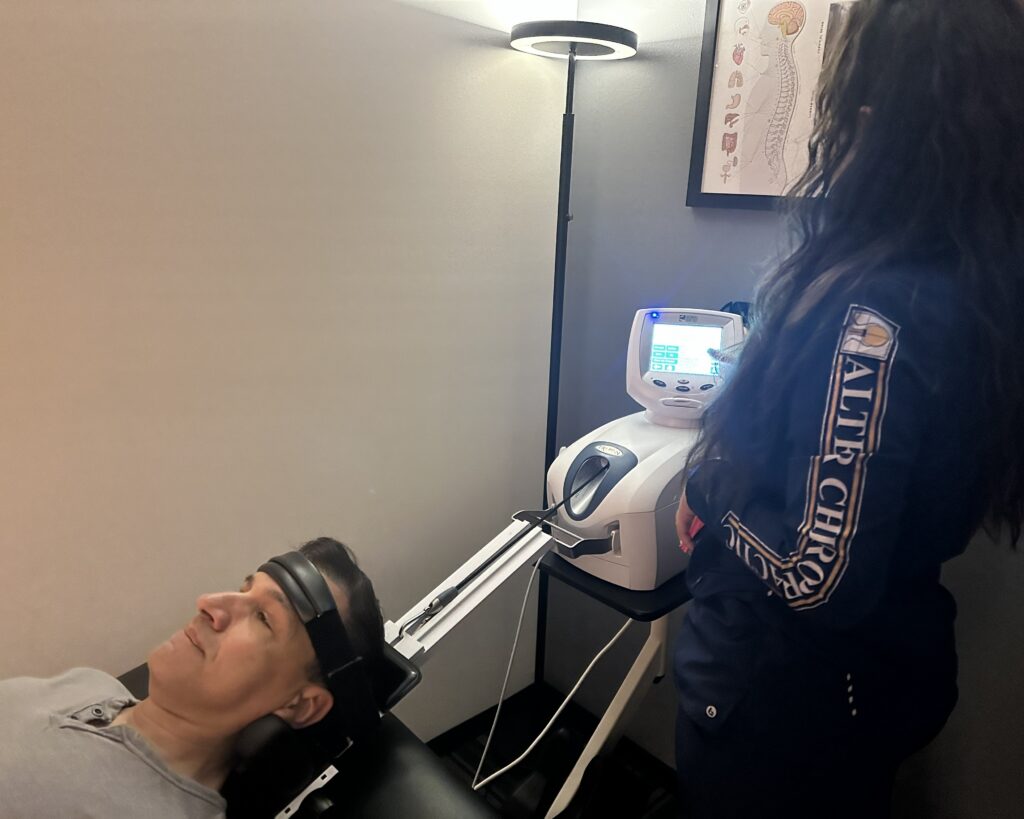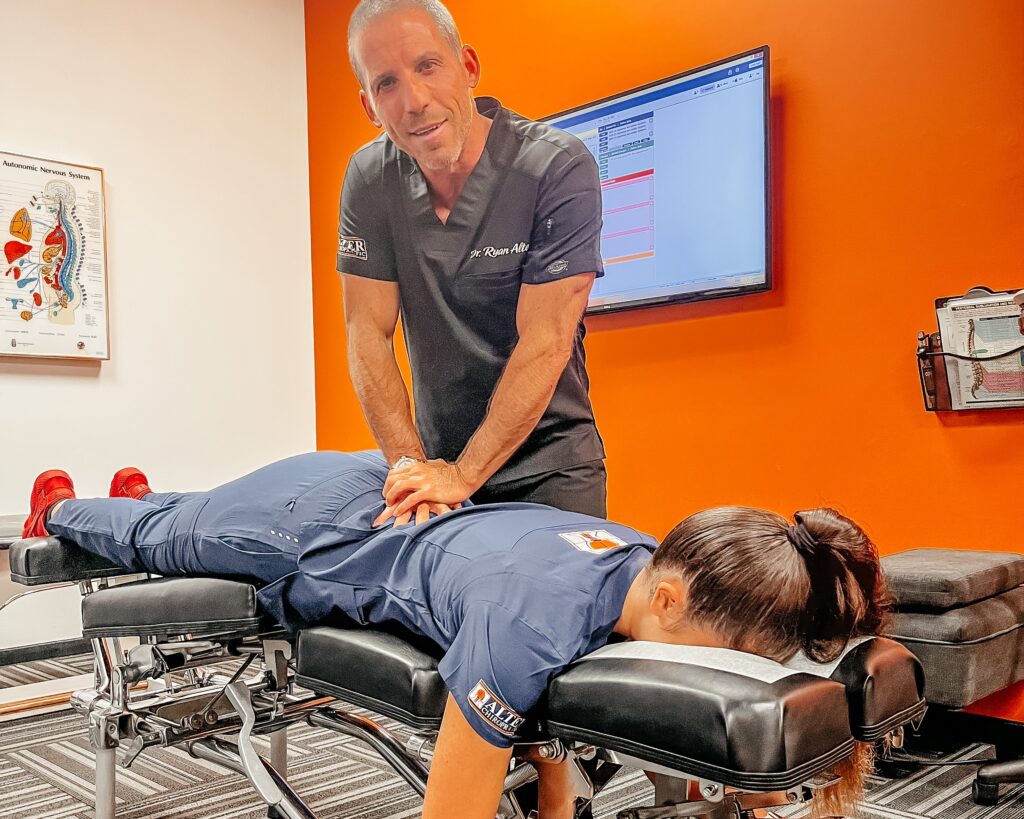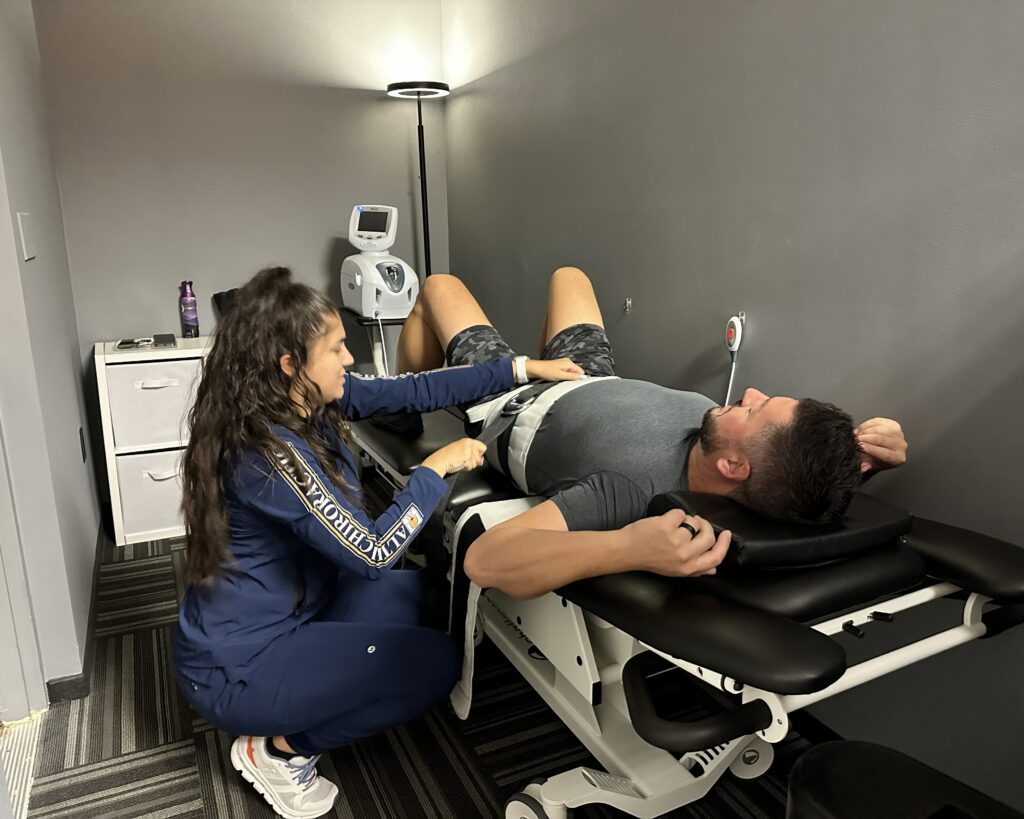

As a local chiropractor, I want to emphasize the crucial role that your posture plays in your journey toward recovering from back pain. Proper posture is essential for maintaining the alignment of your spine and minimizing strain on your muscles. By consciously working on your posture, you can significantly aid your healing process and alleviate discomfort.
Many individuals may not realize that certain habits can inadvertently exacerbate back pain. It’s vital to recognize these habits and make small, intentional changes to improve your posture. Simple adjustments can lead to remarkable results in how you feel. Are you interested in learning more about how to enhance your posture for better overall health? I’m here to guide you through the natural healing process and provide the support you need on your path to wellness.
Understanding Posture and Its Impact on Back Health
As a local chiropractor, I want to help you understand the crucial role that posture plays in your back health and overall well-being. Good posture is more than just standing up straight; it’s about supporting the natural curves of your spine. This support can significantly reduce strain on your back muscles and ligaments.
Whether you’re sitting at your desk, walking, or lifting objects, being aware of your alignment can help prevent unnecessary stress on your spine. When you slouch or lean forward, you risk compressing your spinal discs, which can lead to pain and discomfort.
Conversely, if you focus on aligning your ears, shoulders, and hips, you can distribute your body weight more evenly. This not only helps reduce fatigue but also enhances your mobility. You may even find that maintaining good posture improves your breathing and increases your energy levels.
By making simple adjustments to your daily habits, you can promote a healthier back. This proactive approach can pave the way for a more active and pain-free lifestyle.
Embrace these changes, and you’ll be on the path to enjoying lasting benefits for your back and overall health. Remember, taking care of your spine is an essential part of your journey toward wellness!
The Science Behind Good Posture
As your local chiropractor, I want to emphasize that good posture is more than just a way to appear confident; it’s crucial for your spinal health.
When you maintain proper alignment, you engage the correct muscles that support your back, which can significantly reduce strain and discomfort.
Understanding the science behind these benefits can help you on your journey to recover from back pain naturally.
By focusing on posture, we can work together to promote healing and improve your overall well-being.
Let’s explore how chiropractic care can assist you in achieving and maintaining optimal posture for a healthier spine.
Benefits of Proper Alignment
As a local chiropractor, I want to emphasize the importance of proper alignment in maintaining a healthy spine and alleviating back pain. When your spine is aligned correctly, it helps distribute weight evenly, which significantly reduces strain on your muscles and ligaments.
Many of my patients are surprised to learn that good posture can lead to a range of health benefits. Here are some key advantages of maintaining proper alignment:
- Reduced Pain: Proper alignment can greatly minimize pressure on sensitive areas of your back. This means less discomfort and a better quality of life.
- Improved Circulation: When you practice good posture, you promote better blood flow throughout your body. This ensures that your muscles receive the essential nutrients they need to function optimally.
- Enhanced Breathing: By aligning your body correctly, you open up your chest, allowing for deeper and more effective breaths. This can improve your overall respiratory function.
- Increased Energy: An aligned spine means your body doesn’t have to work as hard to maintain posture. This efficiency can leave you feeling more energized and ready to tackle your day.
Understanding the benefits of proper alignment is crucial for anyone seeking natural healing and a holistic approach to health.
If you have questions or want to learn more about how chiropractic care can help you achieve better alignment, feel free to reach out!
Muscle Engagement and Support
As your local chiropractor, I want to emphasize the importance of maintaining an upright posture for the health of your spine. Engaging various muscle groups is crucial for providing the support your spine needs. When you sit or stand tall, your core muscles, which include your abdominals and obliques, work diligently to stabilize your spine. This muscle activation helps to evenly distribute your body weight, reducing strain on your back and enhancing your overall balance and coordination.
In addition to your core, your back muscles, especially the erector spinae, play a vital role in keeping your spine aligned. By consciously focusing on your posture throughout the day, you can increase muscle activation, which leads to better support for your spine during everyday activities.
This improved engagement of your muscles not only strengthens your back but also promotes resilience, helping you recover from discomfort more effectively.
Impact on Spinal Health
As a local chiropractor, I want to emphasize the importance of good posture for your spinal health. When you focus on maintaining proper alignment, you’re not just standing tall; you’re actively nurturing your spine.
Here’s how good posture can make a significant difference:
- Reduces Pressure: When your spine is aligned correctly, it minimizes the stress placed on spinal discs. This can lower your risk of conditions like herniation, which can lead to pain and discomfort.
- Enhances Circulation: Good posture promotes better blood flow throughout your body, ensuring that your spine receives the essential nutrients it needs to stay healthy.
- Boosts Muscle Support: Engaging your core muscles is crucial for maintaining spinal alignment. Strong core muscles provide the stability your spine needs to function properly.
- Promotes Nerve Health: Maintaining proper posture helps prevent compression of the nerves that run along your spine. This is vital for ensuring effective communication between your brain and body, which is essential for overall health.
By prioritizing good posture, you’re taking a proactive step towards better spinal health.
If you have any questions or need guidance on how to improve your posture, don’t hesitate to reach out. Your spine will thank you!
Common Posture Mistakes That Worsen Back Pain
As a local chiropractor, I often see patients who unknowingly develop posture habits that can worsen their back pain, making it harder for them to recover. One of the most common issues I encounter is slouching—whether while sitting or standing. This posture puts unnecessary strain on your spine, leading to discomfort and potential long-term problems. If you often find yourself hunched over your phone or computer, it’s important to be aware that this can contribute significantly to your back pain.
Another posture mistake I frequently observe is crossing your legs while seated. This habit can misalign your hips and spine, leading to increased tension in your lower back. It’s crucial to maintain a neutral position to support your body properly during daily activities.
Additionally, many people lean too far forward when lifting objects, which places excessive pressure on the back and heightens the risk of injury. I also recommend evaluating your chair height; if it’s not set correctly, you may end up reaching too far or sitting in an awkward position that can exacerbate discomfort.
By becoming more mindful of these common posture mistakes, you can take proactive steps towards alleviating your back pain and promoting better overall spinal health.
If you have questions or need guidance, I’m here to help you on your journey to natural healing.
The Role of Core Strength in Posture
As a local chiropractor, I want to emphasize that improving your posture goes beyond simply standing tall; it’s about cultivating the strength in the muscles that support your spine. A strong core is essential for maintaining proper alignment and alleviating strain on your back.
When your core muscles are engaged, they effectively stabilize your spine, making it much easier to uphold good posture throughout your daily activities.
Here are four significant benefits of developing core strength for better posture:
- Enhanced Stability: A robust core serves as a solid foundation for your body, enabling you to maintain balance with ease. This stability is critical in preventing injuries and ensuring your body functions optimally.
- Reduced Pain: By strengthening your core, you can lessen the pressure on your lower back, which can lead to a significant reduction in discomfort over time. This is particularly important for those who spend long hours sitting or performing repetitive tasks.
- Improved Movement: A well-conditioned core supports better body mechanics. This means that everyday movements—whether it’s bending, lifting, or even walking—become more efficient, which can enhance your overall quality of life.
- Increased Endurance: With a stronger core, you’ll find it easier to maintain good posture for extended periods. This helps to prevent slumping or hunching, which can lead to long-term issues if left unaddressed.
By focusing on core strength, you’re taking an important step toward better posture and overall health.
If you’re interested in learning more about how chiropractic care can support your journey to improved posture and core strength, I’m here to help!
Simple Exercises to Improve Your Posture
As a local chiropractor, I want to share some simple exercises that can significantly improve your posture and enhance your overall well-being.
Let’s start with wall angels. To perform this exercise, stand against a wall with your arms bent at a 90-degree angle. Gently slide your arms up and down the wall. This movement helps strengthen your shoulders and encourages proper alignment, which is crucial for maintaining a healthy spine.
Another effective exercise is the chin tuck. Whether you’re sitting or standing, maintain a tall posture and gently pull your chin back while keeping your neck straight. Hold this position for a few seconds and repeat. This exercise is particularly beneficial for addressing forward head posture, which is common in our daily lives, especially with increased screen time.
Don’t forget to include the cat-cow stretch in your routine. Begin on your hands and knees, and alternate between arching your back upward like a cat and allowing it to sag down like a cow. This stretch promotes flexibility in your spine, which is vital for maintaining a healthy posture.
Finally, I encourage you to incorporate planks into your workouts. Holding a plank position not only engages your core muscles but also supports your back, leading to improved posture.
By consistently practicing these exercises, you’ll likely notice a positive change in your posture and a reduction in back pain.
Ergonomic Tips for a Pain-Free Workspace
As a local chiropractor, I want to help you understand how small adjustments in your workspace can lead to significant improvements in your overall comfort and health.
First, it’s essential to set your chair height so that your feet rest flat on the ground. This not only promotes better posture but also helps to alleviate strain on your lower back.
Next, ensure your monitor is positioned at eye level. This simple change can drastically reduce neck strain and prevent discomfort that may lead to more serious issues down the line.
Lastly, pay attention to the height of your keyboard and mouse. Keeping them at a comfortable level allows your wrists to remain relaxed while you work, which is crucial for avoiding repetitive strain injuries.
By making these ergonomic adjustments, you can create a workspace that supports your body and enhances your well-being.
Chair Height Adjustment
As a local chiropractor, I want to emphasize the importance of adjusting your chair height for a comfortable workspace that supports your spine and overall health.
Proper chair height is crucial for maintaining good posture, which can significantly alleviate back pain and discomfort. Here’s a guide to help you set up your chair correctly:
- Feet Flat: Ensure your feet are flat on the floor or resting on a footrest. This helps in distributing your weight evenly and relieves pressure on your lower back.
- Knees Level: Your knees should be at the same height or slightly below your hips. This alignment promotes better circulation and reduces strain on your legs and lower back.
- Elbow Angle: Adjust your chair so that when you’re typing, your elbows are at a 90-degree angle. This position minimizes tension in your shoulders and neck, which are often overlooked in ergonomic setups.
- Back Support: Choose a chair that provides support for the natural curve of your lower back. Good lumbar support helps maintain spinal alignment and can prevent long-term issues.
Making these adjustments can greatly enhance your comfort while working and significantly reduce the risk of developing back pain.
Monitor Positioning Guidelines
As a chiropractor dedicated to helping you achieve optimal health and well-being, I want to emphasize the importance of monitor positioning in creating an ergonomic workspace.
Once you’ve ensured that your chair height supports good posture, it’s crucial to focus on how you position your monitor to prevent strain and discomfort. Ideally, your monitor should be placed about an arm’s length away from you to avoid unnecessary eye strain.
The top of the screen should align with your eye level or be just slightly below it, which encourages a natural, relaxed neck posture. This positioning allows you to look down gently at the screen, keeping your neck in a neutral position, which is essential for preventing tension and discomfort.
Additionally, tilting your monitor back slightly—around 10 to 20 degrees—can help reduce glare, making it easier on your eyes. If you wear glasses, be sure to adjust the brightness of your screen to minimize strain, as this can significantly impact your visual comfort.
Lastly, keep your monitor centered in your workspace. This simple adjustment can prevent you from twisting your body while viewing, which is important for maintaining spinal alignment and overall posture.
Keyboard and Mouse Setup
As a local chiropractor, I often see patients who underestimate the significance of a properly set-up keyboard and mouse.
These seemingly minor elements can have a profound effect on your comfort and productivity, which are essential for both your physical health and work performance.
Establishing an ergonomic workspace is crucial for supporting your posture and reducing strain on your body.
Here are four valuable tips I recommend to enhance your keyboard and mouse setup:
- Position your keyboard correctly: Ensure that your keyboard is at elbow height, allowing your wrists to remain straight. This alignment promotes natural hand movement and reduces tension in your arms and shoulders.
- Incorporate a wrist rest: A wrist rest can be a game-changer, as it helps maintain a neutral wrist position while you type, minimizing the risk of strain or injury.
- Optimize mouse placement: Keep your mouse close to your keyboard. This will prevent unnecessary reaching, which can lead to discomfort in your shoulders and neck.
- Select an ergonomic mouse: Choose a mouse that fits comfortably in your hand. An ergonomic design can significantly reduce grip strain and enhance your overall comfort during use.
By implementing these adjustments, you can’t only support your recovery from back pain but also improve your overall efficiency in daily tasks.
Mindfulness and Posture: A Connection Worth Exploring
As a local chiropractor, I want to highlight the significant impact your posture has on your overall health, particularly in relation to back pain management. Many people may not realize that maintaining good posture is crucial for a healthy spine.
By incorporating mindfulness into your daily routine, you can become more aware of your body’s alignment and make intentional adjustments as needed. Mindfulness allows you to observe how your posture influences not only your physical sensations but also your emotional well-being.
This heightened awareness can lead to the development of healthier habits, which can reduce strain on your back and enhance spinal health. I encourage you to try simple mindfulness techniques, such as deep breathing exercises or body scans. Pay attention to how your body feels when you maintain an upright posture compared to when you slouch.
By nurturing this connection between mindfulness and posture, you can alleviate tension and discomfort in your body. Remember, each time you check in with your posture, you’re making strides toward better spinal health and reducing back pain.
In our practice, we emphasize the importance of these small but impactful changes in your daily life. Together, we can work towards improving your posture and overall well-being.
The Benefits of Stretching for Back Pain Relief
As your local chiropractor, I want to emphasize that good posture is just one aspect of effectively managing back pain. A crucial addition to your routine is stretching, which can greatly enhance your recovery process.
Stretching plays a vital role in alleviating tension, improving flexibility, and boosting blood circulation—all essential factors in relieving back pain. Here are four key benefits of incorporating stretching into your daily routine:
- Reduces Muscle Tension: Stretching is an effective way to relax the tight muscles that may be contributing to your discomfort. By easing this tension, you may find relief from the pain that has been bothering you.
- Improves Flexibility: Increased flexibility allows for a greater range of motion in your joints and muscles, which can significantly reduce stiffness in your back. This is particularly beneficial for those who may have been inactive or are recovering from an injury.
- Enhances Circulation: When you stretch, you promote improved blood flow to your muscles. This nourishment not only aids muscle recovery but also helps in the healing process, allowing your body to recuperate more effectively.
- Promotes Relaxation: Stretching has a calming effect on both the body and mind. By reducing stress and promoting overall well-being, it can contribute positively to your pain management efforts.
I encourage you to integrate these stretches into your daily routine. Doing so could be a transformative step in your journey toward alleviating back pain and enhancing your overall health.
Maintaining Good Posture Throughout Your Day
As a local chiropractor, I want to emphasize the importance of maintaining good posture in your daily life, especially for preventing and alleviating back pain. It’s crucial to be aware of your body’s alignment throughout the day.
One of the first steps is to ensure that your workstation is ergonomically designed. Make adjustments to your chair, desk, and computer screen so that they promote a neutral spine position. When seated, keep your feet flat on the floor and avoid crossing your legs to maintain proper alignment.
When you’re standing, make sure to distribute your weight evenly across both feet and engage your core muscles. This simple adjustment can make a significant difference in your overall posture.
Additionally, remember to take regular breaks; I recommend standing up, stretching, and walking around at least once every hour. This practice not only helps reset your posture but also enhances circulation throughout your body.
If you find yourself on the phone frequently, consider using a headset instead of cradling the phone between your ear and shoulder, which can lead to strain.
Lastly, when lifting objects, always bend at your knees rather than your waist to protect your back. By consistently practicing these habits, you can strengthen your posture and support your back’s natural healing process.
Taking these steps is vital for your overall well-being, and I’m here to guide you on your journey to better posture and health.
Conclusion
As a local chiropractor dedicated to your well-being, I want to emphasize how incorporating good posture into your daily routine can significantly aid in your recovery from back pain. Understanding the role of posture is crucial; it sets the foundation for a healthy spine. By focusing on strengthening your core muscles and making ergonomic adjustments in your workspace and daily activities, you create a supportive environment for your spine to heal.
I also encourage you not to overlook the benefits of mindfulness and stretching. Being mindful of your body’s alignment and engaging in regular stretching exercises can enhance your flexibility and awareness, which are vital for long-term back health. By committing to these practices, you can not only reduce your current discomfort but also build resilience against future pain. Embracing these habits can lead to a more active, fulfilling life, free from the limitations of back pain. Let’s work together on this journey towards better spinal health!