
If you're dealing with ongoing back pain, know that you're not alone, and there are effective, natural approaches that can provide you with lasting relief. As a chiropractor, I often see patients find significant improvement through a blend of chiropractic care, physical therapy, ergonomic adjustments, and mindful practices. By learning how to strengthen your back and make simple changes in your environment, you can reduce discomfort and enhance your quality of life.
So, what specific strategies can you incorporate into your daily routine to foster better spinal health and overall well-being? The answers may surprise you. Through regular chiropractic adjustments, we can help restore proper alignment and function of your spine, which is crucial for alleviating pain. Additionally, I can guide you on exercises and stretches tailored to your needs, as well as recommend ergonomic setups for your workspace. Together, we can create a holistic plan that empowers you to take control of your back health naturally.
Understanding Back Pain
Back pain can be a frustrating and debilitating condition that many of my patients experience at some point in their lives. As a chiropractor, I believe that understanding the nature of your back pain is the first step toward finding effective relief. You might feel sharp, shooting pains, dull aches, or even stiffness. These sensations can arise from various sources, including muscle strain, poor posture, or underlying medical conditions. It's crucial to identify the source of your discomfort so we can address it effectively.
When thinking about back pain, it's important to consider the anatomy involved. Your spine is made up of vertebrae, discs, nerves, and muscles, all working in harmony. If any part of this system is compromised, pain can occur. Factors such as age, lifestyle, and physical activity levels can contribute to the wear and tear on your back. For instance, if you spend long hours sitting or lift heavy objects incorrectly, you may be more susceptible to injuries.
Additionally, it's essential to recognize that emotional stress can also play a significant role in back pain. Conditions like anxiety and depression can manifest physically, leading to tension in the muscles surrounding your spine. Therefore, maintaining a healthy spine involves not only physical care, such as chiropractic adjustments, but also effectively managing stress.
As you work to understand your back pain, I recommend keeping a journal. Documenting when and how your pain occurs can help us identify triggers and patterns. This information will be invaluable during our consultations and can guide us in crafting a personalized treatment plan for you.
The more you understand your back pain and its potential causes, the better equipped you'll be to tackle it with natural healing methods. Together, we can work towards restoring your spine's health and overall well-being.
Physical Therapy Approaches
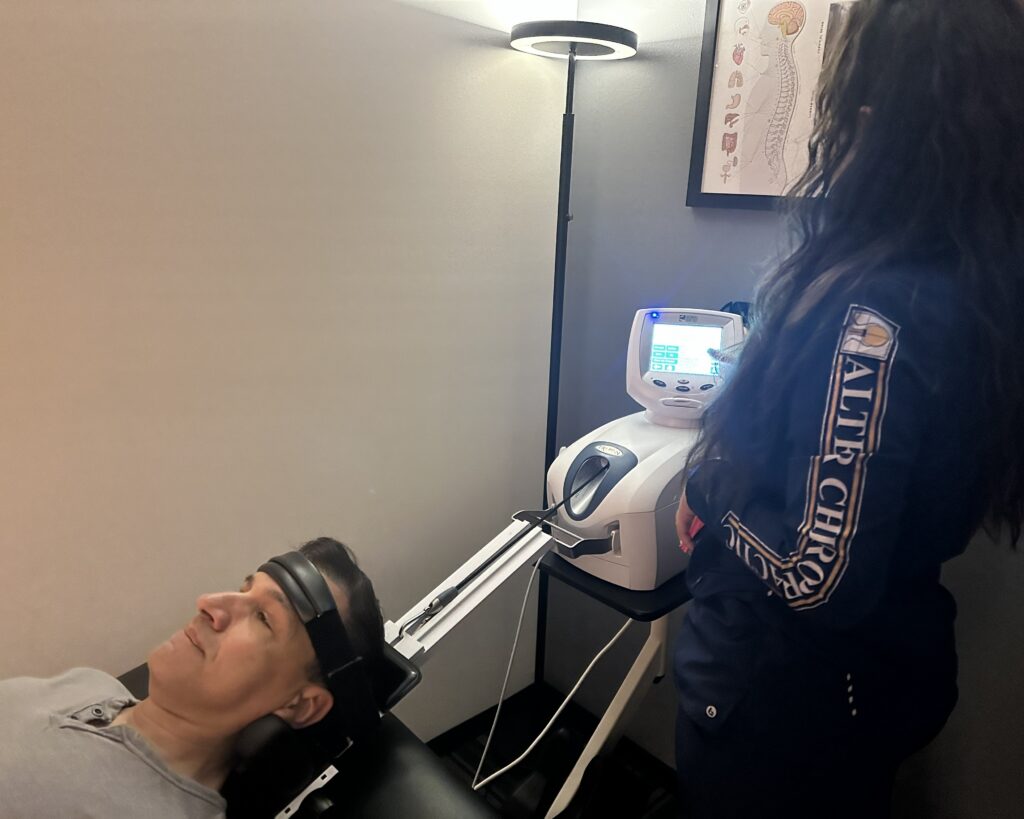
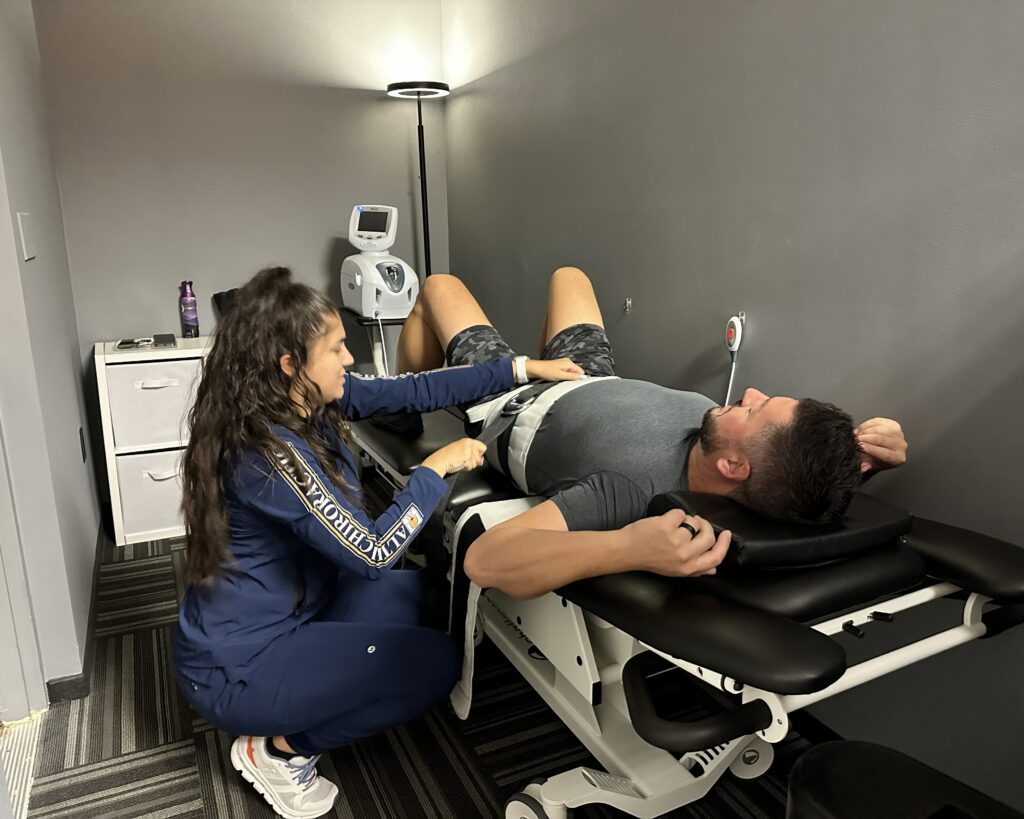
As a local chiropractor, I want to share with you some effective natural healing approaches for relieving back pain and improving mobility. When you come to our clinic, we'll start with a thorough assessment to understand your unique condition and develop a personalized treatment plan tailored to your needs.
Here are four common chiropractic approaches that can help you find lasting relief:
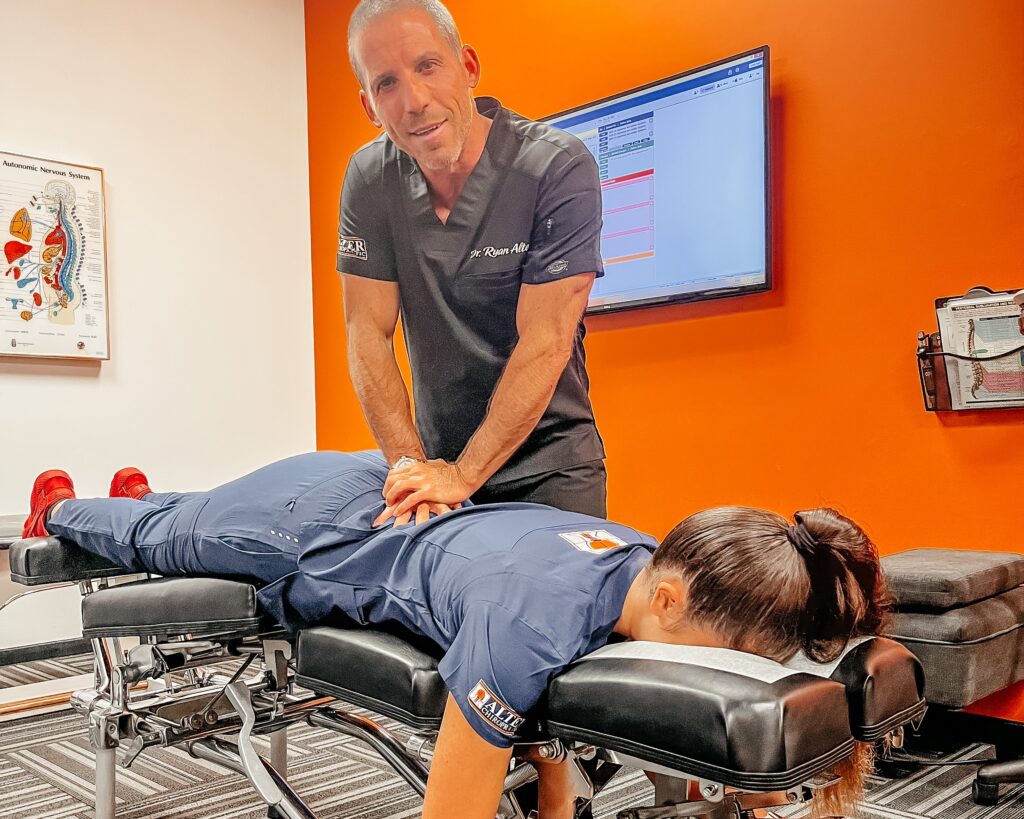
- Spinal Manipulation: This hands-on technique involves adjusting your spine to improve alignment and function. By restoring proper movement in your joints, we can help alleviate pain, enhance circulation, and promote overall mobility.
- Therapeutic Exercises: We'll introduce specific exercises designed to stretch and strengthen the muscles that support your spine. These exercises not only help relieve pain but also build stability to prevent future injuries, ensuring your back stays strong and healthy.
- Posture and Body Mechanics Education: Understanding how to maintain proper posture and use correct body mechanics in your daily activities is crucial for reducing strain on your back. I'll teach you practical strategies for lifting, sitting, and moving to protect your spine and enhance your overall well-being.
- Heat and Cold Applications: Utilizing heat can help relax tense muscles, while cold therapy is effective for reducing inflammation. I may incorporate these techniques into your treatment plan to boost comfort and facilitate the healing process.
By embracing these natural chiropractic care approaches, you can experience relief from back pain and improve your overall quality of life.
Let's work together to get you back to feeling your best!
Effective Exercise Routines
As a local chiropractor, I want to emphasize the importance of incorporating effective exercise routines into your daily life to enhance your back health and overall well-being. Regular exercise is crucial as it strengthens the muscles that support your spine, improves flexibility, and promotes better posture—all essential factors in reducing back pain.
I recommend starting with low-impact exercises, such as walking or swimming. These activities are gentle on your joints and can help build endurance without putting undue strain on your back. Aim for at least 30 minutes of moderate activity most days of the week. As your strength and confidence grow, you can gradually increase the intensity of your workouts.
In addition to aerobic activity, it's vital to include core-strengthening exercises like planks, bridges, and pelvic tilts in your routine. These exercises specifically target the muscles in your abdomen and lower back, providing essential support to your spine. I suggest incorporating core workouts two to three times a week to maximize your results.
Stretching is another critical component of maintaining back health. Gentle stretches can help keep your muscles flexible and alleviate tension. Focus on stretches such as hamstring stretches, cat-cow stretches, and child's pose, which are effective at improving mobility and relieving discomfort.
Always listen to your body during these exercises. If you experience pain, it's essential to stop immediately and consult a healthcare professional, such as myself. Starting slowly is especially important if you're new to exercise or dealing with chronic pain.
With consistency and dedication to these routines, you can achieve lasting relief from back pain and enjoy a more active, fulfilling life. Remember, the key is to stay committed and adjust your exercise routine as needed to fit your individual needs.
As your chiropractor, I'm here to support you on your journey to better health and wellness.
Mindfulness and Relaxation Techniques
As a local chiropractor, I often see patients who underestimate the effectiveness of mindfulness and relaxation techniques in managing back pain.
These practices can significantly help in reducing tension, enhancing your mental well-being, and creating a more comprehensive approach to pain relief. By integrating mindfulness and relaxation into your daily life, you can effectively alleviate the discomfort that frequently comes with back pain.
Here are four techniques I recommend to get you started:
- Deep Breathing: Set aside a few moments each day to concentrate on your breathing. Inhale deeply through your nose, allowing your abdomen to rise, and then exhale slowly through your mouth. This straightforward technique can help calm your nervous system and alleviate muscle tension.
- Progressive Muscle Relaxation: This method involves tensing and then relaxing each muscle group in your body, starting from your toes and moving all the way up to your head. It enhances your awareness of physical tension and promotes a state of overall relaxation.
- Mindful Meditation: Spend 5-10 minutes each day sitting quietly, focusing on your thoughts and sensations without passing judgment. This practice can cultivate a sense of peace and help lessen the emotional burden often associated with chronic pain.
- Gentle Yoga: I also encourage you to incorporate gentle yoga stretches into your daily routine. Focus on poses that enhance flexibility and relaxation, such as Child's Pose or Cat-Cow. This not only benefits your back but also complements your mindfulness practice.
Ergonomic Adjustments for Relief
As a chiropractor dedicated to your well-being, I want to emphasize the importance of not only mindfulness and relaxation techniques but also the significant role your physical environment plays in addressing back pain. Making ergonomic adjustments can greatly enhance your comfort and support your journey toward pain relief.
Let's start with your workstation. It's crucial that your chair provides adequate support for your lower back and allows your feet to rest flat on the floor. If your chair doesn't offer this support, consider using a footrest to help maintain proper posture.
Next, let's talk about your desk height. Adjust it so that your elbows are at a 90-degree angle while typing. This positioning helps prevent strain on your arms and shoulders. Your monitor should be set at eye level, about an arm's length away, to avoid unnecessary neck strain.
If you find yourself sitting for extended periods, make it a habit to take regular breaks to stand, stretch, and move around. This simple practice can help alleviate tension and keep your back feeling better.
When it comes to lifting heavy objects, it's essential to use the proper technique. Always bend at your knees rather than at your waist, keeping the item close to your body and utilizing your legs to lift. This method helps distribute the weight evenly and reduces the strain on your back, which is vital for maintaining good spinal health.
Consider the layout of your home as well. If you frequently carry items up and down stairs, try to organize your space to minimize those trips. Keeping frequently used items at waist height can help reduce the need for bending and reaching, which can exacerbate back pain.
Lastly, don't overlook the importance of your sleeping arrangements. A mattress that offers proper support and pillows that align your neck with your spine can significantly impact your overall comfort and health.
Alternative Therapies
As a local chiropractor, I'm excited to share how exploring alternative therapies can be a game-changer in managing your back pain effectively. These therapies can work alongside traditional treatments, providing significant relief without relying solely on medication.
Here are some options you might consider:
- Acupuncture: This ancient practice involves placing thin needles into specific points on your body. Many patients report experiencing reduced pain and enhanced overall well-being after sessions.
- Chiropractic Care: My focus as a chiropractor is on the alignment of your spine and joints. Regular adjustments can alleviate pain, enhance mobility, and help prevent future issues from arising. By restoring proper alignment, we can promote your body's natural healing processes.
- Massage Therapy: Therapeutic massage is another excellent option that targets muscle tension and encourages relaxation. It not only relieves stress but also improves blood circulation, helping to soothe sore muscles and alleviate back pain.
- Yoga and Pilates: These practices emphasize stretching, strengthening, and mindfulness, which can significantly improve your flexibility and core strength. A strong core supports your back and may help reduce pain over time.
Integrating one or more of these alternative therapies into your routine can lead to substantial improvements in your quality of life.
It's essential, however, to consult with a healthcare professional—like myself—before starting any new treatment. I can help create a personalized approach that suits your needs and ensures a safe and effective pathway to relief.
Lifestyle Changes for Prevention
As a local chiropractor, I want to emphasize the importance of creating an ergonomic workspace to support your posture and prevent back pain.
It's crucial to make sure your desk, chair, and computer setup encourage a healthy alignment of your spine.
Additionally, incorporating regular exercise into your routine can significantly benefit your back health. Strengthening your back muscles and enhancing your flexibility are key components in reducing the risk of back issues.
By embracing these lifestyle changes, you not only support your spine but also promote overall wellness.
Ergonomic Workspaces Matter
As a chiropractor dedicated to promoting natural healing and overall wellness, I want to emphasize the importance of creating an ergonomic workspace to help reduce your risk of back pain.
By thoughtfully setting up your environment, you can significantly enhance how your body feels during those long hours of work. Here are four essential adjustments to consider:
1. Chair Selection: It's crucial to choose a chair that provides adequate support for your lower back and encourages proper posture.
Look for a chair that offers adjustable height and lumbar support—this will help maintain the natural curve in your spine.
2. Desk Height: Ensure that your desk is positioned at the right height.
When typing, your elbows should be at a 90-degree angle, which helps keep your wrists straight and minimizes strain on your upper body.
3. Screen Position: Your computer monitor should be positioned at eye level.
This is vital for preventing neck and back strain, allowing you to work comfortably without compromising your spinal alignment.
4. Foot Position: Keep your feet flat on the ground or use a footrest.
This simple adjustment promotes better circulation and alleviates pressure on your lower back, making a significant difference in your comfort levels throughout the day.
By implementing these ergonomic changes, you can take proactive steps towards improving your posture and reducing the risk of discomfort and pain.
Regular Exercise Benefits
As a local chiropractor, I want to emphasize that maintaining an ergonomic workspace is just one component of a comprehensive strategy for preventing back pain.
Regular exercise is essential for strengthening your back and enhancing overall flexibility, which is crucial for your spinal health. When you engage in physical activity, you increase blood flow to your muscles, promoting healing and alleviating stiffness. This proactive approach can significantly reduce your risk of experiencing back pain.
It's important to incorporate a well-rounded mix of aerobic exercises, strength training, and stretching into your routine. Activities like walking, swimming, or cycling not only improve cardiovascular health but also help you maintain a healthy weight, which in turn reduces the strain on your back.
I recommend focusing on strength training that targets your core muscles, as these provide vital support for your spine and help ensure that you maintain proper posture throughout your daily activities.
Additionally, don't overlook the benefits of flexibility exercises such as yoga or Pilates. These practices can enhance your range of motion and relieve muscle tension, making it easier to carry out everyday tasks without discomfort.
Strive for at least 30 minutes of moderate exercise most days of the week. By staying active, you're not only warding off back pain but also boosting your overall well-being and quality of life.
Conclusion
As your local chiropractor, I want to share some proven techniques that can significantly enhance your journey toward back pain relief. By integrating physical therapy, targeted exercises, and ergonomic adjustments into your daily life, you are laying the groundwork for long-lasting relief.
It's also important to consider the impact of mindfulness and alternative therapies, as these practices can complement your overall well-being. By making these lifestyle changes a regular part of your routine, you're not only addressing your current discomfort but also taking proactive steps to prevent future pain.
I encourage you to take charge of your health and explore the benefits of chiropractic care and natural healing. Together, we can work on a tailored plan that suits your needs and guides you on the path to relief. Let's get started today!