
Whiplash injuries can lead to more than just discomfort; they can significantly impact your daily life. As a local chiropractor, I want to emphasize the importance of understanding the symptoms and exploring natural treatment options for a full recovery. Many people are surprised to find that simple at-home remedies, combined with chiropractic care, can be incredibly effective in alleviating pain and promoting healing.
Proper posture is crucial in your recovery journey. Maintaining good alignment helps reduce strain on your neck and spine, which can accelerate the healing process. I encourage you to be mindful of your posture throughout the day, whether you’re sitting at a desk or standing in line.
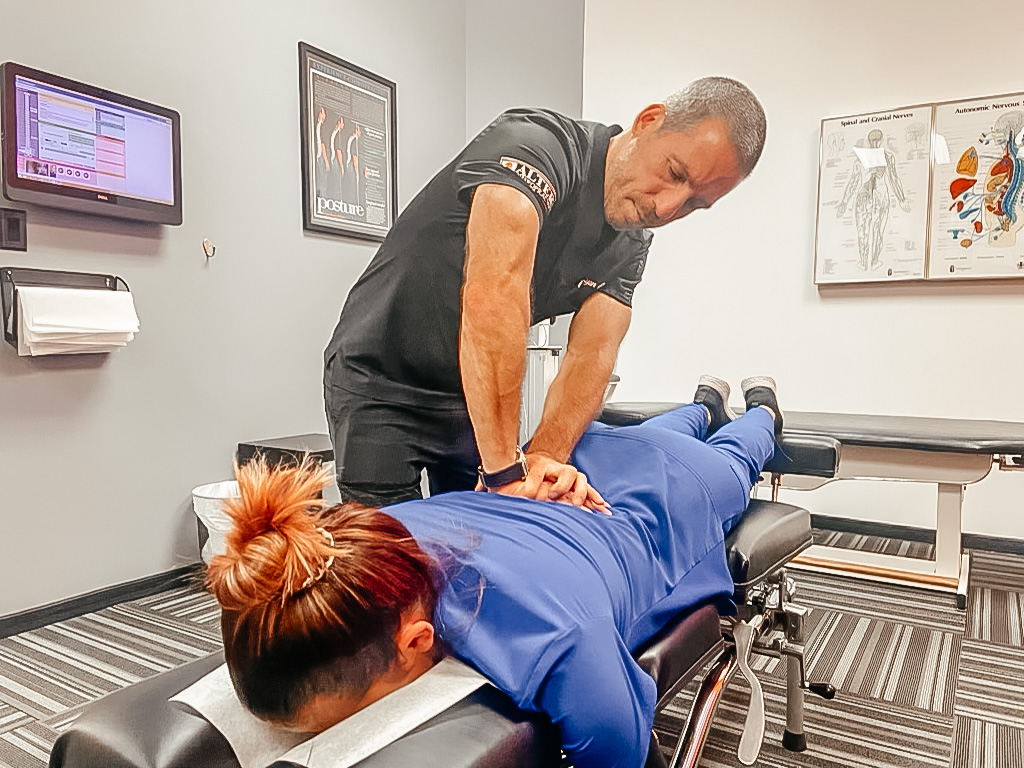
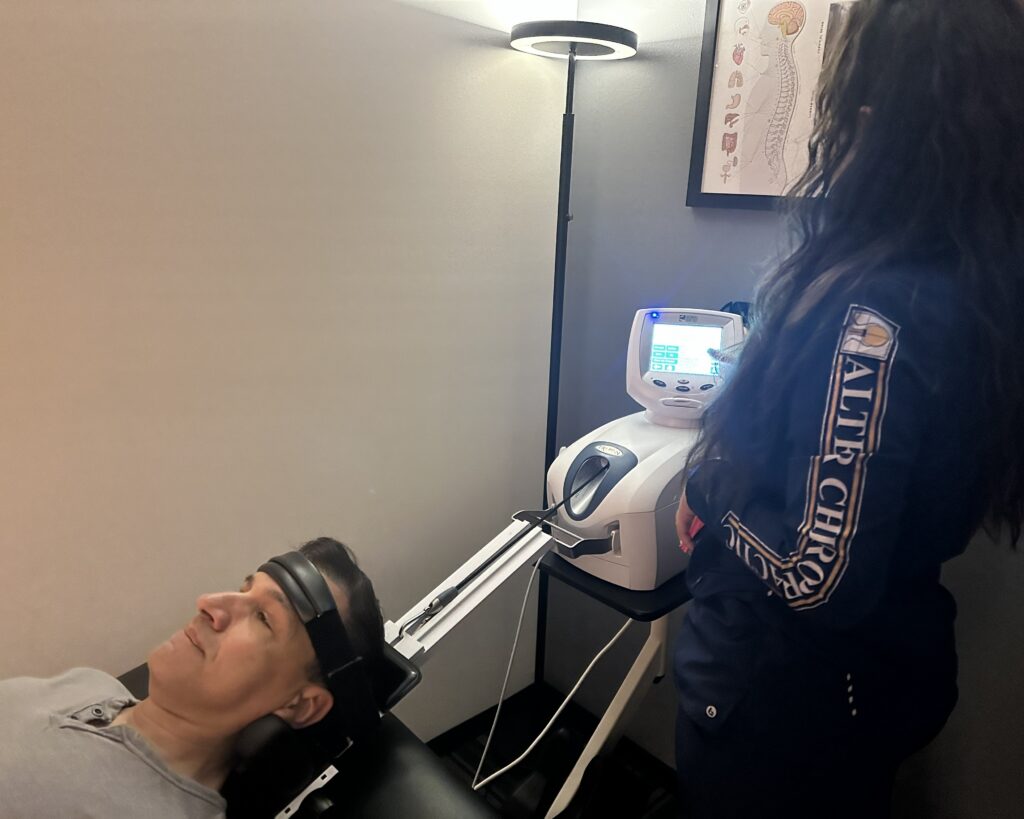
Chiropractic care is a powerful tool in managing whiplash pain. Our specialized techniques focus on realigning the spine, improving mobility, and reducing inflammation. This natural approach not only addresses the immediate pain but also promotes long-term wellness. It’s essential to seek professional help if your symptoms persist, as a chiropractor can provide personalized treatment plans tailored to your needs.
In addition to chiropractic adjustments, consider incorporating gentle stretches and exercises into your routine. These can help improve flexibility and strengthen the muscles surrounding your neck. Applying heat or cold packs can also provide temporary relief and reduce swelling.
Remember, taking charge of your recovery means being proactive about your health. By embracing chiropractic care and following these simple tips, you can work towards a pain-free life and optimal wellness. If you have any questions or need assistance, don’t hesitate to reach out. Your path to recovery starts here!
Understanding Whiplash Injuries
Whiplash injuries are commonly experienced in car accidents, where the head is suddenly thrust backward and then forward. This swift motion places significant strain on the neck muscles and ligaments, leading to micro-tears in the soft tissues of the neck. The result can be discomfort and restricted movement, which many mightn’t realize can impact daily life if not addressed properly.
When you suffer from whiplash, your body often responds with inflammation, which can heighten your pain. Understanding how this injury affects you is crucial for taking steps toward recovery. One of the best things you can do is to focus on your posture. Keeping your spine aligned can help reduce some of the strain on your neck.
Chiropractic care is an excellent option for managing whiplash. A chiropractor can help restore proper alignment and mobility to your spine, which is essential for healing. Additionally, gentle exercises and stretches can aid in recovery. Incorporating movements that promote flexibility and strength in your neck can make a significant difference.
Here are some helpful tips to encourage healing from whiplash:
- Practice Good Posture: Be mindful of your neck and spine alignment throughout the day, especially when sitting for long periods.
- Stay Active: Engage in gentle stretching and strengthening exercises as advised by your chiropractor to support your recovery.
- Use Heat or Ice: Applying heat or ice can help reduce inflammation and ease discomfort in the affected area.
- Stay Hydrated: Drinking plenty of water helps keep your muscles hydrated and can aid in recovery.
- Seek Chiropractic Care: Regular visits to your chiropractor can provide personalized treatment and adjustments that promote optimal healing and prevent future issues.
By being proactive and informed about your condition, you can navigate the recovery process more effectively and minimize the chances of long-term complications associated with whiplash.
Common Symptoms of Whiplash
If you’ve experienced whiplash, it’s important to be aware of the common symptoms that can arise. You might notice neck pain and stiffness, which are often the first indicators of an issue. In addition to that, headaches, dizziness, and fatigue can also occur. Recognizing these symptoms early on is crucial, as it allows you to seek the right treatment and support for your recovery.
As a local chiropractor, I want to emphasize the benefits of chiropractic care for those dealing with whiplash. Chiropractic adjustments can help alleviate pain, restore mobility, and promote natural healing throughout your body. By focusing on your spinal health, we can work together to address the underlying issues causing your discomfort.
In the meantime, here are a few tips to help you manage your symptoms at home:
- Gentle Movement: While it may be tempting to rest completely, gentle movement can help keep your neck flexible. Simple neck stretches can promote circulation and reduce stiffness.
- Heat and Ice Therapy: Applying a warm compress to your neck can relax tight muscles, while an ice pack can help reduce inflammation. Alternate between the two for optimal relief.
- Stay Hydrated: Drinking plenty of water can support the healing process and keep your body functioning optimally.
- Mind Your Posture: Be conscious of your posture throughout the day, especially if you’re spending time sitting at a desk or looking at a screen. Good posture can alleviate unnecessary strain on your neck.
- Consider Chiropractic Care: Regular chiropractic visits can be instrumental in your recovery. A chiropractor can provide targeted adjustments to align your spine, reduce pain, and enhance your overall wellness.
Neck Pain and Stiffness
Neck pain and stiffness are common issues, especially following a whiplash injury, and they can make everyday movements feel daunting. You may find that even simple tasks become challenging due to the tightness and limited range of motion in your neck.
As a chiropractor, I want to share some natural and effective strategies to help you manage this discomfort and promote healing without the need for medications or surgery.
- Gentle Stretching: Incorporate slow, gentle stretches into your routine to help improve flexibility and reduce stiffness in your neck. Simple movements, like tilting your head side to side or looking over each shoulder, can make a big difference.
- Heat Therapy: Applying a warm compress or heating pad to your neck can work wonders. The warmth helps to relax tight muscles and increase blood flow, which is essential for healing. Just be sure to use a comfortable temperature to avoid burns.
- Rest and Recovery: Allow your neck the time it needs to heal. Engaging in strenuous activities can exacerbate your symptoms, so listen to your body and give it a break. Gentle movements are beneficial, but avoid anything that feels painful.
- Chiropractic Care: Visiting a chiropractor can be one of the best choices for relieving neck pain and stiffness. Chiropractic adjustments can help restore proper alignment to your spine, which can alleviate pressure on nerves and muscles, promoting natural healing and improved function.
- Posture Awareness: Maintaining good posture, especially if you spend long hours sitting or working at a desk, is crucial. Make sure your workstation is ergonomically set up, and take regular breaks to stretch and move around.
By incorporating these tips into your daily routine and considering chiropractic care, you can take proactive steps toward alleviating neck pain and enhancing your overall well-being.
Headaches and Migraines
After experiencing neck pain and stiffness, many individuals start to notice the emergence of headaches or migraines. These headaches can be quite bothersome and often arise due to tension in the neck. When your neck muscles are strained, they may trigger referred pain that manifests as discomfort in your head.
Common symptoms include throbbing sensations, sensitivity to light, and even nausea, which can make everyday activities difficult.
It’s crucial to address these symptoms early to prevent them from affecting your quality of life. One of the best ways to manage tension and alleviate headache symptoms is through chiropractic care. Chiropractors are trained to help relieve neck tension, which can drastically reduce headache frequency and intensity.
In addition to seeking chiropractic adjustments, there are several natural strategies you can implement at home. Consider trying gentle stretching exercises to relieve tightness in your neck.
Incorporating relaxation techniques, such as deep breathing or meditation, can also help ease tension. Staying well-hydrated and maintaining good posture throughout your day can further support your overall well-being.
If you find that your headaches persist, don’t hesitate to reach out to a chiropractor who can provide personalized treatment and guidance tailored to your needs.
Dizziness and Fatigue
Experiencing whiplash can lead to surprising symptoms like dizziness and fatigue, which can significantly impact your daily life. Recognizing these issues and addressing them is essential for your overall well-being.
As a chiropractor, I believe in the power of natural healing and the body’s ability to recover, and I’d like to share some tips to help you manage these symptoms effectively.
Here are three natural ways to tackle dizziness and fatigue related to whiplash:
- Stay Hydrated: Proper hydration is crucial for your health. Dehydration can worsen feelings of dizziness and fatigue, so make it a habit to drink plenty of water throughout the day. Keeping your body well-hydrated supports your overall wellness and can aid in the healing process.
- Rest and Sleep: Your body needs time to heal, and prioritizing rest is essential. Quality sleep promotes recovery and helps reduce fatigue. Establishing a calming bedtime routine—like reading or practicing deep breathing—can improve your sleep quality and help your body recover from the strain of whiplash.
- Gentle Movement: Engaging in light activities such as stretching or walking can be beneficial. These gentle movements increase blood flow, which may help alleviate feelings of dizziness and reduce fatigue. Incorporating regular, mild activity into your daily routine can support your healing journey.
By focusing on these natural strategies, you can empower your body to heal and regain balance after experiencing whiplash.
As always, consider consulting with a chiropractor for personalized care and guidance on achieving optimal health. Remember, chiropractic care is a holistic approach that can help relieve pain and promote wellness, supporting your body’s natural healing processes.
At-Home Remedies for Whiplash Relief
When dealing with whiplash pain, there are several effective at-home remedies you can use to ease your discomfort, but it’s essential to remember that chiropractic care is the best choice for long-term healing and wellness.
To start, applying a cold pack to the affected area for 15-20 minutes several times a day can help reduce inflammation and numb the pain. After a couple of days, you may want to switch to heat therapy—such as a warm towel or heating pad—to help relax tight muscles. These methods can provide temporary relief, but consulting with your chiropractor can address the root cause of your pain.
Gentle neck stretches can also be beneficial, but be cautious not to overdo it. Slowly moving your head side to side and forward and backward can help, but guided stretches from a chiropractor can ensure you’re doing them safely and effectively.
While over-the-counter pain relievers may seem convenient, they only mask the symptoms and don’t promote healing. Instead, focus on natural methods of recovery. Staying hydrated is essential for muscle health, and maintaining good posture throughout the day can support your spine and help with your recovery.
Consider investing in a supportive neck pillow for sleeping; this can help keep your spine aligned while you rest, aiding in your healing process.
Importance of Rest and Recovery
Rest and recovery play a vital role in healing, especially after a whiplash injury. As a local chiropractor, I want to emphasize the importance of nurturing your body during this time. Quality sleep is your best friend when it comes to recovery; it helps your body repair itself and reduces pain.
In addition to restful sleep, gradually increasing your activity is key. Start with gentle movements and listen to your body. This can help improve blood flow and promote healing without putting too much strain on your muscles and joints.
Hydration is another simple yet powerful tool—make sure you’re drinking plenty of water to support your recovery process.
Chiropractic care can significantly enhance your healing journey. Regular adjustments can help restore proper alignment to your spine, relieving tension and pain associated with whiplash.
By prioritizing these natural healing methods and incorporating chiropractic treatment into your recovery plan, you’ll be on your way to feeling better and achieving optimal health.
Role of Sleep
Sleep is crucial for your recovery from whiplash pain, as it allows your body to heal and rejuvenate naturally. Prioritizing quality sleep can significantly enhance your recovery process, helping to reduce pain and inflammation.
Here are three key benefits of focusing on sleep during your healing journey:
- Muscle Repair: When you sleep, your body goes to work repairing damaged tissues, which can help ease muscle tension in your neck. This natural healing process is vital for regaining mobility and comfort.
- Pain Relief: Getting enough restful sleep can raise your pain threshold and help balance pain-related hormones. This means you’ll find it easier to manage discomfort without relying on medications.
- Mental Clarity: A good night’s sleep enhances your cognitive function, allowing you to stay sharp and focused on your recovery strategies. This can help you make better choices regarding your health and wellness.
By making sleep a priority, you can significantly improve your recovery from whiplash.
Additionally, consider incorporating chiropractic care into your healing process. Chiropractors can help align your spine, reduce tension, and promote optimal function in your body, further supporting your journey to wellness.
Gradual Activity Increase
While it can be tempting to dive right back into your usual routine after experiencing whiplash, it’s crucial to take a gradual approach to increase your physical activity for effective recovery. Start with gentle movements and stretches that are easy on your neck. Pay attention to how your body feels; if you encounter any discomfort, it’s a signal to ease off.
Incorporating low-impact activities, such as walking or light yoga, can help keep your muscles engaged without putting them under too much strain. As you feel more comfortable, you can slowly increase the intensity and duration of your activities. This gradual progression not only supports your healing process but also helps to prevent any further injuries.
Remember, patience is vital in your recovery journey. Rushing back to your regular activities may lead to setbacks, so take your time and allow your body the necessary time to heal properly.
Chiropractic care can play a significant role in your recovery from whiplash. Regular chiropractic adjustments can help alleviate pain, restore mobility, and enhance your overall well-being. By focusing on natural healing through chiropractic treatment, you can achieve optimal health without the need for medications or surgeries.
Here are a few general tips to keep in mind during your recovery:
- Stay Hydrated: Drinking plenty of water helps keep your muscles hydrated and can aid in the healing process.
- Warm Compresses: Applying a warm compress to your neck can help relax tight muscles and improve blood flow.
- Mindful Movements: Be aware of your posture and movements throughout the day to avoid unnecessary strain on your neck.
- Regular Chiropractic Visits: Schedule consistent visits with your chiropractor to monitor your progress and adjust your treatment plan as needed.
Taking these steps can help you on your path to recovery while promoting a healthier lifestyle overall. Remember, chiropractic care is a natural and effective way to support your healing journey!
Importance of Hydration
Staying properly hydrated is a crucial part of your recovery from whiplash, and it can significantly enhance the benefits of chiropractic care. When your body is well-hydrated, it can heal more efficiently and reduce inflammation, making it easier for your chiropractor to help you on your path to wellness.
Here are three key reasons why staying hydrated is vital for your recovery:
- Muscle Function: Drinking enough water helps your muscles stay elastic and function properly. This is especially important for reducing tension around the neck and shoulders, which can be a common issue after a whiplash injury. With better muscle function, your chiropractor can more effectively address pain and discomfort.
- Joint Lubrication: Proper hydration ensures that your joints are well-lubricated. This lubrication can alleviate pain and stiffness in the neck area, making it easier for your chiropractor to perform adjustments and therapies that promote healing.
- Toxin Removal: Staying hydrated aids in flushing out toxins and waste products from your body. This detoxification process can help speed up your recovery and enhance the overall effectiveness of chiropractic treatments.
Remember to drink plenty of water throughout your day. This simple step can have a significant impact on how quickly you bounce back from your whiplash injury.
When to Seek Professional Help
If your whiplash pain continues despite trying home remedies, it’s important to consider reaching out for professional help, especially from a chiropractor. Ongoing discomfort shouldn’t be ignored, as it could signal a more serious issue.
If you find yourself experiencing severe pain, numbness, or tingling in your arms, these are signs that you should seek immediate attention from a healthcare professional who understands the spine and nervous system.
Additionally, if you’re dealing with worsening headaches, changes in your vision, or difficulty concentrating, it’s time to consult a chiropractor. They’re experts at assessing your condition and can help determine the best course of action to alleviate your symptoms naturally.
Chiropractic care focuses on restoring balance to your body through spinal adjustments and other natural therapies. If you notice that daily activities are becoming more difficult due to pain or stiffness, don’t hesitate to reach out.
Early intervention through chiropractic care can often lead to quicker and more effective recovery.
Remember, prioritizing your health is essential. Trust your instincts—if something feels off, it’s wise to seek guidance from a chiropractor. You deserve to feel better and regain your quality of life.
In the meantime, consider gentle stretching, staying hydrated, and maintaining good posture to support your recovery. These small changes can make a significant difference in your overall well-being.
Physical Therapy Techniques
Once you’ve consulted with a chiropractor and assessed your condition, incorporating physical therapy alongside chiropractic care can significantly enhance your recovery from whiplash pain.
While chiropractic adjustments focus on realigning your spine and relieving pressure on nerves, physical therapy complements this by restoring mobility, reducing pain, and strengthening your neck muscles.
Here are three effective techniques you can explore, ideally under the guidance of your chiropractor:
- Gentle Neck Stretches: Engaging in gentle neck stretches can help improve flexibility and reduce tension. Work with your chiropractor to learn specific stretches that are tailored to your recovery needs. Remember, moving with ease is essential for healing.
- Neck and Shoulder Strengthening: It’s important to build strength in your neck and shoulder muscles to support your spine. Your chiropractor can guide you through safe exercises that stabilize the area and help prevent future injuries. Strong muscles are vital in maintaining proper alignment and health.
- Chiropractic Manual Therapy: Hands-on techniques, including massage and joint mobilization, are effective for relieving pain and enhancing circulation. These methods not only relax tight muscles but also complement the spinal adjustments made by your chiropractor, leading to a more holistic recovery.
In addition to these techniques, remember to stay hydrated, maintain good posture, and listen to your body.
Taking small steps towards a healthier lifestyle, like incorporating regular gentle movement and proper ergonomics, can make a big difference in your overall well-being.
Always consult with your chiropractor to ensure you’re following a plan that’s right for you. Embracing chiropractic care as a cornerstone of your healing journey will help you achieve optimal health naturally.
Alternative Treatments for Whiplash
Whiplash can be a painful and frustrating condition, but it’s important to know that chiropractic care is one of the best options for managing and recovering from it. As a chiropractor, I want to share some natural healing methods that can complement your chiropractic treatments and help you feel your best.
Chiropractic adjustments are designed to align your spine and relieve tension in your neck and back, which can significantly reduce pain and improve mobility. Regular visits to your chiropractor can help ensure that your body is functioning optimally as you heal from whiplash.
In addition to chiropractic care, many patients find relief through gentle massage therapy. This can help relax tight muscles and improve blood flow, which are both essential for healing. When your muscles are relaxed, your body can recover more effectively.
Another beneficial practice is incorporating gentle exercises and stretches into your routine. Simple neck stretches can enhance flexibility and strength, aiding your recovery. Yoga or tai chi can also be excellent choices, as they promote overall wellness, flexibility, and stress relief.
Don’t forget the power of relaxation techniques! Mindfulness practices, such as meditation or deep breathing exercises, can help you manage stress and improve your pain perception. Being in a calmer state can make a big difference in how you experience pain.
While herbal remedies like turmeric and ginger can provide some anti-inflammatory benefits, it’s always best to consult with your chiropractor about what might work best for you. Remember, the goal is to support your body’s natural healing process, and chiropractic care is at the forefront of that journey.
Preventing Future Whiplash Injuries
To prevent future whiplash injuries, it’s essential to take proactive steps to protect your neck and spine. By incorporating some simple changes into your daily routine, you can significantly lower your risk of injury.
Here are three effective strategies that highlight the importance of chiropractic care in maintaining your overall health:
1. Adjust Your Headrest Properly: Ensure that your car’s headrest is positioned correctly to support the back of your head at ear level. This simple adjustment can minimize the impact during an accident and is a great reminder of how proper alignment is crucial for spinal health.
Regular chiropractic check-ups can help you maintain optimal posture both while driving and in your daily activities.
2. Strengthen Your Neck Muscles: Engaging in exercises that focus on strengthening your neck and upper back is vital. Strong muscles provide better support and stability, which helps reduce the risk of injury.
Your chiropractor can guide you with specific exercises tailored to your needs, ensuring that you build strength safely and effectively.
3. Practice Good Posture: Maintaining good posture while sitting and standing is key to reducing strain on your neck and spine. This not only helps prevent whiplash but also promotes overall spinal health.
Your chiropractor can provide valuable insights on how to improve your posture through adjustments and personalized advice.
By integrating these strategies into your lifestyle and seeking regular chiropractic care, you can enhance your neck and spine health, leading to a more resilient and pain-free life.
Conclusion
In summary, understanding whiplash injuries and their symptoms is crucial for finding effective relief. As a chiropractor, I believe that chiropractic care is one of the best options for pain relief and promoting natural healing. Gentle spinal adjustments can realign your spine, reduce tension, and enhance your overall well-being.
In addition to chiropractic treatment, you can manage pain at home with simple remedies like gentle stretching and using heat or ice on the affected area. Rest is vital for recovery, so make sure to give your body the time it needs to heal.
If you’re experiencing persistent discomfort, don’t hesitate to seek chiropractic care. A chiropractor can provide personalized treatment plans, including exercises to strengthen your neck and back, which can help prevent future injuries. Remember, with the right approach and commitment to your health, you can get back to your daily activities pain-free and enjoy a healthier life.