
You may not realize just how much poor posture impacts your daily life. It can lead to discomfort, pain, and even long-term health issues. Fortunately, there are reliable techniques to correct these problems, and chiropractic care is one of the best choices for achieving optimal health and wellness. By making simple adjustments and incorporating specific exercises, you can significantly improve your posture and overall well-being.
Here are some practical solutions to help you transform the way you move and feel:
- Mind Your Posture: Be conscious of your body alignment throughout the day. Whether sitting at a desk or standing, ensure your shoulders are back, your head is aligned over your spine, and your feet are flat on the ground.
- Regular Stretching: Incorporate gentle stretches into your daily routine to relieve tension in your muscles. Focus on areas that often tighten up, such as your neck, shoulders, and lower back.
- Strengthen Your Core: A strong core supports your spine and improves your posture. Simple exercises like planks and bridges can help build core strength without straining your back.
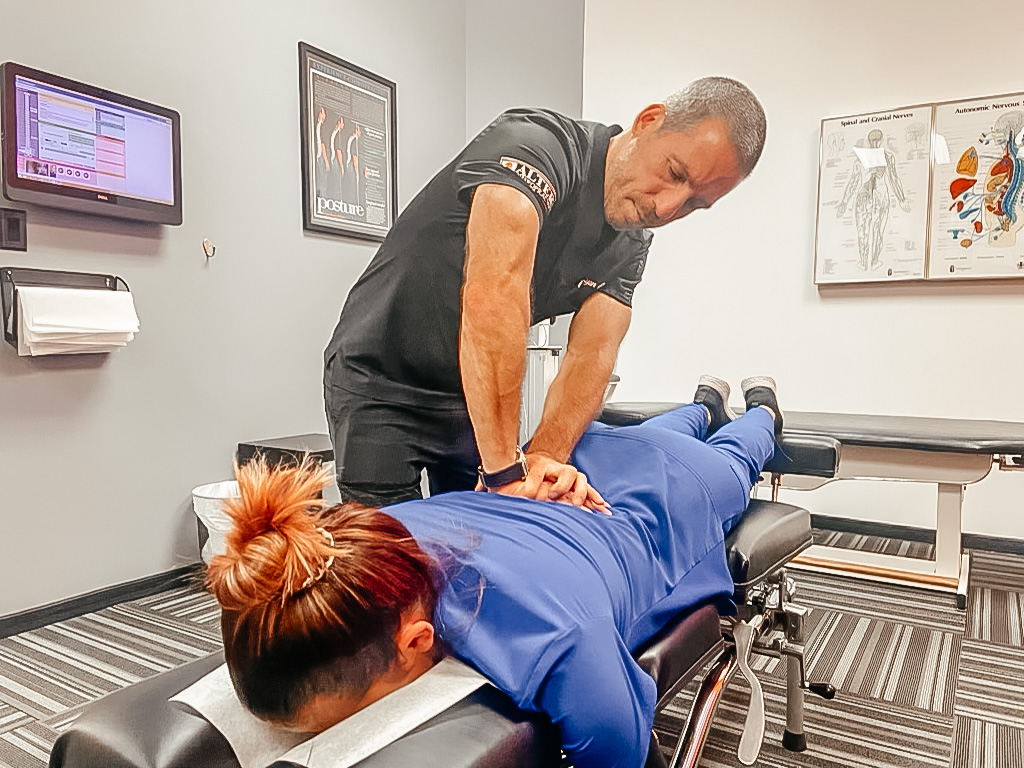
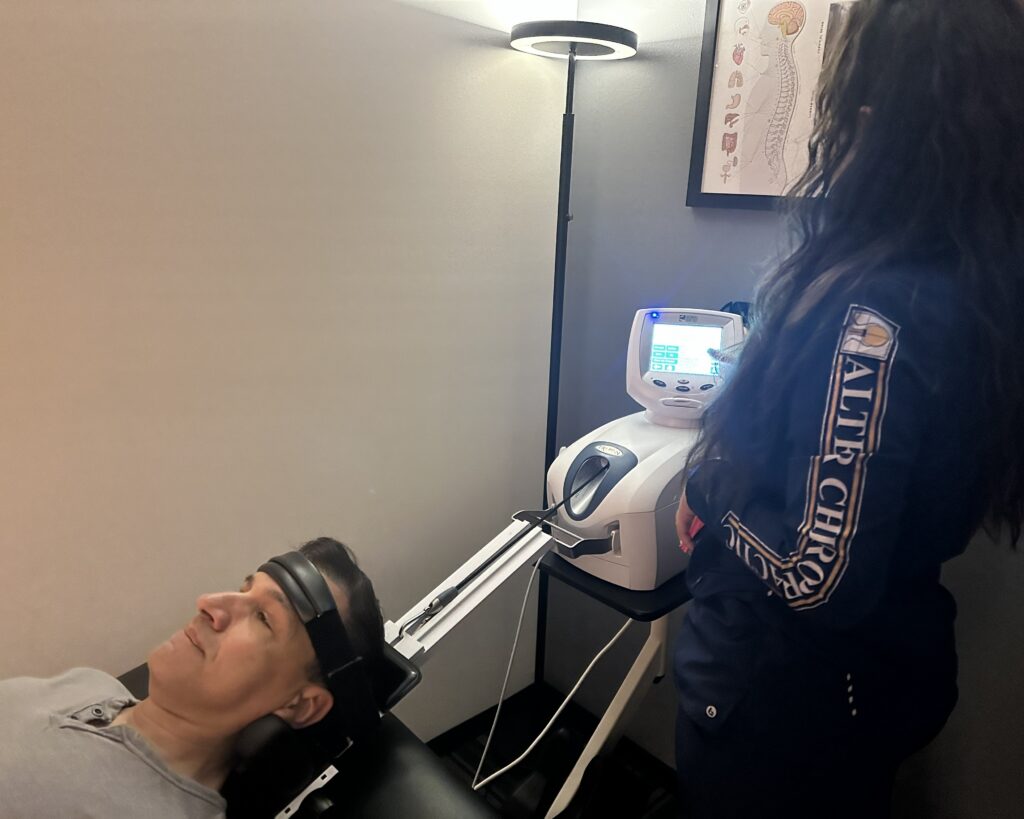
- Chiropractic Adjustments: Regular visits to your chiropractor can help align your spine and alleviate discomfort caused by poor posture. Chiropractic care not only addresses existing pain but also promotes long-term wellness by ensuring your body functions optimally.
- Ergonomic Workspaces: If you spend a lot of time at a desk, invest in ergonomic furniture that promotes good posture. A chair with proper lumbar support and a desk at the right height can make a significant difference.
- Stay Active: Regular physical activity can enhance your overall posture and well-being. Engage in activities like walking, yoga, or swimming to keep your body moving and flexible.
By implementing these strategies, you can take a proactive approach to improving your posture and enhancing your overall health. Remember, chiropractic care offers a natural and effective solution for pain relief and achieving a healthier lifestyle. Let’s work together to help you feel your best!
Understanding the Impact of Poor Posture
Poor posture can significantly impact your overall health in ways you mightn’t even be aware of. When you slouch or lean forward, it’s not just about how you look; you’re putting unnecessary strain on your muscles and ligaments. This can lead to discomfort and pain in your back, neck, and shoulders. Many people experience difficulty concentrating or feel fatigued throughout the day, as the body struggles to maintain balance and support.
Moreover, poor posture can hinder your breathing and digestion. When you’re hunched over, your lungs can’t fully expand, which limits oxygen intake and can leave you feeling sluggish. Additionally, your digestive organs may become compressed, leading to discomfort and digestive issues.
It’s crucial to address these problems, and that’s where chiropractic care comes in. By understanding the effects of poor posture, you can take proactive steps to improve it, enhancing your physical health and overall well-being. Regular chiropractic adjustments can help align your spine, relieve tension, and promote better posture. This not only alleviates pain but also allows your body to function optimally.
Here are some tips to help you maintain good posture throughout the day:
- Be Mindful of Your Sitting Position: Ensure your feet are flat on the floor, your back is supported, and your screen is at eye level.
- Take Frequent Breaks: Stand up, stretch, and move around every 30 minutes to keep your body loose and prevent stiffness.
- Strengthen Your Core: Engage in exercises that strengthen your abdominal and back muscles, as a strong core supports good posture.
- Practice Good Sleep Posture: Use a supportive mattress and pillow that keeps your spine aligned while you sleep.
- Consider Chiropractic Care: Regular visits to a chiropractor can help correct postural imbalances, relieve pain, and keep your spine healthy.
Stretching Exercises to Relieve Tension
When it comes to combating the effects of poor posture, incorporating stretching exercises into your routine can be a powerful way to relieve tension and bring your body back into balance. As a local chiropractor, I believe that these simple stretches can complement chiropractic care beautifully, supporting your overall wellness and helping you feel your best.
Let’s start with some effective neck stretches. Gently tilt your head to one side, holding for 15 to 30 seconds. This can help release tightness and improve mobility. Next, try shoulder rolls: lift your shoulders towards your ears, then roll them back and down. This movement promotes circulation and helps alleviate tension in the shoulder area.
For your back, it’s essential to maintain good alignment. Sit tall, reach your arms overhead, and lean to each side for a deep stretch. This not only stretches the muscles but also encourages proper spinal alignment, which is key to feeling good.
Don’t forget to give your chest some love! Stand in a doorway, place your forearms on the frame, and lean forward. This opens up tight pectoral muscles and can enhance your posture.
I recommend making these stretches a regular part of your daily routine—aim for a few times a week. You’ll likely notice a significant decrease in tension and an increase in your overall comfort.
Strengthening Your Core for Better Support
To enhance your posture, it’s essential to prioritize strengthening your core. A robust core not only provides the stability and support your body needs but also makes it easier to maintain proper alignment. As a chiropractor, I see firsthand how a strong core can significantly contribute to your overall health and wellness.
Let’s discuss some effective core exercises that can boost your stability and help you stand tall. Simple movements like planks, bridges, and abdominal crunches can be incredibly beneficial. These exercises engage your core muscles, promoting better posture and reducing strain on your spine.
It’s important to understand that chiropractic care plays a crucial role in achieving optimal health. Regular chiropractic adjustments can help align your spine, improve your posture, and alleviate any discomfort you may be experiencing. By combining chiropractic care with core strengthening exercises, you can create a strong foundation for a healthier, pain-free life.
Remember, maintaining good posture isn’t just about looking confident; it’s about supporting your entire body. Here are a few general tips to keep in mind:
- Engage Your Core: Throughout the day, practice engaging your core muscles, especially when sitting or standing for long periods.
- Mind Your Posture: Be mindful of your body alignment when sitting, standing, or walking. Keeping your shoulders back and your head aligned with your spine can make a big difference.
- Stay Active: Incorporate regular physical activity into your routine. Movement helps maintain spinal health and overall well-being.
Core Exercises Overview
A strong core is vital for maintaining good posture and overall body support, and it’s an area where chiropractic care can truly shine. Core exercises are essential for stabilizing your spine and pelvis, which is crucial for efficient movement. By focusing on targeted workouts, you can strengthen the muscles around your abdomen, back, and hips, enhancing your overall health and well-being.
Incorporate simple yet effective exercises like planks, bridges, and bicycle crunches into your routine to build endurance and power. These movements not only improve your core stability but also enhance your balance and coordination—key elements in preventing injuries and promoting a healthy spine.
Aim to dedicate time a few times a week to focus on core strength, as consistency is key to seeing results. As you progress, you’ll likely notice a reduction in discomfort, improved posture, and an easier time with everyday activities.
Remember, strengthening your core is an important step toward a healthier you, and it complements the benefits of chiropractic care. Regular adjustments can further enhance your core strength by ensuring proper alignment and function of your spine.
For optimal health, consider chiropractic as your go-to choice for natural wellness and pain relief. Your journey to a stronger core and a healthier life starts with simple exercises and the support of chiropractic care.
Importance of Core Strength
Core strength is essential for supporting your body and ensuring good posture, which is vital for overall health and wellness. When your core muscles are strong, they help stabilize your spine and pelvis, which can greatly reduce strain on your back. This support allows you to sit and stand up straight with ease, lowering the risk of developing painful postural issues that can lead to discomfort or pain.
A strong core not only helps with posture but also enhances your balance and stability, making everyday activities smoother and more efficient. Whether you’re lifting groceries, playing with your kids, or working at your desk, a strong core equips your body to handle physical stress better.
Incorporating core exercises into your routine is a great way to improve your posture, boost your confidence, and enhance your overall well-being. Simple exercises like planks, bridges, and abdominal crunches can be very effective and can often be done at home without special equipment.
As a chiropractor, I want to emphasize that maintaining core strength is a natural way to support your spine and overall health. By prioritizing your core workouts, you can experience lasting benefits that contribute to a healthier lifestyle.
Ergonomic Adjustments for Your Workspace
To enhance your posture while working, let’s start by focusing on the height of your desk and the support your chair provides. A well-adjusted workspace can significantly alleviate strain on your body, which is crucial for your overall health and wellness.
Remember, maintaining proper posture isn’t just about comfort; it plays a vital role in spinal health.
Here are some simple tips to create an ergonomic workspace that promotes better posture and a healthier you:
- Desk Height: Your desk should be at a height where your elbows are at a 90-degree angle when typing. This position helps to prevent shoulder and neck strain.
- Chair Support: Choose a chair that supports the natural curve of your spine. Look for one with lumbar support to maintain the lower back’s natural posture, which can help prevent pain.
- Monitor Position: Position your computer monitor at eye level. This will help keep your neck in a neutral position, reducing the risk of discomfort.
- Take Breaks: Remember to take regular breaks to stand, stretch, and move around. This encourages circulation and helps prevent stiffness.
- Mindful Sitting: Pay attention to your sitting posture. Keep your feet flat on the ground, and avoid crossing your legs to promote better blood flow.
By implementing these adjustments, you not only make your workspace more comfortable but also support your spinal health.
As a chiropractor, I believe that these simple changes, combined with regular chiropractic care, can lead to optimal health and well-being. Chiropractic care is a natural approach to pain relief and wellness, helping your body heal and function at its best.
Desk Height Optimization
Finding the right desk height is crucial not only for maintaining good posture but also for supporting your spine’s health and preventing discomfort during long hours of work. As a chiropractor, I understand the importance of creating a workspace that promotes a healthy alignment of your body.
To achieve the ideal desk height, adjust your workstation so that your elbows remain at a 90-degree angle when typing. This positioning ensures that your hands hover comfortably above the keyboard, allowing your wrists to remain relaxed and reducing the risk of strain.
It’s equally important to position your monitor at eye level, approximately an arm’s length away. This setup helps to avoid unnecessary neck strain, which can lead to discomfort and even chronic pain over time. If you’re using a laptop, consider utilizing a stand or a separate keyboard to maintain proper alignment and promote a healthier posture.
When seated, ensure that your feet rest flat on the floor or on a footrest. This positioning helps to support your lower back and maintain the natural curve of your spine.
Regularly reassess your setup, as even small adjustments can make a significant difference in your comfort and productivity throughout the day.
Chair Support Features
While optimizing your desk height is essential for your overall health, the chair you choose is equally important in supporting your posture throughout the day. A chair with proper lumbar support is crucial; it helps maintain the natural curve of your spine, which is vital for preventing discomfort and promoting spinal health.
Look for adjustable features, such as seat height and armrests, to ensure your feet rest flat on the ground and your arms remain parallel to the desk. This positioning can significantly reduce strain on your back and neck, and help you maintain good posture. A comfortable seat cushion can also alleviate pressure on your hips, further enhancing your comfort.
Additionally, consider a chair that allows for backrest tilt. This feature encourages movement and can help reduce stiffness that often builds up during long hours of sitting. Remember, staying active and changing positions periodically are key to maintaining spinal health.
Lastly, breathable fabric is a great choice for a chair, as it helps keep you comfortable during extended periods of sitting. By investing in a quality chair with these support features, you’re not just enhancing your workspace; you’re taking important steps toward improved posture and reduced pain.
As a chiropractor, I encourage you to prioritize your spinal health. By choosing the right chair and practicing good posture, you can complement the benefits of chiropractic care, which is a natural and effective way to achieve optimal health and wellness.
Mindfulness Techniques to Promote Awareness
As you go about your daily activities, paying attention to your body can significantly improve your posture awareness, which is crucial for overall spinal health.
Begin by setting aside a few moments each day to check in with how you’re feeling physically. Notice any areas of tension or discomfort, and take a few deep breaths to help release that tension. This practice not only promotes relaxation but also encourages mindfulness, which is essential for maintaining a healthy spine.
Incorporating short meditation sessions into your routine can further enhance your awareness. During these moments, concentrate on your breath and visualize yourself standing tall and aligned. This mental imagery can reinforce the importance of good posture, which is vital for preventing pain and injury.
Another practical tip is to use reminders throughout your day. You can set alarms on your phone or place sticky notes in visible areas to prompt you to check your posture. When you see these reminders, take a moment to pause and adjust your body into a more supportive position. This simple habit can help counteract the negative effects of prolonged sitting or poor alignment.
By integrating these mindfulness techniques into your daily life, you’ll develop a deeper awareness of your posture, making it easier to correct habits that may lead to discomfort.
Incorporating Regular Movement Into Your Day
Incorporating regular movement into your day isn’t just beneficial for your posture—it’s a vital component of maintaining your overall health and well-being. As a chiropractor, I emphasize the importance of staying active to support your spine and prevent discomfort.
Instead of remaining seated for long periods, consider setting reminders to stand up and stretch every hour. Simple movements, like walking around your home or office, can significantly enhance circulation and improve your posture.
You can also weave movement into your daily activities. Opt for stairs rather than elevators, walk or bike for short errands, and practice standing during phone calls. These little adjustments can lead to significant benefits for your spinal health.
Finding enjoyable activities, like dancing or yoga, can keep you engaged and motivated to move. Remember, the key is consistency; aim for at least 30 minutes of movement each day.
By prioritizing movement, you’re not only supporting your posture but also promoting natural healing and wellness.
If you’re experiencing discomfort or pain, chiropractic care is a fantastic option. Regular adjustments can help align your spine, relieve tension, and enhance your body’s ability to heal naturally.
Conclusion
Incorporating reliable techniques into your daily routine can significantly enhance your posture and overall well-being. As a chiropractor, I emphasize the importance of chiropractic care as a natural way to achieve optimal health. Regular visits to a chiropractor can help realign your spine, alleviate pain, and improve your overall posture.
In addition to chiropractic adjustments, committing to regular stretching and core-strengthening exercises is crucial. These activities not only support your spine but also build the muscles that keep you upright and aligned. It’s also essential to make ergonomic adjustments in your workspace. Ensuring your chair, desk, and computer setup are conducive to a healthy posture can make a world of difference.
Don’t underestimate the power of mindfulness and movement throughout your day. Take breaks to stretch and walk around, as this keeps your body engaged and helps prevent stiffness. With consistent care and a focus on your posture, you can alleviate pain and cultivate a healthier, more confident you. Remember, chiropractic care is a vital part of this journey—start prioritizing your spinal health today!