
If you're experiencing upper back discomfort, know that you're not alone, and it's important to understand what might be causing this issue to find effective relief. As a local chiropractor, I often see patients who struggle with upper back pain due to factors like poor posture, stress, and a lack of movement in their daily lives. The good news is that there are natural and practical strategies that can help you feel better.
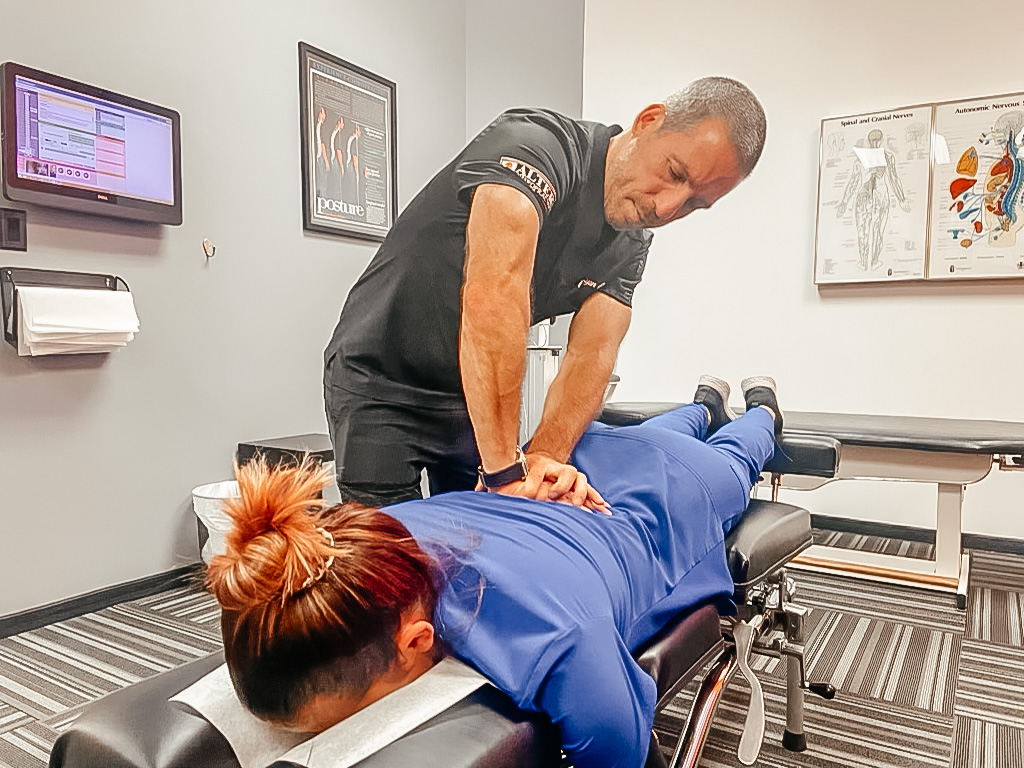
In my practice, I emphasize the importance of addressing these underlying causes through specific exercises and lifestyle adjustments. Simple changes, such as improving your posture while sitting or incorporating regular movement breaks into your day, can significantly reduce discomfort. Additionally, chiropractic adjustments can help realign the spine and relieve tension in the upper back.
So, what are the most effective techniques you can include in your daily routine to combat that persistent pain? Let's work together to explore some actionable solutions that can lead to lasting relief and improved well-being. Your journey to a healthier back starts here!
Common Causes of Upper Back Pain
As a local chiropractor, I often see patients who experience upper back pain, and I want to take a moment to educate you about some common causes of this discomfort.
Many people find that spending long hours hunched over a desk or glued to their phones can lead to upper back pain. This is typically due to poor posture, which places excessive strain on your muscles and spine. When you slouch, your shoulders roll forward, and your head protrudes, leading to muscle fatigue and tension in the upper back.
Muscle strain is another frequent culprit. This can occur if you lift heavy objects incorrectly or perform repetitive motions without using the right techniques. Everyday activities, such as gardening or playing sports, can also contribute to muscle strain if you're not mindful. Over time, these strains can build up, leaving you with persistent discomfort.
Stress plays a significant role as well. When we experience stress, our bodies often tense up, particularly in the shoulders and upper back. This tension can result in stiffness and discomfort, making it essential to find effective ways to manage stress.
Moreover, a lack of physical activity can weaken your back muscles. If you lead a mostly sedentary lifestyle, your muscles may not have the strength needed to support your spine properly, leading to misalignment and pain over time.
Lastly, underlying medical conditions such as arthritis or herniated discs can also contribute to upper back pain. If you're experiencing persistent discomfort or suspect an injury, I encourage you to seek a consultation. A proper diagnosis is crucial for effective treatment.
Effective Relief Strategies
As a local chiropractor, I want to share some effective relief strategies for upper back discomfort that can help you feel better naturally.
First, it's important to evaluate your daily habits. Many people don't realize that poor posture while sitting or standing can significantly strain the upper back. I encourage you to be mindful of your posture—keep your shoulders back and your head aligned over your spine. Investing in ergonomic furniture can also provide considerable support and make a huge difference in your comfort.
Another approach to consider is heat and cold therapy. Applying a warm compress or heating pad can work wonders to relax tense muscles and enhance blood flow. On the other hand, an ice pack can help reduce inflammation and numb sharp pain. Feel free to experiment with alternating between these methods to discover what brings you the most relief.
Rest is a powerful ally in your journey to recovery. It's crucial to allow your body the time it needs to heal, so ensure you're getting enough sleep and taking regular breaks during long periods of sitting or repetitive activities. If you're experiencing acute pain, it's wise to avoid activities that might worsen the discomfort until you feel better.
Managing stress is essential as well. Stress can lead to muscle tension, including in the upper back. I recommend engaging in relaxation techniques such as deep breathing, meditation, or yoga to help alleviate this tension.
Lastly, while I advocate for natural healing, over-the-counter pain relief medications like ibuprofen or acetaminophen can be a short-term solution for managing pain. However, it's important to consult with a healthcare professional—like myself—before starting any new treatment regimen to ensure it aligns with your overall health plan.
By integrating these strategies, you can take proactive steps toward relieving your upper back discomfort and improving your overall well-being.
If you have questions or need personalized advice, don't hesitate to reach out to my office. We're here to help you on your journey to better health!
Recommended Exercises
As your local chiropractor, I want to emphasize the important role that exercises can play in alleviating upper back discomfort. By focusing on strengthening and stretching the muscles in your back, shoulders, and core, you can improve your posture and relieve tension naturally. Here are some exercises that I recommend to help you get started on your journey to better spinal health.
First, let's talk about the cat-cow stretch. This gentle movement is excellent for increasing flexibility in your spine. Begin on all fours, ensuring your wrists are directly under your shoulders and your knees are under your hips. Inhale deeply as you arch your back, entering the cow pose, and then exhale as you round your spine into the cat pose. Repeat this flow for 10 to 15 times. This exercise not only helps with flexibility but also promotes better spinal alignment.
Another beneficial exercise is the thoracic spine rotation. This movement is essential for improving your upper back's mobility. You can do this seated or standing with your feet shoulder-width apart. Place your hands behind your head and gently rotate your torso to the right, then to the left, keeping your hips stable and your core engaged. Aim for 10 rotations on each side to help promote spinal health.
Next, I recommend the wall angel exercise. This is fantastic for strengthening your upper back and improving your posture. Stand with your back against a wall, positioning your feet about six inches away from it. Ensure your lower back, shoulders, and head are pressed against the wall. Raise your arms to create a "W" shape, then slide them up to form a "Y" shape while maintaining contact with the wall. Repeat this for 10 to 15 repetitions to effectively strengthen the muscles that support your spine.
Lastly, don't overlook the soothing effects of the child's pose. Kneel on the floor, sit back on your heels, and stretch your arms forward on the ground. Hold this position for 30 seconds to a minute to release built-up tension in your back and promote relaxation.
Incorporating these exercises into your routine can significantly enhance your relief from upper back discomfort. Remember, natural healing is a journey, and I'm here to support you every step of the way!
Lifestyle Adjustments
As a local chiropractor dedicated to helping my patients achieve optimal health, I want to share how thoughtful lifestyle adjustments can significantly alleviate your upper back discomfort. It's important to first assess your daily routines and identify any activities that may be contributing to your pain.
If you find yourself sitting for prolonged periods, investing in an ergonomic chair that supports your posture can be a game-changer for your comfort.
Let's also discuss your workspace setup. Ensure that your computer monitor is at eye level and that your feet are flat on the floor. This small adjustment can make a substantial difference in reducing strain on your upper back.
Incorporating regular breaks into your workday is essential. I recommend setting a timer to remind yourself to stand, stretch, or take a brief walk every hour. This practice can help alleviate tension in your upper back and improve your overall well-being.
Additionally, be mindful of how you carry items. Opting for a backpack instead of a shoulder bag can help distribute weight more evenly, reducing strain on your back.
Your sleep environment plays a crucial role in your spinal health as well. Ensure that your mattress and pillows support proper alignment. A medium-firm mattress is often suggested, and a pillow that keeps your neck aligned with your spine can greatly enhance your comfort during sleep.
Lastly, let's not overlook the impact of stress on your body. High stress levels can lead to muscle tension, which may contribute to your discomfort. Engaging in relaxation techniques such as deep breathing, meditation, or yoga can be beneficial in managing stress and relieving muscle tightness.
By making these lifestyle adjustments, you can create a more supportive environment for your upper back, leading to greater comfort and overall well-being. Prioritizing these changes can pave the way for a healthier, pain-free lifestyle.
Prevention Tips
As a local chiropractor, I want to share some essential tips to help you prevent upper back discomfort and maintain a healthy spine. It all starts with proactive habits that can make a significant difference in your daily life.
First and foremost, maintaining good posture is crucial. Whether you're sitting at a desk, standing, or walking, be mindful of your body position. Keep your shoulders back and your spine aligned. If you spend extended hours at a desk, consider investing in ergonomic furniture that supports proper posture and reduces strain on your back.
Regular physical activity is another key component. Engaging in exercises that strengthen your back and core muscles provides vital support for your spine. Activities like yoga and Pilates are excellent as they not only enhance flexibility but also improve posture and alleviate tension in your upper back.
If you're someone who frequently carries heavy bags or backpacks, it's important to distribute the weight evenly across your shoulders. This simple adjustment can significantly ease the strain on your upper back.
Additionally, remember to take breaks if you're sitting or standing for long periods. Moving around every hour can keep your muscles active and help prevent stiffness.
Incorporating gentle stretching into your daily routine is also an effective way to prevent discomfort. Focus on stretches for your upper back and shoulders to relieve tension and promote better blood circulation, which is essential for overall spinal health.
Lastly, don't underestimate the importance of your sleep environment. A supportive mattress and pillow that maintain proper alignment for your neck and spine are vital for quality sleep. Restful sleep is crucial for muscle recovery and overall well-being.
Conclusion
As a local chiropractor, I want to share some valuable insights on how you can find relief from upper back discomfort. It's important to understand that achieving comfort and healing is possible with the right approaches.
First and foremost, maintaining good posture is key to supporting your spine health. Slouching or poor alignment can exacerbate pain, so being mindful of your posture throughout the day is crucial.
Incorporating targeted exercises into your routine can also make a significant difference. These exercises can help strengthen the muscles that support your spine, leading to better stability and reduced discomfort.
Managing stress is another essential aspect of holistic healing. Stress can manifest physically, contributing to tension in your upper back. Techniques such as deep breathing, meditation, or yoga can help alleviate this tension.
Don't underestimate the importance of making lifestyle adjustments. Simple changes, like taking regular breaks from sitting and investing in ergonomic furniture, can greatly enhance your comfort and prevent future issues.
As you embark on this journey to a stronger, more comfortable back, remember to listen to your body. If you experience persistent discomfort, consider seeking chiropractic care. We specialize in natural healing and can help guide you through personalized treatment options to promote recovery and overall well-being.
By taking these steps, you can work towards a healthier spine and a pain-free life.