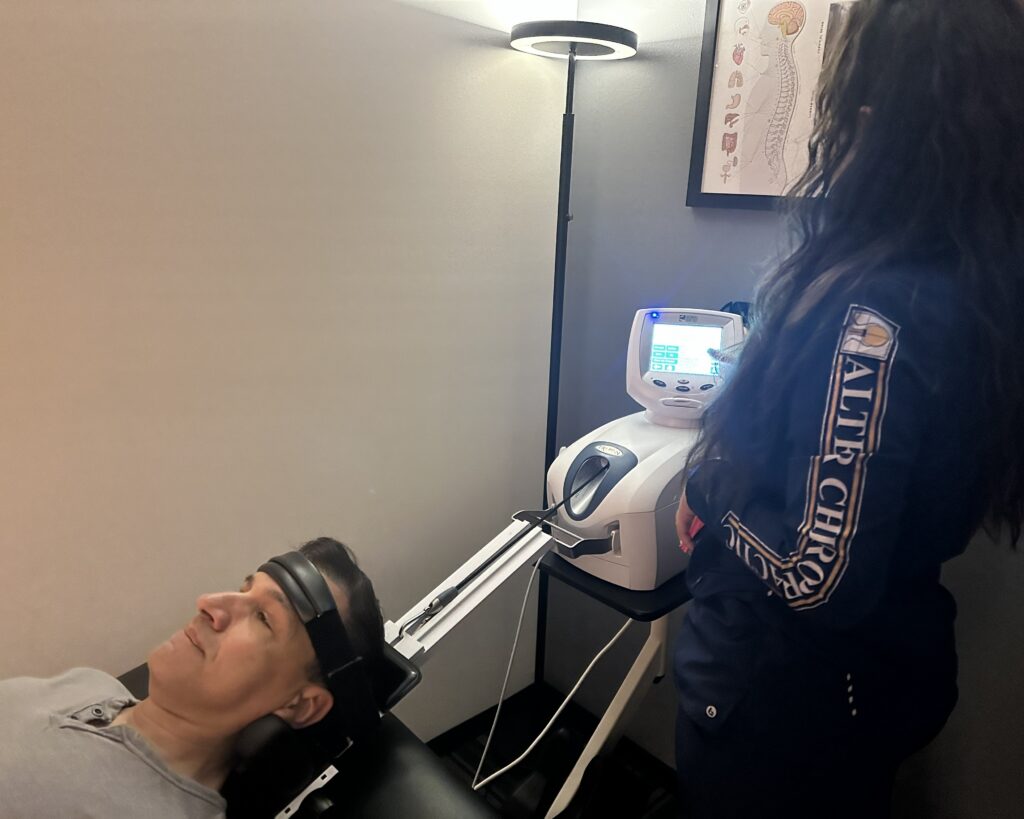
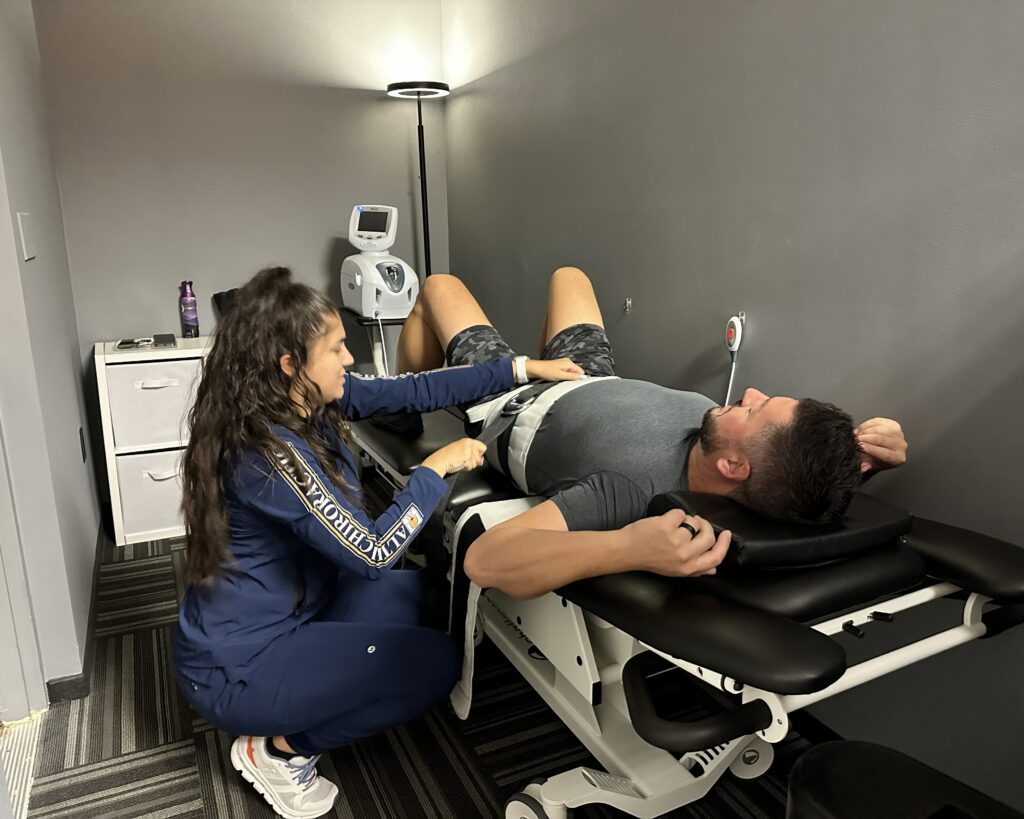
If you suffer from chronic tension headaches, you know how much they can disrupt your daily life. Finding effective relief starts with understanding your body’s signals and making some important lifestyle adjustments. It’s crucial to identify your headache triggers, whether they stem from stress, poor posture, or muscle tension. Incorporating relaxation techniques, such as deep breathing exercises or gentle stretching, can also be beneficial.
However, if these simple adjustments aren’t providing enough relief, exploring deeper solutions may be the key to lasting comfort. This is where chiropractic care comes in. Chiropractors specialize in aligning the spine and relieving tension in the muscles, which can significantly reduce the frequency and intensity of tension headaches. By addressing the root causes of your pain, chiropractic adjustments can help restore balance to your body, promoting natural healing.
In addition to chiropractic care, there are several tips and tricks you can incorporate into your daily routine to support your overall wellness. Make sure you’re staying hydrated, as dehydration can contribute to headaches. Practice good posture, especially if you spend long hours at a desk. Regular physical activity can also help relieve tension and improve your overall health.
Remember, finding relief from chronic tension headaches is possible, and chiropractic care offers a natural, effective solution. By prioritizing your spinal health and making mindful lifestyle choices, you can work towards achieving optimal wellness and reducing headache pain.
Key Takeaways
- Start keeping a headache diary to help you pinpoint the triggers and patterns that may be contributing to your chronic tension headaches. This can be a powerful tool in understanding your body better and working towards relief.
- Incorporate relaxation techniques such as deep breathing and progressive muscle relaxation into your daily routine. These techniques can help reduce stress and tension in your body, which is key for preventing headaches.
- Focus on maintaining good posture throughout your day. Poor posture can lead to muscle tension and headaches, so being mindful of how you sit and stand can make a significant difference. Regular gentle exercises, such as stretching or yoga, can also help alleviate muscle tension and promote overall well-being.
- Make sure to stay well-hydrated and maintain a balanced diet. Keeping your body nourished can prevent headaches, and being mindful of trigger foods can help you avoid discomfort.
- Consider seeking chiropractic care to support your spinal alignment and overall health. A chiropractor can create a tailored plan just for you, focusing on natural healing methods that promote headache relief and enhance your wellness journey. Chiropractic care is a fantastic way to achieve optimal health without the need for medications or surgeries.
By integrating these strategies into your routine, you can take proactive steps toward managing your tension headaches and improving your quality of life. Remember, you don’t have to navigate this journey alone—chiropractic care can be your ally in achieving better health and wellness.
Understanding Chronic Tension Headaches
While you may have occasional headaches, chronic tension headaches can significantly disrupt your daily life. These headaches often feel like a tight band around your forehead or a constant pressure that just won’t ease up. They can gradually come on and last anywhere from 30 minutes to several days. Common causes include stress, poor posture, and muscle tension, making them a frequent issue for many.
Unlike migraines, chronic tension headaches typically don’t come with nausea or sensitivity to light. However, they can be frustratingly persistent, affecting your concentration and mood. It’s important to understand that these headaches can arise from both physical and emotional stressors. By addressing these root causes, you can find relief.
One effective way to manage chronic tension headaches is through chiropractic care. Chiropractors focus on the spine and nervous system, helping to align your body and relieve tension that may contribute to headaches. Regular chiropractic adjustments can improve posture, reduce muscle tension, and enhance overall well-being.
In addition to chiropractic treatment, here are some simple tips to help manage and prevent chronic tension headaches:
- Practice Good Posture: Whether sitting at a desk or using your phone, maintaining proper posture can significantly reduce tension in your neck and shoulders.
- Stay Hydrated: Dehydration can lead to headaches, so make sure you’re drinking enough water throughout the day.
- Manage Stress: Incorporate relaxation techniques such as deep breathing, yoga, or meditation into your daily routine to help alleviate stress.
- Take Breaks: If you work at a desk, take regular breaks to stretch and move around. This can help reduce muscle tension.
- Sleep Well: Ensure you’re getting enough restful sleep, as poor sleep can contribute to headache frequency and intensity.
Identifying Triggers and Patterns
Managing chronic tension headaches can be challenging, especially if you’re unsure of what triggers them. One effective approach is to start a headache diary. In this diary, jot down the date, time, and how long each headache lasts. Make note of any activities, foods, or stressors you encountered leading up to the headache. Over time, look for patterns—do you notice more headaches after long hours at your desk or during particularly stressful times?
Being aware of your sleep habits and hydration is also essential. Sometimes, even small changes in your daily routine can greatly affect how you feel. Don’t forget to consider your environment too; factors like lighting and noise can play a significant role.
As a chiropractor, I believe in the power of understanding your body’s signals. Once you identify specific triggers, you can take steps to avoid or lessen them. This awareness is crucial, as it empowers you to manage your headaches more effectively.
Moreover, chiropractic care can be a wonderful option for addressing tension headaches. Regular chiropractic adjustments help to align your spine, reduce muscle tension, and enhance overall nervous system function. This natural approach not only alleviates pain but also promotes wellness and optimal health.
Remember, staying proactive and informed about your lifestyle choices is key. Incorporating chiropractic care into your routine can provide you with the support you need to navigate headaches and enhance your overall quality of life.
Relaxation Techniques for Immediate Relief
Once you’ve identified what triggers your headaches, it’s important to explore natural relaxation techniques that can offer immediate relief, helping to support your overall wellness.
Deep breathing is a simple yet powerful method you can use. Try inhaling slowly through your nose, holding that breath for a few seconds, and then exhaling gently through your mouth. Repeat this process for a few minutes to help calm both your mind and body, and promote relaxation.
Another effective technique is progressive muscle relaxation. This method involves tensing each muscle group for a few seconds, then releasing the tension. Begin with your toes and gradually move up to your head, paying close attention to how your body feels as you let go of that tension. This practice can help alleviate stress and tension that may be contributing to your headaches.
Visualization can also be a great ally in your quest for relief. Imagine a serene scene, like a quiet beach or a peaceful forest, and allow your mind to explore that tranquil space. You might find that using guided imagery recordings can enhance this experience and further promote relaxation.
Incorporating these relaxation techniques into your daily routine can build your resilience against tension headaches and make it easier to manage stress as it arises.
Remember, while these methods can provide immediate relief, regular chiropractic care can support your overall health and well-being. By addressing the underlying issues in your spine, chiropractic adjustments can help reduce the frequency and intensity of headaches over time.
Embracing a holistic approach to your health not only alleviates pain but can also enhance your quality of life.
The Role of Physical Activity and Exercise
Regular physical activity and exercise are vital components in managing chronic tension headaches, and they can work hand-in-hand with chiropractic care to enhance your overall wellness. Engaging in regular exercise not only helps to reduce muscle tension and improve blood circulation, but it also supports the alignment of your spine, which is crucial for optimal health.
When you exercise, your body releases endorphins—natural painkillers that can elevate your mood and decrease stress levels. This powerful combination of physical benefits and emotional uplift can lead to fewer headaches.
Aim for at least 30 minutes of moderate exercise most days of the week. Activities like walking, swimming, or yoga can be particularly beneficial and are excellent complements to your chiropractic adjustments. Additionally, incorporating stretching and strengthening exercises can specifically target areas of tension, such as your neck and shoulders, which chiropractors often address in their treatments.
Always listen to your body; if you’re feeling fatigued or in pain, it’s important to scale back and consult with your chiropractor for personalized advice. Finding a routine that suits your lifestyle not only helps manage headaches but also promotes overall wellness.
Dietary Adjustments for Headache Prevention
When it comes to preventing chronic tension headaches, your diet plays a crucial role in your overall health and wellness. Staying well-hydrated is key; drinking enough water can significantly reduce the frequency of headaches. Additionally, identifying and avoiding trigger foods is essential for your well-being.
As a chiropractor, I understand the importance of a holistic approach to health. By making simple dietary adjustments, you can support your body and potentially find lasting relief from headaches. Here are some tips to consider:
- Hydration is Vital: Aim to drink plenty of water throughout the day. Dehydration is a common headache trigger, so keeping hydrated can help keep headaches at bay.
- Identify Trigger Foods: Pay attention to what you eat and how it affects your body. Common triggers include aged cheeses, processed meats, and artificial sweeteners. Keeping a food diary can help you pinpoint any foods that may be causing your headaches.
- Balanced Nutrition: Focus on a well-rounded diet rich in fruits, vegetables, whole grains, and lean proteins. Nutrient-rich foods can provide your body with the vitamins and minerals it needs to function optimally.
- Regular Meals: Skipping meals can lead to low blood sugar, which may trigger headaches. Try to eat at consistent times to maintain energy levels.
- Chiropractic Care: Regular chiropractic adjustments can help alleviate tension in your spine and neck, which may contribute to headache pain. By maintaining proper spinal alignment, you can support your overall health and reduce the likelihood of headaches.
Remember, making these simple changes can have a significant impact on your well-being. By focusing on nutrition and chiropractic care, you can take proactive steps toward preventing headaches and achieving optimal health.
If you have any concerns or need guidance, don’t hesitate to reach out to your chiropractor for personalized advice.
Hydration Importance
Hydration plays a vital role in maintaining overall wellness and can be particularly effective in preventing chronic tension headaches. When your body is dehydrated, your brain may temporarily shrink due to fluid loss, which can lead to discomfort and pain. By staying properly hydrated, you can help reduce the likelihood of these headaches and enhance your overall health.
Here are some simple hydration tips to keep you feeling your best:
- Drink Water Regularly: Aim for at least 8 glasses of water a day, but remember to adjust this based on your activity level and the climate. Staying hydrated supports your body’s functions and can help alleviate tension.
- Monitor Your Intake: Keeping a water bottle nearby can make it easier to track your daily water consumption. This small step can help you stay on top of your hydration needs.
- Consume Hydrating Foods: Incorporate fruits and vegetables such as cucumbers, watermelon, and oranges into your meals. These foods not only provide hydration but are also rich in vitamins and minerals that support your spinal health and overall wellness.
- Limit Dehydrating Beverages: Be mindful of your caffeine and alcohol intake, as these can contribute to fluid loss. Opting for water or herbal teas can help maintain your hydration levels.
By prioritizing hydration, you’re taking a proactive step toward preventing headaches and enhancing your well-being.
Trigger Food Identification
Maintaining proper hydration is just one crucial aspect of keeping your health in check and reducing the occurrence of chronic tension headaches.
Another key factor is identifying trigger foods that may be contributing to your discomfort. As a local chiropractor, I want to share some helpful tips to assist you in this journey toward better health and natural healing.
Start by keeping a food diary. This simple practice involves writing down everything you eat and drink, along with any headache occurrences. By doing this, you can uncover patterns and identify specific foods that might be triggering your headaches. Some common culprits include aged cheeses, processed meats, alcohol, and artificial sweeteners.
However, it’s essential to remember that everyone’s triggers can vary; what affects one person mightn’t have the same impact on you.
Once you’ve identified these potential triggers, consider gradually eliminating them from your diet. This can be a natural way to see if your headaches improve.
Alongside these dietary adjustments, chiropractic care can play a significant role in your overall health and wellness. Regular chiropractic adjustments can help alleviate tension in your spine and nervous system, which may contribute to headache relief.
In addition to dietary changes and chiropractic care, here are a few general tips to help manage headaches naturally:
- Stay Hydrated: Drink plenty of water throughout the day to keep your body well-hydrated.
- Practice Relaxation Techniques: Incorporate relaxation methods such as deep breathing, yoga, or meditation to reduce stress, which can also trigger headaches.
- Get Enough Sleep: Aim for a consistent sleep schedule and ensure you’re getting adequate rest each night.
- Maintain Good Posture: Poor posture can lead to tension in your neck and back, contributing to headaches. Be mindful of your posture, especially when sitting for long periods.
- Regular Chiropractic Visits: Make chiropractic care a part of your wellness routine. A chiropractor can help align your spine and reduce tension, promoting overall health.
By focusing on these strategies and considering chiropractic care as a primary approach for pain relief and wellness, you can take significant steps toward managing your headaches naturally.
Importance of Sleep and Rest
Getting enough quality sleep is crucial for managing chronic tension headaches, and chiropractic care can play a significant role in this process. By addressing spinal alignment and muscle tension through regular chiropractic adjustments, you can enhance your overall well-being and improve your sleep quality.
Incorporating relaxation techniques, such as gentle stretching and deep breathing exercises, can further support your journey toward better rest.
Make sure your sleep environment is comfortable—consider using supportive pillows and maintaining a cool, dark room to promote deeper sleep.
By prioritizing rest and seeking chiropractic care, you’ll not only set the stage for improved health but also find effective relief from headaches.
Remember, a well-aligned spine can lead to a calmer nervous system, making it easier for you to unwind and enjoy restorative sleep.
Take these steps to support your health naturally and experience the benefits of a good night’s sleep!
Sleep Quality Improvement
As a local chiropractor, I want to emphasize the important connection between sleep quality and managing chronic tension headaches. When you don’t get enough restorative sleep, your body struggles to recover, which can lead to more frequent and intense headaches. By improving your sleep quality, you can enhance your overall wellness and potentially reduce your headache symptoms.
Here are some practical tips that can help you sleep better and feel rejuvenated:
- Establish a Consistent Sleep Schedule: Try to go to bed and wake up at the same time every day. This helps regulate your body’s internal clock, promoting more restful sleep.
- Limit Screen Time Before Bed: Give yourself a break from screens at least an hour before you sleep. Reducing this exposure can help your mind relax, making it easier for you to drift off.
- Create a Relaxing Sleep Environment: Your bedroom should be a sanctuary for sleep. Keep it dark, cool, and quiet to foster a peaceful atmosphere conducive to restful nights.
- Avoid Caffeine and Heavy Meals: Steer clear of caffeine and heavy foods close to bedtime. These can disrupt your sleep and make it harder for you to achieve the quality rest you need.
By focusing on these sleep habits, you can support your body’s natural healing processes.
Remember, chiropractic care can also play a vital role in enhancing your overall health and well-being. Regular visits to a chiropractor can help address underlying issues that might be affecting your sleep quality and headache severity.
Embrace these tips and consider how chiropractic care can support your journey to better health and relief from pain.
Relaxation Techniques
To effectively manage chronic tension headaches, incorporating relaxation techniques into your daily routine is vital for enhancing your overall well-being. As a chiropractor, I believe that addressing the root causes of pain, including tension in the spine and surrounding muscles, is key to achieving optimal health.
Prioritizing sleep and rest is essential, as it allows your body to recover and reduces the stress that can lead to headaches. Consider dedicating time each day to activities like deep breathing, meditation, or gentle yoga. These practices can help calm your mind and release tension in your muscles, particularly those connected to your spine.
Establishing a consistent sleep schedule is also important; aim for restorative sleep each night. Remember, the quality of your sleep is just as crucial as the quantity, so pay attention to your body’s needs.
In addition to these relaxation techniques, regular chiropractic adjustments can help align your spine, relieving pressure on nerves and promoting better overall health. By integrating these practices, you’ll not only alleviate headache symptoms but also foster a more balanced, healthier lifestyle.
Keep in mind that taking care of your spine is a natural and effective way to support your body’s healing processes.
Sleep Environment Optimization
Creating an ideal sleep environment is crucial for achieving restorative rest, which can significantly enhance your overall well-being and help alleviate tension headaches. As a chiropractor, I understand the importance of a good night’s sleep for spinal health and overall comfort.
Here are some simple yet effective tips to optimize your sleep space:
- Comfortable Bedding: Choose a supportive mattress and pillows that align with your natural spinal curvature. This helps reduce strain on your back and neck, promoting better posture while you sleep.
- Darkness: Consider using blackout curtains to eliminate light. Darkness encourages your body to produce melatonin, a hormone that regulates sleep, leading to deeper rest and recovery.
- Temperature Control: Aim to keep your bedroom cool, ideally between 60-67°F (15-19°C). A cooler environment helps your body relax and can improve sleep quality, allowing your spine to rest and rejuvenate.
- Noise Reduction: Minimize disruptive noises by using earplugs or a white noise machine. A quiet space allows you to fall asleep faster and stay asleep longer, benefiting your overall health and reducing tension in your body.
By focusing on these elements, you can create a sleep environment that not only enhances your rest but also supports your spine and overall health.
When to Seek Professional Help
Are you struggling with chronic tension headaches and unsure when to seek help? It might be time to consider professional assistance if your headaches persist despite trying various home remedies. A key sign that you should consult a healthcare provider is if your headaches begin to interfere with your daily activities or if their intensity or frequency increases.
If you notice any additional symptoms such as nausea, vomiting, blurred vision, or neurological issues like weakness or difficulty speaking, it’s crucial to seek immediate care.
As a local chiropractor, I want to emphasize that frequent reliance on over-the-counter pain relievers—more than twice a week—can be a signal that it’s time for a professional evaluation. Chiropractic care can play a significant role in addressing the underlying causes of your headaches, particularly those related to spinal alignment and tension.
To help manage your tension headaches naturally, consider incorporating some simple lifestyle changes:
- Stay Hydrated: Dehydration can contribute to headaches, so be sure to drink plenty of water throughout the day.
- Practice Good Posture: Poor posture can lead to tension in your neck and shoulders, which can trigger headaches. Make an effort to maintain a neutral spine while sitting and standing.
- Regular Exercise: Gentle exercises, especially those that promote spinal health like yoga or stretching, can relieve tension and improve your overall well-being.
- Stress Management: Techniques such as deep breathing, meditation, or even taking a few moments to relax can help reduce stress and tension that may lead to headaches.
- Consider Chiropractic Adjustments: Regular visits to a chiropractor can help improve spinal alignment, reduce tension, and promote better overall health, which may alleviate headache symptoms.
Remember, you don’t have to endure chronic tension headaches alone. Seeking chiropractic care can provide you with a tailored plan to manage your condition, enhance your quality of life, and support your journey toward natural wellness.
Take that step toward relief and experience the benefits of chiropractic care!
Conclusion
By adopting these relief strategies for chronic tension headaches, you can take control of your well-being and explore the benefits of chiropractic care as a natural way to alleviate pain. Start by identifying your triggers—this could be stress, poor posture, or even dehydration. Practicing relaxation techniques, like deep breathing or gentle stretching, can also help reduce tension in your body, which is key to managing headaches.
Staying active is essential, as regular movement supports spinal health and overall wellness. Remember, a good night’s sleep is vital; it allows your body to recover and rejuvenate, which can significantly impact headache frequency and intensity. Proper hydration is equally important, so make sure you’re drinking enough water throughout the day.
Small dietary changes can also make a difference—consider incorporating more fruits and vegetables, which can help reduce inflammation. If you find your headaches persist, don’t hesitate to seek professional help from a chiropractor. Chiropractic care focuses on spinal alignment and nervous system function, which can lead to significant improvements in your overall health and headache relief.
Remember, you are not alone in this journey. There are effective, natural ways to manage your pain, and chiropractic care is a leading option for achieving optimal health and wellness. By taking these steps, you can empower yourself on the path to a headache-free life.