
If you're experiencing sports-related back pain, I want you to know that you're not alone, and it's crucial to address this issue effectively. As a local chiropractor, I often see patients who benefit from targeted stretching and strengthening exercises tailored to their specific needs. These exercises can significantly enhance your recovery and performance, and you might be surprised by how simple adjustments in your routine can relieve discomfort and improve your athletic abilities.
Before we dive into a treatment plan, it's essential to understand the underlying issues contributing to your pain. Many athletes find that specific techniques, customized to their sport, can accelerate their healing process. By exploring chiropractic care and natural healing methods, we can work together to create a personalized approach that helps you return to your favorite activities with greater ease and strength.
Understanding Sports-Related Back Pain
As a local chiropractor, I want to reassure you that if you're experiencing sports-related back pain, you're certainly not alone. It's common for athletes and those who lead active lifestyles to deal with back discomfort due to the physical demands of their sports. By understanding the underlying causes of this pain, you can take important steps toward finding relief and improving your overall well-being.
Often, sports-related back pain arises from issues like poor posture, muscle imbalances, and the effects of overuse injuries. Repetitive motions, such as swinging a golf club or throwing a ball, can put significant strain on your back muscles, leading to discomfort.
Furthermore, participating in high-impact activities without proper conditioning can exacerbate this pain, particularly if your core muscles lack the strength needed to support your spine effectively.
Another frequent cause of back pain is improper technique during training or competition. If you're lifting weights or performing movements incorrectly, it can add unnecessary stress to your back. Even small adjustments in your form can lead to significant pain over time if not addressed.
It's also essential to recognize the importance of flexibility and strength when it comes to maintaining a healthy back. Weak or tight muscles can create imbalances that heighten your risk of injury. For instance, tight hamstrings can pull on your pelvis, negatively affecting your spine's alignment.
As a chiropractor, I believe that being aware of these contributing factors empowers you to make positive changes in your routine. Whether it's refining your technique, strengthening your core, or simply listening to your body's signals, you have the capability to manage and reduce your back pain effectively.
I encourage you to consider chiropractic care as a natural and holistic approach to support your journey toward recovery and optimal health.
Stretching Techniques for Relief
As a local chiropractor, I want to emphasize the importance of stretching techniques in alleviating sports-related back pain. Incorporating these stretches into your daily routine can significantly improve your flexibility, reduce muscle tension, and promote overall spinal health.
Let's explore some effective stretches that can help you find relief and support your body naturally.
One of the foundational stretches I recommend is the cat-cow stretch. To perform this, start on your hands and knees, ensuring your wrists are directly under your shoulders and your knees are beneath your hips. As you inhale, arch your back, allowing your belly to drop towards the floor while lifting your head. Then, exhale and round your back, tucking your chin to your chest. Repeat this sequence for about 10 rounds. This stretch not only helps mobilize your spine but also enhances your awareness of your body's movements.
Another beneficial stretch is the seated forward bend. Sit comfortably on the floor with your legs extended in front of you. Inhale deeply, reaching your arms overhead, and as you exhale, hinge at your hips to reach toward your toes. Hold this position for 15-30 seconds, allowing yourself to feel the gentle stretch in your lower back and hamstrings. This stretch can be particularly effective in relieving tightness that may contribute to discomfort.
The child's pose is another excellent option for promoting relaxation while stretching your back. Kneel on the floor, sit back on your heels, and stretch your arms forward on the ground, allowing your forehead to rest on the mat. Breathe deeply in this pose for about 30 seconds. This position gently stretches your spine and encourages a sense of calm, which is essential for overall well-being.
Lastly, I encourage you to incorporate side stretches into your routine. Stand tall and reach one arm overhead, then gently bend towards the opposite side. Hold this stretch for 15-30 seconds before switching sides. Side stretches can alleviate tightness in the muscles along your spine and improve your overall range of motion, which is crucial for maintaining a healthy back during sports activities.
By integrating these stretches into your daily life, you can support your body's natural healing processes and enhance your overall spinal health.
Strengthening Exercises to Prevent Injury
As a local chiropractor, I want to share some key insights about how strengthening exercises can play a vital role in preventing injuries related to sports and back pain. Many people may not realize that incorporating these exercises into your routine can significantly enhance your physical performance while also promoting a healthy spine.
Strengthening your core, hips, and legs is essential for creating a solid foundation that supports your back during various activities. When your core is strong, it helps stabilize your spine, which can reduce the risk of injuries and alleviate discomfort.
Here are three effective exercises to consider adding to your routine:
- Planks: This exercise is fantastic for engaging both your core and back muscles. To perform a plank, hold your body in a straight line from head to heels for as long as you can, ideally between 30 seconds to a minute. It's all about building that stability!
- Bridges: Start by lying on your back with your knees bent and your feet flat on the floor. Raise your hips off the ground until there's a straight line from your shoulders to your knees. This exercise targets your glutes and lower back, helping to enhance your overall strength.
- Supermans: For this exercise, lie face down and lift both your arms and legs off the ground simultaneously. This motion strengthens your lower back and improves overall stability, which is crucial for maintaining a healthy posture.
Incorporating these exercises into your routine just 2-3 times a week can significantly build your strength and resilience against injuries. I recommend starting at a comfortable pace, focusing on proper form and control, and gradually increasing your repetitions and intensity as you gain strength.
Remember, consistency is key!
Ergonomics and Posture Tips
As a local chiropractor, I want to emphasize the vital role that strengthening exercises play in promoting good ergonomics and posture throughout your daily life. Maintaining proper posture is essential; it significantly reduces the strain on your back and can help prevent pain and injury.
To begin, it's important to set up your workspace correctly. Ensure that your chair provides adequate support for your lower back, allowing your feet to rest flat on the floor. Your computer screen should be positioned at eye level to keep your neck aligned with your spine, which is crucial for preventing discomfort.
While seated, make it a practice to engage your core muscles. This simple action helps stabilize your spine and evenly distribute your weight. I recommend that you take breaks every hour—stand up, stretch, and take a short walk to relieve any built-up tension.
When standing, remember to distribute your weight evenly across both feet and avoid locking your knees. This small adjustment can significantly minimize the pressure on your lower back.
If you often lift items, pay careful attention to your technique. Always bend at your knees instead of your waist, and keep the object close to your body. This method helps to maintain the natural curve of your spine and reduces the risk of injury.
When it comes to sleep, selecting a mattress that supports the alignment of your back is crucial. If you sleep on your back, placing a pillow under your knees can alleviate pressure. For side sleepers, placing a pillow between your knees offers additional support and can enhance your comfort throughout the night.
Alternative Therapies for Recovery
As a local chiropractor, I want to share with you how exploring alternative therapies can significantly enhance your recovery from sports-related back pain. These approaches not only complement traditional treatments but also offer a holistic way to improve your overall well-being.
Here are a few methods you might find beneficial:
- Acupuncture: This ancient practice involves the careful placement of fine needles into specific points on your body. It's known to help relieve tension, boost circulation, and reduce pain, making it a valuable addition to your recovery arsenal.
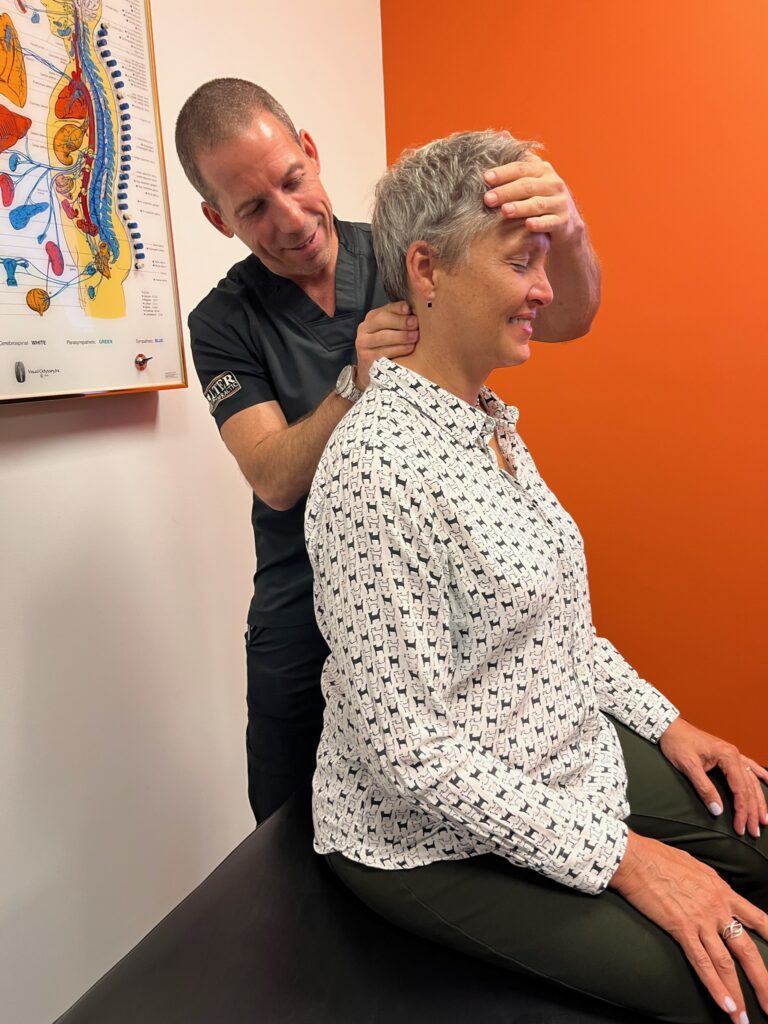
- Chiropractic Care: As a chiropractor, my primary focus is on spinal adjustments. By realigning your spine, we can alleviate discomfort and restore proper mobility. This manual therapy not only helps reduce pain but also enhances your athletic performance, allowing you to return to your sport stronger and more balanced.
- Massage Therapy: Therapeutic massage is an excellent way to relieve muscle tightness and improve blood flow. Techniques such as deep tissue or sports massage can specifically target areas of tension caused by your athletic activities, promoting faster recovery.
Incorporating these therapies into your recovery plan can help you regain strength and flexibility while effectively managing pain.
I encourage you to consult with healthcare professionals to determine which options are best suited for your specific needs. By combining alternative therapies with chiropractic care or other treatments, you can create a comprehensive approach to healing that supports your journey back to peak performance.
Conclusion
As a local chiropractor, I want to share some valuable strategies for managing sports-related back pain that can significantly enhance your overall performance. It's essential to listen to your body and prioritize practices such as stretching, strengthening exercises, and maintaining proper posture in your daily activities. These foundational elements are crucial for long-term success in your recovery.
I also encourage you to explore alternative therapies, as they can play a transformative role in your healing journey. Techniques like chiropractic adjustments, massage therapy, and acupuncture can complement your efforts and help alleviate pain more effectively.
Remember, embracing a holistic approach not only alleviates your discomfort but also empowers you to return to the sports and activities you love with renewed confidence and strength. I'm here to guide you on this path to natural healing, and together, we can work towards a healthier, more active lifestyle.