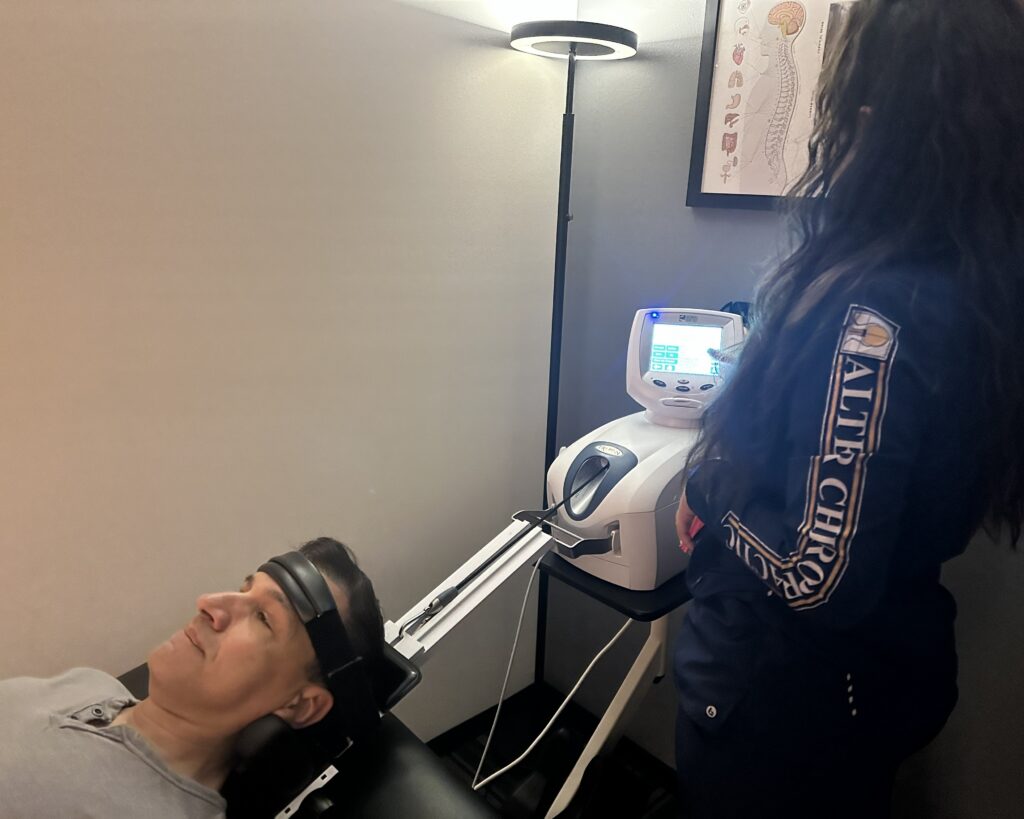
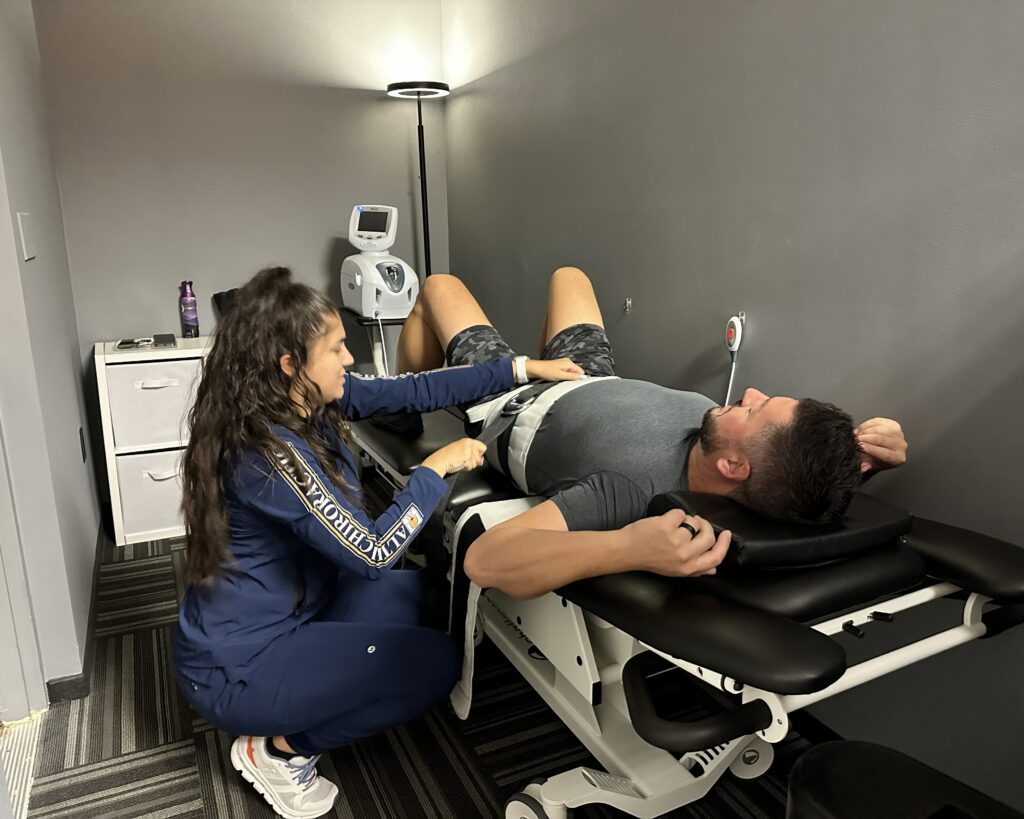
Tension headaches can significantly hinder your day-to-day activities. Often, we overlook how factors like our posture, stress levels, and hydration can lead to these annoying headaches. As a chiropractor, I want to emphasize that by recognizing your triggers and making a few simple lifestyle adjustments, you can find natural relief from these headaches.
One of the most effective steps you can take is to focus on your posture. Poor posture can place undue stress on your spine and neck, leading to tension headaches. Make it a habit to sit and stand up straight, aligning your ears, shoulders, and hips. Consider incorporating ergonomic furniture or tools to support proper alignment, especially if you spend long hours at a desk.
Stress management is another crucial aspect. High stress can tighten the muscles in your neck and shoulders, contributing to headache pain. Techniques such as deep breathing exercises, meditation, or even gentle stretching can help relieve that tension. Regular chiropractic adjustments can also play a significant role in reducing stress by promoting relaxation and alignment throughout your spine.
Hydration is essential too! Dehydration can lead to headaches, so make sure you’re drinking enough water throughout the day. Aim for at least eight glasses, but adjust based on your activity level and climate.
Incorporating regular chiropractic care into your wellness routine can be one of the best choices you make for managing tension headaches. Chiropractic adjustments can help relieve tension, improve spinal alignment, and enhance overall nervous system function. This holistic approach allows your body to heal naturally and can significantly reduce the frequency and intensity of your headaches.
If you’re curious about how to start implementing these strategies, I encourage you to take small steps today. Focus on your posture, manage your stress, stay hydrated, and consider adding chiropractic care to your health regimen. Together, these practices can pave the way toward a headache-free life and overall optimal health.
Key Takeaways
Relieve Tension Headaches With Effective Techniques
As a local chiropractor, I’m here to help you understand how to alleviate tension headaches and promote overall wellness naturally. Here are some effective techniques that can help you find relief and support your spine health:
- Practice Deep Breathing: Deep breathing exercises are a wonderful way to promote relaxation. Try taking slow, deep breaths to reduce muscle tension in your neck and shoulders. This can be particularly helpful after a long day at your desk.
- Maintain Good Posture: Good posture is crucial for spinal health. When you’re working on your computer or using your phone, keep your back straight and your shoulders relaxed. Remember to take regular breaks to stretch and reset your posture to alleviate discomfort.
- Stay Hydrated: Drinking enough water is essential for preventing dehydration-related headaches. Aim for at least eight glasses of water each day. Staying hydrated supports your overall health and keeps your muscles functioning properly.
- Incorporate Physical Activities: Regular physical activity, such as yoga or walking, can help manage stress and tension in the body. These activities not only improve your physical health but also contribute to a healthier spine and overall well-being.
- Use Natural Remedies: Consider using natural remedies like peppermint oil on your temples for a soothing effect. Herbal teas can also promote relaxation and provide comfort during headache episodes.
Remember, chiropractic care is an excellent choice for addressing tension headaches. Regular adjustments can help align your spine, reduce tension, and improve your overall health. If you’re experiencing frequent headaches, consider visiting a chiropractor for personalized care and support. Together, we can work towards achieving your optimal health naturally!
Understanding Tension Headaches
Tension headaches are among the most common types of headaches, often triggered by stress, poor posture, or muscle tension. If you’re experiencing a dull, aching pain typically felt on both sides of your head, along with tightness around your forehead or neck, you might be dealing with one of these headaches. Unlike migraines, tension headaches generally don’t cause nausea or sensitivity to light, making them a little easier to manage.
These headaches can catch you off guard, especially during busy workdays or after long hours at your desk. When you’re juggling multiple tasks, it’s easy to forget to take breaks, which can lead to increased muscle tension. Many people unknowingly clench their jaws or hunch their shoulders when stressed, further contributing to discomfort.
Recognizing the signs of tension headaches early is key to finding relief. One of the best ways to manage and reduce the frequency of these headaches is through chiropractic care. A chiropractor can help identify and address the underlying issues related to posture and muscle tension, leading to natural, drug-free relief.
In addition to seeking chiropractic adjustments, here are some practical tips to help minimize tension headaches:
- Practice Good Posture: Make sure your workstation is ergonomically set up to support your back and neck. Keep your shoulders relaxed and your feet flat on the floor.
- Take Regular Breaks: Set a timer to remind yourself to stand up and stretch every hour. Simple neck and shoulder stretches can help release built-up tension.
- Stay Hydrated: Dehydration can contribute to headaches. Aim to drink plenty of water throughout the day.
- Manage Stress: Incorporate relaxation techniques such as deep breathing, meditation, or yoga into your daily routine to help reduce stress levels.
- Get Regular Chiropractic Care: Regular visits to a chiropractor can help keep your spine aligned and your muscles relaxed, significantly reducing the occurrence of tension headaches.
Identifying Triggers and Symptoms
Recognizing the specific triggers and symptoms associated with tension headaches can significantly improve your ability to manage them effectively and lead to a healthier lifestyle. As a chiropractor, I encourage you to pay close attention to patterns in your daily routine. Common triggers for tension headaches include stress, inadequate sleep, poor posture, and extended periods of screen time.
Take note if your headaches tend to occur after a stressful meeting or a long day at your desk.
The symptoms of tension headaches typically present as a dull, aching pain on both sides of your head, along with tightness in your neck or shoulders. You may also experience sensitivity to light or noise, as well as pressure around your forehead or temples, which can make concentrating difficult.
To help manage your headaches naturally, consider keeping a headache diary. This can help you track when your headaches occur, their intensity, and any potential triggers. By identifying these patterns, you can address the root causes before they escalate into more severe headaches.
In addition to tracking your symptoms, there are several tips you can incorporate into your routine to promote wellness and relieve tension. Make sure to practice good posture, especially when sitting for long periods.
Take regular breaks to stretch and move around, which can help alleviate muscle tension. Incorporating relaxation techniques, such as deep breathing exercises or mindfulness, can also reduce stress levels.
Chiropractic care is an excellent choice for addressing tension headaches. Adjustments to your spine can help alleviate tension in the muscles and nerves, promoting better alignment and overall health.
Lifestyle Changes for Prevention
Making intentional lifestyle changes can significantly help reduce the frequency and intensity of tension headaches, and as a chiropractor, I believe these adjustments are instrumental in achieving optimal health. One of the most important aspects is ensuring you get adequate rest; aim for 7-9 hours of quality sleep each night, as this can help your body recover and reduce tension.
Staying hydrated is vital as well—try to drink at least eight glasses of water daily. Dehydration can lead to headaches, so keeping your body well-hydrated is a simple yet effective way to prevent them.
Incorporating regular physical activity into your routine is another excellent way to combat stress and tension. Find an exercise you enjoy, whether it’s walking, yoga, or swimming; this not only releases endorphins that help with pain relief but also promotes overall well-being.
Here’s a quick reference table to help you prioritize these lifestyle changes:
| Lifestyle Change | Benefits |
|---|---|
| Adequate Sleep | Reduces stress, improves mood |
| Hydration | Prevents dehydration headaches |
| Regular Exercise | Releases endorphins, reduces tension |
| Healthy Diet | Provides essential nutrients for brain health |
In addition to these changes, consider regular chiropractic care. A chiropractor can help align your spine, alleviate tension, and promote overall wellness, further supporting your efforts to live a healthier life.
Relaxation Techniques to Reduce Pain
While it may not always be possible to prevent tension headaches, incorporating relaxation techniques can significantly alleviate their pain and discomfort. One effective method is deep breathing, which can also enhance spinal health.
Find a comfortable position, either sitting or lying down, and close your eyes. Inhale deeply through your nose, letting your abdomen rise, and hold your breath for a few seconds before exhaling slowly through your mouth. Repeat this several times; it helps to calm both your body and mind, promoting overall wellness.
Another technique worth trying is progressive muscle relaxation. This involves tensing and then relaxing each muscle group in your body, starting from your toes and moving up to your head. This practice not only helps release physical tension but also contributes to better posture and spinal alignment, which are crucial for preventing headaches.
Additionally, consider incorporating mindfulness meditation into your daily routine. By focusing on the present moment and letting go of stressful thoughts, you can create a more relaxed state. Regular practice of these techniques can enhance your overall well-being and make it easier to manage tension headaches when they occur.
Remember, chiropractic care is an excellent option for addressing the root causes of tension headaches. Regular adjustments can help improve spinal alignment, reduce tension in the muscles, and promote optimal nerve function.
Natural Remedies for Relief
If you’re experiencing tension headaches and are looking for natural remedies to alleviate the pain, you’re in the right place. As a chiropractor, I believe in the power of natural healing and the importance of maintaining a healthy spine to achieve overall wellness.
Incorporating simple lifestyle changes and natural treatments can greatly improve your comfort and wellbeing.
Here are three effective remedies to consider:
- Peppermint Oil: Applying diluted peppermint oil to your temples can create a soothing, cooling sensation that helps relax tight muscles. This can be particularly effective when combined with gentle neck and shoulder stretches to relieve tension.
- Hydration: Staying properly hydrated is crucial for preventing headaches. Dehydration can lead to muscle tightness and discomfort, so aim to drink at least eight glasses of water daily. Remember, maintaining a well-hydrated body supports optimal spinal health as well.
- Herbal Tea: Enjoying herbal teas such as chamomile or ginger not only helps promote relaxation but can also ease headache symptoms. These teas have natural soothing properties that can comfort you after a long day.
In addition to these remedies, consider incorporating regular chiropractic adjustments into your wellness routine. Chiropractic care focuses on aligning the spine and relieving tension in the body, which can significantly reduce the frequency and intensity of headaches.
When to Seek Professional Help
Natural remedies can be a great way to find relief from tension headaches, but sometimes it’s necessary to seek professional help. If your headaches persist for more than a few days or become more intense, it’s important to consult with a healthcare provider. You should also reach out for assistance if your headaches interfere with daily activities or if you’re not finding relief through natural methods.
As a chiropractor, I want to emphasize the importance of understanding your body and recognizing when it’s time to seek help. If you experience concerning symptoms like changes in vision, severe nausea, or confusion along with your headaches, don’t hesitate to contact a professional. These symptoms could signal a more serious issue that requires further evaluation.
Listen to your body. If you notice sudden changes in your health or find that headaches are becoming a regular occurrence, it’s wise to get checked out. Chiropractic care can provide a holistic approach to managing headaches, addressing the underlying causes related to spinal health and alignment.
In addition to seeking care, there are some simple tips you can incorporate into your routine to help manage tension headaches naturally:
- Stay Hydrated: Dehydration can trigger headaches, so make sure you’re drinking plenty of water throughout the day.
- Practice Good Posture: Poor posture can lead to tension in your neck and shoulders, which might contribute to headaches. Make a conscious effort to maintain an upright posture, especially if you work at a desk.
- Incorporate Regular Movement: Gentle stretching or light exercise can help relieve tension and improve circulation, which may reduce headache frequency.
- Mindfulness and Relaxation Techniques: Practicing relaxation techniques such as deep breathing, meditation, or yoga can help manage stress, a common headache trigger.
Conclusion
To sum up, managing tension headaches effectively starts with understanding your triggers and making proactive lifestyle changes. One of the best choices you can make for overall health and wellness is to incorporate chiropractic care into your routine. Chiropractors specialize in the alignment of the spine and can help relieve tension in the neck and shoulders that contributes to headaches.
In addition to chiropractic adjustments, consider integrating relaxation techniques such as deep breathing exercises, yoga, or gentle stretching into your daily life. These practices not only help to alleviate pain but also promote a sense of calm and wellness.
Natural remedies like staying hydrated, maintaining a balanced diet, and ensuring you get enough rest can further support your health. It’s important to listen to your body and recognize when professional help may be needed. If your headaches persist or worsen, seeking the expertise of a chiropractor can be a valuable step toward finding relief.
Remember, taking control of your health is key. By prioritizing spinal health and incorporating these effective strategies, you can experience significant relief and enjoy a better quality of life without the need for medications or surgeries.