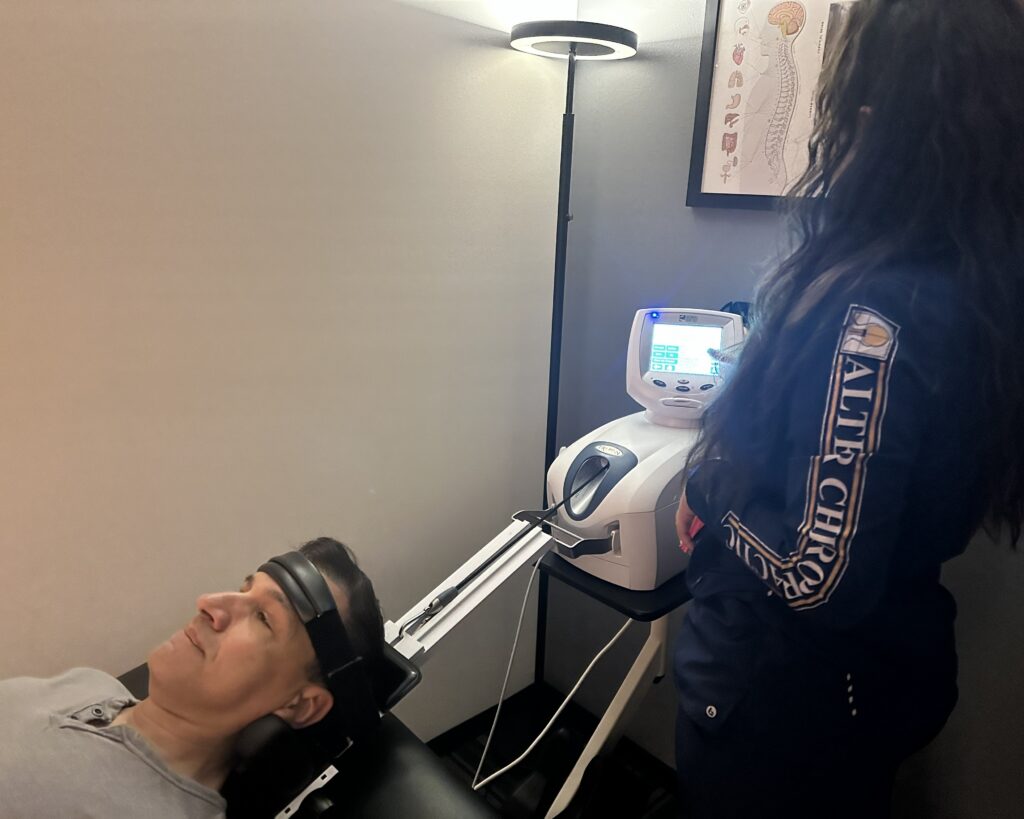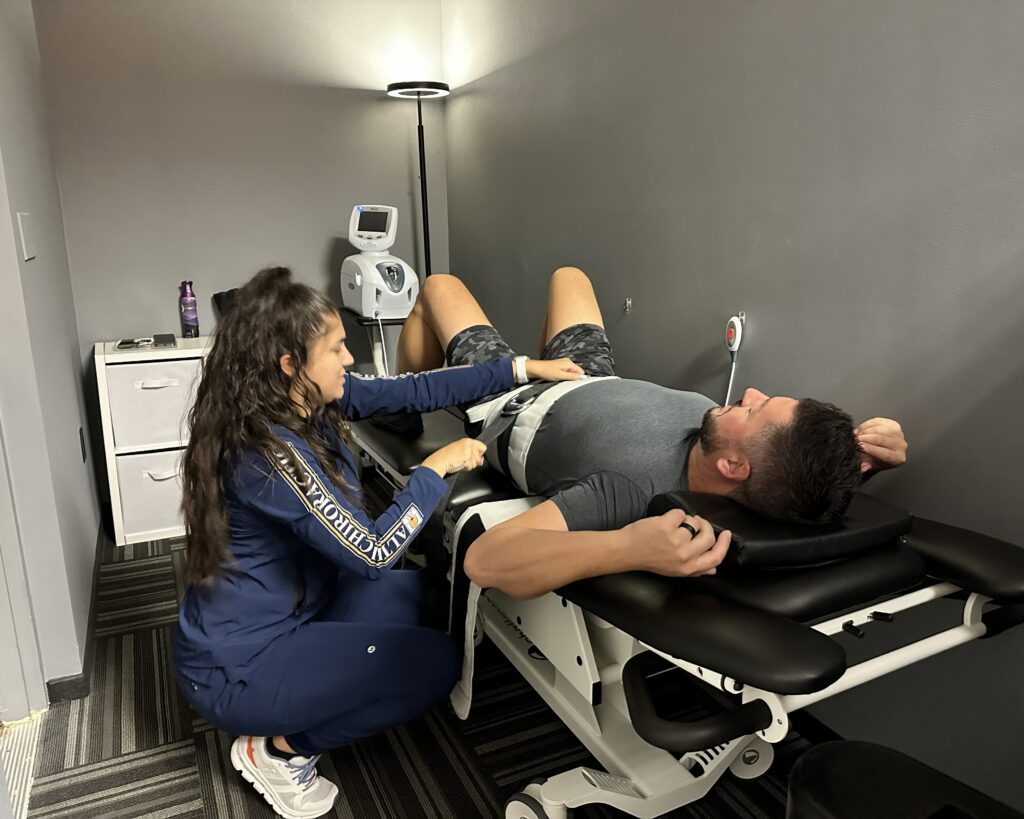

If you’re struggling with tension headaches, chiropractic care can be an effective way to find relief by tapping into your body’s natural healing abilities. Making simple adjustments in your posture, managing stress, and incorporating relaxation techniques can significantly improve your well-being. By identifying the underlying causes of your headaches, you can take proactive steps toward alleviating them and enhancing your overall health.
A key strategy is to focus on your spinal health. Misalignments in the spine can contribute to tension and discomfort, leading to headaches. Regular chiropractic adjustments can help realign your spine, promoting proper function and reducing tension throughout your body.
Additionally, consider these simple tips to complement your chiropractic care:
- Practice Good Posture: Be mindful of your posture while sitting, standing, and moving. Proper alignment can reduce strain on your neck and shoulders, which are common sources of tension headaches.
- Stay Hydrated: Dehydration can trigger headaches, so make sure to drink plenty of water throughout the day.
- Incorporate Relaxation Techniques: Techniques such as deep breathing, meditation, or gentle yoga can help reduce stress and tension in your body.
- Take Breaks: If you spend long periods at a desk or computer, take regular breaks to stretch and move around. This can help alleviate the tension that builds up in your muscles.
- Maintain a Healthy Lifestyle: Eating a balanced diet, getting regular exercise, and ensuring adequate sleep can all contribute to reduced headache frequency and intensity.
By embracing these strategies and prioritizing chiropractic care, you can work towards achieving lasting relief from tension headaches. Remember, your body has an incredible ability to heal itself, and with the right support, you can enhance your overall health and wellness. If you have further questions or need personalized advice, don’t hesitate to reach out to your local chiropractor.
Key Takeaways
- Regular chiropractic adjustments are an effective way to relieve muscle tension and improve spinal alignment, which can significantly reduce the frequency and intensity of tension headaches. By addressing the root cause of discomfort, chiropractic care not only alleviates pain but also promotes overall wellness.
- Maintaining proper posture and creating an ergonomic workspace are essential practices that can prevent strain on your neck and shoulders. Simple adjustments to your workstation can make a world of difference in alleviating headache symptoms. Remember, a well-aligned spine supports a healthy body!
- Incorporating gentle stretching and relaxation exercises into your daily routine can effectively relieve tightness and reduce the occurrence of tension headaches. These simple movements, combined with chiropractic care, can enhance your overall well-being.
- Practicing mindfulness meditation and deep breathing techniques can be incredibly beneficial for promoting relaxation. By reducing body tension and minimizing headache triggers, these practices complement the benefits of chiropractic care, helping you achieve a state of calm and balance.
- Staying well-hydrated and ensuring you get enough quality sleep are crucial for your overall health. Adequate hydration and rest can help minimize headache occurrences and severity. Pair these habits with regular chiropractic adjustments, and you’ll be on your way to optimal health and wellness.
By prioritizing chiropractic care and incorporating these simple lifestyle tips, you can take proactive steps towards relieving tension headaches and enhancing your overall quality of life. Your journey to natural healing and wellness starts here!
Understanding Tension Headaches: Causes and Symptoms
When you experience a tension headache, it’s common to feel a dull ache or pressure around your forehead, temples, or the back of your head and neck. These headaches often result from stress, anxiety, or tight muscles, especially in your neck and shoulders.
If you’ve spent long hours sitting or concentrating, you might notice your headaches becoming more intense as those tight muscles strain your nerves. While tension headaches can sometimes cause sensitivity to light or sound, these symptoms are usually milder than those of migraines.
You may also feel fatigued or have difficulty concentrating. Identifying triggers such as poor sleep or dehydration is essential for managing tension headaches effectively.
One of the best ways to alleviate these headaches naturally is through chiropractic care. Regular adjustments can help relieve muscle tension, improve spinal alignment, and promote relaxation, reducing the frequency and intensity of headaches.
Here are some simple tips to help manage tension headaches and improve your overall wellbeing:
- Practice Good Posture: Be mindful of your posture while sitting and standing. Proper alignment can help reduce strain on your neck and shoulders.
- Stay Hydrated: Drink plenty of water throughout the day to keep your body well-hydrated, as dehydration can trigger headaches.
- Take Breaks: If you’re working at a desk, take regular breaks to stretch and move around. This can help alleviate muscle tension.
- Manage Stress: Incorporate relaxation techniques such as deep breathing, meditation, or yoga into your daily routine to help reduce stress levels.
- Get Regular Chiropractic Care: Schedule regular visits with your chiropractor to maintain spinal health and manage tension before it escalates into headaches.
By understanding the causes of tension headaches and recognizing the signs, you can take proactive steps towards reducing their impact on your life.
Embracing a holistic approach through chiropractic care and simple lifestyle changes will help you feel more comfortable and focused throughout your day, allowing you to enjoy life to the fullest.
The Importance of Posture in Headache Relief
The Importance of Posture in Headache Relief
As a chiropractor, I want to emphasize how crucial maintaining good posture is for relieving tension headaches. Research shows that nearly 80% of people experience headaches due to poor alignment. When you slouch or hunch over, you create extra strain on your neck and shoulders, resulting in muscle tension and discomfort. By consciously adjusting your posture, you can alleviate this pressure and reduce the frequency of headaches.
To enhance your posture, start by making your workspace ergonomically friendly. Ensure your computer screen is at eye level and that your chair provides good support. When sitting, keep your back straight, shoulders relaxed, and feet flat on the floor. If you’re standing, distribute your weight evenly on both feet to maintain balance.
Incorporating regular breaks to stretch and move can significantly help maintain your alignment. Simple stretches, like neck rolls or shoulder shrugs, can release built-up tension.
Remember, prioritizing good posture in your daily routine won’t only help relieve existing tension headaches but also prevent new ones from arising.
By making small adjustments to your posture and incorporating chiropractic care into your wellness routine, you can achieve significant relief and improve your overall well-being. Chiropractic care is an excellent choice for natural headache relief, focusing on restoring spinal alignment and promoting your body’s innate ability to heal itself.
Embrace these tips and take steps toward a healthier, pain-free life!
Stress Management Techniques for Tension Headaches
Since stress is a major trigger for tension headaches, incorporating effective stress management techniques can greatly enhance your overall well-being.
As a chiropractor, I believe in the power of natural healing and holistic approaches to health. Here are three simple techniques you can easily implement, alongside the benefits of chiropractic care:
1. Mindfulness Meditation: Take a few moments each day to focus on your breath. This practice not only helps you become more aware of your thoughts but also aids in reducing tension in your body.
Pairing mindfulness with regular chiropractic adjustments can further enhance relaxation and overall stress relief.
2. Time Management: Organizing your tasks and prioritizing them is essential. By breaking your workload into smaller, manageable chunks, you can prevent feelings of overwhelm.
This is where chiropractic care can help; proper spinal alignment can improve your focus and energy levels, making it easier to tackle your to-do list.
3. Physical Activity: Regular exercise, such as a brisk walk or gentle stretches, is vital for your health. Physical activity releases endorphins, which uplift your mood and reduce tension.
Chiropractic care complements this by ensuring your body is aligned and functioning optimally, allowing you to move freely and enjoy your activities.
By incorporating these techniques into your daily routine and considering chiropractic adjustments, you can effectively manage stress and minimize tension headaches, leading to a more balanced and healthier life.
Incorporating Relaxation Exercises Into Your Routine
To effectively manage tension headaches and promote overall wellness, incorporating relaxation exercises into your daily routine can be incredibly beneficial. As a chiropractor, I often see how stress and tension can contribute to discomfort in the spine and surrounding muscles.
Simple deep breathing techniques and gentle stretching exercises can help alleviate this stress and promote a sense of relaxation throughout your body. Consider setting aside just a few minutes each day to practice these techniques.
Deep breathing allows you to increase oxygen flow, which can help reduce muscle tension and improve your overall mood. Gentle stretching can relieve tightness in the neck and shoulders, areas that commonly hold stress. By making these practices a regular part of your day, you may notice not only a reduction in headache symptoms but also an improvement in your overall health and vitality.
Additionally, regular chiropractic care enhances the benefits of these relaxation practices. Chiropractic adjustments help ensure your spine is aligned, reducing pressure on nerves and improving your body’s natural healing abilities.
Deep Breathing Techniques
When you experience tension in your head and neck, deep breathing techniques can provide immediate relief and promote a sense of calm, complementing the benefits of chiropractic care.
Integrating these exercises into your daily routine can help manage stress and support your overall wellness. Here are three simple techniques to try that can enhance your relaxation and well-being:
- Diaphragmatic Breathing: Find a comfortable seated position. Place one hand on your chest and the other on your abdomen. Inhale deeply through your nose, focusing on making your abdomen rise more than your chest. This technique encourages proper oxygen flow and can alleviate tension. Exhale slowly through your mouth, allowing your body to release stress.
- 4-7-8 Breathing: This method is great for calming your mind. Inhale deeply for a count of 4, hold your breath for 7 seconds, and then exhale for 8 seconds. Repeat this cycle four times. This practice can help regulate your nervous system and promote relaxation, which is beneficial when combined with chiropractic adjustments.
- Box Breathing: A fantastic technique for reducing anxiety and calming your heart rate. Inhale for 4 seconds, hold your breath for another 4 seconds, exhale for 4 seconds, and hold your breath again for 4 seconds. This rhythmic breathing helps to center your mind and body, making it easier to maintain a relaxed state throughout your day.
Incorporating these deep breathing techniques into your wellness routine can enhance the benefits of chiropractic care, leading to improved physical and mental well-being.
Remember that a holistic approach to health, including proper spinal alignment and stress management, is key to achieving optimal health.
Take the time to practice these techniques, and you’ll likely find a greater sense of ease and comfort in your daily life.
Gentle Stretching Exercises
Incorporating gentle stretching exercises into your daily routine can be a fantastic way to relieve tension headaches and promote relaxation, which aligns perfectly with the principles of chiropractic care.
Start with some simple neck stretches—gently tilt your head to one side, hold for a few seconds, and then switch sides. This not only helps to release tight muscles but also promotes better spinal alignment.
Next, try shoulder rolls: lift your shoulders towards your ears, then roll them back and down. Repeat this several times to help ease tension in the upper back and neck areas.
Don’t forget to stretch your upper back; clasp your hands in front of you and round your back while pushing your hands away. These stretches can significantly improve blood flow and reduce muscle tension, supporting your overall spinal health.
Aim to perform these exercises daily, especially when you feel tension building.
Remember, consistent practice can lead to long-term relief and promote a sense of calm throughout your day. By integrating these simple stretches into your routine, you’re not just relieving discomfort, but you’re also nurturing your body’s natural ability to heal—an essential tenet of chiropractic care.
Embrace these gentle movements and feel the difference they can make in your journey toward optimal health and wellness!
The Role of Hydration in Preventing Headaches
Hydration is a crucial element in preventing tension headaches and supporting overall wellness, and it can work hand-in-hand with chiropractic care to help you achieve optimal health. Staying properly hydrated not only benefits your body but also enhances the effectiveness of the adjustments and care you receive in chiropractic practice.
Here are three key reasons why hydration should be a priority in your daily routine:
- Fluid Balance: Your body relies on water to maintain a proper fluid balance, which is vital for regulating blood flow and delivering oxygen to your brain. When you’re dehydrated, blood vessels can constrict, increasing the likelihood of headaches. By drinking enough water each day, you can support your body’s natural functions and enhance your chiropractic care.
- Electrolyte Management: Keeping hydrated helps maintain essential electrolyte levels, which are critical for muscle function and nerve communication. An imbalance in electrolytes can lead to headaches and other discomforts. Incorporating hydration into your wellness routine can enhance your overall health and complement the adjustments made by your chiropractor.
- Toxin Removal: Drinking adequate water plays a significant role in flushing out toxins and waste from your body. This cleansing process not only supports your overall health but can also reduce headache triggers. When paired with regular chiropractic care, proper hydration can help your body function at its best.
Tips for Staying Hydrated:
- Aim to drink at least 8 glasses of water a day, adjusting based on your activity level and climate.
- Carry a reusable water bottle with you to make it easier to sip throughout the day.
- Eat water-rich foods like fruits and vegetables, which can also provide essential vitamins and nutrients.
By prioritizing hydration alongside your chiropractic care, you’re taking proactive steps towards reducing headaches and enhancing your overall wellness.
Gentle Stretching and Yoga for Muscle Relief
Gentle stretching and yoga can be incredibly beneficial for alleviating muscle tension, which is often a contributing factor to headaches. As a chiropractor, I encourage you to explore effective techniques and specific poses that target those tight areas in your body. Not only do these practices promote muscle relief, but they also enhance relaxation through mindful breathing exercises.
Incorporating gentle stretching and yoga into your daily routine can significantly improve your overall well-being. These practices complement chiropractic care perfectly, as they help maintain spinal health and promote natural healing. Remember, a well-aligned spine is key to optimal health, and regular movement can help keep you feeling your best.
Here are a few simple tips to help you get started:
- Neck Stretch: Gently tilt your head to one side, bringing your ear toward your shoulder. Hold for 15-20 seconds on each side to relieve tension in your neck.
- Cat-Cow Stretch: Get on all fours and alternate between arching your back (like a cat) and dipping it down (like a cow). This movement can help improve spinal flexibility and ease discomfort.
- Deep Breathing: Take a moment each day to practice deep breathing. Inhale deeply through your nose, allowing your belly to rise, then exhale slowly through your mouth. This helps reduce stress and promotes relaxation.
- Child’s Pose: Kneel on the floor, sit back on your heels, and stretch your arms forward while lowering your torso. This pose can help stretch the spine and calm your mind.
Always remember that chiropractic care is an excellent way to address underlying issues contributing to muscle tension and headaches. By working together, we can develop a personalized plan that includes adjustments, stretches, and lifestyle changes to support your journey to optimal health.
Effective Stretching Techniques
Stretching can be a valuable addition to your routine for relieving tension headaches, as it helps to release tight muscles and enhance circulation.
As a chiropractor, I believe that incorporating effective stretching techniques can complement your journey toward optimal health and wellness. Here are three simple stretches you can try to ease discomfort:
- Neck Rolls: Gently roll your head in a circular motion, giving each side a moment to stretch. This movement helps alleviate tension in your neck and shoulders, which are often culprits of headaches. Remember to keep your movements slow and controlled.
- Shoulder Shrugs: Raise your shoulders toward your ears, hold for a moment, then relax them down. Repeat this several times. This simple exercise can significantly relieve tightness in your upper body and promote better posture.
- Upper Back Stretch: Interlace your fingers and stretch your arms forward while rounding your upper back gently. Hold this position for about 15 seconds. This stretch targets the muscles in your upper back, helping to release built-up tension that can contribute to headaches.
In addition to these stretches, remember to maintain good posture throughout your day, stay hydrated, and take regular breaks from screens.
These practices can support your overall wellness and help you feel your best. If you’re experiencing persistent headaches, consider visiting a chiropractor for a personalized approach to pain relief and natural healing.
Chiropractic care can address the underlying issues contributing to your discomfort, helping you achieve a healthier, more vibrant life.
Yoga Poses for Relief
When you’re dealing with the discomfort of tension headaches, it’s essential to explore natural ways to find relief. One effective approach is incorporating yoga poses into your daily routine. These gentle movements can help ease tight muscles, promote relaxation, and support overall spinal health. Here are some beneficial yoga poses that can complement your chiropractic care:
| Yoga Pose | Benefits |
|---|---|
| Child’s Pose | Relieves tension in the neck and back, promoting relaxation and alignment. |
| Cat-Cow Stretch | Enhances spinal flexibility and encourages movement in the spine, which is crucial for overall health. |
| Forward Bend | Calms the mind while stretching the spine, helping to alleviate stress that can lead to headaches. |
| Seated Neck Stretch | Reduces tightness in the neck area, improving mobility and relieving discomfort. |
| Legs-Up-The-Wall | Encourages circulation, reduces fatigue, and promotes a sense of tranquility. |
As you practice these poses, hold each position for several breaths, allowing your body to fully relax and release tension. Regular engagement in these stretches can not only provide immediate relief but also help prevent future headaches. Remember, while yoga is a wonderful complement to your wellness routine, visiting your chiropractor is an important step in achieving and maintaining optimal health. Chiropractic adjustments can address the root causes of pain and enhance your body’s natural healing abilities.
For ongoing wellness, consider integrating these poses into your daily schedule, staying hydrated, and maintaining good posture throughout the day. Simple lifestyle changes can make a significant impact on your overall health and well-being.
Breathing Exercises Benefits
Incorporating breathing exercises into your daily routine can significantly enhance the benefits of yoga and gentle stretching, especially when it comes to relieving muscle tension. By concentrating on your breath, you can help reduce both physical and mental stress.
Here are three essential benefits of breathing exercises that align well with chiropractic care:
- Improved Oxygen Flow: Deep breathing not only enhances the oxygen supply to your muscles but also promotes relaxation throughout your body. This can be particularly beneficial after a chiropractic adjustment, as it helps your muscles recover and reduces feelings of fatigue.
- Stress Reduction: Practicing mindful breathing can help lower cortisol levels in your body. This reduction in stress hormones may alleviate anxiety and tension headaches, creating a more conducive environment for healing and overall wellness.
- Enhanced Mind-Body Connection: By synchronizing your breath with movement, you can cultivate a greater awareness of your body. This connection can lead to more effective stretching and a better understanding of how your body responds to chiropractic care.
Integrating these breathing techniques into your daily routine can amplify the relaxation achieved through yoga and gentle stretches, ultimately providing you with greater relief from tension and supporting your journey towards optimal health.
Exploring Natural Supplements and Essential Oils
As you explore ways to alleviate tension headaches naturally, I want to share some valuable insights that can complement your journey towards wellness, particularly through chiropractic care. While supplements and essential oils can provide relief, remember that addressing the root causes of headaches often requires a holistic approach, and chiropractic care plays a vital role in this.
For instance, magnesium is known to help relax muscles, which can be beneficial for those experiencing tension headaches. You might consider adding magnesium-rich foods like spinach and almonds to your diet, or even taking a magnesium supplement if needed. However, remember that a well-aligned spine can enhance your body’s ability to function optimally.
Peppermint oil is another natural remedy recognized for its soothing properties. Applying diluted peppermint oil to your temples can create a cooling sensation that eases tension. Similarly, lavender oil’s calming scent can help reduce stress and promote relaxation. You can diffuse it in your space or apply a diluted solution to your skin.
While these oils can aid in relaxation, don’t forget that regular chiropractic adjustments can help reduce physical stressors contributing to headaches.
Additionally, incorporating riboflavin (vitamin B2) into your routine may help reduce headache frequency. It’s a great idea to discuss any supplementation with your chiropractor, who can guide you on how to integrate these natural remedies with your overall care plan.
Ultimately, combining these natural supplements and essential oils with chiropractic care can provide a comprehensive approach to managing tension headaches. By focusing on spinal alignment and overall wellness, you may find the relief you’re seeking while promoting better health in the long run.
Creating a Headache-Friendly Workspace
Creating a headache-friendly workspace is essential for your comfort and productivity, particularly if you experience tension headaches. A thoughtfully designed environment can help reduce triggers and encourage relaxation, promoting overall wellness.
Here are three important adjustments you can easily implement:
1. Ergonomic Setup: Ensure your chair and desk are at the appropriate height to support a healthy posture. Your computer screen should be at eye level to minimize strain on your neck and eyes, which can often contribute to headaches.
An ergonomic setup not only promotes spinal health but can also enhance your focus and efficiency throughout the day.
2. Lighting: Whenever possible, take advantage of natural light. If that’s not feasible, choose soft, adjustable lighting to prevent glare and harsh shadows that can lead to discomfort and headaches.
Proper lighting can reduce eye strain and help maintain a calm atmosphere, which is beneficial for your overall well-being.
3. Declutter: Maintain an organized workspace that’s free of distractions. A tidy environment not only reduces stress but also allows you to concentrate better, which can significantly lower the chances of experiencing tension headaches.
A clean space can enhance your mental clarity and contribute to a healthier mindset.
By making these simple changes, you can create a workspace that supports your health and well-being.
Remember that chiropractic care is a fantastic way to address headaches and improve your overall quality of life. Regular visits to your chiropractor can help ensure your spine is aligned and functioning optimally, allowing you to enjoy a more pain-free, productive day.
Developing a Consistent Sleep Schedule for Overall Wellness
Establishing a consistent sleep schedule is vital for your overall wellness, particularly if you suffer from tension headaches. By going to bed and waking up at the same time each day, you help regulate your body’s internal clock. This practice not only enhances the quality of your sleep but also reduces stress—one of the common triggers for headaches.
As a chiropractor, I want to emphasize the importance of good sleep for spinal health. Aim for 7–9 hours of restorative sleep each night. To help signal your body that it’s time to unwind, create a calming bedtime routine. Simple activities like reading a book or practicing meditation can be beneficial.
Remember to steer clear of screens and heavy meals before bedtime, as these can interfere with your ability to fall asleep. If you find it challenging to drift off, consider cutting back on caffeine and alcohol, especially in the hours leading up to bedtime.
Prioritizing a consistent sleep schedule not only boosts your overall wellness but can also help lessen the frequency and intensity of tension headaches. This way, you’ll be able to enjoy your days more fully and be more productive.
Chiropractic care can also play a role in improving your sleep quality. Regular adjustments can help align your spine, reduce tension, and promote relaxation, leading to better sleep.
Conclusion
Incorporating these natural adjustments into your daily routine can significantly alleviate tension headaches and promote overall wellness. As a chiropractor, I emphasize the importance of maintaining good posture, as poor alignment can contribute to headaches. By being mindful of how you sit and stand, you can help reduce strain on your spine and neck.
Managing stress is another crucial factor. Consider incorporating relaxation techniques such as deep breathing exercises or mindfulness practices into your day. These methods can help calm your mind and reduce muscle tension, which can lead to fewer headaches.
Staying hydrated is often overlooked but is vital for your health. Make sure to drink plenty of water throughout the day, as dehydration can trigger headaches.
Including gentle stretching and relaxation exercises can provide immediate relief. Simple neck stretches or shoulder rolls can help ease tightness and improve blood flow, reducing headache symptoms.
Additionally, creating a headache-friendly workspace by ensuring your computer screen is at eye level and using ergonomic furniture can make a significant difference. A consistent sleep schedule is also essential; aim for quality sleep each night to help your body recover and maintain balance.
Chiropractic care is a natural and effective approach to achieving optimal health and reducing headaches. Regular adjustments can help align your spine, relieve tension, and enhance your body’s ability to heal itself. By embracing these strategies and considering chiropractic care, you can empower your body to find relief from headaches and enjoy a healthier, headache-free life.