As a local chiropractor, I understand that dealing with a sports injury can feel daunting. However, I want to assure you that recovery doesn't have to be a struggle. By embracing natural healing methods, such as proper nutrition, physical therapy, and mindfulness practices, you can significantly improve your recovery experience.
Imagine fueling your body with the nutrients it needs while engaging in therapeutic activities that not only aid in healing but also bolster your mental strength. If you're curious about how these components work in harmony to support your recovery, let's delve into some effective strategies that can change the way you approach your healing journey. Together, we can work towards a holistic recovery that empowers you to return to your active lifestyle stronger than ever.
Understanding Sports Injuries
As a local chiropractor, I often see athletes at all levels dealing with sports injuries, and it's crucial to understand how these injuries occur and how we can facilitate effective recovery. When you experience an injury, identifying its type and severity is essential for developing a tailored recovery plan. Common injuries such as sprains, strains, fractures, and tendonitis can arise from overuse, poor technique, or even accidents during play.
You may notice that sports injuries typically present with symptoms like pain, swelling, or restricted movement. These signs indicate that something is amiss, and it's essential not to ignore them, as doing so can lead to more serious complications down the line. It's important to listen to your body and resist the urge to push through the pain.
I recommend consulting with a healthcare professional, such as a chiropractor, to gain a clearer understanding of your injury. We can provide a proper diagnosis and create a personalized treatment plan that addresses your unique needs. By learning about the mechanics of your injury, you can also gain insight into how to prevent similar issues in the future.
For example, if you've strained a muscle, understanding its function and how it works in conjunction with other parts of your body can help you strengthen it during your recovery process.
Additionally, I encourage you to become familiar with the R.I.C.E. method—Rest, Ice, Compression, and Elevation. This approach is vital in managing your injury during the initial stages and plays a significant role in reducing inflammation and promoting healing.
Ultimately, the more informed you're about your injury and the recovery process, the better prepared you'll be to heal effectively and return to the activities you enjoy. As your chiropractor, I'm here to support you on this journey to health and wellness.
Importance of Nutrition
As a local chiropractor, I want to emphasize the vital role nutrition plays in your recovery from a sports injury.
Many people may not realize that the right nutrients can significantly enhance the healing process, allowing you to return to your favorite activities more quickly.
By nurturing your body with wholesome foods, you can support your natural healing capabilities and complement the chiropractic care you receive.
Let's delve into how proper nutrition can be a powerful ally on your path to recovery.
Fueling Recovery Process
As a local chiropractor, I want to emphasize the importance of proper nutrition in your recovery process from a sports injury. What you eat plays a crucial role in how quickly and effectively your body can heal. By focusing on a well-balanced diet, you can't only support your recovery but also minimize inflammation and strengthen your immune system.
Incorporating whole foods that are packed with vitamins, minerals, and antioxidants is essential. This includes a variety of fruits and vegetables, lean proteins, and healthy fats in your meals.
Additionally, staying well-hydrated is crucial, as water aids in nutrient transport and tissue repair.
It's important to listen to your body during this healing phase. You may find that your appetite increases as your body works hard to recover, so don't hesitate to adjust your caloric intake to meet those needs.
Remember, your body is putting in a lot of effort to heal, and it requires sufficient energy to support that process.
Key Nutrients for Healing
As a local chiropractor, I want to emphasize that healing from an injury involves more than just the passage of time; it requires the right nutrients to support your body's natural recovery processes.
By focusing on nutrition, you give your body the essential tools it needs to repair and rebuild effectively, which can significantly enhance your healing journey.
Here are four key nutrients I recommend incorporating into your diet:
- Protein: This nutrient is crucial for repairing tissues, including muscles and ligaments that may have been affected by injury. Opt for lean protein sources such as chicken, fish, or plant-based options to help facilitate this rebuilding process.
- Omega-3 Fatty Acids: These healthy fats, found in fatty fish, walnuts, and flaxseeds, are known for their ability to reduce inflammation, which is vital in promoting healing and alleviating discomfort.
- Vitamin C: As a powerful antioxidant, Vitamin C plays a key role in collagen production, which is essential for repairing skin and connective tissues. I encourage you to include citrus fruits, bell peppers, and broccoli in your meals to boost your intake of this important vitamin.
- Zinc: This mineral is vital for cell growth and immune function, making it important for speeding up recovery. You can find zinc in nuts, seeds, and whole grains, and incorporating these into your diet can support your healing process.
By prioritizing these nutrients, you can enhance the effectiveness of your chiropractic care and promote a faster, more thorough recovery.
Natural Supplements for Recovery
As a local chiropractor, I often see athletes and active individuals seeking ways to enhance their recovery from sports injuries. One of the most effective approaches involves the use of natural supplements that can support healing and reduce inflammation in the body.
For instance, omega-3 fatty acids are a fantastic option to consider. These essential fats are well-known for their anti-inflammatory properties, which can help alleviate pain and potentially speed up the recovery process. Incorporating omega-3s into your diet can make a significant difference in how your body heals.
Another powerful natural supplement you may want to explore is turmeric, specifically its active compound, curcumin. Turmeric is celebrated for its ability to reduce inflammation and promote joint health. Whether you add turmeric to your meals or take it in capsule form, it can be beneficial for your recovery.
Collagen is also a supplement worth considering. This important protein plays a crucial role in repairing tissues and enhancing the strength and elasticity of your tendons and ligaments. You can find collagen in powder form, making it easy to mix into smoothies or other beverages for a convenient boost.
Additionally, let's not forget about vitamins. Vitamin D is essential for bone health, which is particularly important during your recovery phase. Meanwhile, magnesium supports muscle function and can help reduce cramps, making it another crucial nutrient during your healing journey. Both of these vitamins can be found in various whole foods or as supplements.
Lastly, antioxidants like vitamin C and vitamin E play a vital role in combating oxidative stress in your body, which can promote faster healing. By integrating these natural supplements into your recovery plan, you're not only supporting your body's healing process but also enhancing your overall performance and well-being in the long run.
Benefits of Physical Therapy
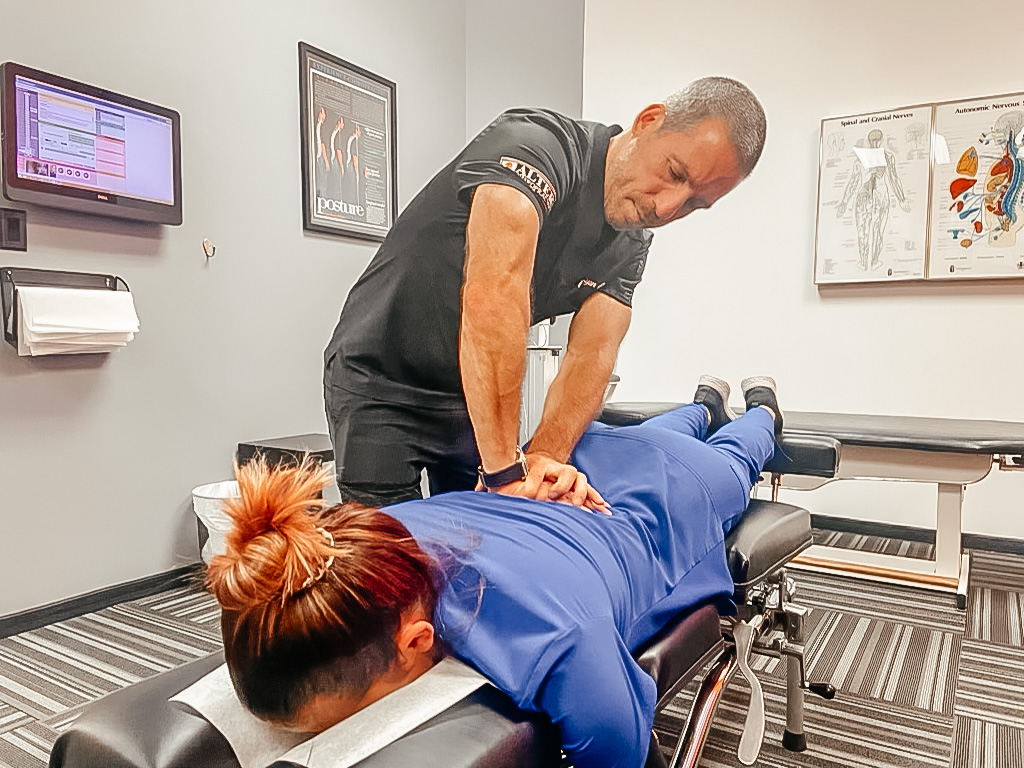
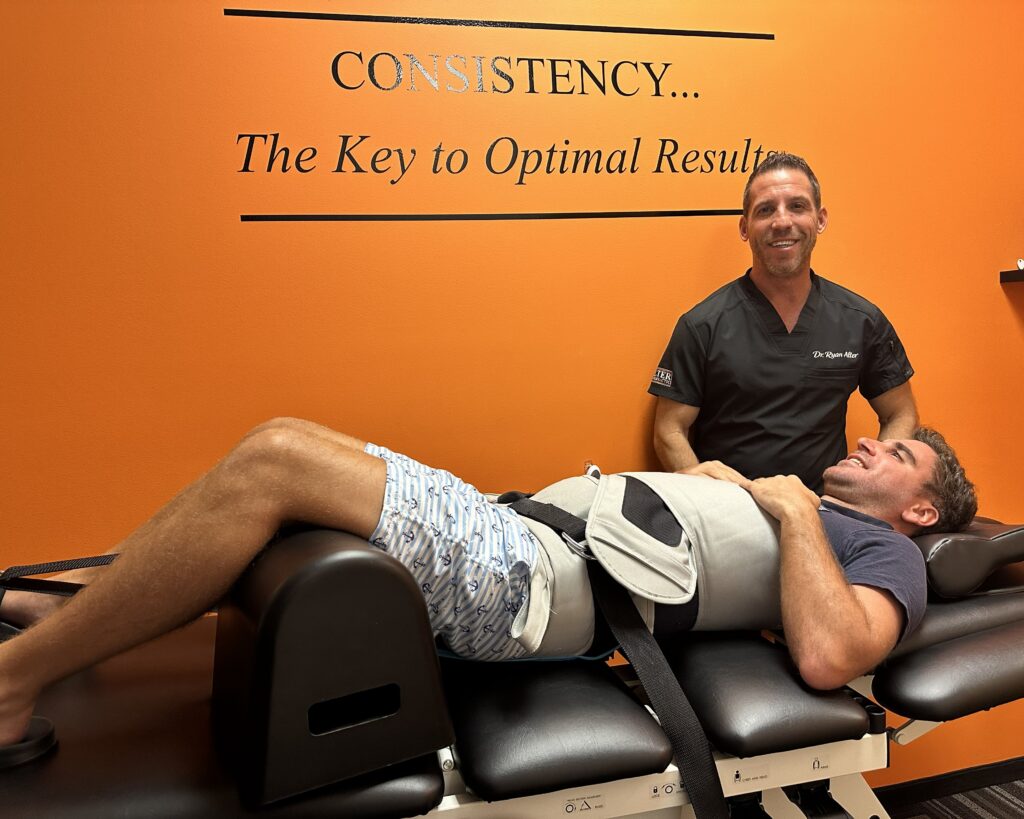
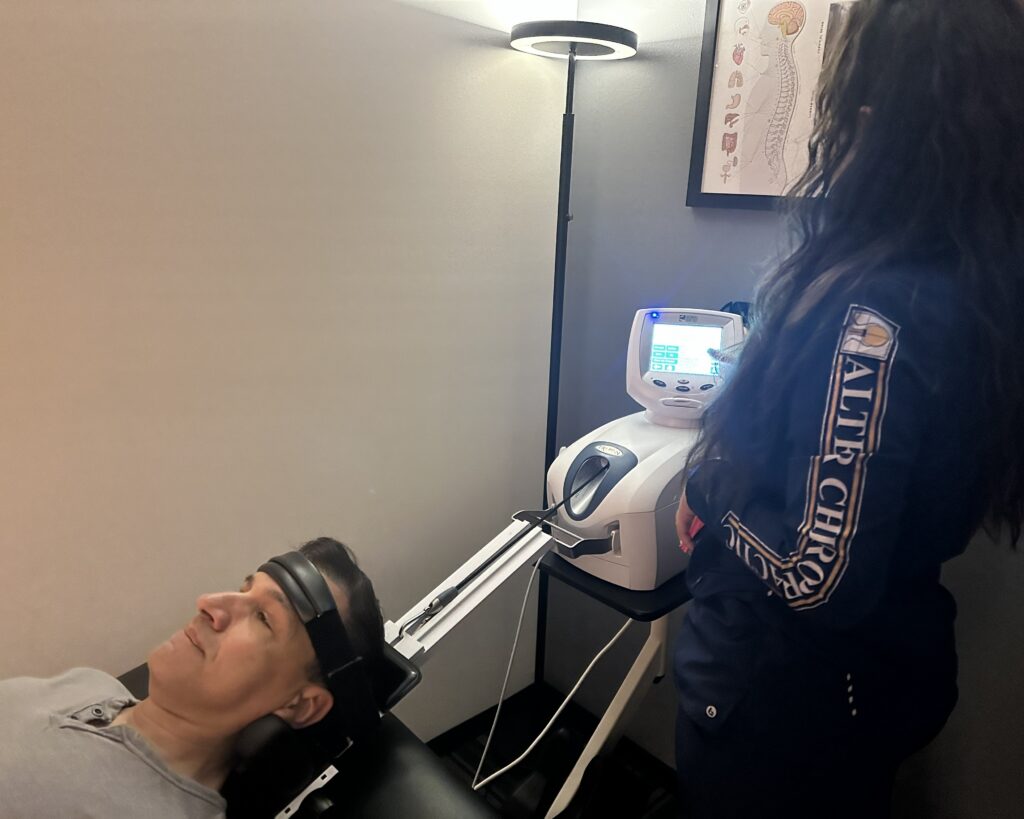
Incorporating natural healing methods into your recovery plan is just one aspect of your journey; chiropractic care can play a crucial role in restoring strength and mobility after a sports injury.
It's not only about healing; it's about ensuring you're prepared to return to your favorite activities even stronger than before. Here are some of the key benefits of chiropractic care:
- Personalized Treatment Plans: Chiropractors assess your unique situation and develop tailored treatment plans that focus on your specific injury. This approach ensures you receive the right adjustments and therapies for effective recovery.
- Pain Relief: Utilizing various techniques, including spinal adjustments and soft tissue therapy, chiropractors help alleviate pain, enabling you to participate in rehabilitation exercises with greater comfort.
- Improved Mobility: Chiropractic care emphasizes enhancing flexibility and range of motion, which are vital for returning to your sport without limitations.
- Strengthening the Body: Chiropractors guide you through specific exercises aimed at rebuilding strength and stability, which are essential for preventing future injuries.
Healing Through Mindfulness
As a local chiropractor, I want to share with you the remarkable benefits of healing through mindfulness.
When you engage in mindfulness practices, you harness the profound connection between your mind and body, which is essential for your recovery. Techniques such as visualization and breathing exercises can significantly enhance your healing process, allowing you to feel more empowered and in control of your journey.
By incorporating these natural healing methods into your routine, you can cultivate a greater sense of well-being while you recover from your injuries. Embracing mindfulness not only supports your physical healing but also promotes emotional balance, which is crucial for overall health.
Let's explore how we can work together to integrate these practices into your chiropractic care for optimal recovery.
Mind-Body Connection
As a local chiropractor, I want to emphasize the significant role that the mind-body connection plays in healing from sports injuries. Understanding this connection can be a powerful tool in your recovery journey and overall well-being.
Here are some key ways you can strengthen your mind-body connection:
- Practice Mindfulness: Engaging in mindfulness techniques such as meditation or breathing exercises can greatly reduce stress and promote relaxation. This state of calm is essential for healing, allowing your body to repair itself more effectively.
- Listen to Your Body: It's important to be in tune with how your body feels during the recovery process. When you acknowledge sensations of pain or discomfort, you can make informed decisions about your activities, helping to prevent further injuries and promote healing.
- Set Positive Intentions: A positive mindset can be incredibly beneficial. By setting specific and achievable goals for your recovery, you can harness motivation and resilience. This will help you navigate the healing process with a more optimistic outlook.
- Engage in Gentle Movement: Incorporating low-impact activities, such as yoga or tai chi, can have profound effects on your recovery. These practices not only enhance flexibility and circulation but also strengthen the connection between your mind and body, ultimately supporting your healing journey.
At our chiropractic clinic, we focus on promoting natural healing and empowering you with the knowledge to support your recovery.
Visualization Techniques
As a local chiropractor dedicated to your health and well-being, I want to share with you the incredible potential of visualization techniques in your recovery from sports injuries. These methods can be transformative, helping you harness the power of your mind to enhance healing and improve your overall wellness.
Visualization techniques involve creating vivid mental images of your body undergoing the healing process. When you visualize your injury site healing—picture the tissues regenerating, the pain diminishing, and your body returning to its peak performance—you are actively participating in your recovery journey. This mental practice can significantly influence your physical state and promote healing.
To begin, find a quiet space where you can relax without interruptions. Close your eyes and take a few deep breaths to center yourself. Focus on your injury, visualize it healing, and imagine yourself engaging in the activities you love once again. This mental imagery can be a powerful motivator in your recovery.
By regularly practicing visualization, you can reduce anxiety and cultivate a positive mindset. When you visualize your healing, you're sending powerful signals to your body that it's capable of recovery. This positive mindset can encourage you to stay committed to your physical therapy and other recovery protocols.
I recommend incorporating visualization into your daily routine—perhaps during meditation or just before bedtime. Over time, you may notice an improvement in your recovery speed and mental resilience.
Embrace this powerful tool, and allow your mind to guide your body toward healing. Together, we can support your journey to recovery through both chiropractic care and the power of visualization.
Breathing Exercises
As a local chiropractor, I want to share with you how breathing exercises can play a vital role in your recovery from sports injuries and contribute to your overall wellness. Engaging in mindful breathing not only helps to calm the mind but also supports your body's natural healing processes.
Here are some effective breathing exercises you can easily incorporate into your recovery routine:
- Diaphragmatic Breathing: Start by lying on your back. Place one hand on your chest and the other on your abdomen. Inhale deeply through your nose, allowing your abdomen to rise while keeping your chest still. This technique encourages full lung expansion. Exhale slowly through your mouth, releasing tension.
- 4-7-8 Breathing: This technique is great for managing stress and anxiety. Inhale through your nose for four seconds, hold that breath for seven seconds, and then exhale slowly through your mouth for eight seconds. This rhythmic pattern helps to calm your nervous system.
- Box Breathing: This exercise is excellent for regaining focus and clarity. Inhale for four seconds, hold your breath for four seconds, exhale for four seconds, and then pause for another four seconds before inhaling again. Repeating this cycle several times can help center your mind.
- Mindful Breathing: Take a few moments to simply focus on your breath. Pay attention to the sensations of inhaling and exhaling, and allow any thoughts that arise to drift away without judgment. This practice can enhance your mental clarity and relaxation.
Incorporating these breathing exercises into your daily routine can significantly enhance your recovery journey, aligning with the principles of chiropractic care and natural healing.
Incorporating Yoga and Stretching
As a local Chiropractor, I often emphasize the importance of incorporating yoga and stretching into your recovery routine to enhance your healing process. These practices can significantly aid in promoting flexibility, improving circulation, and reducing muscle tension—all vital components of effective recovery.
Yoga provides a gentle yet dynamic approach to movement, enabling you to connect with your body without overexerting it, which is especially beneficial if you're healing from an injury.
I recommend starting with basic stretches that specifically target the areas affected by your injury. As your mobility improves, you can gradually increase the complexity and duration of your stretches. It's crucial to listen to your body during this process; if something doesn't feel right, don't hesitate to modify the pose or skip it altogether. The last thing you want is to aggravate your injury.
Incorporating yoga poses into your routine can also enhance your mental clarity and focus, fostering a positive mindset throughout your recovery. Poses such as Child's Pose and Cat-Cow are excellent for relieving tension while encouraging mindfulness. This mind-body connection is essential for your overall well-being during your healing journey.
Additionally, practicing breath control through yoga enhances oxygen flow to your muscles, which can accelerate the recovery process. Stretching complements this by increasing blood flow and delivering necessary nutrients to damaged tissues, aiding in their repair.
In summary, yoga and stretching aren't solely about physical recovery; they're integral to nurturing your overall well-being. By embracing these practices, you can adopt a more holistic approach to your recovery.
You'll likely find that you feel stronger both physically and mentally as you progress toward peak performance. As your chiropractor, I'm here to guide you through this journey and support your natural healing process.
Creating a Recovery Plan
Creating a structured recovery plan is essential for enhancing the benefits of yoga and stretching as part of your rehabilitation process. As your local chiropractor, I want to help you understand how to make the most of these practices when recovering from a sports injury. A well-thought-out plan not only keeps you organized but also ensures that you're engaging in the right activities at the right times. Here's how to get started:
- Set Clear Goals: It's important to establish what you aim to achieve in your recovery. Whether your goal is to regain full mobility, alleviate pain, or return to competitive sports, having specific objectives will help direct your efforts effectively.
- Incorporate Yoga and Stretching: Regularly scheduling yoga and stretching sessions can significantly enhance your flexibility, strengthen the muscles surrounding your injury, and promote relaxation. We can work together to create a routine that's tailored to your specific injury and progress.
- Monitor Your Progress: Keeping a recovery journal can be incredibly beneficial. Documenting your journey allows you to track improvements or setbacks, enabling you to adjust your plan as needed. This reflection helps maintain motivation and increases your awareness of what strategies work best for you.
- Consult Professionals: Always feel free to reach out to me and other healthcare professionals, such as physical therapists or trainers. Our expertise can help you develop a balanced recovery program that takes into account the specifics of your injury and your overall health goals.
By following these steps, you can create an effective recovery plan that supports your healing process and encourages a natural approach to rehabilitation.
Conclusion
As a local chiropractor, I want to share how a holistic approach to sports injury recovery can truly enhance your healing journey. By focusing on nourishing your body with nutritious foods, you're providing the essential building blocks for recovery. Incorporating physical therapy is vital, as it helps to restore strength and function in injured areas.
Mindfulness practices can also play a significant role in strengthening your mental resilience during recovery. Techniques such as meditation and deep breathing can help manage stress and promote a positive mindset. Additionally, don't underestimate the power of yoga and stretching. These practices can significantly improve your flexibility and mobility, making a world of difference in your recovery process.
By creating a comprehensive recovery plan that includes these elements, you empower yourself to revitalize your healing and get back to the activities you love more quickly. Embracing chiropractic care can further support your recovery by addressing misalignments and promoting overall wellness. Let's work together to guide you on your path to healing naturally!