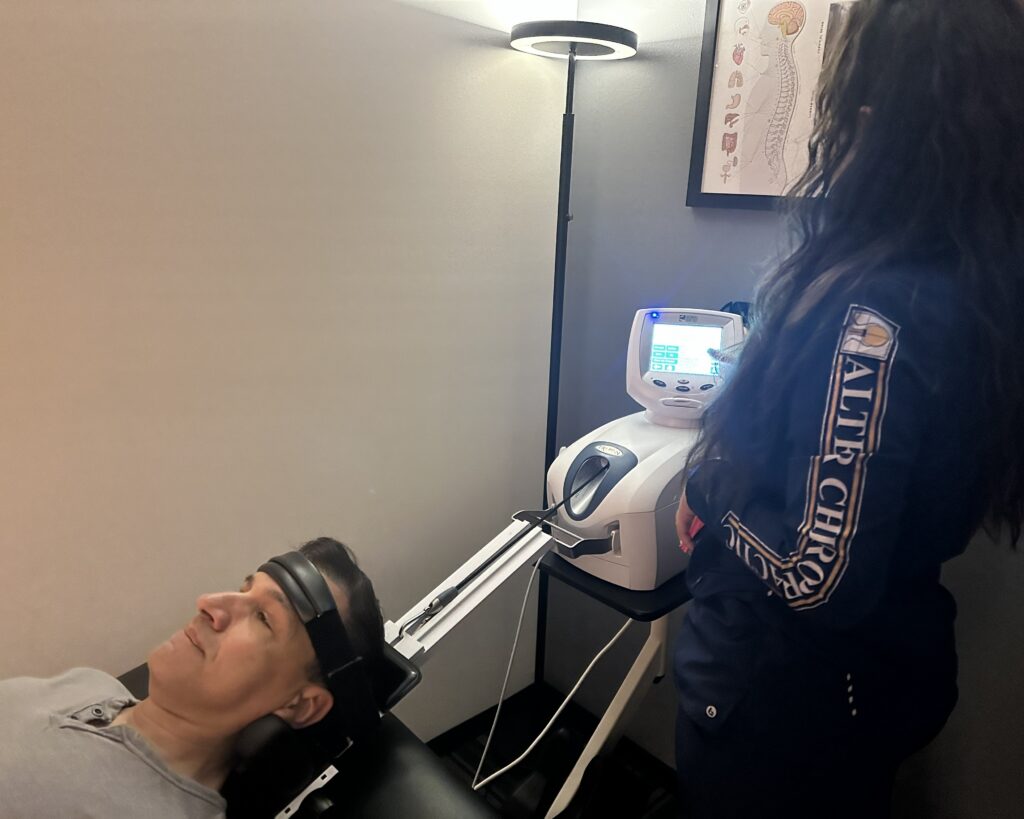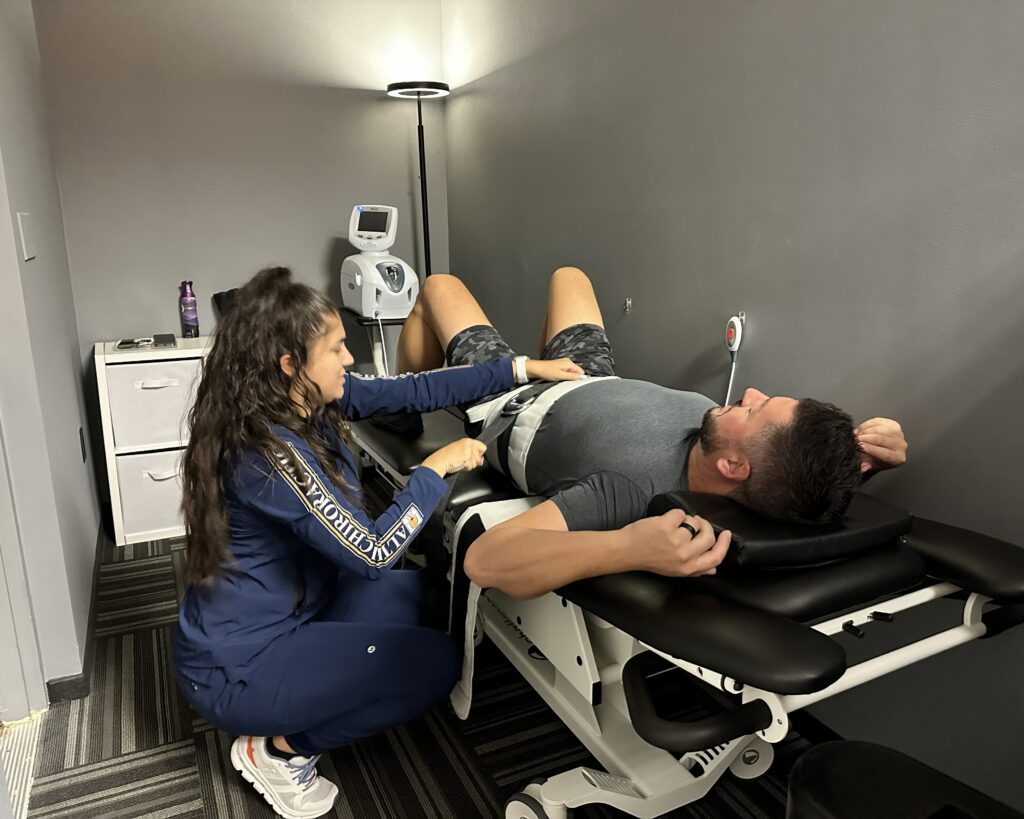

If you’re exhausted from relying on pills for headache relief, there are innovative strategies you can explore that prioritize your overall wellness and natural healing. One of the best paths to take is through chiropractic care. Chiropractic adjustments can help alleviate tension in your spine, which may be contributing to your headaches. By addressing misalignments, you can experience significant relief and promote better health.
Additionally, understanding your headaches is crucial. Common triggers can include stress, poor posture, and even certain foods. By being mindful of these factors, you can make simple adjustments to your daily routine that may help reduce the frequency and intensity of your headaches. Here are some practical tips you can incorporate:
- Stay Hydrated: Dehydration can lead to headaches, so make sure you’re drinking enough water throughout the day.
- Practice Good Posture: Poor posture can strain your neck and back, leading to tension headaches. Focus on sitting and standing tall, especially when working at a desk.
- Incorporate Stretching and Relaxation Techniques: Simple stretches and mindfulness practices like deep breathing can help reduce stress and alleviate tension in your body.
- Get Regular Chiropractic Adjustments: Regular visits to your chiropractor can help keep your spine aligned and reduce headaches over time, promoting overall wellness.
- Evaluate Your Diet: Certain foods may trigger headaches for some people. Keep a food diary to identify any patterns and consider incorporating more whole, unprocessed foods into your meals.
By exploring these strategies and prioritizing chiropractic care, you can take significant steps toward natural headache relief and improved health. Let’s work together to uncover the best practices for your wellness journey!
Key Takeaways
- Chiropractic care is an excellent way to promote spinal alignment, which can significantly reduce the frequency of headaches and alleviate discomfort without the need for medications. By addressing misalignments in the spine, we can relieve tension and restore proper function to the nervous system, helping to prevent headaches from occurring in the first place.
- Incorporating mindfulness and meditation into your daily routine can also be beneficial for headache relief. These techniques help manage stress, which is a common headache trigger. By practicing mindfulness, you can improve your focus and relaxation, ultimately reducing the likelihood of headaches.
- Making dietary changes can be a powerful tool in headache management. Identifying your trigger foods and incorporating magnesium-rich options, such as leafy greens and nuts, can help naturally alleviate headache symptoms. Nutrition plays a vital role in overall well-being, and the right foods can support your body’s ability to function optimally.
- Staying hydrated is essential for preventing headaches, especially those linked to dehydration. Aim to drink plenty of water throughout the day and include hydrating foods like cucumbers and watermelon in your diet. Proper hydration can help maintain your body’s balance and keep headaches at bay.
- Aromatherapy using essential oils like peppermint and lavender can also provide natural relief from headaches. These oils promote relaxation and can help reduce tension. Simply inhaling the scent or applying diluted oils to your temples can enhance your sense of calm and support your overall wellness journey.
By focusing on these natural strategies and prioritizing chiropractic care, you can work towards achieving optimal health and reducing headaches effectively. Remember, taking care of your spine and overall wellness is key to living a pain-free life!
Understanding the Different Types of Headaches
While headaches can feel similar, understanding the different types is essential for finding effective relief and improving your overall well-being. As a chiropractor, I want to highlight how chiropractic care can play a key role in managing these headaches naturally.
Tension headaches are often caused by stress, muscle strain, or poor posture. You might feel a tight band around your head, which can be alleviated through chiropractic adjustments that target spinal alignment and relieve muscle tension. Maintaining proper posture and incorporating relaxation techniques, such as deep breathing or gentle stretches, can also help reduce the frequency of these headaches.
Migraines, on the other hand, are typically more intense and can be accompanied by nausea, light sensitivity, or visual disturbances. These headaches often occur on one side of the head and can last for hours or even days. Chiropractic care can aid in reducing the frequency and severity of migraines by addressing spinal misalignments and promoting overall nervous system function.
Cluster headaches, though less common, are incredibly painful and tend to occur in cycles, often waking you from sleep. While the exact cause is still being studied, chiropractic care can help relieve the tension and discomfort associated with these headaches through targeted adjustments and lifestyle changes.
Sinus headaches are linked to sinus infections and can cause pressure in your forehead and cheeks. Chiropractic adjustments can help improve drainage and function in the sinus area, providing relief from pressure and discomfort.
By identifying the type of headache you’re experiencing, you can better address the root cause. Incorporating regular chiropractic care into your wellness routine can help you manage and potentially reduce headache occurrences naturally.
Additionally, consider these general tips for headache relief:
- Stay hydrated: Dehydration can exacerbate headache symptoms, so drink plenty of water throughout the day.
- Practice good posture: Be mindful of your posture, especially during long periods of sitting or working.
- Incorporate stress-relief techniques: Mindfulness, yoga, or even simple breathing exercises can help manage stress-related headaches.
- Get adequate sleep: Ensure you’re getting enough restful sleep to support your overall health.
The Power of Mindfulness and Meditation
Managing headaches involves more than just physical adjustments; your mental wellness is equally important. Incorporating mindfulness and meditation into your routine can be effective strategies for alleviating headache pain. By practicing mindfulness, you can train your mind to focus on the present moment, which helps to reduce stress and tension—two significant triggers for headaches.
To get started, find a quiet, comfortable space to sit. Close your eyes, take deep breaths, and pay attention to the rhythm of your breath as it flows in and out. If distractions or thoughts pop up, simply acknowledge them and gently bring your focus back to your breathing. This straightforward practice can help you detach from discomfort and create a sense of calm, which is essential for overall health.
Regular meditation, even for just ten minutes a day, can boost your resilience to stress and potentially lessen the frequency of headaches. By integrating mindfulness into your daily routine, you empower yourself to manage pain naturally.
In addition to these practices, it’s essential to remember the benefits of chiropractic care. Regular chiropractic adjustments can help align your spine, improve your posture, and reduce tension in your neck and shoulders—all of which can contribute to fewer headaches.
Here are some general tips to help you manage headaches naturally:
- Stay hydrated: Drink plenty of water throughout the day to prevent dehydration.
- Maintain a regular sleep schedule: Aim for quality sleep to help your body recover.
- Pay attention to your posture: Good posture can prevent strain on your neck and back.
- Take breaks: If you work at a desk, make sure to take regular breaks to stretch and move around.
Dietary Changes to Alleviate Headaches
Making dietary changes can have a significant impact on the frequency and intensity of your headaches. One effective step is to keep a food diary to identify any potential trigger foods that might be causing your discomfort. Common triggers include aged cheeses, processed meats, and artificial sweeteners. Once you notice any patterns, consider eliminating these items from your meals.
Incorporating more whole foods into your diet can also be beneficial. Focus on consuming fresh fruits, vegetables, whole grains, and lean proteins. Foods that are rich in magnesium, such as spinach and nuts, may help ease tension that can contribute to headaches. Additionally, consider including omega-3 fatty acids found in fatty fish, which can help reduce inflammation and provide headache relief.
Regular meals are essential for maintaining stable energy levels. Skipping meals can cause your blood sugar to drop, which might trigger headaches. Instead, aim for smaller, more frequent meals throughout the day to keep your energy steady.
Remember, while dietary adjustments can be helpful, chiropractic care is an excellent avenue for achieving optimal health and alleviating headache pain naturally.
Regular visits to your chiropractor can help address spinal misalignments that may contribute to headaches and promote overall wellness. By combining healthy eating habits with chiropractic care, you can take charge of your headaches and work towards a more comfortable, pain-free life.
The Role of Hydration in Headache Prevention
Staying properly hydrated is crucial for preventing headaches, especially since even mild dehydration can lead to discomfort. As a chiropractor, I often see how hydration influences not only overall wellness but also the frequency and severity of headaches, including migraines. Maintaining adequate water intake can support your body’s natural healing processes and help you feel your best.
Let’s delve into how hydration plays a key role in headache prevention and share some practical tips that can easily fit into your daily routine.
- Listen to Your Body: Pay attention to the signs of dehydration, such as dry mouth, fatigue, or headache onset. These can be your body’s way of signaling that it needs more water.
- Set Reminders: It can be easy to forget to drink water throughout the day. Consider setting reminders on your phone or using a water bottle with measurements to track your intake.
- Incorporate Hydrating Foods: Foods like cucumbers, oranges, and watermelon have high water content. Including these in your diet can help boost your hydration levels.
- Mind Your Caffeine: While a cup of coffee or tea can be part of a healthy routine, too much caffeine can dehydrate you. Balance your intake with additional water to stay hydrated.
- Practice Good Posture: Poor posture can contribute to tension headaches. Regular chiropractic adjustments can help improve your alignment, which may enhance your overall hydration and wellness.
Remember, hydration is just one piece of the puzzle when it comes to headache prevention. Alongside drinking enough water, maintaining spinal health through regular chiropractic care can be a powerful combination for achieving optimal health and pain relief.
Importance of Water Intake
While it mightn’t be the first thing that comes to mind, staying properly hydrated is crucial for maintaining overall wellness and preventing headaches. When your body doesn’t get enough water, it can become dehydrated, which may lead to tension and discomfort in your head. This is where the importance of hydration comes into play, especially for those of us looking to support our spinal health and overall function.
To help keep your body and spine in optimal shape, make it a habit to carry a water bottle with you and sip throughout the day. Aiming for at least eight glasses of water daily is a great start, but remember to adjust based on your activity level and the climate you live in.
If you notice signs of dehydration, such as dry mouth or fatigue, don’t wait—take action right away. Even mild dehydration can trigger headaches and affect your body’s ability to function well.
Incorporating proper hydration into your daily routine not only helps reduce the likelihood of headaches but also supports your chiropractic care efforts. A well-hydrated body can recover and heal more effectively, allowing you to enjoy a more balanced and pain-free life.
Hydration and Migraine Triggers
When it comes to preventing migraines, understanding the connection between hydration and headache triggers can make a significant difference in your daily life. Dehydration is a common culprit that can lead to increased headache frequency and intensity. When your body isn’t getting enough water, it struggles to function effectively, often resulting in headaches.
As a chiropractor, I want to emphasize the importance of maintaining proper hydration not just for headache relief, but for your overall health. You may notice that certain activities, like exercising or spending time outdoors, can worsen dehydration and trigger migraines. It’s essential to pay attention to your hydration levels, especially if you feel the onset of a headache.
Here are some simple tips to help you stay hydrated and potentially reduce the likelihood of migraines:
- Sip Throughout the Day: Instead of chugging a large amount of water at once, try to drink small amounts consistently throughout the day. This helps your body absorb the water better.
- Set Reminders: Use your phone or a timer to remind you to take a few sips of water every hour. This habit can help maintain optimal hydration levels.
- Hydrating Foods: Incorporate fruits and vegetables with high water content into your diet, such as cucumbers, watermelon, and oranges. These can help you stay hydrated.
- Listen to Your Body: If you start to feel thirsty, don’t wait too long to drink water. Thirst is your body’s way of signaling that it needs hydration.
- Chiropractic Care: Regular chiropractic adjustments can improve your overall health and may help with conditions that contribute to headaches and migraines. By ensuring your spine is aligned, you can enhance your body’s ability to function properly, which includes maintaining hydration balance.
By prioritizing hydration and considering chiropractic care as part of your wellness routine, you can potentially reduce the frequency of migraines and enhance your overall well-being.
Daily Hydration Tips
How can you make hydration a daily habit that helps prevent headaches and supports your overall wellness? As a chiropractor, I believe that maintaining proper hydration is essential for your health, and it can also play a role in reducing headache occurrences. Here are some simple tips to help you make hydration part of your daily routine:
- Carry a Reusable Water Bottle: Keeping a water bottle with you at all times serves as a constant reminder to drink water throughout the day. This small habit can significantly improve your hydration levels.
- Set Reminders: Use your phone or a timer to remind you to take a sip of water every hour. Regular intervals help keep your body hydrated and can prevent the onset of headaches.
- Flavor Your Water: If plain water doesn’t excite you, try infusing it with fruits or herbs. Adding slices of lemon, cucumber, or sprigs of mint can make drinking water more enjoyable and encourage you to drink more.
- Track Your Intake: Apps and journals can help you keep tabs on how much water you’re drinking. Aim for at least eight 8-ounce glasses a day – this can vary based on your activity level and environment, so listen to your body.
- Stay Ahead of Thirst: Don’t wait until you feel thirsty to drink water. Try to sip small amounts consistently throughout the day to maintain hydration.
- Hydrate Around Exercise: Whether before or after a workout, ensure you’re drinking water to replenish lost fluids. Staying hydrated during physical activity is essential for your body’s overall function.
- Consider Caffeine and Alcohol: Be mindful of your consumption of caffeinated beverages and alcohol, as they can contribute to dehydration. Balance these drinks with plenty of water to help maintain your hydration levels.
By incorporating these hydration tips into your daily life, you’ll not only support your physical health but also enhance your overall wellness.
Proper hydration can help your body function optimally, which is essential for maintaining a healthy spine and nervous system. Remember, chiropractic care works best hand-in-hand with healthy lifestyle choices, including staying hydrated.
Make these simple adjustments, and you might find your headaches becoming less frequent while also experiencing better health overall.
Exploring Essential Oils and Aromatherapy
Essential oils can be a valuable addition to your wellness routine, especially when it comes to finding relief from headaches. While chiropractic care is often the best choice for addressing the underlying causes of headache pain, understanding how essential oils can complement your wellness journey can be beneficial.
By learning about the properties of these natural remedies, you can enhance your overall health and wellbeing.
When using essential oils, consider popular aromatherapy techniques such as diffusing, inhaling, or topical application (with proper dilution). Lavender and peppermint oils, for instance, are well-known for their calming and soothing effects, which can help alleviate headache tension.
Remember, though, that these oils work best when your spine is aligned and your nervous system is functioning optimally.
As you explore the world of essential oils, keep in mind some simple safety tips: always dilute oils before applying them to your skin, and do a patch test to check for any allergic reactions.
It’s also important to consult with your chiropractor about incorporating essential oils into your wellness routine, as they can provide personalized advice tailored to your specific needs.
In summary, while essential oils can offer support in managing headache discomfort, regular chiropractic care is key to achieving optimal health.
Benefits of Essential Oils
Aromatherapy is a wonderful way to enhance your overall wellness, especially when it comes to managing headaches and promoting relaxation. At our chiropractic clinic, we often emphasize the importance of natural methods for pain relief and stress management. Essential oils can be a fantastic addition to your self-care routine.
For example, peppermint oil is known for its ability to stimulate blood flow and reduce tension, making it a great option for easing headache discomfort. Meanwhile, lavender oil is celebrated for its calming properties, helping to soothe your mind and alleviate stress. These soothing aromas can help create a peaceful environment at home, allowing you to unwind after a long day.
Not only can essential oils help with immediate relief, but they can also improve your mood, which is essential since stress and anxiety can often trigger headaches. Using a diffuser or creating your own roll-on blend can empower you to customize your experience according to your needs.
While essential oils can be beneficial, it’s important to remember that chiropractic care addresses the root causes of headaches and other pain. By ensuring your spine is aligned and your nervous system is functioning optimally, you can achieve lasting relief and promote overall wellness.
Incorporating both chiropractic adjustments and essential oils into your routine can provide a holistic approach to managing your health.
Popular Aromatherapy Techniques
As a chiropractor dedicated to promoting health and wellness, I believe in the power of natural remedies to enhance your overall well-being. Aromatherapy can be a wonderful addition to your self-care routine, especially for alleviating discomfort and promoting relaxation without the need for invasive procedures or medications.
Here are some popular aromatherapy techniques that can complement your chiropractic care:
- Diffusion: Using an essential oil diffuser is an excellent way to fill your space with soothing scents. This method not only enhances your mood but can also help create a calming environment that supports relaxation and healing.
- Inhalation: Inhaling essential oils directly from the bottle or applying a few drops to a cotton ball can provide immediate relief. This technique is especially helpful for easing tension headaches and stress.
- Topical Application: By diluting essential oils with a carrier oil, you can apply them to pulse points, such as your temples or wrists. This method can help target specific areas of discomfort and promote relaxation in conjunction with your chiropractic adjustments.
- Bathing: Incorporating a few drops of essential oils into your bath can turn a simple soak into a therapeutic experience. This not only helps relax your muscles but also allows you to unwind after a chiropractic session.
- Massage: Combining essential oils with your favorite lotion or carrier oil for a massage can enhance the benefits of both the massage and the aromatherapy. This is a great way to relieve tension and promote overall relaxation.
Remember, while aromatherapy can be beneficial, it should complement, not replace, the care you receive from your chiropractor.
Always consult with your healthcare provider before trying new remedies, especially if you have underlying health conditions. By integrating these natural techniques into your wellness routine, you can support your journey toward optimal health and well-being.
Safety and Usage Tips
When exploring the world of essential oils and aromatherapy, it’s essential to prioritize safety and proper usage to enjoy their benefits while reducing any potential risks.
As a chiropractor, I always encourage my patients to consider holistic approaches to health and wellness, and essential oils can be a wonderful addition to your natural healing toolkit.
Here are some key safety tips to keep in mind:
- Dilution: Essential oils are powerful, so it’s important to dilute them before applying them to your skin. This helps prevent any irritation and makes them safer to use.
- Patch Test: Before using a new essential oil, it’s wise to perform a patch test. Apply a small amount to a discreet area of your skin to check for any allergic reactions.
- Quality Matters: Always choose high-quality oils from reputable sources. This ensures you’re using pure oils that provide the best benefits for your health.
- Sun Sensitivity: Some essential oils can make your skin more sensitive to sunlight. To avoid any adverse effects, try to avoid direct sunlight on the areas where you’ve applied these oils.
- Consult a Professional: If you’re pregnant, nursing, or have any underlying health conditions, it’s always a good idea to consult with a healthcare professional. This ensures that you’re using essential oils safely and effectively.
Incorporating essential oils into your wellness routine can complement the care you receive from chiropractic treatments.
Both can work together to enhance your overall well-being, support pain relief, and promote a healthier lifestyle.
Acupressure Techniques for Immediate Relief
If you’re looking for quick relief from headaches, acupressure techniques can be a helpful addition to your wellness routine. While chiropractic care is the best choice for addressing the root causes of headaches, these simple techniques can provide immediate comfort and help manage symptoms.
Here are some effective acupressure techniques you can try:
- LI4 (Hegu): This point is located between your thumb and index finger. Applying gentle yet firm pressure here can help relieve tension headaches, making it an excellent spot to target when you’re feeling discomfort.
- GB20 (Fengchi): Found at the base of your skull, massaging this area can ease pain and reduce stress. It’s a great complement to chiropractic adjustments, as it addresses tension that may contribute to headaches.
- Yintang: Located between your eyebrows, gently pressing this point can help calm your mind and reduce anxiety. This technique is especially useful if your headaches are related to stress.
- PC6 (Neiguan): Situated on your wrist, this point can help with nausea and headaches linked to motion sickness. It’s a simple way to find relief without relying on medications.
- TH5 (Waiguan): Located on the outer forearm, stimulating this point can alleviate migraine symptoms. This technique can be a great way to support your body’s natural healing processes.
Incorporating these acupressure techniques into your wellness routine can provide immediate relief when you’re experiencing headaches.
However, for long-term solutions and to address the underlying causes, chiropractic care is your best option. Regular adjustments can promote spinal health, improve nervous system function, and help prevent headaches from recurring.
Remember to maintain a healthy lifestyle, stay hydrated, and listen to your body to foster overall wellness.
The Benefits of Regular Exercise and Movement
Regular exercise and movement are essential not just for your physical health but also for your mental well-being. As a chiropractor, I can attest to the profound benefits of staying active, especially when it comes to managing pain and enhancing overall health. Engaging in regular physical activity can significantly reduce the frequency and intensity of headaches. This is largely due to the way movement helps relieve stress and improves blood circulation. When you exercise, your body releases endorphins, which are natural painkillers and mood enhancers.
Here’s a straightforward look at how exercise can benefit both your physical and mental health:
| Benefit | Physical Health | Mental Health |
|---|---|---|
| Increased Energy | Boosts stamina and liveliness | Enhances motivation |
| Pain Relief | Reduces tension and discomfort | Alleviates anxiety |
| Better Sleep | Improves sleep patterns | Aids in relaxation |
| Social Interaction | Builds community through activities | Strengthens relationships |
| Confidence Boost | Enhances body image | Improves self-esteem |
To maximize these benefits and support your journey to optimal health, consider incorporating the following tips into your routine:
- Start Slow: If you’re new to exercise, begin with short sessions and gradually increase the duration and intensity. This helps prevent injury and makes it easier to stick with it.
- Stay Consistent: Aim for regular movement throughout the week. Consistency is key to reaping the full benefits of exercise.
- Incorporate Variety: Mix different types of activities, such as walking, stretching, or yoga. This not only keeps things interesting but also helps target different muscle groups and maintain balance in your body.
- Listen to Your Body: Pay attention to how your body feels during and after exercise. If you experience pain, particularly in your spine or joints, consult with a chiropractor for tailored advice and care.
- Prioritize Spinal Health: Regular chiropractic adjustments can enhance your overall movement and help your body function optimally. This can lead to better performance in your physical activities and improved recovery.
Alternative Therapies: Chiropractic Care and Beyond
Incorporating movement into your daily routine is just one effective strategy to alleviate headache pain. As a chiropractor, I want to emphasize that alternative therapies, especially chiropractic care, can offer substantial relief. These treatments focus on realigning your spine, which not only enhances your overall function but can also help reduce the frequency and intensity of headaches.
Here are some alternative therapies worth considering, with a focus on chiropractic care:
- Chiropractic adjustments: By realigning your spine, we can alleviate tension and pressure that may be contributing to your headaches. Regular adjustments can lead to long-term improvements in your health and well-being.
- Acupuncture: This time-honored technique targets specific points in the body to relieve pain and promote healing. While it may not be as familiar, many find it complements chiropractic care well.
- Massage therapy: This is a wonderful way to relieve muscle tension and encourages relaxation. It can work hand-in-hand with chiropractic adjustments to enhance your recovery.
- Yoga and stretching: Incorporating these practices into your life can improve flexibility and reduce stress levels, both of which are key factors in preventing headaches.
- Mindfulness and meditation: Techniques that focus on lowering stress can be transformative for those who suffer from headaches. Reducing stress is vital for maintaining a well-aligned spine and overall health.
By exploring these therapies, especially chiropractic care, you may discover a powerful path to relief without the need for medications.
Conclusion
Incorporating these revolutionary strategies can transform your approach to headache relief, and as a chiropractor, I believe that chiropractic care is one of the best ways to achieve optimal health and alleviate pain. By embracing mindfulness and making dietary changes, you can address headaches at their source. Staying hydrated is crucial, as dehydration can often trigger headaches.
Don’t overlook the benefits of essential oils and acupressure for quick relief; these natural remedies can complement chiropractic adjustments. Regular exercise not only strengthens your body but also helps reduce tension that can lead to headaches. Additionally, exploring chiropractic care can significantly enhance your overall well-being. A chiropractor can help identify misalignments in your spine that may contribute to headache pain, providing targeted adjustments to restore balance and promote healing.
By taking these holistic steps, you’re not just managing headaches—you’re empowering yourself to live a healthier, pain-free life. Remember, the journey to wellness begins with informed choices and taking care of your spine!