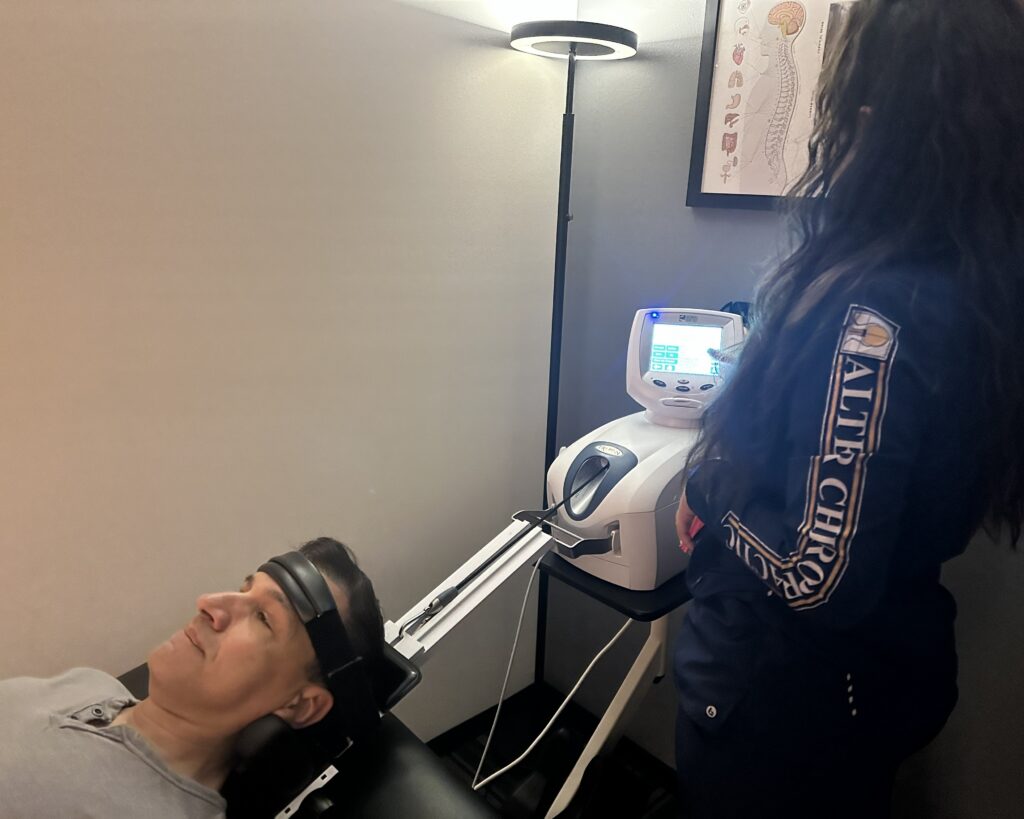

Tension headaches can be a frustrating and persistent issue, but there are natural ways to find relief that prioritize your overall wellness. As a chiropractor, I believe that understanding the underlying causes of these headaches and making small lifestyle adjustments can significantly improve your quality of life.
One of the key factors in managing tension headaches is ensuring that your spine is properly aligned. Poor posture can lead to muscle tension and stress on the spine, which may trigger headaches. Regular chiropractic adjustments can help keep your spine in alignment, reducing tension and promoting better overall health.
Staying hydrated is also crucial. Dehydration can contribute to headaches, so make sure you’re drinking enough water throughout the day. Additionally, taking breaks to stretch and improve your posture can make a big difference. Simple exercises, like neck stretches and shoulder rolls, can relieve tension in the muscles that often contribute to headaches.
Incorporating relaxation techniques such as deep breathing, meditation, or yoga can also help manage stress levels, which is a common trigger for tension headaches. These practices promote relaxation and mindfulness, allowing your body and mind to unwind.
So, what strategies can you implement today to start feeling better? Consider scheduling a chiropractic appointment to assess your spinal health and explore personalized care options. Remember, taking a proactive approach to your health can help you manage and prevent tension headaches naturally. Embrace these holistic approaches, and you may just find that you cope with tension headaches more effectively.
Key Takeaways
Say Goodbye to Tension Headaches Naturally
As a local chiropractor, I’m here to guide you towards a natural, holistic approach to health and wellness. Tension headaches can be a nuisance, but with the right strategies, you can find relief without the need for medications or surgeries. Here are some simple yet effective tips to help you say goodbye to those pesky headaches:
- Posture Matters: Maintaining good posture is crucial. Using ergonomic furniture can significantly reduce muscle strain. This not only helps in preventing tension headaches but also supports your spine’s natural alignment.
- Stay Hydrated: Drinking plenty of water and eating hydrating foods like cucumbers and watermelon can keep your body functioning optimally. Dehydration is a common headache trigger, so make sure you’re replenishing your fluids.
- Manage Stress Naturally: Incorporating stress management techniques into your daily routine can lower stress levels and prevent headaches. Deep breathing exercises, yoga, and mindfulness meditation are excellent ways to relax your mind and body.
- Stretch it Out: Regularly performing stretches, such as gentle neck rolls and shoulder shrugs, helps to release tightness and improve blood flow. Simple stretches can be a great way to relieve tension in the muscles that might be contributing to your headaches.
- Watch Your Diet: Pay attention to your diet and identify any potential headache triggers. Additionally, consider incorporating natural supplements like magnesium and omega-3 fatty acids, which can support overall health and may help reduce headaches.
Remember, chiropractic care can be an effective solution for managing tension headaches. Regular adjustments can enhance spinal alignment, reduce muscle tension, and promote overall well-being. If you’re struggling with headaches, don’t hesitate to reach out for a consultation. Together, we can create a personalized plan to help you achieve optimal health and wellness naturally.
Understanding Tension Headaches: Causes and Symptoms
When you experience a tension headache, it often feels like a tight band is wrapping around your head, creating discomfort that can be difficult to manage. These headaches are commonly triggered by stress, anxiety, or muscle tension in your neck and shoulders. You might notice symptoms like a dull, aching pain, sensitivity to light, or even trouble concentrating.
Poor posture while working or sitting for extended periods can contribute to the development of tension headaches. When you clench your jaw or furrow your brow, you’re straining your muscles, which can exacerbate the pain. This is where chiropractic care comes into play. By focusing on spinal health and alignment, we can help alleviate the muscle tension that contributes to headaches.
Additionally, it’s essential to recognize patterns in your daily life that may lead to tension headaches. Here are some tips to help you manage and reduce their frequency and intensity:
- Maintain Good Posture: Be mindful of your posture while sitting at your desk or using your phone. Keep your shoulders relaxed and your head aligned over your spine.
- Take Breaks: If you work at a computer or remain seated for long periods, take regular breaks to stretch and move around. This can help relieve muscle tension in your neck and shoulders.
- Stay Hydrated: Dehydration can trigger headaches, so make sure to drink plenty of water throughout the day.
- Practice Relaxation Techniques: Incorporating stress-reducing practices such as deep breathing, meditation, or yoga can help manage anxiety and prevent tension from building up.
- Consider Chiropractic Care: Regular chiropractic adjustments can improve spinal alignment, reduce muscle tension, and promote overall wellness. This natural approach can be highly effective for those suffering from tension headaches.
By being aware of your triggers and symptoms, you empower yourself to take proactive steps toward relief. Chiropractic care is a holistic method that not only addresses the pain but also helps promote a healthier lifestyle.
The Importance of Hydration
Staying hydrated is crucial for overall health and can play a significant role in preventing tension headaches. As a chiropractor, I see many patients who experience discomfort due to dehydration. When your body lacks sufficient water, it can lead to headaches and a general sense of unease.
Ensuring you’re well-hydrated not only supports normal bodily functions but also helps keep those pesky tension headaches at bay. Here are three simple hydration tips that can help you feel your best:
- Drink water regularly: Aim for at least eight 8-ounce glasses of water each day. This can vary based on how active you’re and the climate you live in. Keeping a water bottle with you can be a great reminder to sip throughout the day.
- Eat hydrating foods: Incorporate fruits and vegetables like cucumbers, oranges, and watermelon into your meals. These foods not only provide essential nutrients but also have a high water content, helping you stay hydrated naturally.
- Limit caffeine and alcohol: Both of these can lead to dehydration, so it’s wise to moderate your intake. Instead, focus on hydrating beverages and remember that proper hydration can aid in your body’s natural healing process.
Remember, maintaining proper hydration is just one part of a holistic approach to health.
Regular chiropractic care can also support your overall wellness and help alleviate discomfort, including tension headaches. By combining good hydration habits with chiropractic adjustments, you’re taking a proactive step toward optimal health and pain relief.
Stress Management Techniques
To effectively address tension headaches, it’s essential to incorporate stress management techniques into your daily routine. One of the most beneficial practices is deep breathing exercises, which not only help to calm your mind and body but also promote better spinal health by reducing tension in the muscles surrounding your spine.
Additionally, integrating mindfulness meditation into your routine can significantly lower stress levels. This practice encourages relaxation and mental clarity, which are vital for overall wellness.
Remember, a relaxed mind contributes to a healthier spine, and a healthier spine leads to a more vibrant life.
As a local chiropractor, I encourage you to explore these natural ways to manage stress and enhance your wellbeing. Through chiropractic care, you can achieve optimal health by addressing the root causes of tension and pain.
Regular chiropractic adjustments can help maintain spinal alignment and reduce muscle tension, supporting your journey to a pain-free life. Embrace these techniques and consider chiropractic care as a vital part of your health and wellness routine!
Deep Breathing Exercises
Deep breathing exercises can be a powerful ally in managing stress and alleviating tension headaches, which can often be related to spinal misalignments and muscle tension.
By focusing on your breath, you can activate your body’s natural relaxation response, promoting better overall well-being. As a chiropractor, I encourage you to incorporate these deep breathing techniques into your daily routine alongside regular chiropractic care for optimal health.
Here are three effective methods you can try:
- Diaphragmatic Breathing: This technique not only helps to relax but also promotes better oxygen flow to your body, which can aid in spinal health. Place a hand on your belly, inhale deeply through your nose, allowing your abdomen to rise as you fill your lungs, then exhale slowly through your mouth. This helps release tension in your back and neck muscles.
- 4-7-8 Breathing: This method is excellent for calming your nervous system, which can be beneficial for maintaining spinal alignment and reducing discomfort. Inhale for four seconds, hold your breath for seven seconds, then exhale for eight seconds. Practicing this regularly can help manage stress more effectively, supporting your chiropractic care.
- Box Breathing: This technique not only centers your mind but also helps regulate your breathing patterns, which can positively affect your spinal health. Inhale for four counts, hold for four counts, exhale for four counts, and hold again for four counts. Repeat this cycle to find balance and relaxation.
By integrating these deep breathing exercises into your daily life, you can enhance the benefits of your chiropractic care, helping to relieve pain and promote natural wellness.
Mindfulness Meditation Practices
While it can be difficult to find peace of mind amidst the hustle and bustle of daily life, incorporating mindfulness meditation practices can significantly enhance your overall well-being and complement your chiropractic care. By taking just a few minutes each day to focus on your breath, you can help reduce stress, which in turn can alleviate tension headaches.
Find a comfortable spot to sit, close your eyes, and pay attention to your breathing. Feel each inhale and exhale, and gently redirect your thoughts if your mind starts to wander.
Another beneficial technique is the body scan. This involves mentally checking in with each part of your body, starting from your head down to your toes. As you focus on each area, consciously release any tension you may feel. This practice not only promotes relaxation but also enhances your awareness of how your body feels, which is essential for maintaining spinal health.
If you prefer a bit more structure, consider guided meditations. These can provide a helpful framework to keep you focused and engaged. Remember, regular mindfulness practice can cultivate a greater sense of calm and presence, which can help reduce the frequency and intensity of headaches.
In addition to mindfulness meditation, regular chiropractic adjustments play a pivotal role in achieving optimal health. By ensuring that your spine is properly aligned, you can promote better nervous system function, which can lead to reduced pain and improved overall wellness.
Incorporate these practices into your daily routine for a natural approach to health. Your body, especially your head and neck, will appreciate the care you take.
Prioritize these moments for yourself, and you may find that your tension headaches become a thing of the past.
The Role of Posture in Headache Relief
Good posture can significantly lessen the frequency and intensity of tension headaches, making it a vital aspect of your overall health and wellness.
As a local chiropractor, I want to share how maintaining proper alignment can relieve unnecessary strain on your neck and shoulders, which often contribute to headache pain.
Here are three simple tips to help you achieve optimal posture and alleviate headaches naturally:
- Relax Your Shoulders: Tension in your shoulders can lead to discomfort that travels up to your head. Make it a habit to consciously relax your shoulders throughout the day. Take a moment to drop them away from your ears and breathe deeply.
- Align Your Head with Your Spine: It’s important to avoid jutting your chin forward, as this can create muscle strain. Instead, aim to keep your head directly above your spine. This alignment helps distribute weight evenly and reduces the risk of headaches.
- Invest in Ergonomic Support: Consider using ergonomic furniture, such as a supportive chair or adjustable workstation, to encourage better posture. These adjustments can make a significant difference in your comfort and help minimize headache triggers.
Remember, chiropractic care is an excellent choice for achieving optimal health.
Regular visits to a chiropractor can help ensure that your spine is in alignment, which plays a crucial role in reducing headaches and enhancing overall wellness.
Stretching and Exercise for Tension Relief
Incorporating stretching and exercise into your daily routine can be a transformative approach to relieving tension headaches, and as a chiropractor, I believe it’s essential for achieving optimal health.
Simple stretches like neck rolls and shoulder shrugs can effectively release tight muscles that contribute to discomfort. I recommend taking short breaks throughout your day to engage in these stretches; you’ll likely notice a significant improvement in how you feel.
Regular aerobic exercise—such as walking, jogging, or cycling—can also play a crucial role in reducing muscle tension and enhancing blood flow. Aim for at least 30 minutes most days of the week. This not only supports your overall wellness but can also serve as a proactive measure to prevent headaches before they occur.
Don’t overlook the benefits of yoga! This practice combines stretching and breathing techniques that promote relaxation and help alleviate physical tension. Many of my patients find that incorporating yoga into their routine complements their chiropractic care beautifully.
Remember, chiropractic care is a natural and effective way to support your body’s healing processes. By focusing on spinal health and alignment, you can enhance your body’s ability to function optimally, which may further reduce the frequency and intensity of headaches.
If you’re struggling with tension headaches, consider scheduling an appointment to explore how chiropractic adjustments can help you achieve lasting relief and a healthier, more vibrant life.
The Benefits of Mindfulness and Meditation
Mindfulness and meditation can greatly reduce stress levels, helping you feel more at ease, which is essential for maintaining a healthy spine. When you practice these techniques, you not only enhance your focus and clarity but also promote overall well-being. A calm mind can be incredibly beneficial as it allows you to tackle daily challenges without the added burden of stress, which can contribute to tension in your neck and back.
Incorporating mindfulness into your daily routine can be a powerful tool in conjunction with chiropractic care. By reducing stress, you may find it easier to maintain proper posture and alleviate discomfort that arises from tension in your muscles and spine. Additionally, embracing relaxation techniques can help you say goodbye to tension headaches that often accompany stress and poor spinal health.
Remember, chiropractic care is designed to help you achieve optimal health naturally. It’s not just about relieving pain; it’s about enhancing your overall wellness. By practicing mindfulness and combining it with regular chiropractic adjustments, you can create a harmonious balance between your mind and body.
Here are some tips to integrate mindfulness into your daily life:
- Set Aside Time: Dedicate a few minutes each day to sit quietly and focus on your breath. This can help center your thoughts and reduce stress.
- Posture Check: While practicing mindfulness, pay attention to your posture. Sit up straight and keep your shoulders relaxed to support your spine.
- Mindful Movement: Incorporate gentle stretching or yoga into your routine, which can complement the benefits of chiropractic care and enhance your flexibility.
- Gratitude Practice: Spend a moment each day reflecting on what you’re grateful for. This positive mindset can reduce anxiety and promote a sense of peace.
Reducing Stress Levels
While everyday stressors can lead to tension headaches, there are natural ways to reduce stress levels and promote overall well-being. As a chiropractor, I believe in the power of holistic approaches like mindfulness and meditation, which can complement your chiropractic care.
By incorporating these practices into your routine, you can cultivate a sense of calm and enhance your health. Here are three key benefits:
- Increased Awareness: Mindfulness encourages you to tune into your thoughts and feelings, helping you recognize when stress is creeping in. This awareness can empower you to take action, whether that means adjusting your posture or scheduling a chiropractic adjustment to relieve tension.
- Emotional Regulation: Regular meditation strengthens your emotional resilience. When stressors arise, you’ll find it easier to respond calmly rather than react impulsively. This emotional balance is crucial for maintaining spinal health, as stress can lead to physical tension in the body.
- Physical Relaxation: Mindfulness practices can initiate relaxation responses in your body, easing muscle tension and promoting a more peaceful state.
Combining these techniques with chiropractic care can enhance your overall relaxation and recovery, making it a powerful duo for managing stress.
Enhancing Focus and Clarity
Practicing mindfulness and meditation can be a powerful addition to your wellness routine, especially when it comes to managing stress and improving your focus. These practices help train your mind to stay present, which can reduce distractions and tensions that may contribute to headaches.
As a chiropractor, I often recommend incorporating mindfulness exercises into your daily life to enhance your concentration and boost your productivity.
When you cultivate mindfulness, you become more aware of your thoughts and emotions. This awareness allows you to address any tension in your body before it turns into discomfort or pain. By being more in tune with your body, you can make better decisions and tackle challenges more effectively.
In addition to mindfulness, regular chiropractic care can also play a vital role in achieving optimal health. Chiropractic adjustments help ensure that your spine is aligned, which can alleviate tension and improve your overall well-being.
When your spine is in alignment, your nervous system functions better, which can enhance your focus and clarity.
To support your wellness journey, here are some simple tips you can try:
- Practice Mindfulness Daily: Set aside a few minutes each day for mindfulness or meditation. Focus on your breath and allow yourself to be present in the moment.
- Stay Hydrated: Drinking plenty of water can help prevent headaches and keep your body functioning optimally.
- Regular Chiropractic Visits: Consider scheduling regular chiropractic appointments to maintain spinal health and prevent tension build-up.
- Take Breaks: If you find yourself feeling overwhelmed, take short breaks throughout the day to stretch and reset your mind.
Promoting Relaxation and Calmness
When you integrate mindfulness and meditation into your daily routine, you harness powerful tools that not only encourage relaxation and calmness but also complement the benefits of chiropractic care.
These practices can significantly enhance your overall well-being and help manage stress, which is crucial for maintaining spinal health. Here are three key benefits you’ll experience:
- Enhanced Awareness: By becoming more attuned to your body and its signals, you can identify areas of tension early on. This awareness allows you to address discomfort before it escalates, promoting a healthier spine and reducing the likelihood of headaches.
- Improved Breathing: Concentrating on your breath can lower your heart rate and create a sense of tranquility, which can help alleviate headache triggers. Deep, mindful breathing can also support spinal alignment by encouraging relaxation in the surrounding muscles.
- Emotional Balance: Practicing mindfulness fosters a non-judgmental attitude towards your thoughts, which can lower anxiety levels and promote a calmer mindset. This emotional balance is essential for overall health and complements the holistic approach of chiropractic care.
Incorporating these techniques into your life not only supports your chiropractic treatment but also empowers you to take control of your health.
Remember to maintain good posture, stay hydrated, and engage in regular physical activity to further enhance your well-being. Embrace these natural methods to achieve and sustain optimal health!
Essential Oils and Aromatherapy
As a local chiropractor, I want to share how essential oils and aromatherapy can complement your journey to wellness, particularly when dealing with tension headaches.
While chiropractic care is a powerful tool for addressing the root causes of headaches, integrating natural remedies like essential oils can provide additional relief without the side effects commonly associated with medications.
When you inhale or apply essential oils, they can promote relaxation and help reduce stress, both of which are key factors in managing headaches. For instance, lavender oil is well-known for its calming properties.
You can simply add a few drops to a diffuser to create a serene environment or mix it with a carrier oil and gently massage it onto your temples. This not only helps in relaxing your mind but also enhances the benefits of chiropractic adjustments.
Peppermint oil is another excellent choice. Its cooling effect can stimulate blood flow and relieve tension, making it a great companion to your chiropractic care.
Additionally, if you experience sinus-related headaches, eucalyptus oil’s invigorating scent can open up airways and provide further comfort.
To maximize your relaxation experience, try creating a calming atmosphere. Dim the lights, play some soft music, and take deep breaths.
This holistic approach, combined with regular chiropractic adjustments, can help alleviate tension headaches and promote overall well-being.
Remember, while essential oils can be a wonderful addition to your routine, chiropractic care remains the best choice for addressing the underlying issues causing your headaches.
Dietary Changes for Headache Prevention
While you may not be aware, your diet can significantly impact your experience with headaches. As a chiropractor, I believe that making a few simple dietary adjustments can’t only help reduce tension headaches but also enhance your overall health and well-being. Here are three effective changes you might consider:
- Stay Hydrated: One of the most common triggers for headaches is dehydration. Be sure to drink plenty of water throughout the day—aim for at least eight glasses—to keep your body well-hydrated. Staying hydrated not only supports your spinal health but also helps maintain proper function in your nervous system.
- Limit Processed Foods: Processed foods often contain preservatives and additives that can lead to headaches. Instead, focus on nourishing your body with whole, unprocessed foods such as fresh fruits, vegetables, and whole grains. These foods not only provide essential nutrients but also support a healthy spine and nervous system, which are crucial for overall wellness.
- Monitor Caffeine Intake: Caffeine can have mixed effects when it comes to headaches. For some people, a moderate amount can help relieve headache symptoms, while for others, too much caffeine can lead to rebound headaches. Pay attention to how your body reacts and try to find a balance that works for you. If you regularly consume caffeine, consider gradually reducing your intake to avoid withdrawal headaches.
Incorporating these dietary changes can be a natural and effective approach to headache prevention.
Natural Supplements to Consider
Managing tension headaches can often be approached naturally, and as a chiropractor, I want to share some insights that can complement your journey toward optimal health. One valuable addition to your wellness toolkit is magnesium. This mineral is known for its ability to relax muscles, which may help in reducing the frequency and intensity of headaches.
Another natural option to consider is riboflavin, or Vitamin B2. Research suggests that it may play a role in lowering the occurrence of migraines and tension headaches, making it a great ally for those prone to these issues.
Feverfew is a herb that’s been traditionally used for headache relief. Some people find it helpful in shortening the duration of their headaches, offering a natural path to comfort. Additionally, coenzyme Q10 (CoQ10) has shown potential in alleviating headache symptoms, contributing to a more balanced and pain-free life.
Don’t forget about omega-3 fatty acids, which can help reduce inflammation in the body. Incorporating these into your diet may support not only headache relief but overall health as well.
While exploring these natural supplements, remember that chiropractic care should be at the forefront of your approach to wellness. Regular adjustments can help align your spine and nervous system, which is crucial in managing pain and promoting overall health.
Before starting any new supplements, it’s wise to consult with a healthcare provider who understands your individual situation. They can help you determine the right approach without interfering with any existing care protocols.
In addition to considering these supplements, here are some general tips for managing tension headaches:
- Stay Hydrated: Dehydration can contribute to headaches, so be sure to drink plenty of water throughout the day.
- Practice Good Posture: Poor posture can lead to tension in the neck and shoulders, which may trigger headaches. Focus on maintaining a neutral spine, especially when sitting for long periods.
- Incorporate Relaxation Techniques: Practices like deep breathing, yoga, or meditation can help reduce stress and promote relaxation, which may alleviate headache symptoms.
- Get Regular Exercise: Physical activity can improve circulation and reduce tension in the body. Even a short daily walk can make a difference.
- Prioritize Sleep: Ensure you’re getting enough quality sleep each night, as poor sleep can exacerbate headache issues.
Creating a Headache-Free Environment
To create a headache-free environment, it’s essential to consider how your surroundings affect your well-being. As a chiropractor, I often see how environmental factors can contribute to headaches and discomfort.
Making a few simple adjustments in your workspace and living areas can significantly enhance your comfort and overall health. Here are three key changes you can implement:
1. Lighting: Opt for natural light whenever possible or use soft, warm bulbs. Bright, harsh fluorescent lights can’t only strain your eyes but also contribute to tension headaches.
By creating a well-lit space that’s gentle on the eyes, you can reduce discomfort and promote a more relaxed atmosphere.
2. Ergonomics: Your chair, desk, and computer setup play a crucial role in your spinal health. Ensure that your workspace supports good posture. An ergonomic chair can help alleviate tension in your neck and shoulders, which are common areas where headaches can originate.
Remember, when your spine is aligned properly, you’re more likely to feel at ease throughout the day.
3. Noise Control: Loud or constant noises can lead to distractions and stress, which may trigger headaches. Consider reducing noise by using noise-canceling headphones or playing soft background music.
Creating a peaceful environment is vital for relaxation and can support your overall wellness.
By making these adjustments, you’re not only enhancing your environment but also taking proactive steps toward your health. Incorporating chiropractic care into your wellness routine can further support headache relief and improve your quality of life.
Conclusion
As a local chiropractor, I’m here to share holistic strategies that can help you say goodbye to tension headaches naturally. One of the most effective ways to alleviate headaches is through chiropractic care, which focuses on aligning the spine and improving overall body function.
To maintain balance in your body, start by staying hydrated and managing stress levels. Good posture is essential; it can greatly reduce the strain on your neck and back, which are often contributors to tension headaches. Regular chiropractic adjustments can help correct postural issues and relieve tension in the muscles that support your spine.
Incorporating regular exercise and gentle stretching can also provide significant relief. Activities such as yoga or simple neck stretches can ease tightness and promote relaxation. Additionally, consider using essential oils like lavender or peppermint during your self-care routine, as they can create a calming atmosphere and may assist in reducing headache symptoms.
A balanced diet rich in whole foods can support your overall well-being. Natural supplements may provide additional support; however, it’s best to discuss these options with your chiropractor to find what’s right for you.
Lastly, creating a calming environment at home, free from common headache triggers, can make a difference. This might include reducing noise, dimming lights, or incorporating relaxation techniques like deep breathing or meditation.
By embracing these practices and incorporating chiropractic care into your wellness routine, you’ll be well on your way to a healthier, headache-free life. Remember, your spine is the foundation of your health—taking care of it can lead to pain relief and improved overall wellness.