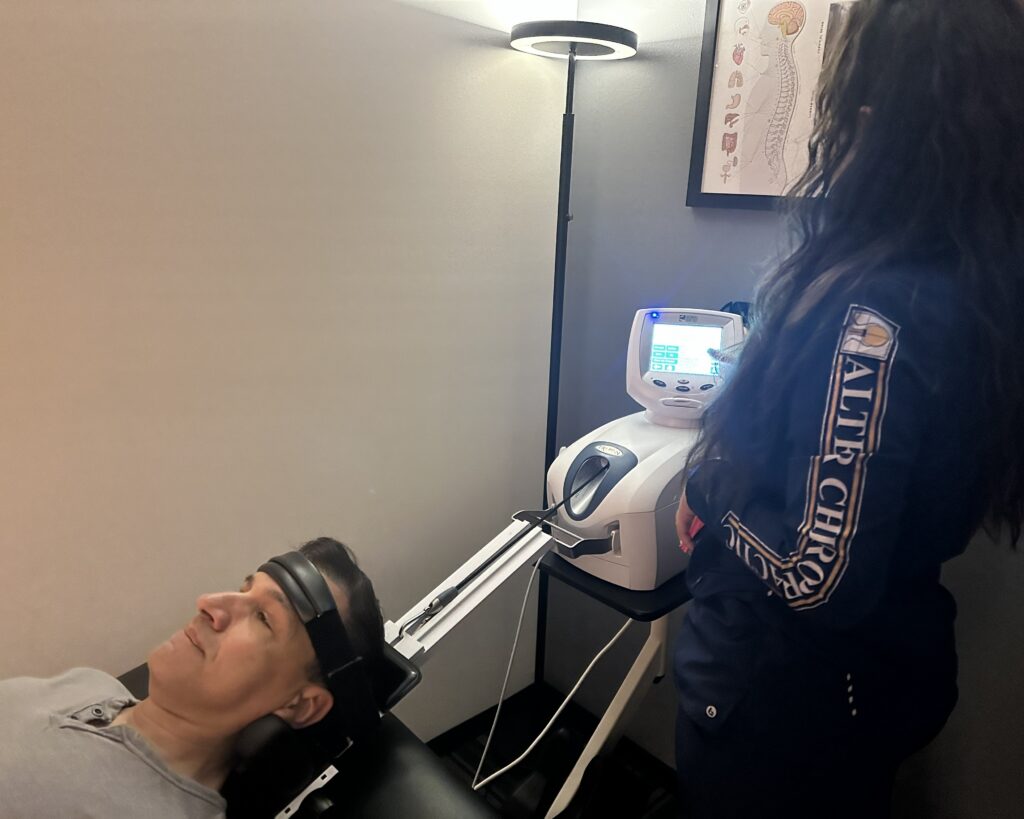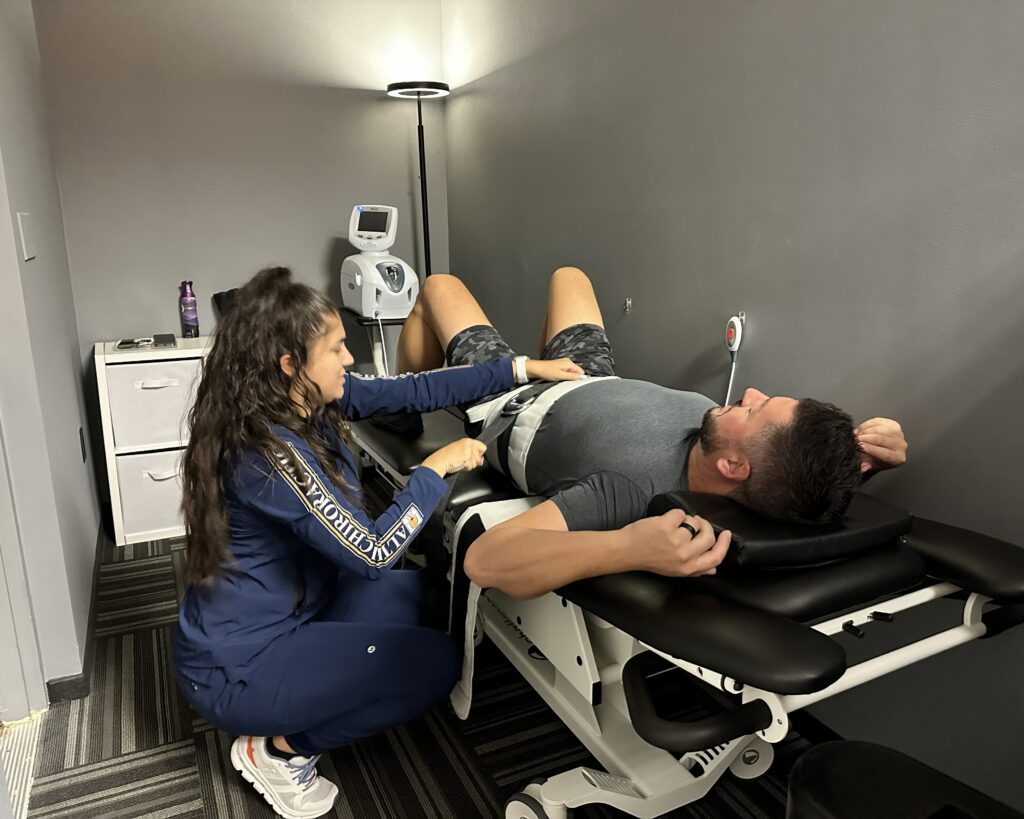

When it comes to managing headaches, you might not realize just how crucial spinal alignment is. Poor alignment can lead to nerve compression and muscle tension, both of which are common triggers for headaches. By prioritizing your spinal health through chiropractic care, you can potentially reduce the frequency and intensity of your headaches—naturally and effectively.
Chiropractic adjustments are designed to restore proper alignment to your spine, which can help alleviate pressure on your nerves and relax tight muscles. This means less discomfort and a much better chance at finding relief from your headaches. If you’re curious about how to integrate spinal alignment into your daily routine, here are some tips to consider:
- Stay Active: Engage in regular physical activity. Gentle exercises like walking, yoga, or stretching can help keep your spine flexible and strong.
- Posture Matters: Be mindful of your posture, especially if you sit for long periods. Make sure your workstation is ergonomically friendly, and take breaks to stretch throughout the day.
- Sleep Smart: Your sleeping position can affect spinal alignment. Aim for a supportive mattress and pillow that keeps your neck and spine aligned while you sleep.
- Hydrate and Nourish: Drinking plenty of water and eating a balanced diet can help maintain muscle health and prevent tension.
- Regular Chiropractic Visits: Make chiropractic care a regular part of your wellness routine. A chiropractor can provide personalized adjustments and guidance tailored to your specific needs.
By focusing on spinal health through chiropractic care, you can take a proactive approach to headache management. It’s a natural, effective way to promote overall wellness and enhance your quality of life. If you have any questions or want to learn more, don’t hesitate to reach out!
Key Takeaways
Understanding How Spinal Alignment Can Help Manage Headaches
As a chiropractor dedicated to your health and wellness, I want to share how proper spinal alignment can be a game-changer in managing headaches. When your spine is aligned correctly, it helps reduce pressure on your nerves. This relief can significantly ease tension headaches and the discomfort that comes with them.
On the other hand, if your spine is misaligned, it can lead to muscle tightness, which often contributes to cervicogenic headaches. Regular chiropractic adjustments can help release this tension, allowing your muscles to relax and reducing headache occurrences.
Good spinal alignment also enhances blood flow throughout your body. This improved circulation can decrease the frequency and intensity of migraines, offering you a more comfortable and pain-free experience.
It’s important to be mindful of your posture, especially during long hours of screen time. Poor alignment while sitting can trigger headaches. Simple adjustments, like sitting up straight and taking regular breaks to stretch, can make a big difference in preventing headaches.
Incorporating regular chiropractic care into your wellness routine supports your spinal health and can lead to fewer headaches. By choosing chiropractic, you’re opting for a natural approach to healing that focuses on your overall well-being.
Remember, taking care of your spine is a key step towards a healthier, headache-free life. If you experience persistent headaches, consider scheduling a visit to your local chiropractor. Together, we can work towards achieving optimal health and reducing your discomfort naturally.
Understanding Spinal Alignment
Understanding spinal alignment is crucial for your overall health and wellness. Your spine isn’t just a structural support; it plays a vital role in your body’s function and well-being. When your spine is properly aligned, you’re more likely to enjoy better posture, reduced pain, and enhanced mobility. Conversely, poor alignment can lead to issues like muscle tension, nerve compression, and chronic discomfort.
It’s important to realize that everyday activities—like sitting at your desk, using your phone, or lifting heavy items—can significantly impact your spinal alignment. By being mindful of your posture and practicing good body mechanics, you can help maintain a healthy spine.
Simple tips include:
- Sit Smart: Ensure your chair supports your lower back and that your feet are flat on the ground while your knees are at hip level.
- Stand Tall: Keep your shoulders back and your head aligned over your spine when standing.
- Lift Properly: Bend at your knees, not at your waist, when lifting heavy objects to prevent strain on your back.
Incorporating regular stretching and strengthening exercises into your routine can also support spinal health. Activities like yoga or Pilates can enhance your flexibility and core strength, which are essential for maintaining good alignment.
If you’re experiencing discomfort, I encourage you to consider chiropractic care. As a chiropractor, I specialize in assessing and correcting misalignments in your spine, which can alleviate pain and improve your overall health. Chiropractic adjustments are a natural and effective way to support your body’s healing processes without the need for medications or surgeries.
Remember, taking proactive steps toward spinal health not only alleviates discomfort but also enhances your overall quality of life, allowing you to stay active and enjoy your daily activities.
Prioritize your spine, and you’ll pave the way for a healthier, more vibrant life!
The Anatomy of Headaches
Proper spinal alignment plays a crucial role in your overall health, particularly when it comes to headaches. By understanding the anatomy of headaches, you can begin to identify their sources and take control of your wellness. Many headaches arise from tension in the muscles surrounding your neck and spine, which can lead to referred pain.
Interestingly, while the brain itself doesn’t have pain receptors, the structures around it, such as blood vessels and nerves, are very sensitive to discomfort.
Headaches can vary significantly in type and intensity. For instance, tension headaches often feel like a tight band squeezing your head, while migraines can bring about debilitating pain, nausea, and sensitivity to light.
As a chiropractor, I want to emphasize that chiropractic care is an effective, natural approach to alleviating headache pain. By focusing on spinal health and proper alignment, we can help reduce tension in the muscles and improve overall nervous system function, which can lead to fewer headaches.
Here are some general tips to help manage and prevent headaches:
- Maintain Good Posture: Being mindful of your posture, especially when sitting for long periods, can reduce strain on your neck and spine.
- Stay Hydrated: Dehydration can trigger headaches, so make sure you’re drinking plenty of water throughout the day.
- Practice Relaxation Techniques: Techniques such as deep breathing, yoga, or meditation can help reduce stress and muscle tension.
- Get Regular Chiropractic Adjustments: Regular visits to a chiropractor can help keep your spine aligned and reduce the frequency and intensity of headaches.
- Limit Screen Time: Take breaks from screens to avoid eye strain and tension headaches.
Common Causes of Misalignment
Misalignment of the spine can often arise from poor posture, particularly when we find ourselves hunched over a desk for long periods. This common scenario can lead to a host of issues, as a sedentary lifestyle tends to weaken the muscles that support our spine.
Furthermore, trauma or injury can cause immediate misalignments, which may even lead to debilitating chronic headaches.
At our chiropractic practice, we believe in addressing these issues through natural healing methods. Chiropractic care is a powerful way to realign the spine and restore proper function, allowing your body to heal itself.
By receiving regular adjustments, you can significantly improve your posture, alleviate pain, and enhance your overall well-being.
Here are some practical tips to help you maintain a healthy spine:
- Practice Good Posture: Be mindful of your posture while sitting or standing. Keep your shoulders back and your spine straight to minimize strain on your back.
- Take Breaks: If you work at a desk, make it a habit to take short breaks every hour. Stand up, stretch, and move around to keep your muscles engaged and prevent stiffness.
- Strengthen Your Core: Incorporate exercises that strengthen your core muscles, as they play a crucial role in supporting your spine. Simple activities like planks or bridges can make a big difference.
- Stay Active: Engage in regular physical activity that you enjoy, whether it’s walking, swimming, or yoga. This won’t only help with muscle strength but also improve your flexibility.
- Listen to Your Body: If you experience discomfort or pain, don’t ignore it. Seeking chiropractic care can help identify and address the root cause of your misalignment.
By focusing on these simple yet effective strategies and prioritizing chiropractic care, you can achieve optimal health and wellness in your daily life.
Your spine is the foundation of your overall health, so let’s take care of it together!
Poor Posture Effects
When you spend long hours hunched over a computer or slouched on the couch, your posture can take a hit, leading to spinal misalignment. Poor posture can create tension in your neck and shoulders, which may increase the likelihood of headaches. As a chiropractor, I want to help you understand the common causes of poor posture and how we can work together to improve your spinal health:
| Cause | Effect |
|---|---|
| Slouching | Compressed spinal discs |
| Prolonged sitting | Tight hip flexors |
| Cradling a phone | Neck strain |
| Unsupportive furniture | Misalignment of the spine |
| Lack of ergonomic setup | Increased muscle tension |
Recognizing these habits is the first step towards enhancing your posture and alleviating headache symptoms. Here are some simple tips to consider:
- Adjust Your Workspace: Make sure your chair supports your lower back and your computer screen is at eye level. This can significantly reduce strain on your neck and back.
- Take Frequent Breaks: Stand up, stretch, and move around every 30-60 minutes to keep your muscles loose and your spine happy.
- Strengthen Your Core Muscles: A strong core supports good posture. Incorporate exercises like planks and bridges into your routine.
- Mind Your Phone Use: Try to hold your phone at eye level instead of cradling it between your shoulder and ear, which can lead to neck strain.
- Consider Chiropractic Care: Regular chiropractic adjustments can help realign your spine, relieve tension, and promote overall wellness.
Sedentary Lifestyle Influence
A sedentary lifestyle can significantly affect your spinal alignment, particularly if you spend the majority of your day sitting. When you find yourself slouching or leaning forward, it can disrupt the natural curve of your spine, leading to misalignments.
These misalignments can create tension in your neck and shoulders, often resulting in headaches. Additionally, sitting for long periods can weaken your core muscles, making it more difficult for your spine to maintain proper support. This lack of strength can contribute to poor posture and increase your risk of experiencing chronic pain.
As a chiropractor, I want to emphasize the importance of regular movement to help combat these issues. Taking breaks to stand, stretch, or walk around can be incredibly beneficial for your spinal health.
Simple stretches can help release tension in your neck and shoulders, while walking promotes circulation and strengthens your core.
Incorporating chiropractic care into your routine is an excellent way to support your spine and overall health. Regular adjustments can help restore proper alignment, alleviate tension, and reduce the frequency and intensity of headaches.
Trauma and Injury
In addition to a sedentary lifestyle, trauma and injury play a significant role in spinal misalignment, which can lead to discomfort and headaches. Whether it’s a minor accident or a more serious incident, these situations can disrupt the natural balance of your spine.
Here are some common causes of misalignment you should be aware of, along with tips on how chiropractic care can help restore your well-being:
- Car Accidents: Even a minor fender bender can jolt your spine, leading to misalignment. A chiropractor can assess your spine and help realign it, reducing pain and restoring function.
- Sports Injuries: Whether from falls, collisions, or overexertion in sports, these injuries can put stress on your spinal structures. Chiropractic adjustments can help relieve tension and promote healing in your spine.
- Workplace Injuries: Poor lifting techniques or repetitive motions can lead to misalignment. Incorporating regular chiropractic adjustments into your routine can help maintain proper alignment and prevent future injuries.
- Slip and Falls: Losing your balance can create unexpected stress on your spine. If you’ve experienced a slip or fall, seeking chiropractic care promptly can help mitigate long-term issues and promote recovery.
Remember, addressing these injuries early is crucial. Chiropractic care focuses on natural healing and can be instrumental in maintaining proper spinal alignment, reducing discomfort, and preventing headaches.
Here are a few general tips to keep your spine healthy:
- Practice Good Posture: Whether sitting or standing, maintaining good posture helps support spinal alignment.
- Stay Active: Engage in regular physical activity to strengthen your back muscles and improve overall spinal health.
- Listen to Your Body: If you experience pain or discomfort, don’t wait—seek chiropractic care to address the issue before it worsens.
By prioritizing your spinal health through chiropractic care, you can achieve optimal wellness and a pain-free life.
Don’t overlook the importance of seeking treatment after any trauma; it can make a significant difference in your recovery and long-term health!
How Spinal Misalignment Affects Headaches
Spinal misalignment can significantly contribute to headaches, as the position of your spine plays a crucial role in nerve function and muscle tension. When your spine is out of alignment, it can create pressure on your nerves, sending pain signals to your brain. Additionally, misalignment can lead to muscle tightness in your neck and shoulders, making headache symptoms even worse.
Here’s a simple table to illustrate how spinal misalignment can lead to different types of headaches and what you can do about it:
| Effect of Misalignment | Symptoms | Potential Solutions |
|---|---|---|
| Increased nerve pressure | Tension headaches | Chiropractic adjustments |
| Muscle tightness | Cervicogenic headaches | Gentle stretching and relaxation |
| Altered blood flow | Migraines | Regular exercise and staying hydrated |
| Poor posture | Cluster headaches | Ergonomic adjustments at work |
| Stress accumulation | Chronic headaches | Stress management techniques |
By addressing spinal alignment through chiropractic care, you can greatly reduce the frequency and intensity of headaches. Here are some general tips you can incorporate into your daily routine:
- Stay Hydrated: Drink plenty of water throughout the day to help maintain good blood flow and reduce headache triggers.
- Practice Good Posture: Be mindful of your posture while sitting and standing. Using ergonomic furniture can help support your spine.
- Incorporate Stretching: Take breaks to stretch your neck and shoulders, especially if you spend long hours at a desk.
- Manage Stress: Try relaxation techniques such as deep breathing, meditation, or yoga to help reduce stress levels, which can trigger headaches.
- Regular Chiropractic Visits: Consider regular chiropractic adjustments to keep your spine aligned and functioning optimally.
Chiropractic care is a natural and effective way to address the root causes of headaches and promote overall wellness. By focusing on spinal health, you can not only find relief from headaches but also enhance your quality of life.
The Role of Posture in Headache Prevention
Posture is a vital factor in preventing headaches, especially for those who may already be experiencing discomfort due to spinal misalignment. By focusing on maintaining proper posture, you can significantly alleviate the tension that often leads to headaches.
Here are some simple yet effective habits to incorporate into your daily routine:
- Sit Up Straight: Make it a habit to keep your back straight and shoulders relaxed. This small adjustment can help reduce strain on your neck and spine, ultimately minimizing headache triggers.
- Screen Height: Ensure your computer screen is at eye level. This helps you avoid leaning forward or tilting your head down, both of which can add unnecessary stress to your neck and upper back.
- Take Breaks: Don’t forget to take regular breaks from your desk or work area. Stand up, stretch, and reset your posture. This practice not only relieves tension but also enhances your overall productivity.
- Strengthen Core Muscles: Engaging in exercises that focus on strengthening your core can greatly improve your spinal alignment. A strong core supports your posture, which is essential for preventing headaches and promoting overall wellness.
By adopting these simple practices, you can create a healthier, more comfortable environment for yourself.
Additionally, consider incorporating regular chiropractic care into your wellness routine. Chiropractic adjustments can help ensure your spine is properly aligned, leading to improved posture and reduced headache frequency.
Chiropractic Care and Spinal Health
When you choose chiropractic care, you’re making a smart decision to support your spinal health and overall well-being. Regular visits to a chiropractor allow us to pinpoint and fix misalignments in your spine, which can significantly enhance your health.
By gently realigning your vertebrae, chiropractic adjustments relieve pressure on your nerves, improving the communication between your brain and body. These adjustments can help reduce inflammation and boost blood flow, both of which are vital for healing and maintaining good health.
As you enjoy better spinal alignment, you may find that headaches become less frequent and less severe. Incorporating chiropractic care into your regular health routine not only helps lessen headaches but also improves your posture and mobility.
By understanding the strong connection between spinal health and overall wellness, you’re taking charge of your comfort and activity levels.
Here are a few tips to keep in mind for maintaining a healthy spine:
- Stay Active: Regular physical activity strengthens your muscles and supports your spine. Aim for a mix of cardio, strength training, and flexibility exercises.
- Practice Good Posture: Be mindful of your posture when sitting, standing, and moving. Use ergonomic furniture and take breaks to stretch if you sit for long periods.
- Stay Hydrated: Drinking plenty of water helps keep your spinal discs hydrated and healthy.
- Listen to Your Body: If you feel discomfort or pain, don’t ignore it. Schedule a visit with your chiropractor to address any issues early on.
Exercises to Improve Spinal Alignment
Maintaining proper spinal alignment is essential for overall health, and while regular chiropractic visits are key, it’s also important to incorporate specific exercises into your daily routine.
These exercises not only strengthen your muscles but also enhance your posture, which can significantly reduce the frequency of headaches and other discomforts.
Here are four effective exercises you can easily include in your routine:
- Chin Tucks: This simple exercise helps align your neck and head. Sit or stand up straight, then gently tuck your chin in towards your neck, holding that position for a few seconds. This keeps your spine aligned and reduces strain. Aim to repeat this 10 times.
- Cat-Cow Stretch: This dynamic stretch is great for your spine. Start on all fours, then arch your back upwards like a cat, and then dip it down while lifting your head, creating a gentle flow. Alternate between these positions for 10 repetitions to loosen up your spine and improve flexibility.
- Wall Angels: This exercise helps open up your shoulders and improve posture. Stand with your back flat against a wall, arms raised in a “W” position. Slowly slide your arms up to form a “Y” and then back down. Repeat this 10 times to engage your upper back muscles and encourage proper alignment.
- Bridges: This exercise strengthens your lower back and glutes, which are crucial for maintaining a healthy spine. Lie on your back with your knees bent and feet flat on the floor. Lift your hips towards the ceiling while squeezing your glutes, then lower back down. Do this for 10-15 repetitions to build strength and support your spinal health.
Incorporating these exercises into your routine can greatly enhance your spinal alignment and overall well-being.
Remember, consistent chiropractic care is the best way to achieve optimal health, and these exercises are a great way to support your body in between visits.
Stay proactive about your health and enjoy the benefits of a well-aligned spine!
The Benefits of Ergonomics
You can significantly decrease headache triggers by optimizing your workspace with ergonomic adjustments. By fine-tuning your desk setup, chair height, and screen position, you not only enhance your comfort but also promote better spinal alignment. This is essential for maintaining overall health and wellness.
Here are some simple tips to create a more ergonomic workspace:
- Desk Setup: Ensure your desk is at a height that allows your elbows to rest at a 90-degree angle while typing. This reduces strain on your neck and shoulders.
- Chair Height: Your chair should support your lower back and allow your feet to rest flat on the floor. This alignment helps maintain a healthy spine and can prevent discomfort.
- Screen Position: Position your computer monitor at eye level, about an arm’s length away. This minimizes neck strain and helps keep your spine aligned.
Remember, these adjustments can have a positive impact on your well-being and may help alleviate headache symptoms.
However, if you continue to experience discomfort, chiropractic care can provide targeted relief. Chiropractors focus on spinal health and can help you achieve optimal alignment, enhancing your overall quality of life.
Prioritize your spinal health and consider making chiropractic care a part of your wellness routine for lasting benefits.
Proper Desk Setup
A well-organized desk can significantly enhance your work experience by promoting comfort and productivity, while also supporting your spinal health. When you arrange your workspace thoughtfully, you can minimize the risk of headaches and strain, which is essential for maintaining overall wellness.
As a chiropractor, I believe that proper desk setup plays a crucial role in achieving optimal health. Here are four essential elements to focus on for an effective desk arrangement that supports your spine and well-being:
- Monitor Height: Ensure your monitor is positioned at eye level. This helps to prevent neck strain, which can lead to discomfort over time. If you find yourself leaning forward or looking down, it’s time to adjust.
- Keyboard Placement: Your keyboard should be at a height that allows your elbows to form a 90-degree angle. This alignment not only promotes better posture but also reduces tension in your shoulders and arms.
- Lighting: Use adequate lighting to avoid glare on your screen and to minimize eye strain. Good lighting is key to reducing fatigue, which can impact your overall health and productivity.
- Desk Clutter: A tidy workspace can reduce distractions and stress, allowing you to focus on your tasks. A clear desk helps create a clear mind, supporting both mental health and physical well-being.
By implementing these simple adjustments, you’re not just improving your desk setup; you’re fostering better spinal alignment and reducing the likelihood of headaches.
Chair Height Adjustment
Adjusting your chair height is one of the simplest yet most impactful changes you can make for your ergonomic setup, and it plays a crucial role in promoting spinal health. When your chair is at the right height, your feet should rest flat on the floor, which encourages better circulation and helps maintain proper spinal alignment. This position can significantly reduce strain on your back and neck, minimizing the risk of discomfort and headaches.
You’ll likely experience improved comfort and focus throughout your workday, which is essential for overall wellness.
To find the ideal chair height, sit down and ensure that your knees are at a 90-degree angle, keeping your thighs parallel to the ground. This alignment is important for maintaining the natural curves of your spine. Additionally, don’t forget about your armrests; they should gently support your arms without causing your shoulders to lift.
Remember, making small adjustments to your workspace can lead to significant benefits for your health. If you’re dealing with discomfort or pain, consider consulting with a chiropractor. They can help assess your posture and provide personalized tips to enhance your setup for optimal spinal health.
Prioritizing proper ergonomics is a step towards a healthier, pain-free life, and chiropractic care is a natural and effective approach to achieving that goal.
Screen Positioning Tips
Proper screen positioning can significantly enhance your workspace comfort and overall health. When your screen is set up correctly, you can help reduce strain on your neck and eyes, which may assist in managing headaches and promoting better spinal health.
Here are four essential tips for achieving optimal screen ergonomics that align with a chiropractic approach to wellness:
- Eye Level: Position your screen so that the top is at or just below your eye level. This helps maintain a neutral neck position, reducing stress on your spine.
- Distance: Keep the screen about an arm’s length away from you. This distance can help minimize eye strain and encourages you to sit up straight, which is crucial for maintaining a healthy posture.
- Tilt: Angle the screen slightly backward (10-20 degrees) to reduce glare. This simple adjustment can make it easier for your eyes to focus, further supporting your neck and back alignment.
- Comfort: Adjust the brightness and contrast of your screen to suit your environment. Proper lighting can help you avoid squinting, which can lead to tension headaches and eye fatigue.
By implementing these tips, you can create a workspace that not only enhances productivity but also supports your spine and overall well-being.
Lifestyle Changes for Better Spinal Health
Many people underestimate how daily habits can impact spinal health, but making some simple lifestyle changes can lead to significant improvements in your alignment and overall wellness. As a chiropractor, I want to emphasize the importance of maintaining good posture throughout the day.
Whether you’re sitting, standing, or walking, keeping your spine in a neutral position can greatly reduce strain on your back and help prevent discomfort.
Incorporating regular physical activity into your routine is essential for spinal health. Activities like yoga, pilates, and swimming are fantastic for strengthening your core, which supports proper spinal alignment.
Not only do these exercises enhance your physical strength, but they also promote flexibility and balance, further protecting your spine.
Your sleep environment plays a vital role in how well your spine rests overnight. Investing in a supportive mattress and pillow can make a world of difference.
Look for options that keep your spine aligned while you sleep, which helps prevent morning stiffness and discomfort.
It’s also crucial to avoid prolonged periods of sitting. If your job requires you to stay seated for long hours, make it a habit to take breaks to stretch or walk around.
These short breaks can rejuvenate your body and help maintain your spinal health throughout the day.
Don’t forget about your footwear! Wearing supportive shoes can prevent misalignment that can stem from poor foot posture.
Choose shoes that provide good arch support and cushioning to help keep your spine in alignment.
By making these adjustments and incorporating chiropractic care into your wellness routine, you can enhance your spinal health and improve your overall quality of life.
Chiropractic care focuses on natural healing, helping you achieve optimal health without the need for medications or surgeries.
Integrating Spinal Alignment Into Headache Management Strategies
Integrating spinal alignment into your headache management strategy can truly enhance your overall well-being. When you prioritize proper spinal health through chiropractic care, you’ll likely notice a decrease in the frequency and intensity of headaches, leading to a better quality of life.
Chiropractic care focuses on aligning the spine to support your nervous system, which plays a crucial role in how your body functions. When your spine is aligned correctly, it can help alleviate tension and reduce the strain that often leads to headaches.
Here are some effective techniques to consider:
- Regular Chiropractic Adjustments: Visiting a chiropractor for regular adjustments can keep your spine aligned, improving your posture and reducing nerve irritation that may trigger headaches.
- Posture Awareness: Be mindful of your posture, especially if you spend long hours sitting at a desk or looking at screens. Keep your shoulders back and your spine straight to minimize stress on your neck and upper back.
- Neck Stretches: Incorporating gentle neck stretches into your daily routine can relieve muscle tension. Simple movements like tilting your head side to side can help maintain flexibility and reduce discomfort.
- Ergonomic Setup: Ensure that your workspace is ergonomically friendly. Adjust your chair, desk, and computer screen height to promote better posture and reduce strain on your spine.
- Stay Hydrated: Drinking plenty of water is essential for overall health and can help prevent headaches. Dehydration can lead to tension and discomfort, so make it a habit to sip water throughout the day.
- Mindfulness and Relaxation Techniques: Stress can contribute significantly to headaches. Practices such as deep breathing, yoga, or meditation can help you relax and manage stress better, which may reduce headache occurrences.
By incorporating these strategies into your routine and prioritizing chiropractic care, you can take significant steps toward managing headaches naturally and improving your overall health.
Importance of Spinal Health
Spinal health is a key factor in achieving overall well-being, particularly when it comes to managing headaches. When your spine is aligned properly, it can significantly alleviate tension and discomfort. As a chiropractor, I want to share some important insights on why maintaining good spinal health is crucial for headache relief and overall wellness:
- Boosts Nerve Function: A properly aligned spine helps optimize nerve function, which can reduce the pain signals that contribute to headaches. When your nervous system is functioning well, your body can communicate more effectively, leading to less discomfort.
- Enhances Blood Flow: Correct spinal alignment promotes better blood circulation, ensuring that your brain receives the necessary nutrients and oxygen it needs to function optimally. Improved blood flow can help minimize headache triggers.
- Reduces Muscle Tension: Maintaining good spinal health can help lower muscle tension, a common cause of headaches. Regular chiropractic adjustments can help ensure your muscles are relaxed and functioning properly, providing relief from tightness.
- Improves Posture: Good spinal alignment plays a significant role in maintaining proper posture. By focusing on your posture, you can prevent the strain that often leads to headaches. Simple tips like sitting straight, keeping your shoulders back, and taking breaks to stretch can make a big difference.
Incorporating chiropractic care into your wellness routine is a natural and effective way to support spinal health and manage headaches. Regular adjustments can keep your spine aligned and your body functioning at its best.
If you’re experiencing persistent headaches, consider visiting a chiropractor to explore how spinal health can contribute to your overall well-being. Remember, taking care of your spine is a vital step toward living a healthier, pain-free life!
Techniques for Alignment
Maintaining proper spinal alignment is essential not only for your comfort but also for effective headache management. As a chiropractor, I want to share some straightforward techniques that you can easily incorporate into your daily life to enhance your spinal health and potentially reduce headaches.
First and foremost, pay attention to your posture. Keeping your back straight and your shoulders relaxed while sitting or standing can make a significant difference. Consider investing in ergonomic furniture that supports your spine, as this can help you maintain proper alignment throughout the day.
Incorporating stretching and strengthening exercises, such as yoga or Pilates, can also be beneficial. These practices improve flexibility and promote better spinal alignment.
Remember, regular chiropractic adjustments are a fantastic way to realign your spine and alleviate potential headache triggers.
Don’t overlook the importance of your sleeping position as well. Using a supportive pillow that maintains proper neck alignment can help you wake up feeling refreshed and headache-free.
By integrating these simple techniques into your routine, you can enhance your spinal health and experience fewer headaches. Consistency is key, so make these practices a staple in your everyday life.
Trust in chiropractic care as a natural and effective way to achieve optimal health and wellness.
Benefits of Proper Alignment
When you prioritize proper alignment, you’re not just investing in your spinal health; you’re also taking a significant step toward alleviating headaches naturally. As a chiropractor, I want to emphasize the many benefits of spinal alignment that can greatly enhance your overall well-being. Here are four key advantages you can experience:
- Reduced Tension: Aligned vertebrae help relieve pressure on your muscles and nerves, which can significantly minimize tension headaches. By keeping your spine in the right position, you reduce the strain on your body.
- Improved Circulation: Proper alignment boosts blood flow, ensuring your brain gets the oxygen it needs to function optimally. This can help you feel more energized and focused, reducing the likelihood of headaches.
- Enhanced Range of Motion: Maintaining an aligned spine allows for better movement, which reduces stiffness that can trigger headaches. When your body moves freely, it can also help prevent discomfort and pain.
- Stress Relief: With less pain and tension in your body, you’ll feel more relaxed. This relaxation can help decrease the frequency of headaches, allowing you to enjoy your daily activities without interruption.
To incorporate alignment techniques into your routine, consider regular chiropractic adjustments, which can help maintain your spine’s health. Additionally, practice good posture, take breaks to stretch during long periods of sitting, and stay hydrated to support overall wellness.
Embracing chiropractic care is a natural and effective way to manage headaches and achieve optimal health.
Conclusion
Incorporating proper spinal alignment into your headache management routine can significantly enhance your overall well-being. As a local chiropractor, I want to emphasize the crucial role spinal health plays in preventing and alleviating headaches. Misalignment in the spine can lead to increased tension and nerve compression, which often triggers headache pain. By prioritizing good posture and maintaining a healthy spine, you can effectively reduce these discomforts.
Engaging in specific exercises that promote spinal health is essential. Simple activities like stretching, strengthening your core, and practicing yoga can help maintain alignment and prevent headaches. Additionally, making ergonomic adjustments in your workspace and daily life—like using a chair that supports your back or adjusting your computer height—can make a big difference in how you feel throughout the day.
Remember, chiropractic care is a natural and effective way to achieve optimal health and relieve pain. Regular visits to your chiropractor can help ensure your spine stays aligned, reducing the frequency and intensity of headaches. By taking these steps, not only will you alleviate headache discomfort, but you’ll also foster a healthier spine, leading to an improved quality of life. Embrace these tips for a happier, healthier you!