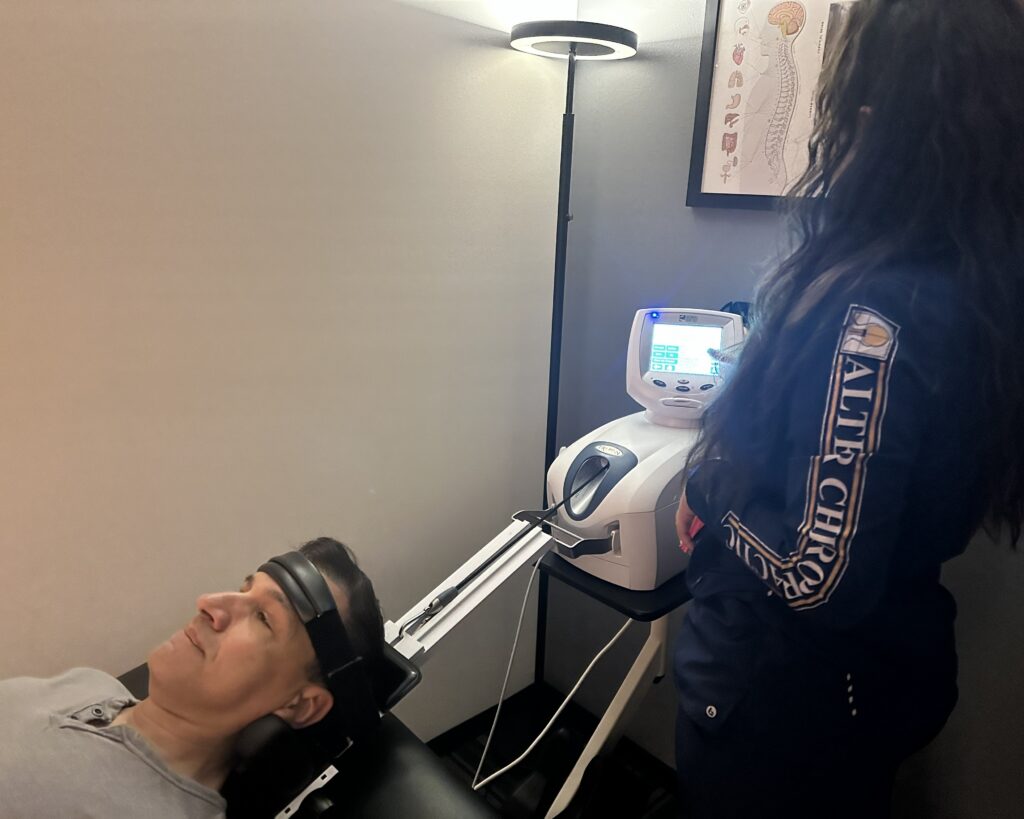
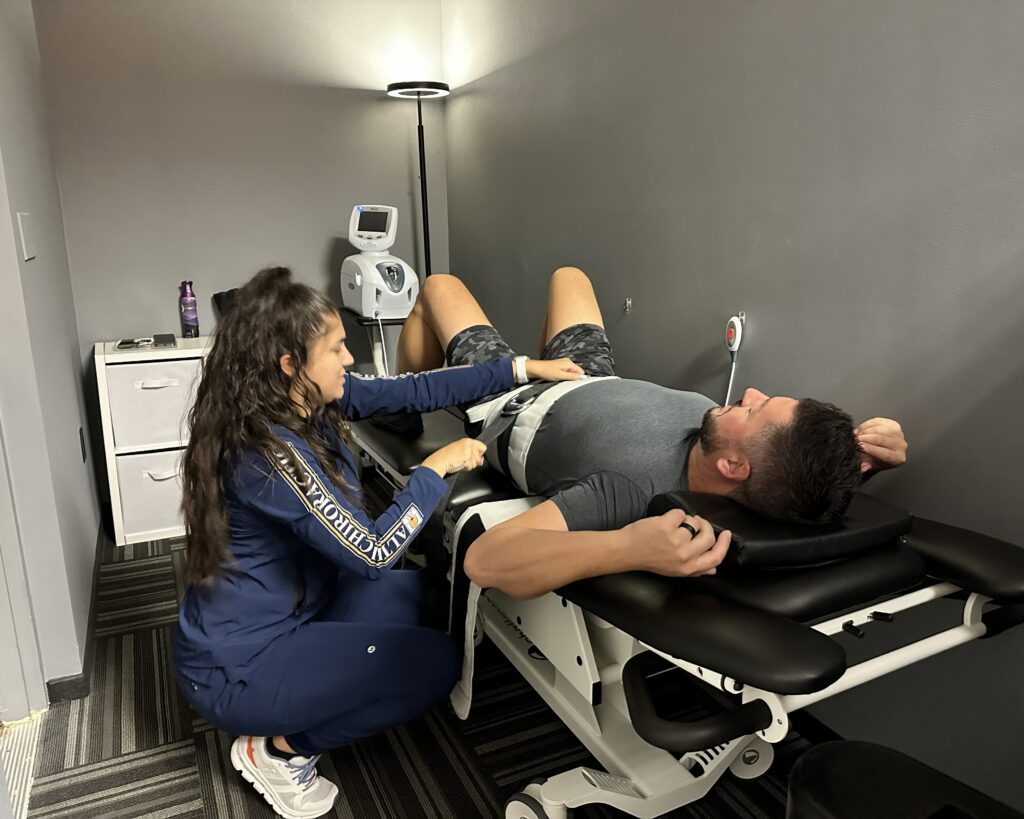
Tension headaches can be frustrating and persistent, but there’s no need to rely solely on medications for relief. As a chiropractor, I believe that by making simple adjustments to your daily habits and incorporating mindful practices, you can significantly reduce the frequency and intensity of these headaches.
One of the most effective ways to address tension headaches is through spinal care. Poor posture can place undue stress on your spine and surrounding muscles, leading to tension and pain. Regular chiropractic adjustments can help align your spine, improve your posture, and relieve pressure on the nerves, which may alleviate headache symptoms.
In addition to spinal care, consider incorporating stress management techniques into your routine. Practices such as deep breathing, yoga, or meditation can help reduce stress levels, which is often a trigger for tension headaches.
Stay hydrated and maintain a healthy diet, as proper nutrition plays a crucial role in your overall well-being. Regular exercise can also help to relieve tension and improve your body’s resilience against headaches.
Remember, chiropractic care is a natural and effective way to achieve optimal health and wellness. By focusing on your spinal health and adopting healthy lifestyle habits, you can take control of your well-being and ease those nagging headaches. If you’re struggling with tension headaches, don’t hesitate to reach out to a chiropractor for personalized advice and care.
Key Takeaways
Stop Tension Headaches Naturally with Chiropractic Care
Tension headaches can be a real pain, but there are natural ways to find relief. As a local chiropractor, I want to share some effective strategies that not only address headaches but also promote overall wellness.
- Mindfulness Techniques: Incorporating mindfulness practices such as deep breathing and meditation can significantly reduce stress and muscle tension, which are often contributors to tension headaches. Taking a few minutes each day to focus on your breath can help calm your mind and relax your body.
- Posture Matters: Maintaining good posture is crucial for avoiding unnecessary strain on your neck and shoulders. Consider using ergonomic furniture that supports your spine and take regular breaks to stretch. This will help keep your muscles relaxed and reduce the risk of headaches.
- Hydration and Nutrition: Staying hydrated is essential for overall health. Aim to drink at least eight 8-ounce glasses of water daily. Additionally, focus on a balanced diet filled with fruits and vegetables, which can help nourish your body and reduce headache triggers.
- Physical Activity: Regular exercise is a great way to release endorphins, which can boost your mood and alleviate muscle tension. Whether it’s a brisk walk, yoga, or any activity you enjoy, staying active can help fend off headaches.
- Chiropractic Care: Regular visits to your chiropractor can play a key role in reducing headache frequency and intensity. Chiropractic adjustments can help correct spinal misalignments that may be contributing to your headaches, promoting proper nervous system function and overall well-being.
By adopting these natural strategies and prioritizing chiropractic care, you can take proactive steps toward a healthier, headache-free life. Remember, we’re here to support you on your journey to optimal health!
Understanding Tension Headaches
Tension headaches can feel like a tight band around your head, leading to discomfort that affects your daily life. You may notice a dull, aching pain that persists, often accompanied by tenderness in your scalp, neck, or shoulders. These headaches can vary in strength and can last anywhere from 30 minutes to several days. Unlike migraines, tension headaches usually don’t cause nausea or sensitivity to light, which sometimes makes them easier to overlook.
You might find that tension headaches often occur during stressful times or after extended periods of focus. It’s important to understand their nature so you can manage them effectively. Recognizing the symptoms allows you to distinguish tension headaches from other types of headaches. By being in tune with your body and noting when these headaches happen, you can take proactive steps to lessen their impact on your life.
Chiropractic care is an excellent option for relieving tension headaches. By addressing misalignments in your spine and promoting proper posture, chiropractic adjustments can help reduce tension in your neck and shoulders, which are often contributing factors to headache pain. Regular chiropractic visits can’t only alleviate your symptoms but also help prevent future headaches by improving your overall spinal health.
In addition to seeking chiropractic care, consider incorporating some easy lifestyle changes. Taking breaks during long periods of focus, practicing relaxation techniques such as deep breathing or yoga, and ensuring you’re staying hydrated can all contribute to reducing tension headaches.
Common Triggers and Causes
You might be surprised to learn that tension headaches often arise from everyday habits and stressors that we can easily address. Common triggers include stress and anxiety, poor posture, and even dehydration. By recognizing these causes, you can take proactive steps to prevent and alleviate your headaches naturally.
As a chiropractor, I want to emphasize the importance of spinal health in managing tension headaches. Poor posture, for instance, can lead to misalignments in the spine, which may contribute to tension in the neck and shoulders, ultimately resulting in headaches. Maintaining proper posture throughout your day—whether sitting at a desk or standing—can make a significant difference.
Additionally, staying hydrated is essential for overall well-being and can help reduce headache frequency. Aim to drink plenty of water throughout the day, and consider integrating gentle stretches or exercises to relieve tension in your neck and upper back.
Chiropractic care is a fantastic approach to achieving optimal health and addressing the root causes of your headaches. Regular adjustments can help realign your spine, improve your posture, and release built-up tension.
Stress and Anxiety
Stress and anxiety can significantly impact your overall health and well-being, and understanding their common triggers is essential for managing the tension that often leads to headaches. Everyday stressors, such as work pressures and personal responsibilities, can elevate your stress levels. Financial worries or relationship conflicts can also contribute to feelings of anxiety.
Even minor irritations, like long commutes or packed schedules, can accumulate, increasing tension within your body.
As a chiropractor, I want to emphasize the importance of recognizing how stress and anxiety manifest physically. You may notice symptoms like muscle tightness, a racing heart, or even discomfort in your neck and back. These physical manifestations can often be alleviated through chiropractic care, which focuses on restoring proper alignment and function to your spine, promoting better overall health.
By identifying your stress and anxiety triggers, you can take proactive steps to reduce their effects. Incorporating natural techniques into your routine can make a significant difference. Consider practices such as deep breathing, mindfulness, and regular physical activity, which can help alleviate symptoms and promote relaxation.
Chiropractic care plays a vital role in supporting your journey towards optimal health. Regular adjustments can help relieve tension in your muscles and spine, enhancing your body’s ability to cope with stress.
Poor Posture
Poor posture can creep up on you, especially during long hours spent sitting at a desk or hunching over your devices. When you slouch or lean forward, you place unnecessary strain on your neck and shoulder muscles, which can lead to tension headaches. Often, you mightn’t notice the discomfort until it turns into a throbbing pain.
The position of your head can affect the muscles in your neck, causing tightness that radiates to your skull. Even common habits, like cradling your phone between your shoulder and ear, can worsen your alignment and increase pressure on your spine.
As a chiropractor, I want you to understand that maintaining good posture is essential for your overall health and wellbeing. Here are some simple tips to help you improve your posture and reduce discomfort:
- Be Mindful of Your Position: Make a conscious effort to sit up straight. Your ears should be aligned with your shoulders, and your back should have a natural curve.
- Use Ergonomic Furniture: Consider using chairs and desks that support your spine’s natural alignment. An ergonomic chair can help reduce the strain on your back and neck.
- Take Regular Breaks: Schedule short breaks to stand up, stretch, and reset your posture. Movement helps relieve tension and keeps your muscles engaged.
- Strengthen Your Core: A strong core supports your spine and can help improve your posture. Incorporate exercises that target your abdominal and back muscles.
- Practice Good Habits: When using your phone or computer, try to bring the device to eye level instead of bending your neck down. This simple adjustment can significantly reduce strain.
By focusing on these tips and making adjustments to your daily habits, you can enhance your posture and overall health.
Dehydration and Nutrition
Dehydration and inadequate nutrition are often overlooked factors that can contribute to tension headaches. When your body is lacking hydration, it can’t function at its best, which may lead to discomfort and pain. To help prevent headaches, aim to drink at least eight 8-ounce glasses of water each day. Remember to adjust your intake based on how active you are and the climate you’re in. Staying properly hydrated is a simple yet effective way to support your overall health and wellness.
Nutrition also plays a crucial role in how we feel. When you skip meals or rely too heavily on caffeine and sugary snacks, it can disrupt your body’s balance and trigger headaches. Instead, focus on a balanced diet filled with colorful fruits, fresh vegetables, whole grains, and lean proteins. These nutrient-rich foods provide the essential vitamins and minerals needed to keep headaches at bay and promote overall wellness.
As a chiropractor, I encourage you to listen to your body. If you find yourself feeling fatigued or irritable, it may be a sign that you need to hydrate more or incorporate more nutrient-dense foods into your meals. Prioritizing hydration and nutrition not only supports your body but also enhances the effectiveness of chiropractic care.
In addition to these lifestyle changes, regular chiropractic adjustments can help alleviate pain and tension in the body, promoting better alignment and function. By taking a holistic approach to your health, combining proper hydration, nutrition, and chiropractic care, you can achieve optimal wellness and reduce the frequency of headaches naturally.
Lifestyle Changes for Prevention
To prevent tension headaches, making some lifestyle changes can significantly improve your health and well-being. As a local chiropractor, I encourage you to consider natural methods for pain relief and overall wellness.
One effective way to start is by incorporating stress management techniques into your daily routine. This can include practices such as deep breathing, meditation, or gentle yoga, which can help alleviate tension in your body.
Additionally, setting up an ergonomic workspace is crucial. Ensure that your chair and desk are at the right height to support your spine and reduce strain on your neck and shoulders. Small adjustments, like using a supportive chair and keeping your computer monitor at eye level, can make a big difference in preventing discomfort.
Regular chiropractic care is another fantastic way to maintain a healthy spine and prevent tension headaches. A chiropractor can help identify any misalignments or tension in your muscles that may contribute to headaches, providing gentle adjustments to promote better alignment and relief.
Stress Management Techniques
While stress is a common trigger for tension headaches, incorporating effective stress management techniques can significantly lessen their frequency and intensity.
As a chiropractor, I believe in the power of natural healing and healthy living to promote overall wellness. Here are three simple strategies you can easily weave into your daily routine to help manage stress and support your spinal health:
1. Practice Mindfulness: Take a few minutes each day to focus on your breath or engage in meditation. This practice not only calms your mind but also helps reduce the physical tension in your body that can lead to headaches.
Mindfulness promotes relaxation, allowing your spine and nervous system to function optimally.
2. Exercise Regularly: Engaging in physical activity is essential for releasing endorphins, which naturally lift your mood and alleviate tension in your muscles.
Aim for at least 30 minutes of movement most days. Whether it’s a brisk walk, yoga, or any form of exercise you enjoy, staying active supports your spinal health and overall well-being.
3. Prioritize Sleep: Quality sleep is crucial for healing and recovery. Ensure you get enough restful sleep each night by establishing a calming bedtime routine.
This allows your body to unwind, recharge, and supports the health of your spine, which in turn can help reduce stress and tension headaches.
By integrating these strategies into your life, you can enhance your overall health and well-being.
Remember, chiropractic care can also play a vital role in managing stress and alleviating headaches by addressing spinal misalignments and promoting proper nervous system function.
If you’re experiencing frequent tension headaches, consider visiting your local chiropractor for a personalized approach to your health.
Ergonomic Workspace Setup
Creating an ergonomic workspace is crucial for maintaining overall health and preventing tension headaches, particularly if you spend long hours at a desk. As a chiropractor, I want to emphasize that proper posture and workspace setup can significantly contribute to your spinal health and overall well-being.
Start by adjusting your chair to ensure that your feet rest flat on the floor and your knees are at a right angle. This position helps maintain the natural curve of your spine, reducing strain on your back.
Next, position your monitor at eye level, about an arm’s length away. This alignment will prevent neck strain, which is a common trigger for headaches.
Using a keyboard and mouse that allow your wrists to remain straight and relaxed is essential as well. Poor wrist positioning can lead to discomfort and potential repetitive strain injuries.
Additionally, make sure your workspace is well-lit to reduce eye strain, which can also contribute to headaches. A document holder can be beneficial as it keeps papers at eye level, reducing the need to bend your neck.
Regular breaks are vital for relieving muscle tension and promoting circulation. Stand up, stretch, and move around every hour. These simple actions not only help your body feel better but also enhance your productivity.
Remember, chiropractic care can be an excellent choice for managing pain and promoting a healthier lifestyle. By incorporating these ergonomic tips into your daily routine, you’ll create a comfortable environment that minimizes headache triggers and supports your spinal health.
Keep your body happy and aligned, and you’ll feel the difference!
The Power of Hydration
Staying properly hydrated is essential for overall wellness and can significantly help reduce the frequency and intensity of tension headaches. When your body is well-hydrated, it functions much more efficiently, which can lead to a decrease in headaches that are often caused by dehydration.
As a chiropractor, I want to share some simple ways to boost your hydration and support your journey to natural health:
- Drink Water Regularly: Aim to drink at least eight 8-ounce glasses of water each day. Keeping a water bottle with you throughout the day can serve as a great reminder to sip regularly. Proper hydration supports spinal health and can aid in reducing discomfort.
- Eat Water-Rich Foods: Incorporate fruits and vegetables such as cucumbers, oranges, and watermelon into your meals. Not only do they help hydrate your body, but they also provide essential nutrients that support your overall health and well-being.
- Limit Caffeine and Alcohol: These beverages can lead to dehydration, so it’s wise to moderate your intake. Instead, consider herbal teas or electrolyte-infused drinks, which can be better options to keep you hydrated while supporting your body’s natural healing processes.
By prioritizing hydration, you can create a healthier environment for your body, which complements the benefits of chiropractic care.
Together, these practices can help you achieve optimal health and relieve discomfort naturally.
Incorporating Relaxation Techniques
Hydration isn’t the only way to combat tension headaches; incorporating relaxation techniques can greatly enhance your overall well-being and support your spine health. As a chiropractor, I understand that reducing stress plays a crucial role in maintaining optimal health. By practicing these simple methods, you can relieve tension and promote a sense of calm, which is essential for your body’s natural healing processes.
Here are some effective relaxation techniques you can easily try at home:
| Technique | Description |
|---|---|
| Deep Breathing | Inhale deeply through your nose, allowing your abdomen to expand, then exhale slowly through your mouth. This helps oxygenate your body and relax your mind. |
| Progressive Relaxation | Tense each muscle group for a few seconds, then relax them. Start from your toes and work your way up to your head. This can help release built-up tension. |
| Guided Imagery | Picture a peaceful scene—like a beach or forest—while you breathe deeply. This visualization can help calm your mind and reduce stress. |
| Mindfulness | Focus on the present moment without judgment. Pay attention to your breath or the sensations in your body. This practice can enhance your connection to your body and relieve stress. |
| Aromatherapy | Use calming scents like lavender or chamomile to create a soothing environment. You can use essential oils or candles to promote relaxation. |
Incorporating these relaxation techniques into your daily routine can complement your chiropractic care and help you achieve a balanced, healthier lifestyle. Remember, taking care of your body and mind is essential for maintaining a strong spine and overall wellness. If you experience persistent headaches or tension, consider visiting a chiropractor who can assess your condition and provide personalized care to help you feel your best.
The Role of Exercise in Relief
When you incorporate regular exercise into your routine, you can significantly reduce the frequency and intensity of tension headaches. Physical activity not only helps relieve muscle tension and improve circulation but also stimulates the release of endorphins, which are your body’s natural pain relievers.
However, it’s essential to remember that maintaining proper spinal alignment is crucial for optimal health, and chiropractic care can further enhance the benefits of your exercise routine. Here are three effective exercises to consider:
- Stretching: Focus on neck and shoulder stretches to alleviate tightness, as these areas can greatly influence headache pain. Simple neck rolls and shoulder shrugs are easy to do and can make a noticeable difference. Remember to maintain good posture while stretching to support your spine.
- Aerobic Exercise: Engaging in activities like brisk walking, cycling, or swimming can enhance blood flow and lower overall stress levels. Aim for at least 30 minutes of aerobic activity a few times a week. If you combine these exercises with regular chiropractic adjustments, you can improve your overall spinal health and potentially reduce headache occurrences even further.
- Yoga: Incorporating yoga into your routine not only strengthens your body but also promotes relaxation and mindfulness. Poses such as child’s pose and cat-cow are particularly beneficial for stretching the spine and relieving tension. Working with a chiropractor can help ensure that you’re practicing yoga safely and effectively, maximizing its benefits for your spinal health.
Mindfulness and Stress Management
Tension headaches are often linked to stress and anxiety, and as a chiropractor, I want to emphasize that managing these triggers is essential for your overall health and well-being. One of the most effective ways to tackle stress is through mindfulness practices, which can harmonize your body and mind, promoting natural healing.
By focusing on the present moment, you can significantly reduce racing thoughts and foster a deep sense of calm, which is beneficial not just for your mind but also for your spine and nervous system. Incorporating techniques such as deep breathing, meditation, and guided imagery can help you reconnect with your body and alleviate tension, ultimately supporting your chiropractic care journey.
Here’s a simple mindfulness practice you can easily integrate into your daily routine:
| Action | Description |
|---|---|
| Deep Breathing | Inhale deeply through your nose, hold for a moment, then exhale slowly. Repeat this for 5 minutes to help calm your nervous system. |
| Body Scan | Mentally check each part of your body for tension, relaxing them one by one. This awareness can enhance your chiropractic adjustments. |
| Visualization | Picture a peaceful scene, focusing on the details to distract from any discomfort. This can help realign your mental state and support your physical health. |
| Gratitude Journaling | Write down three things you’re grateful for each day to shift your mindset. A positive outlook contributes to overall wellness. |
Integrating these mindfulness practices can complement your chiropractic care, helping you manage stress effectively and reduce the frequency of tension headaches. Remember, the journey to optimal health involves not just physical adjustments but also nurturing a calm and positive mindset. Together, we can work towards achieving your wellness goals naturally!
Natural Remedies and Herbal Solutions
Managing stress and practicing mindfulness are essential foundations for overall wellness and can greatly complement chiropractic care in addressing tension headaches. By integrating natural remedies and spinal health into your routine, you can find relief and improve your well-being without relying on medications.
Here are three effective options to consider alongside regular chiropractic adjustments:
- Peppermint Oil: Applying diluted peppermint oil to your temples and neck can provide a cooling sensation that promotes blood flow and may help alleviate headache discomfort. This simple remedy can enhance your relaxation after a chiropractic session.
- Ginger Tea: Sipping on ginger tea can be a soothing way to reduce inflammation and combat nausea often linked to tension headaches. Not only does it offer comfort, but it also supports your overall health, making it a great addition to your wellness routine.
- Lavender Aromatherapy: Inhaling lavender essential oil or using it in a diffuser can create a calming environment, which is essential for relaxation. This gentle approach can help relieve headache symptoms and enhance the benefits of your chiropractic care.
Incorporating these natural options into your daily life can help you discover the relief you’ve been seeking.
When to Seek Professional Help
If your tension headaches continue despite exploring natural remedies and chiropractic care, it may be time to consider additional support. Headaches that disrupt your daily routine or linger for several days shouldn’t be taken lightly. Additionally, if you notice symptoms like changes in vision, severe nausea, or dizziness, it’s crucial to seek assistance promptly.
While chiropractic care is an excellent option for managing headaches and promoting overall wellness, it’s essential to ensure you’re addressing any underlying issues. A chiropractor can work with you to understand your symptoms better and tailor a plan that supports your health journey. They can offer natural therapies, adjustments, and lifestyle tips that align with your wellness goals.
Remember, open communication with your chiropractor about your symptoms is vital. This helps create an effective treatment plan. Seeking help is a proactive step towards a headache-free life, and it shows your commitment to your health. By tackling headaches early on, you can avoid more significant complications in the future.
Prioritize your well-being, and consider chiropractic care as a holistic approach to achieving optimal health and pain relief.
Here are a few tips you can try at home:
- Practice relaxation techniques, such as deep breathing or meditation, to reduce stress.
- Stay hydrated and maintain a balanced diet to support overall health.
- Ensure you have proper posture, especially if you spend long hours at a desk.
- Incorporate regular physical activity, which can help manage tension and improve your mood.
Conclusion
Stop Tension Headaches Naturally with Chiropractic Care
As a local chiropractor, I want to share some effective ways to naturally stop tension headaches and enhance your overall well-being. By adopting mindful practices and making simple lifestyle changes, you can alleviate tension and prevent headaches from occurring.
First and foremost, maintaining good posture is essential. Poor posture can lead to spinal misalignments, which can contribute to tension headaches. Make a conscious effort to sit and stand up straight, keeping your shoulders back and your head aligned with your spine.
Staying hydrated is another crucial factor in preventing headaches. Dehydration can lead to muscle tension and discomfort, so be sure to drink plenty of water throughout the day.
Engaging in regular physical activity not only helps relieve tension but also supports your spinal health. Whether it’s walking, yoga, or another form of exercise, staying active can help reduce the frequency and severity of headaches.
Incorporating relaxation techniques, such as deep breathing or meditation, can further support your well-being. These practices help reduce stress and promote a sense of calm, which can be beneficial in preventing tension headaches.
Chiropractic care is an excellent option for those seeking natural relief. By addressing spinal misalignments and improving overall function, chiropractic adjustments can help alleviate tension and reduce headache symptoms. Regular chiropractic visits can also enhance your posture and provide you with personalized advice on maintaining a healthy lifestyle.
Remember, if your headaches persist or worsen, it’s important to seek professional help. Chiropractic care not only helps you prevent headaches but also enhances your overall quality of life. By taking these steps, you can pave the way for a healthier, headache-free future.