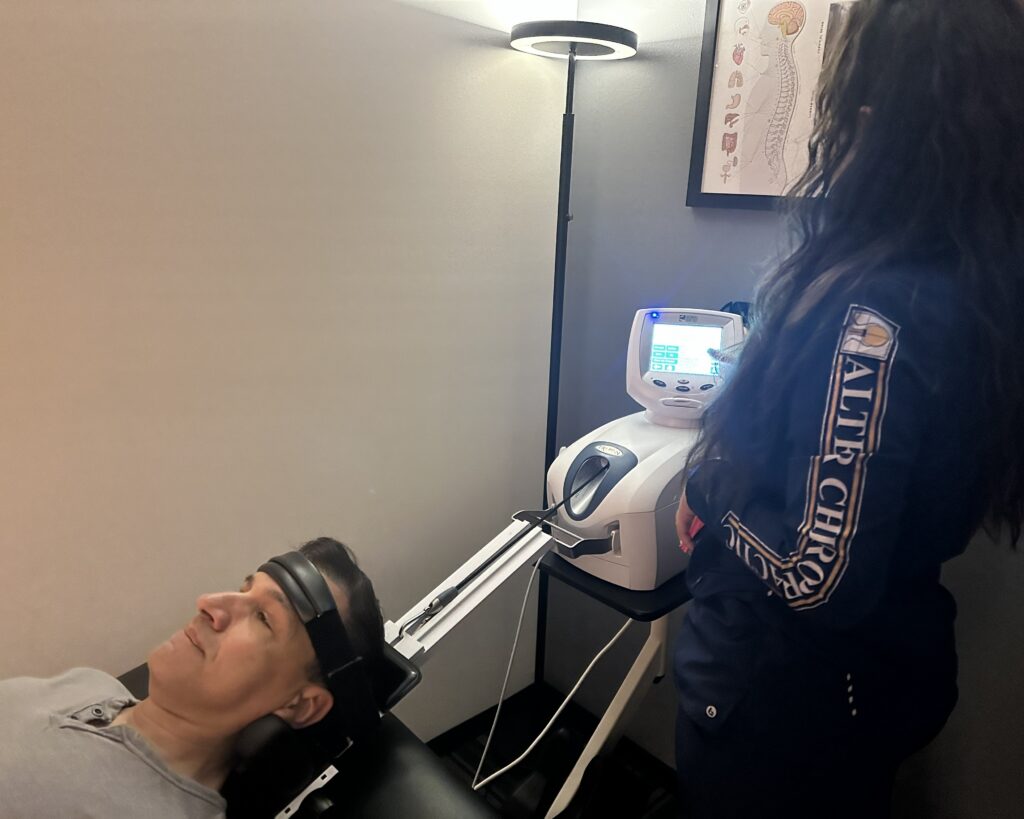

Headaches can be an ongoing struggle, but you may be surprised to learn that making a few simple adjustments in your daily life can help prevent them naturally. As a local chiropractor, I believe that embracing natural methods, especially chiropractic care, can significantly enhance your overall well-being. From staying hydrated to improving your posture, these often-overlooked steps can effectively reduce headache occurrences and improve your quality of life.
- Stay Hydrated: Dehydration is a common trigger for headaches. Make it a habit to drink plenty of water throughout the day to keep your body well-hydrated.
- Mind Your Posture: Poor posture can lead to tension in the neck and shoulders, which often results in headaches. Pay attention to how you sit and stand, especially if you work at a desk. A chiropractor can help you with ergonomic adjustments to your workspace.
- Regular Chiropractic Adjustments: Regular visits to your chiropractor can help align your spine and relieve tension that may contribute to headaches. Chiropractic care focuses on restoring proper function to the nervous system, which can lead to a significant decrease in headache frequency and intensity.
- Manage Stress: Stress is a common headache trigger. Incorporate relaxation techniques such as deep breathing exercises, meditation, or gentle yoga into your daily routine. These practices can help reduce tension and promote relaxation.
- Maintain a Regular Sleep Schedule: Lack of sleep or inconsistent sleep patterns can lead to headaches. Aim for 7-9 hours of quality sleep each night and try to go to bed and wake up at the same time every day.
- Limit Screen Time: Staring at screens for long periods can strain your eyes and neck. Take regular breaks using the 20-20-20 rule: every 20 minutes, look at something 20 feet away for 20 seconds. This can help reduce eye strain and tension headaches.
- Incorporate Regular Physical Activity: Exercise is a natural way to reduce stress and tension. Aim for at least 30 minutes of moderate exercise most days of the week. Activities like walking, swimming, or cycling can promote overall wellness and reduce headache occurrences.
- Eat Balanced Meals: Skipping meals or eating sugary snacks can lead to headaches. Focus on a balanced diet rich in fruits, vegetables, whole grains, and lean proteins to maintain steady energy levels throughout the day.
- Identify Triggers: Keep a headache diary to identify patterns or specific triggers that lead to your headaches. Once you know what to avoid, you can take steps to prevent them.
- Consider Natural Supplements: Some natural supplements, such as magnesium and riboflavin, have been shown to help reduce headache frequency. Consult with your chiropractor or healthcare provider before starting any new supplements.
By integrating these strategies into your daily routine, you can take proactive steps towards reducing headaches naturally. Remember, chiropractic care is a powerful tool in achieving optimal health and wellness, and it can play a key role in alleviating headache pain. If headaches persist, don’t hesitate to reach out to your chiropractor for personalized care and support. Your journey to a headache-free life starts with small, positive changes!
Key Takeaways
- Stay hydrated by drinking at least eight 8-ounce glasses of water daily. Incorporating water-rich foods like cucumbers and oranges can also help keep your body in balance and support overall health, which is essential for preventing headaches.
- Include magnesium-rich foods in your meals, such as spinach and nuts. Magnesium plays a crucial role in maintaining healthy nerve function and can help reduce the frequency of headaches.
- Pay attention to your workspace ergonomics. Adjusting your chair and desk to the right heights can prevent neck strain and promote good posture, which is vital for spinal health and reducing headache triggers.
- Engage in relaxation techniques like deep breathing exercises and meditation. These practices can help manage stress levels, which are known headache triggers, and contribute to your overall well-being.
- Consider using essential oils, such as peppermint and lavender, for their soothing properties. They can be a natural way to alleviate headache discomfort and promote relaxation, enhancing your health journey.
Remember, regular chiropractic care can help maintain proper spinal alignment, which supports your overall health and can be a powerful tool in preventing and alleviating headaches. By focusing on these natural strategies, you can take proactive steps toward a healthier, headache-free life.
Stay Hydrated Throughout the Day
Staying hydrated throughout the day is crucial not only for your overall wellness but also for reducing the likelihood of headaches. When your body is even slightly dehydrated, it can lead to tightened blood vessels, which might trigger discomfort or pain. To help prevent headaches, aim for at least eight 8-ounce glasses of water daily.
Instead of waiting until you feel thirsty, make hydration a part of your daily routine. Carry a reusable water bottle with you and take sips throughout the day. You can also increase your hydration by consuming water-rich foods like cucumbers, oranges, and watermelon. These not only help quench your thirst but also provide essential nutrients that support your body.
Keep an eye on the color of your urine; a light yellow means you’re properly hydrated, while darker urine indicates that you need to drink more fluids. Be mindful that beverages like caffeine and alcohol can lead to dehydration, so it’s important to balance those with extra water.
Prioritizing hydration is a simple yet effective step towards preventing headaches and enhancing your overall well-being. When you support your body with proper hydration, you can also help maintain optimal spinal health, which is essential for overall wellness.
Practice Regular Exercise
Regular exercise is a vital component in managing headaches and enhancing your overall well-being. As a chiropractor, I can tell you that maintaining good blood circulation and releasing endorphins through physical activity can significantly reduce the frequency and intensity of headaches.
Not only does exercise improve your mood, but it also helps relieve muscle tension—often a contributing factor to headache pain. Aim to engage in at least 30 minutes of moderate exercise on most days of the week. Simple activities like walking, cycling, or swimming can be enjoyable and highly effective.
Remember, listening to your body is crucial. Choose exercises that feel good for you and consider incorporating stretching and yoga, as these practices are especially beneficial for alleviating muscle tightness.
Always take the time to warm up and cool down during your workouts to prevent injuries. Additionally, working out with a friend can make your exercise routine more enjoyable and keep you motivated.
By integrating regular exercise into your lifestyle, you’re not just guarding against headaches; you’re also promoting a healthier spine and better overall health.
Chiropractic care can further support your health journey by ensuring your spine is aligned and functioning optimally, which can enhance the benefits of exercise.
Maintain a Consistent Sleep Schedule
Establishing a consistent sleep schedule is essential for preventing headaches and promoting your overall health. When you go to bed and wake up at the same time each day, you help your body maintain its natural rhythm. This regularity not only enhances the quality of your sleep but also allows your brain and body to recover effectively, which is crucial for optimal spinal health.
Aim for 7 to 9 hours of restorative sleep each night. If you find yourself struggling with insomnia or irregular sleep patterns, consider winding down an hour before bed. Dim the lights, avoid screens, and engage in calming activities like reading or gentle stretching. Creating a soothing bedtime routine sends a message to your body that it’s time to unwind.
It’s also important to pay attention to your sleeping environment. Ensure that your bedroom is cool, dark, and quiet to encourage restful sleep. If headaches persist, it may be worth assessing your pillow or mattress to ensure they provide adequate support for your spine. Proper spinal alignment during sleep is key to reducing tension and discomfort.
By prioritizing a consistent sleep schedule and incorporating these simple practices, you can significantly lower your chances of experiencing headaches and enhance your overall well-being.
Incorporate Relaxation Techniques
Incorporating relaxation techniques into your daily routine can significantly help in reducing the frequency and intensity of headaches. As a chiropractor, I understand that stress is a major headache trigger, and finding effective ways to unwind is essential for your overall health. Here are some simple relaxation techniques you can easily add to your day that promote natural healing and contribute to optimal wellness:
| Technique | Duration | Benefits |
|---|---|---|
| Deep Breathing | 5-10 minutes | Helps reduce tension and anxiety, promoting a calm mind. |
| Progressive Relaxation | 15-20 minutes | Relaxes your muscles and improves focus, which can alleviate tension headaches. |
| Meditation | 10-30 minutes | Enhances mindfulness and calms the mind, allowing for better stress management. |
| Yoga | 20-60 minutes | Increases flexibility and reduces stress, helping to alleviate physical tension in the body. |
By integrating these relaxation techniques into your routine, you support not just your mental well-being but also your physical health. Regular chiropractic care can also play a vital role in managing and preventing headaches by ensuring that your spine is aligned and your nervous system is functioning optimally. Remember, a healthy spine contributes to a healthy body!
Give these techniques a try, and consider incorporating regular chiropractic adjustments into your wellness plan for lasting relief and improved overall health.
Monitor Your Diet
As a chiropractor, I understand that what you eat can directly affect your headache frequency and intensity. That’s why monitoring your diet is an essential step in finding natural relief. By making a conscious effort to identify foods that trigger headaches for you, you can take control of your health. Keeping a food diary can be a helpful tool to pinpoint these culprits.
Here are some easy dietary tips to consider:
- Stay Hydrated: Dehydration is a common headache trigger. Aim to drink plenty of water throughout the day to keep your body hydrated and your spine healthy.
- Limit Processed Foods: Processed foods often contain preservatives that may provoke headaches. Opting for whole, unprocessed foods can support your overall wellness.
- Watch Your Caffeine Intake: While caffeine can sometimes help with headaches, too much can lead to withdrawal headaches. Moderation is key.
- Incorporate Magnesium-Rich Foods: Foods like spinach, nuts, and seeds are great sources of magnesium. A diet rich in magnesium can help prevent headaches, as magnesium deficiency is often linked to headache occurrences.
- Don’t Skip Meals: Low blood sugar can trigger headaches, so aim for regular, balanced meals. Keeping your energy up can help maintain your overall health and well-being.
Remember, chiropractic care can also play a significant role in managing headache pain. By addressing any spinal misalignments and improving your overall body function, you may find additional relief.
Combining a healthy diet with chiropractic adjustments can lead you to a more balanced and pain-free life. Take charge of your health naturally!
Limit Screen Time and Blue Light Exposure
As a local chiropractor, I want to share some valuable tips on how to prevent headaches, especially in our screen-dominated world. Limiting your screen time and reducing blue light exposure can be incredibly beneficial for your overall wellness and spinal health.
Here are some simple adjustments you can make:
- Lower Screen Brightness: Dimming the brightness on your devices can reduce eye strain, which is often a trigger for headaches.
- Take Regular Breaks: Practicing the 20-20-20 rule can be very helpful. Every 20 minutes, take a 20-second break to look at something 20 feet away. This gives your eyes a chance to relax.
- Use Blue Light Glasses: These glasses can help filter out harmful blue light, making it easier on your eyes while you work or enjoy leisure time on screens.
- Stay Hydrated: Dehydration can also lead to headaches, so make sure you’re drinking plenty of water throughout the day.
- Practice Good Posture: Maintaining proper posture while using screens is crucial for spinal health. Ensure your screen is at eye level and your back is supported.
By incorporating these simple habits into your daily routine, you can protect your eyes, improve your spinal health, and reduce headache triggers.
Remember, chiropractic care is also a fantastic way to support your overall health and alleviate pain naturally. Regular adjustments can help maintain proper alignment, reduce tension, and enhance your overall well-being.
If you’re experiencing frequent headaches, consider scheduling a visit with your chiropractor for a personalized approach to your health.
Reduce Screen Brightness
Reducing screen brightness can significantly help in preventing headaches, especially in our digital age where screens are everywhere. High brightness levels can put a strain on your eyes and lead to discomfort.
As a chiropractor, I want to share some practical tips to help you manage your screen brightness, which can also contribute to your overall wellness:
- Match Brightness to Your Environment: Lower your screen brightness to align with the lighting around you. This simple adjustment can ease eye strain and promote a more comfortable viewing experience.
- Incorporate Blue Light Filters: Using blue light filters or apps can help minimize exposure to harmful light that can cause headaches and disrupt sleep. It’s a natural way to protect your eyes while enjoying your favorite digital content.
- Adjust Color Temperature: Warmer tones on your screen can reduce eye fatigue. Most devices have settings that allow you to change the color temperature, making it easier on your eyes and supporting your overall health.
- Utilize Night Mode: Many devices come with a “night mode” feature that reduces blue light exposure in the evening. This can help your body relax and prepare for restful sleep, which is essential for maintaining optimal health.
- Maintain Eye Level: Keeping your device at eye level can significantly reduce strain on your neck and spine. Proper posture not only helps prevent headaches but also supports your overall spinal health.
By implementing these tips, you can reduce the risk of headaches and support your overall wellness.
Take Regular Breaks
Taking regular breaks is vital for your overall health and well-being, especially in our screen-heavy lives. Prolonged screen time can lead to discomfort, including tension headaches and eye strain, which can negatively impact your spinal health. It’s important to prioritize these breaks not just for your eyes, but for your entire body.
To help alleviate strain, try the 20-20-20 rule: every 20 minutes, take a moment to look at something 20 feet away for at least 20 seconds. This simple yet effective practice can help relax your eye muscles and give your mind a brief rest.
But don’t stop there—integrating movement into your breaks is key! Stretching or taking a short walk can relieve tension in your neck and shoulders, areas that often hold stress from poor posture while using screens.
Remember, maintaining a healthy spine is crucial for overall wellness. Regularly stepping away from the screen and incorporating these short breaks can support spinal alignment and reduce the risk of pain.
Use Blue Light Glasses
As a local chiropractor, I want to ensure you’re informed about how to protect your eyes and overall well-being, especially with our increasing screen time in today’s digital world. Excessive exposure to blue light from screens can contribute to discomfort like headaches and eye strain.
While chiropractic care primarily focuses on spinal health and overall wellness, it’s important to consider how other factors, like screen time, can affect your body.
One useful tool to mitigate these effects is blue light glasses. These specialized glasses filter out harmful blue light, allowing for a more comfortable experience during long periods of screen use.
Here are some benefits of incorporating blue light glasses into your daily routine:
- Reduces Eye Strain and Fatigue: By minimizing the blue light exposure, these glasses can help lessen the strain on your eyes, which is particularly beneficial if you’re working long hours at a computer.
- Minimizes Glare from Digital Screens: This can help you see better and reduce the need for squinting, which can lead to tension in the neck and shoulders.
- Promotes Better Sleep: Reducing blue light exposure in the evening can help regulate your circadian rhythms, leading to improved sleep quality—an essential factor in overall health and wellness.
- Enhances Visual Comfort: Wearing blue light glasses may help you feel more at ease while using screens, allowing you to focus better on tasks without discomfort.
- Improves Focus and Productivity: By reducing distractions caused by eye strain, you may find that you can concentrate better on your work.
Incorporating blue light glasses into your daily routine is a simple step towards enhancing your comfort and productivity. It complements the benefits of chiropractic care by supporting your overall health and well-being.
Create a Comfortable Workspace
Creating a Comfortable Workspace for Optimal Health
As a chiropractor, I understand how crucial a well-designed workspace is for maintaining spinal health and preventing discomfort. A few simple adjustments can make a significant difference in your overall well-being and help you avoid headaches and tension.
First, let’s talk about your chair and desk. It’s important to have them at the right height. Make sure your feet can rest flat on the floor and that your elbows are at a 90-degree angle while typing. This alignment can help prevent undue stress on your spine.
Next, pay attention to the position of your computer screen. It should be at eye level to avoid straining your neck. If you find yourself leaning forward or looking down, it could lead to long-term issues. Using an ergonomic keyboard and mouse can also support your wrists and help maintain a natural posture.
Lighting plays a significant role in your workspace comfort as well. Whenever possible, opt for natural light, as it can enhance your mood and reduce eye strain. If artificial lighting is necessary, choose softer, warmer tones to create a more soothing atmosphere.
A clutter-free workspace not only looks better but also reduces distractions and stress. Take a few moments each day to tidy up your area, which can help you focus better and promote relaxation.
Lastly, don’t underestimate the power of regular breaks. Taking time to stretch and give your eyes a rest can greatly benefit your spinal health and overall wellness. Incorporating short breaks into your routine can help you recharge and maintain productivity throughout the day.
By making these small adjustments to your workspace, you promote a healthier environment that supports your body and mind.
Try Essential Oils for Relief
Essential oils can be a great addition to your wellness routine, especially when it comes to headache relief. However, it’s important to remember that while essential oils like lavender or peppermint can offer some comfort, they should complement, not replace, the care you receive from your chiropractor.
As a chiropractor, I emphasize the importance of addressing the root causes of headaches, which often include spinal misalignments, muscle tension, and stress. Regular chiropractic adjustments can help alleviate these issues by improving spinal alignment and reducing tension throughout the body.
If you’re looking for natural ways to support your health, consider the following tips:
- Regular Chiropractic Care: Schedule consistent visits to your chiropractor to maintain spinal health and prevent headaches.
- Essential Oil Application: While exploring essential oils, try applying diluted lavender or peppermint oil to your temples or the back of your neck. This can provide a soothing sensation that may enhance your overall relaxation.
- Stay Hydrated: Dehydration can contribute to headaches. Make sure you’re drinking plenty of water throughout the day.
- Mind Your Posture: Poor posture can lead to tension in the neck and shoulders, triggering headaches. Be mindful of your posture, especially if you spend long hours at a desk.
- Stress Management: Incorporate stress-reducing practices such as deep breathing, yoga, or meditation into your daily routine to help prevent headaches.
By combining chiropractic care with these natural approaches, you can achieve optimal health and find relief from headaches in a way that supports your overall well-being.
Best Essential Oils
Finding relief from headaches can often feel like a daunting task, but incorporating chiropractic care into your wellness routine may provide a natural solution. By addressing spinal alignment and tension in the body, chiropractic adjustments can effectively alleviate headache symptoms.
In addition to regular chiropractic care, certain essential oils can complement your healing process. Here are some of the best essential oils that may help ease your discomfort:
- Peppermint Oil: Renowned for its cooling effect, peppermint oil can be a great addition to your self-care routine. When applied to the temples, it may soothe tension headaches and promote relaxation.
- Lavender Oil: The calming aroma of lavender isn’t only delightful but also supportive of relaxation. Reducing stress and anxiety can help mitigate headache triggers, making lavender a perfect companion for your wellness journey.
- Eucalyptus Oil: If sinus pressure contributes to your headaches, eucalyptus oil can assist in relieving that pressure. By opening airways and promoting better breathing, it may help alleviate discomfort.
- Rosemary Oil: With its anti-inflammatory properties, rosemary oil has the potential to relieve pain and improve circulation. Consider using it in combination with your chiropractic adjustments for enhanced benefits.
- Chamomile Oil: Known for its soothing effects, chamomile oil can help relax both your mind and body. Incorporating it into your evening routine may promote better sleep, reducing headaches caused by fatigue.
To make the most of these essential oils, consider diffusing them in your home, adding them to a warm bath, or mixing them with a carrier oil for a gentle massage on sore areas.
Remember, while essential oils can be beneficial, they work best alongside regular chiropractic care, which addresses underlying issues and promotes overall health.
If you’re struggling with persistent headaches, don’t hesitate to consult with your chiropractor. Together, you can explore a holistic approach to your health that emphasizes natural healing and optimal wellness.
Application Techniques
How can you effectively use essential oils to relieve headaches while also considering the benefits of chiropractic care? Start by selecting oils like peppermint or lavender, both known for their calming properties.
Dilute a few drops of your chosen oil with a carrier oil, such as coconut or almond oil, and gently massage it into your temples and the back of your neck. This technique not only helps stimulate circulation but also eases muscle tension, which is crucial for headache relief.
For an enhanced experience, consider inhaling the oil directly from the bottle or using a diffuser in your home or office. You might also create a calming roller blend to keep with you for on-the-go relief. Just remember to test for skin sensitivity before applying any essential oil directly to your skin.
While these methods can provide natural relief from headaches, it’s important to note that regular chiropractic care can address the underlying issues contributing to your discomfort. Misalignments in the spine can lead to tension headaches, and a chiropractor can help restore proper alignment, enhancing your overall well-being.
In addition to using essential oils, maintain good hydration, practice deep breathing exercises, and ensure you’re taking regular breaks from screens to support your health.
Explore Herbal Remedies
While many individuals may reach for over-the-counter medications to alleviate headaches, it’s important to recognize that chiropractic care can be a powerful and natural alternative for managing pain. Chiropractic adjustments can help address the underlying issues contributing to headaches, such as misalignments in the spine that may cause tension and discomfort.
In addition to chiropractic care, exploring herbal remedies can complement your journey to wellness. These natural options have been utilized for centuries and may provide relief while supporting your overall health. Here are some herbal choices to consider alongside your chiropractic treatments:
- Peppermint: This herb is known for its soothing properties. You can enjoy peppermint tea or apply diluted essential oil to your temples for a refreshing effect.
- Ginger: Renowned for its anti-inflammatory properties, ginger may help ease headache intensity. Consider adding fresh ginger to your meals or sipping ginger tea.
- Feverfew: Often used as a preventive measure, feverfew may help lessen the severity of migraines. Talk to your chiropractor about incorporating it into your wellness routine.
- Willow Bark: Sometimes called “nature’s aspirin,” willow bark may provide pain relief. Always consult with your chiropractor before adding new supplements.
- Lavender: The calming aroma of lavender can be beneficial for stress-related headaches. Try using lavender essential oil in a diffuser or during your relaxation time.
Incorporating these herbs into your lifestyle, alongside regular chiropractic adjustments, can lead to a holistic approach to managing headaches and achieving optimal wellness.
Keep a Headache Diary
To effectively manage your headaches, consider keeping a headache diary—it’s a great way to identify patterns and triggers that may be affecting your overall wellness. Start by noting down the date, time, and intensity of each headache. Pay attention to any accompanying symptoms, like nausea or sensitivity to light, as these can provide additional clues about what’s going on in your body.
It’s also helpful to record what you ate, your stress levels, and any activities you did before the headache started. By doing this, you may discover that certain foods, stressors, or even environmental factors are linked to your headaches. This knowledge can empower you to make better choices for your health.
Don’t forget to track your sleep patterns and hydration levels! Both are crucial for maintaining a healthy body and can significantly influence how often you experience headaches. Staying well-hydrated and getting plenty of restorative sleep are simple yet effective ways to support your overall health and reduce headache occurrences.
Ultimately, keeping a headache diary not only helps you take control of your wellness journey but also provides valuable insights to share with your chiropractor. By discussing your findings, your chiropractor can offer personalized recommendations and adjustments that align with your specific needs, helping you achieve optimal health naturally—without the need for medications or surgeries.
Conclusion
Incorporating these surprising steps into your daily routine can help you prevent headaches naturally while promoting overall wellness. First and foremost, staying hydrated is crucial; dehydration can often lead to headaches, so be sure to drink plenty of water throughout the day. Regular exercise is also vital—not only does it improve your physical health, but it can also reduce stress and tension that may trigger headaches.
Getting adequate sleep is another key element; a consistent sleep schedule helps your body recharge and reduces the likelihood of headache occurrences. Along with these lifestyle changes, practicing relaxation techniques, such as deep breathing or meditation, can significantly alleviate tension headaches.
Pay attention to your diet as well; certain foods may act as triggers for headaches. Keeping a headache diary can help you identify these culprits. Additionally, creating a comfortable workspace, with proper ergonomics, can prevent strain on your neck and back, which often contributes to headaches.
As a chiropractor, I also encourage exploring the benefits of essential oils and herbal remedies, which can support your body’s natural healing processes. Remember, chiropractic care is an excellent option for pain relief and overall health. Regular adjustments help align your spine, promote optimal nervous system function, and can be immensely beneficial in reducing headache frequency and severity. By incorporating these practices into your life, you’re taking proactive steps toward better health and wellness.