
When considering how athletes recover from injuries, many might envision rigorous training and quick fixes. However, the truth is far more complex. As a local chiropractor, I want to emphasize the importance of a holistic approach that includes a careful balance of rest, proper nutrition, and mental resilience to promote effective healing. Understanding these time-tested methods not only aids recovery but can also transform your perspective on managing injuries.
Athletes often rely on specific techniques that can be beneficial for everyone, regardless of their activity level. For instance, incorporating chiropractic care can help address misalignments and improve overall function, which is essential for recovery. Additionally, focusing on nutrition can provide the body with the necessary nutrients to heal, while mental strategies, such as visualization and mindfulness, can enhance your emotional well-being during the recovery process.
By adopting these principles in your own healing journey, you can support your body in a more natural and effective way. Remember, recovery is not just about getting back to your routine; it's about nurturing your body for long-term health and resilience. Let's explore these techniques together and find the right approach for you.
Rest and Recovery Techniques
As a local chiropractor, I want to emphasize the importance of rest and recovery techniques in your healing journey from injuries. Understanding how to properly rest can significantly impact your overall rehabilitation, and it's crucial not to rush the healing process.
First and foremost, prioritize your sleep. Aim for 7-9 hours of quality sleep each night, as this is when your body works hard to repair tissues and reduce inflammation.
Don't overlook the benefits of napping during the day; short naps can help recharge your energy and promote healing.
In addition to rest, I recommend incorporating active recovery into your routine. While it's essential to allow your body time to heal, light activities such as walking or gentle stretching can improve blood flow and support your recovery.
It's vital to listen to your body; if you experience pain, don't push through it. Instead, find a balance that includes rest and low-impact movements, keeping your body engaged without overdoing it.
Hydration is another critical aspect of recovery. Drinking plenty of water helps transport nutrients to the injured area, facilitating the healing process.
Complement your hydration with a nutritious diet rich in antioxidants, proteins, and healthy fats. Foods like leafy greens, berries, and lean meats can accelerate your recovery.
Lastly, consider incorporating therapies such as ice for inflammation and heat for muscle relaxation into your routine.
These techniques can provide relief and enhance your recovery. By integrating these rest and recovery strategies into your daily life, you'll create a solid foundation for your rehabilitation and be on your way to performing at your best again.
Physical Therapy Approaches
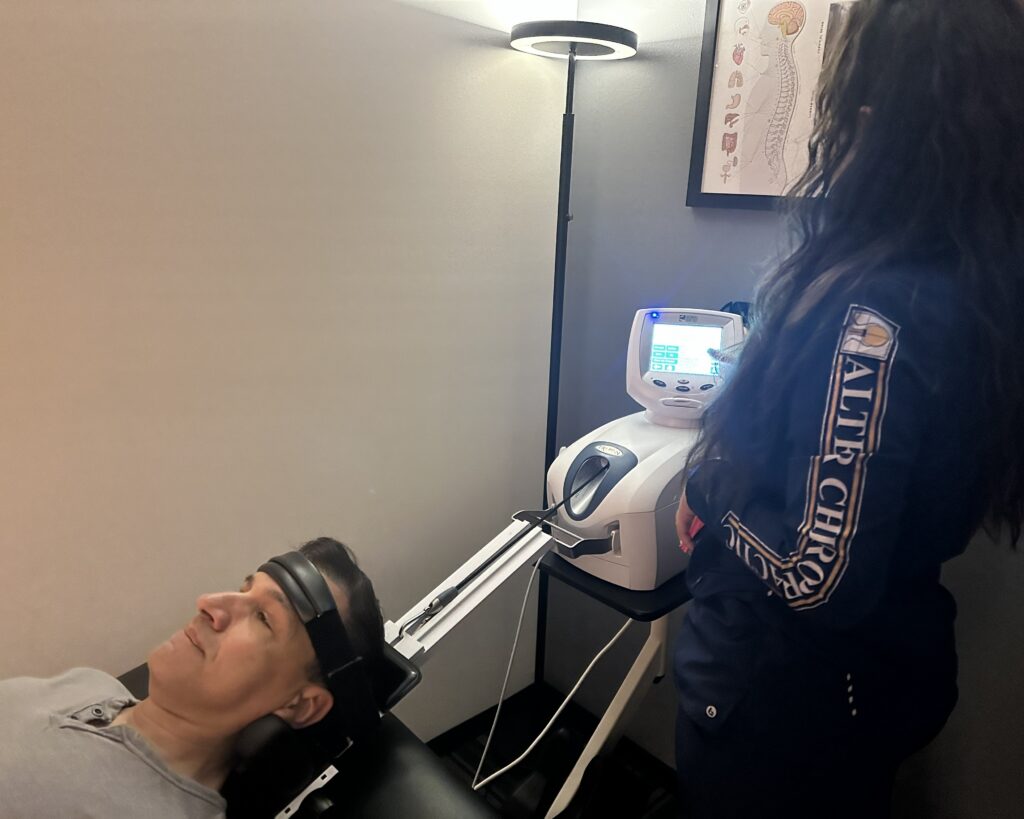
As you work towards recovering from an injury, chiropractic care is a vital component in helping you get back to your active lifestyle.
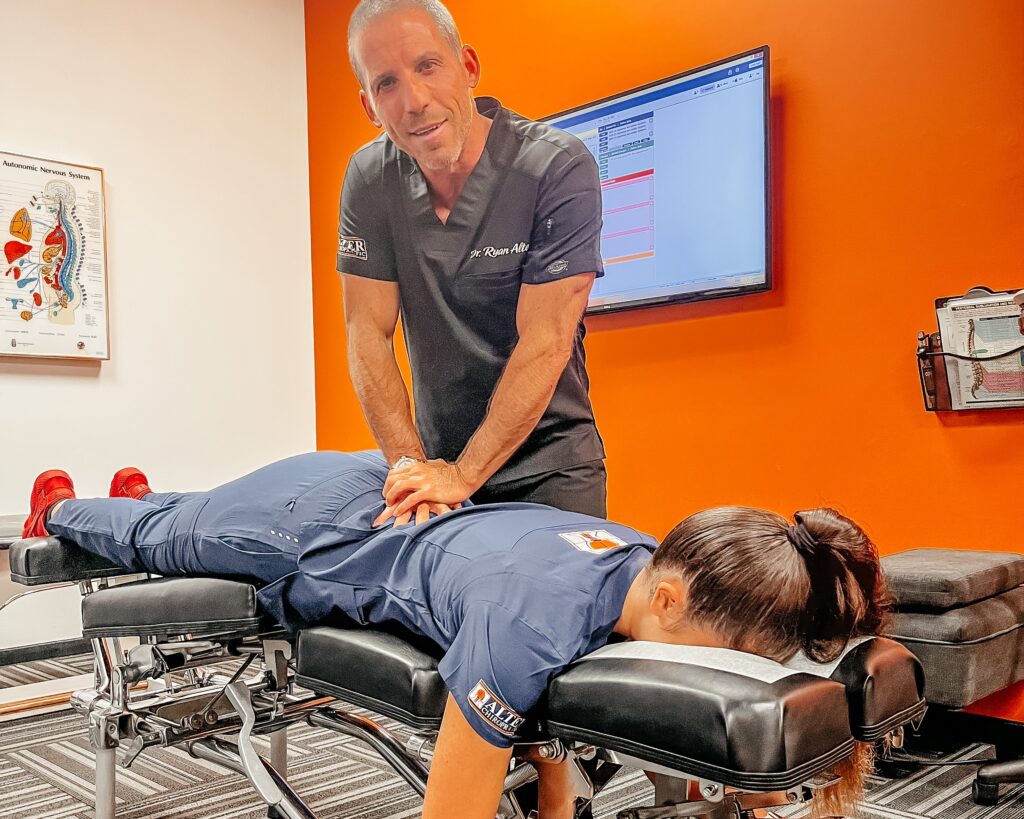
Here at our practice, we offer a variety of natural healing approaches, including specific manual adjustments that can realign your spine and improve your overall function.
You'll also benefit from personalized rehabilitation programs designed to strengthen your body and prevent future injuries.
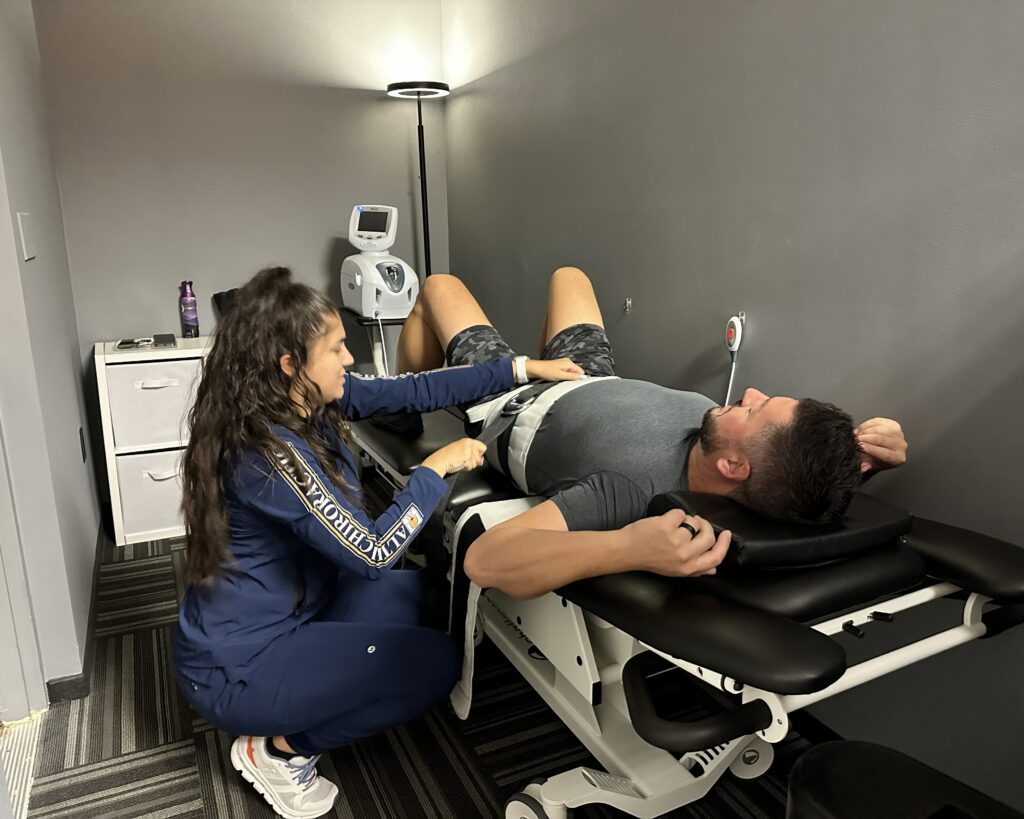
Additionally, we utilize different natural modalities to alleviate pain and enhance your recovery process.
Our goal is to support your healing journey while promoting long-term wellness through holistic methods.
Manual Therapy Techniques
As a local chiropractor, I want to share the invaluable role that manual therapy techniques can play in your recovery from injuries. These hands-on methods are designed to manipulate muscles, joints, and soft tissues, helping to alleviate pain, enhance mobility, and improve your overall function. If you're navigating the challenges of an injury, incorporating manual therapy into your healing journey can be incredibly beneficial.
One of the foundational techniques we use in chiropractic care is joint mobilization. This involves gently moving your joints to restore their natural range of motion, which can be crucial for getting you back to your daily activities.
Another effective method is soft tissue mobilization, where specific areas of tension in your muscles and fascia are addressed through targeted pressure, helping to relieve discomfort and promote healing. You may also experience myofascial release, which focuses on the connective tissue around your muscles, promoting relaxation and reducing pain.
These techniques do more than just alleviate physical limitations; they also foster a renewed sense of confidence in your body. As we work together, I'll tailor each manual therapy session to meet your unique needs, ensuring that we're addressing your specific challenges.
Many of my patients notice improved flexibility and reduced discomfort, making it easier to return to their favorite activities or sports. By embracing manual therapy as part of your recovery plan, you're taking a proactive step toward achieving optimal health and performance.
Exercise Rehabilitation Programs
Incorporating exercise rehabilitation programs into your recovery plan can significantly enhance your healing journey after an injury. As a local chiropractor, I want to emphasize how these programs are designed to help you regain strength, flexibility, and function, which are crucial for anyone looking to recover naturally.
Engaging in rehabilitation exercises not only accelerates healing but also minimizes the risk of future injuries.
Here are three key benefits of exercise rehabilitation programs that I often share with my patients:
- Improved Mobility: Specific exercises are tailored to restore your range of motion, enabling you to return to your daily activities and sports more quickly.
- Strength Building: Focused strength training helps rebuild muscle and stabilize the injured area, which is essential for enhancing your overall physical performance.
- Psychological Boost: Regular physical activity can uplift your mood and motivation, which is vital during the sometimes challenging recovery process.
I encourage you to consult with me or another qualified professional to create a personalized rehabilitation plan that caters to your unique needs.
This plan will likely include a combination of stretching, strength training, and activities specific to your lifestyle or sport.
Consistency is key, so staying committed to your rehabilitation journey won't only help you heal effectively but also empower you to come back stronger than before.
Modalities for Pain Relief
As a local chiropractor, I want to help you understand how incorporating various modalities for pain relief can complement your recovery journey, especially as you engage in exercise rehabilitation.
Exploring techniques such as heat therapy, cold therapy, and electrical stimulation can significantly enhance your healing process.
Heat therapy is a fantastic option for those suffering from chronic pain or stiffness. It works by relaxing tight muscles and improving blood circulation. You can easily use a heating pad or hot pack to provide localized relief to the areas that need it most.
On the other hand, if you've recently sustained an injury, cold therapy can be your best friend. It effectively reduces inflammation and numbs sharp pain. Ice packs or cold compresses are simple tools you can incorporate into your recovery routine.
Another modality worth considering is electrical stimulation, specifically TENS (transcutaneous electrical nerve stimulation). This technique sends gentle electrical impulses to the painful area, which can disrupt pain signals and encourage your body to release endorphins—your natural painkillers.
Don't forget about the benefits of massage therapy as well. It's an excellent way to alleviate muscle tension, improve circulation, and enhance your overall mobility.
When combined with your exercise rehabilitation, these modalities can create a comprehensive pain management strategy that supports your healing journey.
Always remember that it's essential to consult with your healthcare provider, including your chiropractor, to tailor your approach. We can help ensure that you choose the right modalities for your specific needs as you work towards recovery.
Nutrition for Healing
As a local chiropractor, I want to emphasize the crucial role nutrition plays in your recovery from injuries. When you're on the mend, it's not just about getting adjustments; the right nutrients can significantly enhance your healing process.
It's important to focus on incorporating vital nutrients into your diet, ensuring you stay well-hydrated, and being mindful of when you eat these foods.
Proper nutrition works hand-in-hand with chiropractic care to support your body's natural healing abilities.
Let's delve into how these dietary factors can greatly impact your recovery and overall well-being. By understanding their significance, you can better support your body's healing journey alongside the chiropractic treatments we provide.
Essential Nutrients for Recovery
As a local chiropractor, I want to emphasize the importance of essential nutrients in your recovery process, especially if you're dealing with injuries. Proper nutrition is crucial for healing, as it helps repair damaged tissues, reduces inflammation, and restores your body's overall function.
Here are three key nutrients that I recommend focusing on:
- Protein: This vital macronutrient plays a crucial role in muscle repair and growth. To support your recovery, consider incorporating lean meats, fish, eggs, and plant-based sources like beans and lentils into your meals. These foods provide the building blocks your body needs to heal effectively.
- Omega-3 Fatty Acids: Known for their anti-inflammatory properties, omega-3 fatty acids can significantly aid in your recovery. You can find these healthy fats in fish, flaxseeds, and walnuts. Adding them to your diet may help speed up your recovery time and promote better overall health.
- Vitamins and Minerals: Nutrients such as Vitamin C and zinc are essential for collagen production and immune function, both of which are vital for healing. Incorporate citrus fruits, leafy greens, and nuts into your diet to enhance your recovery process. These foods not only provide necessary vitamins and minerals but can also support your overall well-being.
By focusing on these essential nutrients, you can complement your chiropractic care and promote a faster, more effective recovery.
Hydration's Role in Healing
As a local chiropractor, I want to emphasize how vital hydration is for your healing journey. Proper hydration impacts many aspects of recovery, including how nutrients are transported throughout your body and how effectively your tissues repair themselves.
When you stay well-hydrated, your blood volume increases, which enhances the delivery of essential nutrients and oxygen to areas that need healing. This not only accelerates your recovery but also helps reduce inflammation, making it easier for your body to restore itself.
On the flip side, dehydration can significantly impede your healing process. It can lead to fatigue, which makes it challenging to participate in rehabilitation exercises or other activities that promote recovery.
Additionally, not drinking enough fluids can contribute to joint stiffness and muscle cramps, both of which can slow your progress and make it harder to regain mobility and strength.
To support your healing, I encourage you to drink water consistently throughout the day, particularly before, during, and after any physical activity. If you're engaging in intense workouts or sweating a lot, consider adding electrolyte-rich beverages to your routine.
A simple way to monitor your hydration level is by paying attention to the color of your urine; a pale yellow color typically indicates that you're staying well-hydrated.
Timing of Nutrient Intake
As a local chiropractor, I want to share how the timing of nutrient intake can significantly support your recovery from injuries. When you provide your body with the right nourishment at the right times, you enhance its ability to heal effectively.
It's essential to focus on specific nutrients and when to consume them to optimize your recovery journey.
Here are some crucial moments for nutrient intake that I recommend:
- Immediately post-injury: It's important to consume a combination of protein and carbohydrates within the first hour after an injury. This initial intake can help kickstart your healing process and set the stage for recovery.
- During training sessions: If you're able to maintain a light training routine, consider fueling your body with easily digestible carbohydrates and proteins. This will support muscle repair and keep your energy levels balanced.
- Before bedtime: Don't underestimate the power of a protein-rich snack before you go to sleep. Your body does a lot of healing while you rest, and providing it with the right nutrients can enhance this overnight recovery process.
By being mindful of when and what you eat, you can significantly improve your healing experience and get back to feeling your best.
Mental Resilience Strategies
As a local chiropractor, I understand that building mental resilience is vital for athletes and anyone recovering from injuries. It plays a significant role in helping you navigate the emotional and psychological challenges that can arise during rehabilitation. By developing mental resilience, you can greatly enhance your recovery experience and overall well-being.
One effective strategy I recommend is setting realistic goals. Break down your rehabilitation process into smaller, achievable milestones. Each small victory you celebrate can boost your motivation and foster a more positive mindset, making it easier to stay committed to your healing journey.
Practicing mindfulness techniques is another valuable approach. Engaging in activities like meditation or deep-breathing exercises can help keep you grounded and reduce any anxiety you may have about your recovery. These techniques can complement the physical adjustments and therapies we provide in chiropractic care.
Maintaining a supportive network is also crucial. Surround yourself with understanding friends, family, and teammates who can empathize with your journey. Sharing your thoughts and feelings with them can alleviate stress and provide much-needed encouragement.
Additionally, consider collaborating with a sports psychologist who specializes in mental resilience. They can offer tailored strategies that align with your specific needs, enhancing the benefits of your chiropractic treatments.
Visualization is a powerful tool as well. Picture yourself overcoming obstacles and returning to your sport even stronger. This mental imagery can reinforce your determination and focus, complementing the physical healing facilitated by chiropractic care.
Lastly, I encourage you to embrace a growth mindset. Rather than viewing your injury as a setback, see it as an opportunity for growth and improvement. Remember that challenges are a natural part of the healing process, and each step you take brings you closer to your goals.
Alternative Healing Methods
As a local chiropractor, I want to take a moment to share how alternative healing methods, including chiropractic care, can be instrumental in your recovery from injuries. While traditional treatments such as physical therapy and medication are essential, exploring holistic therapies can offer numerous additional advantages. These approaches focus not only on your physical injuries but also on your mental and emotional well-being.
Let's discuss some key alternative healing methods that can complement your recovery journey:
- Chiropractic Care: As a chiropractor, my primary goal is to help realign your spine and improve your overall body function. This is particularly beneficial if your injury has impacted your posture or biomechanics. By addressing misalignments, we can enhance your body's natural ability to heal and reduce discomfort.
- Acupuncture: This ancient Chinese practice involves the insertion of thin needles at specific points on the body. It's known to relieve pain and promote healing by stimulating your body's natural energy flow. Many patients find this method effective in managing pain and enhancing recovery.
- Massage Therapy: Therapeutic massage is another valuable tool in the recovery process. It helps to reduce muscle tension, improve circulation, and promote relaxation. All of these factors can contribute to a quicker recovery and alleviate pain associated with injuries.
Integrating these alternative methods into your recovery plan can create a more comprehensive approach to healing. They not only support your physical recovery but also address the emotional challenges that can arise from dealing with an injury.
Always remember to consult with your healthcare provider before starting any new treatments to ensure they align with your existing recovery plan. By being open to these alternative healing methods, you can empower yourself on your journey back to peak performance.
As your chiropractor, I'm here to support you every step of the way!
Gradual Return to Training
As a local chiropractor, I want to emphasize the importance of a safe and gradual return to training after experiencing an injury. Many individuals may not be familiar with how chiropractic care and natural healing can support this process, but it's crucial for preventing re-injury and ensuring long-term recovery.
First and foremost, I recommend consulting with your healthcare provider or a chiropractor who can create a personalized plan tailored to your specific injury and recovery needs. This plan will help you understand the steps necessary to return to training safely.
Start your recovery journey with low-impact activities that won't strain your injured area. Walking, swimming, or cycling are great options to maintain your fitness levels while minimizing stress on your body. As you begin to regain strength and confidence, we can gradually introduce more challenging exercises.
It's essential to listen to your body; if you experience any pain or discomfort, it's crucial not to push through it. Instead, we'll adjust your routine as needed.
Incorporating strength training is another vital aspect of recovery. We focus on exercises that will rebuild the muscles surrounding your injury, enhancing stability and flexibility, which are key components in preventing future injuries.
We'll gradually increase the intensity and duration of your workouts, allowing your body to adapt without feeling overwhelmed.
Patience is key during this process. I understand the urge to jump back into full training, especially if competing is on your mind. However, taking the time to recover properly will pay off in the long run.
Together, we can set realistic goals and celebrate small victories as you progress. Tracking your achievements will help keep you motivated and accountable.
Lastly, it's essential to maintain proper nutrition and hydration to support your recovery. I encourage you to fuel your body with the right nutrients, as this will aid in tissue repair and enhance your overall performance.
Conclusion
Injuries can be challenging, but as your chiropractor, I want to share some time-tested methods that can significantly enhance your healing journey. First and foremost, it's crucial to prioritize rest; your body needs time to heal. Alongside rest, focusing on a balanced nutrition plan will provide the essential nutrients your body requires for recovery.
Physical therapy is another key component of your rehabilitation. It helps rebuild strength and flexibility, which are vital for a full recovery. As you heal, it's also important to cultivate mental resilience. A positive mindset can greatly influence your recovery process.
I encourage you to consider alternative healing methods, such as chiropractic adjustments, which can help alleviate pain and promote overall wellness. Remember that easing back into training should be done gradually to prevent re-injury.
With patience, dedication, and the right support, you won't just recover; you'll come back even stronger than before. Let's work together to create a personalized recovery plan that aligns with your goals and needs.