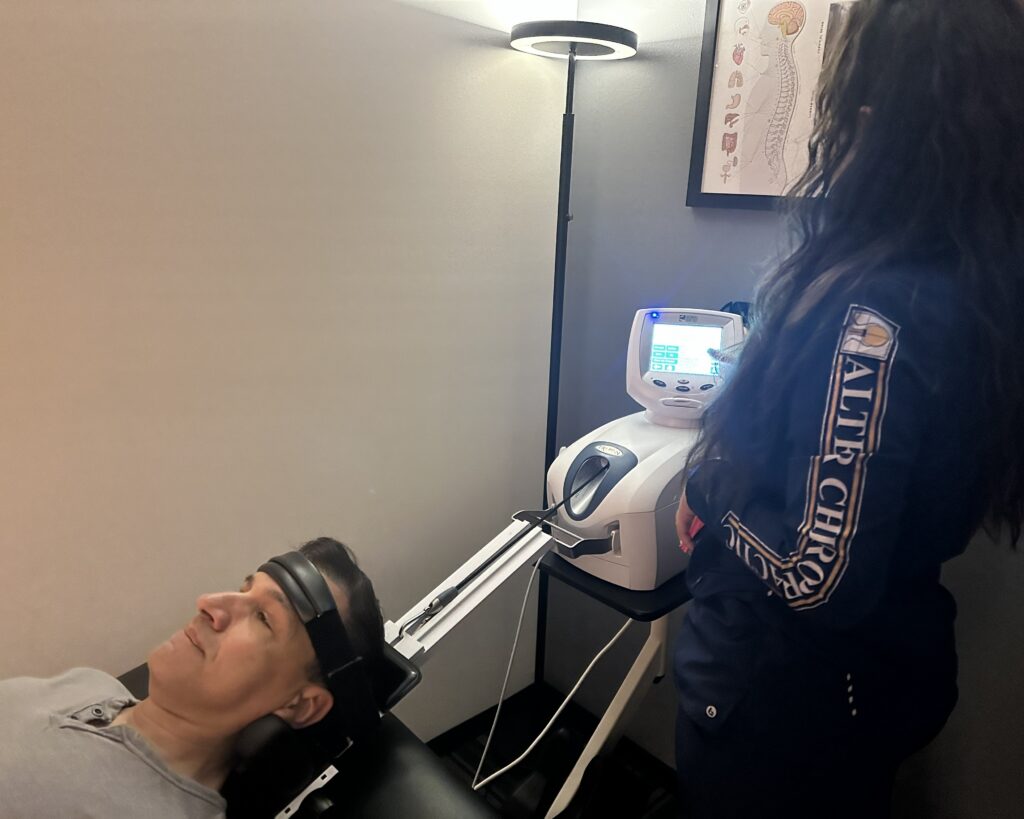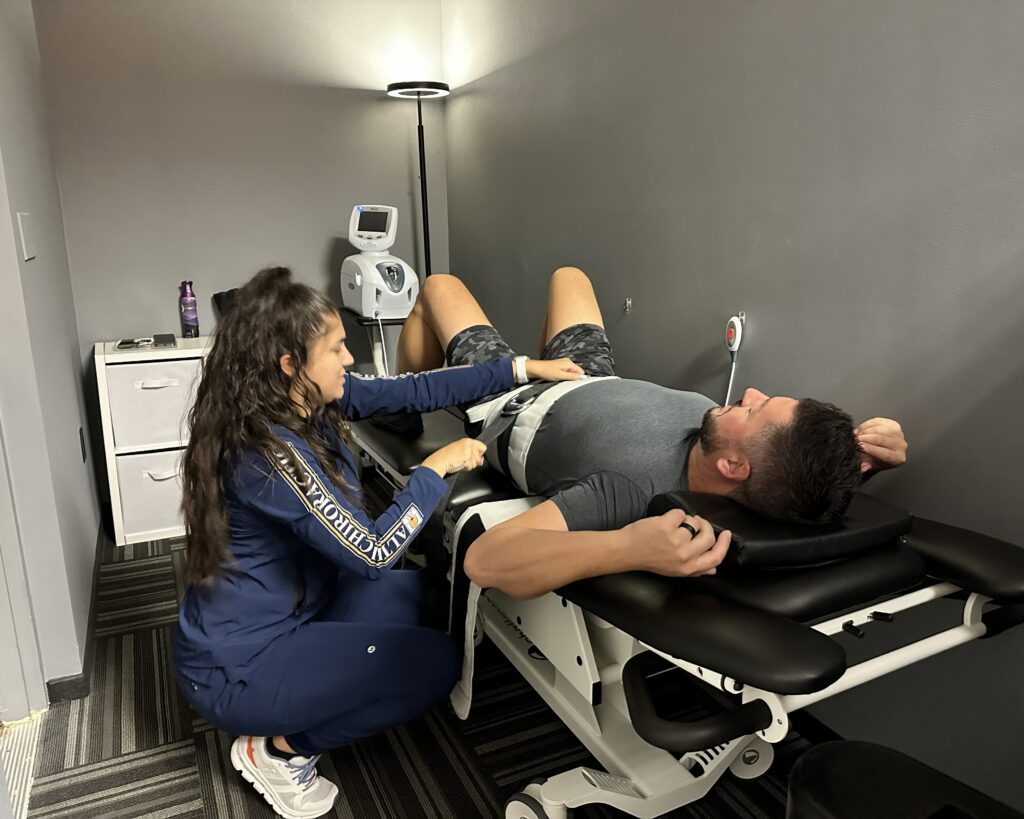

If you frequently find yourself struggling with headaches, know that you’re not alone. As a chiropractor, I understand how debilitating headaches can be, and I’m here to help you explore natural approaches for relief. By focusing on holistic wellness and spinal health, you can manage your headaches effectively without resorting to medications or invasive procedures.
Here are some simple, natural tips that can help ease your discomfort and promote overall well-being:
- Stay Hydrated: Dehydration is a common trigger for headaches. Make it a habit to drink plenty of water throughout the day. Proper hydration supports spinal health and can reduce the frequency and intensity of headaches.
- Practice Relaxation Techniques: Stress and tension often contribute to headaches. Techniques such as deep breathing, meditation, or yoga can help release tension and improve your overall mental and physical health, including spinal alignment.
- Maintain Good Posture: Poor posture can lead to tension headaches, especially if you spend long hours at a desk. Be mindful of your posture, and consider regular chiropractic adjustments to keep your spine aligned, reducing strain on your neck and shoulders.
- Incorporate Essential Oils: Some essential oils, such as peppermint or lavender, can provide soothing relief when massaged into the temples or inhaled. These natural remedies can complement chiropractic care in promoting relaxation and reducing headache symptoms.
- Get Regular Chiropractic Adjustments: Chiropractic care focuses on the alignment of your spine and can significantly alleviate headache pain. Regular adjustments help improve nerve function, reduce muscle tension, and enhance your body’s natural healing abilities.
- Establish a Sleep Routine: Quality sleep is vital for overall health and can help prevent headaches. Aim for a consistent sleep schedule and create a restful environment that supports spinal alignment, such as using a supportive pillow.
- Stay Active: Regular physical activity not only promotes a healthy spine but also helps reduce stress and tension that can lead to headaches. Find activities that you enjoy, whether it’s walking, swimming, or yoga, and make them a part of your routine.
By incorporating these natural strategies into your daily life, you can better manage headaches and enhance your overall wellness. Remember, chiropractic care is a powerful ally in your journey towards optimal health, providing gentle and effective solutions for pain relief and improved quality of life. If headaches persist, consider scheduling a consultation to discuss how chiropractic adjustments can specifically benefit you.
Key Takeaways
- Stay hydrated by drinking at least eight glasses of water daily. You can make it more refreshing by adding slices of lemon or cucumber, which not only enhance flavor but also provide additional health benefits that support overall wellness.
- Incorporate deep breathing exercises and mindfulness meditation into your daily routine. These practices can significantly reduce stress levels and promote relaxation, helping to prevent headaches before they start.
- Applying cold or warm compresses to your forehead or neck can provide effective relief from headache pain. Switching between hot and cold can help maximize the soothing effects and promote better blood circulation, which is essential for spinal health.
- Engage in regular physical activity, such as yoga or walking. These exercises not only help release endorphins, which are natural pain relievers, but also contribute to maintaining a healthy spine and managing stress, ultimately reducing the frequency of headaches.
- Consider using essential oils like peppermint or lavender, known for their calming properties. These can be a natural way to ease headache discomfort, and when combined with chiropractic adjustments, can enhance your overall sense of well-being.
Remember, chiropractic care is an excellent option for managing headaches and supporting your journey to optimal health. It addresses the root causes of pain, ensuring your spine is aligned and functioning properly, which is key to feeling your best.
Stay Hydrated
Staying hydrated is a crucial part of maintaining overall wellness and can play a significant role in preventing headaches. As a chiropractor, I often see patients who experience discomfort due to dehydration. When you don’t drink enough water, your body can become dehydrated, leading to discomfort and pain, including headaches.
To support your body and keep those pesky headaches at bay, aim to drink at least eight 8-ounce glasses of water daily. If you’re active or in a hot environment, consider increasing your intake even more.
Mild dehydration can sometimes sneak up on you, triggering headaches without you even realizing it. To help you remember to hydrate, keep a water bottle with you throughout the day. If plain water isn’t your favorite, try enhancing it with slices of lemon, cucumber, or mint for a refreshing twist.
Additionally, don’t forget that many fruits and vegetables are high in water content and can assist in meeting your hydration needs.
Pay attention to your body for signs of dehydration, such as dry mouth, fatigue, or dizziness. If you notice these symptoms, take action quickly by drinking more water.
By making hydration a priority, you aren’t only taking a significant step toward reducing headache frequency and intensity but also supporting your overall health and wellness.
Remember, proper hydration complements the benefits of chiropractic care. Regular chiropractic adjustments help ensure your spine and nervous system are functioning optimally, which can also contribute to reducing headache occurrences.
Practice Relaxation Techniques
Practicing relaxation techniques can be a powerful way to manage headache tension naturally. As a chiropractor, I often encourage my patients to incorporate simple yet effective methods like deep breathing exercises and mindfulness meditation into their daily routines. These practices not only help calm your mind and body but also enhance your focus and reduce stress, which can contribute to headache relief.
Additionally, maintaining good spinal health is essential for optimal wellness. Regular chiropractic adjustments can help align your spine, relieve tension, and promote overall relaxation. This natural approach to health can provide you with the relief you need without relying on medications or invasive procedures.
Here are a few tips you can try:
- Deep Breathing: Take a few minutes each day to focus on your breath. Inhale deeply through your nose, allowing your abdomen to rise, and then exhale slowly through your mouth. This can help reduce tension and promote relaxation.
- Mindfulness Meditation: Set aside a few minutes daily to sit quietly and focus on the present moment. Let go of any distractions and simply observe your thoughts without judgment. This can help ease stress and tension that may lead to headaches.
- Regular Chiropractic Care: Consider scheduling regular visits to your chiropractor. Adjustments can help alleviate spinal misalignments that contribute to headache tension, promoting better overall health.
- Stay Hydrated: Dehydration can lead to headaches, so make sure to drink plenty of water throughout the day.
- Practice Good Posture: Be mindful of your posture, especially if you spend long hours at a desk. Proper alignment can help prevent tension in your neck and shoulders, reducing the likelihood of headaches.
By integrating these natural techniques into your wellness routine, you can take proactive steps toward achieving optimal health and alleviating headache tension.
Deep Breathing Exercises
Stress can often lead to headaches, but incorporating deep breathing exercises into your routine is a great way to alleviate tension and promote relaxation. As a chiropractor, I believe in the power of natural healing methods to support your overall well-being, and deep breathing is an excellent tool for managing stress.
To begin, find a calm and quiet space where you can either sit or lie down comfortably. Close your eyes and take a deep breath in through your nose, allowing your abdomen to expand fully. Hold that breath for a count of four, and then exhale slowly through your mouth, making sure to empty your lungs completely.
Repeat this process for a few minutes, focusing solely on the rhythm of your breath. With each exhale, visualize any stress or tension leaving your body, creating space for relaxation.
Incorporating these deep breathing exercises into your daily routine not only helps reduce the frequency and intensity of headaches but also enhances your overall spinal health and wellness. When your body is relaxed, it can help maintain proper spinal alignment, which is crucial for preventing pain and discomfort.
As you practice these exercises, remember that chiropractic care can further support your journey towards optimal health. Regular adjustments can help ensure that your spine is aligned, reducing nerve interference and promoting better overall function.
Next time you feel a headache creeping in, give these deep breathing exercises a try, and consider how chiropractic care can complement your efforts towards a healthier, pain-free life. Your body will thank you!
Mindfulness Meditation Practices
As you explore natural ways to manage headaches and enhance your overall wellness, incorporating mindfulness meditation into your daily routine can be a valuable addition. This practice not only promotes relaxation but also complements the benefits of chiropractic care, which focuses on spinal health and pain relief.
To get started, find a quiet space where you can sit comfortably without interruptions. Close your eyes and take a deep, calming breath. Focus on the natural rhythm of your breath as it flows in and out, which can help center your mind and relieve tension. If distracting thoughts pop up, simply acknowledge them without judgment and gently guide your focus back to your breath.
Aim to practice this mindfulness meditation for five to ten minutes each day. As you become more comfortable, feel free to extend your practice. Regular meditation can help alleviate headache tension and promote a deeper sense of calm and awareness, which can enhance the effects of your chiropractic treatments.
In addition to mindfulness, consider incorporating regular chiropractic visits into your wellness routine. Chiropractic care focuses on aligning the spine and improving nervous system function, which can reduce headache frequency and intensity.
By combining mindfulness meditation with chiropractic care, you can create a holistic approach to managing pain and improving your overall health.
Maintain a Regular Sleep Schedule
Establishing a regular sleep schedule is essential for reducing the frequency and severity of headaches, and it can be an important part of your overall wellness journey. When you consistently go to bed and wake up at the same time each day, your body begins to find a natural rhythm, which can enhance your sleep quality. This consistency helps to regulate your internal clock, ultimately decreasing stress and tension that can often lead to headaches.
Aim for seven to nine hours of restful sleep each night. If you find it challenging to drift off, consider creating a calming bedtime routine. Simple practices such as dimming the lights, reading a book, or using relaxation techniques can set the stage for a more peaceful night’s sleep.
It’s also wise to steer clear of caffeine and electronic screens before bed, as these can interfere with your ability to unwind and prepare for sleep.
Pay attention to how your sleep patterns might be affecting your headaches. Keeping a sleep diary can help you spot trends and triggers, leading you to better sleep habits that may alleviate your headaches naturally.
Remember, chiropractic care can also play a significant role in your wellness. Regular adjustments can help align your spine, which may improve your overall health and enhance your sleep quality.
Apply Cold or Warm Compresses
When you’re experiencing a headache, applying a cold or warm compress can be a simple yet effective way to find relief. Cold compresses are great for numbing the pain and reducing inflammation, while warm compresses can help to relax tight muscles that may be contributing to your discomfort.
As a chiropractor, I want to emphasize that these techniques can be wonderful complementary methods to enhance your overall wellness. Here’s how you can use them effectively:
- Cold Compress: If your headache feels sharp or is accompanied by swelling, a cold compress may be your best bet. Wrap ice in a cloth or use a cold pack and apply it to your forehead or the back of your neck for about 15-20 minutes. This can help alleviate pain and reduce tension.
- Warm Compress: For tension headaches, a warm compress can work wonders. Simply use a warm towel or a heating pad on your neck or shoulders to help ease muscle tightness and promote relaxation. Just be cautious not to use heat for too long, and always ensure it’s at a comfortable temperature.
Remember, while these techniques can provide temporary relief, they aren’t a substitute for addressing underlying issues that might be causing your headaches. Regular chiropractic adjustments can help align your spine and alleviate tension, leading to fewer headaches over time.
Incorporating these compress techniques into your routine, along with regular chiropractic care, can help you manage headaches naturally and improve your overall health.
Consider keeping these tips handy for those moments when you need a little extra care. Your body will thank you!
Cold Compress Benefits
Applying a cold compress can be a simple yet effective way to alleviate headache pain and discomfort. When you use a cold compress, the cold temperature helps constrict blood vessels, which can reduce inflammation and numb the area. This method can provide immediate relief, particularly during tension or migraine headaches.
To try this at home, just wrap some ice or a cold pack in a cloth and gently place it on your forehead or the back of your neck for about 15-20 minutes. This approach not only helps with pain relief but can also be a great addition to your overall wellness routine.
As a chiropractor, I often recommend integrating cold therapy with other natural pain management techniques. For instance, alternating between cold and heat can enhance the effects, but for acute pain, sticking with a cold compress is usually the best option.
Always pay attention to how your body responds; if the compress feels too cold or uncomfortable, take it off right away.
Incorporating regular chiropractic care into your routine can also support your body’s natural healing processes, helping you achieve optimal health and wellness.
Remember, your spine plays a crucial role in your overall well-being, and maintaining its health can prevent many headaches and discomforts from arising in the first place.
Warm Compress Advantages
While cold compresses can provide quick relief for headaches, warm compresses have their unique advantages that can enhance your overall wellness, especially when combined with chiropractic care.
Here’s how using a warm compress can support your journey to better health:
- Boosts blood circulation: The gentle warmth encourages better blood flow, which can help alleviate tension in your head and neck, making it a great complement to the adjustments you receive in chiropractic sessions.
- Relaxes tight muscles: If your headache stems from tension in your muscles, a warm compress can help release that tightness. This relaxation can enhance the benefits of your chiropractic treatments by allowing your spine and muscles to function more freely.
- Promotes relaxation: The soothing heat of a warm compress can calm your mind, reducing stress levels that often contribute to headaches. This aligns perfectly with chiropractic care’s focus on holistic wellness and stress relief.
- Eases sinus pressure: For those experiencing sinus headaches, applying a warm compress can relieve pressure and discomfort, allowing you to breathe easier and feel more comfortable.
Incorporating warm compresses into your routine, along with regular chiropractic care, can provide a natural and effective approach to managing headaches and enhancing your overall health.
Application Techniques Explained
Understanding the right application techniques for cold and warm compresses can play a vital role in managing headaches and promoting overall wellness. As a chiropractor, I emphasize the importance of natural healing methods, and using compresses can be a simple yet effective way to alleviate discomfort.
For cold compresses, try placing a clean cloth soaked in cold water or ice wrapped in a towel on your forehead for about 15-20 minutes. This technique helps numb the pain and reduce inflammation, providing relief without the need for medications.
On the other hand, warm compresses can be beneficial for soothing tension headaches, which are often linked to muscle strain in the neck and shoulders. You can use a warm, damp cloth or a heating pad on these areas for 20-30 minutes to promote relaxation and ease tightness.
Here’s a quick reference table to help you choose the right compress for your needs:
| Compress Type | Application Method | Duration |
|---|---|---|
| Cold | Cloth with ice or cold water | 15-20 minutes |
| Warm | Damp cloth or heating pad | 20-30 minutes |
| Both | Alternate between cold and warm | As needed |
In addition to using compresses, consider incorporating chiropractic care into your wellness routine. Regular adjustments can help alleviate tension, improve spinal alignment, and enhance your overall well-being. Remember, a holistic approach to health focuses on natural healing and preventive care, which can lead to long-term benefits. Always listen to your body and consult with your chiropractor for tailored advice on managing pain and optimizing your health.
Incorporate Essential Oils
As a local chiropractor, I understand that headaches can be a common issue that many people face. While chiropractic care is an excellent way to address the underlying causes of headaches—such as spinal misalignments and tension in the neck and shoulders—there are also natural remedies that can complement your treatment and enhance your overall wellness.
One such option is the use of essential oils, which can provide soothing relief and promote relaxation. Here are some essential oils you might find beneficial:
- Peppermint: This oil is well-known for its cooling effect. When applied to the temples or inhaled, it can help alleviate tension headaches by promoting relaxation in the muscles around your head and neck.
- Lavender: Renowned for its calming properties, lavender essential oil can help ease stress and anxiety, which are often contributing factors to headaches. Try diffusing it in your home or adding a few drops to your pillow for a restful night’s sleep.
- Eucalyptus: If your headache is related to sinus pressure, eucalyptus can be especially helpful. It works to open up airways and reduce discomfort, making it a great option for sinus-related headaches.
- Rosemary: This essential oil may improve circulation and relieve pain associated with headaches. You can mix it with a carrier oil and massage it into your temples or neck for added relief.
To incorporate essential oils into your routine, consider inhaling them directly, using a diffuser in your living space, or blending them with a carrier oil for a soothing massage.
Remember to experiment with different oils to see which ones resonate with you and provide the most relief.
While essential oils can be a wonderful addition to your headache relief toolkit, don’t forget to prioritize regular chiropractic care. Adjustments can help ensure your spine is aligned, reducing tension and promoting overall wellness.
Adjust Your Diet
In addition to utilizing essential oils for headache relief, making adjustments to your diet can significantly support your overall health and wellness, as well as help manage and prevent headaches. One effective approach is to keep a food diary. This can help you identify which foods may be triggering your headaches, such as aged cheeses, processed meats, and artificial sweeteners. Consider removing these foods from your diet for a short period to see if you notice any improvements.
Staying hydrated is equally crucial. Make sure you’re drinking plenty of water throughout the day, as dehydration can often lead to headaches. Incorporate magnesium-rich foods like spinach, nuts, and whole grains into your meals. Magnesium can play a role in reducing headache frequency and promoting relaxation.
It’s also important to maintain regular meal times. Skipping meals can cause dips in blood sugar, which may trigger headaches. By being mindful of your eating habits and making these dietary adjustments, you can help lessen the occurrence of headaches and contribute to your overall wellness.
Remember, alongside these dietary changes, regular chiropractic care can be a powerful ally in achieving optimal health and pain relief. Chiropractic adjustments can help align your spine, alleviate tension, and promote better overall function in your body.
Engage in Regular Physical Activity
While you mightn’t immediately consider exercise as a solution for headaches, incorporating regular physical activity can greatly reduce their frequency and intensity. Exercise stimulates the release of endorphins, which are your body’s natural painkillers, and aids in managing stress—one of the key triggers for headaches.
By maintaining a consistent workout routine, not only can you enhance your overall wellness, but you can also lessen the occurrence of headaches.
As a chiropractor, I believe that a holistic approach, including physical activity, is essential for optimal health. Here are some simple and effective ways to get moving that can support your body and potentially relieve headache symptoms:
- Walking: Taking a brisk walk can help clear your mind and alleviate tension in your body. It’s a gentle way to stay active and can be done anywhere.
- Yoga: This practice combines stretching with deep breathing, making it excellent for reducing stress and promoting relaxation. It also supports spinal health, which is vital for overall wellness.
- Swimming: The buoyancy of water provides a soothing environment that helps relieve pressure and tension, making it an enjoyable way to exercise while being gentle on your joints.
- Dancing: Not only is dancing fun and uplifting, but it also gets your heart rate up and helps improve your mood, which can be beneficial in managing headache pain.
Remember, chiropractic care plays a crucial role in maintaining a healthy spine and nervous system, which can further support your body’s ability to manage pain.
Conclusion
As a local chiropractor, I want to share seven natural tips that can help ease headaches and enhance your overall well-being. One of the most important things is to stay hydrated; drinking enough water can significantly reduce headache frequency. Additionally, practicing relaxation techniques such as deep breathing or meditation can help alleviate tension that may be contributing to your headaches.
Maintaining a balanced diet rich in fruits, vegetables, and whole grains is another powerful step towards better health. Don’t underestimate the healing properties of essential oils, which can provide soothing relief when applied topically or used in a diffuser. Regular exercise is essential too; it helps reduce stress and promotes better circulation, which can lead to fewer headaches.
Another helpful tip is to use warm or cold compresses on your forehead or neck, which can provide immediate relief. Remember, consistency is key in all these practices. While these tips can be effective, I strongly encourage you to consider chiropractic care. A chiropractor can help identify and address any spinal misalignments that may be contributing to your headaches, providing a natural and effective path to pain relief and improved wellness.
If your headaches persist despite these efforts, don’t hesitate to consult with a healthcare professional who understands the benefits of chiropractic care. Take charge of your health today and explore the natural ways to improve your well-being!