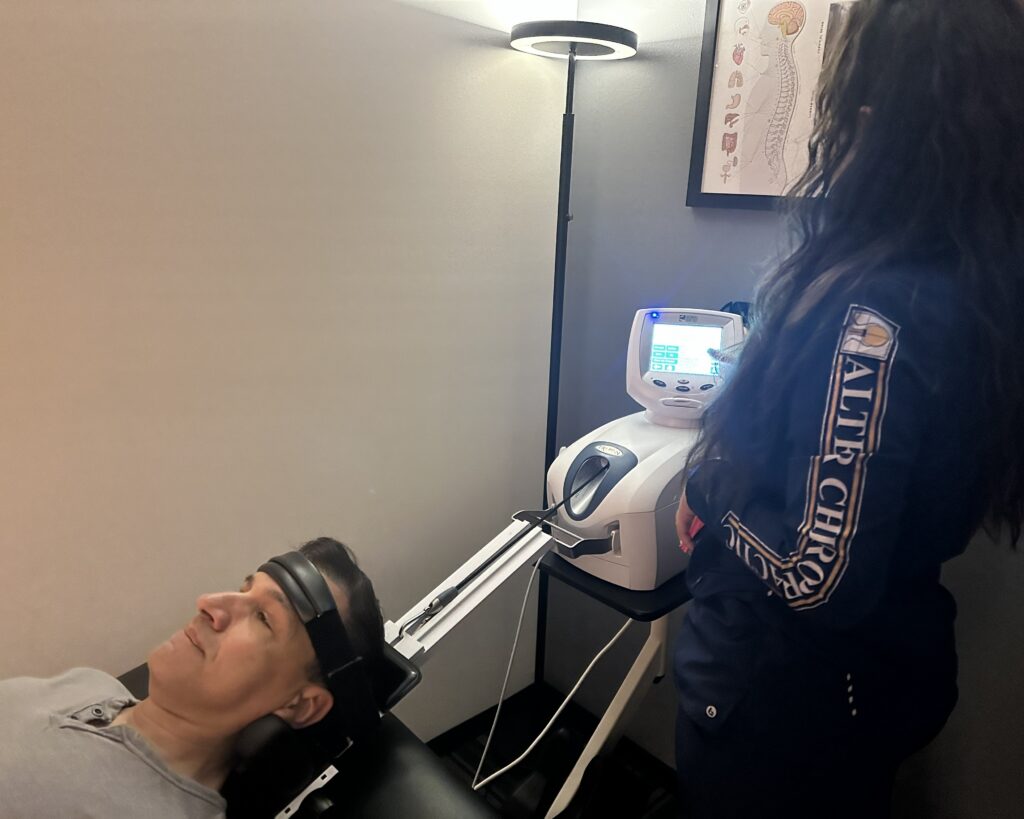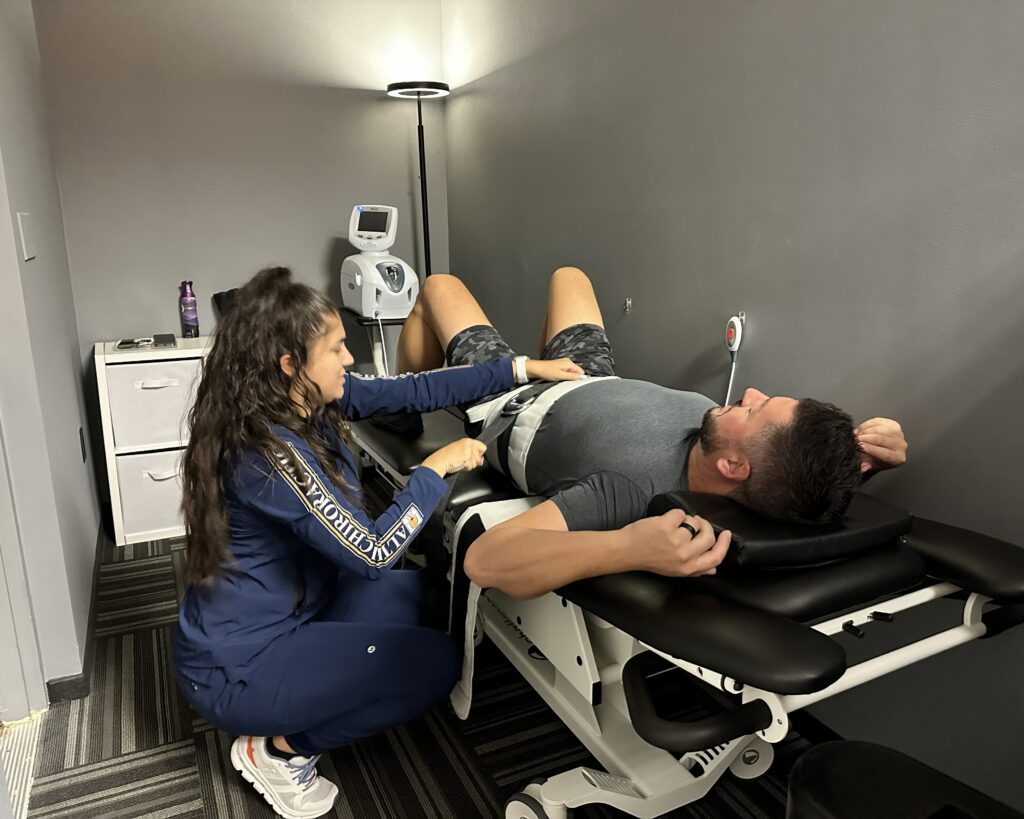

If you’re one of the many individuals who struggle with headaches, finding relief can often feel like an uphill battle. As a local chiropractor, I want to share some simple lifestyle adjustments that can significantly enhance your day-to-day comfort and support your overall health. By prioritizing hydration, managing stress, and maintaining a consistent routine, you can start to alleviate those nagging pains and improve your well-being.
Chiropractic care is a natural and effective approach to addressing headaches and promoting optimal health. It focuses on the alignment of your spine and the overall function of your nervous system, which can be key in reducing headache frequency and intensity. Curious about practical strategies that can lead to lasting relief? Let’s explore some effective tips that could change the way you experience headaches.
- Stay Hydrated: Dehydration can trigger headaches, so make sure you’re drinking enough water throughout the day. Aim for at least 8 glasses daily, and consider incorporating water-rich foods into your diet.
- Manage Stress: Stress is a common headache trigger. Incorporate relaxation techniques into your daily routine, such as deep breathing exercises, meditation, or yoga. Regular chiropractic adjustments can also help relieve physical tension caused by stress.
- Maintain a Consistent Routine: Establishing a regular sleep schedule and meal times can help stabilize your body’s rhythms, reducing the likelihood of headaches. Quality sleep and balanced nutrition play essential roles in your overall health.
- Practice Good Posture: Poor posture can lead to neck and back strain, contributing to headaches. Be mindful of how you sit and stand, and consider ergonomic furniture to support your spine.
- Regular Chiropractic Care: Visiting a chiropractor can help identify and correct any spinal misalignments that may be contributing to your headaches. Gentle adjustments can reduce nerve irritation and improve your body’s function.
- Engage in Regular Exercise: Physical activity increases blood flow and releases endorphins, which can help alleviate pain. Aim for at least 30 minutes of moderate exercise most days of the week, and consult with your chiropractor for personalized recommendations.
- Identify Triggers: Keep a headache diary to track your symptoms and identify potential triggers, such as certain foods, environmental factors, or stressors. This information can be invaluable in working with your chiropractor to develop a tailored care plan.
By incorporating these strategies into your life and embracing chiropractic care, you can create a solid foundation for natural healing and wellness. Remember, the goal is to address the root cause of your headaches, not just mask the symptoms. Together, we can work towards a healthier, pain-free future.
Key Takeaways
- Stay well-hydrated by drinking at least eight 8-ounce glasses of water each day. Including hydrating foods in your meals, like fruits and vegetables, can also contribute to your overall wellness and help reduce headache frequency.
- Managing stress is crucial for headache relief. Consider incorporating mindfulness practices such as meditation or yoga into your daily routine. Regular exercise can also help alleviate tension, and don’t forget the importance of connecting with loved ones for emotional support.
- A consistent sleep schedule plays a vital role in your health. Aim to go to bed and wake up at the same time every day, and establish a calming bedtime routine. Quality sleep can significantly reduce headache occurrences.
- Pay attention to your diet, as certain foods can trigger headaches. Keeping a food diary can help you identify these triggers, allowing you to avoid them. Focus on incorporating headache-friendly foods into your meals for better overall health.
- As a chiropractor, I emphasize the importance of spinal health. Chiropractic care can help address underlying spinal issues that may contribute to headaches. Regular adjustments can lead to a personalized health plan tailored to your needs, promoting natural healing and pain relief.
By following these tips and considering chiropractic care, you can take significant steps toward reducing headaches and achieving optimal health. Remember, the body is designed to heal itself, and with the right support, you can enhance your well-being naturally.
Stay Hydrated
When you start to feel a headache creeping in, one of the simplest and most effective remedies is staying hydrated. Dehydration is a common trigger for headaches, and addressing it can provide significant relief. Instead of reaching for over-the-counter medications, consider grabbing a glass of water as your first line of defense. Aim to drink at least eight 8-ounce glasses of water each day—more if you’re active or it’s hot outside.
Listen to your body; if you’re feeling thirsty, it’s a clear signal that you need to hydrate. Including hydrating foods in your diet—like juicy fruits and crisp vegetables—can also make a big difference. Snacks such as watermelon, cucumber, and oranges aren’t only refreshing but also help boost your hydration levels.
If you struggle to remember to drink enough water, try setting reminders on your phone or keep a reusable water bottle with you at all times. Staying well-hydrated not only aids in headache prevention but also supports your overall well-being, which is crucial for maintaining a healthy spine and body.
As a chiropractor, I can’t stress enough the importance of hydration in achieving optimal health. Proper hydration can enhance your body’s natural healing processes and improve your physical performance.
Manage Stress Effectively
Managing stress effectively is crucial for preventing headaches and supporting your overall health. As a chiropractor, I want to emphasize the importance of a holistic approach to wellness, which includes understanding how stress impacts your spine and nervous system.
Start by identifying what triggers your stress. It could be work, personal issues, or even your environment. Knowing your stressors is the first step in developing effective coping strategies.
Incorporating mindfulness practices like deep breathing or meditation can help you stay grounded. Even simple activities like taking short breaks to stretch or getting fresh air can greatly reduce tension, and they’re easy to incorporate into your daily routine.
Regular physical activity is another excellent way to manage stress. You don’t need to engage in intense workouts; even a brisk walk can significantly improve your mood and promote spinal health by keeping your body moving and flexible.
Connecting with friends or family can also provide emotional support. Sharing your feelings can lighten your mental load and help you feel more connected, which is vital for overall wellness.
Remember, if stress becomes overwhelming, seeking guidance from a professional chiropractor can be beneficial. Chiropractic care not only addresses physical pain but also promotes mental well-being by ensuring your spine is aligned and your nervous system is functioning optimally.
Taking care of your mental health is just as important as addressing physical symptoms. By integrating these stress management techniques and considering chiropractic care, you’re on your way to achieving a healthier, more balanced life.
Maintain a Consistent Sleep Schedule
Stress management is essential for your overall well-being, and one of the best ways to achieve this is by maintaining a consistent sleep schedule. When you go to bed and wake up at the same time every day, you help regulate your body’s internal clock. This consistency not only improves the quality of your sleep but also helps you feel more refreshed, reducing the likelihood of headaches and discomfort.
To enhance your sleep experience, consider creating a calming bedtime routine. Dim the lights, steer clear of screens, and unwind with a good book or soothing music.
Additionally, your sleep environment plays a crucial role in how well you rest. Ensure your bedroom is cool, dark, and quiet to foster a restful atmosphere.
Be mindful of daytime napping, as it can disrupt your nighttime sleep patterns. By prioritizing a regular sleep schedule, you’ll not only reduce the frequency of headaches but also elevate your mood and energy levels throughout the day.
Remember, chiropractic care can also play a vital role in your overall health. Regular adjustments can help alleviate tension and improve your sleep quality.
If you’re looking for a natural way to enhance your well-being, consider integrating chiropractic care into your routine. Make sleep a priority, and you’ll likely notice significant improvements in your health and happiness.
Monitor Your Diet
Monitor Your Diet for Headache Relief
As a chiropractor, I want to emphasize the importance of monitoring your diet in relation to headache frequency and intensity. Certain foods and drinks may trigger headaches, while others can provide relief. By being mindful of what you eat, you can uncover patterns that affect your overall well-being, including spinal health.
Keeping a food diary for a week can be an effective strategy. Document your meals alongside any headache occurrences to identify potential triggers. Common culprits may include aged cheeses, processed meats, and alcohol. Additionally, staying well-hydrated is crucial, as dehydration can often lead to headaches.
Here’s a simple guide to help you navigate foods that may impact your headaches:
| Trigger Foods | Helpful Foods | Notes |
|---|---|---|
| Aged cheese | Leafy greens | Fresh greens can energize and nourish your body. |
| Processed meats | Nuts and seeds | Healthy fats can improve your mood and overall health. |
| Alcohol | Whole grains | Consuming whole grains helps stabilize blood sugar levels. |
Making dietary adjustments can play a significant role in how you feel. Remember, chiropractic care also supports your body’s natural ability to heal and maintain wellness. Regular chiropractic adjustments can help reduce tension and improve spinal alignment, which may further alleviate headache symptoms.
Incorporate these dietary tips alongside regular chiropractic visits for optimal health and wellness. By taking control of your nutrition and seeking natural care, you can work towards a headache-free life!
Incorporate Regular Exercise
Incorporating regular exercise into your daily routine can significantly alleviate headache symptoms and contribute to your overall wellness. As a chiropractor, I recommend focusing on gentle, low-impact activities such as walking or swimming. These types of exercises minimize strain on your body while promoting better spinal health and circulation.
Establishing a consistent exercise routine not only enhances your physical health but also plays a crucial role in preventing future headaches. Remember, when your spine is aligned and functioning well, your body is better equipped to handle stress and tension, which are common headache triggers.
To maximize the benefits of your exercise routine, consider the following tips:
- Stay Hydrated: Drink plenty of water before, during, and after exercise to help reduce headache triggers.
- Practice Good Posture: Whether you’re exercising or sitting at your desk, maintaining good posture can alleviate unnecessary strain on your neck and back.
- Incorporate Stretching: Gentle stretching before and after your workouts can help keep your muscles relaxed and reduce tension in your spine.
By prioritizing regular exercise and maintaining a healthy spine through chiropractic care, you can take proactive steps toward a pain-free life and natural wellness.
Choose Low-Impact Activities
While many people might think that intense workouts are the best way to stay fit, I want to share how low-impact activities can be incredibly beneficial, especially if you’re prone to headaches. As a chiropractor, I understand the importance of caring for your body in a way that minimizes strain and supports overall wellness.
Low-impact exercises—like walking, swimming, or cycling—are gentle on your joints and can significantly reduce the risk of triggering a headache. These activities promote healthy blood circulation and help release endorphins, which are natural pain relievers.
By incorporating low-impact exercises into your routine, you can enjoy the benefits of physical activity without overwhelming your body. Aim for at least 30 minutes of these gentler exercises most days of the week, and remember to listen to your body. Adjust the intensity based on how you feel, and don’t hesitate to take breaks when needed.
In addition to exercise, regular chiropractic care can be a valuable component of your wellness journey. Chiropractic adjustments can help align your spine, reduce tension, and improve your overall health, making it easier for you to engage in physical activities.
Establish a Consistent Routine
Establishing a consistent routine is essential for managing headaches, and as a chiropractor, I can tell you that incorporating regular physical activity is a fantastic way to support your overall health and wellness. Engaging in exercise helps stabilize your body’s response to stress and tension, which can be significant contributors to headaches.
Aim for at least 30 minutes of moderate exercise most days—this could be as simple as walking, cycling, or practicing yoga. These activities not only improve blood circulation but also promote the release of endorphins, your body’s natural pain relievers.
To make exercise a habitual part of your life, set specific times for your workouts and treat them like important appointments. Listen to your body, and don’t hesitate to adjust your routine based on how you feel. Remember, rest days are crucial for recovery, so be sure to include them in your schedule.
As you develop this routine, you may notice a reduction in headache frequency and intensity, which can greatly enhance your overall well-being. Best of all, chiropractic care can further support your journey to optimal health by addressing any underlying spinal issues that might contribute to your discomfort.
Embracing a holistic approach that includes regular exercise and chiropractic adjustments can help you achieve lasting relief and improved health.
Explore Relaxation Techniques
When you find yourself battling the discomfort of a headache, exploring relaxation techniques can be a natural and effective way to find relief. One of the simplest yet powerful methods is deep breathing exercises. Begin by inhaling slowly through your nose, holding for a few seconds, and then exhaling gently through your mouth. This practice not only helps you relax but can also ease the tension that may be contributing to your headache.
Another helpful technique is progressive muscle relaxation. This involves tensing and then relaxing each muscle group in your body, starting from your toes and working your way up to your head. By doing this, you can release physical stress that may be affecting your overall comfort.
Mindfulness meditation is also worth considering. Find a quiet space, close your eyes, and focus on your breathing. Allow any distracting thoughts to drift away. This practice can enhance your mental clarity and help manage stress, which in turn can alleviate headache symptoms.
Incorporating gentle yoga or stretching into your routine is another fantastic way to relieve tight muscles and improve blood flow. These movements can help keep your spine aligned and support overall wellness, making them a great addition to your self-care regimen.
Remember, chiropractic care is an excellent approach to achieving optimal health and addressing headaches at their root. Regular visits to a chiropractor can help ensure your spine is properly aligned, which can reduce nerve tension and improve your overall well-being.
Consult a Healthcare Professional
If you’re dealing with frequent or severe headaches, it’s essential to seek guidance from a healthcare professional, and as a chiropractor, I want to emphasize the benefits of chiropractic care for headache relief. Chiropractors focus on the spine and its role in overall wellness, and many headaches can be linked to spinal issues. By addressing these underlying problems, chiropractic care can help provide natural relief without the need for medications or invasive procedures.
When you consult with a chiropractor, here’s what you can expect:
| What to Reflect On | Why it Matters |
|---|---|
| Frequency of Headaches | Helps identify patterns and triggers |
| Duration of Symptoms | Affects treatment strategies |
| Associated Symptoms | Provides insight into possible causes |
Chiropractic adjustments can improve spinal alignment, which may reduce tension and pressure that contribute to headaches. Additionally, your chiropractor will discuss your lifestyle, including stress levels, posture, and daily habits, to help create a personalized plan for your health.
Here are some general tips to help manage headaches naturally:
- Stay Hydrated: Dehydration can lead to headaches, so ensure you’re drinking plenty of water throughout the day.
- Maintain Good Posture: Poor posture can strain your neck and back, leading to tension headaches. Pay attention to your sitting and standing posture.
- Manage Stress: Practice relaxation techniques such as deep breathing, meditation, or yoga to help reduce stress-related headaches.
- Get Regular Exercise: Physical activity can improve circulation and reduce tension, which may help alleviate headache symptoms.
Don’t hesitate to seek the help of a chiropractor—early intervention can lead to better management and relief. You’re not alone in this journey, and chiropractic care can guide you toward a healthier, pain-free life. Embrace natural healing and take proactive steps toward optimal wellness!
Conclusion
By following these seven tips, you can take control of your headaches and greatly improve your overall well-being. First and foremost, don’t underestimate the power of staying hydrated; drinking plenty of water is crucial. Managing stress is also vital, as tension can contribute significantly to headaches.
Maintaining a regular sleep schedule will help your body function better, so make sure to prioritize rest. Pay attention to your diet, as certain foods can trigger headaches for some individuals. Incorporating gentle exercise, like walking or stretching, into your daily routine can also alleviate tension and improve your mood.
Additionally, exploring relaxation techniques such as deep breathing or yoga can help reduce stress levels. And remember, chiropractic care is an excellent way to address the root causes of headaches. By aligning your spine and ensuring proper nervous system function, you can experience natural relief without the need for medications or invasive procedures.
If headaches persist, don’t hesitate to consult a chiropractor who can provide personalized care to help you find the relief you deserve. With these strategies, you’re well on your way to enhancing your quality of life naturally!