
If you’re experiencing lower back pain, know that you’re not alone in this journey. Many individuals face discomfort that can hinder their daily activities. As a chiropractor, I want to share that there are effective, natural strategies to help you on your path to recovery. By making simple adjustments to your posture, incorporating gentle exercises tailored to your needs, and managing stress in healthy ways, you can start to alleviate some of that discomfort. Let’s delve into these practical tips that can empower you to reclaim your well-being while supporting your back’s health in a gentle manner.
Maintain Proper Posture
As a local chiropractor, I want to emphasize the importance of maintaining proper posture to prevent and alleviate lower back pain. Whether you’re sitting, standing, or walking, it’s crucial to ensure that your spine remains aligned. This means keeping your shoulders back and your head aligned with your spine.
When you sit, choose a chair that provides support for your lower back, and be sure to keep your feet flat on the floor. If you’re working at a desk, it’s important to adjust your chair height so that your knees are level with your hips. This simple adjustment can make a significant difference in how your back feels throughout the day.
When standing, make sure to distribute your weight evenly across both feet. Avoid locking your knees, as this can put unnecessary strain on your back. Engaging your core muscles can help stabilize your spine and maintain good posture.
If you ever need to lift something heavy, remember to bend at your knees rather than your waist. This technique helps to minimize strain and protect your back from injury.
Incorporate Gentle Stretching
As a local chiropractor, I often see patients struggling with lower back pain, and I want to share how incorporating gentle stretching into your daily routine can make a significant difference. Many people may not realize that simple stretches, such as the cat-cow stretch or child’s pose, can effectively alleviate tension and enhance your flexibility.
These stretches aren’t just physical exercises; they’re tools that can help release built-up tension in your muscles and promote relaxation, which is essential for overall well-being. By gently moving your body through these stretches, you can improve blood circulation and reduce stiffness, ultimately leading to better spinal health.
I encourage you to take a few minutes each day to integrate these stretches into your routine. Start slowly and listen to your body—it’s important to ease into the movements.
If you’re unsure about how to perform these stretches correctly, feel free to ask me during our sessions. Together, we can explore the best ways to incorporate gentle stretching into your life for improved comfort and mobility.
Benefits of Stretching
As a local chiropractor, I want to share with you the remarkable benefits of gentle stretching, especially when it comes to alleviating lower back pain. Many of my patients are surprised to learn how effective stretching can be in their healing journey.
By incorporating simple stretching exercises into your daily routine, you can significantly enhance your flexibility and range of motion in your muscles. This improvement can lead to reduced stiffness and better blood circulation, which is essential for overall healing.
When you engage in gentle stretching, you not only alleviate tension in your back and surrounding areas, but you may also experience immediate relief from discomfort. Moreover, regular stretching can help strengthen your core muscles, offering better support for your spine and minimizing the chances of future injuries.
It’s important to remember that consistency is key to experiencing these benefits. By making gentle stretching a regular part of your life, you’ll likely notice a significant enhancement in your comfort and mobility, ultimately improving your overall quality of life.
If you have any questions about incorporating stretching into your routine or how it complements chiropractic care, feel free to reach out. Your journey to better health is our priority!
Recommended Stretching Techniques
As your local chiropractor, I want to share some effective and gentle stretching techniques that can help alleviate lower back pain.
It’s important to focus on the muscles in your back, hips, and legs, as these areas often contribute to discomfort.
Let’s start with a classic stretch known as the child’s pose. To do this, kneel on the floor, sit back on your heels, and extend your arms forward while lowering your torso. This position helps to relax your lower back and can provide immediate relief.
Next, I recommend the knee-to-chest stretch. Lie flat on your back and gently pull one knee towards your chest, holding it there for about 20 seconds before switching to the other knee. This stretch can help to release tension in your lower back and improve flexibility.
Another beneficial stretch is the seated forward bend. Sit with your legs extended in front of you, and slowly reach toward your toes. This movement engages your lower back and helps to stretch the surrounding muscles.
Lastly, consider adding the cat-cow stretch to your routine. This dynamic stretch involves alternating between arching your back (cat position) and dipping it down (cow position), which can enhance spinal flexibility.
Always remember to breathe deeply, and listen to your body. If any movements cause pain, it’s crucial to stop immediately.
These stretches can be a valuable part of your self-care routine, promoting natural healing and supporting your overall well-being. If you have any questions or need personalized guidance, feel free to reach out to me.
Strengthen Core Muscles
As a local chiropractor, I want to emphasize the importance of strengthening your core muscles for overall stability and to help alleviate lower back pain.
Many people may not realize that a strong core is vital for supporting your spine and maintaining proper posture. By incorporating effective core exercises into your daily routine, you can build a solid foundation that not only enhances your physical stability but also plays a crucial role in your recovery from pain or discomfort.
Remember, consistency is key; making these exercises a regular part of your life can lead to significant improvements in your health and well-being.
Let’s work together to empower your body naturally!
Importance of Core Stability
As a local chiropractor, I want to share with you the vital importance of core stability in maintaining a healthy spine and preventing lower back pain. Your core muscles act as a supportive foundation for your spine, allowing you to maintain proper posture and alignment throughout your daily activities.
When these muscles are strong and stable, they help to evenly distribute forces across your body, which can significantly reduce the strain on your lower back and minimize the risk of injury.
Moreover, a stable core enhances your balance and coordination, making it easier to perform everyday tasks without placing unnecessary stress on your back. By prioritizing core stability in your fitness routine, you can’t only improve your overall physical function but also promote better alignment of your spine.
This focus on core strength can lead to long-term relief from discomfort and contribute to a healthier back overall.
Incorporating core stability exercises into your lifestyle is a natural and effective way to support your body. As you work on strengthening your core, you may find that you experience fewer aches and pains, allowing you to enjoy life more fully.
Effective Core Exercises
As a local chiropractor, I want to emphasize the importance of incorporating effective core exercises into your daily routine. A strong core is vital for overall stability and plays a crucial role in maintaining the health of your spine. By strengthening your core, you can alleviate existing lower back pain and help prevent future discomfort.
Here are three foundational exercises that I recommend for enhancing your core strength:
- Planks: Begin by holding a plank position for around 30 seconds. This exercise strengthens your entire core and encourages proper alignment by maintaining a straight line from your head to your heels. It’s a simple yet effective way to engage multiple muscle groups.
- Bird-Dogs: Start on all fours and extend your right arm and left leg out simultaneously. Hold for a moment, then switch sides. This movement not only improves your balance and coordination but also engages your core, making it an excellent addition to your routine.
- Bridges: Lie on your back with your knees bent and feet flat on the floor. Lift your hips toward the ceiling, creating a straight line from your shoulders to your knees. Hold this position for a few seconds before lowering back down. This exercise is great for targeting your glutes and supporting your lower back.
Incorporating these exercises regularly can help establish a strong foundation for your back health.
Consistency in Training
As a chiropractor, I often see patients who are eager to start a new exercise routine, particularly for strengthening their core muscles. However, I want to emphasize that consistency is vital for achieving lasting results. I recommend incorporating core workouts into your weekly routine at least three times.
This doesn’t mean you need to perform the same exercises each day; in fact, mixing it up is beneficial. This variety keeps your workouts engaging and helps challenge your muscles in different ways.
Setting realistic goals and tracking your progress can be powerful tools to keep you motivated on your journey. It’s important to approach this gradually—starting slow and building intensity over time can help prevent injuries, which is crucial for maintaining your overall health.
As you commit to this routine, you’ll likely notice improvements in your stability and strength, which can significantly alleviate lower back pain.
Apply Heat or Cold Therapy
As a local chiropractor, I want to share some effective methods for managing lower back pain that you mightn’t be familiar with—specifically, the use of heat and cold therapy.
These natural techniques can provide quick relief and support your healing journey. Here’s how to properly utilize them:
- Cold Therapy: For immediate pain relief, consider using an ice pack wrapped in a cloth. Apply it to the affected area for about 15-20 minutes. Cold therapy is fantastic for reducing inflammation and numbing the pain, making it a great first step in managing discomfort.
- Heat Therapy: After using cold therapy, you might want to switch to heat. Applying a heating pad or a warm towel for 15-20 minutes can significantly help. Heat promotes increased blood flow, which aids in relaxing tight muscles and alleviating stiffness that often accompanies lower back pain.
- Alternating Methods: For optimal results, you can alternate between heat and cold therapy. Start with cold to tackle inflammation, and then transition to heat for muscle relaxation and improved circulation. This combination can be particularly effective in managing pain and enhancing recovery.
Always listen to your body throughout this process. If you find one method provides more relief than the other, trust your instincts.
Finding the right balance between heat and cold therapy can significantly improve your comfort and expedite your healing process. Remember, taking care of your back is essential, and these natural methods are an excellent addition to your wellness routine.
Stay Active With Low-Impact Exercises
As a chiropractor dedicated to your wellness, I want to emphasize the importance of staying active, particularly through low-impact exercises, as part of your recovery journey from lower back pain.
After you’ve experienced some relief with heat and cold therapy, incorporating activities like walking, swimming, or cycling can significantly aid in strengthening your core muscles and enhancing flexibility, all while minimizing strain on your back.
I recommend aiming for at least 30 minutes of low-impact exercise each day. However, it’s crucial to listen to your body and take breaks when necessary.
Starting with gentle movements is ideal; consider routines such as stretching or yoga, which can help improve your mobility and alleviate stiffness.
Engaging in regular physical activity not only contributes to your physical health but also has a positive impact on your mood.
Remember, the key to long-term relief and recovery is consistency. Explore different activities to find what you enjoy, and make them a regular part of your lifestyle.
Together, we can work towards your wellness goals and help you achieve a healthier, pain-free life.
Consider Physical Therapy
If you’re dealing with lower back pain, exploring chiropractic care could be a transformative step towards healing.
As a chiropractor, I focus on creating a customized treatment plan that emphasizes strengthening your core muscles and employing natural pain relief techniques. This individualized approach not only helps alleviate discomfort but also enhances your mobility and overall well-being.
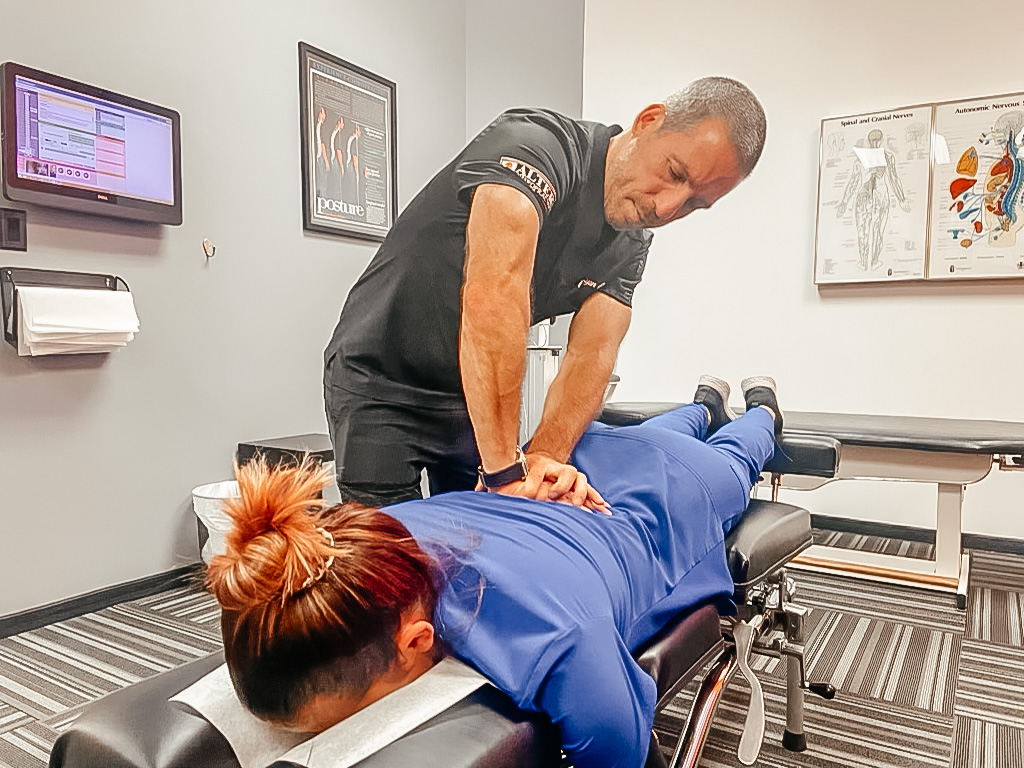
Through gentle adjustments and therapeutic exercises, we can work together to restore balance and promote your body’s innate ability to heal.
Embrace the journey to a pain-free life through the power of chiropractic care!
Personalized Treatment Plans
As a local chiropractor dedicated to helping you overcome lower back pain, I want to emphasize the importance of personalized treatment plans that incorporate natural healing techniques.
By customizing your approach, we can effectively address your unique challenges and set you on a path to recovery. Here are three essential components to consider for your treatment plan:
1. Comprehensive Evaluation: The first step in your journey is a detailed assessment of your condition. During this evaluation, I’ll work to identify the underlying causes of your pain, which allows us to tailor your chiropractic care specifically to your needs.
2. Customized Adjustments and Exercises: We’ll integrate specific chiropractic adjustments along with targeted exercises designed to relieve pain and enhance your mobility.
I’ll guide you through movements that are appropriate for your current level of discomfort, ensuring a safe and effective healing process.
3. Continuous Guidance and Support: It’s crucial to have ongoing support as you progress. Regular visits will allow us to monitor your improvements and adjust your treatment plan as needed, keeping you on track toward achieving lasting relief and wellness.
Strengthening Core Muscles
As a local chiropractor, I want to share how strengthening your core muscles can significantly improve your lower back stability and overall function. A strong core is essential because it provides support to your spine, which helps alleviate the strain on your lower back during everyday activities.
To get started, consider incorporating exercises such as planks, bridges, and abdominal crunches into your routine. These exercises engage your entire core and are fundamental to building strength.
It’s crucial to maintain proper form while performing these movements to prevent injury and ensure you’re getting the most benefit. If you’re unsure where to begin or how to tailor these exercises to your specific needs, I highly recommend seeking guidance from a physical therapist or a chiropractor.
We can work together to create a customized plan and monitor your progress as you strengthen your core. As you become more comfortable, gradually increase the intensity and duration of your workouts.
Consistency is vital, so aim for regular practice to enhance your endurance and stability. This approach won’t only support your recovery but also help prevent future discomfort.
Pain Management Techniques
As a local chiropractor dedicated to helping you manage lower back pain, I want to introduce you to a holistic approach that emphasizes natural healing and overall well-being.
It’s essential to understand that alleviating discomfort often requires a combination of techniques. Here are three effective methods we can incorporate into your pain management routine:
- Chiropractic Adjustments: By performing precise adjustments, I can help restore proper alignment to your spine. This not only alleviates muscle tension but also enhances joint function, allowing for improved movement and reduced pain.
- Customized Exercise Plans: Together, we can develop a personalized exercise regimen designed to strengthen your back and core muscles. These exercises are crucial for enhancing stability and gradually easing your pain over time.
- Natural Therapeutic Techniques: I often recommend modalities such as heat therapy, ice application, or electrical stimulation. These techniques can provide immediate relief and assist in reducing inflammation, setting the stage for better healing.
Use Supportive Footwear
As a local chiropractor, I want to emphasize the importance of choosing supportive footwear to help alleviate lower back pain. The right shoes can truly transform your daily comfort and overall well-being.
When you’re on the hunt for shoes, look for ones that offer adequate arch support and cushioning. These features play a crucial role in distributing your weight evenly across your feet, which in turn reduces stress on your spine.
It’s essential to steer clear of high heels or flat shoes that lack support, as these can aggravate existing pain and lead to further discomfort. Instead, opt for shoes that have a firm heel counter and shock-absorbing soles. These characteristics not only provide stability but also help to absorb the impact as you walk, promoting better alignment and reducing strain on your back.
If you have specific foot concerns, such as flat feet or high arches, I recommend considering custom orthotics. These can offer additional support tailored to your unique foot structure, enhancing your comfort and helping to prevent pain.
Manage Stress and Relaxation
As a local chiropractor, I want to emphasize the importance of managing stress and incorporating relaxation techniques into your daily routine, especially if you’re dealing with lower back pain.
Many people may not realize that stress can lead to muscle tension, which can exacerbate pain. By focusing on relaxation, you can create an environment that’s more conducive to healing and recovery.
Here are three effective strategies to help you manage stress:
- Practice Deep Breathing: Set aside a few moments each day to concentrate on your breathing. Inhale deeply through your nose, hold it for a brief pause, and then exhale slowly. This simple technique can significantly reduce tension and help calm your mind, which is essential for healing.
- Engage in Gentle Exercise: Consider activities like yoga or tai chi. These gentle forms of exercise not only help to relax your body but also calm your mind. They improve flexibility and promote relaxation, which can be incredibly beneficial for your overall well-being and pain management.
- Set Aside ‘Me Time’: It’s crucial to prioritize time for yourself each week. Engage in activities that you enjoy, whether it’s reading a book, listening to your favorite music, or practicing meditation. Taking time for self-care can alleviate stress and greatly support your recovery journey.
By incorporating these practices into your life, you can enhance your healing process and find relief from lower back pain.
Evaluate Your Sleep Environment
As your local chiropractor, I want to emphasize the importance of your sleep environment in aiding your recovery from lower back pain. A well-evaluated sleep space can significantly enhance your healing process.
Let’s begin with your mattress. It’s crucial that it offers the right level of support—ideally, it should be neither too firm nor too soft. This balance helps maintain proper spinal alignment while you sleep. If your mattress isn’t meeting these criteria, it might be time to consider a new one that aligns with your preferred sleeping position.
Don’t overlook the role of pillows in your sleep setup. A good pillow should support your neck and help keep your spine in alignment. If you’re a side sleeper, a thicker pillow may be beneficial, while back sleepers typically find a flatter pillow more comfortable.
Equally important is your sleep position. I recommend avoiding stomach sleeping, as it can place unnecessary strain on your back. Instead, try resting on your side or back, placing a pillow between your knees to provide additional support. This simple adjustment can make a significant difference.
Finally, ensure that your bedroom environment is conducive to quality sleep. Aim for a dark, quiet, and cool space, as these conditions promote restorative sleep.
Consult With a Healthcare Professional
After you’ve optimized your sleep environment, the next crucial step in your recovery from lower back pain is to consult with a chiropractor. This isn’t merely a formality; it’s a vital part of your healing journey.
As a chiropractor, I can assess your condition and recommend natural treatment options tailored to your individual needs. Here are three key benefits of seeking chiropractic care:
- Comprehensive Assessment: I’ll perform a thorough evaluation to identify the root cause of your pain, ensuring that we address any underlying issues rather than just the symptoms.
- Customized Treatment Plans: You’ll receive a personalized approach that may include spinal adjustments, physical therapy techniques, and lifestyle modifications designed specifically for you.
- Education on Prevention: As your chiropractor, I can provide you with valuable strategies to prevent future injuries and help you maintain a healthy spine for the long term.
Don’t hesitate to reach out for support. The sooner you consult with a chiropractor, the sooner you can begin your journey to recovery.
Your back will appreciate the care!
Conclusion
As a local chiropractor, I want to share some valuable tips to support your recovery from lower back pain. Understanding the importance of proper posture is crucial; it can really help alleviate your discomfort. Gentle stretching and core strengthening exercises are also essential components of your healing process. It’s important to stay active, but focus on low-impact exercises that won’t strain your back.
Wearing supportive footwear can make a significant difference in how your body feels throughout the day. Additionally, managing stress is key—consider incorporating relaxation techniques into your routine to help ease tension in both your mind and body.
Don’t forget to evaluate your sleep environment; a supportive mattress and pillow can contribute greatly to your recovery. Consulting with a healthcare professional, like a chiropractor, can offer personalized guidance and adjustments that enhance your healing journey. By taking these steps, you can reclaim your comfort and improve your overall well-being. Remember, you’re not alone in this—let’s work together towards a pain-free life!