
As a local chiropractor, I understand that lower back discomfort can be quite frustrating for many individuals. However, there are several effective strategies you can employ to manage this issue naturally. One of the key factors is focusing on your posture. Maintaining proper alignment can greatly reduce strain on your back.
Incorporating targeted exercises specifically designed for strengthening your core and back muscles can also make a significant difference in your comfort levels. Additionally, using proper lifting techniques is crucial; bending at the knees and keeping your back straight can prevent further injury and discomfort.
Moreover, making small adjustments in your environment—like ensuring your workspace is ergonomically friendly—and incorporating consistency into your daily routine can provide much-needed relief. If you’re curious about the specific steps you can take to alleviate your discomfort, I invite you to explore these tips with me. Together, we can work towards a healthier, pain-free back.
Maintain Good Posture
As a local chiropractor, I want to emphasize the importance of maintaining good posture for your overall spinal health and to alleviate lower back discomfort. It’s crucial for you to be aware of how you sit, stand, and move throughout your day-to-day activities.
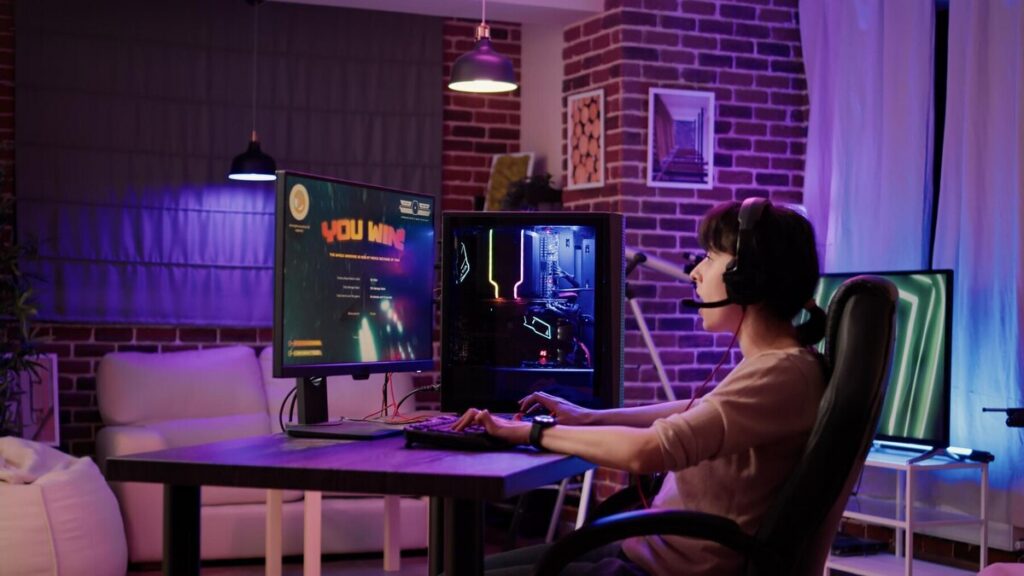
When you sit, make sure your feet are flat on the floor or use a footrest to achieve proper alignment. Opt for a chair that supports your lower back and encourages an upright posture. If you spend a lot of time at a desk, position your computer screen at eye level. This will help prevent unnecessary strain on your neck and back.
Standing posture is just as important. Aim to distribute your weight evenly across both feet and avoid locking your knees. Engage your core muscles to provide support for your spine. When lifting objects, always bend at your knees instead of your waist, and keep the load close to your body to prevent injury.
Don’t forget about your posture while walking! Keep your head up, shoulders back, and stride naturally.
By incorporating these simple habits into your daily routine, you’ll not only promote your spinal health but also significantly reduce the risk of experiencing lower back pain.
Incorporate Stretching and Strengthening Exercises
As your local chiropractor, I want to emphasize the importance of incorporating stretching and strengthening exercises into your routine to effectively manage lower back discomfort. Many of my patients find that focusing on stretches that target the lower back, hips, and hamstrings can be incredibly beneficial.
I often recommend gentle stretches like the child’s pose and cat-cow, which can help relieve tension in these areas. When doing these stretches, aim to hold each position for 20-30 seconds while breathing deeply to enhance relaxation.
In addition to stretching, strengthening your core is crucial for supporting your spine and improving overall stability. Exercises such as planks and bridges are excellent for building this strength.
I suggest incorporating these exercises into your routine at least two to three times a week for optimal results.
It’s important to listen to your body during this process. If you experience any pain with certain movements, please stop immediately.
Consistency is vital—setting a regular schedule for these exercises can lead to significant improvements in your strength and flexibility over time. As you continue on this journey, you may notice a reduction in discomfort, allowing you to engage in daily activities with greater ease and confidence.
Prioritizing your back health through these natural approaches can lead to long-term benefits. I’m here to support you every step of the way on your path to better health!
Use Proper Lifting Techniques
As a local chiropractor dedicated to your overall well-being, I want to share some essential lifting techniques that can significantly reduce the risk of lower back discomfort. Many individuals are unaware that the way we lift objects can have a profound impact on our spinal health.
When lifting, it’s crucial to bend at the knees rather than at the waist. This simple adjustment can help protect your back from strain. Position your feet shoulder-width apart to establish a solid base for balance.
Remember, your legs are much stronger than your back, so utilize them to lift the object. It’s also important to keep the item close to your body, as this minimizes the strain on your spine. If you need to change direction while lifting, pivot with your feet instead of twisting your torso—this is key to maintaining spinal alignment.
If you encounter an item that feels too heavy or is awkward to handle, don’t hesitate to seek assistance or use a dolly. It’s always better to ask for help than to risk injury.
Keep your head up and look forward during the lift; this helps in maintaining a straight spine and proper posture.
Stay Active and Mobile
As a local chiropractor, I want to emphasize the importance of staying active and mobile for maintaining a healthy back. Many people are unaware that regular movement is key to preventing discomfort and promoting overall spinal health.
Keeping your muscles strong and flexible not only supports your spine but also reduces strain on your back. Here are three easy ways to incorporate more activity into your daily routine:
- Take Short Walks: I recommend aiming for 5-10 minute walks throughout your day. These brief strolls can effectively break up long stretches of sitting, helping to keep your back muscles engaged and reducing stiffness.
- Stretch Regularly: Gentle stretching is an excellent way to enhance flexibility and relieve tension. Focus on stretches that target your lower back, hips, and hamstrings, as these areas are crucial for maintaining a healthy spine.
- Engage in Low-Impact Activities: Activities such as swimming, cycling, or yoga are fantastic options for strengthening your back muscles while minimizing stress on your joints.
These low-impact exercises can be particularly beneficial for those new to physical activity or recovering from injury.
By incorporating these simple practices into your daily life, you can take proactive steps toward a healthier back and overall well-being.
Invest in Ergonomic Furniture
As a local chiropractor, I want to emphasize the significant impact that ergonomic furniture can have on your spinal health and overall well-being.
Many of you may not be familiar with how your workspace can affect your body, but investing in ergonomic solutions is a crucial step toward better posture and less discomfort.
I recommend considering adjustable desks that enable you to alternate between sitting and standing throughout the day. This flexibility can help alleviate the strain on your back and neck.
Additionally, look for chairs designed with lumbar support that encourages proper alignment of your spine. These simple adjustments can’t only reduce pain but also enhance your productivity.
By making these mindful choices in your workspace, you can promote better spinal health and support your body in its natural healing processes.
Choose Adjustable Desks
As a local chiropractor, I often see patients who struggle with the effects of prolonged sitting. One excellent solution to alleviate discomfort and enhance your overall well-being is investing in an adjustable desk.
These desks offer the unique ability to alternate between sitting and standing, which can significantly reduce strain on your lower back. Here are three compelling benefits of using an adjustable desk:
- Improved Posture: An adjustable desk allows you to customize the height of your workspace, promoting better posture throughout your workday. This is crucial in preventing misalignments that can lead to pain and discomfort.
- Encouragement of Movement: By standing while you work, you’re more likely to move around, which can help reduce stiffness and tension in your back. Movement is vital for maintaining spinal health and overall body function.
- Enhanced Energy Levels: Alternating between sitting and standing can give you an energy boost, helping you stay focused and productive. This energy shift can also contribute to better decision-making and efficiency in your tasks.
Choosing an adjustable desk is a proactive step towards managing lower back discomfort and enhancing your overall health.
As you explore options, consider how this investment can complement your journey towards better spinal care and natural healing.
Supportive Chair Design
As a local chiropractor, I want to emphasize the importance of your chair when it comes to supporting your lower back health, especially during those long hours at your desk. Many people overlook how crucial a well-designed chair is in maintaining your spinal alignment and overall well-being.
Investing in an ergonomic chair is key to providing the support your body truly needs. Look for one that includes lumbar support, as this feature helps maintain the natural curve of your spine, reducing the risk of discomfort and injury.
Adjustable features, like seat height and backrest angle, are essential because they allow you to customize the fit to your unique body shape, which promotes better posture throughout the day.
A properly designed chair should also have a comfortable seat cushion and be made from breathable materials to keep you cool and comfortable. It’s also important to consider armrests that support your arms without causing strain, as this can help prevent tension in your shoulders and neck.
By prioritizing a supportive chair, you not only reduce discomfort but also enhance your productivity, making those long hours much more manageable.
Apply Heat or Cold Therapy
As your local chiropractor, I want to share some effective strategies for alleviating lower back discomfort, particularly through the use of heat and cold therapy.
These natural methods can be incredibly beneficial in addressing your specific pain needs, and I encourage you to explore them. Here’s a breakdown of how to utilize these therapies effectively:
1. Cold Therapy: When you’re experiencing sharp pain or inflammation in your lower back, cold therapy can be your ally.
I recommend using an ice pack or a bag of frozen vegetables wrapped in a cloth. Apply it to the affected area for 15-20 minutes. This helps numb the pain and reduce any swelling you might be experiencing.
2. Heat Therapy: On the other hand, if your back feels stiff or your muscles are tense, heat therapy can work wonders.
Utilize a heating pad or a warm towel to apply heat to your lower back for 15-30 minutes. This will help relax your muscles, promote blood flow, and alleviate stiffness.
3. Alternating Treatments: For some patients, a combination of both heat and cold therapy can yield the best results.
Start with cold therapy to minimize any swelling, then transition to heat to relax your muscles and enhance circulation. This alternating approach can provide comprehensive relief.
I encourage you to experiment with these methods to find what brings you the most comfort.
Remember to take breaks between applications to protect your skin from irritation. Should you have any questions or need further guidance, please don’t hesitate to reach out.
Your journey to relief is important, and I’m here to support you every step of the way.
Consider Professional Help
At our chiropractic clinic, we understand that lower back discomfort can be frustrating, especially when you’ve tried various remedies like heat and cold therapy without success. When this happens, it may be time to explore the benefits of professional chiropractic care.
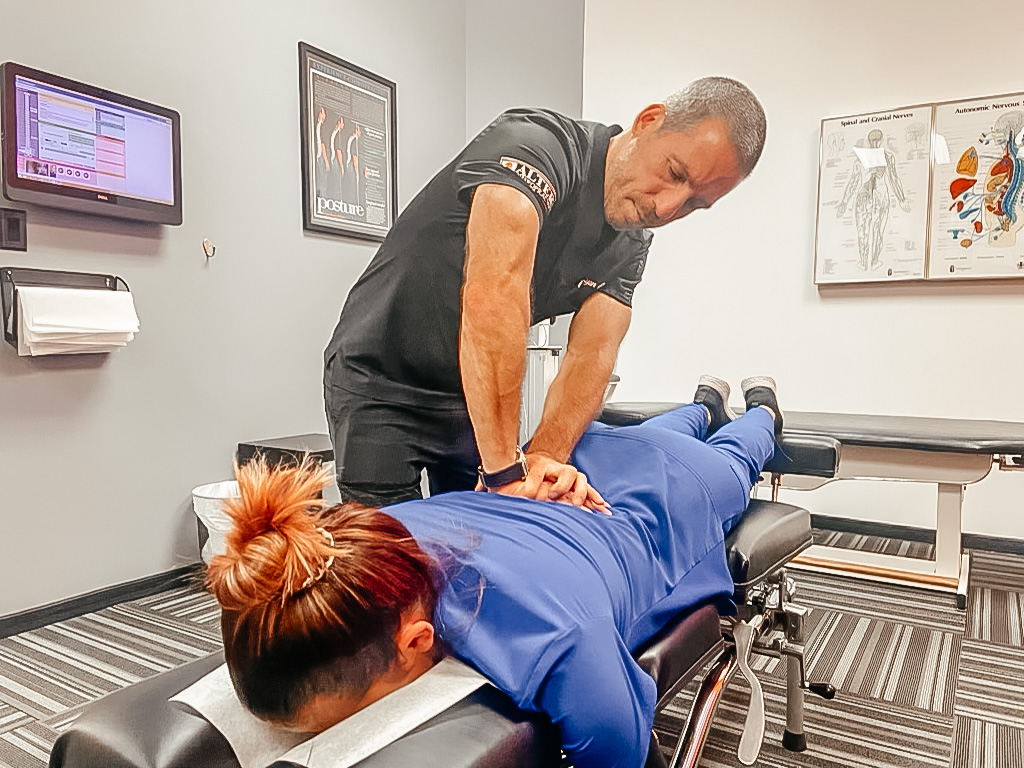
As a chiropractor, my goal is to assess your condition thoroughly and develop a tailored treatment plan that addresses your unique needs. Chiropractic care focuses on realigning the spine and optimizing your body’s natural healing abilities.
Through gentle adjustments and spinal manipulation, we can often provide immediate relief and improve your overall mobility. In addition to adjustments, we may also incorporate specific exercises and manual therapy techniques to help alleviate pain and strengthen the muscles supporting your back.
If your discomfort is severe or persistent, I may recommend consulting with other specialists, such as orthopedic doctors or pain management experts, for further evaluation. These professionals might suggest diagnostic imaging to uncover underlying issues and recommend additional treatments like medications or injections when necessary.
Remember, taking the step to seek chiropractic care is a proactive approach to managing your lower back discomfort and enhancing your overall well-being.
We’re here to support you on your journey to a pain-free life!
Conclusion
As a local chiropractor, I want to share some valuable tips for managing lower back discomfort and enhancing your overall well-being. It’s essential to prioritize good posture, as it plays a crucial role in preventing and alleviating pain. Staying active is also fundamental; gentle exercises can strengthen your back and improve flexibility. When lifting objects, always use proper techniques to avoid strain.
Investing in ergonomic furniture can make a significant difference in your daily comfort. Additionally, applying heat or cold therapy can provide relief when needed. If your pain continues despite these measures, seeking professional chiropractic care can be incredibly beneficial. We offer personalized guidance and support tailored to your specific needs. Take proactive steps towards your back health today, and you’ll be on your way to a more comfortable and active life!