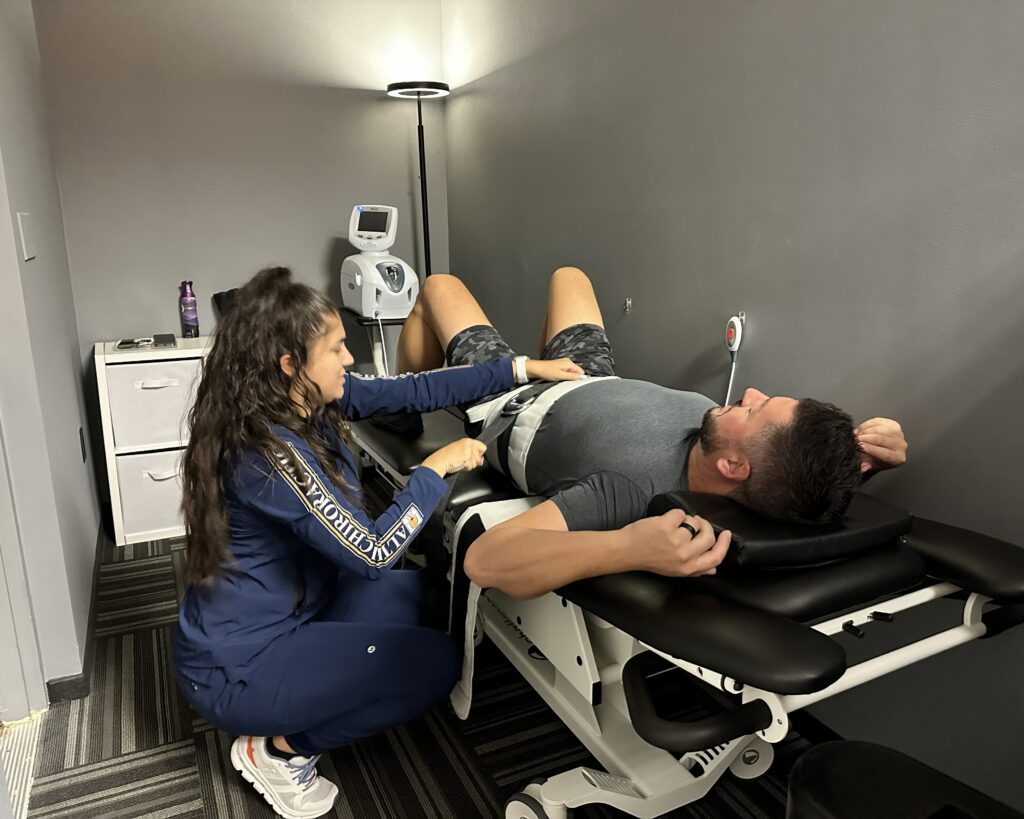

Managing migraines can indeed be a daunting challenge, but there are effective strategies that can help you find relief and improve your quality of life. As a chiropractor, I emphasize the importance of understanding your body and its signals. By identifying your migraine triggers and making simple lifestyle adjustments, you can take charge of your symptoms in a natural way.
One of the key aspects of managing migraines is ensuring that you prioritize consistent sleep and hydration. Quality sleep and proper hydration can play a vital role in reducing the frequency and severity of migraines. Additionally, incorporating regular chiropractic care into your routine can help address spinal alignment and improve nervous system function, which may contribute to alleviating migraine pain.
Exploring techniques such as stress management, gentle stretching, and regular physical activity can also make a significant difference. These practices not only promote overall wellness but can also help reduce tension that may lead to migraines. Furthermore, consider establishing a supportive environment by surrounding yourself with understanding friends and family, as emotional support is crucial in managing chronic pain.
Let’s delve into these tips together and discover how you can embrace a healthier lifestyle while positioning chiropractic care as a natural and effective approach to achieving optimal health and wellness. Remember, you are not alone on this journey, and there are steps you can take to feel better.
Identify Triggers
To manage migraines effectively, identifying your triggers is essential, and this is where a holistic approach, including chiropractic care, can play a vital role.
Start by keeping a detailed diary of your migraines. Note when they occur, their intensity, and any accompanying symptoms. This will help you spot patterns and pinpoint specific triggers. Common culprits can include certain foods, stress, hormonal changes, and environmental factors like bright lights or strong smells.
Once you’ve identified potential triggers, you can work on avoiding or minimizing your exposure to them. For example, if you notice that certain cheeses or chocolate provoke your migraines, consider eliminating them from your diet.
Additionally, chiropractic care can help address underlying spinal misalignments that may contribute to stress and tension in your body, potentially reducing the frequency and intensity of your migraines.
Incorporating stress management techniques, such as yoga or meditation, alongside regular chiropractic adjustments can further enhance your well-being. These practices not only help alleviate stress-related migraines but also promote overall spinal health and natural healing.
Lastly, don’t hesitate to consult with your chiropractor for personalized advice. They can assist you in identifying triggers you might overlook and suggest effective strategies for managing your migraines through natural, non-invasive methods.
Maintain a Consistent Sleep Schedule
After identifying your migraine triggers, maintaining a consistent sleep schedule can be a game-changer in managing your migraines. Quality sleep is crucial for your overall health, and sleeping irregularly can often lead to more frequent and intense headaches.
To support your body, aim to go to bed and wake up at the same time every day, even on weekends. This practice helps regulate your internal clock and enhances the quality of your sleep.
Creating a relaxing bedtime routine can also signal to your body that it’s time to wind down. Activities such as gentle stretching or light reading can be beneficial.
It’s best to avoid screens, caffeine, and heavy meals in the hours leading up to bedtime, as these can disrupt your sleep cycle. If you find it challenging to drift off, consider incorporating relaxation techniques like deep breathing or meditation, which can help calm your mind and prepare your body for rest.
Remember, chiropractic care can also play a crucial role in your overall wellness by ensuring your spine is aligned, which can improve your sleep quality and reduce migraine frequency.
Stay Hydrated
Staying hydrated is crucial for overall health and can significantly aid in managing migraines, which many of my chiropractic patients experience. Even mild dehydration can trigger headaches, so it’s important to drink plenty of water throughout the day.
If you’re active or spending time in warm weather, you may need to increase your water intake. A simple tip is to carry a reusable water bottle with you to remind yourself to sip regularly. Setting reminders on your phone can also be helpful if you tend to forget.
Listen to your body; if you start to feel thirsty, it’s a sign that you may already be dehydrated. Adding hydrating foods such as fruits and vegetables to your diet can also enhance your water intake while providing essential nutrients that support spinal health.
Be mindful of excessive caffeine and alcohol, as they can lead to dehydration.
If you ever wonder about your hydration levels, a quick way to check is by looking at the color of your urine. A light yellow color usually indicates that you’re well-hydrated.
By making a conscious effort to stay hydrated, you can help reduce the frequency and severity of migraines and support your overall wellness.
Manage Stress Levels
Managing stress levels is crucial for reducing the frequency and intensity of migraines, as stress is a common trigger for many individuals. As a chiropractor, I understand that a healthy spine and nervous system play a vital role in your overall well-being, including how you handle stress. Here are some tips to help you manage stress effectively and support your journey toward optimal health.
First, it’s important to identify your stressors. Whether it’s work pressure, family obligations, or financial concerns, knowing what impacts you can help you develop strategies to cope. By addressing the root causes of your stress, you can create a healthier environment for both your mind and body.
Next, set realistic goals and prioritize your tasks. This approach will help you avoid feeling overwhelmed. Break larger tasks into smaller, manageable steps, and remember that it’s okay to ask for help when needed. Delegating tasks can lighten your load and create more space for relaxation and self-care.
Speaking of self-care, it’s essential to carve out time for activities that bring you joy. Engaging in hobbies, spending time with loved ones, or simply taking a few moments for yourself can significantly reduce stress levels. These moments of relaxation can help your spine and nervous system function optimally, further supporting your overall health.
Maintaining a healthy work-life balance is also vital for your mental well-being. Make sure to schedule regular breaks throughout your day, and consider visiting your chiropractor for regular adjustments. Chiropractic care can help reduce tension in your body, promoting relaxation and improving your ability to manage stress.
Finally, don’t hesitate to reach out for support from friends, family, or professionals when you need it. Building a support network can make a world of difference in navigating life’s challenges.
Remember, taking proactive steps to manage stress not only helps you experience fewer migraines but also enhances your overall quality of life.
Practice Relaxation Techniques
To effectively combat stress and its impact on migraines, incorporating relaxation techniques into your daily routine can be transformative. These methods not only help reduce tension but also enhance your overall well-being, making you feel more balanced and in control.
Here are some simple techniques that can be beneficial:
- Deep Breathing: Take a moment to focus on your breath. Inhale deeply through your nose, allowing your belly to expand, and then slowly exhale through your mouth. This simple practice can help calm your nervous system and promote relaxation.
- Progressive Muscle Relaxation: Start from your toes and work your way up. Tense each muscle group for a few seconds, then relax them. This process can help release built-up tension throughout your body.
- Meditation: Just a few minutes of meditation each day can make a significant difference. Find a quiet space, close your eyes, and focus on the present moment. Let go of any distracting thoughts and simply breathe.
- Gentle Yoga: Engaging in gentle yoga stretches can be incredibly beneficial for relieving tension and promoting relaxation. Consider incorporating a few simple poses that focus on stretching and breathing.
- Guided Imagery: Imagine a peaceful scene or a happy memory. This technique can help distract your mind from pain and stress, providing a mental escape that promotes relaxation.
In addition to these relaxation techniques, it’s important to consider how chiropractic care can further support your journey to wellness. Regular chiropractic adjustments can help align your spine, reduce nerve interference, and promote overall health, making it easier for your body to cope with stress and manage pain effectively.
Use Cold Compresses
Using cold compresses can be a game-changer for managing your migraines, especially when combined with chiropractic care. Cold therapy is effective because it helps reduce inflammation and numbs pain, providing you with the relief you need.
As a chiropractor, I encourage my patients to explore natural methods for pain management, and cold compresses are a simple yet powerful tool. Here are some tips for applying cold compresses for maximum effectiveness:
- Application Techniques: You can use a cold pack, a bag of frozen peas, or even a towel soaked in cold water. Apply the compress to your forehead or the back of your neck, where tension often builds.
- Duration: Aim to apply the cold compress for about 15-20 minutes at a time. This will help alleviate pain without causing discomfort or ice burns to your skin. Be sure to take breaks in between applications.
- Combine with Chiropractic Care: While cold compresses can provide temporary relief, regular chiropractic adjustments can address the underlying issues causing your migraines. A chiropractor can help improve spinal alignment and reduce muscle tension, leading to fewer headaches over time.
- Stay Hydrated: Sometimes, dehydration can contribute to migraines. Drinking plenty of water can enhance the effectiveness of any pain-relief method, including cold compresses.
- Relaxation Techniques: Incorporate relaxation methods such as deep breathing, meditation, or gentle stretching to complement the effects of cold therapy. This holistic approach can further reduce stress and tension, which are common migraine triggers.
Remember, while cold compresses can be helpful, the best way to achieve optimal health and wellness is through regular chiropractic care. It addresses pain at its source, supporting your body’s natural healing capabilities.
If you’re struggling with migraines, consider scheduling a consultation to explore how chiropractic adjustments can help you find lasting relief.
Benefits of Cold Therapy
When migraines strike, finding relief can feel urgent, and incorporating natural methods like cold therapy can provide comfort without the need for medications. As a chiropractor, I believe in the power of holistic approaches to health and wellness. Cold therapy, such as applying a cold compress, can be a simple yet effective way to alleviate migraine symptoms.
Here are some benefits of using cold therapy, along with a few tips to enhance your migraine management:
- Reduces inflammation: Cold therapy can help decrease swelling and inflammation associated with migraines, promoting a more comfortable experience.
- Numbs pain: The cold sensation helps block pain signals, offering immediate relief and allowing you to regain focus on your daily activities.
- Helps relax muscles: Cold therapy can ease muscle tension that may contribute to your headache. Consider combining cold therapy with gentle stretches or chiropractic adjustments to optimize muscle relaxation.
- Improves blood flow: Cooling the affected area can help regulate blood flow, which may alleviate migraine symptoms. Following cold therapy, gently warming the area can further improve circulation and promote healing.
- Non-invasive option: Cold therapy is a safe, drug-free alternative that’s accessible for most people. It complements the natural healing capabilities of chiropractic care.
Incorporating cold therapy into your migraine management routine can be beneficial, but remember to also focus on your overall spinal health. Regular chiropractic adjustments can help address underlying issues that may contribute to migraines, such as spinal misalignments and muscle tension.
Here are some general tips to support your well-being and manage migraines naturally:
- Stay hydrated: Dehydration can trigger migraines, so make sure to drink plenty of water throughout the day.
- Maintain a consistent sleep schedule: Establishing regular sleep patterns can help reduce the frequency of migraines.
- Incorporate relaxation techniques: Practices like yoga, meditation, or deep breathing can help manage stress, which is a common migraine trigger.
- Monitor your diet: Certain foods can trigger migraines in some individuals. Keeping a food diary may help you identify and avoid these triggers.
By prioritizing chiropractic care and integrating natural methods like cold therapy, you can take proactive steps toward achieving optimal health and reducing the occurrence of migraines.
Your wellness journey is important, and I’m here to support you every step of the way.
Application Techniques
While cold compresses can provide significant relief from migraines, understanding how to apply them effectively can enhance their benefits and support your overall wellness journey. As a local chiropractor, I believe in the power of natural healing methods like this to manage pain and promote health.
To start, select a clean cloth, towel, or gel pack. Ensure it’s not excessively cold to prevent any skin irritation. You can apply the compress to your forehead, temples, or the back of your neck—whichever area feels most soothing for you. Feel free to try different positions to discover what provides the most relief.
Keep the compress in place for a while, allowing it to cool your skin and ease your discomfort. If it begins to warm up, you can simply re-chill it or grab another. Consistency is important; integrating this technique into your migraine management routine can lead to better outcomes over time.
Remember, while these methods can help alleviate symptoms, it’s also essential to explore holistic approaches to wellness. Regular chiropractic adjustments can improve spinal health, enhance nervous system function, and contribute to overall well-being, potentially reducing the frequency and intensity of migraines.
Optimal Duration for Use
To maximize the benefits of cold compresses for migraine relief, it’s essential to know the ideal duration for use. As a chiropractor, I often recommend using natural methods to manage pain, and cold therapy can be an effective tool. Generally, you should apply a cold compress for about 15 to 20 minutes at a time. This allows enough time for the cold to numb the area without risking skin damage.
If you need to reapply, take a break of at least 10 to 15 minutes between sessions to ensure your skin stays healthy.
Here are some helpful tips to enhance your experience with cold therapy:
- Use a clean cloth to wrap the compress, which helps maintain hygiene and comfort.
- Avoid direct contact with ice to prevent frostbite; always use a barrier.
- Experiment with different cold sources, such as gel packs or frozen vegetables, to find what works best for you.
- Consider alternating cold therapy with heat; this combination can provide additional relief and promote better blood flow.
- Stay hydrated during your treatment sessions to support overall wellness.
Incorporating these practices can help you find relief from migraines naturally.
Remember, while cold compresses can be a beneficial tool, regular chiropractic care is a fantastic way to address the root causes of your pain and promote long-term health and wellness.
If you’re looking for a holistic approach to managing migraines and improving your overall health, consider scheduling a visit with your chiropractor. Together, we can develop a tailored strategy to support your journey toward optimal well-being.
Consider Dietary Changes
Your diet can significantly impact how you manage migraines, and as a chiropractor, I want to emphasize the importance of holistic health in addressing such conditions. Identifying trigger foods that might provoke your symptoms is essential. A great way to do this is by keeping a food diary, which can help you notice patterns and steer clear of those troublesome foods.
Additionally, staying well-hydrated is crucial. Drinking plenty of water can help alleviate tension and improve your overall well-being. Remember, the body functions best when it’s nourished and hydrated.
While you explore dietary changes, consider how chiropractic care can complement your efforts. Regular spinal adjustments can enhance your nervous system function, which may help reduce the frequency and intensity of migraines.
Identify Trigger Foods
How can identifying trigger foods assist in managing your migraines? Recognizing which foods may be leading to your headaches is a crucial step in making better dietary choices that can help reduce the frequency and intensity of your migraines.
Keeping a food diary can be incredibly helpful; it allows you to document what you eat and when migraines occur, bringing awareness to any patterns that might emerge. Over time, you’ll likely identify your unique triggers, which can empower you to take control of your health.
Some common trigger foods that you may want to be cautious of include:
- Aged cheeses
- Processed meats
- Chocolate
- Alcohol, especially red wine
- Caffeinated beverages
By being mindful of these foods, you can choose to limit or eliminate them from your diet. This proactive approach can help you enjoy meals without worrying about the onset of a migraine.
Additionally, incorporating regular chiropractic care into your wellness routine can complement these dietary changes. Chiropractic adjustments can help improve spinal function and overall body alignment, which may reduce headache frequency and intensity.
Stay Hydrated Regularly
Identifying trigger foods is just one piece of the puzzle in managing migraines effectively. An equally vital aspect is staying hydrated regularly. Dehydration can lead to headaches and increase the frequency of migraines, making it crucial to prioritize hydration in your daily routine.
Make it a habit to drink water throughout the day, especially if you’re active or spending time in hot weather. A common guideline is to aim for at least eight 8-ounce glasses of water daily, but remember to tailor this to your individual needs. Hydrating foods like cucumbers, watermelon, and oranges can also be great additions to your diet. Not only do they help quench your thirst, but they also provide essential nutrients that support your overall health.
While some people find that caffeine can offer temporary relief, it’s important to be mindful of your intake, as too much can lead to dehydration. Instead, focus on sipping water consistently throughout the day to maintain optimal hydration levels.
As a chiropractor, I believe that taking care of your body through proper hydration, along with regular chiropractic care, can work together to enhance your well-being and help reduce the occurrence of migraines.
Keep a Migraine Diary
Keeping a migraine diary can be an essential tool for managing your symptoms and enhancing your overall well-being. By tracking your migraines, you can uncover valuable insights into potential triggers and patterns that might be affecting your spinal health and overall wellness. This knowledge empowers you to make informed choices about your lifestyle and natural healing strategies, including chiropractic care.
Here are some key elements to include in your migraine diary:
- Date and Time: Document when each migraine starts and finishes. This can help identify patterns related to your daily activities or spinal health.
- Duration: Note how long each episode lasts. Understanding the duration can guide your approach to finding relief through chiropractic adjustments and lifestyle changes.
- Symptoms: Describe the intensity and type of pain, along with any accompanying symptoms like nausea or sensitivity to light. This information can help your chiropractor tailor a treatment plan specific to your needs.
- Triggers: Identify potential triggers such as certain foods, stress, or changes in weather. Recognizing these triggers can help you develop healthier living habits and reduce the frequency of migraines.
- Chiropractic Care: Track any chiropractic adjustments you receive and their effectiveness. Many people find that regular chiropractic care can alleviate tension in the spine, which may contribute to migraine relief.
By keeping a detailed migraine diary, you can’t only gain insights into your condition but also enhance your journey toward optimal health through chiropractic care.
Seek Professional Help
When migraines become a frequent part of your life, seeking professional help is crucial for your overall wellness. As a chiropractor, I believe that addressing the root causes of migraines through natural methods is key to finding relief.
Chiropractic care focuses on spinal health and nervous system function, which can significantly impact your migraine frequency and intensity. A chiropractor can assess your spinal alignment and help identify any areas of tension or misalignment that may be contributing to your migraines.
Through gentle adjustments and other natural therapies, we can work together to alleviate pain and enhance your body’s ability to heal itself.
In addition to chiropractic care, here are some general tips for managing migraines:
- Stay Hydrated: Make sure you drink plenty of water throughout the day. Dehydration can trigger migraines, so keeping your body well-hydrated is essential.
- Maintain a Regular Sleep Schedule: Try to go to bed and wake up at the same time every day. A consistent sleep routine can help reduce migraine occurrences.
- Manage Stress: Incorporate relaxation techniques such as deep breathing, meditation, or yoga into your routine. Lowering stress levels can significantly help in managing migraines.
- Watch Your Diet: Keep a food diary to identify potential migraine triggers in your diet. Common culprits include aged cheeses, processed meats, and caffeine. Opt for a balanced diet rich in fruits, vegetables, and whole grains.
- Stay Active: Regular physical activity can promote overall health and reduce the frequency of migraines. Simple exercises like walking or stretching can do wonders for your body.
Remember, managing migraines is more effective with the right support. Chiropractic care offers a holistic approach that addresses the underlying issues contributing to your discomfort.
Don’t hesitate to reach out to a chiropractor to explore how natural healing can improve your quality of life. Together, we can work towards a healthier, migraine-free future!
Consult a Specialist
If you’re dealing with migraines, consider consulting a chiropractor as a step toward finding natural relief. Chiropractors specialize in understanding the connection between your spine, nervous system, and overall health. They can help identify factors related to your spine and posture that may contribute to your migraines.
Here are some reasons why chiropractic care might be the right choice for you:
- Spinal Alignment: Misalignments in your spine can lead to tension and headaches. A chiropractor can assess your spine and make adjustments to help relieve that pressure.
- Holistic Approach: Chiropractors focus on treating the root cause of your discomfort, not just the symptoms. They take a whole-body approach to wellness.
- Natural Healing: Instead of medications that can have unwanted side effects, chiropractic care aims to promote your body’s natural healing abilities to reduce pain and improve function.
- Lifestyle Guidance: Chiropractors can offer valuable tips on posture, ergonomics, and exercises that may help prevent future migraines.
- Regular Care: Ongoing chiropractic visits can help you monitor your progress and adjust your treatment as needed, supporting your journey to better health.
Don’t hesitate to reach out for help. Taking this step toward chiropractic care can empower you to regain control over your migraines and enhance your quality of life naturally.
Explore Treatment Options
Managing your migraines effectively is crucial for your overall well-being, and chiropractic care can be a natural and powerful option. Start by consulting a chiropractor who can assess your spinal health and identify any misalignments that may contribute to your migraine pain. Chiropractic adjustments can help restore proper alignment, relieve tension, and improve your body’s overall function.
In addition to chiropractic adjustments, consider incorporating lifestyle changes that promote better health. Regular exercise can reduce stress and improve circulation, which is beneficial for migraine management. Staying well-hydrated and maintaining a balanced diet rich in whole foods can also support your body’s natural healing processes.
Practicing relaxation techniques, such as deep breathing or yoga, can help manage stress, which is often a trigger for migraines. Furthermore, getting adequate sleep and establishing a consistent sleep schedule can make a significant difference in how your body responds to stressors.
As you explore various treatment options, don’t hesitate to discuss holistic approaches with your chiropractor, such as massage therapy or dietary supplements that may support your overall health.
Monitor Symptoms Together
While it’s important to explore various strategies for managing migraines, partnering with a chiropractor can significantly enhance your approach to finding relief.
This collaboration allows you to identify patterns and triggers that mightn’t be evident on your own. Regular visits can lead to tailored treatments that focus on spinal health and overall wellness, helping you navigate your migraines more effectively.
When you meet with your chiropractor, consider discussing the following:
- How often you experience migraines and their intensity
- Possible triggers such as certain foods, stress levels, and sleep habits
- The effectiveness of any current natural treatments you’re using
- Lifestyle changes you may have made that could impact your migraines
- Any new symptoms or concerns that arise
Additionally, here are some general tips to help you manage migraines naturally:
- Stay Hydrated: Drinking plenty of water can help prevent dehydration, which is a common migraine trigger.
- Maintain a Regular Sleep Schedule: Aim for consistent sleep patterns to promote better rest and reduce the likelihood of migraines.
- Practice Relaxation Techniques: Stress can be a significant trigger, so consider incorporating yoga, meditation, or deep breathing exercises into your routine.
- Monitor Your Diet: Keep a food journal to identify any potential food triggers and make adjustments as needed.
- Regular Chiropractic Care: Adjustments can help improve spinal alignment, reduce tension, and promote overall well-being, which may alleviate migraine symptoms.
Explore Medication Options
When it comes to managing migraines, finding natural relief is essential for achieving overall wellness. As a chiropractor, I believe that addressing the root cause of your migraines through spinal health can be a powerful way to alleviate pain. Start by discussing your symptoms with a healthcare provider who understands the connection between your spine and overall health.
While some people may consider over-the-counter medications for relief, it’s important to recognize that these can merely mask the symptoms rather than address the underlying issues. Instead, focusing on chiropractic care can help improve spinal alignment, which may reduce the frequency and intensity of migraines.
In addition to chiropractic adjustments, there are several lifestyle changes you can implement to support your well-being. Staying hydrated, managing stress through relaxation techniques, and practicing good posture can all contribute to fewer migraine episodes.
Regular exercise and a balanced diet rich in fruits, vegetables, and whole grains can also play a role in reducing headaches. Consider asking your chiropractor about complementary therapies like massage or acupuncture, which can help relieve tension and improve circulation, further supporting your body’s natural healing processes.
Remember to keep track of how your body responds to these natural methods, and be patient as you work towards finding the right approach for you. Ultimately, while medications might offer temporary relief, exploring chiropractic care and adopting healthier lifestyle habits can lead to long-lasting wellness and significantly improved quality of life.
Your journey towards optimal health is a process, but with the right support, you can find effective ways to manage your migraines naturally.
Conclusion
By implementing these tips, you can take control of your migraines and enhance your overall well-being. Start by identifying your triggers—common culprits include stress, dehydration, and lack of sleep—and consider keeping a migraine diary to help track patterns. Prioritize consistent sleep habits, stay well-hydrated, and incorporate stress management techniques like deep breathing or meditation into your daily routine.
Chiropractic care can be a powerful ally in managing migraines. Regular chiropractic adjustments can help improve spinal alignment, reduce tension, and enhance overall nervous system function, leading to fewer and less intense migraine episodes. Additionally, gentle stretching and exercises recommended by your chiropractor can help alleviate muscle tension that may contribute to headaches.
If you find that your migraines persist, don’t hesitate to discuss your symptoms with your chiropractor, who can work with you to develop a personalized care plan. Remember, finding the right combination of strategies may take time, but with patience and commitment to your health, you can effectively manage your migraines and enjoy life more fully. Embrace a natural, holistic approach to wellness through chiropractic care, and discover the benefits of living pain-free.