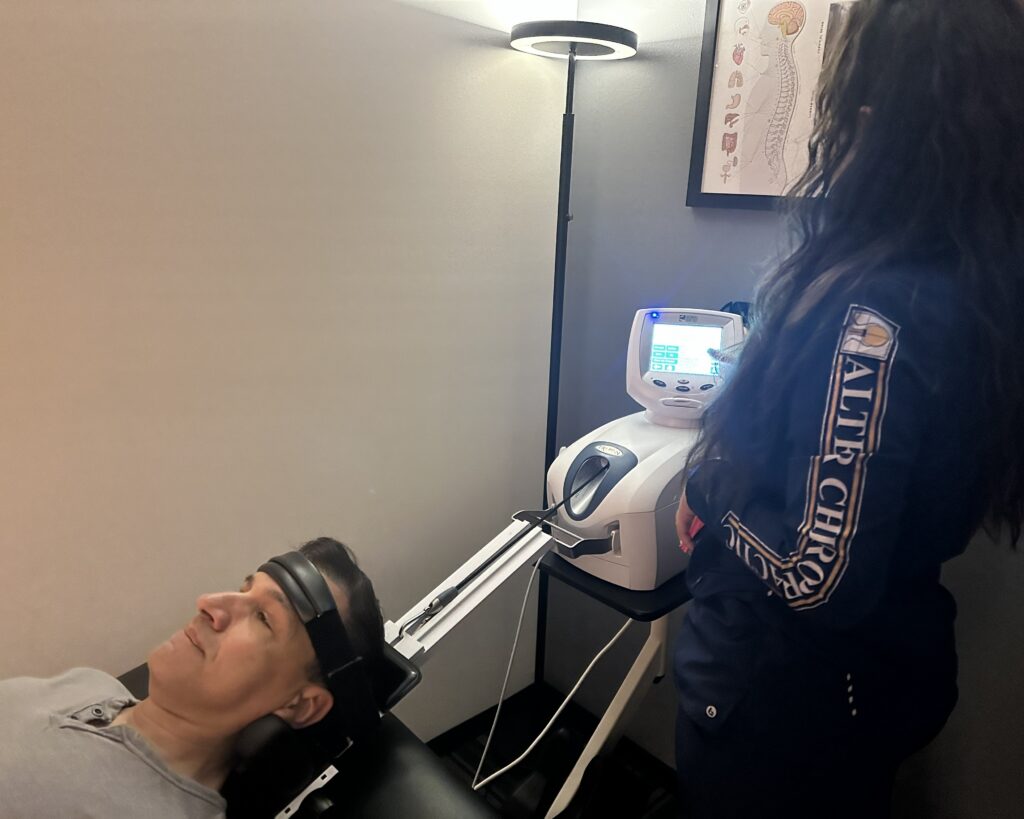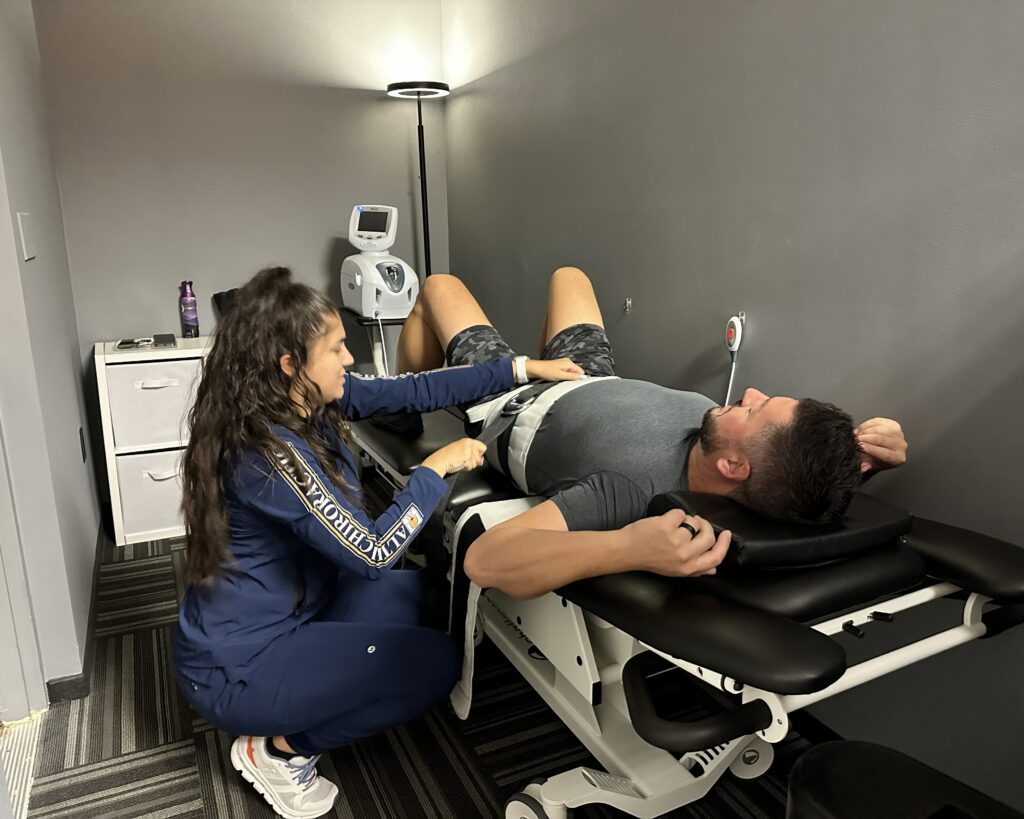

Headaches can be a real hurdle in your daily life, impacting both your productivity and overall well-being. As a chiropractor, I believe that effective headache relief often starts with simple lifestyle changes and an understanding of your spinal health. Here are seven practical tips to help you manage headache pain naturally, with a focus on the benefits of chiropractic care.
- Stay Hydrated: Dehydration is a common trigger for headaches. Make it a habit to drink plenty of water throughout the day to keep your body well-hydrated.
- Maintain Good Posture: Poor posture can lead to tension in your neck and shoulders, which may contribute to headaches. Be mindful of your posture, especially when sitting at a desk. Consider ergonomic adjustments to your workspace.
- Regular Chiropractic Adjustments: Chiropractic care focuses on spinal alignment and nervous system function. Regular adjustments can help alleviate tension and improve overall health, often reducing the frequency and intensity of headaches.
- Manage Stress: Stress is a significant headache trigger. Incorporate relaxation techniques like deep breathing, yoga, or meditation into your daily routine to help manage stress levels.
- Limit Screen Time: Excessive screen time can strain your eyes and neck, leading to headaches. Take regular breaks from screens and practice the 20-20-20 rule: every 20 minutes, look at something 20 feet away for 20 seconds.
- Get Enough Sleep: Inadequate sleep can contribute to headaches. Aim for a consistent sleep schedule and create a restful environment to ensure you’re getting quality sleep.
- Exercise Regularly: Physical activity promotes overall wellness and can reduce tension. Incorporating regular exercise into your routine can help keep headaches at bay.
By implementing these tips and considering chiropractic care, you can take proactive steps towards natural headache relief and improved health. Remember to listen to your body and find what works best for you. Your journey to wellness starts with these small, manageable changes!
Key Takeaways
- Ensure you’re drinking plenty of water—aim for at least eight glasses a day. Staying hydrated is key to preventing headaches that stem from dehydration, and it’s a simple step you can take towards overall wellness.
- Incorporate stress management techniques into your daily routine. Practices like mindfulness, deep breathing, and regular physical activity not only help alleviate tension but also support spinal health and overall well-being. Remember, a relaxed body often means a relaxed mind.
- Prioritize a consistent sleep schedule. Striving for 7 to 9 hours of quality sleep each night can significantly contribute to headache prevention. Good sleep hygiene is essential for your body’s recovery and for maintaining a healthy spine.
- Create an ergonomic workspace. Proper posture and the right equipment placement can reduce strain on your body, leading to fewer headaches and discomfort. Consider consulting with a chiropractor to ensure your workspace is optimized for your spinal health.
- Utilize cold and warm compresses to manage headache pain and relax tight muscles. These natural remedies can be very effective and are great alternatives to over-the-counter medications.
By integrating these tips into your daily life, you can enhance your overall health and well-being. Remember, chiropractic care offers a holistic approach to pain relief and can help you achieve optimal health without the need for medications or invasive procedures.
Stay Hydrated
When you’re experiencing the throbbing ache of a headache, one of the simplest yet most effective steps you can take is to stay hydrated. Many headaches can be linked to dehydration, so reaching for a glass of water may be the first step towards alleviating your discomfort. Drinking water replenishes your body’s lost fluids, which can help reduce tension and promote overall wellness.
As a chiropractor, I emphasize the importance of maintaining proper hydration for optimal health. Aim for at least eight glasses of water a day, but always pay attention to your body’s signals—thirst is a clear indicator that you need to hydrate.
If plain water doesn’t excite you, consider herbal teas or infusing your water with slices of refreshing fruits like lemon or cucumber. Not only do these alternatives hydrate you, but they can also offer additional calming effects.
Keep a water bottle close by and take small sips throughout the day; this makes it easier to stay consistent with your hydration habits. Setting reminders on your phone can also help ensure that you’re drinking enough water regularly.
Remember, staying hydrated is a simple yet powerful act that can significantly reduce the intensity of headaches and improve your overall well-being.
Additionally, regular chiropractic care can help address any underlying spinal issues that may be contributing to your headaches, promoting better nerve function and overall health. By combining proper hydration with chiropractic treatments, you can take significant steps toward feeling better and achieving optimal health naturally.
Manage Stress Levels
Managing Stress Levels for Optimal Health
As a chiropractor, I understand that chronic stress can lead to tension in your body, often resulting in headaches and discomfort. It’s crucial to manage your stress levels not only for pain relief but also for overall wellness.
Here are three effective strategies that can help you keep stress in check and support your body’s natural healing process:
- Practice Mindfulness: Spend a few minutes each day focusing on your breath or engaging in meditation. This practice calms your mind and can help ease tension in your spine and muscles, promoting relaxation and reducing stress.
- Exercise Regularly: Engaging in physical activity is one of the best ways to release endorphins, which are your body’s natural stress relievers. Aim for at least 30 minutes of moderate exercise most days of the week. Activities like walking, yoga, or stretching not only benefit your mind but also enhance spinal health and flexibility.
- Establish Boundaries: It’s essential to learn how to say no to additional responsibilities that can overwhelm you. By prioritizing your time and focusing on what truly matters, you can significantly reduce your stress levels, allowing your body to function better and promote healing.
Incorporating these strategies into your daily routine can help you manage stress effectively, enhancing your overall health and well-being.
Practice Good Posture
Good posture can make a significant difference in how you feel throughout the day, and as a local chiropractor, I can tell you that aligning your spine properly is key to reducing discomfort and promoting overall wellness.
By setting up an ergonomic workspace, you can support your body’s natural alignment, which can lead to reduced headache pain and improved energy levels.
In addition to creating a comfortable workspace, it’s important to take regular stretching breaks. These breaks allow your muscles to relax and reset, preventing tension build-up that can contribute to pain. Simple stretches like neck rolls, shoulder shrugs, and gentle back bends can work wonders.
Practicing mindful sitting techniques is another great way to improve your posture. Make sure your feet are flat on the ground, your back is supported, and your screen is at eye level. This won’t only enhance your comfort but also protect your spine from unnecessary strain.
Remember, chiropractic care is one of the best ways to achieve and maintain optimal health. It focuses on natural healing and helps to align your spine, which can relieve pain and improve your overall well-being.
If you’re looking for a holistic approach to health, consider visiting your chiropractor for personalized advice and adjustments that can enhance your posture and promote a healthier lifestyle.
Making these simple changes can lead to significant improvements in how you feel every day.
Ergonomic Workspace Setup
Creating an ergonomic workspace is vital for maintaining your overall health and preventing headache pain, especially if you spend long hours at a desk. By optimizing your setup, you can reduce strain on your body and promote good posture, which is crucial for spinal health.
Here are three key elements to focus on, along with some helpful tips:
1. Chair Height: Adjust your chair so that your feet rest flat on the floor and your knees are at a 90-degree angle. This positioning not only supports your back but also helps maintain the natural curve of your spine.
If your chair doesn’t adjust, consider using a footrest to achieve this alignment.
2. Monitor Position: Place your monitor at eye level and about an arm’s length away. This can help avoid neck strain and reduce the risk of developing tension headaches.
If you find yourself leaning forward or looking down, it’s a sign your monitor needs to be elevated. You can use books or a monitor stand to achieve the right height.
3. Keyboard and Mouse: Keep your keyboard and mouse close to you so your elbows can remain at a 90-degree angle. This minimizes tension in your shoulders and arms, which can lead to discomfort and pain.
Consider using a wrist support to keep your wrists in a neutral position while typing.
Incorporating these ergonomic adjustments into your workspace can significantly enhance your comfort and well-being.
Remember, maintaining a healthy posture is key to preventing pain and promoting a healthier lifestyle.
As a chiropractor, I encourage you to prioritize your spinal health, as it’s the foundation of your overall wellness.
Regular Stretching Breaks
While you might be focused on your tasks, taking regular stretching breaks is crucial for maintaining good posture and preventing discomfort, including headaches. As a chiropractor, I often emphasize the importance of movement for spinal health. Set a timer to remind yourself to stand up and stretch every hour.
Simple stretches like neck rolls, shoulder shrugs, and back extensions can help relieve tension and promote better alignment. During these stretches, focus on your body alignment; keep your shoulders relaxed and your head aligned with your spine.
These small but effective breaks not only improve circulation but also reduce the strain caused by prolonged sitting, which can lead to misalignments in the spine. Incorporating movement into your daily routine enhances your physical well-being and can significantly boost your productivity and focus.
Remember, a few minutes of stretching can make a big difference in how you feel throughout the day. Embracing these practices is a natural way to support your body and can complement your chiropractic care.
Mindful Sitting Techniques
Regular stretching breaks are essential for practicing mindful sitting techniques, which can significantly enhance your posture and reduce the risk of headaches.
Being aware of your body position allows you to create a comfortable and supportive sitting environment, and this is where chiropractic care can play a key role in achieving optimal health.
Here are three straightforward tips to help you maintain good posture and support your spine:
- Feet Flat on the Ground: Make sure your feet are flat on the floor or on a footrest. This simple adjustment promotes stability and minimizes strain on your legs, contributing to overall spinal health.
- Back Against the Chair: Sit all the way back in your chair and use the backrest for support. This position helps to maintain the natural curve of your spine, which is crucial for preventing discomfort and maintaining proper alignment.
- Shoulders Relaxed: Keep your shoulders relaxed and avoid hunching forward. By adopting this position, you can reduce tension in your neck and upper back, leading to a more comfortable sitting experience.
By incorporating these mindful sitting techniques into your daily routine, you can improve your overall comfort and help minimize headache triggers.
Remember, chiropractic care is a natural and effective way to support your body’s alignment and promote wellness.
Embrace these tips and consider regular chiropractic visits to enhance your health and well-being naturally.
Use Cold or Warm Compresses
Applying cold or warm compresses can be a simple yet effective way to ease headache pain, complementing the benefits of chiropractic care. Cold compresses can numb the area and reduce inflammation, while warm compresses help relax tense muscles and improve blood circulation. These natural methods can enhance your overall wellness by providing relief without the need for medications or invasive treatments.
Here’s a handy guide on when to use each type of compress:
| Compress Type | When to Use | Duration |
|---|---|---|
| Cold | For migraines and tension headaches | 15-20 minutes |
| Warm | For tension headaches and sinus issues | 20-30 minutes |
| Cold | After physical activity | 10-15 minutes |
| Warm | Before sleep for relaxation | As needed |
To create your own compress, simply wrap ice in a cloth for a cold compress or use a heating pad for warmth. Place the compress on your forehead or the back of your neck. By incorporating these techniques into your routine, you can find which method offers the best relief for you.
Explore Relaxation Techniques
When headaches strike, utilizing relaxation techniques can significantly enhance your comfort and well-being. As a chiropractor, I believe in the power of natural methods to alleviate pain and promote overall health. One effective approach is deep breathing exercises; they can help calm your mind and reduce tension in your body.
Simply find a comfortable position, take a deep breath in through your nose, hold it for a moment, and then exhale slowly through your mouth. Repeat this several times to feel the stress melt away.
Guided imagery is another wonderful technique to transport yourself to a tranquil setting. Picture a serene beach or a quiet forest; visualize the sights and sounds around you. This mental escape can help ease the discomfort of headaches while promoting relaxation.
Additionally, progressive muscle relaxation is an excellent practice for releasing built-up tension. Start by tensing and then relaxing each muscle group in your body, beginning with your toes and working your way up to your head. This method not only helps with headaches but also promotes a sense of calm and well-being.
Remember, chiropractic care is a fantastic option for addressing the root causes of headaches and achieving optimal health. Regular adjustments can help align your spine, reduce tension, and improve overall function.
If you’re seeking natural relief, consider incorporating these relaxation techniques into your routine and consult with your chiropractor for personalized strategies tailored to your needs. Embrace a healthier lifestyle and let chiropractic care guide you to a pain-free life.
Deep Breathing Exercises
Deep breathing exercises can serve as an excellent natural remedy for relieving headache pain and promoting overall relaxation. By concentrating on your breath, you not only calm your mind but also alleviate tension in your body, which is crucial for maintaining spinal health.
Here’s how you can effectively practice deep breathing:
- Find a comfortable position: Sit or lie down in a quiet space where you won’t be disturbed. This allows your body to relax fully, supporting your spine’s alignment.
- Inhale deeply: Breathe in slowly through your nose for a count of four, filling your lungs completely. This deep inhalation encourages better oxygen flow, which is essential for your body’s healing processes.
- Exhale slowly: Release your breath through your mouth for a count of six, letting all tension melt away. As you exhale, imagine releasing any discomfort or stress that may be impacting your spine and overall health.
Repeat this process several times, and you’ll likely notice a significant reduction in headache pain.
By integrating these breathing exercises into your daily routine, you can enhance your overall well-being and support your chiropractic care journey.
Remember, chiropractic care focuses on restoring balance and function to your body, helping to address the root causes of headache pain rather than just masking the symptoms.
Combining deep breathing with regular chiropractic adjustments can lead to optimal health and a more vibrant life.
Guided Imagery Practice
Guided imagery is a valuable relaxation technique that can be an excellent complement to chiropractic care, helping alleviate headache pain and fostering a deeper sense of calm.
To practice guided imagery effectively, find a quiet space where you feel comfortable, whether sitting or lying down. Close your eyes and take a deep breath, allowing your body to relax.
Visualize a serene location, such as a tranquil beach or a peaceful forest, where you feel completely safe and at ease. Engage all your senses by imagining the sights, sounds, and fragrances of this calming environment. Focus on the details—feel the warmth of the sun on your skin, listen to the gentle sound of waves lapping against the shore, or inhale the fresh scent of pine trees.
As you immerse yourself in this tranquil imagery, allow the peaceful scene to wash over you, helping to release any tension or discomfort you may be experiencing. This practice not only promotes relaxation but can also enhance the benefits of your chiropractic adjustments by encouraging a calm state of mind and body.
Spend several minutes in this visualization, and when you’re ready, gently open your eyes, bringing this sense of calmness with you into your daily life.
Progressive Muscle Relaxation
Progressive muscle relaxation is an effective technique that can help alleviate headache pain by promoting the release of tension throughout your body. By tensing and then relaxing different muscle groups, you can experience a noticeable reduction in stress and discomfort. This practice pairs nicely with chiropractic care, which also focuses on facilitating your body’s natural healing processes.
Here’s how to incorporate progressive muscle relaxation into your routine for optimal wellness:
- Choose a Comfortable Environment: Find a quiet space where you can sit or lie down comfortably without interruptions. This will allow you to focus entirely on the relaxation process.
- Target Specific Muscle Groups: Begin with your toes—tense them for about 5 seconds, then fully relax. Gradually move up through your legs, abdomen, arms, and face. This method not only helps relieve tension but also enhances your body awareness.
- Incorporate Deep Breathing: As you tense each muscle group, take a slow breath in. Then, as you release the tension, exhale thoroughly. Deep breathing helps to calm your mind and supports overall relaxation.
By regularly practicing progressive muscle relaxation alongside chiropractic care, you can more effectively manage headache pain and promote a deeper sense of calm.
Maintain a Consistent Sleep Schedule
When you prioritize a consistent sleep schedule, you can significantly alleviate headache pain and enhance your overall well-being. Going to bed and waking up at the same time each day helps regulate your body’s internal clock, making it easier to fall asleep and wake up feeling refreshed and ready for the day. Aim for 7 to 9 hours of quality sleep each night, as not getting enough rest can trigger headaches and other discomforts.
To help establish this beneficial routine, create a calming pre-sleep environment. Reduce screen time before bed and consider engaging in relaxing activities like reading, meditating, or gentle stretching. Keeping your bedroom dark, cool, and quiet will further promote better sleep quality, which is essential in maintaining good spinal health and overall wellness.
If you need to adjust your sleep schedule, do so gradually—shift your bedtime by just 15 to 30 minutes each night to avoid overwhelming your body. Remember that consistency is key; even on weekends, try to stick to your routine as closely as possible. By making sleep a priority, you’re not only taking a major step towards feeling better but also lowering the frequency of headache occurrences.
Additionally, remember that regular chiropractic care can play a vital role in enhancing your overall health and managing pain. Chiropractors focus on aligning the spine and improving nervous system function, which can contribute to better sleep and reduced headache pain.
Identify and Avoid Triggers
Headaches can often feel like an unwelcome storm, sweeping in unexpectedly and disrupting your day. As a chiropractor, I want to emphasize the importance of identifying and avoiding specific triggers to manage these discomforts effectively. Each person’s triggers can vary, so keeping track can help you find patterns and take control of your health.
Here are three common triggers to watch out for, along with tips on how chiropractic care can support your overall wellness:
- Stress: Stress can tighten muscles, leading to tension headaches. Regular chiropractic adjustments can help alleviate muscle tension and improve spinal alignment, promoting relaxation. Additionally, consider incorporating relaxation techniques like deep breathing or yoga to complement your chiropractic care.
- Diet: Certain foods, such as aged cheese or processed meats, might trigger headaches for some individuals. Maintaining a food diary can help you pinpoint any potential culprits. Remember, a balanced diet rich in whole foods not only supports overall health but can also enhance the effectiveness of your chiropractic treatments.
- Dehydration: Not drinking enough water can lead to headaches. Aim for at least eight glasses of water daily to stay hydrated. Proper hydration supports spinal health and overall bodily function, making it a vital part of your wellness routine.
Incorporating chiropractic care into your lifestyle can be a natural and effective way to address headaches and improve your overall health. By identifying your triggers, managing stress, eating well, and staying hydrated, you can take proactive steps towards a pain-free life.
Conclusion
By incorporating these seven tips into your daily routine, you can take charge of your headache pain and enhance your overall wellness. Staying well-hydrated is crucial, as dehydration can often trigger headaches. Managing stress is equally important; consider incorporating relaxation techniques like deep breathing or meditation into your day. Maintaining proper posture is essential as well; poor posture can lead to tension in your neck and shoulders, contributing to headache pain.
Utilizing cold or warm compresses can provide immediate relief. Experiment with both to find out which works best for you. Prioritizing a consistent sleep schedule is vital, as lack of sleep can exacerbate headache symptoms. Additionally, be aware of your individual headache triggers—whether they be certain foods, stressors, or environmental factors—and try to minimize them.
Most importantly, consider how chiropractic care can play a significant role in your journey toward lasting relief. Regular chiropractic adjustments can help align your spine, reduce tension, and improve overall function, which may help alleviate headache pain naturally. By integrating these strategies with chiropractic care, you’ll be on the path to achieving optimal health and wellness.