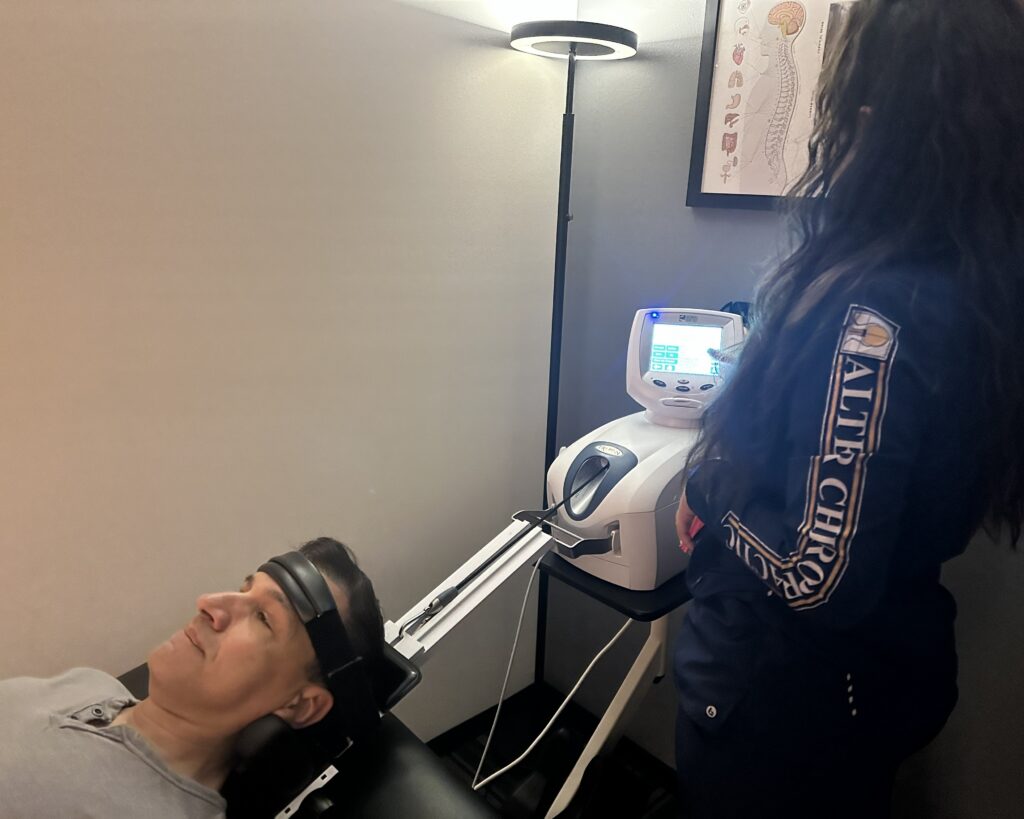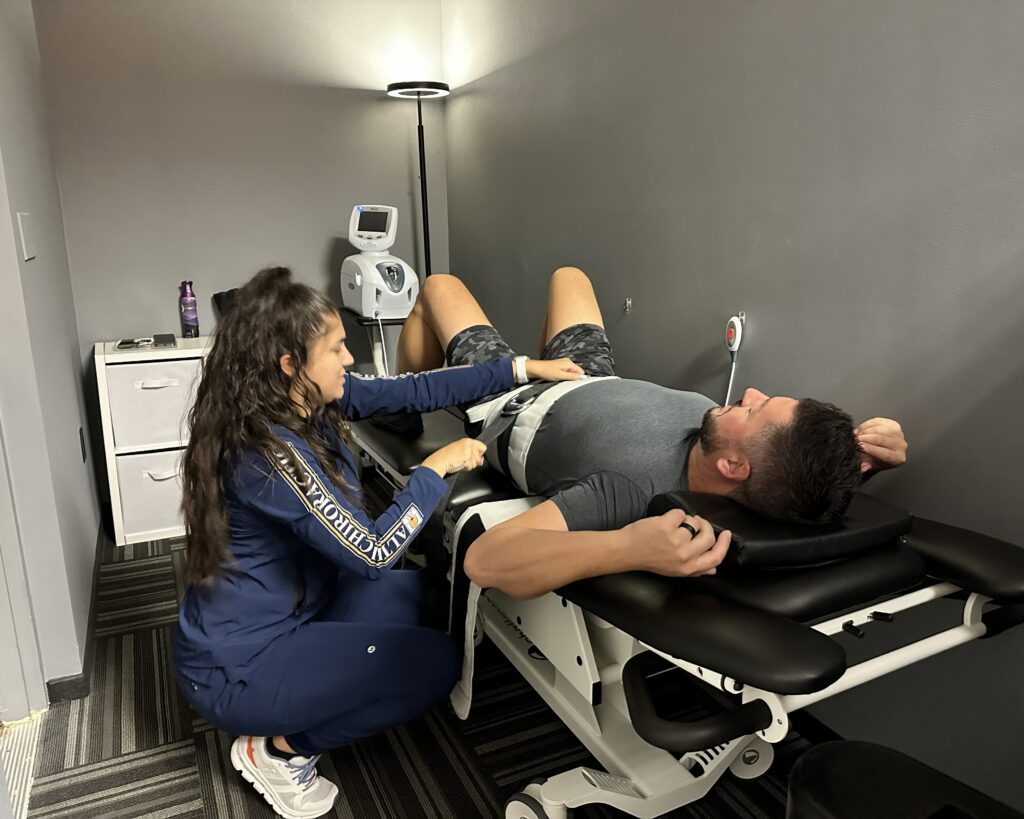

Headaches can be a real nuisance, often stemming from poor alignment and posture. As a local chiropractor, I want to share how you can alleviate headaches naturally through proper spinal care and alignment. By making simple adjustments to your daily routine, you can noticeably reduce the frequency and intensity of your headaches.
Here are some practical strategies that you can easily implement right away:
- Ergonomic Furniture: Invest in ergonomic chairs and desks that support your spine’s natural curves. This can significantly improve your posture and reduce tension that contributes to headaches.
- Mindful Stretching: Incorporate gentle stretching into your day. Focus on your neck, shoulders, and upper back. Simple stretches can help relieve muscle tightness and improve blood flow.
- Posture Awareness: Pay attention to your posture throughout the day. Keep your shoulders relaxed, your back straight, and your head aligned over your spine. Good posture can prevent unnecessary strain on your neck and head.
- Stay Hydrated: Dehydration can lead to headaches. Make sure you drink plenty of water throughout the day to keep your body and mind functioning at their best.
- Regular Chiropractic Adjustments: Regular visits to a chiropractor can help correct misalignments in your spine that may be contributing to your headaches. Chiropractic care focuses on restoring balance to your body, promoting natural healing, and providing long-term relief.
- Limit Screen Time: Take breaks from screens to reduce eye strain and tension in your neck. Follow the 20-20-20 rule: every 20 minutes, look at something 20 feet away for at least 20 seconds.
- Sleep Quality: Ensure you have a good sleeping position. Use a supportive pillow that keeps your spine aligned while you sleep, and aim for quality sleep each night.
- Breathing Exercises: Practice deep breathing exercises to help relax your muscles and reduce stress, which can trigger headaches.
- Stress Management: Find healthy ways to manage stress, such as yoga, meditation, or spending time in nature. Reducing stress can help minimize headache occurrences.
- Consult with a Chiropractor: If you’re frequently experiencing headaches, it’s important to consult with a chiropractor who can assess your spinal alignment and provide personalized care and advice tailored to your needs.
Curious about how these tips can transform your well-being and help you feel better? By focusing on alignment and natural wellness through chiropractic care, you can achieve lasting relief and improve your overall health. Remember, your spine is the foundation of your health, and taking care of it is key to feeling your best!
Key Takeaways
10 Tips to Alleviate Headaches Through Alignment
- Posture Matters: Keep your head aligned over your shoulders to help reduce strain on your neck and back. Good posture can significantly lessen the frequency and intensity of headaches.
- Choose Ergonomic Furniture: Invest in supportive chairs and adjustable desks. These tools promote proper spinal alignment, helping to ease discomfort you might feel during long hours of sitting.
- Regular Chiropractic Check-ups: Make chiropractic visits a part of your routine. Addressing spinal misalignments can relieve tension headaches and enhance your overall health.
- Stretch It Out: Incorporate stretching into your daily routine. Regular stretches can release muscle tension and improve your posture, making it less likely for headaches to occur.
- Sleep Smart: Pay attention to your sleeping position. Using supportive pillows can help maintain spinal alignment, reducing strain while you sleep and cutting down on headache risks.
- Stay Hydrated: Dehydration can lead to headaches. Make sure to drink plenty of water throughout the day. This simple act can help keep headaches at bay.
- Manage Stress: Stress can be a major headache trigger. Techniques like deep breathing, meditation, or yoga can help you manage stress levels effectively.
- Limit Screen Time: Long hours in front of screens can lead to eye strain and headaches. Take regular breaks to rest your eyes and stretch your body.
- Watch Your Diet: Certain foods can trigger headaches. Keeping a food diary can help you identify and avoid these triggers, leading to fewer headaches.
- Stay Active: Regular physical activity can improve your overall well-being and reduce headache frequency. Aim for at least 30 minutes of moderate exercise most days of the week.
By incorporating these tips into your daily life, you can take proactive steps toward headache relief and improved health. Remember, chiropractic care is a powerful tool in achieving and maintaining optimal wellness naturally.
Maintain Good Posture Throughout the Day
Maintaining good posture throughout the day is crucial for preventing tension and discomfort, especially if you want to steer clear of headaches. As your local chiropractor, I want to share some simple tips to help you align your body in a way that promotes overall health and wellness.
Start with your head. Make sure it’s aligned directly over your shoulders, and keep your ears in line with them. This alignment helps reduce strain on your neck and back, which can often lead to headaches.
When sitting, place your feet flat on the floor and keep your knees at or below hip level. This helps maintain a balanced position. Avoid slouching or leaning forward; these habits can put extra pressure on your spine and lead to discomfort.
If you’re at a desk for extended periods, remember to take short breaks to stretch and reset your posture. Stand up, roll your shoulders back, and take a few deep breaths to relieve any built-up tension.
Your posture affects more than just your back; it plays a significant role in your overall well-being. If you catch yourself hunching or tensing up, consciously adjust your position. Being mindful of how you carry yourself throughout the day can significantly reduce tension and minimize the chances of headaches.
Incorporating chiropractic care into your routine can further enhance your posture and overall health. Regular adjustments can help keep your spine aligned and functioning properly, which is essential for maintaining good posture and preventing discomfort.
Invest in Ergonomic Furniture
Investing in ergonomic furniture is a crucial step towards achieving optimal health and wellness, particularly when it comes to your spine. As a chiropractor, I can assure you that the right furniture can significantly enhance your comfort and even provide relief from headaches and other discomforts associated with poor posture.
When choosing adjustable desks, look for options that allow you to find the perfect height for both sitting and standing work. This flexibility not only supports your spine but also encourages movement throughout your day, which is essential for spinal health. Regular movement can help reduce stiffness and improve circulation, further alleviating discomfort.
Supportive chairs are another essential component of an ergonomic setup. A chair that promotes proper posture helps align your spine and reduces strain on your muscles. Make sure your chair has lumbar support to encourage the natural curve of your lower back and adjust the height to keep your feet flat on the ground.
Remember, small changes can lead to significant improvements in your overall well-being. Alongside investing in ergonomic furniture, consider taking breaks throughout your day to stretch and move. This practice not only helps prevent discomfort but also supports your spinal health.
At the end of the day, chiropractic care is the best option for managing pain and promoting natural healing. Regular chiropractic adjustments can enhance the benefits of ergonomic furniture by ensuring your spine remains aligned and functioning optimally.
Your journey to a healthier, pain-free life starts with making informed choices about your environment and seeking the right care.
Choose Adjustable Desks
As a local chiropractor, I want to share how choosing an adjustable desk can significantly enhance your comfort and contribute to your overall health, especially in reducing headaches often linked to prolonged sitting.
These desks allow you to alternate between sitting and standing, which promotes better posture and circulation—a vital aspect of spinal health. Here are some benefits of using an adjustable desk that align with chiropractic principles:
- Enhanced posture: With an adjustable desk, you can maintain a neutral spine position, which helps reduce neck and back strain. This is crucial for preventing misalignments that can lead to discomfort.
- Increased energy: Changing positions throughout the day keeps your energy levels elevated and can help prevent fatigue, which often accompanies poor postural habits.
- Customizable height: You can tailor the desk to your unique height, ensuring that your workspace promotes optimal comfort and reduces the risk of developing musculoskeletal issues.
- Improved focus: Standing while you work can enhance concentration and productivity. When your body feels better, your mind can focus better!
- Encouragement to move: Alternating between sitting and standing encourages movement, which is essential for alleviating tension and promoting spinal health.
Investing in an adjustable desk isn’t just a smart decision for your workspace; it’s a proactive step toward reducing headaches and enhancing your overall well-being.
Remember, incorporating chiropractic care into your routine can further support your health journey, helping to align your spine and improve your body’s natural ability to heal.
If you’re experiencing discomfort, consider scheduling a visit to your local chiropractor for personalized advice and treatment. Your spine will thank you!
Select Supportive Chairs
When you sit for long periods, having the right chair can significantly enhance your comfort and overall health. As a chiropractor, I often emphasize the importance of proper support for your spine, which can help reduce strain on your neck and back, ultimately preventing headaches and discomfort. Investing in an ergonomic chair is a great step toward supporting your posture.
Look for chairs that come with adjustable features, such as seat height and lumbar support, to ensure a perfect fit for your body. This is crucial because when your chair supports your spine’s natural alignment, you’re less likely to experience pain or tension. A chair with good cushioning can also make a difference during extended use, allowing you to focus on your work without distraction.
It’s essential to remember that your feet should rest flat on the floor, and your knees should be at a right angle. This positioning not only supports spinal health but also promotes better circulation. By selecting a supportive chair, you’re not just enhancing your workspace; you’re also taking proactive steps toward alleviating headache triggers and promoting your overall well-being.
In addition to choosing the right chair, consider taking regular breaks to stand, stretch, and move around. Simple neck and back stretches can help relieve tension and keep your spine healthy.
Stretch Regularly to Release Tension
While stress and tension can creep up on us during the day, incorporating regular stretching into your routine can be a wonderful way to ease headaches and promote overall wellness. Stretching not only helps to release built-up tension in your muscles but also supports better spine alignment and relaxation.
Here are some effective stretches that can contribute to your natural healing process:
- Neck Tilts: Slowly tilt your head side to side to help alleviate stiffness in your neck, which can often contribute to headaches.
- Shoulder Rolls: Gently roll your shoulders forward and backward to release tension in your upper back—this area often holds stress.
- Chest Opener: Interlace your fingers behind your back and stretch your arms to open up your chest. This can counteract the tightness from slouching and improve your posture.
- Cat-Cow Stretch: Transition between arching and rounding your back to relax your spine. This movement promotes flexibility and can help reduce discomfort.
- Hamstring Stretch: While seated, reach for your toes to relieve tightness in your lower body, which can affect your overall posture and well-being.
In addition to these stretches, remember that regular chiropractic care can significantly enhance your health journey. A chiropractor can help identify and address any spinal misalignments that may contribute to tension and discomfort, leading to a more balanced and pain-free life.
Embrace these simple stretching techniques alongside your chiropractic visits to achieve optimal health and wellness naturally!
Practice Deep Breathing Techniques
As a local chiropractor, I want to share how practicing deep breathing techniques can be a powerful tool in reducing headaches and promoting overall wellness. Focusing on diaphragmatic breathing—where you engage your diaphragm fully—can not only help alleviate tension but also enhance the flow of oxygen throughout your body.
This practice encourages relaxation, which is essential for maintaining a healthy spine and reducing stress.
In addition to deep breathing, incorporating chiropractic care into your routine can be incredibly beneficial. Regular adjustments can help align your spine, relieve nerve pressure, and improve your body’s natural ability to heal itself.
This holistic approach not only targets the root cause of headaches but also fosters a greater sense of well-being.
Here are a few simple tips you can take away:
- Practice Deep Breathing: Set aside a few minutes each day to focus on your breathing. Inhale deeply through your nose, allowing your abdomen to expand, and then exhale slowly through your mouth. Repeat this several times to promote relaxation.
- Stay Hydrated: Dehydration can contribute to headaches, so make sure you’re drinking enough water throughout the day.
- Maintain Good Posture: Proper alignment of your spine can alleviate tension in your neck and shoulders. Be mindful of your posture when sitting or standing.
- Schedule Regular Chiropractic Visits: Regular adjustments can help keep your spine aligned and reduce the frequency and intensity of headaches.
By integrating these practices into your daily routine, you can’t only find relief from headaches but also enhance your overall health and well-being naturally.
Chiropractic care is a safe and effective option for achieving optimal health without the need for medications or invasive procedures. Remember, your body has an incredible ability to heal—sometimes, it just needs a little support!
Diaphragmatic Breathing Benefits
Diaphragmatic breathing is a simple yet powerful technique that can significantly help reduce headache tension and promote relaxation. When you focus on your breath and engage your diaphragm, you not only calm your nervous system but can also enhance your overall well-being, which is vital for maintaining a healthy spine.
Here are some key benefits you can experience from this practice:
- Reduces Muscle Tension: By engaging your diaphragm, you can relieve muscle tension in your neck and shoulders, areas often affected by stress and poor posture. This can lead to less pain and discomfort in these regions.
- Increases Oxygen Flow: Deep breathing boosts oxygen levels in your body, which can enhance brain function and clarity. This increased oxygen flow can help keep your mind sharp and focused, reducing the likelihood of headaches.
- Lowers Stress Levels: Practicing diaphragmatic breathing can help lower your stress levels, a common trigger for headaches. By incorporating this technique into your daily routine, you’re taking proactive steps towards better health.
- Promotes a Sense of Calm: Regular diaphragmatic breathing can foster a sense of calm, which is crucial for improving your overall mood. This emotional balance can be particularly beneficial in preventing tension-related headaches.
- Supports Better Sleep Quality: Good sleep is essential for headache prevention, and diaphragmatic breathing can enhance your sleep quality. By relaxing your body and mind before bed, you may find it easier to fall asleep and stay asleep.
Incorporating diaphragmatic breathing into your daily routine can be an effective way to manage headaches and improve your overall health.
Take a few moments each day to practice this technique, and you’ll likely notice a positive difference in how you feel.
Controlled Breath Patterns
Three simple deep breathing techniques can significantly enhance your relaxation and help manage headache triggers, which is crucial for maintaining a healthy spine and overall well-being.
As a chiropractor, I often emphasize the importance of breath control in promoting optimal health.
First, try the 4-7-8 technique: inhale through your nose for four counts, hold for seven, then exhale through your mouth for eight. This method can calm your nervous system, which is essential for reducing tension in your body that can lead to headaches.
Second, practice box breathing by inhaling for four counts, holding for four, exhaling for four, and holding again for four. This rhythmic pattern not only promotes focus and tranquility but also helps maintain a balanced nervous system, which is vital for spinal health.
Finally, use pursed lip breathing by inhaling deeply through your nose and exhaling slowly through pursed lips. This technique helps regulate your breath, alleviating physical tension which can contribute to discomfort and headaches.
Incorporating these breathing techniques into your daily routine can greatly improve your overall health, lessen headache occurrences, and support the benefits of chiropractic care.
Stay Hydrated to Prevent Dehydration
While headaches can arise from various sources, one straightforward and effective way to keep them at bay is by ensuring you stay well-hydrated. Dehydration can lead to tension and discomfort, which is why drinking enough water is crucial for overall wellness.
As a chiropractor, I emphasize the importance of hydration not only for headache prevention but also for maintaining proper spinal health and ensuring your body functions optimally. Here are some simple tips to help you stay hydrated:
- Carry a Reusable Water Bottle: Having water readily available encourages you to drink throughout the day, helping to keep your body and spine well-hydrated.
- Set Regular Reminders: Use your phone or watch to set reminders to drink water at intervals. Staying consistent is key to avoiding dehydration.
- Infuse Your Water: Add slices of fruits or herbs to your water. This not only enhances the flavor but also makes drinking water more enjoyable, encouraging you to consume more.
- Check Your Urine Color: A light yellow color is a good indicator of proper hydration. If it’s darker, it’s a sign that you need to drink more water.
- Incorporate Water-Rich Foods: Eating fruits and vegetables like cucumbers, watermelon, and oranges can also contribute to your hydration levels while providing essential nutrients for your body.
Remember, proper hydration supports not just your overall health but also your spinal health, which is essential for pain relief and natural wellness.
Incorporate Regular Exercise Into Your Routine
Incorporating regular exercise into your routine can significantly help in managing headaches and enhancing your overall health. As a chiropractor, I encourage you to engage in physical activity, as it promotes better blood circulation, which can relieve tension and stress that often contribute to headache discomfort.
Aim for at least 30 minutes of moderate exercise most days—this could be as simple as walking, jogging, or practicing yoga. Choose activities that you genuinely enjoy, making it easier to stay committed.
Exercise isn’t just about movement; it also triggers the release of endorphins, your body’s natural pain relievers. These endorphins can elevate your mood and help reduce stress, which are essential in managing headache symptoms.
Find a time of day that fits your schedule best, making it more likely you’ll stick with your exercise plan. Always listen to your body during your workouts. If you experience any pain or discomfort, it’s a good idea to adjust your routine accordingly.
Regular physical activity not only boosts your overall well-being but also serves as a powerful tool in alleviating headaches. Remember, consistency is vital—find activities that resonate with you and keep moving!
Additionally, consider incorporating chiropractic care into your wellness routine. Chiropractic adjustments can enhance your spinal health, improve your posture, and reduce tension in your body, further supporting your efforts to manage headaches naturally.
Use Heat or Cold Therapy for Relief
When headaches strike, utilizing heat or cold therapy can offer valuable relief. As a chiropractor, I often emphasize the importance of natural methods for pain management and overall wellness.
Heat therapy can be particularly beneficial for relaxing tense muscles, which often contribute to headaches. On the other hand, cold therapy can numb pain and help reduce inflammation, making it a great option for acute discomfort.
Let’s delve into the benefits of both therapies and how you can apply them effectively at home.
Heat Therapy:
Using a warm compress or heating pad on your neck and shoulders can help ease muscle tension. This is especially useful if your headaches are tension-related.
Simply apply heat for 15-20 minutes, allowing the warmth to soothe the area. You can also take a warm shower or bath, which can provide a full-body relaxation effect.
Cold Therapy:
Applying a cold pack or even a bag of frozen peas wrapped in a cloth to your forehead can help numb headache pain and reduce swelling.
Try this for 15-20 minutes, and you may find relief from migraine symptoms. Cold therapy can be particularly effective if your headaches are accompanied by inflammation.
General Tips:
- Stay Hydrated: Dehydration can trigger headaches, so make sure you’re drinking enough water throughout the day.
- Practice Good Posture: Poor posture can lead to muscle tension and headaches. Be mindful of your posture, especially if you spend long hours sitting at a desk.
- Regular Chiropractic Adjustments: Regular visits to your chiropractor can help align your spine, reduce tension, and prevent headaches from occurring in the first place. Chiropractic care focuses on addressing the root cause of your pain, promoting natural healing, and supporting overall health.
Choosing chiropractic care as a primary approach for your headaches not only aids in immediate relief but also contributes to long-term wellness.
Heat Therapy Benefits
Heat therapy can be a transformative approach to relieving headaches by helping to relax tense muscles and improve blood flow. When you apply heat, your body responds positively, allowing for much-needed relief.
Here are some key benefits of using heat therapy that can complement your chiropractic care:
- Increases blood flow: This helps deliver oxygen and essential nutrients to the areas affected by headaches, supporting your body’s natural healing process.
- Reduces muscle tension: Tight muscles can be a common culprit for headache pain. Heat therapy helps to alleviate this tension, making it easier for your chiropractor to adjust your spine and neck.
- Soothes stress and anxiety: By promoting relaxation, heat therapy can help lower stress levels, which is beneficial for overall wellness and supports the healing benefits of chiropractic care.
- Enhances flexibility: Improved flexibility in your neck and shoulders aids in better movement and alignment, which is an essential part of chiropractic health.
- Promotes endorphin release: The warmth can trigger the release of endorphins, which are your body’s natural pain relievers, helping to elevate your mood and enhance your overall sense of well-being.
You can easily incorporate heat therapy into your routine with a heating pad, a warm towel, or even a hot shower.
These methods can significantly alleviate headache discomfort and should be viewed as a supportive practice in conjunction with your chiropractic adjustments.
Always consult with your chiropractor on the best ways to integrate heat therapy into your treatment plan for optimal health and wellness.
Give it a try and see how it enhances your recovery!
Cold Therapy Advantages
When it comes to finding relief from headaches, cold therapy can be an effective and natural option to consider. As a local chiropractor, I want to emphasize that while heat therapy has its benefits, cold therapy can work wonders for alleviating pain associated with tension and migraine headaches.
Applying something cold, like a cold pack or a cool compress, to your forehead or neck can help numb the pain and reduce inflammation, giving you immediate relief.
Cold therapy works by constricting blood vessels, which may relieve the pressure that contributes to your headache. This simple technique can also help soothe accompanying symptoms such as nausea or sensitivity to light, making it a practical solution you can try at home, especially during a headache flare-up.
I encourage you to explore this option, and remember that you can also alternate between heat and cold for optimal results.
Additionally, maintaining good posture and regular chiropractic adjustments can play a significant role in preventing headaches and promoting overall wellness. By focusing on natural healing and healthier living, chiropractic care helps you achieve the balance and relief your body needs.
If you find yourself struggling with frequent headaches, consider reaching out for a chiropractic consultation to discuss personalized strategies for pain relief and wellness.
Application Techniques Explained
When it comes to relieving headaches, incorporating cold therapy can be an excellent first step, and knowing how to apply heat or cold effectively can enhance your comfort and wellness. Here are some simple techniques to consider:
- Cold Pack: Wrap some ice in a cloth and gently place it on your forehead for about 15-20 minutes. This can help reduce inflammation and numb the pain.
- Heat Pad: Applying a heating pad to your neck or shoulders can help ease tension and promote relaxation. This is particularly beneficial if your headaches are tension-related.
- Warm Towel: Soak a towel in hot water, wring it out, and then drape it over your forehead. The warmth can soothe tight muscles and provide comfort.
- Ice Massage: Gently rub an ice cube on your temples for targeted relief. The cold can help alleviate the pain at its source.
- Contrast Therapy: Alternating between hot and cold applications can stimulate blood flow and provide effective relief. Try applying a warm compress for a few minutes, followed by a cold pack.
By experimenting with these techniques, you can discover what works best for you.
Remember, finding natural ways to manage pain is essential, and chiropractic care can play a vital role in your overall health and wellness journey. Regular chiropractic adjustments can help alleviate tension and misalignments that may contribute to headaches, promoting a healthier spine and nervous system.
Embrace these methods and consider integrating chiropractic care into your routine for optimal health and wellness.
Pay Attention to Your Sleeping Position
Pay Attention to Your Sleeping Position for Better Health
As a chiropractor, I know that your sleeping position can significantly affect your comfort and the frequency of headaches. It’s important to be mindful of how you rest at night to support your spine and overall well-being. The best positions for spinal health are sleeping on your back or side. These positions help maintain proper spinal alignment, which is crucial for preventing pain and discomfort.
If you prefer to sleep on your back, choose a supportive pillow that cradles your neck properly without pushing your head too far forward. This helps keep your spine neutral and reduces strain.
For side sleepers, a firmer pillow is ideal as it fills the gap between your head and shoulder, ensuring that your spine stays aligned throughout the night.
It’s best to avoid sleeping on your stomach, as this can lead to neck strain and discomfort. Also, ensure your mattress is supportive and not worn out, as a poor mattress can worsen alignment issues and affect your sleep quality.
Don’t hesitate to experiment with different pillows and positions to find what feels best for you. You might also consider using a body pillow for extra support, which can help maintain spinal alignment.
By prioritizing your sleeping position, you can significantly reduce the occurrence of headaches and enhance your overall health.
Limit Screen Time and Take Frequent Breaks
Taking care of your physical health at night is just one piece of the puzzle when it comes to preventing headaches. During the day, it’s essential to manage your screen time as well. Excessive exposure to screens can lead to eye strain and tension headaches, which can be alleviated with some simple adjustments.
Here are some helpful tips to keep your spine and overall health in check:
- Set a timer to remind yourself to take breaks every 20-30 minutes. These short breaks can help ease tension in your neck and shoulders, promoting better spinal health.
- Practice the 20-20-20 rule: every 20 minutes, take a moment to look at something 20 feet away for 20 seconds. This can help reduce eye strain and keep your posture in check while you work.
- Ensure your workspace is ergonomically friendly. Adjust your chair and desk height to maintain good posture, which can prevent discomfort and headaches.
- Limit screen time before bed to improve sleep quality. A restful night can support your body’s natural healing processes and help you wake up feeling refreshed.
- Choose activities that promote relaxation, like reading a book or taking a walk, instead of scrolling through your devices. These alternatives can help reduce stress on your spine and improve your overall well-being.
Consult a Chiropractor for Professional Alignment
If you’re dealing with persistent headaches, visiting a chiropractor can truly transform your well-being. Chiropractors are experts in spinal alignment and specialize in addressing musculoskeletal issues that may be causing your pain.
When you come in for a consultation, we’ll take a close look at your posture, spinal alignment, and overall health to pinpoint any potential triggers for your headaches.
Through gentle, targeted adjustments, we can relieve tension in your neck and back, which often leads to a reduction in both the frequency and severity of headaches. We utilize techniques such as spinal manipulation and soft tissue therapy, as well as provide ergonomic advice tailored specifically to your lifestyle.
Moreover, we can guide you on simple exercises designed to strengthen your muscles and enhance your posture, which can further help alleviate headache symptoms. By prioritizing professional alignment through chiropractic care, you’re not just treating the headaches; you’re addressing their root causes.
Here are a few tips to help you manage headaches at home:
- Maintain good posture, especially while sitting at a desk or using your phone.
- Stay hydrated, as dehydration can trigger headaches.
- Take regular breaks to stretch and move around, especially if you’re working at a computer for long periods.
- Consider incorporating relaxation techniques, such as deep breathing or gentle yoga, into your daily routine.
Taking the step toward chiropractic care is a proactive approach to achieving a pain-free life. Your head and overall health will thank you!
Conclusion
By prioritizing spinal alignment and incorporating these tips into your daily routine, you can significantly reduce the frequency of headaches and enhance your overall wellness. Start by focusing on maintaining good posture throughout the day, as this is crucial in alleviating undue stress on your spine. Investing in ergonomic furniture can also make a world of difference, allowing your body to rest in optimal positions.
In addition to these changes, remember to incorporate regular stretching and deep breathing exercises into your routine. These practices help to relieve tension and promote relaxation, which can be beneficial in preventing headaches. Staying well-hydrated is equally important; dehydration can often lead to headaches, so make sure you’re drinking enough water throughout the day.
Pay attention to your sleeping position as well—aim for a supportive pillow that keeps your neck aligned with your spine. If headaches persist, don’t hesitate to consult with a chiropractor. We specialize in diagnosing and treating issues related to spinal alignment and can offer personalized guidance tailored to your needs.
By embracing these simple yet effective practices, you’ll not only feel more comfortable and energized but also pave the way for a headache-free life through natural methods. Remember, chiropractic care is a powerful tool for achieving optimal health and wellness without the need for medications or invasive procedures.