If you’re tired of dealing with tension headaches, you’re not alone. Many individuals experience this discomfort, but there are natural ways to find relief that can support your overall wellness. As a chiropractor, I believe that making simple adjustments to your routine can significantly ease that tightness and stress. Here are some effective strategies, including the benefits of chiropractic care, that could make a real difference in how you feel.
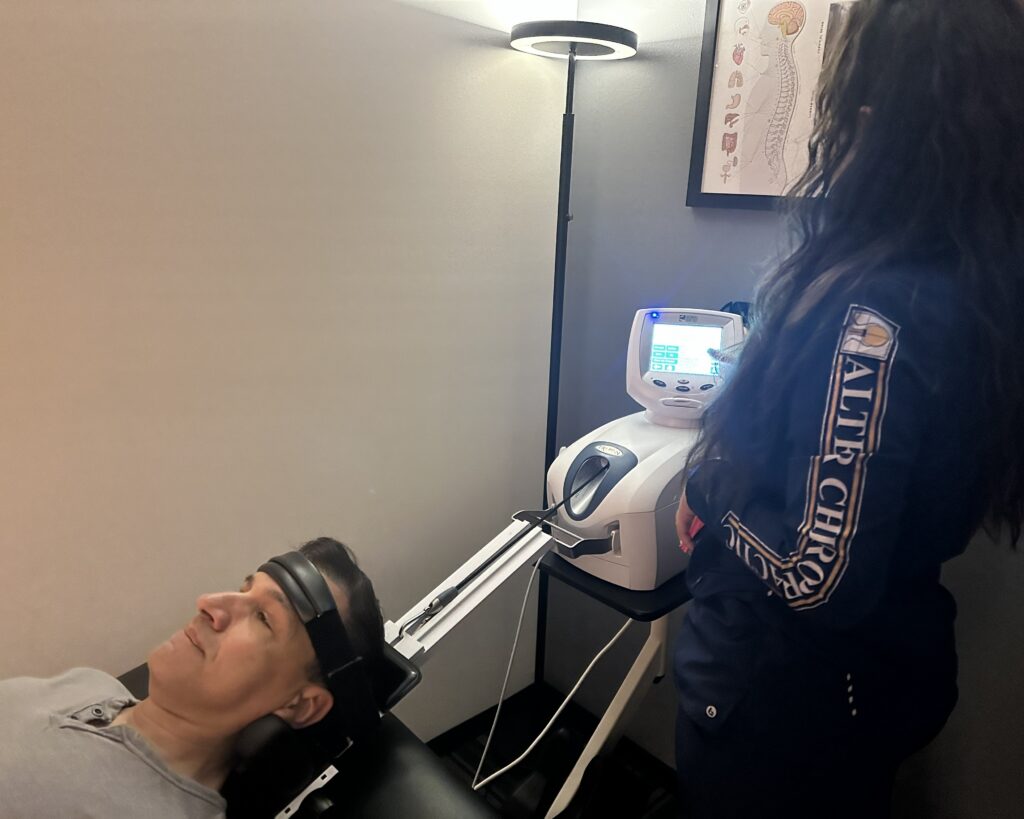
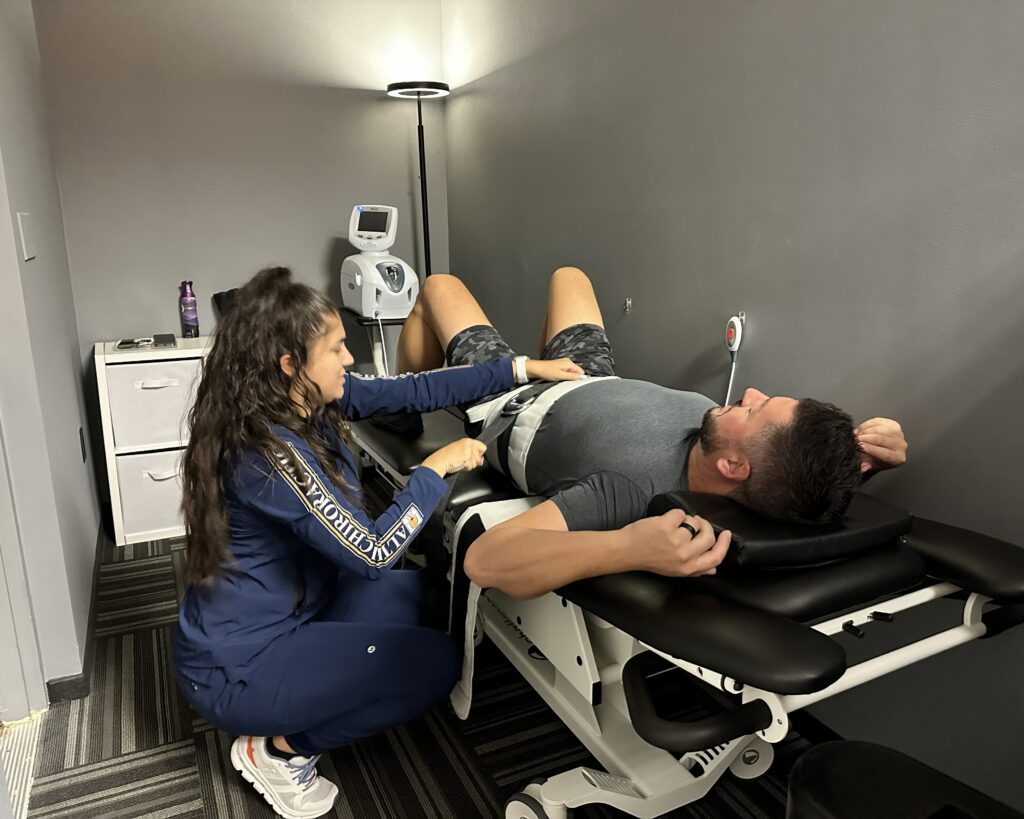
- Chiropractic Adjustments: Regular visits to your chiropractor can help align your spine and relieve tension in your neck and shoulders, which are common culprits of tension headaches. These adjustments can improve your posture and reduce muscle strain, leading to fewer headaches.
- Stay Hydrated: Dehydration can contribute to headaches, so make sure you’re drinking enough water throughout the day. Keeping your body hydrated supports overall health and can help prevent tension build-up.
- Practice Relaxation Techniques: Incorporate deep breathing, meditation, or gentle yoga into your daily routine. These techniques can reduce stress levels and help relax tight muscles, which may alleviate headache symptoms.
- Ergonomic Adjustments: Evaluate your workspace setup. Ensure that your chair and computer height are ergonomic to avoid straining your neck and back. Small changes can make a big difference in preventing tension headaches.
- Regular Exercise: Engaging in regular physical activity can help reduce stress and improve circulation, which may prevent headaches. Even a short walk can help relieve tension and promote a sense of well-being.
- Heat Therapy: Applying heat to the neck and shoulders can help relax tight muscles. A warm compress or a heating pad can provide soothing relief and promote better blood flow in the area.
- Mind Your Posture: Pay attention to your posture throughout the day. Slouching or holding your head forward can lead to muscle tension and headaches. Practice sitting up straight and maintaining a neutral spine position.
By incorporating these strategies into your routine, you can take proactive steps toward relieving tension headaches naturally. Remember, chiropractic care is a valuable option for addressing the root causes of your discomfort and achieving optimal health. If headaches persist, don’t hesitate to consult with your chiropractor for personalized care tailored to your needs.
Key Takeaways
- Practice progressive muscle relaxation by gently tensing and then relaxing different muscle groups. This technique not only eases tension but also complements chiropractic adjustments by promoting overall body relaxation.
- Stay hydrated by aiming for at least eight 8-ounce glasses of water daily. Hydration supports spinal health and can help prevent headaches, so include plenty of hydrating foods in your diet, like fruits and vegetables.
- Use temperature therapy for relief. Applying cold packs can help with inflammation, while warm compresses are excellent for relaxing tight muscles. This simple method can enhance the effects of chiropractic care.
- Incorporate regular exercise, such as walking, stretching, or yoga. These activities boost endorphins and relieve muscle tension, making them great companions to your chiropractic routine for overall wellness.
- Try aromatherapy with calming essential oils like lavender or peppermint. These scents can promote relaxation and may ease headache symptoms, working in tandem with your chiropractic care to enhance your well-being.
By integrating these natural techniques into your routine, you can support your body’s healing process and enjoy a healthier, pain-free life. Remember, chiropractic care is a vital step in achieving optimal health and wellness!
Practice Relaxation Techniques
When you sense a tension headache starting to build, incorporating relaxation techniques can be a powerful way to alleviate discomfort. As a chiropractor, I often emphasize the importance of a holistic approach to health and wellness. One effective method is to find a calm and quiet space where you can comfortably sit or lie down.
Close your eyes and take several deep breaths, inhaling through your nose and exhaling gently through your mouth. As you breathe, concentrate on loosening the tension in your muscles, beginning from your head and working your way down to your toes.
Progressive muscle relaxation is another valuable technique. This involves consciously tensing and then relaxing each muscle group in your body, helping to release built-up stress and strain. Additionally, visualization can be a great aid—picture a serene scene that brings you peace, allowing your mind to drift away from the headache.
Meditation and mindfulness practices are also excellent for reducing headache intensity. Even dedicating just a few minutes to focused breathing can help you regain a sense of calm and control. By integrating these techniques into your daily routine, you can better manage tension headaches and promote relaxation.
Remember, chiropractic care plays a vital role in achieving optimal health and wellness. Regular adjustments can help align your spine, reduce tension in your muscles, and improve your overall well-being.
Stay Hydrated
Staying hydrated plays a crucial role in preventing tension headaches and promoting overall wellness. When your body is dehydrated, it can lead to increased muscle tension and discomfort, making it more likely for you to experience headaches. To support your body’s natural functioning, aim to drink at least eight 8-ounce glasses of water each day, but feel free to adjust this based on how active you’re and the climate you live in.
Listen to your body! If you’re feeling thirsty or fatigued, these are clear signals that your body needs more fluids. In addition to drinking water, consider incorporating hydrating foods into your diet, such as fresh fruits and vegetables, which can also contribute to your daily water intake. Keeping a water bottle with you throughout the day can serve as a great reminder to stay on top of your hydration.
It’s also wise to limit your intake of caffeine and alcohol, as these can lead to further dehydration. By prioritizing hydration, you’re taking a positive step toward reducing the frequency and intensity of tension headaches. This, in turn, can help you feel better and more focused in your daily activities.
As a chiropractor, I emphasize the importance of a holistic approach to health, which includes staying hydrated. Remember, proper hydration complements the benefits of chiropractic care, which aims to align your spine and improve your overall well-being.
Together, these practices can help you achieve optimal health and a pain-free life. Stay hydrated and take care of your body—it’s the only one you’ve got!
Maintain Good Posture
Maintaining good posture is crucial for your overall health and well-being, especially when it comes to preventing tension headaches. Slouching or hunching can put strain on your muscles, leading to discomfort. By sitting or standing up straight, you help align your spine, which reduces stress on your neck and shoulders. This natural alignment promotes better blood flow and decreases the chances of tightness or pain.
To enhance your posture, it’s important to be aware of your body position throughout the day. When sitting, make sure your feet are flat on the floor and your back is pressed against the chair. If you work at a desk, adjust your chair and monitor height so your screen is at eye level.
Taking regular breaks to stretch and realign your body is essential, especially if you’ve been sitting for extended periods.
Incorporating exercises that strengthen your core and back muscles can significantly support better posture. This not only helps relieve tension but also prevents headaches from occurring.
Chiropractic care is an excellent option for promoting optimal health and wellness, focusing on natural healing methods that align your spine and enhance your overall quality of life.
Apply Cold or Warm Compress
Applying a cold or warm compress can be an effective way to alleviate tension headaches, and as a chiropractor, I’m here to guide you through the process of using these simple remedies for maximum relief.
Cold packs can numb the pain and reduce inflammation, while warm compresses are great for relaxing tight muscles. By incorporating these methods into your routine, you can support your overall well-being and enhance your body’s natural healing abilities.
Here’s how to apply these compresses for the best results:
- Cold Compress: Start by wrapping ice or a cold pack in a cloth (to protect your skin) and place it on your forehead or the back of your neck. Leave it on for about 15-20 minutes. This can help reduce inflammation and numb the discomfort, providing quick relief.
- Warm Compress: For a warm compress, soak a cloth in warm water, wring it out, and place it on the same areas. Alternatively, you can use a heating pad set to low. This will help soothe tense muscles and improve blood circulation, which is beneficial for reducing headache symptoms.
Remember, these compresses can be a complementary approach to chiropractic care, which focuses on addressing the root cause of your headaches. Regular chiropractic adjustments can help improve spinal alignment, relieve tension, and promote better overall health.
In addition to compress usage, consider these general tips for managing tension headaches:
- Stay Hydrated: Dehydration can often trigger headaches, so be sure to drink plenty of water throughout the day.
- Maintain Good Posture: Pay attention to your posture, especially if you spend long hours sitting at a desk. Proper alignment can help prevent tension buildup.
- Practice Relaxation Techniques: Incorporate relaxation techniques such as deep breathing, meditation, or gentle stretching to help reduce stress levels.
By integrating these practices into your daily life, you can enhance your natural healing process and promote better health.
If headaches persist, I encourage you to reach out for a chiropractic consultation to explore further treatment options tailored to your specific needs. Remember, a holistic approach to health can lead to lasting relief and vitality.
Benefits of Temperature Therapy
As a chiropractor, I want to share with you the incredible benefits of temperature therapy, especially when it comes to managing tension headaches and promoting overall wellness. Whether you’re dealing with the discomfort of a headache or simply seeking a way to relax, incorporating temperature therapy into your routine can be a fantastic natural solution.
Using a cold compress can provide immediate relief by numbing the affected area, reducing inflammation, and dulling the pain. This method works by constricting blood vessels, which can alleviate that annoying throbbing sensation often associated with headaches.
Conversely, applying a warm compress can work wonders for your tense muscles. It encourages relaxation and boosts blood flow, helping to ease stiffness and tension in your neck and shoulders—common culprits behind headaches. This simple approach not only targets pain but also enhances your overall sense of well-being.
Temperature therapy is versatile and easy to implement at home. Here are a few tips to get the most out of it:
- For cold therapy, try wrapping ice in a cloth or using a gel pack and apply it to your forehead or the back of your neck for 15-20 minutes.
- For warmth, a warm towel or heating pad can be placed on tight areas for similar time frames. Just ensure it’s comfortable and safe to use.
- Always listen to your body; if one method doesn’t provide relief, feel free to switch it up!
While temperature therapy can be an excellent tool for immediate comfort, remember that regular chiropractic care is essential for long-term relief and overall health. Chiropractic adjustments address the root cause of pain, helping to restore proper alignment and function to your spine and nervous system.
How to Apply Compress
To effectively relieve tension headaches, knowing how to apply a cold or warm compress can be a simple yet powerful tool in your wellness routine. As a chiropractor, I encourage natural methods for pain relief and overall wellness, and using compresses is a great way to support your body.
For a cold compress, grab a clean cloth, soak it in cold water, and wring it out. Alternatively, you can use a bag of frozen vegetables wrapped in a towel. Apply this to your forehead for about 15-20 minutes. The cold helps numb pain and reduces inflammation, which is beneficial for easing tension headaches.
On the other hand, a warm compress can also work wonders. Soak a cloth in warm water, wring it out, and place it on the back of your neck or forehead. The warmth helps to relax tight muscles and encourages better blood flow, contributing to the relief of headache symptoms.
It’s important to experiment with both methods to discover which one works best for you, as each person responds differently to temperature changes. Remember to always listen to your body’s signals.
In addition to using compresses, consider incorporating regular chiropractic adjustments into your routine. Chiropractic care not only addresses the underlying spinal issues that may contribute to tension headaches but also promotes overall health and wellness.
Limit Screen Time
While it can be tempting to spend hours in front of screens, this habit can lead to tension headaches and other discomforts. As your local chiropractor, I want to emphasize how crucial it’s to be mindful of your screen time for your overall well-being. Extended use of computers, smartphones, and TVs can result in eye strain, poor posture, and mental fatigue—all common triggers for headaches.
To help combat these issues, it’s beneficial to set limits on your screen time. Implementing regular breaks is essential. A great guideline is the 20-20-20 rule: every 20 minutes, take a moment to look at something 20 feet away for at least 20 seconds. This practice not only helps reduce eye strain but also refreshes your mind, allowing you to stay focused.
Creating an ergonomic workspace is another important step. Ensure your screen is at eye level to promote proper posture and reduce strain on your neck and spine. If you’re experiencing discomfort, chiropractic care can help align your spine and alleviate tension, providing you with natural relief.
Additionally, consider using blue light filters or glasses to lessen the strain on your eyes. By limiting your screen time and making these adjustments, you can create a healthier environment for both your head and body.
Incorporate Regular Exercise
Incorporating regular exercise into your routine can be an effective way to manage tension headaches, and it complements the benefits of chiropractic care beautifully. Engaging in physical activity increases blood flow, which helps relieve muscle tension and boosts your overall mood. Aim for at least 30 minutes of moderate exercise on most days of the week. Choose activities you enjoy—walking, jogging, swimming, or yoga are all great options!
Exercise releases endorphins, your body’s natural painkillers, and helps you handle stress more effectively. When you’re less stressed, you’re less likely to experience headaches. Plus, a consistent exercise routine can improve your sleep quality, which is also essential for preventing headaches.
If you’re new to exercise, start small and gradually increase the intensity and duration of your workouts. It’s important to listen to your body; if a particular activity seems to trigger headaches, consider modifying it or trying something different.
Remember, chiropractic care can enhance the benefits of your exercise routine by ensuring your spine is properly aligned, allowing your body to move freely and function optimally.
Incorporating these habits into your life can create a powerful strategy for headache relief and overall wellness. Remember, the journey to better health is a gradual process, but with patience and the right approach, you can experience significant improvements.
Explore Aromatherapy and Essential Oils
Have you ever thought about how the soothing scents of aromatherapy can complement your journey to better health and wellness? While chiropractic care is a fantastic way to alleviate pain and tension in your body, incorporating essential oils like lavender, peppermint, and eucalyptus can enhance your overall relaxation and well-being.
Using essential oils can be a simple addition to your daily routine. For instance, you can add a few drops of your favorite oil to a diffuser, allowing the calming aromas to fill your space. Alternatively, you can mix essential oils with a carrier oil and gently massage it onto your temples and neck. This not only promotes relaxation but can also ease tension.
As you breathe in deeply, let the calming scents wash over you. Lavender oil is particularly well-known for its ability to reduce stress, making it a great companion to your chiropractic treatments. Peppermint oil can invigorate your senses and help relieve tension, while eucalyptus oil may assist in opening your airways, making it easier to breathe.
You can also create a soothing environment by adding essential oils to a warm bath or applying them in a warm compress. Experiment with different scents to discover what brings you the most comfort and relief.
Remember, while chiropractic care addresses the root cause of tension headaches by promoting spinal health, aromatherapy can be a wonderful complementary practice for your overall wellness.
Incorporating these gentle practices into your routine can enhance your journey towards optimal health. With consistent care and a holistic approach to wellness, you can effectively manage tension and improve your quality of life.
Conclusion
By incorporating these tips into your daily routine, you can effectively relieve tension headaches naturally and promote optimal health. As a chiropractor, I believe that maintaining a healthy spine is key to overall wellness. Practicing relaxation techniques, such as deep breathing or gentle stretches, can help ease tension in your neck and shoulders, which often contributes to headaches. Staying hydrated is crucial, as dehydration can lead to increased muscle tension.
Good posture plays a significant role in spinal health, so be mindful of how you sit and stand throughout the day. Consider integrating regular chiropractic adjustments to ensure your spine is aligned, which can alleviate headache triggers. Applying cold or warm compresses can provide immediate relief, but remember that chiropractic care targets the root cause of your discomfort.
Limiting your screen time is also important; prolonged screen exposure can strain your eyes and neck, worsening headaches. Regular exercise, particularly activities that promote flexibility and strength, can help keep your body in balance and reduce tension.
Lastly, explore the soothing benefits of aromatherapy with essential oils, as they can enhance relaxation and support your overall well-being. With these strategies, including chiropractic care, you can not only reduce headaches but also improve your quality of life. Take charge of your health today!