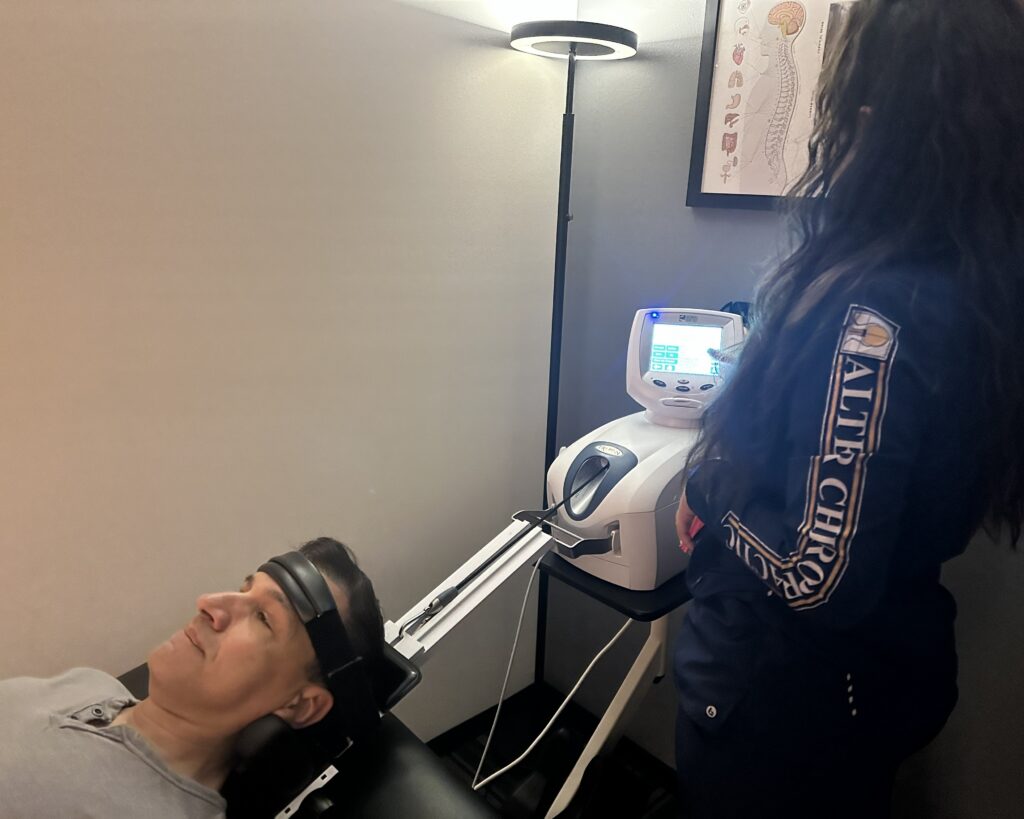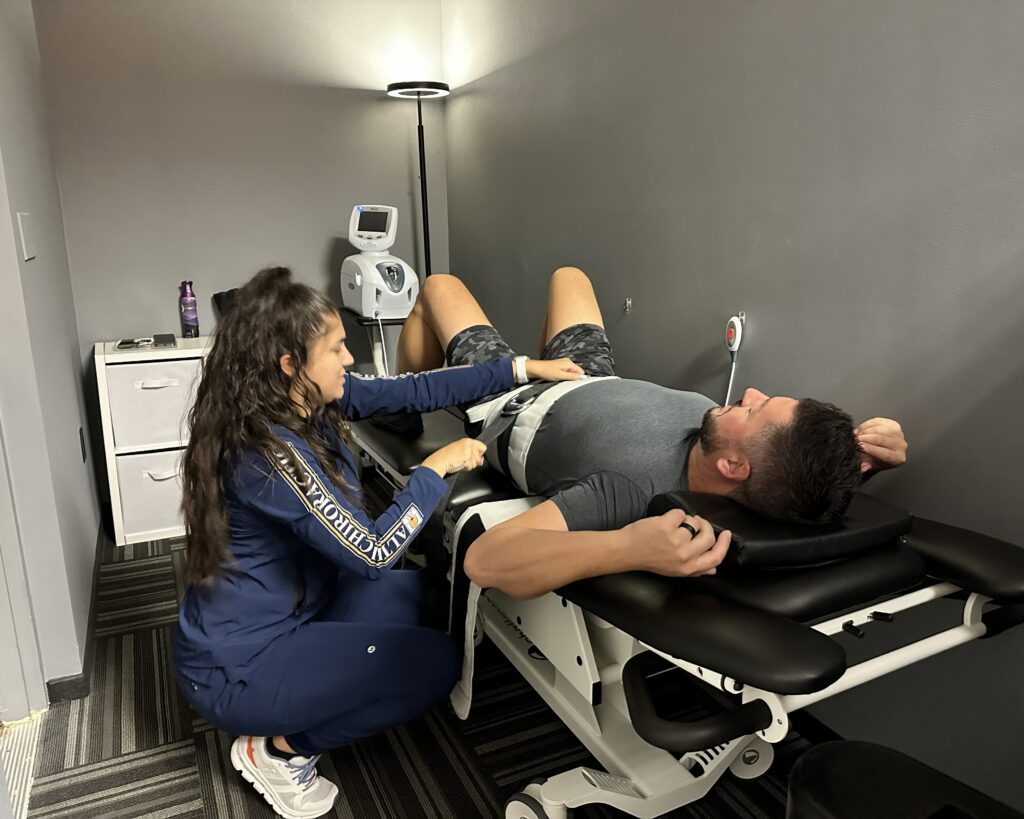

If you’re experiencing neck pain, you’re definitely not alone. Many individuals suffer from discomfort caused by poor posture, stress, or muscle strain. While there are various approaches to managing this pain, chiropractic care stands out as a natural and effective solution for achieving optimal health and wellness.
As a chiropractor, I believe in empowering you to take control of your neck health through simple, practical techniques that you can incorporate into your daily routine. Here are some valuable tips to help alleviate neck pain and promote overall wellness:
- Practice Good Posture: Be mindful of your posture, especially when sitting at a desk or using your phone. Keep your shoulders relaxed, and your head aligned over your spine. Consider using ergonomic chairs and devices to support your neck properly.
- Incorporate Gentle Stretches: Simple neck stretches can work wonders. Try gently tilting your head from side to side and forward to back, holding each position for 15-30 seconds. This can help release tension in the muscles surrounding your neck.
- Heat Therapy: Applying a warm compress or heating pad to your neck can help relax tight muscles and improve blood flow. Just be cautious not to apply heat for too long to avoid burns.
- Stay Hydrated: Proper hydration is crucial for maintaining the elasticity of your spinal discs. Ensure you’re drinking enough water throughout the day to support your overall spinal health.
- Schedule Regular Chiropractic Adjustments: Regular visits to your chiropractor can help align your spine, relieve tension, and promote overall wellness. Chiropractic care addresses the root cause of neck pain, rather than just masking the symptoms.
- Mindfulness and Relaxation Techniques: Stress can contribute significantly to neck pain. Incorporating mindfulness practices such as deep breathing, meditation, or yoga can help reduce stress levels and promote relaxation.
- Limit Screen Time: If possible, take regular breaks from screens to avoid straining your neck. Every 20 minutes, look away from your screen for 20 seconds and focus on something 20 feet away.
By integrating these techniques into your lifestyle, you can significantly manage and relieve neck pain. Remember, chiropractic care is an excellent path to achieving not just pain relief, but also long-term health and wellness. If you’re struggling with neck discomfort, don’t hesitate to reach out for a consultation. Together, we can develop a personalized plan to help you feel your best!
Understanding Neck Pain: Causes and Symptoms
When you experience neck pain, it’s important to understand that there are many potential causes, and recognizing these can help you find effective relief. One of the most common culprits is poor posture, especially if you spend long hours at a desk or frequently look down at your phone. This can lead to strain in the neck and spine.
Additionally, injuries from accidents or sports can contribute to discomfort. Conditions like arthritis or herniated discs may also cause chronic pain that disrupts your daily activities.
Symptoms of neck pain can vary widely. You might feel stiffness, sharp pain, or even muscle spasms. Pain may also radiate to your shoulders or arms, which could indicate nerve involvement. Many people find that tension headaches often accompany neck pain, adding to their discomfort.
By understanding these causes and symptoms, you can take proactive steps to address your neck pain naturally. Chiropractic care is an excellent option for achieving optimal health and wellness. A trained chiropractor can help realign your spine, relieve tension, and promote healing in your neck and surrounding areas.
Here are some general tips to help you manage neck pain:
- Mind Your Posture: Be aware of your posture while sitting and standing. Make adjustments to ensure your head is aligned with your spine and your shoulders are relaxed.
- Take Regular Breaks: If you work at a desk, take short breaks to stretch and move. This helps reduce the strain on your neck.
- Strengthening Exercises: Gentle neck stretches and strengthening exercises can improve flexibility and support the muscles around your neck.
- Ergonomic Setup: Consider adjusting your workspace to make it more ergonomic. Your computer screen should be at eye level, and your chair should provide good support.
- Stay Hydrated: Drinking plenty of water can help keep your muscles hydrated and functioning properly.
Simple Neck Stretches to Alleviate Discomfort
When neck pain strikes, incorporating simple stretches into your daily routine can significantly alleviate discomfort and promote overall wellness. As a local chiropractor, I want to emphasize that these stretches not only help relieve tension but also support your spinal health.
Let’s delve into three effective exercises: the Neck Tilt Stretch, the Shoulder Shrug Exercise, and the Chin Tuck Technique. Each of these moves is designed to improve mobility and comfort, and they represent a natural approach to enhancing your health without the need for medications or invasive procedures.
Neck Tilt Stretch: This gentle stretch can help relieve tightness in your neck. Simply tilt your head to one side, bringing your ear towards your shoulder. Hold for 15-30 seconds and then switch sides. This stretch helps to release muscle tension and improve flexibility, which is crucial for maintaining a healthy spine.
Shoulder Shrug Exercise: To further support your neck and upper back, try the Shoulder Shrug Exercise. Raise your shoulders towards your ears as high as you can, hold for a moment, and then release them back down. Repeat this a few times. This simple movement can help relieve built-up tension and improve blood flow to the surrounding muscles.
Chin Tuck Technique: The Chin Tuck is a fantastic exercise for promoting proper posture and spinal alignment. Sit or stand up straight, gently tuck your chin towards your neck, and hold for a few seconds before releasing. This exercise helps to strengthen the muscles that support your neck and can be particularly beneficial if you spend long hours at a desk.
Incorporating these stretches into your daily routine can enhance your mobility and help alleviate discomfort.
Remember, while these exercises are beneficial, regular chiropractic care is crucial for achieving optimal health and wellness. A chiropractor can provide personalized adjustments and treatments that address the root causes of your neck pain, ensuring you achieve lasting relief and improved quality of life.
Prioritize your health and embrace natural healing through chiropractic care!
Neck Tilt Stretch
One effective technique for relieving neck pain that complements chiropractic care is the neck tilt stretch. This simple stretch can help alleviate tension and improve flexibility in your neck, making it a great addition to your daily routine. Here’s how to do it:
- Find a Comfortable Position: Sit or stand with your back straight to maintain proper spinal alignment.
- Gently Tilt Your Head: Slowly tilt your head to the right, bringing your ear closer to your shoulder. You should feel a gentle stretch on the left side of your neck.
- Hold and Breathe: Maintain this position for 15 to 30 seconds, taking deep breaths to enhance relaxation.
- Switch Sides: Return to the starting position and repeat the stretch on the left side.
- Enhance the Stretch: For a deeper stretch, you can use your hand to apply gentle pressure on the side of your head that you’re tilting towards. Just be sure to keep the pressure light and comfortable.
Aim to perform this neck tilt stretch a few times daily, especially if you’re feeling discomfort. Regular practice can help reduce tension and improve your neck’s flexibility, but remember that if your pain persists, consulting with a chiropractor can provide you with tailored care and support.
Incorporating chiropractic care into your wellness routine can further enhance your overall health. Chiropractors focus on natural healing methods that address the root causes of pain, helping your body function optimally without the need for medications or invasive procedures.
Shoulder Shrug Exercise
Shoulder shrugs are a straightforward yet powerful exercise that can help relieve neck discomfort and tension, making them a great addition to your wellness routine. Here’s how you can easily perform this exercise: Find a comfortable position, either standing or sitting, with your arms relaxed at your sides. Take a deep breath in and raise your shoulders towards your ears, holding that position for a few seconds. As you exhale, gently lower your shoulders back to their starting position. Aim to repeat this movement 10 to 15 times.
As you do this, you’ll notice a pleasant stretch in your neck and shoulders, which promotes relaxation and can significantly reduce stiffness. Incorporating shoulder shrugs into your daily routine, especially after long periods of sitting or working at a desk, can be incredibly beneficial. This quick exercise not only helps alleviate tension but also improves neck mobility, which is essential for overall health.
Remember, while exercises like shoulder shrugs can be beneficial, they’re best complemented by regular chiropractic care. A chiropractor can help ensure your spine is aligned, which plays a crucial role in your overall well-being.
Chin Tuck Technique
The chin tuck technique is a fantastic and straightforward stretch that can significantly relieve neck discomfort, promoting better overall wellness. As a chiropractor, I encourage you to give this exercise a try to support your neck health naturally.
To perform the chin tuck, start by sitting or standing up straight. Gently pull your chin back towards your throat while keeping your eyes looking forward. Picture yourself trying to create a double chin, but be sure not to tilt your head. Hold this position for about 5 seconds, then relax. Aim to repeat this stretch 5 to 10 times throughout your day. You’ll likely feel a gradual release of tension in your neck and shoulders as you incorporate this simple technique.
Not only does the chin tuck help alleviate discomfort, but it also strengthens your neck muscles and improves your posture—key factors in preventing future pain. By integrating the chin tuck into your daily routine, you’re taking proactive steps towards enhancing your neck health and overall comfort.
Chiropractic care complements this technique beautifully by addressing the underlying issues in your spine and nervous system, ensuring that your body functions optimally.
Ergonomic Tips for a Pain-Free Workspace
Creating a pain-free workspace is essential for maintaining your overall health and well-being, especially when it comes to spinal health. As a chiropractor, I want to emphasize the importance of your workspace setup in preventing discomfort and promoting natural healing.
Start by adjusting your desk height so that your elbows rest comfortably at a 90-degree angle. This alignment helps reduce stress on your spine and supports better posture.
Next, position your monitor at eye level. This simple adjustment can prevent unnecessary neck strain, allowing your spine to remain in a neutral position throughout the day.
In addition to these adjustments, consider using an ergonomic chair that provides good lumbar support. This will help maintain the natural curve of your lower back and reduce the risk of developing pain over time.
Remember to take regular breaks to stretch and move around, as this encourages proper blood circulation and keeps your joints flexible.
By implementing these straightforward tips, you can enhance your comfort and productivity while supporting your spinal health.
If you ever experience persistent discomfort, remember that chiropractic care is a natural and effective way to address pain and promote overall wellness. Regular adjustments can help keep your spine aligned and functioning optimally, allowing you to enjoy a healthier, more active lifestyle.
Desk Height Adjustment
Adjusting your desk height can greatly contribute to preventing neck pain and promoting overall spinal health while you work. As a chiropractor, I emphasize the importance of maintaining proper posture to support your spine.
Begin by ensuring your elbows are at a 90-degree angle when your hands rest on the keyboard; this helps reduce strain on the neck and shoulders. Your wrists should remain straight, avoiding any awkward angles that could lead to discomfort.
If your chair feels too low, consider raising it or looking for a desk with adjustable height features. When you transition to standing, it’s crucial to maintain that right angle with your elbows to support a comfortable posture.
Additionally, make sure your feet are flat on the ground or on a footrest to enhance stability and promote proper alignment.
Remember, a well-adjusted desk setup not only boosts your productivity but also plays a vital role in your overall well-being. Taking these simple steps can help create a workspace that’s both comfortable and pain-free.
And if you’re experiencing persistent discomfort, don’t hesitate to seek the natural healing benefits of chiropractic care. It’s a safe and effective way to achieve optimal health and relieve pain without the need for medications or invasive procedures.
Make your workspace a haven for health, and your body will thank you!
Monitor Positioning Tips
Proper monitor positioning is crucial for maintaining a healthy spine and reducing neck strain, which can lead to discomfort and pain over time. As a chiropractor, I want to share some simple tips to help you create an ergonomic workspace that promotes your overall well-being.
Begin by adjusting your monitor to eye level. This means the top of the screen should be in line with your eyes, so you can look straight ahead without tilting your head up or down. This position helps maintain the natural curvature of your spine and reduces the risk of neck issues.
Next, keep your monitor about an arm’s length away. This distance helps prevent eye strain and encourages proper posture. If you work with multiple monitors, ensure they’re all at the same height and angle. This minimizes unnecessary neck movement and helps you stay comfortable while working.
Don’t forget to tilt your screen slightly backward to reduce glare. This simple adjustment can make a big difference in your visual comfort and overall posture.
Most importantly, remember to take regular breaks. Stand up, stretch, and reposition yourself to give your body a chance to recover. Incorporating these habits into your daily routine can help keep your neck happy and pain-free.
As you focus on your workspace, remember that chiropractic care is an excellent way to maintain optimal health and relieve pain naturally. Regular adjustments can help ensure your spine stays aligned, supporting your overall wellness.
The Benefits of Heat and Cold Therapy
Neck pain is a common issue that many of us face at some point in our lives. As a chiropractor, I want to share how heat and cold therapy can be effective tools for managing this discomfort naturally.
Heat therapy, such as using warm compresses or heating pads, can work wonders for your neck. It increases blood flow to the area, which helps relax tight muscles and ease discomfort. When you apply heat, it not only feels soothing but also promotes healing in your neck. This method is particularly beneficial for those suffering from chronic pain or stiffness.
On the flip side, cold therapy is another powerful option. Utilizing ice packs or cold compresses can help reduce inflammation and numb sharp pain. When you apply cold, it constricts blood vessels, minimizing swelling and providing quick relief from acute pain. Cold therapy is especially useful after an injury or intense physical activity.
For those looking to enhance their healing journey, incorporating chiropractic care into your routine can provide comprehensive support for your neck and overall wellness. A chiropractor can help identify the root cause of your pain and develop a personalized treatment plan that might include adjustments, exercises, and guidance on proper posture.
Here are some simple tips you can take away to help manage neck pain at home:
- Alternate Heat and Cold: Consider using both heat and cold therapy. Start with cold to reduce inflammation, then switch to heat to relax muscles after the initial pain subsides.
- Gentle Stretches: Incorporate gentle neck stretches into your daily routine to improve flexibility and reduce tension.
- Stay Hydrated: Drinking plenty of water can help maintain spinal health and reduce muscle tightness.
- Mind Your Posture: Be mindful of your posture, especially if you spend long hours sitting at a desk. Make sure your workspace is ergonomically friendly.
- Regular Chiropractic Visits: Regular check-ups with a chiropractor can keep your spine aligned and help prevent future pain.
Relaxation Techniques to Reduce Neck Tension
To effectively reduce neck tension, incorporating relaxation techniques into your daily routine can greatly enhance your overall well-being and complement chiropractic care.
Start with deep breathing exercises to center your mind and body. Inhale deeply through your nose, letting your abdomen expand, and then exhale slowly through your mouth. Repeat this several times; it’s an excellent way to calm both your body and mind.
Another valuable technique is progressive muscle relaxation. This involves tensing and then relaxing each muscle group in your body, starting from your toes and working your way up to your neck. This method can help release built-up tension, which is crucial for spinal health.
Meditation can also be a powerful tool. Find a quiet space, close your eyes, and focus on your breath or a calming mantra. Even dedicating just a few minutes to this practice can help center your thoughts and alleviate stress, further promoting your health.
Finally, gentle neck stretches can be highly effective. Tilt your head side to side and forward and backward, holding each position briefly. These stretches not only help reduce neck tension but also align your spine, making chiropractic adjustments even more effective.
Remember, incorporating these simple techniques into your daily routine can provide significant relief and support your journey toward optimal health.
Chiropractic care, combined with these natural relaxation methods, is a powerful approach to achieving a pain-free, healthier lifestyle.
Strengthening Exercises for Neck Support
Strengthening your neck muscles is vital for keeping your spine aligned and preventing discomfort. As a local chiropractor, I encourage you to incorporate simple exercises into your daily routine to enhance neck support and resilience naturally.
Start with gentle neck tilts: slowly tilt your head toward one shoulder, hold for five seconds, then switch to the other side. This movement helps to stretch and strengthen the muscles on both sides of your neck.
Next, try neck rotations by turning your head slowly to look over each shoulder, holding for a few seconds. This exercise promotes flexibility and can help alleviate tension.
Isometric exercises are also a fantastic way to build strength without any strain. For instance, press your forehead gently into your palms without moving your head, holding for five seconds. Then, repeat this by pressing the back of your head into your hands. These exercises engage the muscles deeply and can help improve stability.
Don’t overlook the benefits of shoulder shrugs—simply lift your shoulders towards your ears, hold for a moment, and then release. This helps relieve tension in both your neck and shoulders.
Aim to perform these exercises daily, gradually increasing your repetitions as you become stronger. Consistency is crucial, and with time, you’ll likely notice improved stability and reduced discomfort in your neck.
Remember, always listen to your body; if you experience any pain, it’s best to consult with a chiropractic professional for personalized advice.
Incorporating these simple exercises into your routine can promote natural healing and enhance your overall wellness. Chiropractic care is an excellent way to support your journey to optimal health.
Embrace these practices, and take proactive steps towards a pain-free life!
The Importance of Proper Sleep Position
Incorporating proper sleep positions into your nightly routine is crucial for maintaining a healthy spine and alleviating neck pain. As a local chiropractor, I want to emphasize that your sleep position can significantly influence your overall well-being. It’s essential to find a position that supports your spine’s natural alignment to promote healing and comfort.
If you sleep on your back, using a supportive pillow can help maintain the natural curve of your neck. This alignment is vital for preventing stiffness and pain when you wake up. For side sleepers, opting for a firmer pillow can fill the gap between your shoulder and head, ensuring your spine remains aligned throughout the night.
I recommend avoiding stomach sleeping altogether, as this position can twist your neck and lead to discomfort.
Listen to your body—if you wake up feeling stiff or in pain, it’s a clear sign to adjust your sleep position. Experimenting with different pillows and mattresses is a great way to find what works best for you. Remember, the goal is to prioritize your sleep position to achieve better rest and reduce neck pain, allowing you to enjoy more comfortable and productive days.
In addition to adjusting your sleep habits, consider visiting your chiropractor for a personalized assessment. Chiropractic care focuses on natural healing and can help you achieve optimal health through spinal adjustments and wellness education.
When to Seek Professional Help for Neck Pain
How can you tell when it’s time to seek professional help for your neck pain? If your discomfort lingers for more than a week, it’s wise to consult a chiropractor who specializes in spinal health. A chiropractor can help identify the root cause of your pain and guide you on the path to recovery.
Be aware of any sharp or shooting pain that radiates down your arms or into your shoulders—these symptoms could indicate nerve involvement, which is best addressed by a chiropractic professional. Additionally, if you experience numbness, tingling, or weakness in your arms, don’t hesitate to reach out for help. These sensations are signals from your body that may benefit from a natural approach to healing.
If your neck pain comes with headaches, dizziness, or changes in vision, it’s crucial to consult with a chiropractor to rule out any underlying issues. Our bodies communicate in various ways, and it’s important to listen to those signals.
If you’ve tried simple home remedies like stretching, heat, or ice without relief, it’s time to explore chiropractic care. Trust your instincts—if something feels off, a professional opinion from a chiropractor can help ensure you receive the proper care, paving the way for natural healing and optimal health.
As a general tip, maintaining good posture, taking regular breaks from screens, and incorporating gentle neck stretches into your daily routine can help prevent future neck pain.
Conclusion
Relieving neck pain at home is not only possible but can also be greatly enhanced through chiropractic care. By focusing on a few key techniques, you can significantly reduce discomfort and promote natural healing. Start with practicing good posture—this is essential for spinal health. Incorporating gentle stretches can help alleviate tension and improve flexibility in your neck.
Using heat or cold therapy can also be beneficial. Heat can soothe tight muscles, while cold therapy can reduce inflammation. Additionally, creating an ergonomic workspace is crucial; ensure your desk and chair support your spine properly to prevent strain.
Engaging in relaxation techniques like deep breathing or mindfulness can further help ease tension in your neck and back. Strengthening exercises, particularly those targeting the neck and upper back, can also play a vital role in supporting your spine and preventing future pain.
When it comes to sleep, it’s important to choose proper positions that maintain the natural curve of your neck. Using a supportive pillow can make a significant difference in how you feel in the morning.
Remember, while these tips can provide relief, the best way to ensure optimal spinal health is through regular chiropractic care. A chiropractor can help identify underlying issues, provide tailored treatment plans, and guide you on your path to wellness. If your neck pain persists, don’t hesitate to seek professional help. By taking these steps and considering chiropractic care, you’ll be well on your way to a more comfortable, pain-free neck!