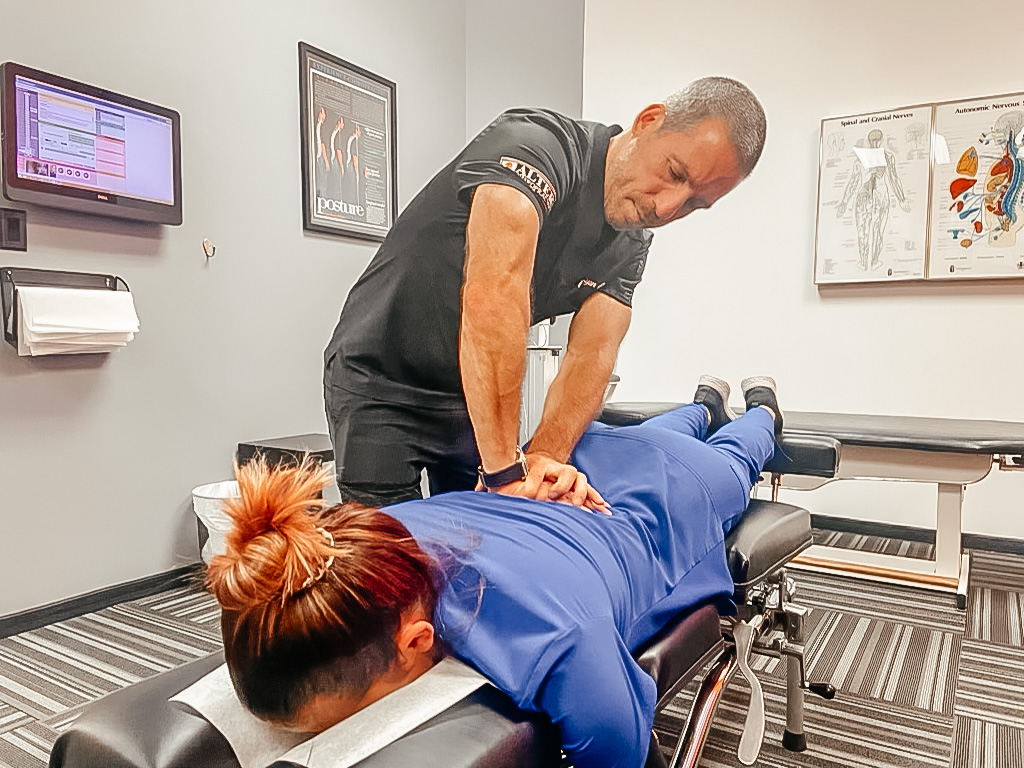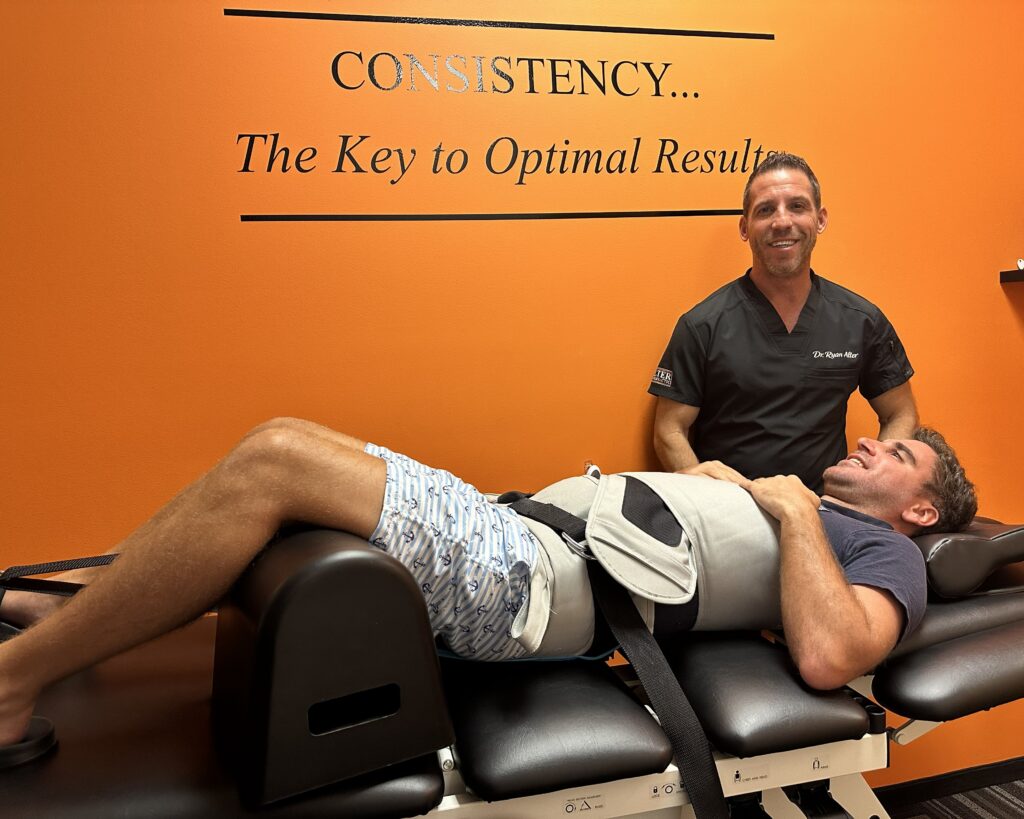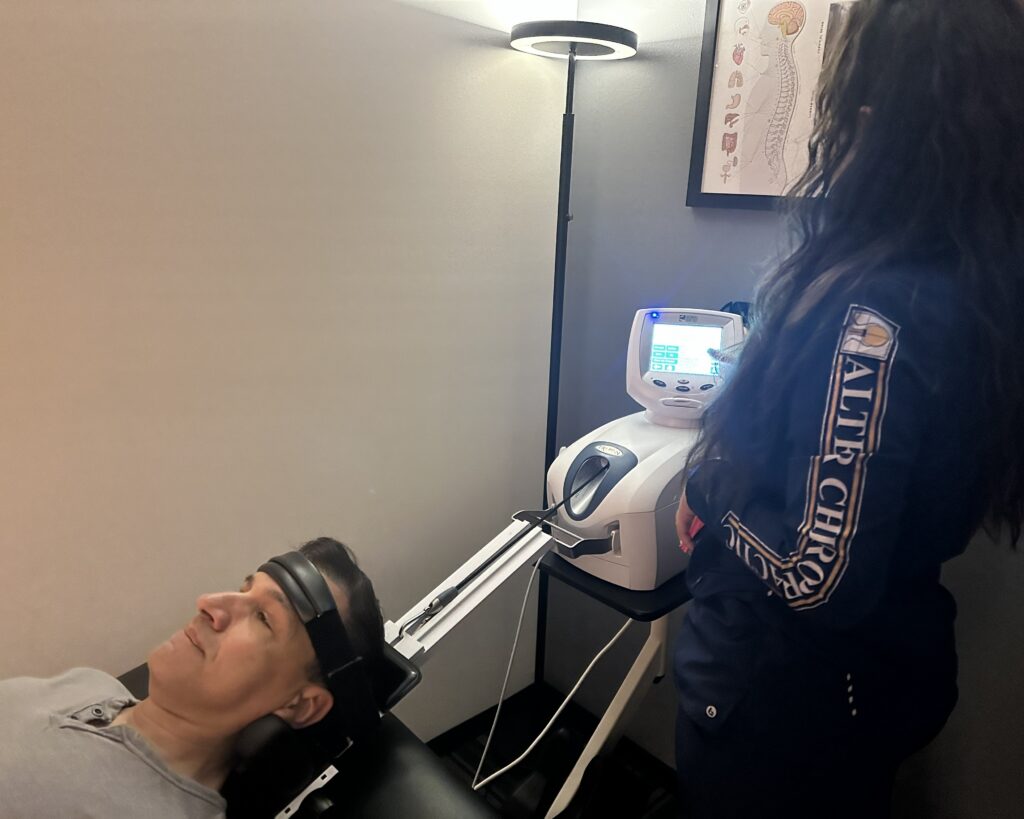

As a local chiropractor, I want to share some valuable insights for those of you grappling with lower back pain. It’s more common than you might think, and many individuals face this challenge. Fortunately, there are natural and effective techniques that can provide relief.
In our practice, we emphasize the importance of targeted stretches and strengthening exercises tailored to your unique needs. These methods not only help alleviate pain but also support long-term health. Additionally, understanding how posture and workspace ergonomics play a role in your comfort is crucial.
Are you interested in learning how these chiropractic strategies can enhance your daily life? Let’s dive into the best approaches for managing and alleviating that persistent pain, so you can get back to doing what you love.
Understanding the Causes of Lower Back Pain
As a local chiropractor, I want to help you understand the various factors that could be contributing to your lower back pain. It’s important to recognize that many times, poor posture is a significant culprit. If you find yourself spending long hours sitting at a desk or slouching, this can lead to strain on your muscles and spine, resulting in discomfort.
Additionally, improper lifting techniques can lead to muscle sprains or injuries that affect your lower back. Your weight also plays a critical role in your spinal health. Carrying excess weight puts additional pressure on your spine, which can exacerbate pain.
Furthermore, your activity level is crucial; a sedentary lifestyle can weaken your muscles, making you more susceptible to pain. Conversely, if you push yourself too hard during physical activities, it can lead to strain and discomfort.
It’s also important to consider the impact of stress and emotional factors on your body. Stress can lead to muscle tension, which may contribute to back pain.
Stretching Exercises for Relief
As a local chiropractor dedicated to helping you achieve natural healing, I want to share how important stretching exercises can be when it comes to relieving lower back pain. Many of my patients have found that incorporating specific stretches into their daily routine can provide significant relief.
It’s crucial to focus on stretches that target those tight muscles in your back and surrounding areas. I encourage you to explore various essential stretches and learn some tips for effective stretching techniques to enhance your results.
By understanding the right way to stretch, you can maximize your comfort and mobility.
Let’s dive into some effective stretches that can help alleviate your discomfort and improve your overall well-being. Remember, taking these steps can make a positive difference in your journey to feeling better naturally.
Essential Stretches to Try
As a local chiropractor, I want to share with you how gentle stretching can play a vital role in alleviating lower back pain. Stretching is more than just a way to warm up; it helps increase flexibility, improve circulation, and reduce muscle tension, all of which are crucial for easing discomfort.
I recommend starting with the cat-cow stretch. This movement helps to mobilize your spine by alternating between arching and rounding your back. It’s a gentle way to awaken your spine and promote flexibility.
Another fantastic option is the child’s pose, which gently elongates your lower back and encourages relaxation—a key component in managing pain.
You might also want to try the knee-to-chest stretch. This is excellent for relieving tightness not only in your lower back but also in your hips.
Lastly, the seated forward bend can be very beneficial, as it stretches your hamstrings and lower back simultaneously.
When practicing these stretches, aim to hold each position for 15-30 seconds, and don’t forget to breathe deeply. This will enhance the benefits and help you connect with your body.
Incorporating these essential stretches into your daily routine can significantly aid in your journey towards lower back pain relief. Remember, taking small steps can lead to big changes in your overall well-being!
Tips for Effective Stretching
As your local chiropractor, I’m here to help you understand the importance of effective stretching in your overall wellness routine. To truly reap the benefits of stretching, it’s crucial to keep a few essential tips in mind that can enhance your experience and effectiveness.
First and foremost, always begin with a light warm-up to get your muscles ready before you start stretching. This simple step helps prepare your body and significantly reduces the risk of injury.
After warming up, aim to hold each stretch for a duration of 15 to 30 seconds. This allows your muscles to relax and elongate properly, promoting better flexibility.
When you stretch, it’s important to avoid bouncing. Instead, gently and steadily ease into each position. This controlled movement helps protect your muscles and joints.
Don’t forget about your breathing—take deep inhales and exhale as you stretch. This practice not only helps to release tension but also enhances your overall relaxation during the process.
Finally, always listen to your body. If you feel any pain while stretching, it’s a signal to ease off.
Strengthening Exercises for Core Support
As a local chiropractor, I often see patients who overlook the importance of core strength when seeking relief from lower back pain. Building a strong core is vital for supporting your spine and alleviating discomfort. A well-conditioned core stabilizes your body, which allows you to engage in daily activities with greater ease and less strain.
I recommend starting with exercises like planks. This exercise engages multiple muscle groups and enhances your overall stability. Additionally, incorporating bridges into your routine can help strengthen your glutes and lower back, which are crucial for spinal support.
Don’t underestimate the effectiveness of pelvic tilts; they may be simple, but they significantly improve core control. As you become more comfortable, consider adding side planks and bird-dogs to your regimen. These exercises challenge your balance and coordination, further enhancing your core strength.
I suggest aiming for two to three sessions each week, gradually increasing the intensity as your strength improves. Always listen to your body; if any exercise feels uncomfortable, feel free to modify it or take a break.
Consistency is essential. Over time, you should notice improved strength and a reduction in lower back pain. I encourage you to embrace these exercises as part of your wellness routine, and you’ll be taking significant steps toward a healthier back.
The Importance of Proper Posture
As your local chiropractor, I want to emphasize how crucial maintaining proper posture is for preventing and alleviating lower back pain. Many people may not realize that the way you sit and stand can significantly impact the health of your spine.
When you focus on your posture, you can reduce the strain on your back and promote overall well-being.
Let’s discuss some effective techniques that can help you achieve ideal posture throughout your day. Simple adjustments, whether at your desk or while standing, can make a world of difference in how you feel.
Remember, good posture isn’t just about looking confident; it’s about supporting your body’s natural alignment and preventing discomfort.
I’m here to help guide you in making these important changes for a healthier, pain-free life.
Ideal Sitting Position
As a local chiropractor, I want to emphasize the importance of maintaining an ideal sitting position to safeguard your lower back and promote optimal spinal health.
When you sit, it’s crucial to keep your feet flat on the floor and your knees at a right angle. This foundational posture helps distribute your weight evenly and reduces strain on your spine.
Choose a chair that offers proper support for your lower back. If your chair lacks this support, consider using a cushion to help maintain the natural curve of your spine.
It’s also important to sit with an upright posture—aim to align your ears over your shoulders and your shoulders over your hips. Avoid crossing your legs, as this can lead to imbalances and discomfort over time.
If you’re working at a desk, position your monitor at eye level. This adjustment will help prevent unnecessary strain on your neck and shoulders, which can lead to further issues.
Remember to take regular breaks to stretch and move around; staying sedentary for long periods can contribute to discomfort and tension in your body.
By incorporating these practices into your daily routine, you’ll not only protect your lower back but also enhance your overall well-being.
If you have any questions or would like further guidance, feel free to reach out. Your health is our priority!
Standing Alignment Techniques
As a local chiropractor, I want to emphasize the importance of maintaining proper posture not just when you’re sitting, but also while standing. Many people overlook this aspect, yet it plays a crucial role in your overall well-being.
When you stand, aim to keep your feet shoulder-width apart and distribute your weight evenly across both feet. It’s important to keep your knees slightly bent—never locked—to allow for natural movement and support.
Engaging your core muscles is essential for supporting your spine properly. This simple action can significantly alleviate pressure on your lower back. Remember to relax your shoulders; they should sit comfortably away from your ears.
Make sure your ears are aligned with your shoulders, and that your hips are in line with your knees and ankles. This alignment helps to minimize strain on your body, reducing the risk of pain and discomfort.
If you find yourself standing for long periods, try shifting your weight from one foot to the other periodically. This practice can greatly enhance your comfort and support your posture throughout the day.
Ergonomic Adjustments for Your Workspace
As a local chiropractor, I often see patients who experience lower back pain due to poor workspace ergonomics. It’s important to understand that creating an ergonomic workspace can significantly alleviate discomfort and enhance your overall well-being, especially during long hours of sitting.
First, let’s talk about your chair. It’s essential to adjust it so that it properly supports your lower back. Your feet should be flat on the floor, and your knees should be at or slightly below hip level to maintain a healthy posture. If your chair lacks lumbar support, consider using a cushion to help support your lower back.
Next, the positioning of your computer screen is crucial. It should be at eye level and about an arm’s length away. This positioning helps to keep your neck in a neutral position, which reduces strain and discomfort. Additionally, your keyboard should be at a height that allows your elbows to remain close to your body, with your wrists in a straight position to prevent unnecessary tension.
Lastly, it’s vital to incorporate regular breaks into your routine. Stand up, stretch, or take a short walk every hour. Movement is key to alleviating tension and preventing stiffness, which can contribute to lower back pain.
Heat and Cold Therapy Techniques
As a local chiropractor, I want to introduce you to some effective techniques for managing lower back pain that you may not be familiar with, particularly heat and cold therapy.
After you’ve optimized your workspace for better posture, adding these therapies can significantly enhance your comfort and healing process.
Heat therapy, such as using a warm towel or a heating pad, is beneficial for relaxing tight muscles and increasing blood flow to the affected area. This increased circulation can promote healing.
I recommend applying heat for about 15-20 minutes at a time, particularly before you stretch or engage in physical activity. This can prepare your muscles and reduce the risk of injury.
On the other hand, cold therapy can be incredibly effective for reducing inflammation and numbing sharp pain. Ice packs or cold compresses are ideal for this purpose.
Apply them for 10-15 minutes, ensuring you allow your skin to return to normal temperature between applications to prevent any adverse effects.
An effective approach is to alternate between heat and cold therapies. This combination can provide enhanced pain relief and improve your mobility.
Always remember to use a barrier, like a cloth, between the heat or ice and your skin to avoid burns or frostbite.
It’s important to listen to your body and adjust these methods according to what feels most effective for you.
If you have any questions about how to incorporate these therapies into your routine or how they relate to your overall chiropractic care, please feel free to ask during your next visit.
Your comfort and health are our top priorities!
Alternative Therapies: Acupuncture and Massage
As a local chiropractor, I want to share how alternative therapies like acupuncture and massage can play a significant role in relieving lower back pain.
These methods embrace a holistic approach that addresses both the physical and emotional dimensions of pain, complementing the chiropractic care we offer.
Acupuncture, for instance, involves the insertion of thin needles at specific points on the body. This practice stimulates the release of endorphins, which are natural pain relievers, helping to reduce both pain and inflammation.
Many of my patients report experiencing substantial relief after just a few acupuncture sessions.
Similarly, massage therapy focuses on relaxing tight muscles and enhancing blood circulation. By working on the soft tissues, massage can ease tension in your back, allowing you to regain mobility and comfort.
Additionally, regular massage can help lower stress levels, which is often a contributing factor to pain.
Both acupuncture and massage are safe, non-invasive therapies that can work hand-in-hand with chiropractic adjustments and other treatments you may be undergoing.
If you’re looking for a natural way to manage your lower back pain, I encourage you to consider incorporating acupuncture and massage into your wellness routine.
This balanced approach can lead to more effective and lasting relief.
Lifestyle Changes for Long-Term Relief
As a local chiropractor, I want to emphasize that while we often seek immediate relief from lower back pain through therapies like acupuncture and massage, embracing intentional lifestyle changes can significantly improve your long-term comfort and health.
First and foremost, incorporating regular exercise into your daily routine is crucial. Strengthening your core muscles provides essential support to your spine, helping to reduce strain and discomfort. I recommend focusing on low-impact activities such as swimming or walking, which are gentle on your back and can promote overall well-being.
Posture is another key area to pay attention to. Whether you’re sitting at a desk or lifting heavy objects, maintaining proper alignment can prevent unnecessary discomfort. Investing in a supportive mattress and ergonomic furniture can also make a significant difference in your daily comfort.
It’s important to consider your weight as well. Excess weight can place additional pressure on your lower back, so adopting a balanced diet in conjunction with regular exercise is essential for managing your health.
Finally, don’t overlook the impact of stress on your body. Techniques like yoga or meditation can help you manage stress effectively, as tension can often contribute to pain in the lower back.
By integrating these lifestyle changes into your routine, you can lay a solid foundation for lasting relief and enhance your overall well-being.
When to Seek Professional Help
As a local chiropractor dedicated to your well-being, it’s essential to recognize when to seek professional help for lower back pain. Understanding the right moment to reach out can make a significant difference in your recovery journey.
If your pain persists for more than a few weeks or worsens despite your efforts with home treatments, I encourage you to schedule a consultation with me or another healthcare provider.
It’s also crucial to pay attention to specific symptoms. If you experience numbness, tingling, or weakness in your legs, don’t hesitate to get in touch—these could be signs of a more serious underlying condition that requires immediate attention.
Additionally, if your back pain developed after an injury or is accompanied by fever, unexplained weight loss, or issues with bowel or bladder control, it’s vital to seek help right away. These symptoms may indicate a medical emergency, and timely intervention is key.
I’m here to guide you through natural healing methods and provide support tailored to your needs.
Conclusion
As a local chiropractor, I want to share some valuable techniques that can help alleviate lower back pain and enhance your overall well-being. By incorporating stretching and strengthening exercises into your daily routine, along with maintaining proper posture, you can create a supportive environment for your spine. Ergonomic adjustments in your workspace and utilizing heat or cold therapy can also play a significant role in managing discomfort.
It’s essential to recognize that lifestyle changes and stress management are crucial for achieving long-term relief. Chiropractic care focuses on natural healing methods that promote your body’s ability to heal itself. If you find that your pain persists despite trying these techniques, I encourage you to reach out for professional help. Together, we can ensure you’re on the right path to recovery and a healthier back.