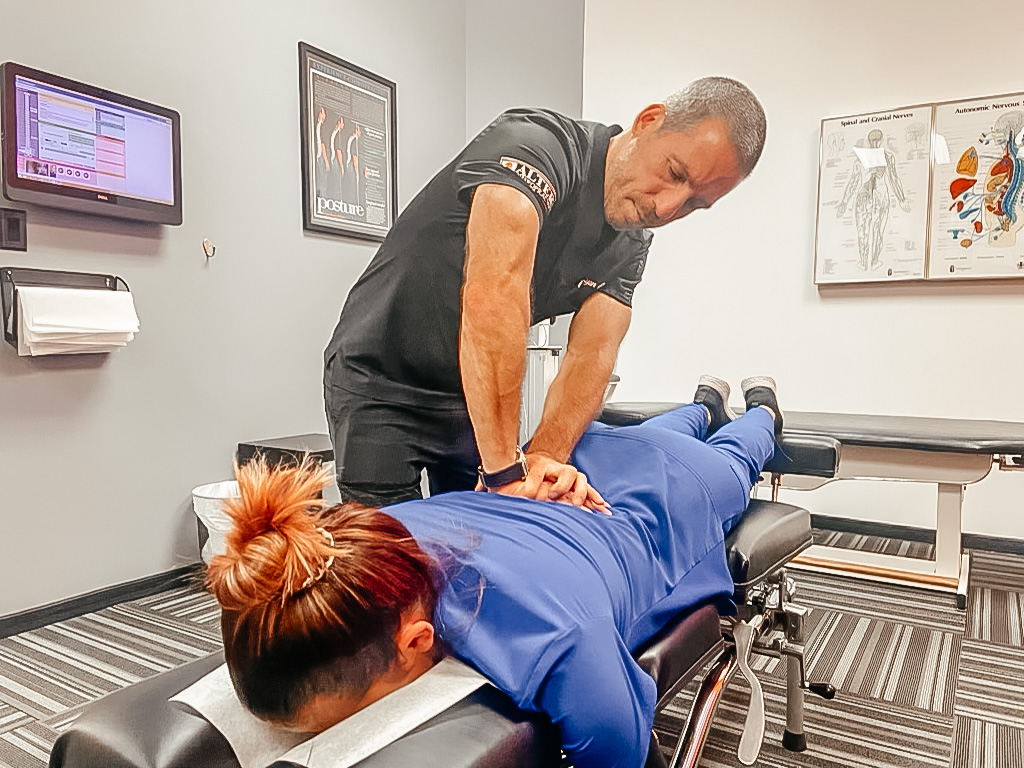

If you’ve experienced whiplash, you understand how it can significantly impact your daily life. Finding effective strategies for relief and recovery is crucial for returning to your normal routine. As a chiropractor, I want to emphasize that chiropractic care is one of the best options for alleviating pain and promoting healing in your body.
Chiropractic adjustments can help restore proper alignment in your spine, reducing tension and pain in the neck and surrounding areas. This natural approach not only targets the symptoms but also addresses the underlying issues contributing to your discomfort. By realigning your spine, we can enhance your body’s ability to heal itself and improve your overall wellness.
In addition to adjustments, incorporating targeted exercises into your routine can be incredibly beneficial. Gentle stretching and strengthening exercises designed for whiplash recovery can help improve mobility and reduce stiffness. It’s essential to listen to your body and avoid any movements that exacerbate your pain.
Here are some general tips to aid your recovery journey:
- Stay Hydrated: Drinking plenty of water helps keep your muscles and tissues hydrated, which can facilitate healing.
- Apply Heat or Cold: Using a cold pack can help reduce inflammation, while heat can soothe tight muscles. Alternate between the two for the best results.
- Practice Good Posture: Maintaining proper posture while sitting and standing can alleviate unnecessary strain on your neck and back.
- Rest When Needed: While it’s important to stay active, don’t hesitate to rest if you’re feeling fatigued or in pain. Your body needs time to heal.
- Consider Regular Chiropractic Visits: Consistent chiropractic care can ensure that your spine stays aligned and supports your healing process.
By focusing on these natural healing strategies, you can support your recovery from whiplash effectively. Remember, chiropractic care stands out as a holistic option for achieving optimal health and wellness. If you’re struggling with whiplash, I encourage you to reach out and explore how chiropractic adjustments can help you regain your quality of life.
Understanding Whiplash: Symptoms and Causes
When you find yourself in a car accident or experience a sudden jolt, it’s common to suffer from whiplash, which can result in a variety of uncomfortable symptoms. You may experience neck pain, stiffness, and headaches shortly after the incident. Additionally, pain can radiate into your shoulders or upper back. It’s also not unusual to feel dizziness or fatigue, which can make everyday activities seem daunting.
Whiplash occurs when your head is quickly jerked backward and then forward, putting a strain on the muscles and ligaments in your neck. This rapid motion can damage the soft tissues, leading to inflammation and pain. Even minor accidents can trigger whiplash, so it’s crucial to be mindful of how your body feels in the aftermath.
Understanding these symptoms and their causes is vital for your recovery. It’s important to note that your body mightn’t react immediately; symptoms can develop hours or even days later. Recognizing these signs early can help you seek the right care.
Chiropractic care is an excellent choice for addressing whiplash and promoting natural healing. Chiropractors specialize in spinal health and can help restore proper alignment and function to your neck, relieving pain and discomfort. Gentle adjustments can help your body heal naturally, reducing inflammation and restoring mobility.
In addition to chiropractic care, here are some general tips to help you manage whiplash symptoms:
- Rest Your Neck: Give your body some time to heal. Avoid activities that strain your neck.
- Apply Ice and Heat: Use ice packs to reduce swelling and heat packs to relax tense muscles.
- Stay Hydrated: Drinking plenty of water supports your body’s healing process.
- Gentle Stretching: Once the initial pain subsides, gentle stretching can help improve mobility. Your chiropractor can guide you on safe exercises.
- Posture Awareness: Maintain good posture to reduce strain on your neck while sitting, driving, or working.
Embracing chiropractic care and these simple strategies can set you on the path to recovery and help you achieve optimal health. Remember, you don’t have to manage this alone—your chiropractor is here to support you every step of the way.
The Importance of Early Diagnosis
Recognizing the signs of whiplash early can significantly enhance your recovery journey. If you begin to experience symptoms such as neck pain, stiffness, or headaches, it’s crucial to seek help from a chiropractor as soon as possible. An early diagnosis allows us to assess the severity of your injury and create a personalized treatment plan tailored to your needs. The sooner you address whiplash with chiropractic care, the better your chances of reducing long-term pain and discomfort.
Delaying diagnosis can lead to complications and a longer recovery period. By visiting your chiropractor quickly, you can receive natural, non-invasive recommendations that support your body’s healing process, helping you regain mobility and alleviate symptoms more effectively. During your visit, your chiropractor will evaluate your condition and may suggest gentle spinal adjustments and other holistic techniques to promote healing and restore function.
In addition to seeking chiropractic care, here are some general tips to support your recovery from whiplash:
- Stay Active: Engage in light exercises, such as walking or stretching, to keep your body moving and reduce stiffness.
- Apply Ice or Heat: Use ice packs to reduce inflammation in the first few days, then switch to heat to relax your muscles.
- Maintain Good Posture: Pay attention to your posture while sitting and standing to avoid putting extra strain on your neck.
- Stay Hydrated: Drinking plenty of water helps keep your muscles hydrated and supports overall health.
- Practice Relaxation Techniques: Deep breathing, meditation, or gentle yoga can help manage stress and promote healing.
Chiropractic care is a natural and effective approach to achieve optimal health and wellness after a whiplash injury. Prioritizing your recovery with the right care can lead to lasting relief and a healthier, more active life.
Physical Therapy Approaches
While chiropractic care is vital for your recovery from whiplash, integrating physical therapy techniques can significantly enhance your healing journey. As a chiropractor, I believe that chiropractic adjustments are the most effective way to restore proper alignment and function to your spine, which is crucial for alleviating pain and promoting overall wellness.
Physical therapists can complement chiropractic care by focusing on restoring your movement and reducing discomfort. They’ll assess your individual needs and may suggest some gentle stretches and strengthening exercises. These exercises can help stabilize your neck and improve flexibility, making it easier for you to regain full function.
In addition to exercises, your therapist might use hands-on techniques to relieve muscle tension and improve circulation. This can be beneficial, but remember that the primary goal should always be to maintain proper spinal alignment through chiropractic adjustments.
Understanding ergonomics is also key. Simple changes in your daily routine, such as how you sit at your desk or use your phone, can make a big difference in your recovery. By working with your chiropractor, you can learn the best practices to avoid strain and maintain a healthy posture.
Ultimately, while physical therapy can provide support, chiropractic care should be your first choice for effective pain relief and natural healing. By focusing on spinal health and making mindful lifestyle choices, you can take control of your recovery and achieve lasting relief from whiplash symptoms.
Embrace the holistic approach of chiropractic care for the most thorough path to wellness.
Gentle Exercises for Neck Mobility
To enhance your neck mobility after experiencing a whiplash injury, incorporating gentle exercises into your daily routine can be incredibly beneficial. As a chiropractor, I believe that these exercises not only help relieve discomfort but also support your overall wellness and can be a great complement to chiropractic care.
Start with neck tilts: gently tilt your head toward one shoulder, hold for a few seconds, and then switch to the other side. This simple movement stretches the muscles in your neck without putting too much strain on them.
Next, you can try gentle neck rotations. Slowly turn your head to one side, hold for a moment, and then rotate to the other side. Remember, the key here is to keep the movements slow and controlled to promote better mobility.
In addition to these, shoulder rolls can be very effective. Lift your shoulders up toward your ears, then roll them back and down. This exercise helps release tension that may be building up in your neck and shoulders, further contributing to your comfort and range of motion.
Another valuable exercise is the chin tuck. Gently pull your chin back toward your spine, which can help strengthen your neck muscles and improve posture. Aim to incorporate these exercises a few times daily into your routine. Always listen to your body—if you experience any pain, it’s important to stop.
Consistency is key to recovery. Alongside these exercises, regular chiropractic adjustments can help realign your spine, alleviate pain, and enhance your overall neck mobility.
The Role of Ice and Heat Therapy
When you’re experiencing whiplash, incorporating ice and heat therapy into your recovery routine can make a significant difference. Ice therapy is fantastic for reducing inflammation in the affected area, helping to minimize pain and swelling soon after your injury.
On the other hand, heat therapy is beneficial for relaxing tight muscles and promoting blood flow, which can help ease discomfort as you heal.
As a chiropractor, I want to emphasize that using these therapies effectively can enhance your recovery, but they work best in conjunction with chiropractic care. Chiropractic adjustments can help realign your spine and restore proper function, providing a more comprehensive approach to healing.
Here are some simple tips to make the most out of ice and heat therapy:
- Ice First: In the initial days after your whiplash injury, apply ice packs wrapped in a cloth for about 15-20 minutes every hour. This will help control inflammation.
- Transition to Heat: After the first few days, when inflammation has started to decrease, you can switch to heat therapy. Use a warm towel or heating pad on the affected area for 15-20 minutes to help relax tight muscles.
- Listen to Your Body: Pay attention to how your body responds to each therapy. If something feels uncomfortable or increases your pain, stop and consult with your chiropractor.
- Stay Active: Gentle movements and stretches, as advised by your chiropractor, can also support your recovery. Movement helps keep your muscles and joints functioning properly.
- Regular Chiropractic Visits: Don’t forget to schedule regular visits with your chiropractor. They can provide personalized treatment plans, adjustments, and advice tailored to your recovery needs.
By combining ice and heat therapy with chiropractic care, you’ll be on a more effective path to recovery and optimal health.
Ice for Inflammation Reduction
Ice therapy is a fantastic tool for alleviating inflammation, especially when dealing with whiplash injuries. By applying ice, you can help constrict blood vessels, which reduces swelling and numbs pain.
Here are three important benefits of using ice therapy that can support your recovery:
- Reduces Swelling: Ice application can significantly lessen fluid buildup in the affected area, helping you manage discomfort more effectively.
- Numbs Pain: The cold sensation from ice provides quick relief, allowing you to move around with greater ease and comfort.
- Decreases Muscle Spasms: Ice can help calm involuntary muscle contractions, giving your body a better chance to heal properly.
To take full advantage of these benefits, apply ice for 15-20 minutes every hour. Remember to wrap the ice pack in a cloth or towel to protect your skin. This straightforward method can significantly enhance your recovery process.
However, it’s also essential to consider incorporating chiropractic care into your wellness routine. Chiropractors focus on the body’s natural ability to heal itself, using techniques that promote proper alignment and function of the spine.
Regular chiropractic adjustments can help reduce pain and discomfort, improve mobility, and support overall well-being. By addressing the root cause of your issues, chiropractic care can lead you towards optimal health and a better quality of life.
Heat for Muscle Relaxation
After addressing inflammation with ice therapy, it’s time to consider the benefits of heat for muscle relaxation. Applying heat can work wonders by soothing tight muscles and enhancing blood flow, which promotes healing in the affected areas.
Whether you choose a heating pad, a warm towel, or a relaxing warm bath, these methods can effectively help ease tension in your neck and shoulder muscles. Just ensure that the heat is warm, not too hot, to prevent burns.
For optimal results, aim to apply heat for 15-20 minutes. This allows your muscles to fully absorb the warmth, which can significantly reduce stiffness and enhance flexibility, making movement more comfortable.
To further amplify the effects of heat therapy, consider incorporating gentle stretching or a soothing self-massage to release tension.
Always tune into your body’s signals—if something feels off, it’s wise to consult a chiropractor who can guide you towards the best natural healing practices.
Chiropractic care not only addresses muscle tension but also promotes overall wellness by improving spinal alignment. By choosing chiropractic, you’re investing in a holistic approach to health that prioritizes your body’s natural ability to heal.
Exploring Massage Techniques for Relief
Managing whiplash pain can be a daunting task, but incorporating chiropractic care and certain massage techniques into your routine can offer significant relief. Chiropractic care focuses on aligning the spine and improving overall body function, which can be especially beneficial for alleviating pain associated with whiplash.
Additionally, massage can complement chiropractic treatments by reducing muscle tension, enhancing circulation, and promoting relaxation. Here are three effective massage techniques that can support your healing journey:
- Swedish Massage: This technique employs long, flowing strokes that help increase blood flow and ease tension in the neck and shoulders. It’s a great way to promote relaxation and improve overall well-being.
- Trigger Point Therapy: This method targets specific tight spots in your muscles, applying focused pressure to release knots and alleviate pain. This can be particularly effective in areas affected by whiplash.
- Deep Tissue Massage: By reaching deeper layers of muscle and connective tissue, deep tissue massage helps relieve chronic pain and stiffness. This technique is beneficial for loosening up tight muscles and enhancing mobility.
While exploring these massage techniques, it’s essential to communicate openly with your therapist about your pain levels and preferences.
Remember, chiropractic care is an excellent foundation for recovery, as it addresses the root causes of pain and promotes natural healing. Regular chiropractic adjustments, combined with massage, can be a powerful approach to regaining mobility and comfort as you heal from whiplash.
In addition to these techniques, consider incorporating gentle stretches and exercises recommended by your chiropractor to further support your recovery.
Together, these practices can lead you toward optimal health and wellness, allowing you to live a more active and fulfilling life.
Acupuncture as an Alternative Treatment
As you look for ways to manage whiplash pain, it’s important to consider chiropractic care as a top choice for natural healing and overall wellness. Chiropractic adjustments focus on aligning the spine and improving nervous system function, which can play a significant role in reducing pain and enhancing mobility in the neck and shoulders.
During your visits, a qualified chiropractor will assess your posture, spinal alignment, and overall health to develop a personalized treatment plan tailored to your specific needs. You may experience some gentle adjustments, which often help relieve tension and discomfort. Many patients find that regular chiropractic care not only alleviates their whiplash symptoms but also promotes a greater sense of well-being.
In addition to chiropractic adjustments, here are some tips to support your recovery and maintain a healthier lifestyle:
- Stay Active: Engage in gentle exercises and stretches that focus on your neck and upper back. This can help improve flexibility and strengthen the surrounding muscles.
- Apply Heat or Cold: Use a warm compress or ice pack on your neck to help reduce pain and inflammation. Alternate between heat and cold to find what works best for you.
- Practice Good Posture: Be mindful of your posture while sitting and standing. Keeping your head aligned over your spine can minimize strain on your neck.
- Maintain a Healthy Diet: Fuel your body with nutritious foods to support healing. Foods rich in omega-3 fatty acids, antioxidants, and vitamins can be particularly beneficial.
- Stay Hydrated: Drinking plenty of water helps keep your muscles hydrated and can assist in reducing stiffness.
Chiropractic care is a powerful tool for achieving optimal health and wellness, especially when dealing with whiplash. If you’re interested in exploring this natural approach, consult with a local chiropractor who can guide you on your path to recovery.
Taking this proactive step can empower you to regain your comfort and improve your quality of life.
Ergonomic Adjustments for Daily Comfort
Choosing the right office chair and optimizing your workspace layout can significantly enhance your daily comfort and overall spinal health. As a local chiropractor, I want to emphasize the importance of proper ergonomic adjustments to support your body’s natural alignment. Selecting a chair that offers adequate support for your lower back is crucial, as it helps maintain good posture and reduces the risk of discomfort or pain.
To create a workspace that promotes wellness, consider the following tips:
- Chair Height and Position: Your chair should be adjusted so that your feet are flat on the floor, with your knees at or slightly below hip level. This position helps to alleviate pressure on your spine and supports your natural curvature.
- Back Support: Look for a chair that offers lumbar support. A cushion or a rolled towel can also provide additional support to the lower back, encouraging a more upright posture.
- Monitor Height: Position your computer monitor at eye level to avoid straining your neck. Your screen should be about an arm’s length away, allowing you to maintain a relaxed neck and shoulder position.
- Keyboard and Mouse Placement: Keep your keyboard and mouse close enough that your elbows are at a 90-degree angle, resting comfortably at your sides. This can help prevent strain on your wrists and shoulders.
- Take Breaks: Remember to stand up, stretch, and move around every hour. Simple stretches throughout your workday can help reduce tension and improve circulation, keeping your spine healthy.
By making these ergonomic adjustments, you can help reduce strain on your body and promote better posture.
If you ever experience discomfort or pain, chiropractic care is a natural and effective way to find relief and support your journey towards optimal health. Together, we can work towards a healthier, more comfortable lifestyle.
Office Chair Selection
When selecting an office chair, it’s essential to prioritize ergonomic features that not only enhance your daily comfort but also support your overall spinal health. A well-chosen chair can play a significant role in alleviating tension and discomfort, especially for those recovering from whiplash or other neck and back issues.
Here are three key features to look for that can promote healthier living and enhance your well-being:
- Adjustable Lumbar Support: This feature ensures your lower back is supported correctly, which promotes good posture and reduces strain on your spine. Proper lumbar support can help prevent discomfort and is a crucial aspect of maintaining a healthy back.
- Seat Height Adjustment: Opt for a chair that allows you to adjust the seat height so your feet rest flat on the ground, keeping your knees at a right angle. This position helps distribute your weight evenly and reduces pressure on your spine, contributing to a more comfortable sitting experience.
- Adjustable Armrests: Look for chairs with adjustable armrests to provide support for your arms. Properly positioned armrests can reduce shoulder tension and help maintain a relaxed posture, which is vital for preventing strain and discomfort.
Remember, making these adjustments to your office chair can greatly improve your comfort throughout the day, aiding in your recovery and promoting better spinal health.
As a chiropractor, I encourage you to consider these features when choosing your office chair, and always prioritize your well-being. By investing in a supportive chair and practicing good posture, you’re taking important steps toward achieving optimal health and wellness naturally.
Workspace Layout Optimization
Creating an ergonomic workspace is essential for enhancing your daily comfort and productivity, especially if you’re experiencing discomfort or recovering from conditions like whiplash. As a chiropractor, I want to emphasize how crucial it’s to create an environment that supports your spine and overall well-being.
Start by positioning your monitor at eye level. This simple adjustment helps prevent neck strain, which can lead to further discomfort. Keep your keyboard and mouse close to your body, allowing your elbows to rest comfortably at a 90-degree angle. This positioning reduces tension in your shoulders and wrists, promoting better alignment.
Adjust your chair height so that your feet rest flat on the floor or on a footrest. It’s essential to use a chair that supports your lower back, as this promotes proper posture and helps maintain the natural curves of your spine. A supportive chair can make a significant difference in alleviating pain and discomfort.
Make sure your desk is spacious enough to prevent clutter, as overcrowding can lead to stress and distractions. Incorporating breaks into your routine is vital; take time to stretch and move around to reduce stiffness and promote circulation. Simple stretches can help keep your muscles relaxed and your spine aligned.
Lastly, don’t forget to personalize your workspace with items that inspire you, but keep it clutter-free. A calming and organized environment can enhance your mood and productivity.
Remember, these adjustments not only improve your comfort but can also aid in your recovery journey. Chiropractic care is an excellent choice for pain relief and achieving optimal health.
When to Seek Further Medical Attention
While many whiplash injuries can improve with rest and home care, it’s important to pay attention to your body and seek further chiropractic support if you experience persistent pain, numbness, or weakness in your arms or hands.
These symptoms may suggest underlying issues that could benefit from professional evaluation and treatment.
Here are three key signs that indicate it’s time to visit your chiropractor:
- Severe or worsening pain: If your discomfort increases even with self-care, it’s crucial to consult a chiropractor. They can help identify the root cause of your pain and provide targeted adjustments and therapies to promote healing.
- Neurological symptoms: Experiencing numbness, tingling, or weakness in your limbs could point to nerve involvement. A chiropractor can assess your spinal alignment and nervous system function to address these symptoms naturally.
- Difficulty with daily activities: If you find it challenging to complete everyday tasks, this might signal that you need more focused care. Chiropractic adjustments can help restore your mobility and allow you to engage in your daily life without discomfort.
Don’t overlook these warning signs.
Early detection and the right chiropractic care can significantly enhance your recovery and help prevent long-term complications.
Remember, prioritizing your health and opting for natural healing through chiropractic care can lead to a more vibrant and fulfilling life.
Always listen to your body, and don’t hesitate to seek the care you deserve!
Conclusion
Incorporating these techniques can significantly enhance your journey to recover from whiplash. Chiropractic care, in particular, stands out as a powerful method for alleviating pain and restoring mobility in a natural way. By focusing on spinal alignment, chiropractic adjustments can help relieve tension and improve your overall well-being.
Complementing chiropractic care with physical therapy can further aid in your recovery, as it helps to strengthen the muscles around your neck and improve your range of motion. Additionally, simple practices like alternating ice and heat therapy can provide immediate relief by reducing inflammation and promoting blood flow.
Don’t overlook the importance of massage therapy, which can help release tight muscles and ease discomfort. Making ergonomic adjustments in your daily routine, such as ensuring your workspace is set up to support good posture, can also make a big difference in your recovery.
Above all, listen to your body; if your symptoms persist or worsen, it’s essential to consult with your chiropractor to discuss your treatment options. Prioritize your healing journey, and with the right approach, you’ll soon find yourself back to your normal activities, enjoying a pain-free life. Remember, chiropractic care is a holistic and effective way to achieve optimal health and wellness.