
When it comes to dealing with back pain, you might find that a one-size-fits-all approach simply doesn't cut it. Personalization is key; understanding how your body responds uniquely to pain can transform your experience. By exploring tailored exercise regimens and individualized pain management strategies, you could reveal new pathways to relief and recovery. But what steps can you take to start this transformative journey? The answers may surprise you and offer a fresh perspective on your healing process.
Understanding Back Pain
Understanding back pain starts with recognizing its complexity. You might think of back pain as a single issue, but it's often a combination of factors that contribute to your discomfort. Each person's experience varies widely, influenced by physical health, lifestyle, and even emotional well-being.
When you feel pain, it can stem from muscle strain, a herniated disc, or even underlying conditions like arthritis. Knowing the source of your pain is essential, as it affects how you approach treatment. For instance, if your pain originates from muscle tension due to poor posture, improving your seating habits and incorporating stretching exercises could be beneficial.
Additionally, your daily activities play an important role in back health. If you sit for prolonged periods or lift heavy objects incorrectly, you increase your risk of injury. Recognizing these habits allows you to make necessary adjustments, which can greatly reduce pain over time.
It's also important to reflect on the psychological aspect. Stress and anxiety can exacerbate your physical symptoms. By acknowledging the mental factors at play, you can adopt a holistic approach to your recovery.
Ultimately, understanding back pain means looking beyond the symptoms. It involves examining your lifestyle, habits, and emotional state. By doing so, you're better equipped to address the root causes and take proactive steps toward relief, paving the way for a healthier back and a more active life.
The Importance of Personalization
Personalizing your approach to back pain is essential for effective treatment. Everyone experiences back pain differently, and what works for one person may not work for another. That's why a one-size-fits-all strategy often falls short. You need to reflect on your unique circumstances, including your medical history, lifestyle, and specific pain triggers.
When you take the time to customize your treatment, you're more likely to find solutions that resonate with your body and mind. For example, you might discover that certain activities exacerbate your pain while others provide relief. By identifying these patterns, you can make informed decisions about your daily routine, helping to manage your discomfort more effectively.
Moreover, personalizing your approach can lead to a deeper understanding of your body's signals. It encourages you to listen to your needs and prioritize your well-being. Whether it's adjusting your posture at work or exploring relaxation techniques, these small changes can greatly impact your overall comfort.
Additionally, personalization fosters a sense of ownership over your treatment process. When you actively participate in your recovery, you're more likely to stay committed and motivated. You'll gain confidence as you see what works best for you, empowering you to take control of your back pain journey.
Ultimately, embracing personalization in your back pain treatment can lead to more effective solutions, improved quality of life, and a greater sense of empowerment. So, start tailoring your approach today for better results tomorrow.
Customized Exercise Regimens
When it comes to managing back pain, having a customized exercise regimen can make all the difference.
You'll benefit from individualized movement plans that cater to your specific needs and goals.
Plus, targeted strengthening techniques will help you build the support your back requires for lasting relief.
Individualized Movement Plans
Creating an individualized movement plan can greatly enhance your recovery from back pain. Unlike generic exercise routines, a tailored plan addresses your unique needs, limitations, and goals. It starts with an assessment of your current physical condition, including flexibility, strength, and pain levels. By understanding your specific situation, you can focus on exercises that promote healing while avoiding movements that may aggravate your pain.
Your individualized movement plan should incorporate a variety of exercises, such as stretching, low-impact cardio, and core stabilization. These components help improve your overall mobility and strength while providing a balanced approach to your recovery.
You'll also want to reflect on the frequency and duration of your workouts, ensuring they fit into your daily life without overwhelming you.
As you progress, you can adjust your plan based on how your body responds. Regular check-ins with a healthcare professional can help keep you on track and make necessary modifications.
Targeted Strengthening Techniques
To maximize the benefits of your individualized movement plan, incorporating targeted strengthening techniques can greatly support your recovery from back pain. These techniques focus on enhancing the muscles that stabilize your spine and pelvis, which are essential for maintaining proper posture and reducing strain.
Start by identifying specific muscle groups that need strengthening. Core muscles, including the abdominals, obliques, and lower back, play a fundamental role. Exercises like planks, bridges, and modified crunches can help build this foundation.
Don't forget to include your glutes and hip flexors, as they're important for proper movement and support.
As you progress, aim for gradual increases in resistance and complexity. This approach not only boosts your strength but also helps prevent future injuries. Always listen to your body; if you experience pain, it's important to adjust your regimen accordingly.
Incorporating these targeted strengthening techniques into your daily routine can make a significant difference in how you feel. By focusing on specific muscle groups and gradually increasing intensity, you'll build resilience and reduce your back pain effectively.
Stay consistent, and you'll likely find improved mobility and overall function.
Individualized Pain Management Strategies
When it comes to managing your back pain, one size definitely doesn't fit all.
You'll want to explore tailored exercise regimens, customized medication plans, and alternative therapies that suit your unique needs.
Let's look at how these individualized strategies can help you find relief and regain control over your life.
Tailored Exercise Regimens
Tailored exercise regimens play an essential role in managing back pain effectively. When you customize your workout routine to fit your specific needs, you can target the underlying issues causing your discomfort. This approach not only alleviates pain but also strengthens your back, improving overall function.
To create a tailored regimen, start by evaluating your current fitness level and pain triggers. Working with a physical therapist can help you identify exercises that promote strength, flexibility, and stability without exacerbating your pain.
Focus on low-impact activities like swimming, walking, or cycling, which help build endurance while being gentle on your back. Incorporate core strengthening exercises to support your spine, as a strong core can reduce strain on your back. Stretching routines can enhance flexibility and alleviate tension in tight muscles.
Remember to listen to your body; if an exercise causes pain, modify or skip it. Consistency is key. Aim for regular sessions, gradually increasing intensity as your strength and confidence grow.
Customized Medication Plans
While finding relief from back pain can often feel overwhelming, customized medication plans offer a viable path to manage your discomfort effectively. Each person's experience with pain is unique, and a one-size-fits-all approach rarely delivers the best results. By working closely with your healthcare provider, you can develop a personalized medication strategy that addresses your specific needs.
Start by discussing your pain history, current symptoms, and any previous treatments you've tried. This information helps your doctor determine the most appropriate medications for you. They might recommend nonsteroidal anti-inflammatory drugs (NSAIDs) for inflammation or muscle relaxants to alleviate muscle spasms.
If your pain is chronic, your provider may explore options like anticonvulsants or antidepressants, which can also be effective for pain management.
Don't forget to monitor how you respond to your medication. Keep track of any side effects or changes in your pain levels, as this feedback is essential for refining your plan.
Alternative Therapies Exploration
Exploring alternative therapies can be an empowering way to manage back pain and enhance your overall well-being. These approaches often focus on the individual, recognizing that what works for one person may not work for another.
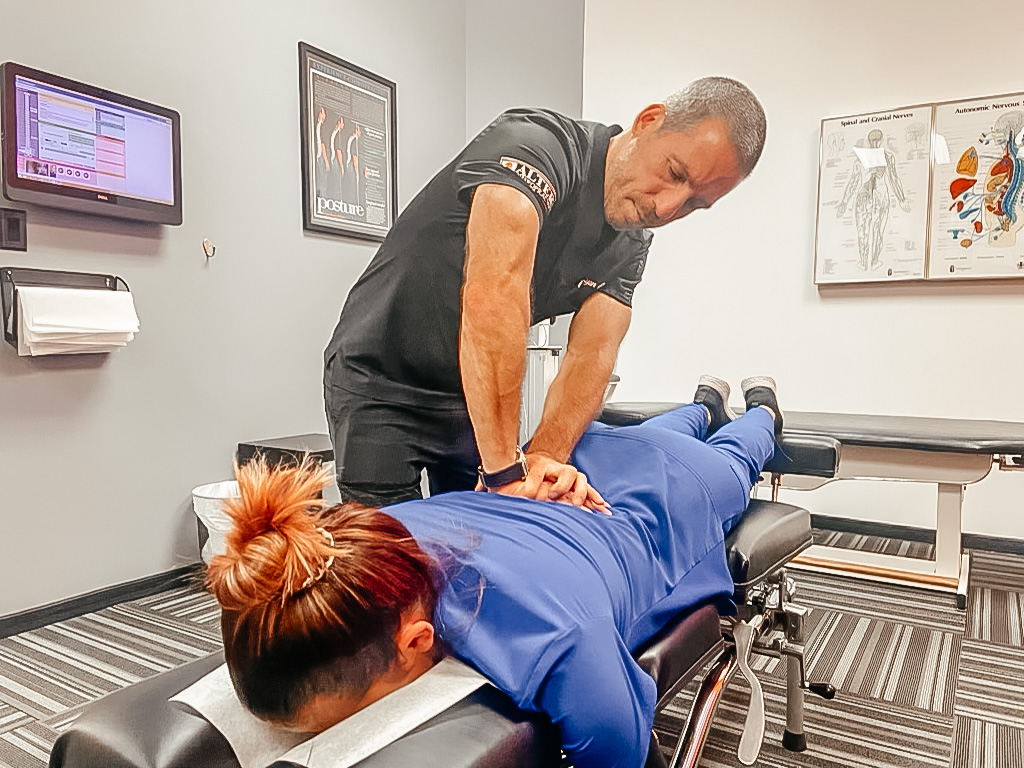
Consider options like acupuncture, which can help release endorphins and reduce pain. Many find that chiropractic adjustments provide relief by realigning the spine, promoting better mobility.
You might also explore yoga or tai chi, both of which combine gentle movement with mindfulness, helping to alleviate stress and tension that can exacerbate pain. Herbal remedies and supplements, such as turmeric or glucosamine, can offer anti-inflammatory benefits, though it's important to consult with a healthcare provider before trying them.
Massage therapy can be another valuable tool, targeting specific muscle groups and fostering relaxation.
Don't forget about the power of mindfulness and meditation, which can shift your focus from pain and help cultivate a more positive mindset.
Ultimately, the key lies in experimenting with different therapies to discover what resonates with you, allowing you to create a personalized pain management strategy that aligns with your lifestyle and needs.
Technology in Personalized Care
In today's healthcare landscape, technology plays an essential role in delivering personalized care for back pain sufferers. You can leverage various tools and platforms that tailor treatments to your unique needs, enhancing your recovery journey.
Wearable devices, like smartwatches or fitness trackers, can monitor your activity levels, sleep patterns, and even pain intensity. This real-time data helps you and your healthcare provider make informed decisions about your treatment plan.
Telehealth services have also revolutionized how you access care. With virtual consultations, you can connect with specialists from the comfort of your home, ensuring that you receive personalized advice without the hassle of travel.
These platforms often include digital health records, allowing you to share your medical history and treatment progress seamlessly, fostering a collaborative approach to managing your back pain.
Additionally, mobile apps designed for pain management can help you track symptoms, set goals, and even practice mindfulness techniques. By using these apps, you can stay engaged in your recovery process, making adjustments as needed based on the feedback you receive.
Artificial intelligence (AI) is another exciting frontier in personalized care. AI algorithms can analyze data from various sources, including your medical history and lifestyle factors, to recommend tailored treatment options.
This technology empowers you to take an active role in your recovery, ensuring that your approach to managing back pain is as unique as you are. Embracing these technological advancements can greatly enhance your personalized care experience.
Case Studies of Success
Many individuals have found success in managing their back pain through innovative treatment approaches.
Take Sarah, for instance. After struggling with chronic lower back pain for years, she decided to try a personalized treatment plan that combined physical therapy, mindfulness practices, and tailored exercise routines. Within weeks, she noticed a significant reduction in her pain levels, which improved her overall quality of life.
Then there's Mark, who faced persistent back pain due to his desk job. He opted for an extensive assessment that included ergonomic adjustments at work, along with a customized stretching program. By making these changes, he not only alleviated his pain but also increased his productivity at work.
Another inspiring case is Lisa, who experienced debilitating back pain after an accident. Through a personalized approach that included manual therapy and cognitive behavioral strategies, she learned to manage her pain effectively. Her tailored plan empowered her to regain mobility and confidence in her daily activities.
Each of these individuals illustrates the power of personalization in back pain management. By identifying unique needs and preferences, they crafted solutions that truly worked for them.
This success demonstrates that a one-size-fits-all approach isn't effective. Instead, focusing on individual circumstances can lead to remarkable results.
These stories highlight the importance of seeking tailored treatment options that fit your lifestyle, ultimately transforming your relationship with back pain.
Steps to Get Started
Taking the first steps toward managing your back pain can feel overwhelming, but it's important to remember that each journey begins with action. Start by evaluating your pain. Keep a journal to track the intensity, triggers, and patterns. This information will help you identify what exacerbates your discomfort and what might bring relief.
Next, consult a healthcare professional. They'll guide you through the available options and help you create a personalized plan tailored to your specific needs. Don't hesitate to ask questions; understanding your condition is essential for effective management.
Once you have a plan, incorporate gentle exercises into your routine. Activities like walking, swimming, or yoga can strengthen your back and improve flexibility. Listen to your body and adjust as needed. Consistency is key, so aim for regular movement without overexerting yourself.
It's also important to focus on your posture. Whether you're sitting at a desk or lifting objects, maintaining proper alignment can prevent further strain. Consider ergonomic adjustments in your workspace to support your back better.
Lastly, explore relaxation techniques such as deep breathing, meditation, or mindfulness. Stress can worsen pain, so finding ways to relax is significant for your overall well-being.
Conclusion
By embracing personalization in your approach to back pain, you can reveal a path to healing that's tailored just for you. Understanding your unique triggers and needs empowers you to create effective exercise routines and pain management strategies. With the right tools and support, you'll not only enhance your comfort and mobility but also boost your overall quality of life. Take the first step today—transform your back pain journey and reclaim your well-being!