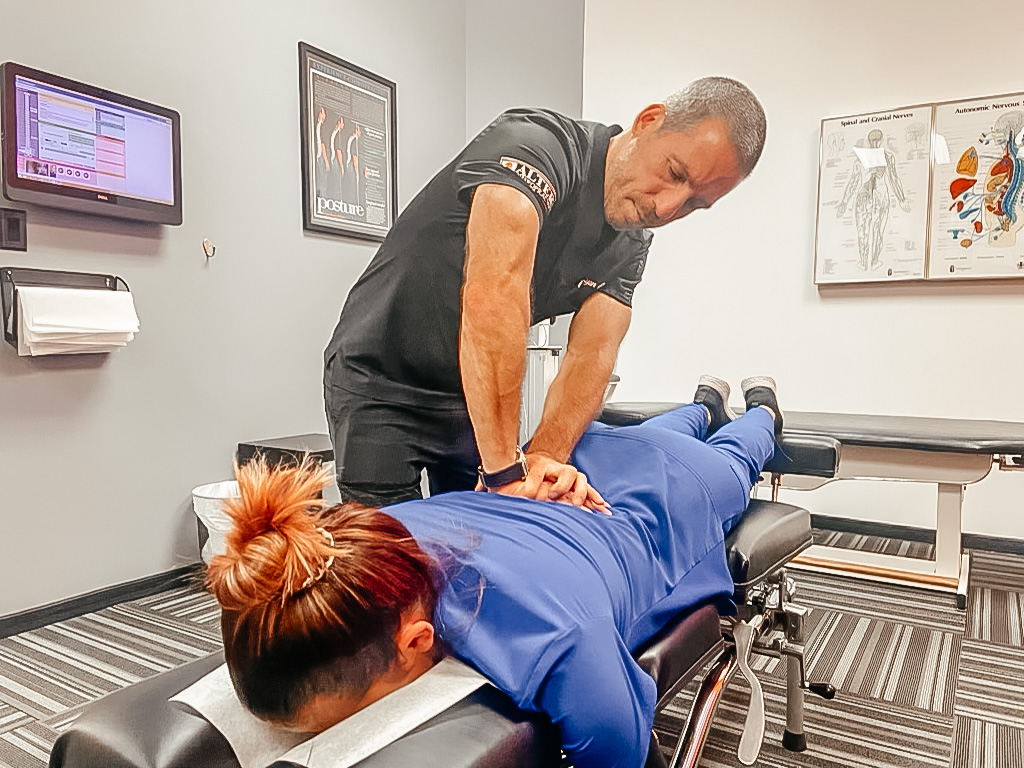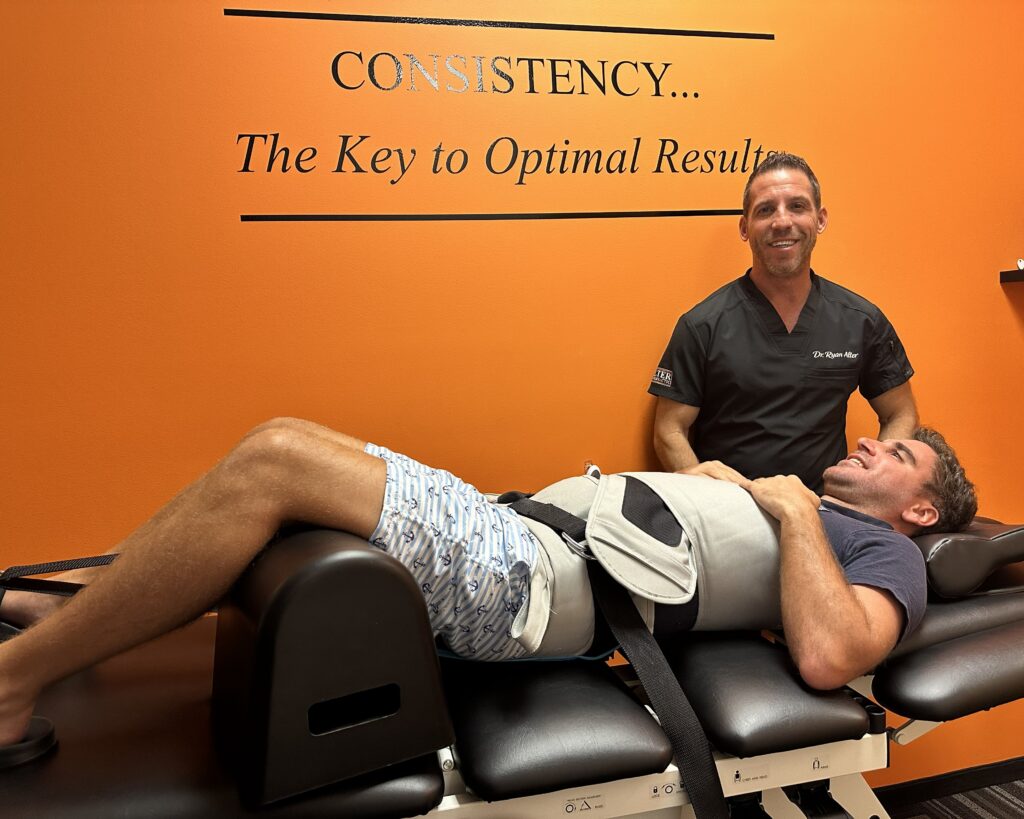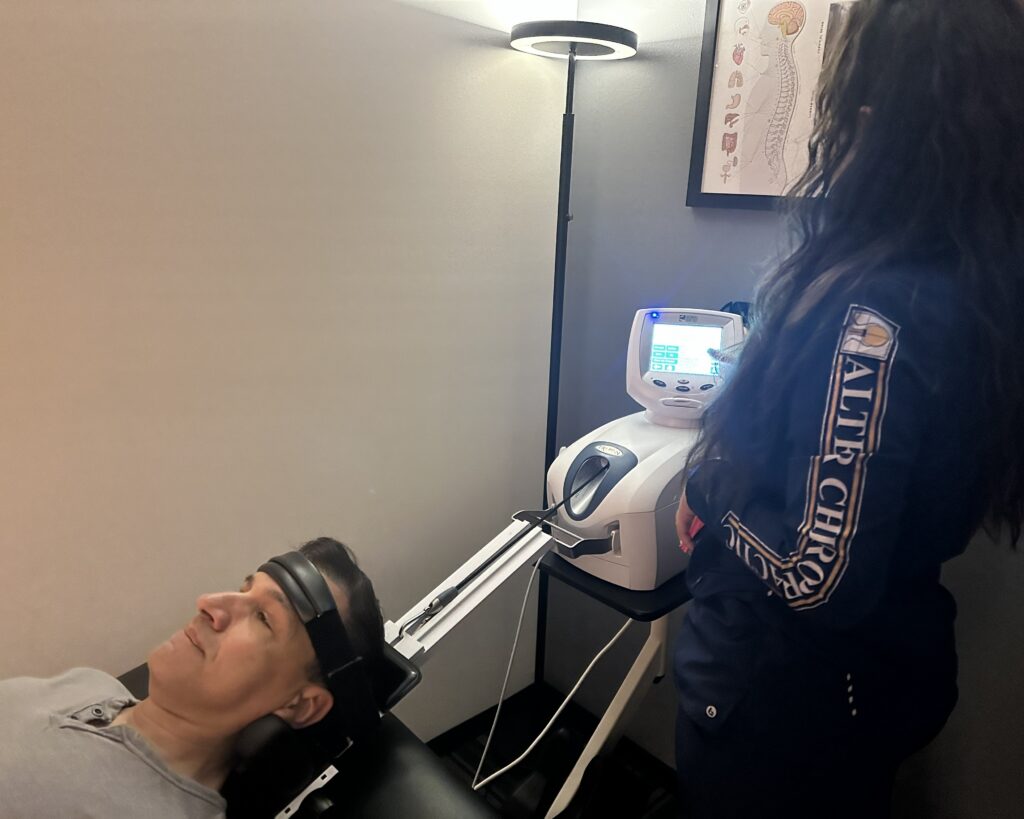

As we look ahead to 2025, I want to emphasize just how crucial posture is when it comes to managing back pain. Many of you may not even realize how your everyday habits—like sitting at a desk, using your phone, or even how you stand—can contribute to your discomfort. As a chiropractor, I’ve seen firsthand how proper alignment can make a significant difference in your overall health and well-being.
Thanks to advancements in technology and the design of ergonomic furniture, there are now more effective ways to support your posture. But what does this mean for you at work and at home? By understanding these emerging trends in posture and their impact on back pain, you can take proactive steps to improve your daily habits. This knowledge could be the key to living a more pain-free life and enhancing your quality of life through natural healing. Remember, small adjustments in your posture can lead to significant improvements in your back health!
The Science Behind Posture and Back Pain
As a local chiropractor, I want to shed light on how important posture is for your overall back health. Many people don’t realize that slouching or sitting incorrectly can significantly impact your spine and the muscles surrounding it. When you maintain poor posture, you’re putting unnecessary strain on your spine, which can lead to misalignment of the vertebrae. This misalignment often results in discomfort and pain.
When you sit hunched over, it disrupts the natural curve of your back. This disruption can lead to muscle fatigue and discomfort over time. Your back muscles and ligaments are constantly working to support you and keep you upright. However, if your posture is off, these muscles can become overworked or strained, potentially resulting in chronic pain.
If left unaddressed, poor posture can lead to more serious conditions like herniated discs or sciatica, which can make even simple daily activities painful.
As a chiropractor, I emphasize the importance of maintaining good posture and offer natural healing methods to help restore balance and alleviate pain. Remember, a few small adjustments to your sitting and standing habits can make a big difference in your back health!
The Role of Technology in Posture Correction
As a local chiropractor, I want to share how technology can play a significant role in improving your posture.
With the emergence of innovative wearable devices and mobile applications, you now have valuable tools at your disposal to help you maintain proper alignment and alleviate back pain.
These advancements can greatly support your journey towards better posture and overall spinal health.
Let’s take a closer look at how these technologies can complement chiropractic care and enhance your well-being.
Wearable Tech Innovations
As a local chiropractor, I often see patients struggling with poor posture, which can lead to discomfort and chronic back pain. It’s essential to understand that maintaining good posture is crucial not only for your spine but also for your overall health.
Fortunately, innovative wearable technology is available to assist you in correcting your posture effortlessly. Devices such as smart posture correctors and wearable sensors can provide you with real-time feedback, letting you know when you slouch or hunch forward.
Many of these gadgets can sync with your smartphone, allowing you to monitor your posture habits over time. They often incorporate gentle vibrations or reminders that encourage you to adjust your stance throughout the day.
What’s great about these wearables is that they come in stylish designs, enabling you to integrate them into your daily routine seamlessly. By embracing this technology, you can enhance your posture and significantly reduce back pain in the long run.
Mobile Apps for Posture
As a local chiropractor, I want to share with you how mobile apps can be a valuable resource for managing and improving your posture on a daily basis. While many people are familiar with wearable devices, it’s important to know that these apps provide a unique way to support your posture health.
These applications offer personalized feedback, gentle reminders, and tailored exercises that cater to your specific needs. You can easily track your posture habits throughout the day and receive alerts when you start to slouch. Additionally, there are instructional videos available that guide you through effective stretches and strengthening routines, ensuring you’re practicing proper techniques.
Many of these apps can also sync with wearable technology, creating a comprehensive approach to maintaining good posture. By incorporating these tools into your daily routine, you can cultivate a more mindful posture practice, which not only helps reduce your risk of back pain but also enhances your overall well-being.
Embracing technology in this way empowers you to take charge of your posture journey, making it easier to achieve optimal health naturally.
Together, we can work towards improving your posture and supporting your body’s natural healing process.
Home Office Ergonomics: Creating a Healthy Workspace
Creating a healthy workspace is crucial for your overall comfort and productivity, especially if you’re looking to maintain good spinal health. As a chiropractor, I often see patients who experience discomfort due to poor ergonomics in their home work environments.
To start, it’s important to adjust your desk height so that your elbows are at a 90-degree angle when typing. This helps to alleviate unnecessary strain on your neck and back.
Next, choosing a supportive chair with proper lumbar support can make a significant difference. Look for a chair that encourages a neutral spine position, which can help prevent long-term issues.
Additionally, the positioning of your monitor is key. Ideally, the top of the screen should be at or just below eye level, which allows you to keep your head in a neutral position rather than leaning forward or looking down.
By making these simple adjustments, you can create an ergonomic workspace that not only supports good posture but also helps reduce the risk of pain and discomfort.
Remember, your workspace is an extension of your health routine. Prioritizing these changes can significantly improve your well-being, making it easier for you to focus and be productive.
If you have any questions about optimizing your workspace further or if you’re experiencing pain, feel free to reach out for a consultation. Your spine will thank you!
Desk Height Adjustments
As a chiropractor, I often see the impact that desk height can have on your overall comfort and productivity. An adjustable desk isn’t just a convenience; it can significantly enhance your home office setup and your well-being.
Ideally, when your desk is at the correct height, your elbows should rest at a 90-degree angle. This allows your arms to relax comfortably and helps to alleviate strain on your back and shoulders.
Many people underestimate the importance of proper desk height. If your desk is too high or too low, you may find yourself slouching or reaching, which can lead to chronic discomfort over time.
I encourage you to take a moment to evaluate your current workspace. Adjust your desk so that your wrists remain straight and your feet rest flat on the ground. These simple changes can’t only improve your focus but also help reduce the risk of developing back pain or other musculoskeletal issues.
Remember, maintaining good posture while working is crucial for your health, and small adjustments can make a significant difference.
If you have any questions about how to optimize your workspace for better alignment and comfort, don’t hesitate to reach out!
Chair Support Features
As a chiropractor, I often emphasize the importance of choosing the right chair for your workspace, as it plays a significant role in your overall health and well-being.
Once you’ve optimized your desk height, it’s essential to pay attention to your chair. A supportive chair can greatly enhance your comfort and productivity, which in turn can prevent various musculoskeletal issues.
Look for chairs that provide lumbar support, as this feature is crucial for contouring to your lower back and promoting proper spinal alignment. This is vital for maintaining the natural curve of your spine and reducing the risk of discomfort.
Additionally, an adjustable seat height and depth are key components; they allow you to customize the chair to fit your legs and feet comfortably, minimizing strain on your joints.
Don’t overlook the armrests either—they should be adjustable to help alleviate tension in your shoulders, which can often be a source of discomfort for many people.
Furthermore, consider a chair that encourages movement, such as one with a swivel base. This feature helps keep your body engaged and active throughout the day, which is essential for maintaining good circulation and reducing stiffness.
Remember, comfort isn’t just a luxury; it’s a necessity for your health. Investing in a chair with proper support features can help prevent back pain and significantly enhance your overall work experience.
As you consider your options, keep in mind that the right chair can be a cornerstone of a healthy work environment. Your spine will thank you!
Monitor Placement Guidelines
As a chiropractor, I want to emphasize that proper monitor placement is just as crucial as investing in a supportive chair for your workspace ergonomics.
To promote a healthy posture and minimize strain on your neck, position your monitor so that the top of the screen is at or just below your eye level. This alignment helps maintain a neutral neck position, which is vital for your overall spinal health.
Keep your monitor about an arm’s length away from you. This distance allows for comfortable viewing without causing unnecessary strain on your eyes. If you notice yourself leaning forward to see the screen better, it may be a sign to adjust either your chair height or the distance of your monitor.
Additionally, pay attention to glare from windows or overhead lights. You can reduce this by angling your monitor screen appropriately. If you’re struggling to achieve the right height, consider using a monitor riser to get it to the ideal level.
By following these simple guidelines, you can significantly reduce the risk of back pain and enhance your productivity, leading to a healthier, more comfortable workspace.
Innovative Tools and Gadgets for Posture Improvement
As a local chiropractor, I often see the impact that poor posture can have on overall health. If you’re looking to improve your posture, I recommend considering innovative tools and gadgets that can significantly enhance your daily routine.
For starters, posture-correcting braces can be incredibly beneficial. These devices gently remind you to sit up straight without causing discomfort. You might also consider smart wearables, such as posture trackers, that alert you when you’re slouching. This awareness can be a game-changer in developing better body alignment habits.
Investing in an ergonomic chair is another excellent step. These chairs are specifically designed to support your spine and promote a healthy sitting posture, which is essential for preventing long-term issues.
Additionally, standing desks can encourage you to alternate between sitting and standing, alleviating strain on your back throughout the day.
Don’t overlook the benefits of foam rollers and massage balls, which can help release tension in tight muscles, making it easier to maintain an upright position comfortably.
There are also various apps available that focus on posture improvement, providing personalized tips and reminders to keep you on track.
By incorporating these tools into your lifestyle, you can experience significant benefits for your posture and overall well-being.
As always, if you have any questions or concerns about your posture or how chiropractic care can help, don’t hesitate to reach out. Your health is our priority!
Exercises and Stretches to Support Better Posture
As a local chiropractor, I want to share some valuable exercises and stretches that can significantly enhance your posture. Understanding how your body aligns is crucial for overall health, and incorporating these simple movements can make a world of difference.
Let’s start with wall angels. To perform this exercise, find a flat wall and stand against it with your head, shoulders, and buttocks touching the surface. While keeping this contact, move your arms up and down. This movement not only opens up your chest but also strengthens the muscles in your upper back, which are vital for good posture.
Another effective method is the cat-cow stretch. This dynamic movement involves transitioning between arching and rounding your spine, promoting flexibility and encouraging awareness of your spinal alignment. It’s a great way to engage your back muscles and improve mobility.
Don’t overlook the importance of core strength. Planks are an excellent way to engage your core muscles, which play a crucial role in maintaining good posture throughout your daily activities. Holding a plank position helps stabilize your spine and supports proper alignment.
Lastly, let’s not forget about chest stretches. A simple yet effective stretch involves clasping your hands behind your back and gently pulling your shoulders back. This stretch opens up your chest and counteracts the forward hunch many of us develop from prolonged sitting.
Incorporating these exercises and stretches into your routine can greatly enhance your posture and overall well-being. If you have any questions or would like further guidance, feel free to reach out during your next visit!
The Future of Posture Awareness in Daily Life
As a local chiropractor, I want to highlight the importance of being aware of your posture, especially in our technology-driven world where many of us find ourselves working remotely.
It’s common to spend extended periods hunched over screens, which can lead to discomfort and even long-term spinal issues. Understanding how to maintain good posture is crucial for your health and well-being.
The good news is that we’re entering an exciting era with many advancements in posture awareness tools. Smart devices and wearables are becoming increasingly helpful—they can gently remind you to straighten up or take breaks when you need them, making it easier to incorporate good posture into your daily routine.
Moreover, mobile apps are now available that provide real-time feedback on your posture, whether you’re working or relaxing. This immediate insight can encourage you to adopt healthier habits and make conscious adjustments throughout your day.
Virtual reality is also emerging as a tool that can simulate environments promoting proper alignment. This innovative technology can help you visualize and practice good posture in a fun and engaging way.
Additionally, I encourage my patients to consider the ergonomic setup of their workspaces. A well-designed workstation can significantly reduce the risk of poor posture and the associated discomfort.
By fostering a culture of health and wellness in your own environment, you can take proactive steps toward better spinal health.
Conclusion
As a local chiropractor, I want to emphasize the importance of good posture as we approach 2025. It’s crucial for maintaining a healthy, pain-free life. By utilizing innovative technologies and ergonomic designs, we can create an environment that supports proper alignment of your spine. I encourage you to incorporate simple exercises and stretches into your daily routine, as these can significantly alleviate back pain.
Taking a proactive approach to your posture not only helps in reducing discomfort but also enhances your overall productivity and well-being, both at work and in your everyday activities. Remember, chiropractic care can play a vital role in this journey towards better health and natural healing. Let’s work together to improve your posture and transform your quality of life!