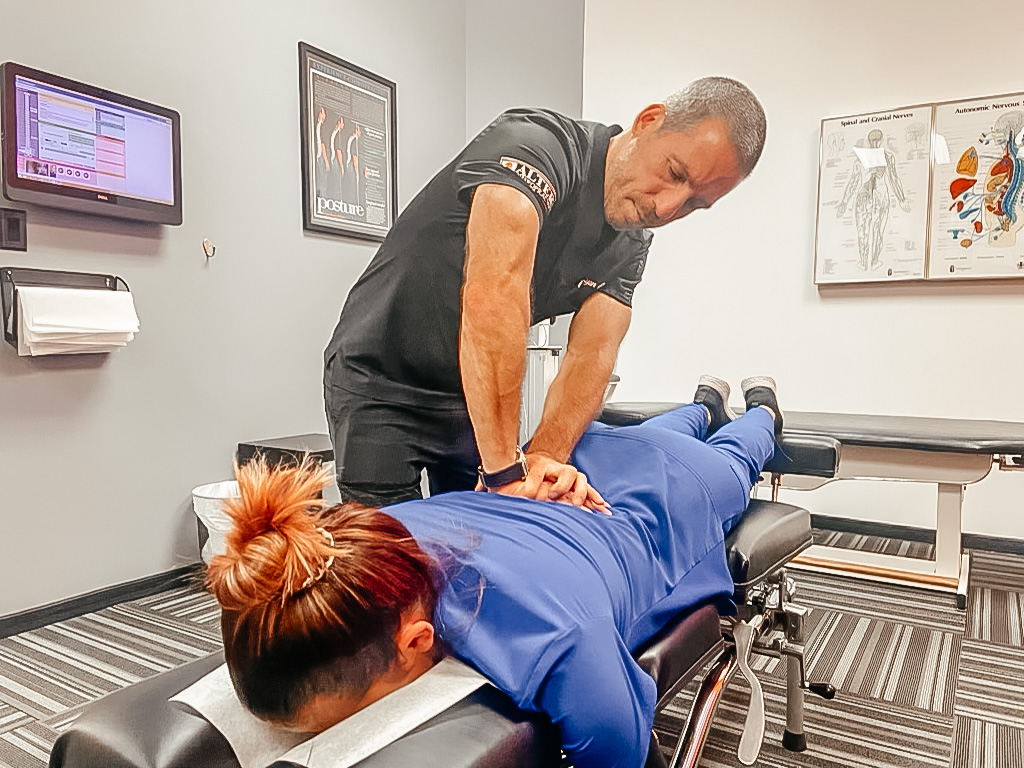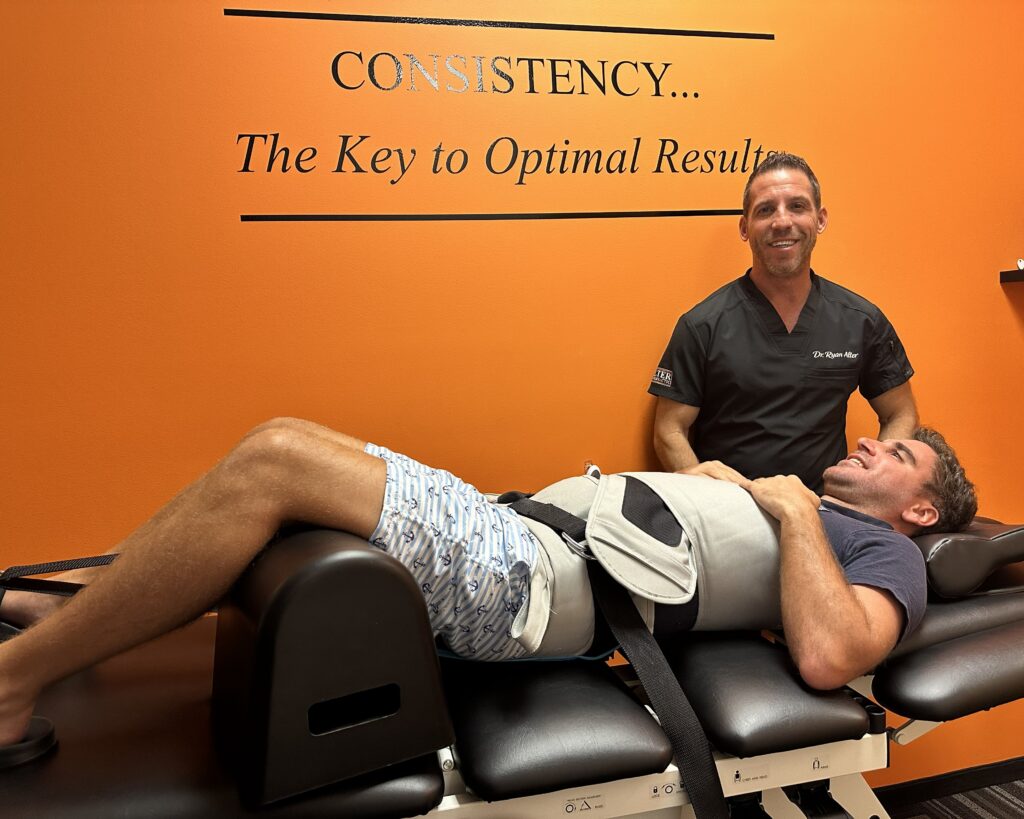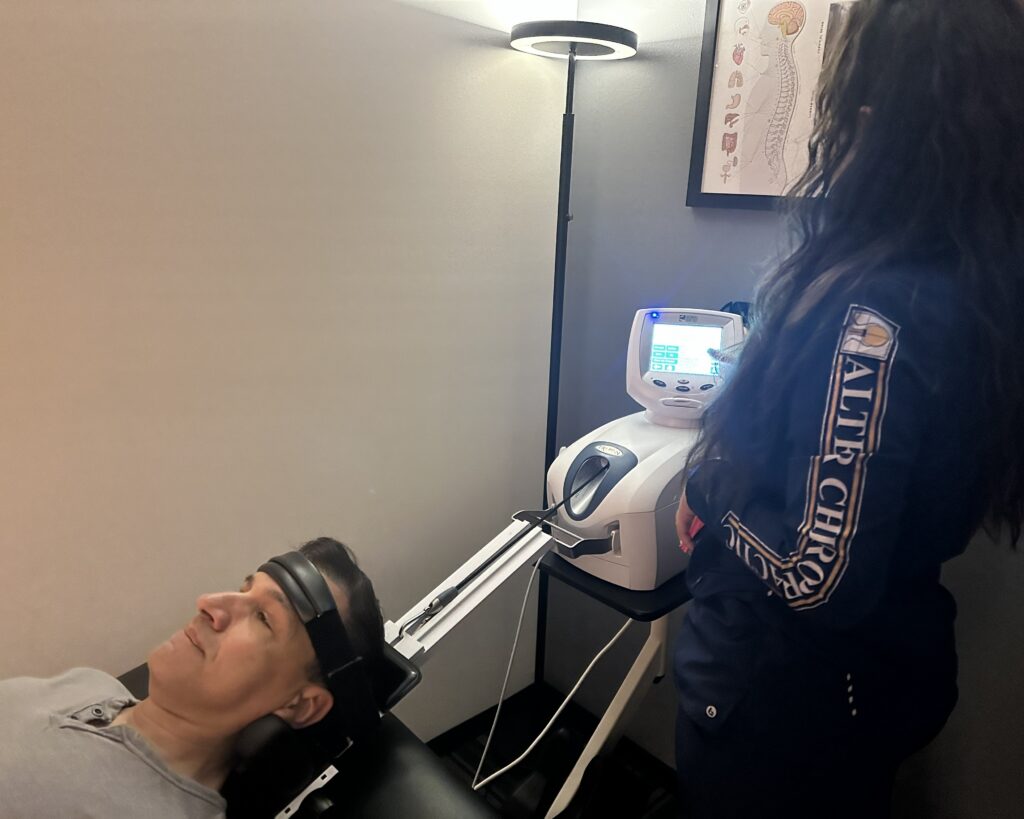

If you’re experiencing back pain, please know that you’re not alone in this struggle. Many individuals face discomfort that can significantly impact their daily activities. As a chiropractor, I want to share some effective natural strategies to help alleviate your achy spine.
Incorporating targeted stretches and strengthening exercises into your routine can play a crucial role in your recovery. However, it’s equally important to understand the underlying causes of your pain and to adopt healthy habits that support your spine’s well-being.
Let’s delve into some trustworthy solutions that can not only enhance your comfort but also restore your mobility. By embracing chiropractic care and natural healing techniques, you can take proactive steps toward a pain-free life. Remember, your spine health is essential to your overall wellness, and I’m here to guide you on this journey.
Understanding the Causes of Back Pain
As a local chiropractor, I want to emphasize the importance of understanding the causes of back pain to help you find relief and prevent future issues.
Many people experience back pain due to poor posture, especially if they spend long hours sitting at a desk. Lifting heavy objects incorrectly can also strain your back, leading to injury. A sedentary lifestyle is another factor; when we don’t move enough, our muscles weaken, leaving our spine vulnerable to pain.
Stress is often overlooked as a contributor to back pain. It can lead to muscle tension, which may cause discomfort and exacerbate existing issues. Additionally, certain underlying medical conditions, such as arthritis or herniated discs, may be at the core of your pain.
It’s crucial to pay attention to any recent changes in your daily routine, as they can significantly impact your back health. By recognizing these factors, you can take proactive steps to address them.
This is where chiropractic care can help! We focus on natural healing methods to restore spinal alignment, improve posture, and relieve stress, all of which contribute to a healthier spine.
Identifying the source of your pain is essential in guiding you towards effective treatment and long-term relief.
I encourage you to take the first step in understanding your back health so that we can work together to develop a personalized plan to alleviate your discomfort and enhance your overall well-being.
Essential Stretches for Spinal Relief
As a chiropractor, I want to emphasize the importance of stretching in relieving spinal tension and enhancing your overall back health. Simple stretches can greatly benefit your spine and contribute to your well-being.
One of my favorite recommendations is the cat-cow stretch. Begin on your hands and knees, and gently alternate between arching your back upward and dipping it downward. This movement not only helps to mobilize your spine but also encourages fluid movement within the joints.
Next, consider incorporating the seated forward fold into your routine. While seated, reach for your toes, allowing yourself to experience a wonderful stretch along your spine and hamstrings. This stretch is particularly beneficial for easing tension in your lower back.
Another stretch I advocate is the spinal twist. Sit cross-legged, place your right hand on your left knee, and gently twist your torso to the left. Hold this position for a few deep breaths before switching sides. This exercise can help to improve spinal flexibility and release any tightness.
Lastly, let’s not overlook the child’s pose. Kneel down, stretching your arms forward while sitting back on your heels. This restorative pose is excellent for relaxing the spine and promoting a sense of calm.
Incorporating these stretches into your daily routine can significantly enhance your flexibility, reduce tightness, and support a healthier spine.
I encourage you to dedicate some time each day to practice these stretches as part of your journey toward better spinal health!
Strengthening Exercises for a Healthy Back
As a local chiropractor, I want to share some important insights on how to maintain a healthy back.
It’s essential to focus on strengthening exercises that enhance your core stability. This not only supports your spine but also helps prevent injury.
Incorporating stretching into your routine is equally important. Stretching improves flexibility, allowing for better movement and reducing the risk of strain.
Additionally, employing techniques to improve your posture can have a profound impact on your overall spinal health.
By integrating these elements—strengthening, stretching, and posture improvement—you can create a solid foundation for a healthy back.
Core Stability Exercises
As a local chiropractor, I want to emphasize the importance of core stability exercises for your overall health, especially if you’re unfamiliar with chiropractic care and natural healing.
Many individuals tend to prioritize flexibility or cardiovascular workouts, but strengthening your core is crucial in enhancing your back health and improving your posture.
Core stability exercises specifically target the muscles in your abdomen, lower back, and pelvis, which are vital for providing the support your spine requires. Incorporating exercises like planks, bird-dogs, and bridges into your routine can significantly bolster your core strength.
To begin, consider holding a plank for just 30 seconds and gradually increase the duration as you gain strength. By integrating these exercises into your weekly fitness regimen, you can experience notable improvements in your stability, which in turn can help reduce the risk of back pain.
Stretching for Flexibility
As a local chiropractor, I want to emphasize the importance of incorporating flexibility training into your routine, especially as it relates to supporting your core stability exercises and maintaining a healthy back. Stretching is essential for preserving muscle elasticity, which can help reduce tension and prevent injuries.
To get started, I recommend focusing on gentle stretches that specifically target your back, hips, and legs. For instance, the cat-cow stretch is excellent for enhancing spinal flexibility, while the seated forward bend can be very effective in lengthening your lower back.
It’s important to remember to breathe deeply as you stretch; this not only helps you relax but also improves your overall range of motion.
I suggest aiming for at least 10-15 minutes of stretching a few times a week. You’ll likely notice benefits such as increased flexibility, improved posture, and reduced discomfort.
Posture Improvement Techniques
As a chiropractor dedicated to helping you achieve optimal health, I want to emphasize that good posture isn’t solely about standing tall; it’s also crucial to strengthen the muscles that support your spine.
By integrating specific exercises into your daily routine, you can significantly improve your posture and help alleviate back pain. Here are four effective strengthening exercises that I recommend:
- Plank: This exercise is fantastic for engaging your core and back muscles. Aim to hold a plank position for 30 seconds. It helps build stability and strength in your abdominal area, which is vital for good posture.
- Bird-Dog: Begin on all fours, then extend one arm forward while simultaneously extending the opposite leg back. Hold for a moment before switching sides. This exercise enhances stability and coordination, which are essential for maintaining proper posture.
- Wall Angels: Stand against a wall with your back flat and slide your arms up and down. This movement promotes shoulder mobility and helps counteract the effects of slouching, which is common in our daily routines.
- Bridges: Lie on your back with your knees bent and feet flat on the floor. Lift your hips towards the ceiling while engaging your glutes. This exercise not only strengthens your lower back but also supports your overall spinal alignment.
Incorporating these exercises into your routine can lead to a healthier back and improved posture.
The Importance of Good Posture
As a local chiropractor, I want to emphasize the critical role that proper posture plays in your overall health and well-being. Many people may not realize that the way you hold your body can greatly affect the alignment and function of your spine.
When posture is neglected, it can lead to a host of issues, including chronic pain, muscle tension, and a reduction in mobility. Slouching or hunching over places unnecessary stress on your back and neck, which can cause discomfort and pain over time.
By being mindful of your posture and consciously aligning your body, you not only reduce the risk of injuries but also enhance your breathing and digestion. Good posture allows your muscles and ligaments to function more efficiently, ultimately providing you with increased energy throughout the day.
It’s also important to note that your posture can influence your confidence and self-image. Standing tall can boost your self-esteem and help you present a more positive image to those around you.
So, I encourage you to pay close attention to how you sit, stand, and move. Making small adjustments can lead to significant improvements in your spinal health and overall quality of life.
Ergonomic Tips for Your Workspace
As a local chiropractor, I want to emphasize how your workspace significantly impacts your posture and spinal health. By making simple adjustments, you can create an ergonomic environment that reduces strain on your back and promotes overall wellness.
- Chair Height: Ensure your chair is adjusted so that your feet can rest flat on the floor and your knees are at a comfortable 90-degree angle. This position supports proper alignment and reduces pressure on your spine.
- Screen Position: Position your monitor at eye level and about an arm’s length away. This setup helps prevent neck strain and encourages a more relaxed posture while you work.
- Keyboard and Mouse: Keep your keyboard and mouse within easy reach so that your elbows remain close to your body and your wrists are in a neutral position. This reduces the risk of repetitive strain injuries.
- Frequent Breaks: Remember to stand up, stretch, or walk around every 30-60 minutes. Taking these breaks can help relieve tension and promote better circulation, which is vital for your spinal health.
By following these ergonomic tips, you can significantly enhance your comfort and productivity at work.
A healthier workspace translates to a healthier spine, and I encourage you to implement these changes for your well-being. Your body will thank you!
The Role of Heat and Cold Therapy
As a local chiropractor, I want to share with you the benefits of heat and cold therapy when it comes to managing back pain. Many of my patients find that incorporating these methods into their self-care routine can make a significant difference.
Heat therapy is excellent for relaxing tight muscles and promoting blood flow, which can alleviate discomfort. On the other hand, cold therapy is effective for reducing inflammation and numbing acute pain.
Benefits of Heat Therapy
As a local chiropractor dedicated to helping you understand the natural healing process, I want to share the numerous advantages of heat therapy for alleviating back pain and enhancing your spinal health.
Many of you may not be familiar with how this simple yet effective method can work wonders for your body. Here’s how heat therapy can benefit you:
- Increases blood flow: When you apply heat to an area, it causes blood vessels to expand, which boosts circulation. This improved blood flow brings essential nutrients and oxygen to the affected region, aiding in the healing process.
- Relaxes muscles: Heat has a soothing effect on tight or tense muscles. By alleviating muscle spasms, heat therapy makes it easier for you to move and engage in your daily activities without discomfort.
- Eases stiffness: If you find your joints and tissues feeling tight, heat therapy can help loosen them up. This increase in flexibility can significantly enhance your range of motion, making it easier for you to go about your day.
- Provides comfort: The comforting sensation of warmth can elevate your mood and create a sense of relaxation. This emotional boost can be invaluable as you manage discomfort and work towards better spinal health.
Incorporating heat therapy into your daily routine can truly be transformative for managing back pain.
It’s a natural and effective tool that aligns perfectly with the principles of chiropractic care.
I’m here to guide you on your journey to wellness!
Advantages of Cold Therapy
As a local chiropractor, I want to share some valuable insights about cold therapy and its benefits, especially if you’re unfamiliar with chiropractic care and natural healing methods.
While many people recognize the advantages of heat therapy for back pain relief, cold therapy is equally important when it comes to managing inflammation and reducing swelling.
If you’re experiencing acute injuries or flare-ups, applying cold packs can be incredibly effective. The cold numbs the affected area, providing immediate relief. This numbing effect is beneficial as it helps to reduce muscle spasms and minimizes the pain signals that your body sends to the brain.
Additionally, cold therapy works by constricting blood vessels, which slows down blood flow and reduces swelling. For the best results, it’s particularly effective within the first 48 hours after an injury.
You can utilize cold therapy in various ways, such as ice packs or frozen gel packs. Just a quick tip: always wrap the ice in a cloth before applying it to your skin to prevent frostbite.
By incorporating cold therapy into your recovery routine, you can enhance your healing process and enjoy a more holistic approach to pain management.
Combining Heat and Cold
As your local chiropractor, I want to share some insights on how combining heat and cold therapies can significantly improve your recovery from back pain.
While these two methods serve different purposes, using them together can help you manage inflammation and facilitate healing more effectively.
Here’s a simple guide to help you understand how to implement this combination:
- Start with cold therapy: Begin by applying a cold pack to the affected area for about 15-20 minutes. This helps to reduce swelling and numb any sharp pain you might be experiencing.
- Transition to heat therapy: After your cold treatment, switch to a heating pad for another 15-20 minutes. The heat will help relax your muscles and enhance blood circulation, which is crucial for healing.
- Alternate as needed: You can repeat this cycle several times throughout the day. Alternating between heat and cold can maximize your relief from discomfort.
- Listen to your body: It’s important to pay attention to how your back responds to these treatments. Feel free to adjust the duration or frequency of each therapy based on your comfort level.
By incorporating both heat and cold therapies into your routine, you can take a balanced approach towards managing your back pain naturally.
If you have any questions or need personalized advice, don’t hesitate to reach out!
Lifestyle Changes to Support Back Health
As a local chiropractor dedicated to improving your back health and overall well-being, I want to share some simple lifestyle changes that can make a significant difference in how you feel.
First and foremost, it’s essential to maintain good posture, whether you’re sitting, standing, or lifting. Keeping your shoulders back and your spine aligned reduces strain on your back, which is crucial for preventing discomfort and injury.
Incorporating regular exercise into your daily routine is vital. Activities such as swimming, walking, or yoga are excellent for strengthening your back muscles and enhancing flexibility. Remember, your weight plays a role too; carrying excess pounds can put added pressure on your spine, so managing your weight is important for long-term back health.
Furthermore, I recommend evaluating your workspace. An ergonomically designed setup, including a supportive chair and the right desk height, can greatly reduce strain during your workday.
If you find yourself sitting for extended periods, be sure to take frequent breaks to stretch and move around. This practice not only helps with circulation but also alleviates tension in your back.
Lastly, don’t underestimate the importance of quality sleep. Investing in a supportive mattress and pillow can help maintain proper spinal alignment while you rest, allowing your body to recover and rejuvenate overnight.
When to Seek Professional Help
When should you consider reaching out to a chiropractor for your back pain? While it’s normal to experience some discomfort from time to time, there are specific signs that suggest it’s wise to consult a professional like us.
Here are four important situations to keep in mind:
- Persistent Pain: If your back pain lingers for more than a few weeks or seems to be getting worse, it’s crucial to get a professional opinion. Chronic pain can often be addressed effectively through chiropractic care.
- Radiating Pain: If you notice pain radiating down your legs or into your arms, this could indicate that your nerves are affected. A chiropractor can help assess and treat these symptoms to prevent further complications.
- Loss of Function: Struggling to stand, walk, or carry out your daily activities can be a sign that something isn’t right. Our chiropractic adjustments can help restore mobility and function.
- Accompanying Symptoms: If you experience symptoms like fever, unexplained weight loss, or issues with bowel or bladder control along with your back pain, it’s essential to seek professional help right away. These could indicate more serious underlying conditions that need immediate attention.
Remember, listening to your body is vital. If you’re experiencing any of these signs, don’t hesitate to reach out to us.
Your spinal health is important, and we’re here to help you find the natural relief you need!
Conclusion
As your local chiropractor, I want to share some effective ways you can manage and alleviate your back pain through natural healing methods. Incorporating these simple strategies into your daily routine can make a significant difference in your spinal health.
First and foremost, stretching is crucial. Gentle stretches can help relieve tension in your back muscles and improve flexibility. Additionally, strengthening your core is essential, as a strong core supports your spine and helps prevent pain. I encourage you to be mindful of your posture, particularly while working or sitting for extended periods—good posture can alleviate strain on your back.
Don’t overlook the soothing effects of heat and cold therapy. Applying heat can relax tight muscles, while cold therapy can reduce inflammation and numb sharp pain.
Making these lifestyle changes, such as incorporating regular movement into your day, can greatly enhance your overall spinal health. However, if you find that your pain persists or worsens, please don’t hesitate to reach out for professional help. As a chiropractor, I’m here to provide you with personalized care and guidance tailored to your needs. Remember, your back deserves attention and care!