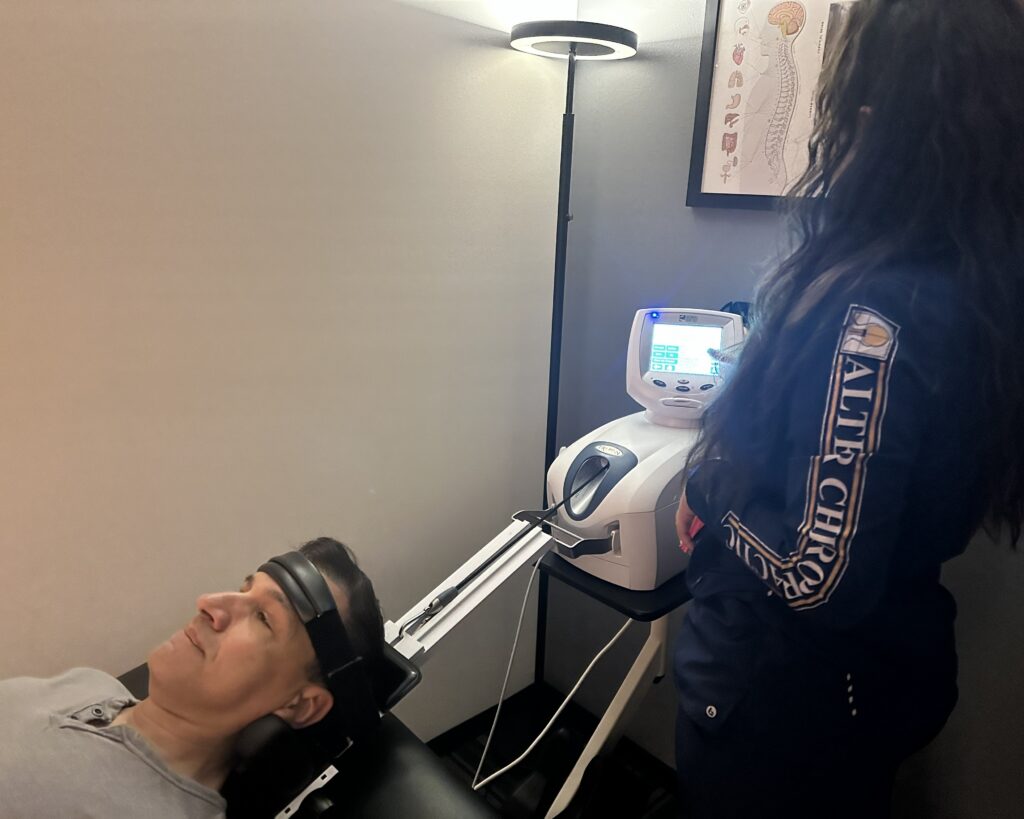

When it comes to your health, understanding the principles of preventative care can make all the difference. You might think regular check-ups and a balanced diet are enough, but there's so much more to reflect upon. From essential screenings to mental wellness strategies, every aspect plays a vital role in your overall well-being. You'll soon discover how building a supportive environment around you can amplify these efforts, but first, let's explore what preventative care truly entails and how it can transform your approach to health.
Understanding Preventative Care
Preventative care is like a shield that helps you maintain your health before issues arise. It involves proactive measures you take to keep your body functioning at its best and to prevent diseases or complications. By focusing on prevention, you're not just reacting to health problems; you're actively working to avoid them.
Understanding preventative care means recognizing its various components. You'll want to reflect on routine screenings, vaccinations, and lifestyle choices that contribute to overall wellness. For instance, getting vaccinated can protect you from serious illnesses, while regular screenings can catch potential problems early when they're easier to treat.
You should also pay attention to your diet, exercise, and stress management, as these elements play a significant role in your long-term health.
Moreover, preventative care encourages you to develop a partnership with your healthcare provider. It's important to communicate your health goals and concerns, as they can tailor recommendations specific to your needs. This partnership helps you stay informed about what preventative measures are right for you, based on your age, family history, and lifestyle.
Importance of Regular Check-Ups
Regular check-ups are essential for catching potential health issues early, giving you the best chance for effective treatment.
They also help you monitor your overall health and can lead to personalized recommendations tailored just for you.
Early Disease Detection
When it comes to maintaining your health, scheduling routine check-ups can make all the difference in early disease detection.
These visits to your healthcare provider allow for the identification of potential health issues before they become serious. By prioritizing regular check-ups, you're taking a proactive approach to your well-being.
Here are four essential benefits of early disease detection through routine check-ups:
- Preventive Screenings: Routine tests can reveal hidden conditions, such as high blood pressure or elevated cholesterol, which may not present noticeable symptoms initially.
- Timely Intervention: Catching diseases early often leads to more effective treatment options, increasing the chances of a better outcome.
- Health Education: Check-ups provide an opportunity to discuss your lifestyle with your doctor, who can offer personalized advice and resources for maintaining a healthy lifestyle.
- Building a Health History: Regular visits help your healthcare provider understand your medical history, making it easier to spot changes that could indicate health issues.
Health Monitoring Benefits
Routine check-ups are fundamental for effective health monitoring and play a significant role in your overall wellness. By attending regular appointments, you're taking proactive steps to guarantee your health remains on track. These check-ups allow your healthcare provider to assess your critical signs, review your medical history, and catch any potential issues before they become serious problems.
During these visits, you can discuss any concerns you might have, which helps build a strong relationship with your healthcare provider. This relationship is essential for open communication about your health needs.
Plus, regular check-ups can help you stay informed about preventive measures tailored to your lifestyle. You may also benefit from routine screenings that can identify risk factors for chronic diseases, such as diabetes or hypertension, even if you feel fine. Early detection often means easier management and better outcomes.
Additionally, these appointments often encourage you to engage in healthy habits. Knowing your numbers, like cholesterol and blood pressure, motivates you to make positive lifestyle changes.
Personalized Health Recommendations
Frequent check-ups are essential for receiving personalized health recommendations tailored to your unique needs. Regular visits to your healthcare provider allow them to monitor your health trends, address any concerns, and adjust your care plan accordingly.
This proactive approach guarantees you're not just reacting to health issues but preventing them.
Here are four key benefits of personalized health recommendations from regular check-ups:
- Early Detection: Routine exams can identify potential health issues before they become serious, increasing your chances of successful treatment.
- Customized Care Plans: Your doctor can design a health plan that considers your lifestyle, medical history, and personal goals, making it more effective for you.
- Ongoing Support: Regular check-ups facilitate ongoing communication with your healthcare provider, guaranteeing you have access to advice and resources whenever you need them.
- Enhanced Motivation: Knowing you have a tailored plan helps keep you accountable and motivated to make healthier choices.
Essential Screenings and Tests
Essential screenings and tests play a significant role in maintaining your overall health and preventing serious conditions. By staying proactive about your health, you can catch potential issues early, when they're often easier to treat. Depending on your age, sex, and risk factors, various screenings are recommended at different life stages.
For example, regular blood pressure checks can help identify hypertension, while cholesterol screenings are important for evaluating your risk of heart disease. Women should schedule mammograms starting at age 40 to screen for breast cancer, while men should discuss prostate cancer screenings with their healthcare provider around the same age.
Both genders need to be aware of colorectal cancer screenings, which typically begin at age 45. Don't forget about diabetes screenings, especially if you have risk factors like obesity or a family history. Additionally, annual flu shots and other vaccinations are essential for preventing infectious diseases.
If you're due for a tetanus-diphtheria booster, make sure to get it, as your immunity can wane over time. Lastly, consider mental health screenings, too. Emotional well-being is just as important as physical health. Discuss any concerns with your doctor, and don't hesitate to seek help if you're feeling overwhelmed or depressed.
Staying informed about essential screenings and tests empowers you to take charge of your health. By prioritizing these preventative measures, you enhance your chances of living a longer, healthier life. So, keep that appointment calendar full and make your health a priority!
Nutrition for Optimal Health
While it's easy to overlook, nutrition plays an essential role in your overall health and well-being. What you eat directly impacts your energy levels, mood, and even your immune system. By focusing on a balanced diet, you can enhance your body's ability to function at its best.
Here are some key points to reflect on:
- Eat a Variety of Foods: Include fruits, vegetables, whole grains, lean proteins, and healthy fats. Each food group provides unique nutrients that contribute to your health.
- Stay Hydrated: Water is vital for digestion, circulation, and temperature regulation. Aim to drink at least eight glasses of water a day, and adjust based on your activity level.
- Limit Processed Foods: Try to reduce your intake of foods high in added sugars, unhealthy fats, and sodium. Instead, opt for whole foods that are nutrient-dense and free from artificial additives.
- Mind Portion Sizes: Being mindful of portions can help you maintain a healthy weight. Listen to your body's hunger cues and avoid eating out of boredom or stress.
Exercise and Physical Activity
Incorporating regular exercise into your routine can dramatically enhance your overall wellness. It boosts your energy levels, improves your mood, and strengthens your body. Whether you prefer running, cycling, yoga, or weightlifting, finding an activity you enjoy is key. This makes it easier to stick to your routine and reap the benefits.
Aim for at least 150 minutes of moderate aerobic activity each week, along with muscle-strengthening exercises on two or more days. Don't worry about being perfect; consistency matters more than intensity. Start small if you're new to exercise—15 to 20 minutes a few times a week can be a great beginning. Gradually increase your duration and intensity as you build your stamina.
Incorporating physical activity into your daily life can be simple. Consider walking or biking instead of driving, taking the stairs, or doing quick workouts during breaks. Even household chores like vacuuming or gardening count as exercise. These small changes add up!
Remember to listen to your body. If you feel pain or discomfort, it's important to rest and consult a healthcare professional if necessary. Also, hydrate well and fuel your body with nutritious foods to support your active lifestyle.
Lastly, try to mix it up. Variety not only keeps your workouts interesting but also challenges your body in different ways, helping you achieve better results. By making exercise a priority, you're investing in your health and longevity.
Mental Wellness Strategies
Mental wellness plays an essential role in your overall health and happiness. It's not just about avoiding mental illness; it's about nurturing your mind to thrive. Here are some effective strategies you can implement to enhance your mental wellness:
- Practice Mindfulness: Take a few minutes each day to focus on the present moment. This can help reduce anxiety and improve your emotional regulation. Try meditation, deep breathing, or simply observing your surroundings.
- Stay Connected: Build and maintain relationships with friends and family. Social connections can provide emotional support and reduce feelings of loneliness. Make an effort to reach out and engage regularly.
- Establish a Routine: Having a daily routine can create a sense of stability. Structure your day with activities that promote productivity and joy, from work tasks to leisure activities. This can help you feel grounded and focused.
- Engage in Creative Activities: Explore hobbies that inspire you, whether it's painting, writing, or playing music. Creative expression can be a powerful outlet for emotions and can boost your overall mental well-being.
Building a Supportive Environment
Creating a supportive environment is essential for fostering mental wellness. When you surround yourself with positivity and understanding, you create a space where you can thrive. Start by evaluating your current relationships. Are they uplifting or draining? Seek out people who encourage you and provide a listening ear. Building strong connections with family, friends, or support groups can greatly enhance your mental health.
Next, consider your physical environment. Your surroundings play a vital role in your well-being. Keep your space clean and organized to reduce stress. Adding elements like plants or artwork can create a calming atmosphere that promotes relaxation. Make sure your home is a place where you feel safe and comfortable.
Communication is key in a supportive environment. Don't hesitate to express your feelings and needs. By being open, you not only foster understanding but also encourage others to do the same. This mutual support can lead to deeper connections and a sense of belonging.
Additionally, set boundaries to protect your mental space. It's okay to step back from relationships or situations that drain your energy. Prioritize self-care activities that bring you joy, whether that's reading, exercising, or simply spending quiet time alone.
Lastly, remember to be a source of support for others. By helping those around you, you strengthen your community and create a cycle of positivity. In a supportive environment, everyone benefits, leading to improved mental wellness for all.
Conclusion
Incorporating preventative care into your routine is essential for maintaining your overall wellness. By prioritizing regular check-ups, crucial screenings, and a balanced diet, you're taking significant steps toward a healthier life. Don't forget the importance of exercise and mental wellness strategies, which play a critical role in your well-being. Build supportive relationships with healthcare providers to tailor your health journey. Embrace these proactive measures, and you'll pave the way for a vibrant, healthier future.