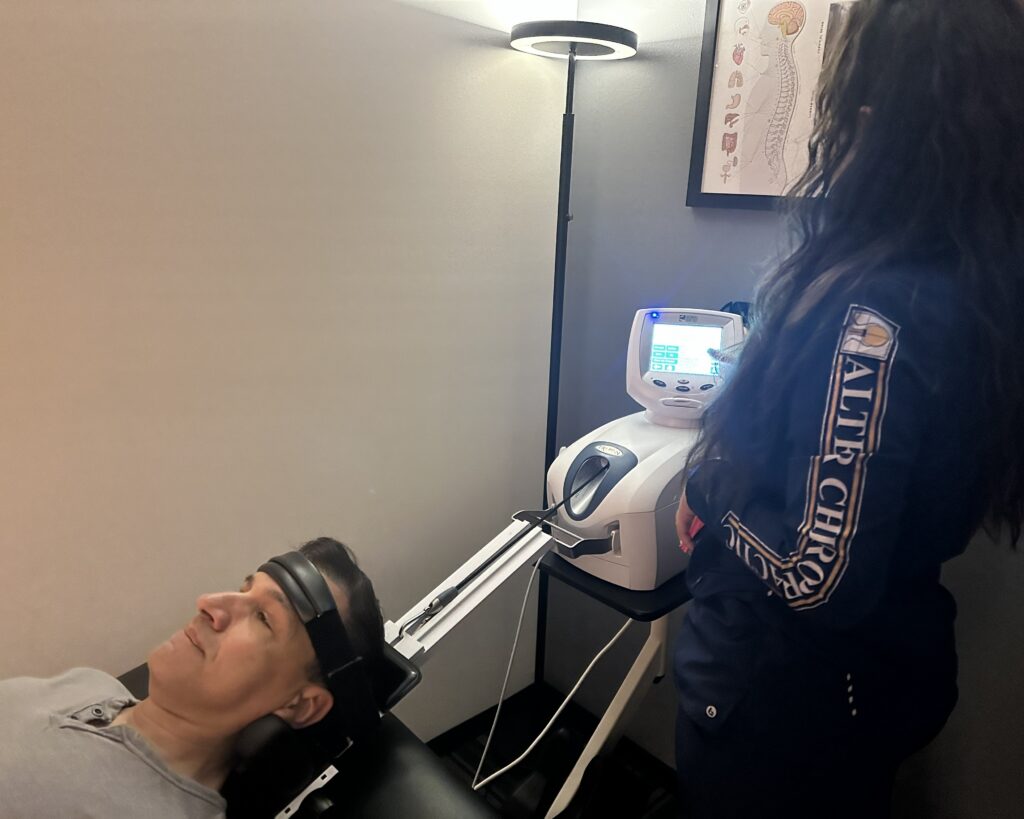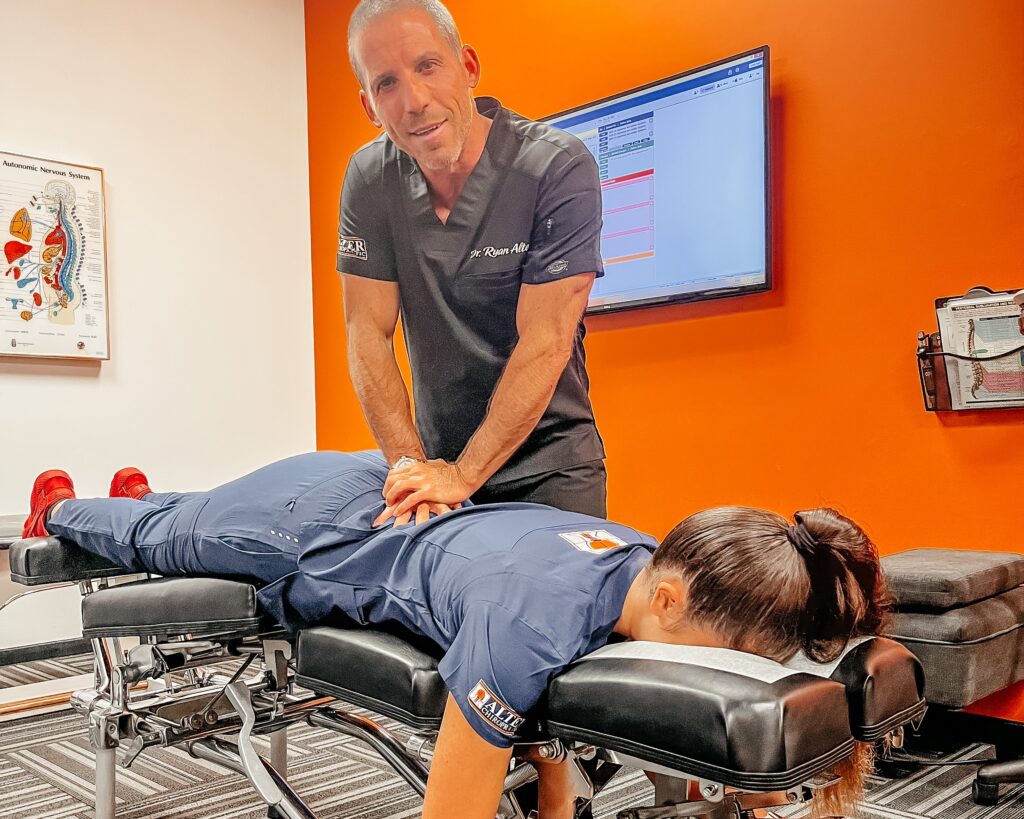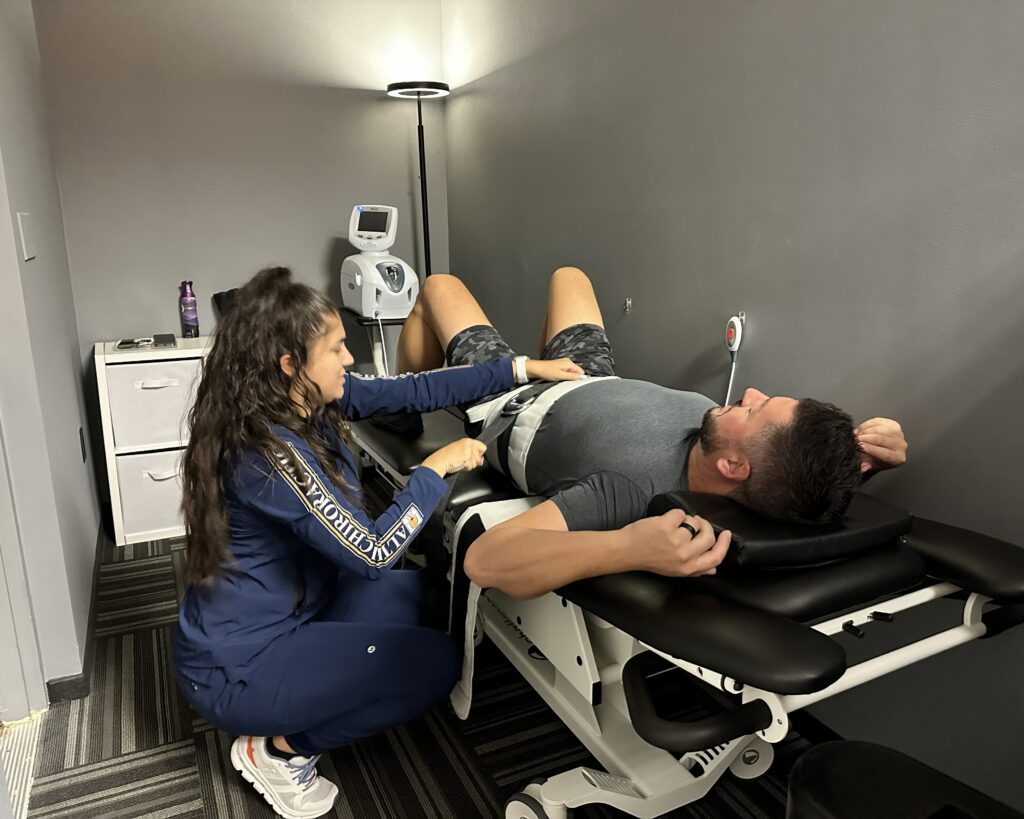

As a local chiropractor, I understand that living with chronic pain can feel overwhelming. However, I want to share with you that there is a path to lasting relief that goes beyond traditional treatments. By embracing a holistic approach to your health, we can address not only the physical aspects of your pain but also the emotional and social factors that may be contributing to your discomfort.
Chiropractic care focuses on the alignment of your spine and overall musculoskeletal health, which can play a crucial role in alleviating pain. In addition to spinal adjustments, incorporating mindfulness techniques, gentle exercises, and a nutritious diet can significantly enhance your well-being. These strategies work together to promote healing from within, allowing your body to function optimally.
Moreover, connecting with supportive communities—whether through local support groups or wellness workshops—can provide you with valuable insights and encouragement on your healing journey. Before you dismiss the possibility of change, I encourage you to explore how these chiropractic and holistic strategies could transform your daily life. Let's work together to take the first steps toward a healthier, pain-free future today.
Understanding Chronic Pain
As a local chiropractor, I want to help you understand that chronic pain is more than just a physical symptom; it's a complex condition that can influence every facet of your life. When you experience chronic pain, it often goes beyond mere discomfort, affecting your emotional health, relationships, and daily routines. Many patients I see express feelings of frustration or anxiety associated with their persistent pain, which can create a sense of helplessness.
It's important to recognize that chronic pain isn't always tied to a specific injury or medical condition. It can arise from a range of sources, including past traumas, nerve damage, or conditions like fibromyalgia. This unpredictability can make managing your pain difficult and can leave you feeling lost in your search for solutions.
You might also notice that your body reacts to pain differently as time goes on. What once felt manageable can start to feel overwhelming, leading to a cycle of fear and avoidance. This cycle can restrict your mobility and social interactions, isolating you further, which is something I see often in my practice.
Identifying these patterns is crucial. It helps you realize that you aren't alone in your experience—many people face similar challenges. As you learn more about chronic pain, you'll understand the importance of addressing it from multiple perspectives, which is a fundamental principle of chiropractic care.
This holistic approach can empower you to seek the right treatments and support systems, helping you pave the way for a more fulfilling life despite the pain.
Importance of a Holistic Approach
As a local chiropractor, I want to emphasize the importance of a comprehensive approach to managing chronic pain. It's crucial to understand that pain is multifaceted; we can't just target one part of the body and expect lasting relief. Instead, we should consider treating the whole person.
A holistic approach not only focuses on alleviating physical symptoms but also takes into account the emotional, mental, and social factors that contribute to your chronic pain. By integrating various treatment methods, we can develop a more inclusive plan that promotes overall healing.
Here are three essential components to consider in your holistic pain management journey:
- Mindfulness and Stress Reduction: Incorporating techniques such as meditation, yoga, and deep breathing exercises can significantly help in managing stress, which often makes pain worse. These practices foster relaxation and enhance your overall sense of well-being, making them valuable tools in your pain management toolkit.
- Nutrition and Physical Activity: The foods you eat play a crucial role in how you feel. A balanced diet filled with anti-inflammatory foods can greatly influence your pain levels. Additionally, I encourage you to engage in regular, gentle exercise. It strengthens your muscles and improves flexibility, which can lead to decreased discomfort and better mobility.
- Emotional Support and Therapy: It's important to connect with individuals who understand what you're going through, whether that's through support groups or professional counseling. Cognitive-behavioral therapy (CBT) can be particularly beneficial, as it addresses the psychological impact of chronic pain and helps develop effective coping strategies.
By adopting this holistic approach, we can work together to find the right combination of treatments that won't only alleviate your pain but also enhance your overall quality of life.
Innovative Treatment Options
As a local chiropractor, I'm excited to share how innovative treatments are revolutionizing chronic pain management and offering new hope for those seeking relief. If you're dealing with persistent pain, it's essential to explore these advanced options that could significantly enhance your quality of life.
One of the most promising developments in our field is neuromodulation. This technique involves using electrical impulses to modify nerve activity, which can help alleviate pain without relying on traditional medications. For instance, transcutaneous electrical nerve stimulation (TENS) is a non-invasive method that can effectively reduce pain signals.
Another option is spinal cord stimulation, which interrupts pain signals before they reach your brain, providing relief for many patients.
Regenerative medicine is also an exciting frontier that I believe can offer considerable benefits. Treatments like platelet-rich plasma (PRP) therapy and stem cell therapy utilize your body's natural healing capabilities. By injecting concentrated growth factors into the affected area, we can stimulate tissue repair and decrease inflammation, potentially leading to significant pain relief.
Moreover, I want to highlight the emerging role of virtual reality (VR) therapy in pain management. This immersive technology allows patients to engage in calming environments, helping to distract from pain and making it easier to manage chronic discomfort.
Additionally, integrative approaches such as acupuncture and biofeedback are gaining recognition for their effectiveness in pain relief. These therapies can empower you to regain control over your body and promote relaxation, which is vital for alleviating pain.
As your chiropractor, I encourage you to consult with a healthcare professional to explore which of these innovative treatment options may be suitable for you. Embracing these advancements in natural healing could be the key to achieving lasting relief and reclaiming your life from chronic pain.
Together, we can embark on this journey toward a healthier, pain-free future.
Lifestyle Changes for Relief
As a local chiropractor, I want to emphasize the importance of making meaningful lifestyle changes to effectively manage chronic pain. Relying solely on medication or treatments may not be the most sustainable solution; by adjusting your daily habits, you can significantly enhance your quality of life.
Let's explore how focusing on nutrition, exercise, and sleep can help you find relief and improve your overall well-being.
– Healthy Eating: One of the first steps you can take is to incorporate anti-inflammatory foods into your diet. Emphasizing fruits, vegetables, whole grains, and omega-3 fatty acids can help reduce inflammation and alleviate pain.
I recommend steering clear of processed foods and excess sugars, as these can actually worsen discomfort and hinder your healing process.
– Regular Exercise: Engaging in gentle exercises is crucial, and it's important to choose activities that fit your ability. Options like walking, swimming, or yoga can be incredibly beneficial.
Physical activity not only increases blood flow but also releases endorphins and strengthens your muscles, all of which contribute to pain relief. Aim for at least 30 minutes of moderate activity most days of the week to fully experience these benefits.
– Quality Sleep: Never underestimate the power of restorative sleep. Prioritizing your sleep each night can make a world of difference.
Establishing a calming bedtime routine and creating an environment conducive to sleep are vital steps. Practicing good sleep hygiene can improve your body's ability to heal and manage pain effectively.
By incorporating these lifestyle changes, you can empower yourself on your journey towards pain management and overall wellness.
Mindfulness and Pain Management
As a local chiropractor, I want to share how mindfulness can be a powerful tool in managing chronic pain, especially if you're new to chiropractic care and natural healing. Mindfulness encourages you to stay present in the moment, helping you observe your pain without judgment or emotional turmoil. Instead of being overwhelmed by anxiety about what lies ahead or dwelling on past experiences, you can learn to recognize your pain as a part of your current reality.
Integrating mindfulness into your approach to pain management can transform how you relate to discomfort. Techniques such as deep breathing, body scans, and meditation can help create a space between you and your pain. When you practice mindfulness, you may begin to notice that pain often varies in intensity rather than being a constant force in your life. This insight can lessen the emotional weight that chronic pain carries, making it more manageable.
You don't need to spend hours on mindfulness exercises to see positive effects. Even dedicating just a few minutes each day can lead to meaningful changes. Start by finding a quiet spot, closing your eyes, and focusing on your breath. If your thoughts drift away, gently guide them back to your breathing. You might also want to pay attention to the sensations in your body and notice how they evolve over time.
By incorporating mindfulness into your daily routine, you can enhance your ability to respond to pain more constructively. Rather than reacting with frustration or fear, you'll cultivate a sense of acceptance. Over time, this practice can't only reduce your perception of pain but also bolster your emotional resilience, equipping you with the tools to regain control over your life.
As your chiropractor, I encourage you to explore this holistic approach alongside your chiropractic treatments for a more comprehensive path to wellness.
Nutrition's Role in Healing
As a chiropractor, I want to emphasize how crucial nutrition is in your healing journey. It plays a significant role not only in physical recovery but also in enhancing your overall well-being.
If you're experiencing chronic pain, the right nutrients can support your body's natural healing processes and help alleviate inflammation, which is often a major source of discomfort. By adopting a balanced diet, you can take proactive steps towards managing your pain more effectively.
Here are some important nutritional strategies to consider:
- Anti-inflammatory Foods: It's beneficial to include a variety of fruits, vegetables, whole grains, and healthy fats—such as olive oil and fatty fish—in your diet. These foods have properties that combat inflammation and contribute to better health overall.
- Hydration: Proper hydration is vital for your body to function optimally. Water not only aids in nutrient absorption but also helps eliminate toxins. I recommend aiming for at least eight glasses of water daily. You can also enjoy herbal teas or infused water to keep things interesting.
- Adequate Protein: Protein is essential for repairing muscles and healing tissues. Incorporate sources like lean meats, fish, legumes, and dairy into your meals. If you follow a vegetarian or vegan diet, there are plenty of plant-based protein options like quinoa, beans, and lentils to explore.
By focusing on these nutritional strategies, you can support your chiropractic care and enhance your body's ability to heal naturally.
Exercise and Physical Activity
As a local chiropractor, I want to emphasize the importance of incorporating regular exercise into your routine, especially if you're managing chronic pain. Engaging in suitable physical activities can greatly enhance your overall well-being and aid in your healing process.
It's essential to find exercises that align with your lifestyle and capabilities, whether that's gentle stretching, walking, or even yoga.
Establishing a consistent exercise routine not only helps improve your physical health but also positively impacts your mood and energy levels.
Benefits of Regular Exercise
As a local chiropractor, I want to share with you how regular exercise can significantly enhance your overall well-being, particularly for those of you who may be struggling with chronic pain. Engaging in physical activity not only helps in alleviating pain but also boosts your mood and energy levels.
When you move your body, it encourages the release of endorphins—natural chemicals that act as your body's own pain relievers, helping to improve your outlook on life.
Allow me to highlight some important benefits of incorporating regular exercise into your routine:
- Improved Flexibility and Strength: Regular physical activity strengthens your muscles and increases flexibility, making it easier for you to perform daily tasks without discomfort.
- Enhanced Sleep Quality: Exercise can lead to better sleep patterns, allowing your body to recover and heal more effectively from pain.
- Stress Reduction: Engaging in physical activity is a wonderful way to lower stress levels, which can be a contributing factor to chronic pain.
It's essential to know that incorporating exercise into your lifestyle doesn't have to be overwhelming or overly intense. Even light activities, such as walking or gentle stretching, can make a remarkable difference in your pain levels and overall health.
Types of Suitable Activities
As a local chiropractor, I understand that finding the right activities to incorporate into your routine can greatly assist in managing chronic pain. It's essential to start with low-impact exercises, such as walking or swimming. These activities are gentle on your joints and promote mobility, allowing you to maintain cardiovascular health without worsening your discomfort.
Incorporating yoga and Pilates into your routine can also be highly beneficial. These practices not only enhance flexibility and strength but also introduce relaxation techniques that help ease tension throughout the body. Gentle stretching exercises can alleviate tightness in your muscles and provide immediate relief.
I also recommend considering strength training with light weights or resistance bands. This approach can effectively build muscle, which supports your joints and reduces pain over time. Always listen to your body—it's crucial to avoid pushing yourself too hard, as gradual progress is vital for long-term success.
If you enjoy spending time outdoors, activities such as gardening or leisurely cycling can be wonderful options. These engaging pursuits can boost your mood and allow you to stay active without triggering pain flare-ups.
The key is to explore various options and determine what feels best for you, enabling you to create a more enjoyable lifestyle while effectively managing your pain. Remember, chiropractic care can further support your journey toward natural healing and overall wellness.
Creating a Routine
As your local chiropractor, I want to emphasize the importance of establishing a routine for exercise and physical activity, especially when it comes to managing chronic pain. Incorporating consistent movement into your daily life can significantly enhance not just your physical health but also your mental well-being.
A well-structured routine helps build momentum and keeps you motivated, ultimately making it easier to maintain over time.
Here are some key elements to consider when creating your routine:
- Set achievable goals: It's important to set small, realistic milestones. This way, you can celebrate your progress without feeling overwhelmed. These incremental goals can serve as stepping stones toward better health.
- Choose enjoyable activities: Engaging in exercises that you genuinely enjoy—such as swimming, dancing, or walking in nature—can make a world of difference. When you find joy in your activities, staying committed becomes much easier.
- Listen to your body: As you embark on this journey, it's crucial to pay attention to how your body responds to different activities. Adjust your routine as needed, and allow yourself the rest you may require.
Remember, pushing through pain can lead to setbacks, so it's essential to honor your body's signals.
Incorporating these elements into your daily routine can help you manage chronic pain more effectively and improve your overall quality of life. If you have any questions about how chiropractic care can support your journey, don't hesitate to reach out!
Building a Support System
As a local chiropractor, I want to emphasize the importance of building a strong support system for managing chronic pain effectively. You don't have to navigate your struggles alone; having a network of understanding individuals can profoundly impact your daily life and overall well-being.
Start by reaching out to your friends and family who are willing to listen and provide encouragement. It's crucial to communicate your needs to them—whether you require assistance with daily activities or simply someone to talk to about your experiences with pain.
Consider joining a support group, whether in-person or online, where you can connect with others who share similar experiences. These groups offer a safe environment to discuss challenges and celebrate victories, helping you feel less isolated.
You'll find that sharing coping strategies and practical tips can be incredibly beneficial.
Incorporating healthcare professionals into your support system is also vital. As a chiropractor, I can offer guidance tailored to your unique situation, focusing on natural healing methods that promote overall wellness.
Physical therapists and pain specialists can provide additional tools to help you manage your pain more effectively.
Moreover, being open about your condition can strengthen your relationships. Educating those close to you about chronic pain and the benefits of chiropractic care can foster understanding and empathy, which is essential for a supportive environment.
Conclusion
As a local chiropractor, I want to share with you the transformative potential of a holistic approach to managing chronic pain. It's essential to understand that effective relief goes beyond just treating physical symptoms; we must also consider emotional and social factors that contribute to your pain experience.
Incorporating practices like mindfulness, maintaining a balanced diet rich in nutrients, and engaging in gentle exercises can significantly enhance your overall well-being. Additionally, I encourage you to connect with supportive communities and healthcare professionals who can guide you on this journey.
By integrating chiropractic care into your routine, you can work towards alleviating pain and restoring balance to your body. Together, we can unlock renewed hope and a greater sense of freedom as you move towards healing. Remember, you don't have to navigate this path alone; I'm here to support you every step of the way.