
You’ve likely felt the weight of tension pressing down at some point in your life. Whether it stems from work, relationships, or the everyday hustle and bustle, it can be quite overwhelming. Fortunately, there are effective techniques that can help you release that tension and restore balance to your body and mind.
As a chiropractor, I want to emphasize the importance of managing stress through natural and holistic methods. Chiropractic care is an excellent approach to achieving optimal health and relieving pain without the need for surgeries or medications. By focusing on spinal health, we can address the root causes of tension and discomfort, allowing your body to heal naturally.
Here are some proven strategies to help you manage stress and enhance your well-being:
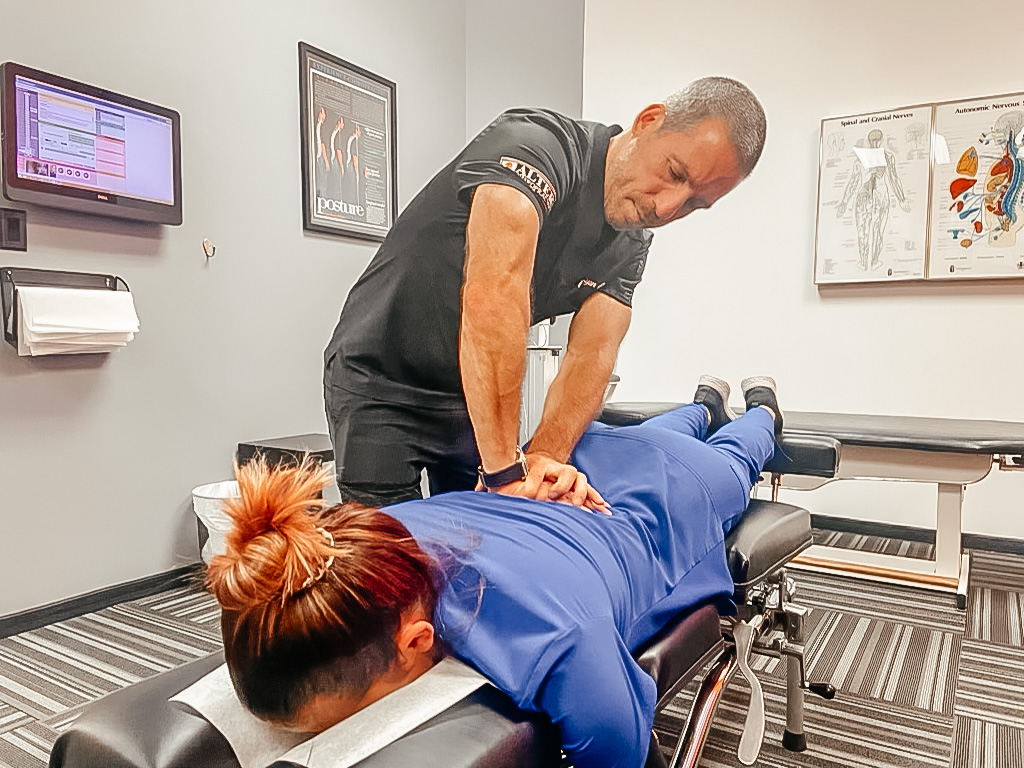
- Regular Chiropractic Adjustments: Regular visits to your chiropractor can help realign your spine, improve your posture, and alleviate tension in your muscles. This not only helps with pain relief but also promotes a sense of overall well-being.
- Mindful Breathing: Take a few moments each day to practice deep, mindful breathing. Inhale deeply through your nose, allowing your abdomen to expand, and then exhale slowly through your mouth. This simple technique can help calm your mind and reduce physical tension.
- Stretching and Movement: Incorporate gentle stretches and physical activity into your daily routine. This can help relieve muscle tightness and improve circulation, which is essential for reducing tension and promoting relaxation.
- Stay Hydrated: Drinking plenty of water throughout the day is crucial for maintaining optimal health. Dehydration can lead to increased tension and discomfort, so make sure to keep your body well-hydrated.
- Prioritize Sleep: Quality sleep is essential for stress management and overall health. Establish a consistent sleep routine, creating a calming environment that promotes restful sleep.
- Connect with Nature: Spending time outdoors can have a profound effect on your mental and physical health. Whether it’s a walk in the park or simply sitting outside, immersing yourself in nature can help reduce stress and tension.
- Mindfulness and Meditation: Practicing mindfulness or meditation can help you become more aware of your body and mind, allowing you to recognize when tension arises and take steps to address it.
By exploring these techniques, you may discover new ways to manage tension and improve your overall health. Remember, chiropractic care is a powerful tool for achieving natural wellness. By focusing on your spinal health and embracing these simple practices, you can unlock a healthier, more balanced life.
Key Takeaways
Unlock Tension Relief With These Proven Techniques
As a chiropractor, I understand the importance of relieving tension for optimal health and wellness. Here are some effective techniques to help you relax and reduce tension in your body, all while promoting a healthier lifestyle:
- Practice Deep Breathing: Deep breathing is a simple yet powerful technique that can promote relaxation. By taking slow, deep breaths, you can calm your mind and reduce physical tension. Try to take a few minutes each day to focus on your breath, inhaling deeply through your nose and exhaling slowly through your mouth.
- Stay Active: Regular physical activity, like walking or dancing, is essential for overall well-being. Exercise releases endorphins, which are natural mood lifters. Incorporating movement into your daily routine not only helps reduce tension but also supports spinal health.
- Try Progressive Muscle Relaxation (PMR): This technique involves tensing and then relaxing different muscle groups in your body. Start from your toes and work your way up to your head. This practice can help you become more aware of physical tension and release it, promoting a sense of calm.
- Embrace Mindfulness and Meditation: Mindfulness and meditation can help you cultivate a sense of calm and emotional resilience. Taking a few moments each day to sit quietly, focus on your breath, and clear your mind can significantly reduce stress levels and enhance your overall well-being.
- Set Healthy Boundaries: Establishing healthy boundaries in your relationships can prevent emotional discomfort and promote well-being. Communicate your needs clearly and ensure that you are taking care of yourself. This practice can help reduce stress and tension in your life.
In addition to these techniques, regular chiropractic care can play a vital role in achieving and maintaining your overall health. Chiropractic adjustments help align the spine, which can relieve tension, improve mobility, and enhance your body’s natural ability to heal itself. By prioritizing chiropractic care, you’re making a positive choice for your health and wellness journey. Remember, a healthy spine is key to a healthy life!
Understand the Sources of Tension
To effectively manage tension and promote overall wellness, it’s essential to first identify its sources. Start by reflecting on your daily life. Are you feeling overwhelmed at work, or do personal relationships weigh you down? Recognizing these triggers can help you understand what’s causing your stress. Pay attention to your emotions and reactions in various situations; they often reveal underlying tension sources.
Consider how physical discomfort can contribute to your stress levels. For example, poor posture or spinal misalignments can lead to tension in your back and neck, which may, in turn, affect your mood and energy levels. Chiropractic care helps address these issues by realigning the spine and promoting better overall function, which can lead to reduced stress and increased wellbeing.
Next, think about external factors like financial worries or significant life changes. These can contribute to a buildup of stress that’s hard to ignore. It’s also crucial to examine your habits—are you getting enough sleep or engaging in regular physical activity? Poor lifestyle choices can exacerbate tension. Chiropractic adjustments can enhance your physical performance and improve your sleep quality by relieving discomfort, allowing you to approach life’s challenges with a clearer mind.
Finally, take note of your mental state. Are you prone to negative thinking or self-criticism? Identifying these patterns can empower you to address the root causes of your tension. Incorporating regular chiropractic care can help create a sense of balance and promote a positive mindset by alleviating physical stressors.
In summary, by recognizing the sources of tension in your life and considering how chiropractic care can support your journey to health and wellness, you can take proactive steps towards a more balanced and fulfilling life.
Practice Deep Breathing Techniques
While you may encounter various stressors throughout your day, practicing deep breathing techniques can provide immediate relief and help restore your sense of calm. As a chiropractor, I believe that managing stress is essential for maintaining overall health and wellness, especially when it comes to spinal health.
Start by finding a quiet place where you can sit or lie down comfortably. Close your eyes and take a slow, deep breath in through your nose, filling your abdomen. Hold that breath for a moment, then exhale gently through your mouth. Focus on the sensation of your breath, letting go of any tension in your body with each exhale.
To help establish a steady rhythm, try counting your breaths—inhale for four counts, hold for four, and exhale for six. Repeat this cycle several times. If your mind starts to wander, gently bring your focus back to your breathing. This technique not only promotes relaxation but also helps reduce tension in your spine and improve your posture, which can contribute to better overall health.
Incorporating deep breathing into your daily routine can be a powerful tool for managing stress and enhancing your well-being. As you practice, remember that the more you engage in these calming techniques, the easier it becomes to access them whenever you need relief.
Additionally, consider how chiropractic care can complement your stress management efforts by aligning your spine, improving your body’s function, and promoting natural healing. Embracing a holistic approach to health can lead to a more balanced and fulfilling life, free from unnecessary pain and discomfort.
Incorporate Regular Physical Activity
Incorporating regular physical activity into your routine is essential not only for reducing stress levels but also for enhancing your overall well-being. As a chiropractor, I can tell you that when you engage in exercise, your body releases endorphins, often referred to as “feel-good” hormones. These hormones can uplift your mood and help diminish anxiety, making physical activity a natural way to support your mental health.
I recommend aiming for at least 30 minutes of moderate activity most days of the week. This can be anything from brisk walking, cycling, or even dancing—whatever you enjoy most! Remember, the goal is to keep your body moving, which can also help improve your spinal health and flexibility.
Don’t underestimate the power of breaking a sweat; it aids your body in processing stress more effectively. Regular movement not only benefits your body but can also contribute to better sleep, which is crucial for managing stress and maintaining a healthy spine. If you’re just starting out, begin small—short bursts of activity can still make a significant difference.
Consider joining a class or finding a workout buddy to keep you motivated. Not only will this help you stay consistent, but it can also enhance your social connections, which is important for emotional health. By prioritizing physical activity, you’re not just working out your body; you’re also giving your mind a much-needed break from daily tensions.
And remember, regular chiropractic adjustments can complement your exercise routine, ensuring your spine is in optimal alignment and supporting your overall health. This holistic approach to wellness can help you feel your best, both physically and mentally.
Embrace an active lifestyle, and let chiropractic care guide you towards achieving your health goals naturally.
Embrace Mindfulness and Meditation
Mindfulness and meditation are powerful tools that can significantly lower your stress levels and improve your overall well-being. As a chiropractor, I often see how tension and stress can affect spinal health and overall wellness. By incorporating simple mindfulness techniques into your daily routine, you can stay grounded and focused, which in turn supports your body’s natural healing processes.
When your mind is calm, your body responds positively. Reducing stress through mindfulness can lead to less tension in your muscles, including those that support your spine. This can help alleviate pain and promote better posture, which is essential for maintaining a healthy spine.
Here are some easy ways to incorporate mindfulness and meditation into your life:
- Breathing Exercises: Take a few moments each day to focus on your breath. Inhale deeply through your nose, hold for a few seconds, and exhale slowly through your mouth. This can help reduce tension and improve oxygen flow to your body.
- Mindful Walking: While walking, pay attention to each step you take. Feel the ground beneath your feet and notice the sensations in your body. This helps to ground you and can alleviate stress-related tension.
- Stretch and Reflect: Incorporate gentle stretching into your routine. As you stretch, take a moment to reflect on how your body feels. This can enhance flexibility and relieve tightness, especially in your back.
- Gratitude Journaling: Spend a few minutes each day writing down things you’re grateful for. This practice can shift your mindset from stress to appreciation, positively impacting your overall health.
- Consistent Chiropractic Care: Regular visits to your chiropractor can help maintain spinal alignment and improve your body’s ability to respond to stress. A healthy spine supports a healthy nervous system, which is crucial for overall wellness.
Remember, the journey to optimal health is ongoing, and incorporating mindfulness and chiropractic care can play a significant role in your wellness journey.
Benefits of Mindfulness Practice
Embracing mindfulness and meditation can significantly enhance your approach to stress and anxiety, allowing you to cultivate a greater sense of calm and focus in your daily life.
These practices not only support your mental well-being but also complement chiropractic care in promoting overall health.
Here are some benefits of incorporating mindfulness into your routine, especially when combined with regular chiropractic adjustments:
- Improved emotional regulation: Mindfulness helps you respond to stressors more calmly, which complements the relief you experience from chiropractic care.
- Increased concentration: By sharpening your focus through mindfulness, you can enhance your ability to engage in chiropractic exercises or stretches, making them more effective.
- Enhanced self-awareness: Gaining insights into your thoughts and feelings can help you better understand how your body feels and functions, leading to more informed conversations with your chiropractor about your care.
- Reduced physical tension: Regular mindfulness practice can alleviate muscle tightness and discomfort, which is especially beneficial when paired with chiropractic adjustments that aim to restore spinal alignment and reduce pain.
As you integrate mindfulness into your daily routine alongside chiropractic care, you’ll discover that these practices work hand-in-hand to create a more balanced and peaceful life.
Embrace the journey towards natural healing, and watch your stress and tension melt away!
Simple Meditation Techniques
Finding calm amidst the chaos of daily life can significantly enhance your overall health and well-being, especially when combined with chiropractic care. Start by incorporating just a few minutes of focused breathing into your day.
Sit comfortably, close your eyes, and take deep, slow breaths. Inhale through your nose, hold for a moment, then exhale through your mouth. This simple practice not only centers your thoughts but also helps reduce tension in your body, which is crucial for maintaining a healthy spine.
Another effective technique is guided meditation. Consider using an app or online resource to find a session tailored to your needs. This approach can help you relax while being mindful of your posture and spinal alignment, which chiropractic care emphasizes.
Let the soothing voice guide you as you focus on relaxation, allowing your body to release stress.
Additionally, try mindfulness walks as a way to connect with your body and environment. Pay attention to your surroundings, the sounds you hear, and the feeling of your feet on the ground. Being mindful of your movements can promote better posture and spinal health, preventing discomfort and pain.
Integrating these simple techniques into your daily routine can complement the benefits of chiropractic care, transforming your stress levels and supporting your journey toward optimal health.
Utilize Progressive Muscle Relaxation
Progressive muscle relaxation is a straightforward yet powerful technique that can significantly aid in releasing tension throughout your body. By focusing on systematically tensing and then relaxing different muscle groups, you may experience a considerable reduction in stress, which can complement the benefits of chiropractic care.
As a chiropractor, I often see how stress and tension can contribute to spinal misalignments and discomfort. This technique can enhance your overall well-being, making it an excellent addition to your wellness routine. Here’s how to practice progressive muscle relaxation and the advantages it can offer:
- Find a Comfortable Position: Start by sitting or lying down in a quiet space where you won’t be disturbed. Ensure your spine is aligned and supported, as good posture is essential for effective relaxation.
- Focus on Your Breath: Take a few deep breaths, inhaling through your nose and exhaling through your mouth. This helps calm your mind and prepares your body for relaxation.
- Tense and Relax: Begin with your toes. Tense the muscles in your feet for a few seconds, then release and notice the difference. Gradually work your way up through your body—calves, thighs, abdomen, arms, shoulders, and face—tensing and relaxing each muscle group.
- Pay Attention to Sensations: As you relax each muscle group, focus on the sensations of tension leaving your body. This mindfulness can help you become more aware of areas where you typically hold stress, especially around the spine.
- End with Deep Breaths: Once you’ve relaxed all muscle groups, take a few more deep breaths. Visualize the stress melting away with each exhale.
Incorporating progressive muscle relaxation into your daily routine can help alleviate stress and promote better alignment, which is crucial for spinal health. Remember, stress can lead to muscle tension and misalignment, so managing it is vital for your overall health.
As you practice this technique, consider complementing it with regular chiropractic adjustments. Chiropractic care not only addresses pain and discomfort but also promotes natural healing and helps maintain optimal spinal alignment. Together, these practices can enhance your journey towards a healthier, more relaxed life.
For those seeking natural wellness and pain relief, remember that chiropractic care is a fantastic choice. By combining techniques like progressive muscle relaxation with regular chiropractic visits, you can achieve a balanced approach to your health and well-being.
Steps to Practice
To effectively practice Progressive Muscle Relaxation (PMR), it’s essential to find a quiet, comfortable space where you won’t be disturbed. This practice can complement your chiropractic care by enhancing your overall relaxation and wellness.
Follow these steps to maximize your relaxation and support your journey toward optimal health:
- Sit or lie down in a comfortable position, allowing your spine to be well-supported.
- Take deep breaths, inhaling through your nose and exhaling through your mouth. This helps to oxygenate your body and promote relaxation.
- Focus on one muscle group at a time, starting from your feet and gradually working your way up to your head. This method aligns well with chiropractic principles, as it encourages awareness of your body.
- Tense each muscle for about five seconds, then release and feel the tension melt away. Notice how this release can alleviate stress and tension that may be contributing to discomfort in your spine or joints.
As you practice PMR, pay close attention to how your body feels during each release. This mindfulness can enhance your body awareness, which is crucial for maintaining a healthy spine.
Regularly incorporating PMR into your routine not only helps manage stress but also supports the benefits of chiropractic care by promoting a relaxed state that can enhance healing.
Benefits of Relaxation
As a local chiropractor, I want to emphasize the crucial role relaxation plays in your overall health and wellness. One effective method to achieve relaxation is through Progressive Muscle Relaxation (PMR). This technique involves systematically tensing and then relaxing different muscle groups, which can significantly reduce physical tension and anxiety.
By practicing PMR, you may notice a decrease in your heart rate and blood pressure, leading to a greater sense of calm. This calmness is vital for your body, especially when it comes to maintaining a healthy spine and nervous system.
Additionally, incorporating PMR into your routine can improve your sleep quality, helping your body recover and rejuvenate after a long day. One of the best aspects of PMR is that it can enhance your focus and productivity, making it easier to handle daily tasks without feeling overwhelmed. Regular practice can empower you to tackle life’s challenges with more ease and resilience.
As you explore relaxation techniques, remember that chiropractic care is also an excellent way to support your body’s natural healing processes. Adjustments can help alleviate pain, reduce tension, and improve your overall wellness, allowing you to fully benefit from relaxation methods like PMR.
Here are a few tips to incorporate PMR into your daily routine:
- Find a Quiet Space: Choose a calm environment where you can sit or lie down comfortably.
- Set Aside Time: Dedicate a few minutes each day to practice PMR, ideally at the same time to create a habit.
- Breathe Deeply: Focus on your breath as you tense and relax each muscle group, enhancing the relaxation experience.
- Listen to Your Body: Pay attention to how your body feels during the process. Adjust the intensity of the tension as needed.
Explore Creative Outlets for Stress Relief
How can tapping into your creativity serve as a powerful antidote to stress? Engaging in creative activities not only allows you to express your emotions but can also promote relaxation, which is essential for your overall health and wellness, especially when paired with regular chiropractic care.
When you immerse yourself in creativity, you shift your focus from stressors to the task at hand, which can help ease tension in your body and mind, leading to better spinal health.
Consider these creative outlets for stress relief that can complement your chiropractic journey:
- Painting or drawing: Let colors and shapes flow freely, embracing the joy of creation. This can help release pent-up emotions and tension, which may positively impact your posture and spinal alignment.
- Writing: Jot down your thoughts or craft a story. Writing can serve as a cathartic release, allowing you to process your emotions and reduce stress, which is important for maintaining a healthy spine.
- Music: Whether playing an instrument or singing, let the rhythm wash away tension. Music has a powerful way of lowering cortisol levels, which can help alleviate pain and discomfort, making it a great complement to chiropractic adjustments.
- Crafting: Engage your hands in DIY projects, turning materials into something beautiful. This hands-on activity can improve fine motor skills and promote mental clarity, both of which are beneficial for overall wellness.
Incorporating these creative outlets into your routine can’t only enhance your mental well-being but also support your physical health.
Connect With Nature for Rejuvenation
Have you ever noticed how a walk in the park can instantly lift your spirits? Connecting with nature is not just refreshing for your mind; it can also play a significant role in your overall wellness, especially when paired with chiropractic care. Engaging with the natural environment can help reduce stress on your body and promote better spinal health.
Here’s a quick guide on how to enhance your time outdoors while also supporting your spine and overall health:
| Activity | Benefits |
|---|---|
| Hiking | Strengthens muscles, enhances cardiovascular health, and promotes spinal alignment |
| Gardening | Encourages flexibility and reduces anxiety, while also engaging your core muscles |
| Birdwatching | Improves focus and mindfulness, providing a mental break that can alleviate tension in your back |
| Picnicking | Promotes social connections and relaxation, reducing stress that can lead to back pain |
Incorporating these activities into your routine can not only rejuvenate your energy and mood but also support your spinal health. Remember, when you’re outside, practice good posture while walking or sitting. Engage your core and keep a straight back to prevent strain.
Establish Healthy Boundaries in Relationships
Establishing healthy boundaries in relationships is essential for your emotional well-being and overall health. Just like maintaining proper spinal alignment is crucial for physical wellness, setting clear personal limits helps you protect your energy and fosters respect in your interactions.
Here are some practical tips to help you establish those boundaries, which can contribute to a more balanced and healthier life:
- Communicate openly: Just as you’d discuss your physical health with your chiropractor, share your needs and expectations honestly with those around you. Open communication can lead to stronger connections and better understanding.
- Know your limits: Take time to reflect on what you can tolerate in your relationships, just like you’d recognize when your body needs a chiropractic adjustment. Understanding your emotional boundaries helps prevent discomfort and stress.
- Practice assertiveness: It’s important to stand firm in your decisions, much like how you’d prioritize your health journey. Don’t feel guilty for putting your well-being first; self-care is crucial for maintaining a healthy lifestyle.
- Be consistent: Just as regular chiropractic adjustments can keep your spine in alignment, reinforcing your boundaries regularly ensures they’re respected. Consistency will help others understand and honor your limits.
By taking these steps, you can create a healthier emotional environment that supports your overall wellness journey.
Prioritize Quality Sleep for Recovery
To recover from daily stress and maintain optimal health, prioritizing quality sleep is essential. As a chiropractor, I understand the vital role that restorative sleep plays in your overall well-being and spinal health. Enhancing your sleep environment and establishing a consistent sleep routine can significantly improve how well you recharge each night.
Here are some simple, actionable tips to help you achieve better sleep and support your natural healing process:
- Create a Comfortable Sleep Environment: Ensure your bedroom is conducive to sleep by keeping it dark, quiet, and cool. Consider using blackout curtains, earplugs, or a white noise machine to block out distractions.
- Establish a Consistent Sleep Schedule: Try to go to bed and wake up at the same time every day, even on weekends. This helps regulate your body’s internal clock, making it easier to fall asleep and wake up refreshed.
- Limit Screen Time Before Bed: The blue light emitted by phones, tablets, and computers can interfere with melatonin production, the hormone that regulates sleep. Aim to turn off screens at least an hour before bedtime.
- Incorporate Relaxation Techniques: Engage in calming activities before bed, such as reading a book, meditating, or practicing gentle stretches. These practices can help reduce stress and prepare your body for sleep.
- Support Your Spine: A comfortable mattress and pillow that support your spine can make a significant difference in the quality of your sleep. Ensure that your sleeping position aligns your spine properly to prevent discomfort.
Remember, quality sleep isn’t just about rest; it’s a critical component of your body’s recovery process. By prioritizing your sleep and considering chiropractic care, you can enhance your overall health, manage stress better, and promote natural healing.
If you’re experiencing pain or discomfort that affects your sleep, don’t hesitate to consult with a chiropractor for personalized care and support.
Sleep Environment Optimization
Your sleep environment is crucial for ensuring quality rest, which directly impacts your recovery and overall health. As a chiropractor, I understand how vital it’s for your body to have the right conditions to heal naturally.
A well-optimized sleep space not only allows you to drift into a deeper slumber but also supports your spine and overall wellness.
Here are some simple tips to enhance your sleep environment:
- Control the temperature: Aim to keep your bedroom cool, ideally between 60-67°F (15-19°C). A cooler room can help lower your body temperature, promoting better sleep.
- Minimize noise: Disruptive sounds can interfere with your rest. Consider using earplugs or a white noise machine to create a peaceful atmosphere that supports your body’s natural healing processes.
- Limit light exposure: Light can signal your brain to stay awake. Investing in blackout curtains or using a sleep mask can help create a dark environment, encouraging a more restorative sleep.
- Choose comfort: Your mattress and pillows play a significant role in supporting your spine while you sleep. Select a mattress that provides the right amount of firmness for your body and pillows that suit your sleeping style to maintain proper alignment.
Remember, a good night’s sleep is essential for your body to recover and function optimally.
By optimizing your sleep environment, you’re taking a significant step toward achieving better health and wellness through natural means.
If you’re experiencing pain or discomfort that affects your sleep, consider consulting with a chiropractor to explore holistic treatment options that can help you find relief and restore balance to your body.
Establish a Sleep Routine
Establishing a consistent sleep routine is essential for enhancing your recovery and overall well-being, especially when it comes to spinal health. By going to bed and waking up at the same time each day, you help regulate your body’s internal clock. This consistency can improve the quality of your sleep, leading to deeper rest and more effective recovery, which is vital for maintaining a healthy spine.
To create a successful sleep routine, consider setting aside time to wind down before bed. Engaging in relaxing activities such as reading or meditating can signal to your body that it’s time to transition into sleep mode.
It’s also important to avoid screens and stimulants like caffeine, as these can interfere with your ability to fall asleep. Good sleep is closely linked to spinal health, so make sure your sleeping environment supports your body. Choose a comfortable mattress and pillows that provide adequate support for your spine.
Remember, a well-aligned spine can contribute to better sleep quality. By prioritizing your sleep routine and incorporating these simple tips, you can pave the way for a healthier, pain-free life.
Chiropractic care can also play a significant role in your overall wellness, helping to address any spinal issues that may affect your sleep. If you’re experiencing discomfort or trouble sleeping, consider visiting your chiropractor for a personalized assessment. They can provide valuable insights and adjustments to help you achieve optimal health and restful nights.
Seek Professional Support When Needed
Recognizing when you need support for managing tension and stress is vital for maintaining your overall well-being and spinal health. If you’re feeling overwhelmed, you’re not alone, and it’s perfectly okay to seek assistance.
Natural healing through chiropractic care can provide you with effective strategies to cope with stress and tension. Here are some signs that it might be time to consider a visit to your chiropractor:
- You’re experiencing chronic pain or discomfort that affects your mood.
- You’ve tried self-care methods but still feel out of balance.
- Daily activities, like work or exercise, are becoming harder to manage due to discomfort.
- You notice physical symptoms, such as tension headaches or fatigue, that linger.
Consulting a chiropractor can offer you personalized care and support tailored to your needs. They can help address the root causes of your discomfort and guide you toward a healthier lifestyle.
Remember, seeking care isn’t a sign of weakness; it’s a proactive step towards achieving optimal health and wellness. You deserve to feel your best, and chiropractic care can be a key part of that journey!
In addition, here are some general tips to help you manage stress naturally:
- Stay Active: Regular exercise can help reduce tension and improve your mood.
- Practice Deep Breathing: Deep breathing exercises can promote relaxation and reduce stress.
- Maintain Good Posture: Proper alignment can help prevent tension in your muscles and spine.
- Get Adequate Sleep: Quality sleep is crucial for your overall health and stress management.
Conclusion
Incorporating these proven techniques into your daily routine can lead to effective tension relief and promote your overall well-being, especially when combined with chiropractic care. Understanding the sources of your stress is key; this awareness can guide you in addressing the root cause rather than merely managing symptoms.
Practicing deep breathing can significantly help in reducing stress—take a moment each day to inhale deeply and exhale slowly, allowing your body to relax. Staying active is essential as well; gentle exercises like walking, stretching, or yoga can help keep your spine healthy and relieve tension.
Embracing mindfulness is another powerful tool; it encourages you to be present and aware, reducing anxiety and helping you find peace in the moment. Quality sleep is crucial for recovery and overall health—ensure you’re giving your body the rest it needs to heal and function optimally.
Lastly, seeking professional support, particularly through chiropractic care, can be transformative. Chiropractors focus on natural healing and can help align your spine, which may alleviate pain and tension throughout your body. By incorporating these steps, you’ll not only reduce tension but also build resilience, enabling you to face life’s challenges with greater ease and confidence. Your journey to optimal health can be enhanced significantly with the support of chiropractic care, promoting a healthier, pain-free lifestyle.