
You know that routine care isn't just a box to check off; it's essential for unblocking greater mobility. Regular check-ups can help you identify limitations before they become significant issues and allow you to craft a personalized care plan tailored to your unique needs. With the right approach, you can enhance your motivation, guarantee consistency, and even incorporate preventative measures that keep you moving freely. But what are the specific steps you can take to truly optimize your mobility? Let's explore the strategies that can make a real difference.
Importance of Routine Care
When it comes to maintaining your mobility, routine care is essential. Regular check-ins with healthcare professionals help you stay on top of your physical health, ensuring that any issues are caught early. By prioritizing routine care, you can effectively manage potential mobility challenges before they escalate into more considerable problems.
You mightn't think about it, but routine care involves more than just doctor visits. It includes exercises, stretches, and lifestyle choices that enhance your strength and flexibility. By incorporating these elements into your daily routine, you're actively investing in your long-term mobility. Even simple activities like walking or yoga can markedly improve your overall physical condition.
Moreover, routine care can help you understand your body better. You'll learn about your strengths and weaknesses, which enables you to tailor your activities accordingly. This knowledge empowers you to make informed decisions about your wellness. It also fosters a proactive attitude toward your health, rather than simply reacting to issues as they arise.
If you're managing chronic conditions or just want to maintain your mobility as you age, routine care can provide a solid foundation. It encourages you to listen to your body and recognize when something feels off.
Benefits of Regular Check-Ups
Regular check-ups play a crucial role in maintaining your mobility and overall health. They're fundamental for catching potential issues before they escalate into serious problems. By visiting your healthcare provider regularly, you can identify risk factors, monitor existing conditions, and guarantee that you're on the right track with your health goals.
During these appointments, your doctor will assess your physical condition, recommend necessary screenings, and provide valuable advice tailored to your unique lifestyle. This proactive approach means you're not just reacting to health issues; you're actively preventing them.
Furthermore, regular check-ups help you stay informed about any changes in your body and how they might impact your mobility.
Another significant benefit is the opportunity to discuss any concerns or symptoms you might be experiencing. You can address questions about joint pain, muscle stiffness, or fatigue, which can all affect your ability to move freely. Having these conversations allows your doctor to offer solutions or refer you to specialists if needed.
Additionally, regular visits can help you stay up-to-date with vaccinations and preventative measures, further enhancing your well-being. You'll also develop a relationship with your healthcare provider, making it easier to communicate openly about your health journey.
Ultimately, committing to regular check-ups empowers you to take charge of your health, guaranteeing that you maintain the mobility and energy needed for an active, fulfilling life.
Role of Physical Therapy
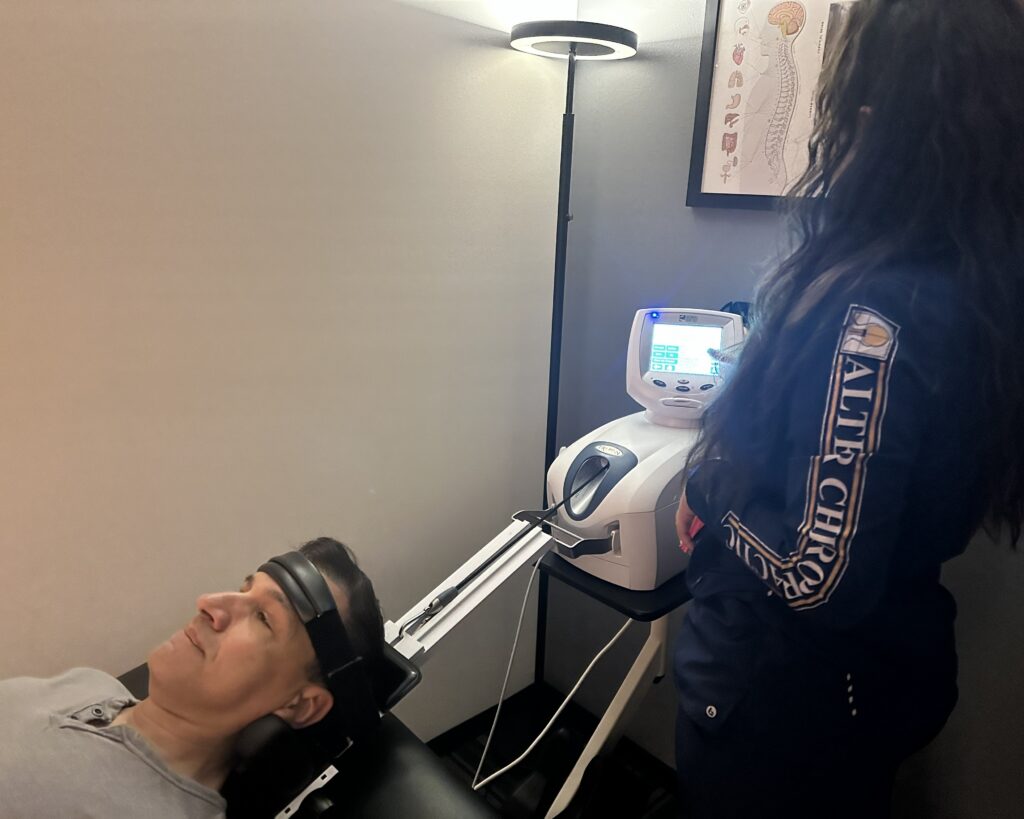
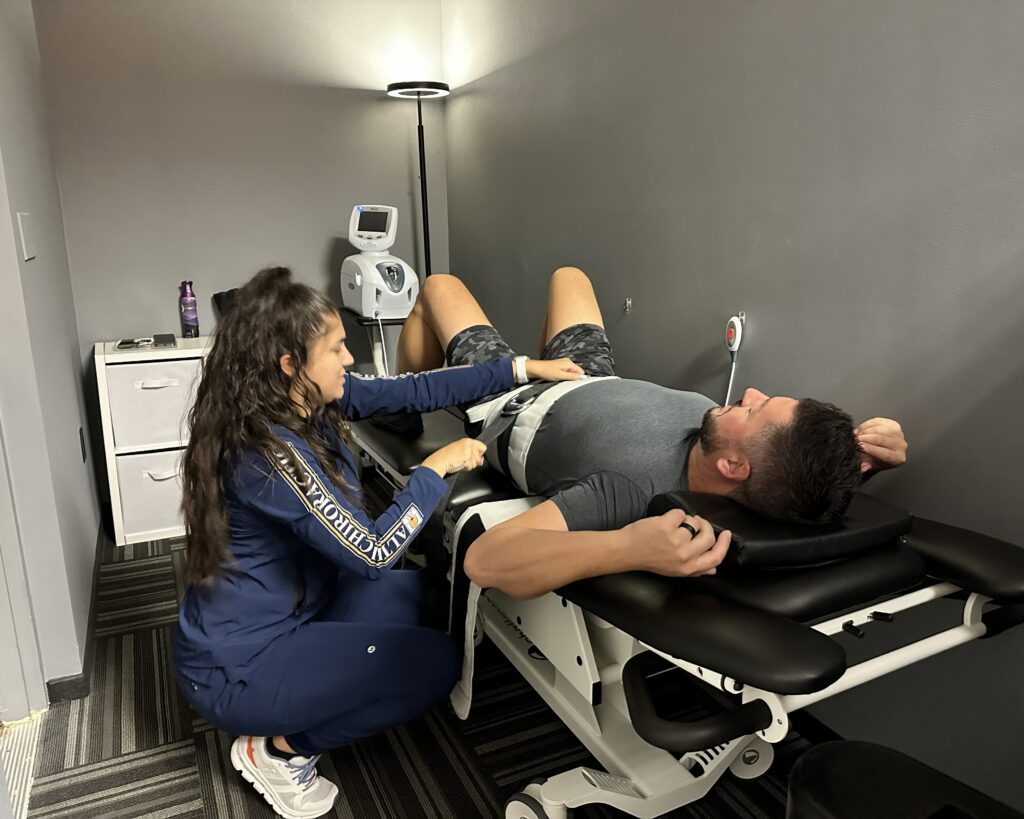
Physical therapy plays an important role in enhancing your mobility and recovering from injuries, as it provides tailored exercises and treatments designed to restore function and strength. When you engage with a physical therapist, you're not just getting general advice; you're receiving a personalized plan that addresses your specific needs and goals.
Whether you're recovering from surgery, managing chronic pain, or dealing with an injury, physical therapy helps you regain independence.
In your sessions, a physical therapist will assess your condition and develop a program that includes stretching, strengthening, and balance exercises. These activities are vital for improving your range of motion and building the muscles that support your joints.
You'll learn how to perform these exercises correctly, which can prevent setbacks and guarantee you're making progress.
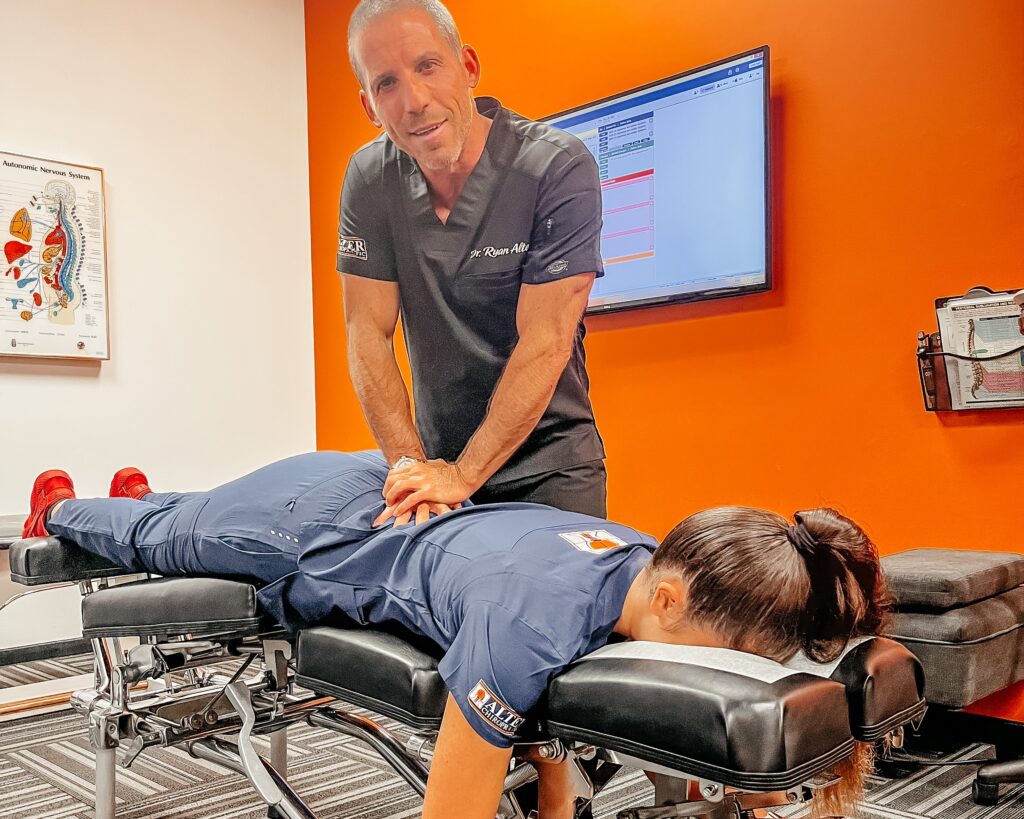
Moreover, physical therapy often incorporates hands-on techniques like manual therapy to reduce pain and improve mobility. Your therapist might also use modalities like heat, cold, or electrical stimulation as part of your recovery plan.
They'll keep track of your progress, adjusting your program as necessary to meet your evolving needs.
Preventative Measures for Mobility
To maintain and enhance your mobility, implementing preventative measures is essential. Regular exercise plays an important role in keeping your joints and muscles strong, which helps prevent injuries and stiffness. Aim for a balanced routine that includes cardiovascular, strength, and balance training. This combination not only improves your overall fitness but also supports your daily activities, making moving around easier.
Additionally, paying attention to your nutrition is critical. A well-balanced diet rich in vitamins and minerals supports bone health and muscle function. Foods high in calcium and vitamin D, like dairy products and leafy greens, are particularly important. Staying hydrated is equally necessary; proper hydration can reduce joint stiffness and improve overall physical performance.
Don't overlook the importance of maintaining a healthy weight. Excess weight puts extra stress on your joints, particularly those in your knees and hips. By managing your weight through diet and exercise, you can greatly reduce the risk of mobility issues.
Finally, consider regular check-ups with healthcare professionals. They can assess your mobility and identify any potential issues before they become major problems. Staying proactive in your health care will help you catch concerns early and make necessary adjustments to your routine.
Stretching and Flexibility Exercises
Stretching and flexibility exercises are key to enhancing your mobility and overall physical health.
By incorporating effective routines, you can experience improved range of motion and reduced risk of injury.
Let's explore the benefits of stretching and how you can easily integrate these exercises into your daily life.
Benefits of Stretching
Incorporating regular stretching into your routine can greatly enhance your overall mobility and flexibility. When you stretch, you allow your muscles to lengthen, which can improve your range of motion and make daily activities easier and more enjoyable.
Stretching not only helps prevent injuries but also aids in recovery after workouts.
Here are some key benefits of stretching you should consider:
- Improved Circulation: Stretching increases blood flow to your muscles, delivering more oxygen and nutrients, which helps reduce soreness and promotes healing.
- Enhanced Posture: Regular stretching can help correct muscle imbalances, leading to better alignment and posture. This can reduce strain on your muscles and joints.
- Stress Relief: Stretching can serve as a form of relaxation, releasing tension that builds up in your body. It encourages mindfulness and can improve your overall mental well-being.
Effective Flexibility Routines
Regularly practicing effective flexibility routines can greatly enhance your mobility and overall physical performance. Incorporating stretching into your daily regimen helps maintain muscle elasticity and joint range of motion.
Start with dynamic stretches, like arm circles and leg swings, to warm up your muscles. These movements increase blood flow and prepare your body for more intense activity.
Once you're warmed up, shift to static stretches. Focus on major muscle groups, such as hamstrings, quadriceps, and shoulders. Hold each stretch for 15-30 seconds, breathing deeply to promote relaxation.
You can also incorporate yoga poses, like Downward Dog or Warrior, to improve flexibility while also enhancing balance and strength.
Aim to dedicate at least 15-20 minutes a day to these routines. Don't forget to listen to your body—avoid pushing yourself to the point of pain.
Consistency is key, so consider integrating flexibility training into your workout schedule or as a standalone session. Over time, you'll notice improvements in your mobility, making everyday activities easier and reducing the risk of injury.
Embrace this routine, and reveal greater movement potential in your life.
Strength Training for Better Mobility
Strength training is a powerful tool for enhancing your mobility, offering benefits that go beyond just building muscle.
By incorporating key exercises into your routine, you can improve your overall strength and stability.
Plus, with a few tips for staying consistent, you'll release greater movement potential in no time.
Benefits of Strength Training
Three key benefits of strength training can greatly enhance your mobility.
First, it increases muscle strength, which is essential for supporting your joints and improving your overall body stability. When your muscles are stronger, you can perform daily activities with greater ease and less risk of injury.
Second, strength training boosts your flexibility. By engaging in resistance exercises, you help maintain the elasticity of your muscles and connective tissues. This increased flexibility allows for a wider range of motion, making movements smoother and more fluid.
Lastly, strength training enhances your balance and coordination. As you work on building your strength, you'll also develop better control over your body movements. This improved balance can notably reduce the likelihood of falls and accidents, especially as you age.
- Increases muscle strength for better support
- Boosts flexibility for a wider range of motion
- Enhances balance and coordination to prevent falls
Incorporating strength training into your routine can lead to lasting improvements in your mobility, making everyday tasks feel more manageable and enjoyable.
Don't underestimate the power of building strength for a more active lifestyle!
Key Exercises to Consider
When it comes to enhancing your mobility, incorporating specific strength training exercises can make a significant difference. Focus on exercises that target key muscle groups responsible for movement and stability.
Squats are a fantastic choice; they strengthen your legs and core, improving balance and functional mobility. Aim for bodyweight squats or add resistance as you progress.
Deadlifts are another essential exercise. They engage multiple muscle groups, including your back, glutes, and hamstrings, promoting overall strength and stability. Start with lighter weights to master the form before increasing the load.
Incorporate lunges into your routine as well. They help enhance flexibility and strength in your hips and legs, crucial for daily activities. Consider forward, backward, and side lunges for a well-rounded approach.
Lastly, don't overlook core exercises like planks and bridges. A strong core supports your entire body and improves your posture, which is essential for mobility.
Tips for Consistency
To maintain consistency in your strength training for better mobility, establish a routine that fits seamlessly into your daily life. Consistency is key to achieving long-lasting results, and integrating workouts into your schedule can make all the difference.
Here are some practical tips to help you stay on track:
- Set specific days and times for workouts: Treat these sessions like important appointments. Choose times when you're least likely to be interrupted, whether it's early in the morning or during lunch breaks.
- Start with short sessions: If you're struggling to find time, begin with 15-20 minutes of focused strength training. Gradually increase the duration as you become more comfortable with your routine.
- Track your progress: Keep a journal or use an app to log your workouts. Seeing your improvements over time can motivate you to stick with it.
Nutrition's Impact on Movement
Fueling your body with the right nutrients is indispensable for enhancing movement and overall mobility. What you eat directly affects your energy levels, muscle performance, and joint health. When you consume a balanced diet rich in proteins, healthy fats, and complex carbohydrates, you provide your body with the fuel it needs to move efficiently.
Proteins are fundamental for muscle repair and growth, so make certain you include lean meats, fish, legumes, and dairy in your meals. Healthy fats, like those found in avocados, nuts, and olive oil, support joint health and provide sustained energy. Complex carbohydrates, such as whole grains, fruits, and vegetables, offer the energy needed for daily activities and workouts.
Hydration plays a significant role too. Water helps regulate body temperature, lubricates joints, and transports nutrients throughout your system. Staying well-hydrated guarantees you can move freely and perform at your best. When you're dehydrated, you may experience fatigue, muscle cramps, or decreased coordination, all of which can hinder your mobility.
Don't forget about micronutrients! Vitamins and minerals, particularly calcium, vitamin D, and magnesium, support bone density and muscle function. Incorporating a variety of colorful fruits and vegetables into your diet guarantees you're getting these indispensable nutrients.
The Mind-Body Connection
Understanding the mind-body connection is essential for accessing your full mobility potential. When you recognize how your thoughts and emotions influence your physical body, you can improve your movement and overall well-being. Tapping into this connection allows you to address not just physical limitations but also mental barriers that may hinder your progress.
Your mindset plays a significant role in your mobility journey. Here are some ways to enhance this connection:
- Positive Visualization: Imagining yourself moving freely and confidently can help reinforce your belief in your abilities. This mental practice can translate into real-life improvements in mobility.
- Mindfulness Techniques: Practicing mindfulness or meditation can reduce stress and anxiety, which often manifest as physical tension. By calming your mind, you can lessen the strain on your body and encourage smoother movement.
- Emotional Awareness: Recognizing and addressing your emotional state can lead to better physical outcomes. If you're feeling anxious or fearful about moving, you might unconsciously tense up, limiting your range of motion. Acknowledging these feelings allows you to release tension and move more fluidly.
Overcoming Common Mobility Myths
Mobility myths can create unnecessary barriers to your movement goals. One common myth is that you need to be young or fit to improve your mobility. The truth is, people of all ages and fitness levels can benefit from mobility training. It's never too late to start, and even small changes can lead to significant improvements.
Another myth is that stretching is all you need for mobility. While stretching plays a role, it's just one piece of the puzzle. Strength training, balance exercises, and functional movements are equally important. Combining these elements helps you build a well-rounded approach to mobility, enhancing your overall movement capabilities.
You may also believe that if you feel pain, you should stop moving altogether. While it's crucial to listen to your body, avoiding movement can lead to stiffness and further complications. Instead, consider modifying your activities or seeking professional guidance to address pain while staying active.
Lastly, some think that mobility work is only for athletes or those with physical challenges. In reality, everyone can benefit from improved mobility, regardless of their lifestyle. Enhanced mobility can lead to better posture, reduced risk of injury, and improved overall health.
Creating a Personalized Care Plan
While many people jump into generic workout routines, creating a personalized care plan is vital for effectively improving your mobility. A tailored approach considers your unique needs, goals, and physical condition, ensuring that you target the right areas for improvement.
By developing a plan that resonates with your lifestyle, you'll likely find greater motivation and consistency in your routine.
First, assess your current mobility level. Identify any limitations or areas that require special attention. This self-awareness is essential in setting realistic goals.
Next, consult with a healthcare professional or fitness expert. They can provide valuable insights and help you build a plan that's safe and effective.
Here are some key components to include in your personalized care plan:
- Targeted Exercises: Focus on strengthening specific muscle groups and enhancing flexibility. Incorporate activities that align with your interests, ensuring you stay engaged.
- Progress Tracking: Regularly monitor your progress to see how far you've come. Adjust your plan as needed to keep challenging yourself and avoid plateaus.
- Rest and Recovery: Don't underestimate the importance of rest. Incorporate recovery days into your routine to allow your muscles to heal and grow stronger.
Creating a personalized care plan is about more than just exercises; it's about establishing a holistic approach to your mobility journey.
With a structured plan in place, you'll be well on your way to accessing greater mobility and enjoying a more active lifestyle.
Conclusion
Incorporating routine care into your life is essential for accessing greater mobility. By prioritizing regular check-ups, engaging in physical therapy, and embracing preventative measures, you can enhance your physical health and stay active. Remember, it's not just about the body; the mind plays an important role too. By creating a personalized care plan, you'll not only address your unique needs but also boost your motivation. Take charge of your mobility journey and enjoy a healthier, more vibrant life!