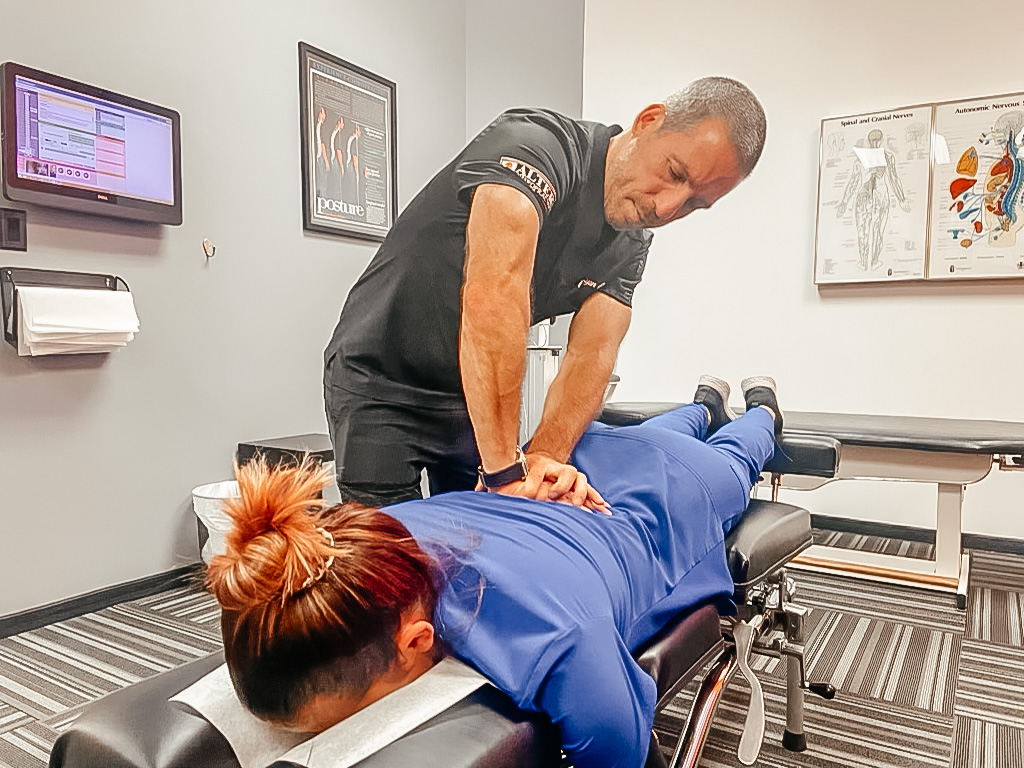

As a local chiropractor, I want to take a moment to address an issue that many of my patients face: back pain during or after engaging in sports. If you've experienced this discomfort, you know it can significantly impact both your performance and your enjoyment of physical activities. It's a common misconception that back pain is simply a part of being active; however, it's crucial to understand its underlying causes.
Many factors can contribute to sports-related back pain, and recognizing these can be the first step towards relief. By focusing on prevention strategies and incorporating specific exercises into your routine, you can discover effective ways to alleviate discomfort and enhance your overall well-being.
One of the key aspects of managing back pain is being able to identify warning signs before they escalate into more serious issues. You may be surprised by what you learn about your body and how to address these concerns proactively. By taking a more informed approach to your training and recovery, you can not only enhance your athletic performance but also enjoy a more fulfilling and pain-free active lifestyle.
If you're curious about how chiropractic care can support your journey towards relief and better health, I invite you to explore the natural healing options available to you. Together, we can work on a plan that suits your unique needs and helps you stay active without the burden of back pain.
Understanding Sports Back Pain
As a local chiropractor, I want to help you understand the importance of recognizing and addressing back pain, especially if you're actively participating in sports. Back pain can present itself in various ways—ranging from sharp, sudden jolts to dull, persistent aches. By familiarizing yourself with the types of pain you might experience, you can better identify its origin, whether it be from muscle strains, ligament sprains, or even spinal issues.
Different sports require distinct movements, and these can place unique stresses on your back. Activities that involve twisting, lifting, or sudden directional changes can heighten your risk of injury. Additionally, maintaining poor posture during these movements can worsen your back problems, leading to discomfort that affects not just your athletic performance, but also your everyday life.
It's crucial to pay attention to your body's signals. Early recognition of back pain can prevent minor discomfort from escalating into chronic pain that keeps you from doing what you love. After your workouts, take note of how your back feels. If you experience stiffness, pain, or any limitations in movement, it's a clear indication that something may be amiss.
Moreover, consider how your training regimen impacts your back health. Overtraining or not focusing on core strength can be significant contributors to back pain. This is where chiropractic care can play a vital role. By addressing alignment issues and improving muscle balance, chiropractic adjustments can help alleviate pain and enhance your overall athletic performance.
In conclusion, understanding back pain is about being attuned to your body, recognizing its causes, and understanding how it can affect your athletic endeavors. With this knowledge, you can make informed choices about your training and recovery, paving the way for a healthier, more active lifestyle.
If you have questions or need guidance, I'm here to support you on your journey to better back health.
Prevention Strategies for Athletes
As a local chiropractor, I want to share some effective strategies to help you prevent back pain and maintain your peak performance, whether you're an athlete or simply enjoy staying active.
First and foremost, maintaining proper posture during your activities is crucial. Whether you're training or competing, keeping your spine aligned and avoiding slouching can significantly reduce the strain on your back.
Pay close attention to your body mechanics; whether you're lifting weights or running, using the correct techniques is vital for lowering your risk of injury.
Incorporating flexibility and strength training into your routine is another key strategy. Regular stretching can help maintain muscle elasticity, while strength training, particularly for your core muscles, provides essential support for your spine.
A strong core not only stabilizes your body but also minimizes the risk of experiencing back pain.
Warming up before your workouts and cooling down afterwards are equally important. A proper warm-up increases blood flow to your muscles, which can help prevent strains, while cooling down aids in recovery and reduces muscle tightness.
Don't overlook the role of your equipment. Wearing the right shoes for your particular sport is critical. Proper support and cushioning can help prevent back pain and enhance your overall performance.
If your sport involves repetitive movements, remember to take regular breaks to avoid overuse injuries.
Lastly, it's essential to listen to your body. If you experience any discomfort or pain, it's important not to push through it. Addressing these issues early on can prevent them from escalating into more serious problems.
By implementing these prevention strategies, you can protect your back and improve your overall performance.
Effective Exercises for Relief
As a local chiropractor, I want to share some effective exercises that can help alleviate back pain and enhance your overall well-being. One of the first steps we recommend is incorporating core strengthening exercises into your routine. A strong core is essential for stabilizing your spine and reducing strain on your back. For example, planks are a fantastic exercise; aim to hold a plank for 30 seconds to a minute while keeping your back straight and your core engaged. This can significantly support your spine's health.
Another exercise I recommend is pelvic tilts. To do this, lie on your back with your knees bent and your feet flat on the floor. Gently tilt your pelvis upward, which will flatten your lower back against the floor, and then release. Performing this exercise for 10-15 repetitions can improve flexibility and help reduce discomfort in your back.
Stretching is also crucial for maintaining a healthy back. I encourage you to incorporate hamstring stretches into your routine. You can do this by sitting on the floor with one leg extended and the other leg bent. Reach toward your toes on the extended leg, feeling the stretch in your hamstring. Hold this position for 20-30 seconds, then switch legs. Regularly practicing these stretches can help alleviate tightness that often contributes to back pain.
Additionally, the cat-cow stretch is another great exercise to consider. Start on your hands and knees, arch your back while inhaling (this is the cow position), and then round your back while exhaling (the cat position). This dynamic movement not only increases spinal flexibility but also helps relieve tension.
Lastly, don't underestimate the benefits of low-impact activities such as walking or swimming. These exercises can help maintain your fitness level while minimizing strain on your back.
Holistic Approaches to Healing
As a local chiropractor, I want to share with you some holistic approaches to healing that can significantly enhance your journey toward back pain relief. These methods take into account the intricate connection between your body, mind, and spirit, offering a comprehensive strategy for your overall wellness.
One highly effective technique I often recommend is mindfulness meditation. By dedicating a few minutes each day to focus your mind and engage in deep breathing, you can significantly reduce stress and tension—two common contributors to back pain. This practice can help cultivate a sense of calm and awareness, which is vital in managing discomfort.
Yoga is another fantastic approach that I frequently suggest. This ancient practice not only improves flexibility and strengthens muscles but also encourages relaxation. Specific poses, such as Cat-Cow and Child's Pose, can provide immediate relief while enhancing your mobility. Moreover, yoga fosters a deeper connection between your body and mind, empowering you in your healing journey.
Nutrition is equally important in the healing process. Adopting an anti-inflammatory diet rich in fruits, vegetables, whole grains, and healthy fats can help mitigate pain and promote recovery. Foods like salmon, walnuts, and leafy greens are particularly beneficial for reducing inflammation.
Don't forget the importance of hydration—adequate water intake supports your body's overall function and can aid in alleviating pain.
I also want to highlight the benefits of massage therapy. Regular sessions can help relieve muscle tension, improve circulation, and promote relaxation, all of which contribute to alleviating back pain. Additionally, acupuncture is an option worth exploring; many of my patients have found relief through this ancient practice, which targets specific points on the body to relieve discomfort.
When to Seek Professional Help
Understanding when to seek professional help is crucial in your journey toward alleviating back pain, and as a local chiropractor, I want to guide you through this process. If your back pain lingers for more than a few days, despite your best efforts with rest and self-care, it's time to consider consulting a healthcare professional like me. It's important to listen to your body and not dismiss the signals it's sending you.
If you encounter severe pain that travels down your legs or brings on symptoms like numbness and tingling, these may be signs of a more serious condition that requires prompt attention. In my practice, I often see patients who've delayed seeking help, only to find that early intervention could have led to a quicker recovery.
Additionally, if you experience accompanying symptoms such as unexplained weight loss, fever, or swelling in your back, reaching out for professional guidance is essential. These signs can indicate underlying health issues that merit a thorough evaluation.
Don't wait until your discomfort escalates to a point where it disrupts your daily activities; addressing the issue sooner can open up more effective treatment options.
If your pain restricts your ability to carry out daily tasks or enjoy sports and recreational activities, it's a good idea to seek my expertise. As a chiropractor, I specialize in identifying the root causes of discomfort and can create a personalized treatment plan that may involve spinal adjustments, physical therapy, and other natural healing methods.
Lastly, if you've attempted various home remedies without any relief, trust your instincts and reach out for professional help. Your health is a priority, and finding the right support can significantly enhance your quality of life.
Take that proactive step, and don't let back pain keep you from enjoying everything life has to offer. Together, we can work toward restoring your well-being and vitality.
Conclusion
As a local chiropractor, I want to share some insights on how you can find relief from sports-related back pain. It's crucial to take a proactive stance when addressing this issue. Understanding the underlying causes of your pain is the first step toward healing.
Implementing prevention strategies, such as proper warm-up routines and ergonomic techniques, can make a significant difference. Additionally, engaging in targeted exercises tailored to strengthen your back and core muscles is essential for reducing discomfort.
Don't underestimate the power of holistic practices in your recovery journey. Techniques such as chiropractic adjustments, massage therapy, and stretching can all support your body's natural healing process.
If your pain continues despite these efforts, I encourage you to seek professional assistance. A thorough chiropractic evaluation can provide you with an accurate diagnosis and a customized treatment plan to address your specific needs.
Take control of your back health today! By doing so, you can fully enjoy your athletic activities without the burden of pain holding you back. Remember, I'm here to help you navigate this journey toward wellness.