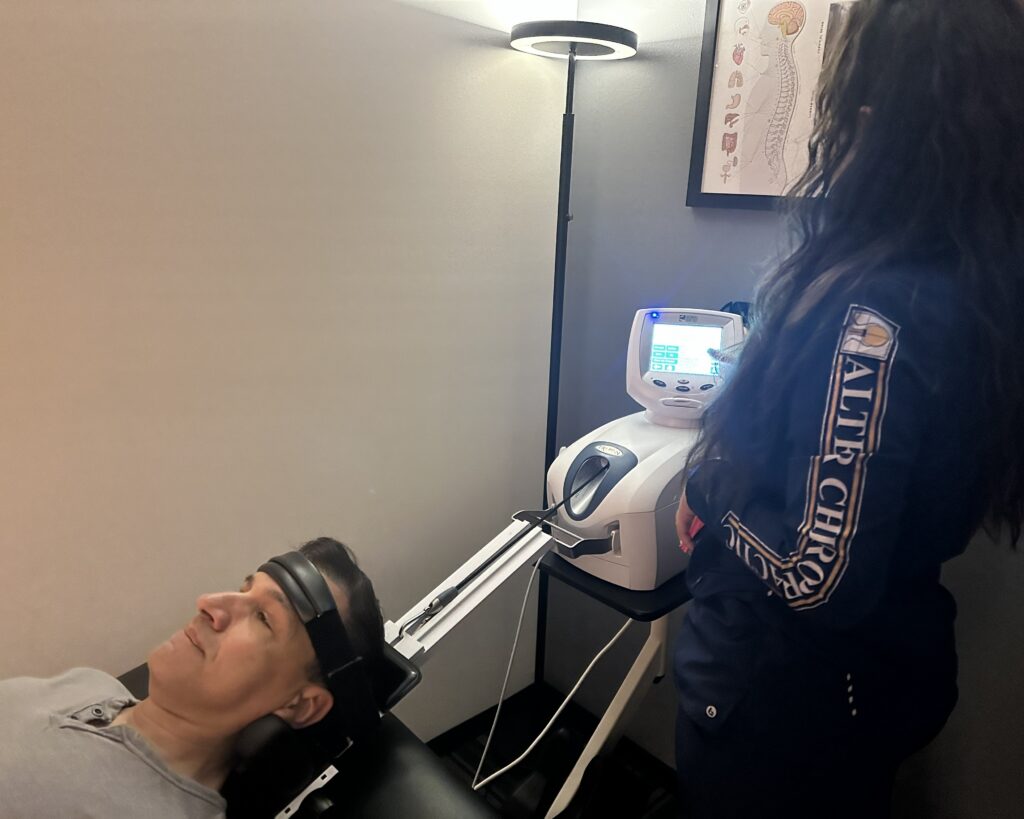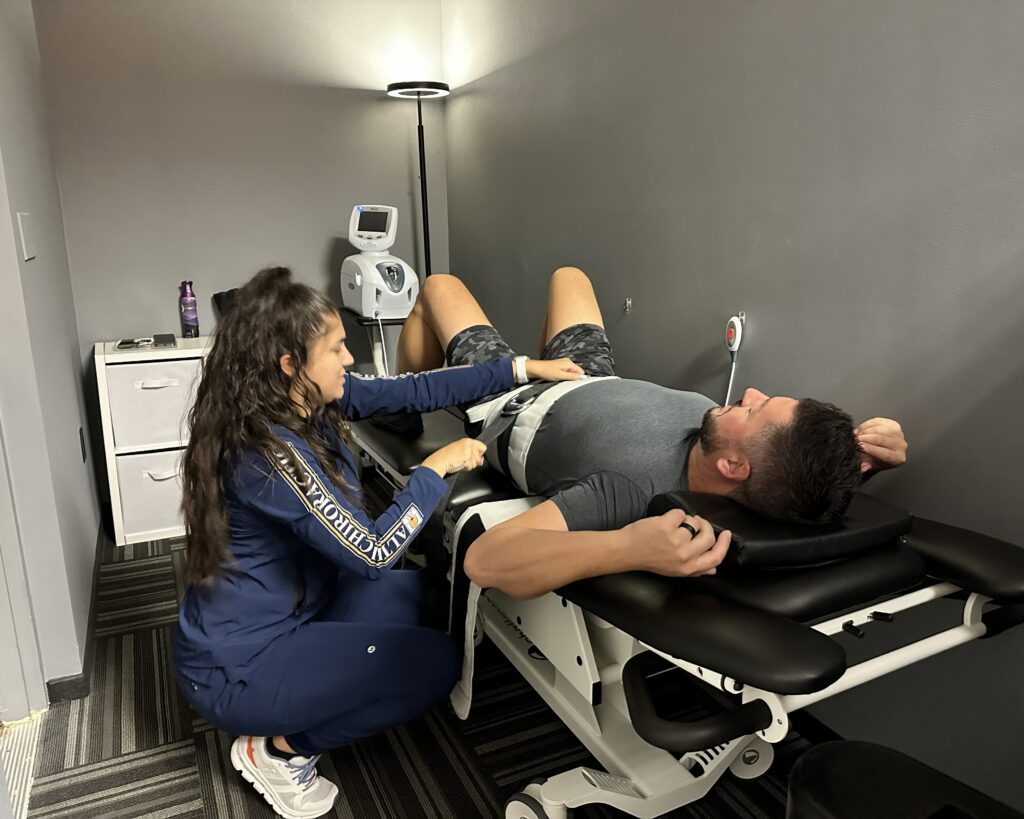

When it comes to finding relief from headaches, the importance of alignment is often overlooked. Many people may not realize just how much their posture, spinal position, and even foot alignment can affect head pain. As a chiropractor, I can tell you that maintaining proper alignment is crucial for reducing nerve irritation and muscle tension, which can lead to fewer headaches.
So, what specific aspects of alignment should you pay attention to? Here are some key areas to focus on for headache relief:
- Posture: Good posture is essential. Make a conscious effort to sit and stand with your shoulders back and your head aligned over your spine. Slouching can put unnecessary strain on your neck and back, leading to headaches.
- Spinal Alignment: A properly aligned spine supports your nervous system and can reduce pain. Regular chiropractic adjustments can help ensure that your spine is in its optimal position, promoting better overall health.
- Foot Alignment: Believe it or not, your feet play a significant role in your body’s alignment. Flat feet or imbalances can affect your posture and lead to headaches. Custom orthotics may help improve foot alignment and, in turn, relieve pressure on your spine.
- Neck Positioning: The way you hold your head can impact the muscles in your neck and upper back. Try to keep your head level and avoid craning your neck forward when looking at screens.
- Stress Management: Stress can contribute to muscle tension and headaches. Incorporate relaxation techniques like deep breathing, yoga, or meditation into your routine to help alleviate stress.
- Hydration: Dehydration can trigger headaches, so make sure you’re drinking enough water throughout the day. Staying hydrated supports overall body function, including proper alignment.
- Regular Exercise: Engaging in regular physical activity can strengthen the muscles that support your spine and improve your posture, making you less prone to headaches.
- Ergonomic Workspace: If you spend a lot of time at a desk, make sure your workspace is ergonomically friendly. Your chair, desk height, and computer screen should all be set up to promote good posture.
- Sleep Position: Your sleep position can affect spinal alignment. Use a supportive pillow and consider sleeping on your back or side to maintain a neutral spine.
- Chiropractic Care: Regular visits to your chiropractor can be a game-changer. Chiropractic adjustments can help keep your spine aligned, reduce nerve interference, and ultimately lead to fewer headaches.
By focusing on these aspects of alignment and incorporating chiropractic care into your wellness routine, you can take meaningful steps towards reducing headaches and improving your overall health. Remember, optimal health is a journey, and small changes can lead to significant improvements in your well-being.
Key Takeaways
- Keeping your spine aligned is crucial for reducing nerve irritation, which can help relieve tension headaches and improve blood flow to the brain. Regular chiropractic adjustments can ensure your spine is in the best position for optimal health.
- Good posture plays a significant role in preventing muscle tension in your neck and shoulders. By being mindful of how you sit and stand, you can decrease the frequency and intensity of headaches. Remember to take breaks, stretch, and maintain a straight back to support your overall well-being.
- If you’re experiencing headaches, consider how your jaw is aligned. Chiropractic care can help realign your jaw, relieving tension in your face and neck. This simple adjustment can lead to significant relief from headache symptoms.
- Don’t overlook the importance of foot alignment! Your feet are the foundation of your body. Proper alignment can reduce strain on your spine and neck, which are often culprits behind headaches. Wearing supportive shoes and being aware of your foot positioning can make a big difference.
- Regular visits to your chiropractor can help maintain your body’s alignment, which is essential for preventing muscle tension. This not only improves blood flow but also helps reduce headache symptoms over time. Make chiropractic care a part of your routine for lasting wellness.
Incorporating these tips into your daily life can help you manage headaches naturally and effectively. Remember, chiropractic care is a powerful tool for achieving optimal health and relieving pain without the need for medications or invasive procedures.
The Role of Spinal Alignment in Headaches
When you think about headaches, you mightn’t immediately consider the role of spinal alignment, but it’s essential to your overall health and wellness. Your spine not only supports your head but also influences the nerves and blood flow that reach your brain. If your spine is misaligned, it can create tension in your muscles and irritate your nerves, which often leads to headaches.
Proper spinal alignment is key to maintaining a healthy communication flow between your body and brain. When your spine is in alignment, it reduces pressure on your nervous system, allowing for better circulation and less discomfort. This is where chiropractic care shines as an effective solution. Through gentle adjustments, chiropractors can help restore your spine’s alignment, relieving tension and minimizing headache symptoms.
Here are a few simple tips you can incorporate into your daily routine to support spinal health and potentially reduce headaches:
- Mind Your Posture: Pay attention to how you sit and stand throughout the day. Keeping your shoulders back and your spine straight can help maintain proper alignment.
- Stay Active: Regular physical activity can strengthen your back and neck muscles, which can support spinal alignment. Consider activities like walking, swimming, or yoga.
- Ergonomics Matter: If you work at a desk, ensure your workspace is set up to promote good posture. Your computer screen should be at eye level, and your chair should support your lower back.
- Hydrate: Drinking plenty of water helps maintain healthy spinal discs and overall body function, which can alleviate headaches.
- Regular Chiropractic Visits: Schedule regular check-ups with your chiropractor. They can help keep your spine aligned and address any issues before they lead to discomfort.
By prioritizing your spinal health through these practices and seeking chiropractic care, you can take proactive steps towards reducing headaches and enhancing your overall well-being.
How Poor Posture Contributes to Head Pain
Poor posture is a significant factor that can lead to head pain, and many people may not even realize it. When you find yourself slouching or hunching over, it creates unnecessary stress on your neck and shoulders. This strain can result in muscle tension and discomfort, often triggering headaches—especially tension-type headaches—as the muscles around your head tighten and pull.
It’s easy to overlook the link between your posture and your pain until it becomes a chronic issue. For instance, sitting for extended periods, particularly in front of a computer, can worsen the problem. When your head leans forward and your spine is misaligned, it can lead to increased pressure in your neck and upper back, which may radiate pain to your head.
As a chiropractor, I want to share some practical tips to help you maintain better posture and alleviate head pain naturally:
- Practice Good Ergonomics: Ensure your workstation is set up correctly. Your computer screen should be at eye level, and your chair should support your lower back.
- Take Frequent Breaks: Stand up, stretch, and walk around every 30 minutes. This will help relieve tension and keep your muscles engaged.
- Strengthen Your Core: A strong core supports good posture. Incorporate exercises that target your abdominal and back muscles into your routine.
- Be Mindful of Your Posture: Regularly check in with yourself throughout the day. Are you slouching? Make a conscious effort to sit or stand tall and keep your shoulders relaxed.
- Consider Chiropractic Care: Regular chiropractic adjustments can help correct spinal misalignments, reduce muscle tension, and promote overall wellness. Chiropractic care focuses on natural healing and can be an effective solution for managing head pain and improving posture.
The Impact of Neck Alignment on Headaches
Neck alignment is essential for reducing the frequency and intensity of headaches, as misalignments can cause tension in the muscles and nerves around the head. When your neck is out of alignment, it can create pressure that triggers headaches, particularly tension headaches.
Many people find that poor posture or long hours at a computer can worsen their neck alignment, leading to discomfort and pain.
To alleviate headache symptoms, it’s important to prioritize proper neck alignment. Chiropractic care is a natural and effective approach to restore alignment and relieve tension. Regular chiropractic adjustments can help keep your spine in balance, reducing the likelihood of headaches caused by misalignment.
In addition to chiropractic care, there are simple steps you can take at home to support your neck alignment. Make sure your workstation is ergonomically set up—this means having your computer screen at eye level and using a chair that supports your lower back. Practicing good posture while sitting can also make a significant difference.
Incorporating gentle stretching and strengthening exercises for your neck into your daily routine can further help restore balance and reduce tension. Simple neck stretches, like tilting your head from side to side or gently rotating it, can provide relief and promote better alignment.
Remember, taking care of your neck is vital for overall health and well-being. If you’re experiencing frequent headaches, consider visiting a chiropractor who can provide personalized care and help you achieve optimal health naturally.
Your journey to a headache-free life starts with proper neck alignment!
The Connection Between Jaw Alignment and Tension Headaches
Many people may not realize that jaw alignment is crucial in preventing and alleviating tension headaches. When your jaw is not properly aligned, it can lead to muscle tension in your face, neck, and head, resulting in those nagging headaches that can be difficult to get rid of.
Understanding how jaw issues can influence your overall well-being is key to finding relief. Here’s a simple overview of how various jaw problems can affect your body, along with effective chiropractic solutions to help you feel better:
| Jaw Issue | Symptoms | Chiropractic Solutions |
|---|---|---|
| Overbite | Headaches, jaw pain | Chiropractic adjustments to realign the jaw and relieve tension |
| Underbite | Facial discomfort | Targeted adjustments to improve jaw alignment and reduce stress |
| Teeth grinding | Muscle tension | Stress management techniques and spinal care to promote relaxation |
| Misalignment | Chronic headaches | Chiropractic care to address misalignments and alleviate pain |
| Clenching | Neck pain | Relaxation techniques and adjustments to ease tension in the muscles |
Chiropractic care is a natural and effective way to address these jaw-related issues without the need for surgeries or medications. Regular chiropractic adjustments can help realign your jaw, relieve muscle tension, and improve your overall health.
Here are some general tips to help you manage jaw tension and improve your well-being:
- Practice Relaxation Techniques: Incorporate deep breathing, meditation, or gentle stretching into your daily routine to help reduce stress and tension.
- Stay Hydrated: Drinking plenty of water can help keep your muscles hydrated and reduce tension.
- Be Mindful of Jaw Habits: Pay attention to habits like clenching or grinding your teeth, especially during stressful times. Remind yourself to relax your jaw throughout the day.
- Regular Chiropractic Visits: Schedule regular check-ups with your chiropractor to maintain optimal alignment and prevent tension from building up.
How Foot Alignment Affects Overall Body Function
Just as jaw alignment is crucial for your overall well-being, foot alignment plays a vital role in how your entire body functions. When your feet are aligned correctly, they help distribute your weight evenly, reducing unnecessary strain on your muscles and joints.
If your foot alignment is off, it can lead to problems like overpronation or supination, which may cause discomfort not just in your feet, but also in your knees, hips, and lower back. Misalignment can create imbalances in your body that might even trigger headaches due to tension building in your neck and shoulders.
That’s why focusing on foot alignment is essential—it can significantly enhance your posture and promote better biomechanics, allowing you to move more efficiently and comfortably throughout your day.
As a chiropractor, I recommend regular check-ins to evaluate your foot alignment. This proactive approach can help maintain proper alignment, improve your overall body function, and potentially alleviate headache symptoms.
Here are a few tips you can incorporate into your daily routine:
- Choose Proper Footwear: Opt for shoes that provide adequate support and fit well. Avoid high heels and overly flat shoes, as they can contribute to misalignment.
- Practice Foot Exercises: Simple exercises, like toe curls and calf raises, can strengthen the muscles in your feet and improve alignment.
- Be Mindful of Your Posture: Pay attention to how you stand and walk. Maintaining good posture can help promote proper foot alignment.
- Consider Custom Orthotics: These can be beneficial for those with specific foot alignment issues, providing additional support where needed.
- Stay Active: Regular physical activity helps keep your muscles balanced and strong, which is essential for maintaining proper alignment.
By prioritizing foot health through chiropractic care and these simple lifestyle adjustments, you can enhance your overall wellness and enjoy a more comfortable, pain-free life.
The Influence of Hip Alignment on Spinal Health
Your hip alignment is crucial in maintaining proper pelvic positioning, which has a direct impact on your spinal health. When your pelvis is out of alignment, it can create instability in your core, making you more susceptible to discomfort and pain.
By focusing on aligning your hips, you can significantly enhance your overall well-being and reduce headaches often associated with spinal issues.
As a chiropractor, I want to emphasize that chiropractic care is one of the most effective ways to achieve proper hip and spinal alignment. Regular adjustments can help restore balance to your body, alleviate pain, and promote natural healing.
It’s important to prioritize your spinal health, and chiropractic adjustments can make a world of difference.
Here are some practical tips you can incorporate into your daily routine to support your hip alignment and spinal health:
- Practice Good Posture: Whether sitting or standing, maintain a neutral spine by keeping your shoulders back and your hips aligned with your knees.
- Strengthen Your Core: Engaging in core-strengthening exercises can provide more stability to your pelvis and spine, reducing your risk of pain.
- Stay Active: Regular physical activity, such as walking, swimming, or yoga, can help keep your hips flexible and strong.
- Be Mindful of Your Movements: When lifting heavy objects, bend at the hips and knees rather than at the waist to protect your back.
- Schedule Regular Chiropractic Visits: Regular check-ups can help ensure that your hips and spine remain aligned, preventing discomfort before it starts.
Remember, maintaining proper hip alignment isn’t just about avoiding pain; it’s about enhancing your overall quality of life.
Embrace chiropractic care as a natural and effective option for achieving and maintaining optimal health.
Pelvic Positioning Effects
When the hips are misaligned, it can lead to a series of issues that impact your spinal health. Poor pelvic positioning changes how your body moves, creating tension in areas like your lower back and neck. This tension can even lead to headaches, making it crucial to maintain proper alignment.
If you find that your hips are out of balance, you may experience muscle and joint strain, resulting in discomfort that spreads throughout your body. Over time, this misalignment can also affect your posture, which can lead to further challenges down the line.
By focusing on proper pelvic positioning, you not only support your spine but also boost your overall well-being. Chiropractic care is an excellent way to address hip alignment issues, as it offers natural, effective solutions to alleviate the underlying causes of headaches and other discomforts.
Here are a few tips to help you maintain better pelvic alignment:
- Stay Active: Engage in regular physical activity like walking, swimming, or yoga. These exercises promote flexibility and strength, which can help keep your hips aligned.
- Mind Your Posture: Be aware of your posture throughout the day, especially when sitting for long periods. Use supportive chairs and take breaks to stretch and move.
- Incorporate Core Strengthening: Strengthening your core muscles can help stabilize your pelvis. Simple exercises, like planks or bridges, can be effective.
- Seek Chiropractic Care: Regular visits to your chiropractor can help ensure your hips and spine are in proper alignment. They can provide tailored adjustments and advice to keep you feeling your best.
Core Stability Importance
Many people tend to overlook the importance of core stability, but it’s crucial for maintaining spinal health and proper hip alignment. When your core muscles are strong and engaged, they play a vital role in stabilizing your pelvis and spine, which can significantly reduce the risk of misalignments that may lead to headaches.
Poor hip alignment can create tension in your lower back and neck, resulting in discomfort that can affect your daily life. By focusing on core stability exercises, you can improve your overall posture and alleviate pressure on your spine, which is where chiropractic care comes into play.
Think of your core as the foundation of a house; if that foundation is weak, the structure above can suffer. Strengthening your core not only supports your spine but can also help reduce the frequency and intensity of headaches.
As a chiropractor, I encourage you to consider incorporating some simple core exercises into your routine. Here are a few tips:
- Planks: These help engage your entire core. Start with short holds and gradually increase your time.
- Bridges: This exercise strengthens your glutes and lower back while stabilizing your pelvis.
- Modified Sit-ups: Focus on controlled movements to avoid straining your neck or back.
Remember, maintaining a strong core is a key component of overall wellness. By prioritizing core stability, you not only support your spine but also enhance your quality of life.
If you’re experiencing discomfort or headaches, consider visiting your local chiropractor. We can provide personalized guidance and adjustments to help you achieve optimal health naturally.
The Importance of Proper Ergonomics in Headache Prevention
Proper ergonomics are crucial in preventing headaches and promoting overall health, as they support your body’s natural alignment. When you maintain good posture while sitting or standing, you significantly reduce strain on your neck, shoulders, and back, which are common culprits of headaches.
To optimize your workspace, position your monitor at eye level and ensure your chair provides adequate support for your lower back. This simple adjustment can make a world of difference in how you feel throughout the day.
If you find yourself at a desk for long periods, make it a habit to take regular breaks. Stand up, stretch, and move around to relieve any built-up tension that might lead to headaches.
Also, pay attention to where your keyboard and mouse are placed; keeping them at a comfortable height will help you avoid unnecessary reaching and straining.
Incorporating ergonomic tools, such as supportive chairs and wrist rests, can enhance your comfort further. Remember, it’s not just about how you sit but about maintaining your body’s alignment throughout your daily activities.
Chiropractic care is a fantastic way to support your spine and overall health. By prioritizing ergonomic practices and seeking regular adjustments from a chiropractor, you can alleviate discomfort, reduce the frequency of headaches, and lead a more productive, pain-free life.
Embrace these tips, and invest in your well-being naturally!
The Effects of Alignment on Blood Flow and Oxygenation
Proper alignment is crucial for maintaining healthy blood flow and oxygenation in your body. When your spine is aligned correctly, blood can circulate more freely, ensuring that vital oxygen reaches your tissues. This enhanced circulation can have a profound impact on how you feel, particularly when it comes to relieving headaches.
As a chiropractor, I want to emphasize the importance of spinal health in achieving optimal wellness. Misalignments in the spine can lead to tension and stress, which may restrict blood flow and contribute to discomfort. Regular chiropractic adjustments can help restore proper alignment, allowing your body to function at its best and improving your overall health.
Here are a few simple tips to help you maintain good alignment and promote better circulation:
- Posture Awareness: Keep your shoulders back and your head aligned over your spine when sitting or standing. This will help reduce strain on your neck and back.
- Ergonomic Workspaces: If you work at a desk, make sure your chair supports your lower back, and that your computer screen is at eye level. This can help prevent slouching and encourage proper alignment.
- Regular Movement: Take breaks to stretch and move throughout the day. Simple stretches can relieve tension and promote healthy blood flow.
- Stay Hydrated: Drinking plenty of water supports overall circulation and helps keep your tissues healthy.
- Chiropractic Care: Regular visits to your chiropractor can help maintain your spinal alignment, enhance circulation, and contribute to your overall well-being.
Improved Circulation Dynamics
When your body is properly aligned, it can significantly improve your circulation dynamics, ultimately promoting better blood flow and oxygenation throughout your system. Proper alignment helps to ease tension in your muscles and joints, allowing your blood vessels to open up and function more effectively. This means that your heart can pump blood more efficiently, leading to a smoother and more effective circulation process.
Improved circulation is essential for ensuring that nutrients are delivered to your cells and waste products are removed efficiently. When blood flow is optimal, you may even experience a reduction in headaches that can arise from poor circulation. By focusing on alignment through chiropractic care, you’re not just finding relief from discomfort; you’re also supporting your body’s natural healing capabilities and overall wellness.
Here are some simple tips to maintain good alignment and support your circulation:
- Regular Chiropractic Adjustments: Consistent visits to your chiropractor can help keep your spine aligned, which is key to optimal circulation and overall health.
- Stay Active: Engage in regular physical activity. Simple exercises like walking, stretching, or yoga can enhance blood flow and keep your body aligned.
- Practice Good Posture: Whether you’re sitting at a desk or standing, maintaining good posture helps reduce strain on your muscles and promotes healthy circulation.
- Hydrate: Drinking plenty of water supports blood volume and circulation. Aim for at least eight glasses a day to keep your body functioning well.
- Mindful Breathing: Deep, mindful breathing can help improve oxygen flow throughout your body and reduce stress, which can positively impact circulation.
By incorporating these habits into your daily routine and prioritizing chiropractic care, you can make a significant difference in how your body feels and functions.
Enhanced Oxygen Delivery
Alignment is crucial for enhancing oxygen delivery throughout your body, and chiropractic care plays a key role in achieving that alignment. When your spine is properly aligned, it allows blood vessels to function optimally, promoting better blood flow. This improved circulation ensures that oxygen-rich blood reaches your brain and muscles, which is essential for your overall health and can help relieve headaches.
If your alignment is off, it can squeeze blood vessels, reducing the oxygen supply and potentially leading to tension and discomfort. By focusing on your spinal alignment through chiropractic adjustments, you’re not only addressing pain but also enhancing your body’s ability to oxygenate itself effectively.
To support your alignment at home, consider incorporating simple exercises and stretches into your routine. Regular movement can help keep your spine in its ideal position, allowing your body to heal naturally.
Additionally, visiting your chiropractor regularly can help maintain this alignment, supporting your overall wellness journey.
How Muscle Tension From Misalignment Leads to Headaches
Misalignment in your spine or joints can lead to muscle tension that often results in painful headaches. When your body isn’t properly aligned, certain muscles tighten up to compensate, which puts extra strain on your neck and shoulders. Over time, this tension can build up, leading to discomfort that radiates to your head.
You may notice that your headaches become more severe after long periods of sitting or poor posture, which can further aggravate any misalignment. Additionally, these tight muscles can restrict blood flow and nerve function, intensifying your pain.
Understanding the link between muscle tension and misalignment is key to identifying your headache triggers and taking action. One of the best ways to address this issue is through chiropractic care. A chiropractor can help correct misalignments in your spine and joints, relieving muscle tension and promoting better overall health.
In addition to seeking chiropractic treatment, there are simple tips you can incorporate into your daily routine to help manage and prevent headaches. Consider practicing relaxation techniques such as deep breathing or meditation, which can help reduce stress and tension.
Stretching your neck and shoulder muscles regularly can also be beneficial, as it promotes flexibility and alleviates tightness. Moreover, adjusting your work setup to ensure good posture is crucial. Make sure your chair supports your back, your computer screen is at eye level, and take regular breaks to move around.
The Benefits of Chiropractic Care for Alignment and Relief
Chiropractic care is an exceptional choice for anyone struggling with headaches caused by muscle tension and spinal misalignment. By concentrating on aligning the spine, chiropractors can effectively reduce pressure on nerves, leading to significant headache relief. With tailored treatment plans designed just for you, chiropractic care not only enhances your mobility but also decreases your pain.
Here’s how chiropractic care can support your journey to better health and wellness:
| Benefit | Description | Impact on Headaches |
|---|---|---|
| Pain Relief | Eases tension in muscles and joints | Fewer headaches and less pain |
| Improved Alignment | Corrects misalignments in the spine | Enhances overall posture and comfort |
| Enhanced Mobility | Boosts your range of motion | Alleviates neck and shoulder discomfort |
| Stress Reduction | Utilizes relaxation techniques | Diminishes headache triggers |
| Holistic Approach | Tackles root causes of headaches | Provides long-lasting relief |
Incorporating chiropractic care into your wellness routine can lead to a more balanced and healthier lifestyle. Here are some simple tips to enhance your well-being:
- Stay Active: Regular physical activity helps to maintain spinal health and reduce tension.
- Practice Good Posture: Be mindful of your posture while sitting and standing to prevent misalignments.
- Manage Stress: Engage in relaxation techniques, such as deep breathing or meditation, to reduce stress levels.
- Stay Hydrated: Drinking plenty of water can help reduce muscle tension and promote overall health.
- Listen to Your Body: Pay attention to discomfort and seek chiropractic care as a natural solution to address the root cause.
Conclusion
Incorporating alignment into your daily routine can significantly reduce headache symptoms and promote overall wellness. By prioritizing proper alignment of your spine, neck, jaw, and feet, you can alleviate muscle tension and enhance blood circulation, which are key factors in reducing headaches.
One of the simplest ways to support your alignment is by maintaining good posture throughout the day. Whether you’re sitting at a desk or standing, being mindful of your posture can make a world of difference. Consider creating an ergonomic workspace that supports your body’s natural alignment, making it easier to avoid tension and discomfort.
Regular chiropractic care is essential for keeping your alignment in check. A skilled chiropractor can help identify misalignments and provide gentle adjustments that restore balance to your body. This not only helps relieve headaches but also promotes a more holistic approach to your overall health.
In addition to chiropractic adjustments, here are some practical tips to help you on your journey to pain relief and better health:
- Take frequent breaks if you’re working at a desk; stand up, stretch, and move around.
- Practice deep breathing exercises to reduce stress and tension in your body.
- Stay hydrated—drinking enough water can prevent dehydration, which is a common headache trigger.
- Incorporate gentle exercises like yoga or walking to help maintain flexibility and strength.
- Be mindful of your jaw; try to avoid clenching or grinding your teeth, which can lead to tension headaches.
By embracing these steps and making chiropractic care a regular part of your health routine, you’ll not only find relief from headaches but also enhance your overall well-being. Remember, a well-aligned body is a healthier body!