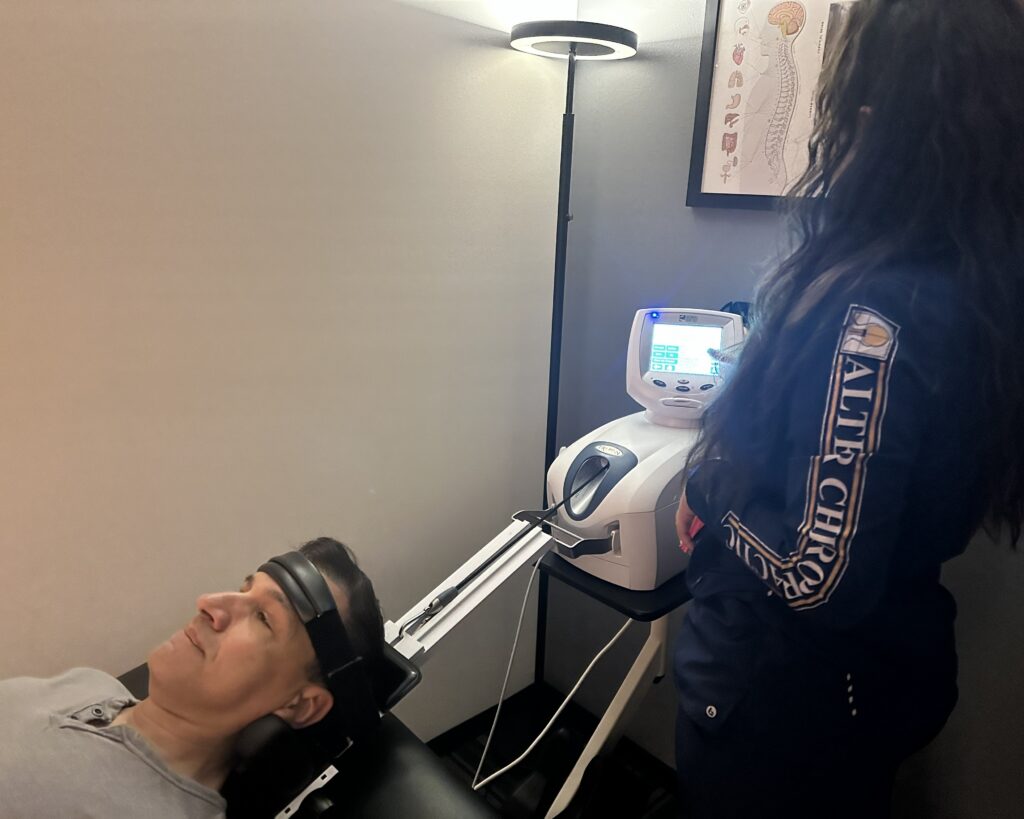

When it comes to managing headaches, many people often reach for over-the-counter medications for quick relief. However, there are several natural alternatives that can effectively address headaches without relying on pills. As a chiropractor, I believe that understanding the underlying causes of your discomfort is key to finding the right solutions.
One of the most effective methods is chiropractic care. It focuses on the alignment of your spine and the overall health of your nervous system, which can greatly influence headache frequency and intensity. Regular chiropractic adjustments can help relieve tension, improve posture, and enhance spinal function, all of which play a vital role in headache management.
In addition to chiropractic care, consider making some simple lifestyle changes. Here are a few tips to help you manage headaches naturally:
- Stay Hydrated: Dehydration can trigger headaches, so make sure you’re drinking enough water throughout the day.
- Maintain a Balanced Diet: Certain foods may contribute to headaches. Keeping a food diary can help you identify potential triggers and encourage a diet rich in fruits, vegetables, and whole grains.
- Manage Stress: Stress is a common headache trigger. Incorporating relaxation techniques such as deep breathing, meditation, or yoga can help alleviate tension and reduce the likelihood of headaches.
- Regular Exercise: Physical activity can improve circulation and reduce stress. Aim for regular, moderate exercise to keep your body and mind healthy.
- Get Enough Sleep: Poor sleep can lead to increased headache frequency. Establish a regular sleep schedule and create a calming bedtime routine to improve your sleep quality.
- Posture Awareness: Poor posture can strain the muscles in your neck and shoulders, leading to tension headaches. Be mindful of your posture, especially if you spend long hours at a desk.
By exploring these natural options, you can take control of your headache management and improve your overall well-being. Remember, chiropractic care is a holistic approach that not only addresses headaches but also promotes optimal health. If you’re struggling with headaches, consider scheduling a consultation to discuss how chiropractic adjustments can help you find relief and enhance your quality of life.
Key Takeaways
Chiropractic adjustments are a natural and effective way to improve spinal alignment, which can significantly reduce the frequency and intensity of headaches. By focusing on holistic methods, chiropractic care addresses the root causes of headaches rather than just masking the symptoms.
Staying well-hydrated is key in preventing headaches caused by dehydration. Aim to drink at least eight 8-ounce glasses of water each day. This simple habit can make a big difference in your overall health and help keep headaches at bay.
Managing stress is also crucial for headache relief. Techniques such as deep breathing exercises, mindfulness meditation, and engaging in hobbies you love can help minimize headache triggers. These practices not only support your mental well-being but can also enhance the benefits of chiropractic care.
Alternative therapies like acupuncture and essential oils can provide natural relief as well. These methods target specific pressure points and utilize calming properties that complement the adjustments you receive during chiropractic visits.
Keeping a headache diary is a practical tool for identifying your personal triggers. By noting when headaches occur and what may have contributed to them, you can learn to avoid certain situations or habits. This proactive approach to headache management can lead to an overall improvement in your wellness and quality of life.
In summary, chiropractic care stands out as a powerful option for those seeking natural pain relief and optimal health. By integrating hydration, stress management, alternative therapies, and self-awareness into your routine, you can take significant strides toward headache-free living.
Understanding Different Types of Headaches
When you experience a headache, it’s important to recognize that not all headaches are created equal. Understanding the different types can help you find the most effective relief, and chiropractic care can play a vital role in your journey to wellness.
For instance, tension headaches are common and often present as a dull, aching sensation with tightness around the forehead. These headaches can stem from stress or poor posture, issues that chiropractic adjustments can address. By correcting spinal alignment and improving posture, you may reduce the frequency and intensity of tension headaches.
Migraines, on the other hand, can cause intense, throbbing pain, often accompanied by nausea or sensitivity to light and sound. While these can be challenging, chiropractic care may help by targeting the underlying issues related to spinal alignment and muscle tension, providing a natural approach to managing symptoms.
Then there are cluster headaches, known for their severe pain that often occurs around one eye. Although they can be debilitating, chiropractic adjustments may help alleviate tension in the neck and shoulders, potentially reducing the severity and frequency of these headaches.
Sinus headaches typically arise from sinus infections or congestion and manifest as pressure and pain in your face. Regular chiropractic care can promote better overall health, including improved immune function, which may help prevent sinus-related issues.
As you navigate the world of headaches, it’s essential to pay attention to your body’s signals. Keeping a headache diary can help you identify triggers and patterns, guiding you in your healing journey.
Additionally, incorporating stress-reduction techniques such as deep breathing, regular exercise, and maintaining good posture can further support your well-being.
Remember, chiropractic care offers a natural and effective way to manage headaches and promote overall health. By addressing the root causes through spinal adjustments and holistic practices, you can pave the way for a pain-free life.
Embrace your path to wellness and consider chiropractic care as a key component in achieving optimal health.
The Role of Hydration in Headache Relief
Staying hydrated is crucial for preventing headaches, as even mild dehydration can lead to discomfort. If you’re experiencing symptoms like dry mouth or fatigue, it’s your body’s way of signaling that it needs more water.
As a chiropractor, I understand the importance of overall wellness, and hydration plays a significant role in maintaining a healthy spine and nervous system, which can ultimately help alleviate headache pain.
To help you keep your hydration levels balanced and support headache relief, here are some practical tips:
- Drink Water Regularly: Aim to drink water throughout the day, rather than waiting until you feel thirsty. Keeping a water bottle with you can serve as a good reminder.
- Infuse Your Water: If plain water isn’t appealing, try infusing it with fruits like lemon, cucumber, or berries for a refreshing twist.
- Eat Hydrating Foods: Incorporate fruits and vegetables with high water content into your meals, such as watermelon, cucumbers, and oranges. They can contribute to your daily hydration needs.
- Set Reminders: Use your phone or a timer to remind you to take a sip of water every hour. This can help you establish a consistent hydration routine.
- Limit Dehydrating Beverages: Be mindful of drinks that can lead to dehydration, such as those high in caffeine or sugar. Moderation is key.
- Listen to Your Body: Pay attention to your body’s signals. If you start to feel tired or notice a dry mouth, take a moment to hydrate.
By prioritizing hydration, you can support your overall health and help reduce the frequency and intensity of headaches.
Remember, chiropractic care also plays a vital role in your wellness journey. Regular adjustments can help improve your spinal alignment and nervous system function, which can further assist in pain relief and promote a healthier lifestyle.
If you’re struggling with headaches, consider scheduling a consultation to explore how chiropractic care can benefit you.
Importance of Water Intake
Hydration is crucial for maintaining overall health and can significantly aid in headache relief. Even mild dehydration can lead to discomfort, as your brain may temporarily shrink from fluid loss, resulting in pain. To help prevent headaches, it’s important to drink enough water throughout the day. A simple tip is to keep a water bottle with you as a reminder to sip regularly.
Often, you may not feel thirsty until it’s too late, so making it a habit to drink consistently is beneficial. Additionally, incorporating hydrating foods like fruits and vegetables into your diet can enhance your water intake, providing extra nourishment along the way.
As each person’s hydration needs can vary, it’s essential to listen to your body. By staying well-hydrated, you can help reduce the frequency and intensity of headaches, which in turn can improve your overall well-being.
Dehydration Symptoms to Watch
Recognizing the symptoms of dehydration is essential, especially when it comes to managing headaches. When your body is lacking adequate fluids, you may notice signs such as a dry mouth, fatigue, or dizziness. These symptoms are your body’s way of communicating that it needs hydration. A sudden increase in thirst is a clear signal to drink water, as dehydration can often lead to tension headaches or migraines.
Other indicators of dehydration include dark urine and infrequent bathroom trips. These signs shouldn’t be overlooked; they’re reminders to replenish your fluids. Staying vigilant about your hydration levels is crucial for your overall well-being and can significantly help alleviate headache discomfort.
In addition to drinking water, consider incorporating hydrating foods into your diet, such as fruits and vegetables. They not only provide hydration but also essential nutrients that support your body’s functions.
Remember, proper hydration can enhance not just your physical health but also your spinal health, which is vital to maintaining a well-aligned body.
As a chiropractor, I encourage you to focus on your overall wellness. Staying hydrated is just one piece of the puzzle. Regular chiropractic adjustments can also help relieve tension and stress in your body, which can contribute to headaches.
Optimal Hydration Strategies
Water is your best ally when it comes to preventing and alleviating headaches, and staying hydrated is essential for your overall wellness. Proper hydration helps maintain your body’s balance, which can reduce the chances of experiencing headaches.
Here are some effective hydration strategies you can easily incorporate into your daily routine:
- Drink water consistently throughout the day. Aim for at least eight 8-ounce glasses, but listen to your body—thirst is a great guide!
- Carry a reusable water bottle with you to encourage yourself to sip regularly. Keeping it handy serves as a reminder to hydrate.
- Incorporate water-rich foods into your diet. Foods like cucumbers, watermelon, and oranges not only taste great but also contribute to your hydration.
- Be mindful of caffeine and alcohol consumption, as these can lead to dehydration. Moderation is key for your health.
- Check your urine color; a pale yellow usually indicates that you’re well-hydrated. This simple tip helps you assess your hydration status easily.
While hydration is crucial, don’t forget that chiropractic care can also play a significant role in your overall health.
By ensuring your spine is aligned, you can enhance your body’s ability to function optimally, including promoting better hydration and reducing headache frequency.
Focusing on natural healing and healthier living through chiropractic can lead to lasting pain relief and improved well-being. Always consider integrating chiropractic care into your health routine for optimal results.
Dietary Modifications to Consider
When it comes to managing headaches, what you eat and drink plays a vital role in your overall wellness, including your spinal health. As a chiropractor, I believe that addressing your lifestyle choices can significantly impact the frequency and intensity of headaches.
Staying well-hydrated is crucial, as dehydration can lead to increased discomfort. Make sure to drink plenty of water throughout the day to keep your body functioning optimally.
It’s also important to be mindful of potential trigger foods that might be contributing to your headaches. Common culprits can include processed foods, excessive caffeine, and certain aged cheeses. By identifying and avoiding these triggers, you can help reduce the likelihood of headaches occurring.
On the flip side, incorporating nutrient-rich foods into your diet can support not only your overall health but also the health of your spine. Foods rich in omega-3 fatty acids, such as fish and flaxseeds, can help reduce inflammation, while plenty of fruits and vegetables provide essential vitamins and minerals for overall wellness.
Remember, chiropractic care is a natural and effective way to address pain and promote healing. Regular adjustments can help align your spine, improve your posture, and reduce tension in your body, which may also aid in minimizing headache occurrences.
Hydration and Headache Connection
Staying hydrated is crucial for overall wellness, and it can significantly help in preventing headaches. As a chiropractor, I understand that even mild dehydration can lead to discomfort and tension, which can affect your spinal health and overall well-being.
You mightn’t always be aware of how much water your body truly needs, but maintaining proper hydration can greatly reduce the frequency and intensity of headaches, ultimately supporting your spinal health and natural healing processes. Here are some simple tips to enhance your hydration habits and promote wellness:
- Always carry a reusable water bottle with you. This makes it easy to sip water throughout your day and encourages consistent hydration.
- Set reminders on your phone to drink water regularly. Keeping your body hydrated is essential, and small reminders can make a big difference.
- Include water-rich foods in your diet, such as cucumbers, watermelon, and oranges. These not only hydrate but also provide essential nutrients that support your overall health and vitality.
- Be mindful of your consumption of caffeinated and alcoholic beverages, as they can lead to dehydration. Opting for herbal teas or infused waters can be great alternatives.
- Aim for at least 8 glasses of water each day, but remember to adjust this amount based on your activity level and the climate. Staying well-hydrated supports your body’s natural healing processes and can complement the benefits of chiropractic care.
By prioritizing hydration, you’re taking a proactive step towards reducing headaches and enhancing your overall health.
Trigger Foods to Avoid
Identifying and avoiding certain trigger foods can be an important part of managing headaches, and as a chiropractor, I want to help you find natural ways to alleviate your discomfort. Common headache triggers include aged cheeses, processed meats, and foods with MSG or artificial sweeteners.
Additionally, you may want to consider reducing your consumption of chocolate, caffeine, and alcohol, as these can lead to headache episodes for some people.
To better understand how your diet impacts your headaches, I recommend keeping a food diary. This simple tool allows you to track what you eat and when headaches occur, helping you identify your personal triggers. Once you pinpoint these foods, consider eliminating them from your diet for a few weeks to see if your headaches improve.
Remember, everyone is unique, and what triggers headaches for one person mightn’t impact you at all. Staying mindful of your eating habits is key to finding what works best for you.
Alongside these dietary adjustments, regular chiropractic care can also play a significant role in reducing headache frequency and intensity. By aligning your spine and supporting your overall health, chiropractic adjustments can help your body function optimally, potentially leading to fewer headaches over time.
Embrace these natural approaches for a healthier, pain-free life!
Nutrient-Rich Food Choices
Incorporating nutrient-rich foods into your diet can significantly enhance your overall well-being and support effective headache management. By choosing the right foods, you can help reduce the frequency and intensity of headaches, allowing you to experience a better quality of life.
Here are some healthful options to consider adding to your meals that align with your journey toward optimal health:
- Leafy Greens: Foods like spinach and kale are excellent sources of magnesium, a mineral known to help relax muscles and alleviate tension headaches. Adding these greens to your salads or smoothies can be an easy way to boost your magnesium intake.
- Fatty Fish: Salmon and other fatty fish are rich in omega-3 fatty acids, which have anti-inflammatory properties that can help reduce headache symptoms. Try grilling or baking fish for a nutritious meal.
- Whole Grains: Foods like quinoa and brown rice provide fiber, which supports digestive health and can help maintain stable blood sugar levels. This stability can play a role in preventing headaches triggered by fluctuations in blood sugar.
- Nuts and Seeds: Almonds and chia seeds are great sources of healthy fats and nutrients. Snacking on a handful or adding them to your meals can offer both nutrition and energy.
- Fresh Fruits: Berries and bananas are packed with antioxidants and potassium, which can aid in hydration and overall health. Incorporating these fruits into your diet can help combat oxidative stress and support your body’s functions.
Being mindful of your food choices can truly make a difference in your health journey.
Pair these nutrient-rich foods with plenty of water to stay hydrated, which is essential for preventing headaches.
As a chiropractor, I encourage you to consider how nutrition, combined with chiropractic care, can lead to natural relief from headache pain and contribute to your overall wellness.
By focusing on holistic approaches, you can work towards achieving optimal health without relying on medications or surgeries.
Stress Management Techniques
Headaches can arise from a variety of triggers, but effectively managing stress can significantly lessen their frequency and intensity. One technique that I often recommend to my patients is deep breathing. When you sense a headache approaching, take a moment to inhale deeply through your nose, allowing your diaphragm to expand, and then exhale slowly through your mouth. This simple practice can bring about a sense of calm and help your body and mind relax.
Mindfulness meditation is another powerful tool. Even dedicating just a few minutes to focus on your breath can help center your thoughts and alleviate tension. It’s a great way to cultivate awareness and promote a sense of inner peace.
Additionally, you might find progressive muscle relaxation beneficial. This method involves systematically tensing and relaxing different muscle groups in your body, which can lead to a profound sense of relaxation.
Don’t underestimate the benefits of journaling, either. Putting your thoughts and feelings on paper can provide clarity and significantly reduce anxiety. It’s a therapeutic way to process emotions and can be an effective outlet for stress.
Finally, remember to carve out time for hobbies you love. Engaging in activities that bring you joy not only serves as an excellent stress reliever but also promotes a balanced lifestyle.
While these techniques can be very helpful, incorporating regular chiropractic care into your routine can further enhance your overall wellness. Chiropractic adjustments can help align the spine, which may alleviate tension and improve your body’s ability to manage stress effectively.
The Benefits of Regular Exercise
Regular exercise is a vital component of maintaining not only physical fitness but also overall wellness. As a local chiropractor, I want to emphasize how engaging in regular physical activity can significantly contribute to alleviating headaches, a common issue many face. Exercise helps reduce stress and tension—two significant headache triggers—by promoting a natural sense of well-being.
Here are some key benefits of incorporating regular exercise into your routine:
- Improved Mood: Exercise stimulates the release of endorphins, which can elevate your mood and create a sense of happiness. This is essential in managing stress, which can lead to headaches.
- Enhanced Sleep Quality: Physical activity promotes deeper and more restorative sleep, helping your body recover and heal naturally.
- Increased Energy Levels: Regular movement boosts your energy, making daily activities feel less daunting and more enjoyable.
- Better Blood Circulation: Exercise enhances blood flow, improving the delivery of oxygen and nutrients throughout your body, which is crucial for overall health.
- Stronger Resilience: Regular activity builds your ability to cope with stress, making it easier to manage the triggers that could lead to headaches.
In addition to these benefits, chiropractic care plays a vital role in achieving optimal health and wellness. By aligning your spine and ensuring proper nerve function, chiropractors can enhance the effectiveness of your body’s natural healing processes. This can lead to not only reduced pain but also improved overall function.
To maximize the benefits of exercise and chiropractic care, consider these tips:
- Start Slow: If you’re new to exercise, begin with gentle activities like walking or stretching to avoid injury.
- Stay Consistent: Aim for at least 30 minutes of moderate exercise most days of the week to see the best results.
- Listen to Your Body: Pay attention to how your body feels during and after exercise. If you experience discomfort, consult your chiropractor for advice tailored to your needs.
- Combine Activities: Mix up your routine with cardiovascular workouts, strength training, and flexibility exercises to keep things interesting and beneficial for your body.
- Stay Hydrated: Drink plenty of water before, during, and after exercise to keep your body functioning optimally.
Incorporating regular exercise into your life, alongside chiropractic care, not only enhances your physical health but also equips you with effective tools to combat headaches and promote natural healing. Start moving today, and experience the myriad benefits that come with a healthier lifestyle!
Alternative Therapies: Acupuncture and Acupressure
If you’re looking for natural relief from headaches, chiropractic care is an excellent option to consider. While therapies like acupuncture and acupressure offer some benefits, they often address symptoms rather than the root cause of pain. Chiropractic care focuses on the spine and nervous system, which can significantly impact your overall health and well-being.
A chiropractor can help identify misalignments in your spine that may be contributing to your headaches. By using gentle adjustments, we can restore proper alignment and function, which can relieve tension and reduce pain. This holistic approach not only helps with headaches but also improves your overall health.
In addition to spinal adjustments, here are some general tips to help manage headaches naturally:
- Stay Hydrated: Dehydration can often trigger headaches, so make sure to drink plenty of water throughout the day.
- Maintain Good Posture: Poor posture can lead to tension in your neck and shoulders, contributing to headaches. Be mindful of your posture when sitting or standing.
- Practice Relaxation Techniques: Stress can be a major headache trigger. Techniques such as deep breathing, yoga, or meditation can help reduce stress levels.
- Get Regular Exercise: Physical activity can improve circulation and help prevent headaches. Aim for at least 30 minutes of moderate exercise most days.
- Sleep Well: Quality sleep is crucial for your overall health. Aim for 7-9 hours of restorative sleep each night.
If headaches are a frequent issue for you, consider visiting a chiropractor. Our goal is to help you achieve optimal health through natural methods, and we’re here to support you on your wellness journey.
Acupuncture Benefits Explored
As you seek relief from headaches, consider the benefits of chiropractic care as a natural and effective alternative to traditional medication. Chiropractic adjustments focus on aligning the spine, which can help alleviate tension and pressure that contribute to headaches. By promoting proper alignment and function, chiropractic care encourages your body’s natural healing processes.
Here are some key benefits of chiropractic care for headache relief:
- Reduces headache frequency and intensity through spinal adjustments
- Alleviates tension and stress, which are common headache triggers
- Promotes relaxation and a sense of well-being
- Improves blood circulation to the head and neck, supporting overall health
- Decreases your reliance on pain medications, allowing for a more natural approach to wellness
In addition to chiropractic adjustments, here are some general tips to help manage headaches:
- Stay hydrated: Drink plenty of water throughout the day to prevent dehydration, a common headache trigger.
- Maintain good posture: Pay attention to your posture, especially when sitting for long periods, as poor posture can lead to tension headaches.
- Practice relaxation techniques: Incorporate deep breathing, meditation, or gentle yoga into your routine to reduce stress and tension.
- Get enough sleep: Aim for 7-9 hours of quality sleep each night to help your body recover and reduce headache frequency.
- Regular exercise: Engage in regular physical activity to improve circulation and relieve tension in your muscles.
Acupressure Techniques Explained
While many people are familiar with acupuncture, acupressure is an excellent self-care technique that can effectively manage headaches and promote overall well-being. As a chiropractor, I believe in empowering individuals to take control of their health through natural methods.
Acupressure involves applying pressure to specific points on your body, which can relieve tension and improve circulation, ultimately supporting your spinal health.
To get started, you can locate the LI4 point, which is found between your thumb and index finger. Pressing firmly on this point for several minutes while taking deep breaths can help alleviate headache discomfort.
Another important point to target is GB20, located at the base of your skull. Gently massaging this area can further reduce pain and tension in your neck and head.
In addition to these points, you might find relief by using your fingertips to massage your forehead and temples. Regular practice of these acupressure techniques can help decrease the frequency and intensity of headaches, allowing you to embrace a healthier, medication-free lifestyle.
Remember, while acupressure can be a valuable tool, it’s essential to complement these practices with regular chiropractic care. Chiropractic adjustments can help ensure your spine is in alignment, which is crucial for optimal health and pain relief.
The Power of Essential Oils
Essential oils have become increasingly popular as natural remedies for various ailments, including headaches. While I wholeheartedly believe in the power of chiropractic care to help alleviate pain and promote overall wellness, incorporating essential oils into your routine can complement your healing journey.
Here are some essential oils that you might consider, along with how they can support your well-being:
- Peppermint: This invigorating oil is known for its cooling effect. It can help ease tension and improve circulation, which may provide relief from headache discomfort. Applying diluted peppermint oil to your temples can be a refreshing way to enhance relaxation.
- Lavender: Renowned for its calming properties, lavender is excellent for reducing anxiety and promoting better sleep. Good sleep is essential for spinal health, so consider using lavender oil in your bedtime routine to help you unwind.
- Eucalyptus: If sinus pressure contributes to your headaches, eucalyptus oil can be beneficial. It helps relieve congestion, which may alleviate some headache symptoms. A simple steam inhalation with eucalyptus oil can be a soothing practice.
- Rosemary: The stimulating scent of rosemary can enhance focus and reduce mental fatigue. Incorporating rosemary oil into your workspace may help keep your mind sharp and reduce stress, both of which are important for maintaining spinal health.
- Chamomile: Known for its soothing qualities, chamomile oil can assist in unwinding after a long day. Reducing stress is crucial for preventing tension headaches, so consider using chamomile oil in a warm bath or as part of your relaxation routine.
While these essential oils may provide some relief, remember that regular chiropractic care is key to addressing the underlying causes of headaches and ensuring your spine and nervous system function optimally.
By aligning your spine and improving your overall health, you can better manage pain and enhance your body’s natural healing abilities.
In addition to exploring essential oils, here are some general tips to keep in mind for headache prevention:
- Stay hydrated: Drink plenty of water throughout the day.
- Maintain good posture: Be mindful of your posture, especially if you spend long hours at a desk.
- Take breaks: Allow yourself regular breaks to stretch and move, particularly if you’re working on a computer.
- Practice relaxation techniques: Incorporate deep breathing, meditation, or yoga into your daily routine to reduce stress.
Mindfulness and Meditation Practices
Incorporating mindfulness and meditation practices into your daily routine can greatly enhance your overall well-being, especially when it comes to managing headaches and stress. These techniques allow you to focus on the present moment, helping to alleviate anxiety and physical tension, which are often contributors to headaches.
As a chiropractor, I want to emphasize that while chiropractic care is a powerful tool for addressing pain and promoting natural healing, complementing it with mindfulness practices can provide even greater benefits. By reducing stress and tension in your body, you may find that your chiropractic adjustments work more effectively.
Here are a few accessible techniques you can try, all of which can be easily integrated into your day:
| Technique | Benefits | Duration |
|---|---|---|
| Deep Breathing | Reduces tension and stress | 5-10 minutes |
| Guided Meditation | Enhances relaxation | 10-20 minutes |
| Mindful Walking | Increases awareness | 10-30 minutes |
| Body Scan Meditation | Promotes body awareness | 10-15 minutes |
Just a few minutes each day dedicated to these practices can lead to significant improvements in how you feel. Remember, chiropractic care works best when your body is relaxed and free from unnecessary tension. By practicing mindfulness, you can enhance your overall health and find relief from headaches naturally.
Start today, and you may notice that not only do your headaches improve, but your overall stress levels decrease as well! Embrace these simple practices along with your chiropractic care for optimal health and wellness.
Maintaining a Healthy Sleep Routine
How can a healthy sleep routine impact your headache management? Establishing a consistent sleep schedule can significantly reduce the frequency and intensity of headaches. Quality sleep allows your body to recover, manages stress levels, and helps balance hormones—key factors in preventing headaches.
As a chiropractor, I encourage my patients to prioritize their sleep as part of their holistic approach to health. Here are some straightforward tips to help you create a healthy sleep routine:
- Set a consistent bedtime: Aim to go to bed and wake up at the same time every day, including weekends. This helps regulate your body’s internal clock.
- Create a calming environment: Make your bedroom a restful sanctuary. Keep it dark, cool, and quiet to encourage deep, restorative sleep.
- Limit screen time: Try to avoid electronic devices at least an hour before bedtime. The blue light from screens can interfere with your ability to fall asleep.
- Practice relaxation techniques: Engage in calming activities before bed, such as reading a book or doing gentle stretching. This can help signal to your body that it’s time to wind down.
- Watch your caffeine intake: Be mindful of how much caffeine you consume, especially in the afternoon. Reducing caffeine can help prevent disruptions to your sleep, leading to fewer headaches.
Incorporating these simple strategies into your routine can enhance your sleep quality and, as a result, may help alleviate headaches.
When to Seek Professional Help
Even with a solid sleep routine and other preventive measures, there are times when headaches persist or worsen, indicating that it may be time to explore natural solutions. If you find that your headaches are becoming more frequent, lasting longer than usual, or are more intense than before, consider visiting a chiropractor who specializes in holistic health and wellness. Chiropractic care can help address the root causes of your headaches, often leading to effective relief without the need for medications or invasive procedures.
If over-the-counter pain relievers aren’t providing the relief you seek, it’s a good idea to consult with a chiropractor. They can offer personalized care and treatment options that focus on spinal alignment and overall body wellness. Additionally, if you experience troubling symptoms like vision changes, weakness, or confusion, it’s essential to reach out for professional assistance to ensure your health is prioritized.
Remember, headaches that disrupt your daily activities or sleep shouldn’t be ignored. A chiropractor can help identify underlying issues, provide effective treatments, and guide you toward a path of natural healing. Taking proactive steps towards your health is a sign of strength, not weakness. Trust your instincts—if something feels off, don’t hesitate to reach out for the support you deserve. Your well-being is important, and chiropractic care is a fantastic choice for achieving optimal health and wellness.
In the meantime, consider some general tips to help manage headaches naturally: stay hydrated, maintain good posture, incorporate regular physical activity, and practice relaxation techniques like deep breathing or yoga. These small changes can have a big impact on your overall health and help minimize headache occurrences.
Conclusion
Incorporating non-medication options into your headache management can significantly enhance your well-being, and chiropractic care stands out as a top choice for natural relief. Understanding your headache type is crucial, and a chiropractor can help identify the underlying causes related to your spine and nervous system. Staying hydrated and making mindful dietary changes can also play a vital role in reducing headaches.
Don’t underestimate the benefits of stress management techniques, such as deep breathing and gentle stretches, which can be incorporated into your daily routine. Regular exercise, especially activities that promote spinal health like yoga or walking, is essential for overall wellness and can help alleviate tension-related headaches.
Essential oils can provide additional comfort, but remember that maintaining a healthy sleep routine is equally important. Quality sleep supports your body’s healing processes and can reduce headache frequency.
If your headaches persist or worsen, seeking guidance from a chiropractor can provide you with tailored strategies and adjustments to restore balance and alleviate pain. You’re not alone in this journey; there are plenty of natural ways to feel better and achieve optimal health!