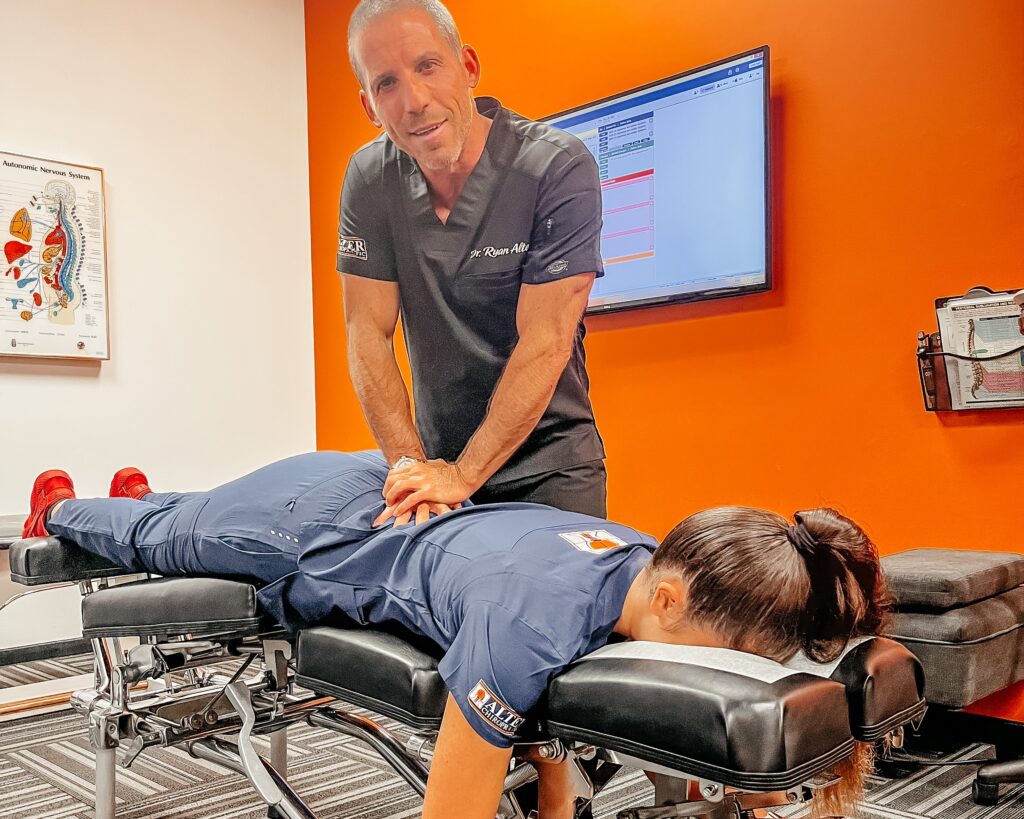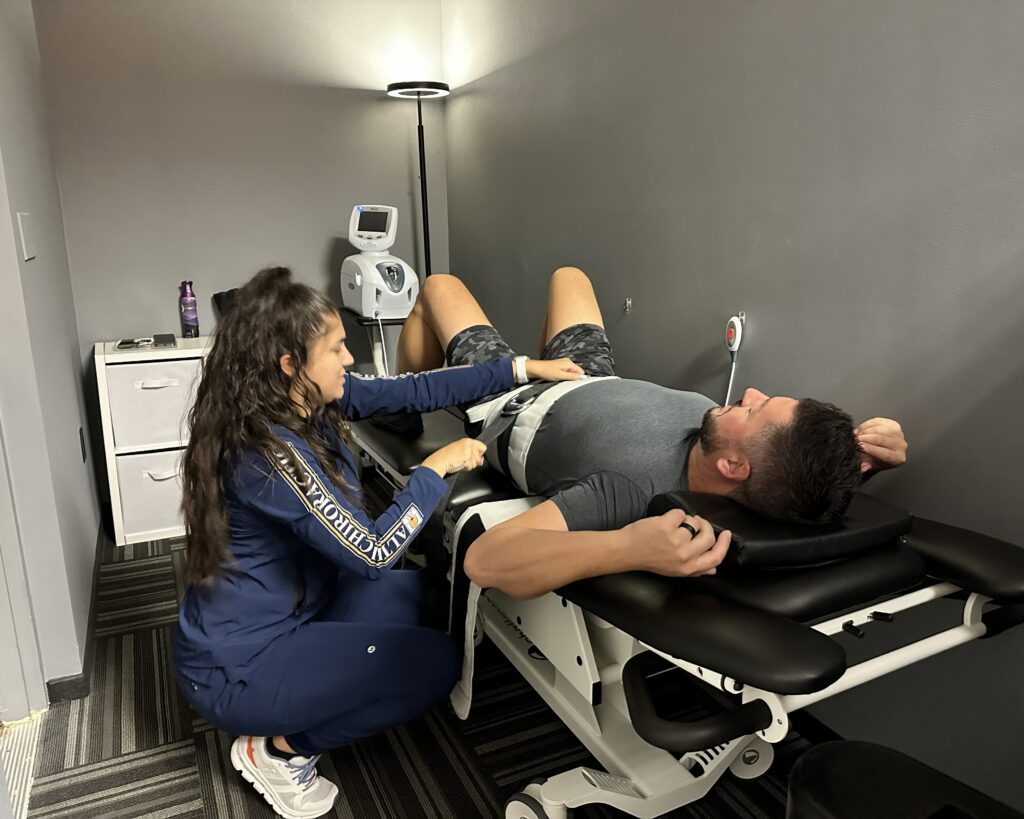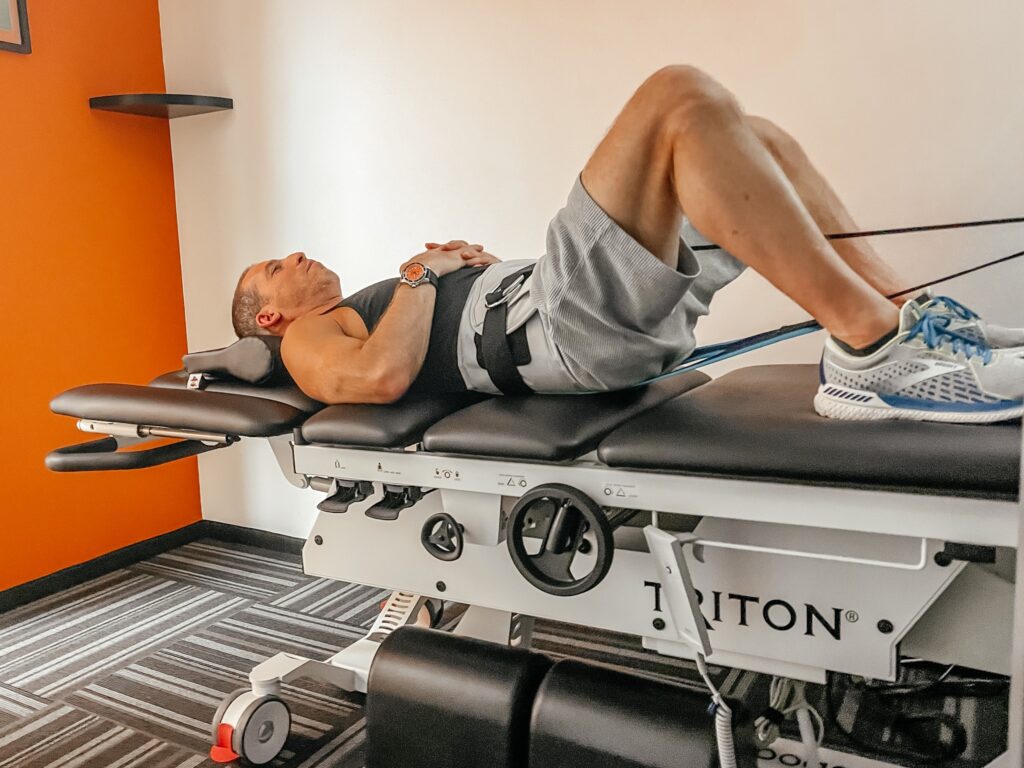

You might be surprised to learn how non-invasive stress relief techniques can greatly enhance your life. These methods not only improve mental clarity and emotional resilience but also promote physical well-being and relaxation. By integrating practices like yoga or mindful breathing into your routine, you could find yourself steering through daily challenges with greater ease. But what specific benefits do these techniques offer, and how can they transform your overall well-being? The answers could lead to a healthier, more balanced lifestyle.
Enhances Mental Clarity
Many people find that non-invasive stress relief techniques can greatly enhance mental clarity. When you engage in practices like mindfulness meditation or deep breathing exercises, you're clearing away mental fog and sharpening your focus. These techniques allow you to center your thoughts, enabling you to approach tasks with renewed vigor and clarity.
Imagine sitting quietly for just a few minutes each day, focusing on your breath. As you do, you'll notice distractions slipping away. This simple act helps you develop a greater awareness of the present moment, making it easier to concentrate on what truly matters. You'll find that, as your mind quiets, your ability to think critically and creatively improves.
Incorporating regular stress relief techniques into your routine can also help reduce anxiety, which often clouds your judgment. When you manage stress effectively, you create mental space for better decision-making and problem-solving. You'll likely find that you're more productive and engaged in your daily activities, whether at work or home.
Additionally, as you practice these techniques, you're training your brain to respond more calmly to stressful situations. This mental resilience not only enhances your clarity but also empowers you to tackle challenges with confidence.
You'll notice that tasks that once felt overwhelming become manageable as your mental clarity improves. By prioritizing non-invasive stress relief, you're setting the stage for a more focused and fulfilling life. Embrace these techniques, and watch your mental clarity soar.
Promotes Physical Well-Being
Non-invasive stress relief techniques, like yoga and tai chi, not only calm your mind but also promote physical well-being. These practices enhance your body's flexibility, strength, and balance. When you engage in these activities, you're not just relaxing; you're also giving your muscles a workout. This combination helps prevent injuries and improves overall physical health.
As you practice, you'll notice an increase in blood circulation, which is important for delivering oxygen and nutrients to your cells. Better circulation supports your organs and enhances your immune system, making you less susceptible to illness.
Additionally, these techniques encourage deep breathing, which can lower blood pressure and reduce tension throughout your body. You might also experience improved posture and alignment from regular practice. Good posture plays a key role in reducing strain on your muscles and joints, leading to less discomfort and a lower risk of chronic pain.
Over time, you'll find that staying active becomes more enjoyable and less intimidating. Incorporating non-invasive stress relief methods into your routine can lead to better sleep patterns as well. Quality sleep is essential for recovery and overall health, allowing your body to heal and rejuvenate.
Plus, as you relieve stress, you'll likely notice an increase in your energy levels, making it easier to tackle daily tasks and activities.
Increases Emotional Resilience
Engaging in non-invasive stress relief practices can greatly boost your emotional resilience. When you take the time to calm your mind and body, you're better equipped to handle life's challenges. Instead of feeling overwhelmed by stressors, you'll find that you can bounce back more quickly from setbacks. This shift in your emotional response can lead to a more positive outlook on life.
Here are three ways non-invasive stress relief enhances your emotional resilience:
- Mindfulness and Meditation: Practicing mindfulness or meditation helps you stay present and aware. By focusing on the moment, you reduce anxiety about the future and regrets about the past. This clarity allows you to respond to situations with a calm and rational mindset.
- Breathing Techniques: Simple breathing exercises can have a profound impact on your emotional state. When you consciously slow your breath, you activate your body's relaxation response, which helps to lower stress levels. This technique empowers you to stay calm under pressure, enhancing your ability to cope with difficult emotions.
- Physical Activity: Engaging in regular physical activity releases endorphins, which are natural mood lifters. Whether it's a brisk walk or a yoga class, movement helps you process emotions and improves your overall mood. By incorporating exercise into your routine, you'll find yourself more resilient in the face of stress.
Building emotional resilience through non-invasive stress relief practices is a powerful tool that can greatly improve your quality of life.
Boosts Overall Relaxation
Building on the emotional resilience gained from non-invasive stress relief practices, you'll also notice a significant boost in your overall relaxation. When you engage in activities like meditation, deep breathing, or gentle yoga, you create an environment that nurtures calmness and serenity. These practices help you disconnect from daily stressors, allowing your mind and body to unwind.
As you incorporate non-invasive stress relief techniques into your routine, you may find that your muscles relax and tension dissipates. This physical relaxation can lead to a more peaceful state of mind, making it easier for you to let go of worries and anxieties. You might even start to enjoy the simple pleasures in life more fully, appreciating the beauty around you.
Additionally, non-invasive practices often encourage mindfulness, which can enhance your ability to stay present in the moment. By focusing on your breath or the sensations in your body, you cultivate a greater awareness of your surroundings, which can further enhance your sense of relaxation. This shift in focus allows you to step away from the chaos of everyday life, granting you a much-needed respite.
With consistent practice, you'll likely notice that your overall relaxation improves, making it easier to manage stress when it arises. You'll feel more grounded and centered, equipping you to face challenges with a clearer mindset. Embracing non-invasive stress relief not only helps you relax but also nurtures a healthier, more balanced lifestyle.
Improves Sleep Quality
A good night's sleep is essential for maintaining overall well-being, and incorporating non-invasive stress relief techniques can greatly improve your sleep quality.
When you're feeling stressed, your mind races, making it hard to unwind and drift off. Non-invasive methods like mindfulness, deep breathing, and gentle yoga can help calm your thoughts and prepare your body for rest.
Here are three effective techniques you can easily integrate into your nightly routine:
- Mindfulness Meditation: Spend a few minutes focusing on your breath and being present in the moment. This practice helps reduce anxiety and promotes relaxation, making it easier for you to fall asleep.
- Deep Breathing Exercises: Try the 4-7-8 technique: inhale for 4 seconds, hold for 7 seconds, and exhale for 8 seconds. This slows your heart rate and calms your nervous system, helping you relax before bed.
- Gentle Yoga: Engaging in gentle yoga stretches before sleep can release tension in your muscles and soothe your mind. Poses like Child's Pose or Legs-Up-the-Wall can be particularly effective for winding down.
Conclusion
Incorporating non-invasive stress relief techniques into your routine can greatly enhance your life. You'll find that your mental clarity sharpens, physical well-being improves, and emotional resilience strengthens. These practices not only boost relaxation but also lead to better sleep quality, allowing you to face daily challenges with ease. By embracing these methods, you're nurturing a healthier, more balanced lifestyle that can truly transform how you feel and function every day.