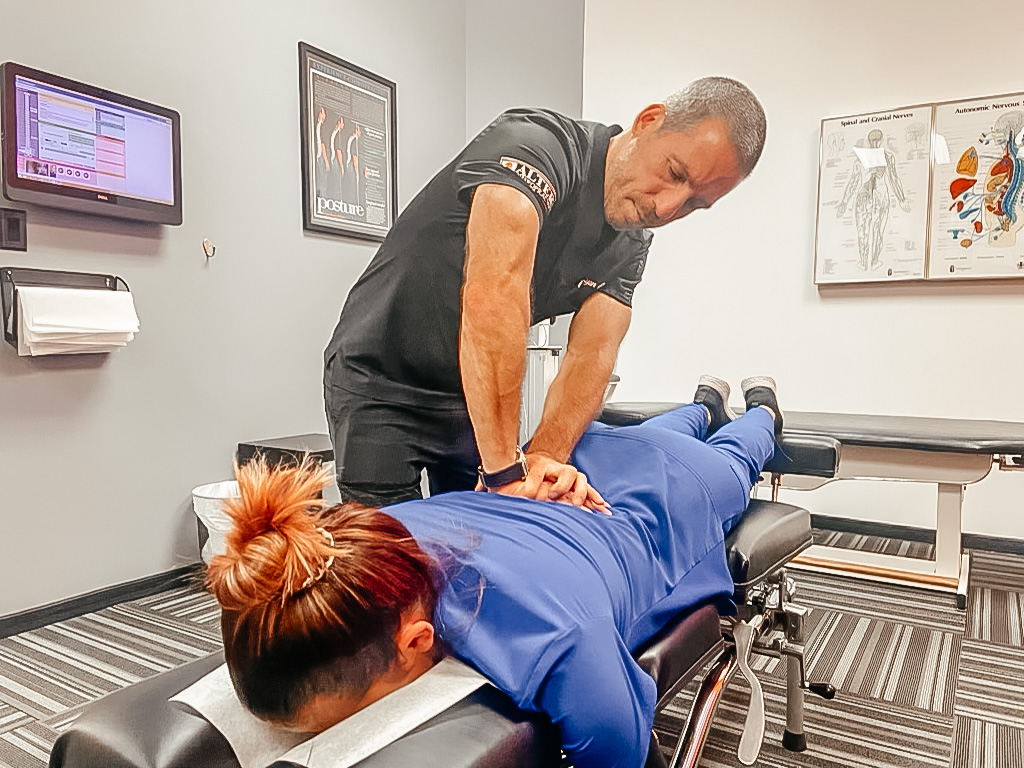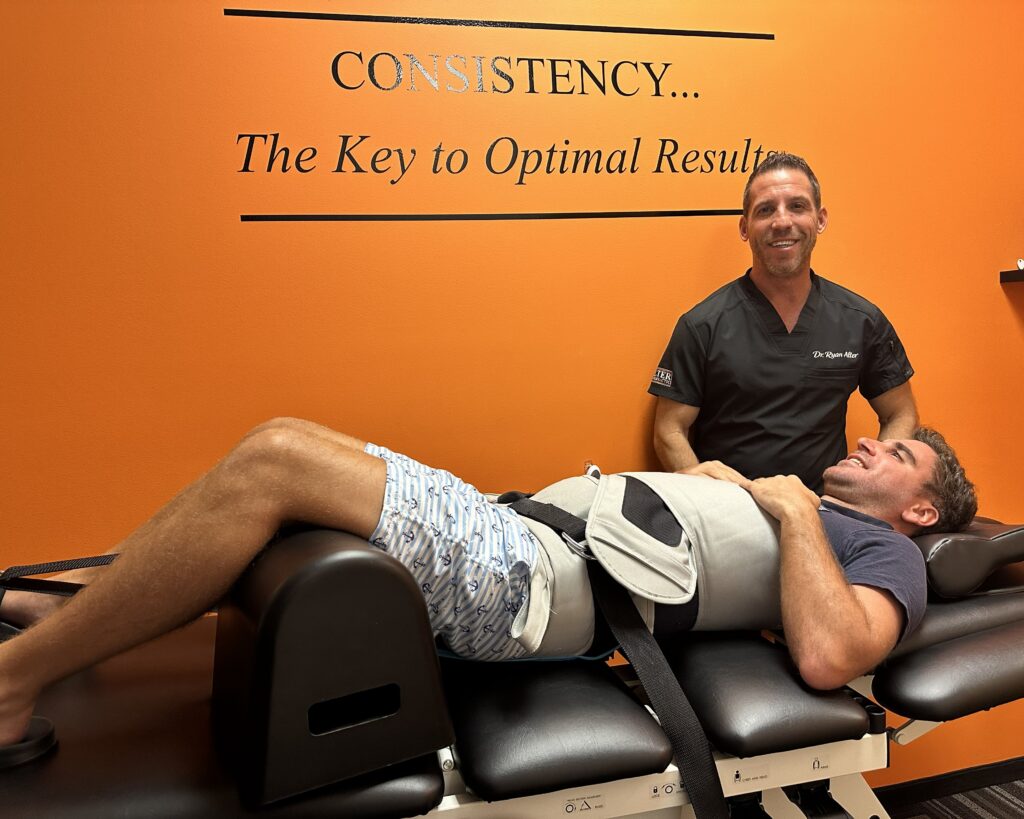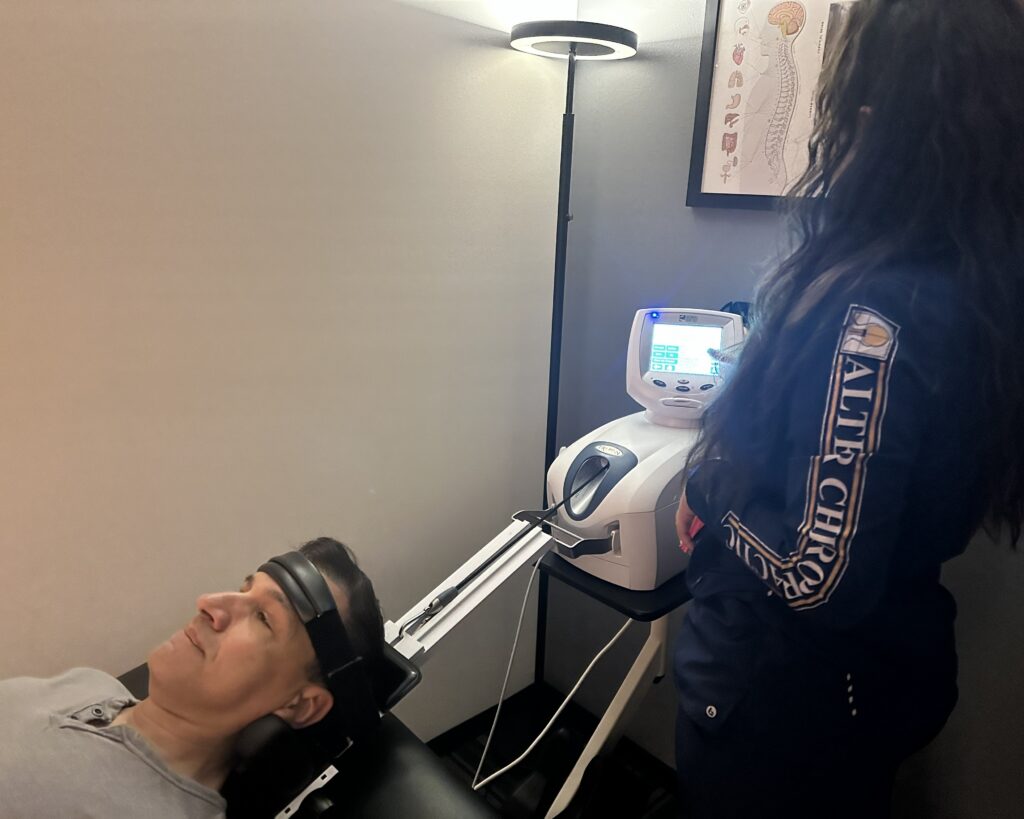

When you consider your healthcare options, personalized care often emerges as the most effective choice. It's not just about treating symptoms; it's about understanding your unique needs and preferences, which leads to tailored treatment plans that resonate with you. This approach fosters a deeper connection with your healthcare provider, enhancing your engagement and satisfaction. But what really drives the success of personalized care? Understanding the finer details might reveal surprising insights that could transform your perspective on health management.
Tailored Treatment Plans
When it comes to healthcare, everyone deserves a plan that fits their unique needs. Tailored treatment plans are essential in achieving ideal health outcomes. Instead of a one-size-fits-all approach, you should expect a customized strategy that takes into account your medical history, lifestyle, and personal preferences. This way, your healthcare provider can develop a thorough plan that truly resonates with you.
Imagine walking into a clinic where the physician knows you inside and out. They consider not just your symptoms but also how your environment and daily habits influence your health. With this understanding, they can create a treatment plan that's realistic and sustainable. You won't feel overwhelmed by unrealistic goals or generic advice. Instead, you'll find a clear path to wellness that feels attainable.
Your treatment plan might include specific medications, lifestyle changes, or alternative therapies, all chosen with your unique situation in mind. Regular check-ins guarantee that the plan evolves as your needs change, providing you with the flexibility to adjust as necessary.
Additionally, a tailored treatment plan encourages active participation from you. You're not just a passive recipient of care; you're an active partner in your health journey. This engagement leads to better adherence to the plan and, ultimately, improved outcomes.
With a focus on your individuality, tailored treatment plans bring you closer to achieving your health goals and living your best life.
Enhanced Patient Engagement
Tailored treatment plans set the stage for enhanced patient engagement, where you take an active role in your healthcare. When your treatment plan reflects your unique needs, preferences, and lifestyle, you're more likely to feel invested in the process. You're not just a passive recipient of care; instead, you become a partner in your health journey.
This engagement goes beyond simply following a doctor's orders. With a personalized approach, you're encouraged to ask questions, voice concerns, and express your thoughts about your treatment. You might find yourself motivated to learn more about your condition, seek out additional resources, or even share your experiences with others. This level of involvement fosters a deeper understanding of your health, which can lead to more informed decisions.
Additionally, when healthcare providers create a supportive environment, you're more likely to feel comfortable discussing your goals and preferences. This open dialogue not only strengthens the relationship between you and your provider but also guarantees that your care aligns with your values. You're empowered to take charge, making choices that resonate with your personal beliefs and lifestyle.
Ultimately, enhanced patient engagement allows you to feel more in control of your health. By actively participating in your care, you cultivate a sense of ownership that's essential for maneuvering the complexities of healthcare. It's about building a partnership that prioritizes your needs and drives you toward better health.
Improved Health Outcomes
When you receive tailored treatment plans, you're more likely to see improved health outcomes.
This personalized approach not only enhances your engagement but also fosters proactive health management.
Tailored Treatment Plans
Crafting personalized treatment plans can markedly enhance health outcomes for patients. When healthcare providers tailor their approach to your unique needs, they're more likely to address the root causes of your health issues. This means you're not just receiving a one-size-fits-all solution; instead, you benefit from a strategy that considers your specific medical history, lifestyle, and preferences.
With tailored treatment plans, you can experience improved symptom management and a better overall quality of life. For example, if you have a chronic condition, your healthcare team can adjust your medications based on how your body responds, minimizing side effects while maximizing effectiveness. This proactive approach often leads to faster recovery times and the prevention of complications.
Moreover, when your treatment plan is designed just for you, it fosters a sense of ownership over your health. You're more likely to adhere to a plan that resonates with your goals and circumstances. This commitment can lead to greater success in achieving desired health outcomes, reinforcing the value of personalized care.
Fundamentally, tailored treatment plans empower you to take charge of your health, driving better results and enhancing your overall well-being.
Enhanced Patient Engagement
Engaging actively in your healthcare journey greatly boosts your health outcomes. When you take an active role in your care, you're more likely to understand your health conditions, treatments, and the importance of following your personalized plan. This involvement helps you make better decisions, leading to improved results.
Communicating openly with your healthcare provider is essential. Ask questions, express concerns, and share your preferences. This dialogue fosters a partnership that not only empowers you but also guarantees your care aligns with your unique needs. When you're engaged, you're more likely to adhere to treatment recommendations, attend follow-up appointments, and participate in necessary lifestyle changes.
Additionally, being involved in your health management can improve your motivation and satisfaction. When you see how your actions directly influence your wellbeing, it inspires you to stay committed to your goals. Engaged patients often experience fewer complications, reduced hospitalizations, and better overall health.
In essence, enhancing your engagement in the healthcare process can lead to more favorable outcomes. By actively participating, you're not just a passive recipient of care; you become a significant partner in your health journey, paving the way for a healthier future.
Proactive Health Management
Proactive health management is essential for achieving better health outcomes. By taking charge of your health, you can prevent complications and improve your overall well-being. This approach emphasizes early detection and intervention, allowing you to address potential issues before they escalate into serious problems.
When you engage in proactive health management, you're not just waiting for symptoms to arise. Instead, you're actively monitoring your health through regular check-ups, screenings, and lifestyle adjustments. This means you're more likely to catch conditions like diabetes or hypertension early, enabling you to take corrective actions sooner.
Additionally, personalized care plays a significant role in this proactive strategy. By tailoring your health plan to your unique needs, you can focus on what's most relevant to you. Whether it's dietary changes, exercise routines, or medication management, these personalized approaches empower you to make informed decisions about your health.
Ultimately, proactive health management fosters a sense of control over your health journey. By staying ahead of potential issues, you not only enhance your current quality of life but also pave the way for a healthier future.
Embrace this proactive mindset, and you'll likely see significant improvements in your health outcomes.
Stronger Patient-Provider Relationships
How can stronger patient-provider relationships enhance your healthcare experience? When you build a solid connection with your healthcare provider, it creates an environment where you feel comfortable sharing your concerns and discussing your health openly. This trust allows you to express your symptoms and experiences more freely, enabling your provider to understand your needs better.
You're more likely to receive tailored advice and treatment options when you've established a rapport with your provider. They'll know your medical history, preferences, and lifestyle, which helps them make informed decisions that suit you.
Strong patient-provider relationships encourage active participation in your care, making you feel empowered and involved in the decision-making process. This collaboration can lead to more effective treatment plans that resonate with you personally.
Additionally, when you have a trusted relationship with your provider, you're more likely to follow through with recommended treatments and lifestyle changes. You'll feel more motivated to adhere to your care plan, knowing that your provider is genuinely invested in your well-being.
Regular communication fosters a sense of partnership, where both you and your provider work together toward common health goals.
In essence, a strong relationship with your provider transforms healthcare from a transactional experience into a collaborative journey. It not only enhances your understanding of your health but also builds a foundation for better outcomes.
Greater Satisfaction and Trust
When you experience enhanced relationships with your healthcare provider, it's easier to trust their recommendations.
Tailored treatment approaches make you feel valued and understood, leading to greater satisfaction with your care.
This connection not only improves your health outcomes but also fosters a sense of partnership in your healthcare journey.
Enhanced Patient Relationships
While building a strong patient relationship may seem challenging, it's essential for fostering greater satisfaction and trust in healthcare settings. When you engage with your patients on a personal level, you create an environment where they feel valued and understood. This connection encourages open communication, allowing patients to voice their concerns and ask questions without hesitation.
Trust is built through consistent, empathetic interactions. When patients know that you genuinely care about their well-being, they're more likely to follow your recommendations and be proactive about their health. Listening actively and responding thoughtfully to their needs can greatly enhance their experience.
Moreover, strong relationships lead to better adherence to treatment plans. Patients who trust their healthcare providers are more likely to stick to prescribed therapies and lifestyle changes, ultimately improving their health outcomes.
Investing time in these relationships pays off; satisfied patients often share their positive experiences, leading to referrals and a stronger community presence for your practice.
In a world where healthcare can feel impersonal, a focus on personalized care can transform your interactions and foster lasting relationships that benefit everyone involved.
Tailored Treatment Approaches
Tailored treatment approaches can considerably enhance patient satisfaction and trust, as they demonstrate a commitment to individual needs.
When you feel that your healthcare provider truly understands your unique situation, you're more likely to engage fully in your treatment. This personalized focus not only fosters a sense of belonging but also encourages open communication.
Here are three key benefits of tailored treatment approaches:
1. Improved Outcomes: When treatments are customized to fit your specific health conditions and preferences, you're likely to experience better results.
Personalized care takes into account your lifestyle, genetics, and medical history, ensuring that the treatment plan is effective for you.
2. Greater Engagement: You're more inclined to participate actively in a treatment plan that resonates with your values and goals.
This increased involvement can lead to better adherence to your prescribed regimen, further enhancing your health outcomes.
3. Enhanced Trust: When providers listen to your concerns and preferences, it builds a stronger therapeutic alliance.
Trusting your provider is essential for a successful healthcare experience, allowing you to feel secure in sharing your needs.
Incorporating tailored treatment approaches creates a more satisfying and trustworthy healthcare experience for you.
Comprehensive Understanding of Needs
A thorough understanding of needs is essential for delivering effective personalized care. When you engage in this process, it's important to gather detailed information about individual preferences, medical history, lifestyle choices, and emotional well-being. This extensive understanding allows you to identify what truly matters to each person, ensuring that care plans align with their specific goals and values.
To achieve this level of insight, you should actively listen and communicate openly with those you're caring for. Ask questions, encourage them to share their experiences, and validate their feelings. By doing so, you create an environment where individuals feel valued and understood, which can greatly enhance their overall experience.
Additionally, recognizing the unique circumstances surrounding each person is essential. Factors such as cultural background, socioeconomic status, and support systems play a noteworthy role in shaping their needs.
Flexibility and Adaptability
Flexibility and adaptability are vital components of personalized care, allowing you to respond effectively to the ever-changing needs of individuals. In today's fast-paced world, where circumstances can shift unexpectedly, it's imperative that your care approach remains fluid. This ability to adjust guarantees that you provide the most relevant and supportive care possible.
Here are three key ways flexibility and adaptability enhance personalized care:
- Tailored Interventions: By being adaptable, you can modify care strategies based on real-time feedback and changing situations. This allows you to fine-tune interventions, making sure they align with the individual's current needs.
- Responsive Communication: Flexibility in communication methods helps you connect with individuals more effectively. Whether it's switching to a preferred language or adjusting your tone, being responsive fosters a deeper understanding and builds trust, making it easier to navigate challenges together.
- Proactive Problem Solving: Adaptability empowers you to anticipate potential obstacles and address them before they become bigger issues. By staying alert and ready to pivot, you can create solutions that maintain continuity of care and promote better outcomes.
Ultimately, embracing flexibility and adaptability means you're not just reacting to changes but actively shaping the care experience.
This approach not only enhances the quality of care but also nurtures a more meaningful relationship with those you serve, making a significant difference in their overall well-being.
Empowerment Through Education
When you prioritize education in personalized care, you empower individuals to take charge of their own health and well-being. By providing clear, accessible information about their conditions, treatment options, and lifestyle choices, you're helping them make informed decisions. This knowledge transforms patients from passive recipients of care into active participants, fostering a sense of ownership over their health journey.
Education isn't just about sharing facts; it's about building confidence. When you explain complex medical terms in simple language, you demystify the healthcare process. Patients who understand their conditions are more likely to adhere to treatment plans and engage in preventative measures. This proactive approach can lead to better health outcomes and a higher quality of life.
Moreover, when individuals are educated about their options, they can advocate for themselves. They'll feel empowered to ask questions, seek second opinions, and communicate their preferences effectively. This shift in dynamics enhances the patient-provider relationship, as you work together as partners in health.
Additionally, education promotes health literacy, which is essential in maneuvering the often-overwhelming healthcare system. When patients know how to access resources, interpret health information, and understand their rights, they're better equipped to tackle challenges that arise.
In essence, educating individuals in personalized care not only enhances their understanding but also enriches their overall experience. You're not just treating symptoms; you're fostering empowerment, resilience, and a proactive approach to health that lasts a lifetime.
Conclusion
To sum up, personalized care truly stands out because it focuses on your unique needs and preferences. By fostering strong relationships with your healthcare providers, you're more engaged, leading to better health outcomes and greater satisfaction. This tailored approach empowers you through education, ensuring you understand your treatment plan and feel confident in managing your health. Embracing personalized care means you're taking an active role in your well-being, ultimately leading to a healthier, happier life.