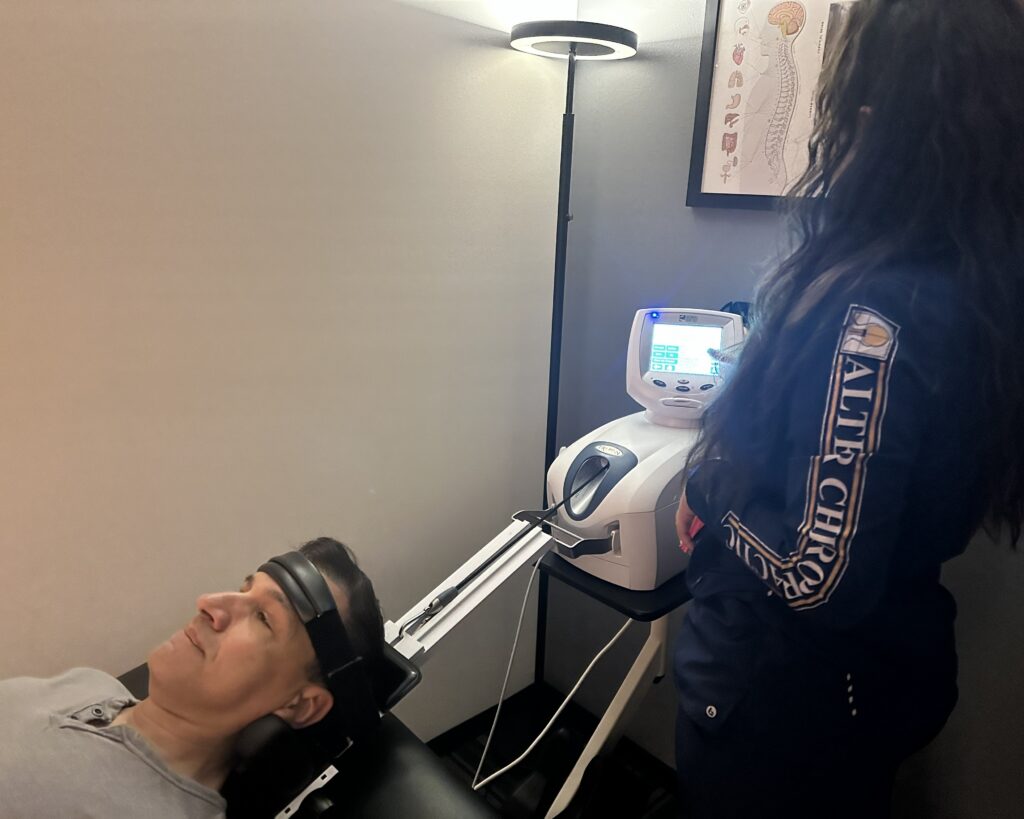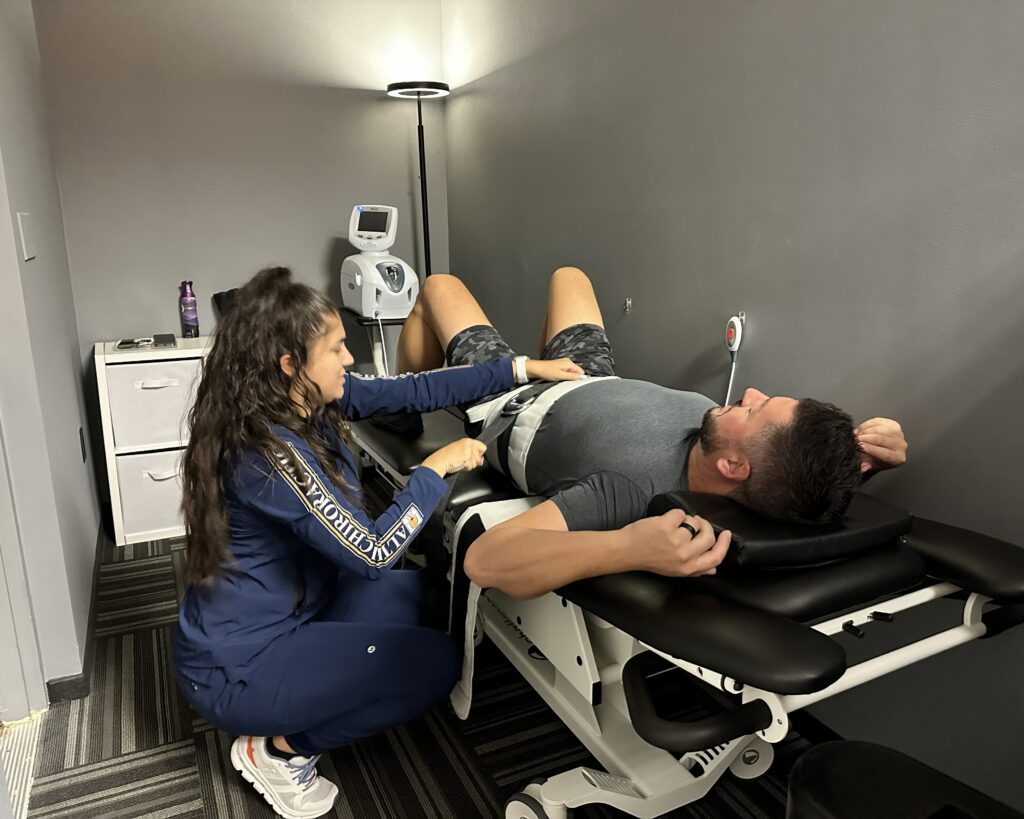

If you’re experiencing headaches, you may be wondering how chiropractic care can help you find relief. As a chiropractor, I want to share that we are well-equipped to treat various types of headaches, including tension headaches, migraines, cervicogenic headaches, and rebound headaches. Our goal is to address the underlying causes of your pain, helping you achieve optimal health and wellness naturally.
Chiropractic care focuses on the health of your spine and nervous system, which play a crucial role in how your body functions. By ensuring proper alignment and movement of the spine, we can alleviate pressure and tension that often contribute to headaches. Techniques such as spinal adjustments, soft tissue therapy, and lifestyle advice are all part of our approach to help you feel better and live healthier.
Here are some general tips you can incorporate into your daily life to help manage headaches:
- Stay Hydrated: Dehydration can trigger headaches, so make sure you’re drinking enough water throughout the day.
- Practice Good Posture: Poor posture can strain your neck and back, leading to tension headaches. Be mindful of your posture, especially when sitting for long periods.
- Manage Stress: Stress is a common headache trigger. Try relaxation techniques like deep breathing, meditation, or yoga to help reduce stress levels.
- Get Regular Exercise: Physical activity can improve circulation and reduce tension in your muscles, which may help prevent headaches.
- Maintain a Healthy Sleep Routine: Ensure you’re getting enough restful sleep, as sleep deprivation can lead to increased headache frequency.
By considering chiropractic care as a natural and effective option, you can take proactive steps toward managing your headaches and enhancing your overall wellness. If you’re curious about how chiropractic treatment can specifically benefit you, don’t hesitate to reach out for a consultation. Your journey to a headache-free life starts here!
Key Takeaways
Chiropractors specialize in treating various types of headaches by focusing on improving spinal alignment and promoting overall wellness naturally.
- Tension Headaches: These headaches often stem from stress and poor posture. By correcting spinal misalignments and relieving muscle tension, chiropractic care can significantly reduce the frequency and intensity of tension headaches. A few simple tips include practicing good posture, taking regular breaks from screens, and incorporating relaxation techniques such as deep breathing into your daily routine.
- Migraines: While migraines can be debilitating, chiropractic adjustments can help alleviate symptoms by addressing common triggers and reducing stress. Alongside adjustments, lifestyle changes such as staying hydrated, maintaining a regular sleep schedule, and keeping a food diary to identify potential triggers can be beneficial.
- Cervicogenic Headaches: These headaches originate from neck issues. Chiropractic adjustments can effectively reduce the tension and misalignment in the neck that contribute to these headaches. Simple neck stretches and maintaining an ergonomic workspace can also help prevent cervicogenic headaches from occurring.
- Sinus Headaches: Although sinus headaches can be uncomfortable, chiropractic care can aid in improving overall bodily function and promoting better spinal alignment, which may help alleviate symptoms. Keeping your environment allergen-free and practicing steam inhalation can also provide relief.
- Rebound Headaches: These headaches result from overusing pain medications. Chiropractic adjustments focus on natural pain relief strategies, helping to break the cycle. To manage rebound headaches, try to gradually reduce reliance on medications and incorporate holistic practices like regular exercise and stress management techniques.
Incorporating chiropractic care into your wellness routine can be a powerful choice for achieving optimal health and natural pain relief. Remember to listen to your body, maintain a healthy lifestyle, and consult with your chiropractor for personalized care tailored to your specific needs.
Understanding Headaches: An Overview
When you experience a headache, it can be quite distressing, especially since they can arise from various sources. You might be facing tension headaches, migraines, or cluster headaches, each with its own set of symptoms and triggers. Understanding which type of headache you have is essential for finding the right relief, and chiropractic care can play a crucial role in managing these conditions.
For example, migraines often involve intense throbbing pain, light sensitivity, and nausea, while cluster headaches can strike suddenly with severe pain around one eye. By paying attention to the patterns in your headaches—like how often they occur and how long they last—you can work with your chiropractor to develop a personalized approach for relief.
Keep in mind that everyday factors such as stress, dehydration, and lack of sleep can contribute to headaches. Chiropractic adjustments can help address underlying issues in your spine and nervous system that may be contributing to your headaches. By improving spinal alignment, you can enhance your body’s ability to heal naturally and reduce headache frequency and intensity.
Here are some general tips to manage headaches and promote overall well-being:
- Stay Hydrated: Drinking enough water throughout the day can help prevent dehydration-related headaches.
- Manage Stress: Engage in relaxation techniques like deep breathing, meditation, or yoga to keep stress levels in check.
- Prioritize Sleep: Aim for a consistent sleep schedule and ensure you’re getting quality rest each night.
- Maintain Good Posture: Pay attention to your posture, especially if you sit for long periods. Proper spinal alignment can reduce tension in the neck and shoulders.
- Regular Chiropractic Care: Regular visits to your chiropractor can help keep your spine in alignment and support your overall health.
Tension Headaches
Tension headaches can often be a result of stress, poor posture, or muscle strain. As a local chiropractor, I understand how these factors can impact your daily life, and I’m here to help you find natural relief.
Chiropractic care is a holistic approach that not only addresses the symptoms of tension headaches but also targets the underlying issues that contribute to them. Chiropractors use gentle adjustments and various treatment techniques to restore proper alignment to your spine, relieve muscle tension, and improve your overall posture.
This can lead to significant reductions in headache frequency and intensity. By focusing on the root causes of tension headaches, we can help you achieve long-lasting relief without the need for medications or invasive procedures.
In addition to chiropractic adjustments, here are some simple tips to help you manage and prevent tension headaches:
- Practice Good Posture: Be mindful of your posture, especially if you spend long hours sitting at a desk. Keep your back straight, shoulders relaxed, and feet flat on the floor.
- Stay Hydrated: Dehydration can contribute to headaches, so make sure you’re drinking plenty of water throughout the day.
- Manage Stress: Incorporate stress-reducing activities into your routine, such as deep breathing exercises, yoga, or meditation.
- Take Breaks: If you’re working on a computer, take regular breaks to stretch and move around. This can help reduce muscle tension and prevent headaches.
- Get Regular Chiropractic Care: Regular visits to your chiropractor can help maintain spinal health and prevent the recurrence of tension headaches.
By embracing these practices alongside chiropractic care, you can achieve optimal health and enjoy a life free from the burden of tension headaches.
Causes of Tension Headaches
Although many factors can contribute to headaches, tension headaches often stem from a combination of stress, muscle tension, and poor posture—issues that chiropractic care can effectively address.
When you’re feeling stressed, your body tends to tighten up, leading to muscle strain, particularly in the neck and shoulders. This strain can result in discomfort that spreads to your head.
Staying in one position for too long, such as when you’re working at a computer, can worsen this problem, causing your muscles to become fatigued and tense. Additionally, factors like lack of sleep and dehydration can make you more susceptible to tension headaches.
Recognizing these triggers is essential for managing your headaches and enhancing your overall well-being. Chiropractic care focuses on spinal alignment and muscle balance, which can help alleviate tension and improve your posture. Regular chiropractic adjustments can relieve muscle strain, promote relaxation, and support better spinal health.
Here are some general tips to help you manage tension headaches:
- Practice Good Posture: Ensure your workspace is ergonomically set up to prevent neck and shoulder strain. Keep your monitor at eye level and your chair supportive.
- Take Breaks: If you work at a desk, take short breaks every 30 minutes to stretch and move around. This can help reduce muscle fatigue and tension.
- Stay Hydrated: Drink plenty of water throughout the day to avoid dehydration, which can contribute to headaches.
- Prioritize Sleep: Aim for 7-9 hours of quality sleep each night to give your body a chance to recover and reduce stress.
- Consider Chiropractic Care: Regular visits to a chiropractor can help maintain proper spinal alignment, reduce muscle tension, and provide you with tailored advice on posture and lifestyle changes.
Chiropractic Treatment Techniques
Chiropractic treatment techniques for tension headaches are designed to help you find relief naturally by addressing the root causes of your discomfort. As a local chiropractor, my goal is to provide you with health and wellness knowledge that empowers you to achieve optimal health without the use of medications or invasive procedures.
When you visit our practice, we’ll tailor our approach to meet your specific needs. Here are some effective techniques we commonly use to help alleviate tension headaches:
- Spinal manipulation: By gently adjusting your spine, we can improve alignment and reduce tension in the muscles surrounding it. This not only helps relieve pain but also promotes better overall spinal health.
- Soft tissue therapy: Through targeted massage and stretching, we can release tight muscles that contribute to headache pain. This hands-on approach helps to relax your entire body.
- Postural training: Good posture is essential for preventing tension headaches. We’ll teach you how to maintain proper posture throughout your daily activities, which can significantly reduce the frequency and intensity of headaches.
- Therapeutic exercises: We’ll provide you with simple, strengthening exercises aimed at supporting your spine and neck. These exercises can enhance your overall strength and resilience, making you less susceptible to tension headaches.
- Lifestyle advice: We understand that stress and poor ergonomics can contribute to headaches. That’s why we offer practical tips on managing stress and adjusting your workspace for better comfort and support.
By combining these techniques, chiropractic care can help you not only alleviate tension headaches but also improve your overall well-being.
Migraines
Migraines can truly disrupt your life, but chiropractic care offers effective techniques that may help alleviate this pain naturally. As a local chiropractor, I’m excited to share how spinal health and chiropractic methods can play a significant role in managing migraines and enhancing your overall well-being.
Chiropractic care focuses on aligning the spine and ensuring that your nervous system functions optimally. Misalignments in the spine can lead to tension and discomfort, which may contribute to migraine headaches. By visiting a chiropractor, you can receive gentle adjustments that not only help relieve pain but also promote better health.
Here are a few ways chiropractic care can make a difference in your migraine management:
- Spinal Adjustments: Regular adjustments can reduce tension in the neck and spine, which may help decrease the frequency and intensity of migraines.
- Posture Improvement: Good posture is essential for spinal health. A chiropractor can provide guidance on maintaining proper posture, which can help prevent strain and tension that trigger migraines.
- Stress Relief Techniques: Chiropractic care often includes advice on relaxation techniques and exercises that can lower stress levels, a common migraine trigger.
- Lifestyle Tips: Incorporating healthy habits such as regular exercise, hydration, and a balanced diet can significantly impact your overall health. Your chiropractor can help you develop a wellness plan tailored to your needs.
- Natural Healing: Chiropractic care emphasizes natural healing without the use of medications or invasive procedures. This approach not only targets your migraines but also supports your body’s ability to heal itself.
If you’re suffering from migraines, consider visiting a chiropractor who can help you explore these natural options. With the right care, you can take positive steps toward managing your migraines and achieving optimal health and wellness.
Chiropractic Techniques for Migraines
When it comes to managing migraines, many individuals are on the lookout for effective and natural relief. Chiropractic care stands out as a powerful solution for migraine sufferers, utilizing specific techniques that can significantly ease symptoms and enhance overall wellness.
Here’s how chiropractic techniques can help you find relief:
- Spinal Adjustments: By realigning your spine, chiropractic adjustments can alleviate tension and improve the function of your nervous system, which plays a crucial role in migraine management.
- Massage Therapy: Targeted massage provided by a chiropractor can relieve tight muscles and enhance blood circulation, helping to reduce the frequency and intensity of migraines.
- Stretching Exercises: Simple stretching exercises can improve your flexibility and decrease muscle stress, making it easier for your body to cope with potential migraine triggers.
- Postural Training: Working on your posture can alleviate strain on your neck and back. Good posture is essential in preventing headaches and migraines, as it helps keep your spine and nervous system functioning optimally.
- Lifestyle Counseling: Chiropractors can offer invaluable advice on nutrition, hydration, and stress management techniques. These lifestyle changes can make a significant difference in reducing the likelihood of future migraines.
Incorporating these chiropractic techniques into your wellness routine can provide comprehensive support for migraine relief.
Remember, your journey to optimal health is within reach through natural methods, and chiropractic care is here to guide you every step of the way.
If you’re looking for a safe, effective, and holistic approach to managing migraines and enhancing your overall well-being, chiropractic care is the best choice for you.
Benefits of Chiropractic Care
If you’re on a quest for migraine relief, consider the incredible benefits of chiropractic care, tailored just for you. Many of my patients have experienced significant reductions in both the frequency and intensity of their migraines after receiving chiropractic adjustments. By improving spinal alignment, we enhance nerve function and blood flow, which can help alleviate tension—one of the common triggers for migraines.
Here’s a simple overview of the benefits of chiropractic care:
| Benefit | Description | Impact |
|---|---|---|
| Pain Relief | Alleviates migraine pain and discomfort | Enhances your quality of life |
| Improved Mobility | Increases your range of motion | Helps you function better daily |
| Stress Reduction | Lowers stress levels | Encourages relaxation |
| Personalized Care | Customized treatment plans | Supports your individual recovery |
| Holistic Approach | Addresses underlying issues | Focuses on overall health |
Chiropractic care is all about natural healing and promoting wellness without the need for medications or invasive procedures. It’s a gentle and effective way to manage your migraines and improve your overall health.
Tips for Managing Migraines:
- Stay Hydrated: Drink plenty of water throughout the day to help reduce headache triggers.
- Practice Good Posture: Maintaining proper posture can alleviate tension in your neck and back, reducing migraine frequency.
- Regular Exercise: Engage in gentle physical activity to promote overall wellness and reduce stress.
- Sleep Well: Establish a consistent sleep routine to help regulate your body’s natural rhythms.
- Mindfulness and Relaxation: Try techniques like deep breathing, meditation, or yoga to manage stress.
If you’re looking for a natural, effective way to manage your migraines, chiropractic care might just be the solution you need. Let’s work together towards your optimal health!
Cluster Headaches
If you’ve ever experienced a cluster headache, you know just how intense and overwhelming these episodes can be. They often come on suddenly, frequently at night, leaving you feeling desperate for relief.
While the exact cause of cluster headaches remains a mystery, chiropractic care can be a powerful ally in finding comfort and support.
Here are some ways that chiropractic care can help you manage cluster headaches:
- Spinal Adjustments: By realigning your spine, we can help relieve pressure on your nervous system, improving blood flow and potentially easing headache pain.
- Cervical Manipulation: Focusing on the neck area can reduce tension that may contribute to cluster headaches, allowing for a greater range of motion and less discomfort.
- Lifestyle Guidance: As your chiropractor, I can offer valuable tips on managing triggers, such as stress and sleep habits, which can play a significant role in headache patterns.
- Massage Techniques: Gentle soft tissue work can effectively reduce tension in your head and neck, promoting relaxation and relief.
- Regular Check-ups: Maintaining consistent chiropractic care helps support overall spinal health, which may lead to a decrease in the frequency and intensity of headaches over time.
Incorporating these chiropractic approaches into your health routine can empower you to take charge of your well-being.
If you’re looking for personalized strategies tailored to your individual needs, don’t hesitate to reach out.
Together, we can work towards achieving optimal health and reducing the impact of cluster headaches on your life.
Cervicogenic Headaches
Cluster headaches can be incredibly debilitating, but it’s essential to understand that not all headaches have the same underlying causes. One type that’s often overlooked is cervicogenic headaches, which originate from issues in the cervical spine. These headaches often arise from neck injuries or poor posture, and they usually start at the base of your skull, radiating towards your forehead or temples.
While they may feel similar to tension headaches, cervicogenic headaches have unique triggers linked to neck movement or strain.
As a chiropractor, I believe that addressing cervicogenic headaches through natural methods is key to finding lasting relief. Chiropractic care focuses on spinal alignment and improving neck mobility, which can alleviate the tension that contributes to these headaches. Through gentle adjustments and targeted therapeutic exercises, we can promote better blood flow and significantly reduce pain in the cervical region.
If you often find yourself dealing with headaches that seem to originate from your neck, consider consulting a chiropractor. We can create a personalized treatment plan tailored to your specific needs, helping you regain comfort and reduce the frequency of your headaches.
In addition to chiropractic care, here are some general tips to help manage and prevent cervicogenic headaches:
- Maintain Good Posture: Be mindful of your posture, especially when sitting for long periods. Make sure your workstation is ergonomically set up to support your neck and spine.
- Stay Hydrated: Dehydration can contribute to headache pain, so ensure you’re drinking enough water throughout the day.
- Practice Neck Stretches: Simple neck stretches can help relieve tension. Try gently tilting your head from side to side or rotating it slowly to promote flexibility.
- Take Frequent Breaks: If you’re working at a desk, take regular breaks to get up, move around, and stretch your neck and shoulders.
- Manage Stress: Incorporate relaxation techniques such as deep breathing, meditation, or yoga into your routine to help manage stress levels.
By focusing on these strategies and seeking chiropractic care, you can take proactive steps toward achieving optimal health and reducing the impact of cervicogenic headaches in your life.
Sinus Headaches
Sinus headaches can be a real challenge, leaving you feeling uncomfortable and often confused about what’s causing the pain. If you’ve ever felt pressure around your forehead, cheeks, or eyes, you understand how these headaches can make daily activities tough.
Typically, sinus headaches arise from inflammation or congestion in your sinuses, often triggered by allergies, colds, or sinus infections.
Here are some signs that you might be experiencing a sinus headache:
- Pressure and pain in the forehead or cheeks
- Nasal congestion and discharge
- Pain that intensifies with sudden movements
- Decreased sense of smell or taste
- Fever or fatigue accompanying other symptoms
As a local chiropractor, I want to share that chiropractic care can be a fantastic option for alleviating sinus headaches. By focusing on the alignment of your spine, we can help improve your overall bodily function and drainage.
When your spine is in alignment, it supports better nerve function and circulation, which may contribute to relieving sinus congestion and discomfort.
In addition to seeking chiropractic care, here are some simple tips you can incorporate into your daily routine to help manage sinus headaches:
- Stay Hydrated: Drinking plenty of water can help thin mucus and promote sinus drainage.
- Warm Compress: Applying a warm compress to your face can help relieve pressure and ease discomfort.
- Humidifier: Using a humidifier in your home can keep the air moist, which helps reduce sinus irritation.
- Nasal Irrigation: Rinsing your nasal passages with a saline solution can help clear out congestion and provide relief.
- Gentle Exercise: Engaging in light physical activity can improve circulation and promote overall health.
If you’re struggling with sinus headaches, I encourage you to consult with a chiropractor. We can work together to develop a personalized approach to help you find relief and support your journey to optimal health naturally.
Rebound Headaches
Sinus headaches can often lead to a frustrating cycle of discomfort, especially for those who rely on over-the-counter medications for relief.
What many may not realize is that frequent use of these medications can result in rebound headaches. This means that instead of finding lasting relief, the very medications you turn to can sometimes trigger even more headaches once their effects wear off. This creates a cycle: you take another dose, and the discomfort persists.
To break free from this pattern, it’s crucial to identify and address the root causes of your headaches. As a chiropractor, I can help you with this. Through gentle adjustments, I can improve your spinal alignment and alleviate tension that may be contributing to your headaches.
Additionally, I can provide you with valuable lifestyle and dietary advice to help minimize headache triggers in your daily life. By collaborating with a chiropractor, you can develop a personalized treatment plan that focuses on natural healing and reducing your reliance on pain relievers.
This approach not only helps in managing headaches but also promotes overall wellness and optimal health.
Here are a few tips to consider for managing your headaches naturally:
- Stay Hydrated: Drinking plenty of water throughout the day can help reduce headache frequency.
- Maintain Good Posture: Be mindful of your posture whether you’re sitting at a desk or using your phone, as poor posture can lead to tension headaches.
- Practice Relaxation Techniques: Incorporate stress-relief methods such as deep breathing, yoga, or meditation into your routine.
- Get Regular Exercise: Physical activity can help release tension and improve your overall mood, which may help reduce headaches.
Hormonal Headaches
When hormonal changes occur, particularly during menstruation, pregnancy, or menopause, you may experience hormonal headaches that can disrupt your daily life. These headaches can be intense, leaving you feeling drained and uncomfortable. Understanding the underlying triggers can help you manage them more effectively, and that’s where chiropractic care can play a vital role in your overall wellness.
Here are some common factors that can contribute to hormonal headaches, along with how chiropractic care can help:
- Fluctuations in estrogen and progesterone levels: Hormonal shifts can lead to tension in your spine and neck. Regular chiropractic adjustments can help alleviate this tension, promoting better spinal alignment and reducing headache frequency.
- Stress and anxiety: Stress can amplify headache symptoms. Chiropractic care focuses on the nervous system, helping to relieve tension and promote relaxation. Techniques like spinal adjustments and therapeutic exercises can help you manage stress more effectively.
- Dehydration: It’s easy to overlook hydration during hormonal changes, but staying well-hydrated is essential for overall health. While chiropractic care can’t replace hydration, it can help your body function better, making it easier for you to remember to drink enough water.
- Poor sleep patterns: Lack of quality sleep can contribute to headache issues. Chiropractic adjustments can help improve your sleep quality by alleviating discomfort and promoting relaxation, making it easier for you to rest well.
- Dietary changes: Cravings for sugary or salty foods can sometimes trigger headaches. While chiropractic care won’t change your diet, it can help your body process food more efficiently and reduce the likelihood of headaches caused by dietary choices.
By understanding these factors and their connection to your spine and nervous system, you can take proactive steps to reduce the impact of hormonal headaches. Paying attention to your body and seeking regular chiropractic care can empower you to cope with these headaches naturally, enhancing your overall health and well-being.
How Chiropractic Care Can Help
Chiropractic care is an excellent solution for managing headaches, as it targets the root causes of discomfort by restoring balance and alignment to your spine and nervous system. When your spine is misaligned, it can put pressure on nerves, leading to various types of headache pain. By addressing these misalignments, chiropractors can help relieve tension not only for tension-type headaches but also for migraines and cervicogenic headaches.
During your chiropractic visits, you can expect adjustments and gentle manipulations designed to enhance spinal function. This can significantly reduce muscle tension and improve blood flow—two important factors in lowering the frequency and intensity of headaches.
Additionally, your chiropractor will provide you with valuable lifestyle and ergonomic tips to encourage habits that support long-term relief, such as posture correction, stress management techniques, and proper body mechanics.
By committing to regular chiropractic care, you can often enjoy fewer headaches and a greater sense of overall well-being. Taking a proactive approach to your health through chiropractic not only helps alleviate pain but also enhances your quality of life.
Conclusion
Chiropractors are well-equipped to help with a range of headache types, including tension headaches, migraines, cervicogenic headaches, and even those related to hormonal changes. By focusing on the underlying causes of these headaches, chiropractic care offers a tailored approach that can lead to significant relief.
Many headaches stem from muscle tension, misalignments in the spine, or poor posture. Through gentle adjustments, chiropractic techniques can help restore balance in the body, reduce muscle tension, and improve spinal alignment. This not only alleviates headache symptoms but also promotes overall wellness.
If you’re experiencing frequent headaches, consider visiting a chiropractor to explore how natural, holistic treatments can reduce both the frequency and intensity of your pain. Your journey to feeling better could begin with just one visit!
In addition to chiropractic care, here are some general tips to help manage headaches:
- Stay Hydrated: Dehydration can trigger headaches. Make sure to drink plenty of water throughout the day.
- Maintain Good Posture: Pay attention to your posture, especially if you work at a desk. Sit up straight and take breaks to stretch.
- Manage Stress: Practice relaxation techniques such as deep breathing, yoga, or meditation to help reduce tension.
- Regular Exercise: Engaging in regular physical activity can help reduce stress and improve your overall health.
- Adequate Sleep: Ensure you’re getting enough restful sleep each night, as sleep deprivation can lead to headaches.
By incorporating these tips and seeking chiropractic care, you can take meaningful steps toward a healthier, headache-free life!