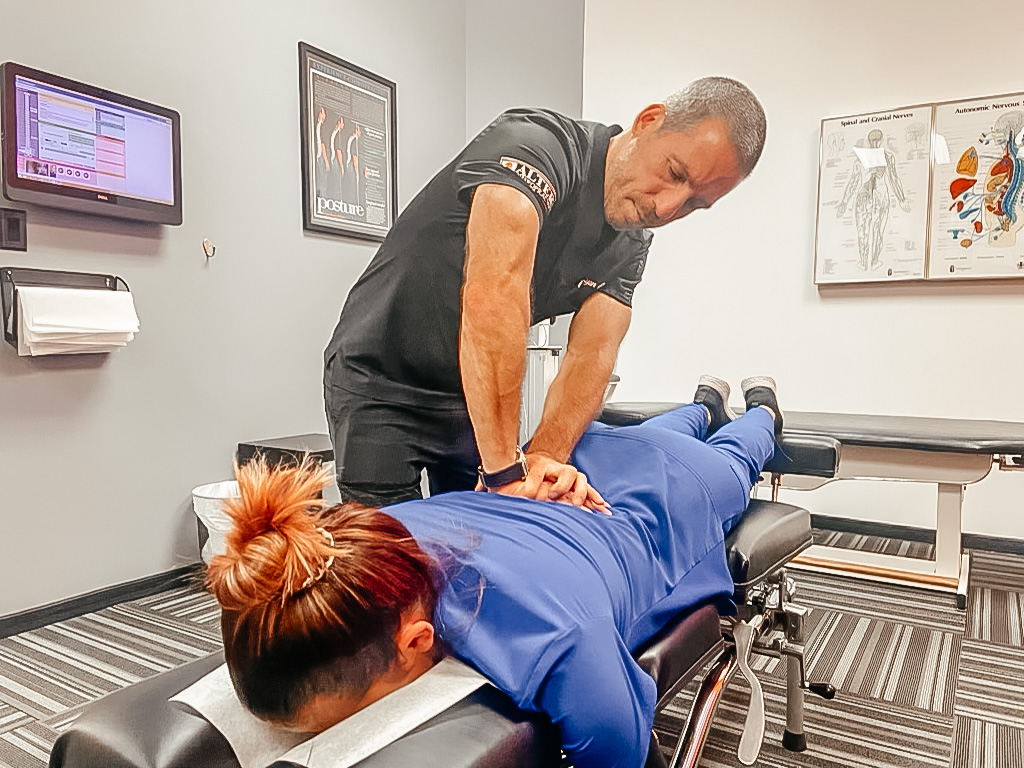
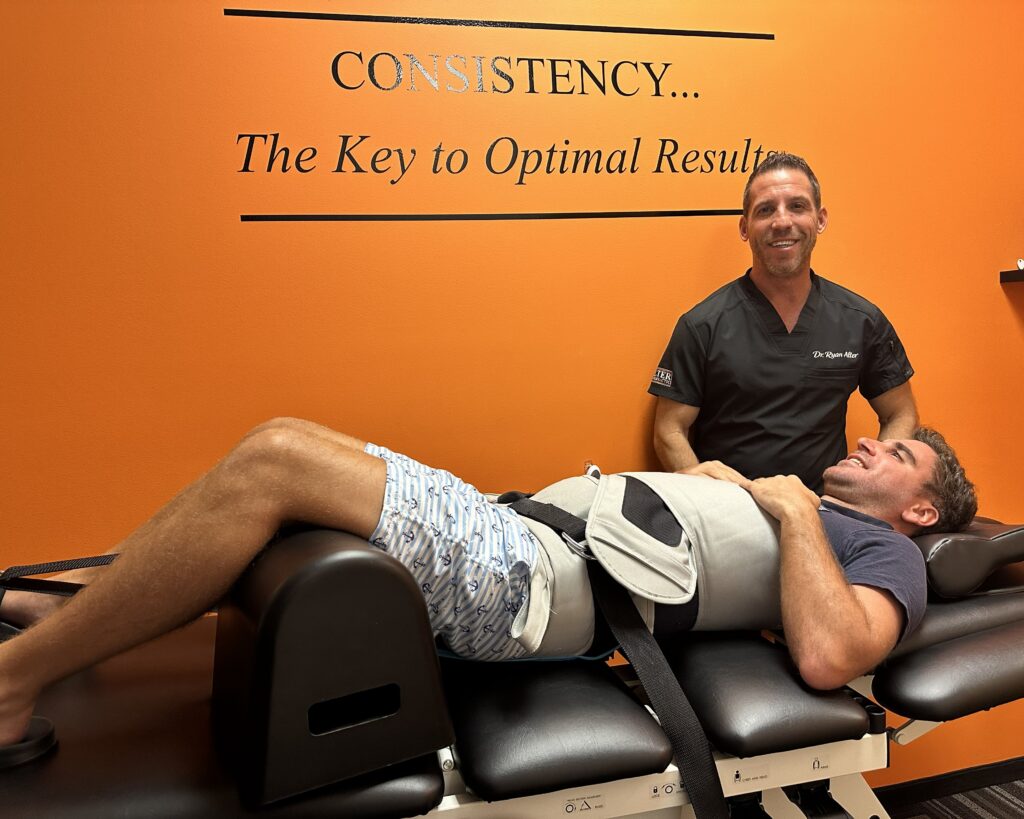
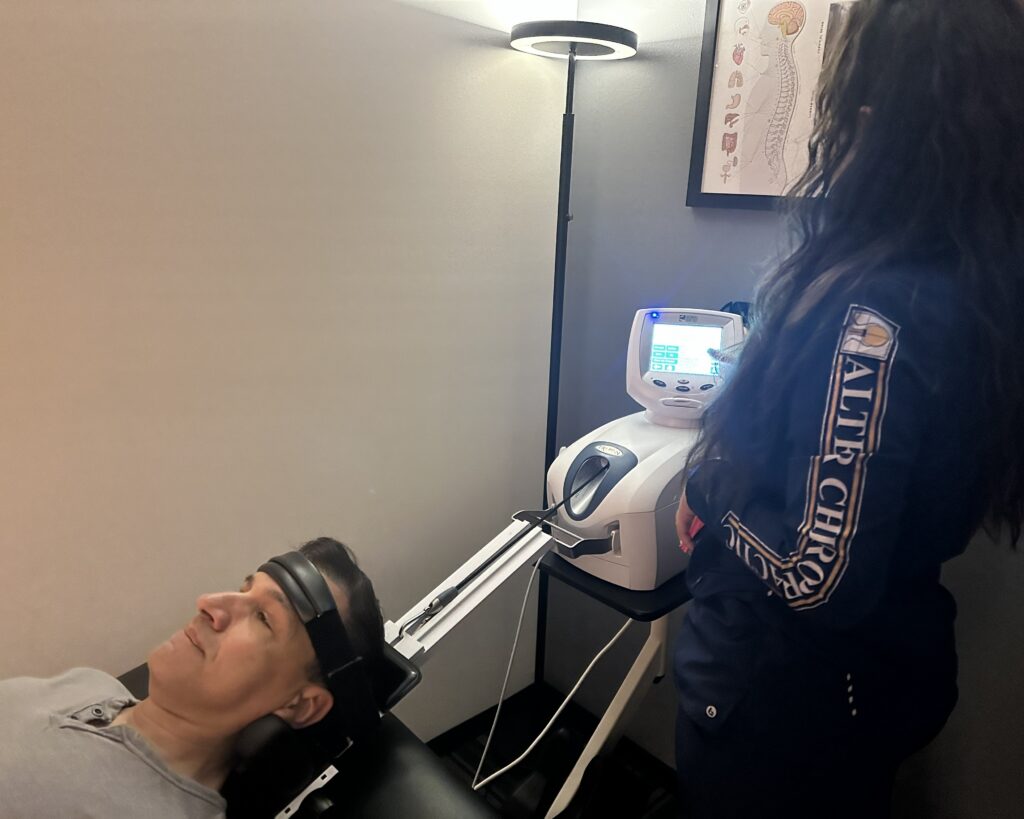
When you're dealing with back pain, you might wonder why non-invasive options are worth considering. These approaches often come with fewer risks and complications, allowing you to manage your discomfort without the uncertainties of surgery. Beyond just pain relief, non-invasive treatments can address underlying issues, promoting long-term wellness. But how do these methods stack up against invasive procedures, and which options might work best for you? Exploring this could change your perspective on pain management entirely.
Understanding Back Pain
Back pain affects millions of people each year, and understanding its causes is vital for effective management. You might experience back pain due to various factors, including muscle strain, poor posture, or underlying medical conditions. Recognizing these causes can empower you to make informed decisions about your treatment options.
Muscle strain is one of the most common culprits behind back pain. It often occurs when you lift something heavy or make sudden, awkward movements. By being aware of your body mechanics, you can prevent unnecessary strain and reduce the risk of injury.
Good posture plays a significant role as well; slouching while sitting or standing can lead to chronic pain over time. Paying attention to your posture helps maintain spinal alignment and alleviates discomfort.
Moreover, certain medical conditions, such as herniated discs or arthritis, can contribute to back pain. Understanding the differences between acute and chronic pain can also guide your management approach. Acute pain typically arises from a specific injury and usually resolves within a few weeks. In contrast, chronic pain persists for months and often requires a more thorough treatment strategy.
Finally, lifestyle factors like stress and inactivity can exacerbate back pain. Engaging in regular exercise, practicing relaxation techniques, and maintaining a healthy weight can all play a vital role in managing your back pain.
Risks of Invasive Procedures
When evaluating treatment options for back pain, it's important to weigh the risks associated with invasive procedures. While surgery or injections might seem like a quick fix, they come with potential complications that could affect your recovery and overall health.
First, there's the risk of infection. Any surgical procedure opens up the possibility of bacteria entering your body, which can lead to serious complications. You might experience pain, swelling, or fever, requiring additional treatment.
Then there's the chance of nerve damage. Invasive procedures can inadvertently injure surrounding nerves, leading to chronic pain, numbness, or weakness that mightn't resolve after surgery.
You also need to take into account anesthesia risks. General anesthesia carries its own set of dangers, including allergic reactions or respiratory issues. Even local anesthesia can lead to complications, such as prolonged numbness.
Recovery time is another factor; invasive procedures often require longer rehabilitation, which means more time away from daily activities and work.
Moreover, there's no guarantee that invasive treatments will resolve your pain. Many people find themselves back in the same or worse condition after surgery. This can lead to a cycle of further procedures and prolonged suffering.
Ultimately, it's important to reflect on these risks carefully. Weighing them against the potential benefits of invasive options can help you make a more informed decision about your back pain treatment. You deserve a solution that prioritizes your health and well-being.
Benefits of Non-Invasive Treatments
Non-invasive treatments for back pain offer significant advantages, particularly when it comes to your health and recovery.
You'll face a reduced risk of complications compared to invasive procedures, which can lead to fewer setbacks.
Plus, you'll likely experience a faster recovery time, allowing you to get back to your daily activities sooner.
Reduced Risk of Complications
Choosing non-invasive treatments for back pain offers a significant advantage: a reduced risk of complications. When you opt for methods like physical therapy, chiropractic care, or acupuncture, you're less likely to face the serious risks associated with invasive procedures, such as surgery.
With non-invasive options, you're typically avoiding anesthesia, which can lead to complications like infection or adverse reactions.
Non-invasive treatments focus on addressing the root causes of your pain without the need for drastic measures. Techniques such as stretching, strengthening exercises, and manual manipulation can help restore function and alleviate discomfort while minimizing the chance of harming surrounding tissues.
You'll likely find that these approaches are gentler on your body, allowing you to engage in your daily activities with less worry about setbacks.
Moreover, non-invasive treatments often come with fewer side effects compared to medications or surgical interventions. This means you can manage your back pain more effectively without the burden of additional health issues.
Faster Recovery Time
Many people experience faster recovery times with non-invasive treatments for back pain. Unlike surgical options, which often require extended downtime and rehabilitation, non-invasive methods allow you to resume your daily activities much sooner.
Whether you choose physical therapy, chiropractic care, or acupuncture, these treatments target the root of your pain without the need for invasive procedures.
With non-invasive treatments, you can often see improvements within a few sessions. Many patients report reduced pain and increased mobility shortly after starting their treatment plan. This quick turnaround can be incredibly motivating, encouraging you to stay committed to your recovery.
Additionally, non-invasive options tend to have fewer side effects compared to surgical interventions, meaning you won't be sidelined by complications or lengthy recovery periods.
You'll likely find that the combination of effective pain management and quicker recovery helps you regain your quality of life faster.
In short, if you're looking for a way to alleviate back pain without the long wait associated with surgery, non-invasive treatments can provide you with the results you need, helping you get back to doing what you love sooner rather than later.
Common Non-Invasive Options
When it comes to alleviating back pain, a variety of common non-invasive options can help you find relief without the need for surgery or medication. One popular choice is heat therapy. Applying a heating pad or taking a warm bath can relax your muscles and improve blood flow, which often eases discomfort.
Cold therapy is another effective method; using ice packs can reduce inflammation and numb the pain.
Exercise is also an essential part of managing back pain. Gentle activities like walking or swimming can strengthen your back muscles and improve flexibility. Even simple stretching can relieve tension and prevent further injury.
You might also consider yoga or Pilates, which focus on core strength and body alignment.
Massage therapy is another non-invasive option that many find beneficial. A skilled massage therapist can target areas of tension, promoting relaxation and improving circulation.
Acupuncture, a traditional Chinese medicine technique, involves inserting thin needles into specific points on your body to alleviate pain. Many people report significant relief from back pain through this method.
Additionally, ergonomic adjustments in your workspace can make a big difference. Investing in a supportive chair or adjusting your desk height can help maintain proper posture and reduce strain on your back.
Finally, mindfulness and relaxation techniques, such as meditation or deep breathing, can also help manage pain by reducing stress and enhancing your overall well-being.
Explore these options to discover what works best for you in managing your back pain.
Physical Therapy and Rehabilitation
For those seeking additional support in managing back pain, physical therapy and rehabilitation offer targeted, personalized approaches. These methods focus on alleviating pain, restoring function, and preventing future issues. When you engage with a physical therapist, they'll assess your condition and create a tailored program that aligns with your specific needs.
Physical therapy often includes a variety of techniques, such as manual therapy, stretching exercises, and strength training. You'll likely work on building core strength, which plays an essential role in supporting your spine and maintaining proper posture. Your therapist might also teach you about body mechanics, helping you understand how to move safely and effectively in your daily activities.
Rehabilitation isn't just about exercise; it incorporates education and lifestyle changes, too. Your therapist may guide you on ergonomic adjustments at work or recommend modifications to your daily routine. These changes can greatly reduce strain on your back and promote long-term healing.
Additionally, physical therapy can address any underlying issues contributing to your pain, such as muscle imbalances or joint dysfunctions. By focusing on the root causes, you'll not only find relief but also enhance your overall physical health.
Incorporating physical therapy and rehabilitation into your back pain management plan can lead to improved mobility and increased strength, empowering you to return to the activities you love. It's a proactive step toward a healthier, pain-free life.
Mind-Body Approaches
While traditional treatments often focus on physical interventions, mind-body approaches can play a significant role in managing back pain. These techniques emphasize the connection between your mental and emotional state and your physical health. By harnessing this relationship, you can alleviate pain and enhance your overall well-being.
One powerful method is mindfulness meditation. It helps you stay present, reducing stress and anxiety, which can exacerbate your pain.
Another effective technique is guided imagery, where you visualize calming scenes to distract your mind from discomfort. You might also consider yoga, which combines physical movement with breath control, improving flexibility and strength while promoting relaxation.
Finally, biofeedback can be beneficial. It teaches you to monitor bodily functions, allowing you to gain control over pain responses.
- Mindfulness meditation can help you focus and reduce stress.
- Guided imagery allows you to visualize pain-free scenarios.
- Yoga promotes flexibility and relaxation, addressing both body and mind.
- Biofeedback teaches you to control your body's responses to pain.
Incorporating these mind-body approaches into your routine can empower you to manage back pain more effectively. They encourage a holistic view of health, recognizing that your mental state can influence physical symptoms.
By investing time in these practices, you're not just treating the pain; you're fostering a deeper connection with yourself, which can lead to long-lasting relief.
Lifestyle Changes for Relief
Integrating mind-body approaches into your routine is just one part of managing back pain; lifestyle changes can also make a significant difference. Start by paying attention to your posture. Whether you're sitting at a desk or standing in line, maintaining a straight back and engaged core can help alleviate strain on your spine.
Consider using ergonomic chairs or supportive cushions when you work for extended periods.
Regular exercise is another important factor. Incorporate low-impact activities like walking, swimming, or cycling into your daily routine. These exercises strengthen your core muscles, promote flexibility, and improve overall stamina, which can help reduce back pain.
Don't forget to include stretching exercises, as they can enhance flexibility and relieve tension.
Nutrition plays a significant role, too. Eating a balanced diet rich in anti-inflammatory foods—like fruits, vegetables, whole grains, and healthy fats—can help manage pain and support overall health.
Staying hydrated is essential as well, as it keeps your muscles and joints functioning effectively.
Finally, prioritize sleep. Quality rest is fundamental for healing and recovery. Make sure your mattress and pillows provide proper support, and establish a calming bedtime routine to improve your sleep quality.
When to Seek Professional Help
Recognizing the right moment to seek professional help for back pain is essential for effective management and recovery. While many people can find relief through lifestyle changes and non-invasive options, there are times when professional intervention becomes necessary. It's important to listen to your body and take action when certain signs arise.
You should consider reaching out to a healthcare provider if you experience any of the following:
- Persistent pain lasting more than a few weeks
- Severe pain that doesn't improve with rest or over-the-counter medications
- Numbness, tingling, or weakness in your legs
- Difficulty standing up or walking due to pain
Ignoring these symptoms can lead to further complications down the line. A professional can provide a proper diagnosis and recommend appropriate treatment options tailored to your specific needs. They may suggest physical therapy, medication, or even imaging tests to better understand the underlying issues.
Don't hesitate to seek help when you notice your condition affecting your daily life. Getting a professional opinion can lead to effective strategies for managing your pain and promoting recovery.
Success Stories and Testimonials
Many individuals have found hope and healing through non-invasive options for back pain, sharing their inspiring stories along the way.
You might relate to the journey of Sarah, a 45-year-old teacher who suffered from chronic back pain for years. After trying various medications with little relief, she discovered physical therapy. With a tailored exercise regimen, Sarah gradually regained strength and mobility, ultimately returning to her passion for teaching without discomfort.
Then there's Mark, a 50-year-old construction worker who faced debilitating pain after an injury. Instead of opting for surgery, he explored acupuncture. After several sessions, he noticed significant improvements. The treatments not only alleviated his pain but also helped him manage stress better.
Now, he shares his experience with coworkers, encouraging them to try non-invasive methods.
You might also find inspiration in the story of Linda, a retired nurse. After battling back pain for over a decade, she turned to mindfulness and yoga. Through consistent practice, she learned to manage her pain and even improve her flexibility.
Linda often speaks at local community centers, sharing her journey and encouraging others to embrace these holistic approaches.
These testimonials illustrate that non-invasive options can lead to significant improvements in quality of life. Whether through physical therapy, acupuncture, or mindfulness practices, you too can find a path to healing.
Each story serves as a reminder that there's hope, and the right approach can make all the difference in overcoming back pain.
Conclusion
Choosing non-invasive options for back pain can greatly enhance your recovery journey. By focusing on methods like physical therapy, mindfulness, and lifestyle changes, you're not just addressing the pain but also its underlying causes. These approaches are safer, with fewer risks, and can lead to long-term relief. Remember, it's important to listen to your body and seek professional help when needed. Embracing these non-invasive treatments can pave the way for a healthier, pain-free life.