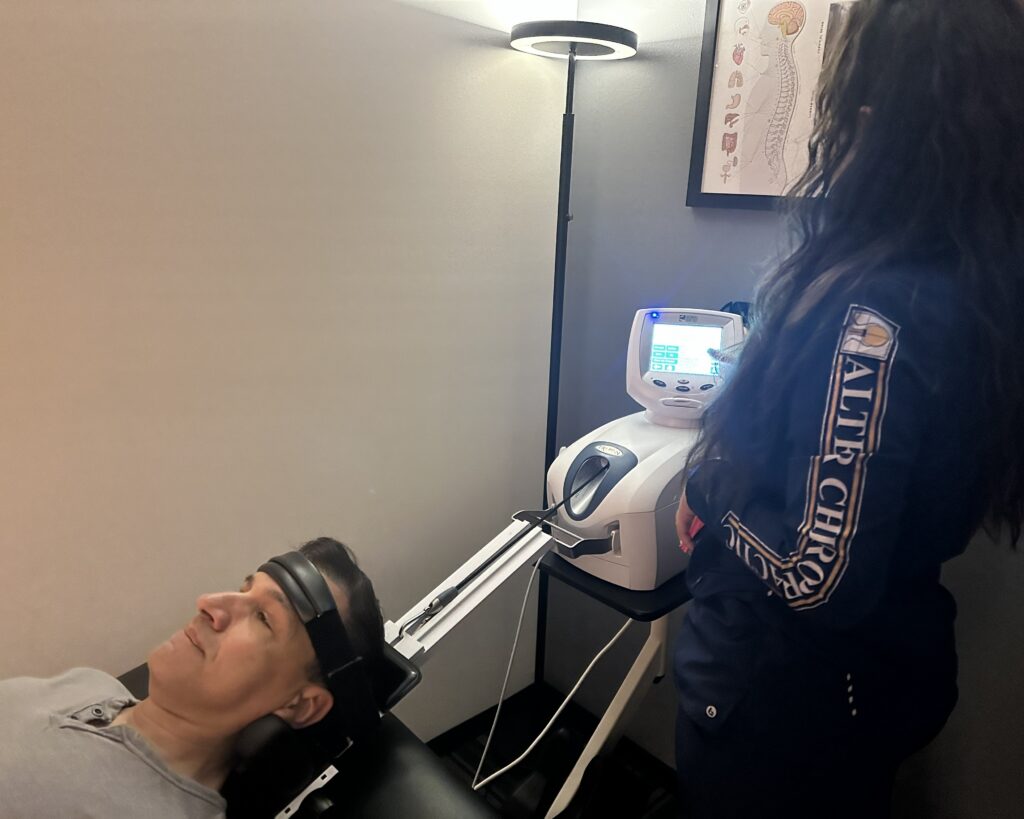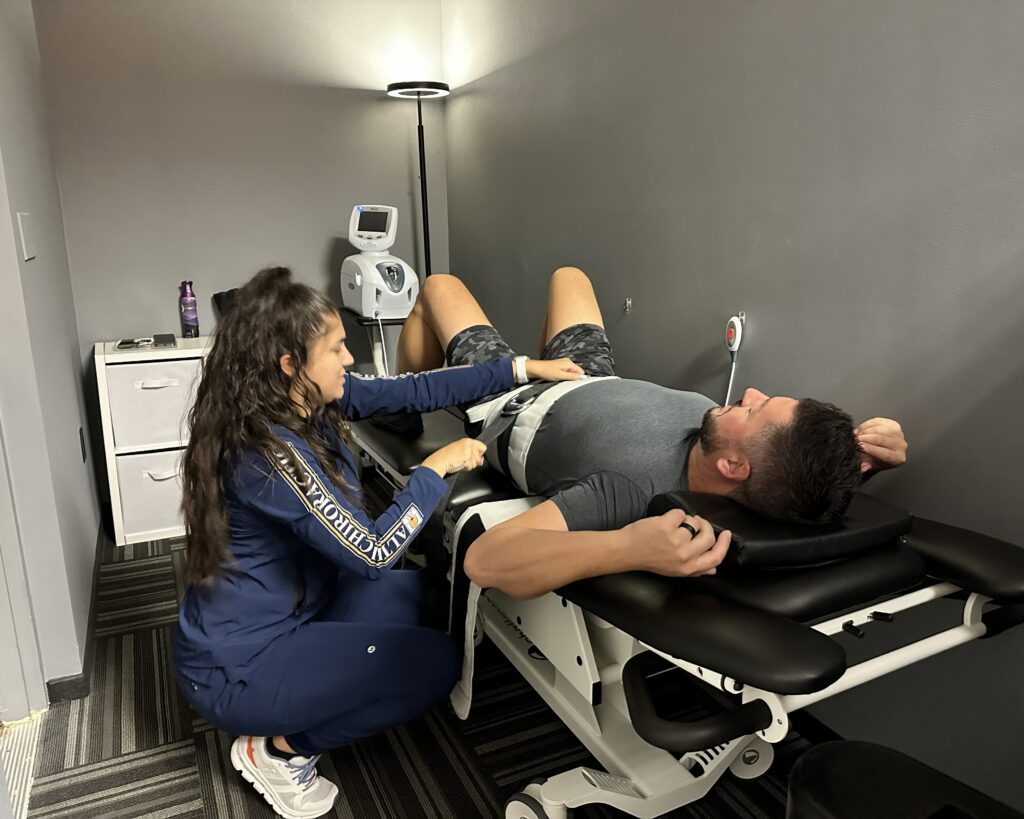

Have you ever noticed how your posture can influence your head? It’s more than just a matter of comfort; your alignment has a significant impact on headache pain. Poor spinal alignment can lead to muscle tension, strain, and even nerve pressure, all of which contribute to discomfort. By understanding the connection between your body’s alignment and headache triggers, you can take steps toward relief.
As a chiropractor, I want to emphasize that achieving optimal alignment is crucial for reducing headache pain. Here are some simple tips to help you improve your alignment and promote natural healing:
- Mind Your Posture: Be conscious of your posture throughout the day. Whether you’re sitting at a desk or standing, make sure your shoulders are back, and your spine is straight.
- Ergonomic Workspace: If you work at a desk, set up your workspace ergonomically. Your computer screen should be at eye level, and your chair should support your lower back.
- Regular Movement: Take breaks to stretch and move around. Sitting in one position for too long can lead to stiffness and tension.
- Strengthening Exercises: Engage in exercises that strengthen your core and back muscles. A strong core supports your spine and helps maintain proper alignment.
- Chiropractic Care: Regular visits to a chiropractor can help ensure your spine is aligned correctly. Chiropractic adjustments can relieve tension, reduce nerve pressure, and promote overall wellness.
- Mindfulness and Relaxation: Stress can exacerbate tension in your muscles. Incorporate mindfulness practices, such as deep breathing or meditation, to help manage stress levels.
By focusing on proper alignment and incorporating these tips into your daily routine, you can significantly reduce headache pain and promote a healthier, more balanced life. Remember, chiropractic care is a natural and effective way to support your body’s alignment and overall wellness.
Key Takeaways
- Poor spinal alignment can put unnecessary strain on your nerves and muscles, leading to increased tension that often results in headache pain. By ensuring your spine is properly aligned, you can help alleviate this strain and promote overall wellness.
- Misalignment of the jaw can create tension in the surrounding muscles, which can contribute to discomfort and headaches. A chiropractic adjustment can help realign the jaw, leading to relief from headache symptoms.
- Maintaining good posture is essential for reducing muscle tension in your neck and shoulders. By being mindful of your posture, you can prevent tension headaches and support your overall health. Remember to take breaks, stretch, and adjust your work environment to promote better alignment.
- Stress can lead to muscle tightness, resulting in poor alignment that triggers headache pain. Incorporating relaxation techniques, such as deep breathing or gentle yoga, can help reduce stress and improve alignment, ultimately helping to keep headaches at bay.
- Regular chiropractic adjustments are a natural and effective way to realign your spine, relieve pressure, and reduce the frequency of headaches. By choosing chiropractic care, you are opting for a holistic approach to health that focuses on your body’s natural ability to heal itself.
By prioritizing your spinal health and seeking chiropractic care, you’re taking an important step toward achieving optimal wellness and living a pain-free life.
Understanding Headache Types and Their Triggers
Understanding your headaches and their triggers is essential for finding relief and achieving optimal health. As a chiropractor, I want to share valuable insights on the different types of headaches and how chiropractic care can support your journey to wellness.
Headaches come in various forms, including tension, migraines, and cluster headaches. Tension headaches often feel like a tight band around your head. They can be caused by stress, poor posture, or muscle tension in the neck and shoulders.
Migraines, on the other hand, are characterized by throbbing pain, sensitivity to light, and nausea. Cluster headaches, though less common, are extremely painful and usually occur in cycles.
Identifying what triggers your headaches is crucial. Common triggers include stress, dehydration, certain foods, and changes in sleep patterns. Maintaining a headache journal can be incredibly helpful. By tracking when headaches occur and noting any potential triggers, you may discover specific patterns that lead to pain.
This awareness can empower you to make lifestyle adjustments that support your well-being.
Chiropractic care plays a vital role in managing headaches naturally. Regular spinal adjustments can help alleviate tension in the neck and improve overall spinal function. This, in turn, can reduce headache frequency and intensity.
Additionally, practicing good posture, staying hydrated, and managing stress through relaxation techniques can further enhance your health and reduce headaches.
Remember, by focusing on natural healing and making healthy lifestyle choices, you can take significant steps towards managing your headaches and achieving optimal wellness.
If you’re struggling with headaches, consider reaching out to a chiropractor who can guide you on your path to relief and better health.
The Role of Posture in Headache Development
The Role of Posture in Headache Development
As a local chiropractor, I want to emphasize the significant impact that poor posture can have on headache development. When you slouch or hunch over, it puts unnecessary strain on your neck and spine. This strain forces your muscles to work harder to support your head, often leading to tension and discomfort. This tension is a common trigger for various types of headaches, particularly tension headaches.
If you find yourself sitting for long periods without proper support, the risk of headaches increases. An ergonomically designed workstation is essential. Without it, you may lean forward or crane your neck, which further intensifies strain and discomfort.
Additionally, the way you hold your phone or tablet can also affect your posture and contribute to headaches. It’s important to be aware of how your daily habits impact your body.
To help maintain a healthy posture, here are some simple tips:
- Take Regular Breaks: Stand up, stretch, and walk around every hour. This helps relieve tension and promotes better circulation.
- Mind Your Screen Height: Make sure your computer screen is at eye level to avoid straining your neck.
- Support Your Lower Back: Use a chair with good lumbar support or add a cushion to help maintain the natural curve of your spine.
- Practice Good Posture: Keep your shoulders back, and your head aligned with your spine, whether you’re sitting or standing.
- Be Aware of Your Devices: When using your phone or tablet, hold it at eye level to avoid bending your neck down for extended periods.
By being mindful of your body alignment throughout the day, you can significantly reduce the risk of headache development.
Chiropractic care is a natural and effective option for addressing posture-related issues and promoting overall wellness. Regular adjustments can help restore proper alignment, relieve tension, and enhance your body’s ability to heal itself.
Prioritize your posture, and consider chiropractic care as a vital part of your journey to optimal health and comfort.
Spinal Alignment and Its Connection to Headache Pain
Your spinal alignment is crucial for overall well-being and plays a significant role in headache pain, which is often linked to poor posture and muscular tension. When your spine is misaligned, it can put pressure on nerves and lead to discomfort, including headaches. By understanding this connection, you can take proactive steps to alleviate and potentially reduce your headache symptoms.
Chiropractic care is an excellent choice for addressing spinal misalignment and promoting natural healing. Through gentle adjustments, we can help restore proper alignment to your spine, relieving nerve pressure and reducing headache pain.
Here are some general tips you can incorporate into your daily routine to support spinal health and prevent headaches:
- Maintain Good Posture: Be mindful of your posture when sitting, standing, or working. Keeping your shoulders back and your head aligned over your spine can help reduce tension.
- Take Breaks: If you find yourself sitting for long periods, remember to take regular breaks to stretch and move around. This can help alleviate muscle tension.
- Stay Hydrated: Drinking plenty of water is essential for overall health and can help prevent dehydration-related headaches.
- Practice Stress Relief: Engage in relaxation techniques such as deep breathing, yoga, or meditation to help reduce stress, which can contribute to tension headaches.
- Consider Chiropractic Visits: Regular chiropractic check-ups can help maintain spinal health and prevent misalignments, reducing the likelihood of headaches.
By prioritizing your spinal health through chiropractic care and these simple lifestyle adjustments, you can achieve better overall health and find relief from headache pain naturally.
Poor Posture Effects
Spinal alignment is crucial for our overall health, and it plays a significant role in managing headache pain. When we maintain poor posture, such as slouching or hunching over our devices, it can lead to misalignments in our spine. These misalignments increase tension in the neck and shoulders, often resulting in headaches. By understanding how posture affects our bodies, we can take proactive steps to improve our health.
Here are some common effects of poor posture and the types of headaches they can contribute to:
| Poor Posture Effects | Headache Symptoms |
|---|---|
| Slouching | Tension headaches |
| Forward head posture | Migraines |
| Rounded shoulders | Cervicogenic headaches |
| Twisted spine | Cluster headaches |
As a chiropractor, I want to emphasize that maintaining good posture is essential for preventing headaches and achieving optimal health. Here are some practical tips to help you improve your posture and reduce headache frequency:
- Stay Aware of Your Posture: Regularly check in with your posture throughout the day. Keep your shoulders back, head aligned with your spine, and avoid slouching.
- Create an Ergonomic Workspace: If you spend long hours at a desk, ensure that your chair and computer setup promote good posture. Your screen should be at eye level, and your feet should rest flat on the floor.
- Take Frequent Breaks: Stand up, stretch, and move around every 30-60 minutes. This helps relieve muscle tension and promotes better alignment.
- Incorporate Stretching and Strengthening Exercises: Simple neck, shoulder, and back stretches can help alleviate tension. Strengthening exercises for the core and upper back can also support better posture.
- Consider Chiropractic Care: Regular visits to a chiropractor can help correct misalignments, reduce tension, and promote overall wellness. Chiropractic adjustments can be a natural and effective way to relieve headaches and improve your spinal health.
Nerve Compression Issues
When your spine is out of alignment, it can lead to nerve compression, a common culprit behind headache pain. Misalignment can pinch or irritate nearby nerves, causing them to send mixed signals and resulting in discomfort. You may feel this tension in areas like your neck and shoulders, which can lead to headaches.
As these nerves struggle to work properly, you may experience a throbbing or constant ache that disrupts your daily activities. To find relief, it’s crucial to address spinal alignment. Regular chiropractic care can help alleviate pressure on these nerves and can potentially reduce the frequency and intensity of your headaches.
By visiting a chiropractor, you can identify and correct alignment issues, which promotes overall wellness and headache relief. In addition to chiropractic adjustments, here are some simple tips you can incorporate into your daily routine to support your spinal health and reduce headache pain:
- Maintain Good Posture: Whether sitting at a desk or standing, be mindful of your posture. Keep your shoulders back and your head aligned over your spine.
- Stay Hydrated: Dehydration can contribute to headaches. Make sure to drink plenty of water throughout the day.
- Take Breaks: If you work at a computer, take regular breaks to stretch and move around. This helps relieve tension in your neck and shoulders.
- Practice Relaxation Techniques: Stress can exacerbate headaches. Techniques like deep breathing, meditation, or gentle yoga can help ease tension.
- Sleep Well: Ensure you have a comfortable sleeping position and a supportive pillow that keeps your neck aligned.
By embracing chiropractic care and these healthy habits, you can take proactive steps toward reducing headache pain and enhancing your overall well-being.
Muscular Tension Factors
Muscular tension can significantly impact your daily life, often stemming from poor posture and spinal misalignment. When your spine is out of line, it places excess stress on the muscles around your neck, shoulders, and upper back, leading to discomfort and headaches.
You may find that after long hours spent at a desk or lounging on the couch, you start to experience throbbing pain in your head, which can be quite frustrating.
As a chiropractor, I want to emphasize the importance of proper alignment for relieving muscular tension and preventing headaches. By focusing on your posture and making a few simple adjustments, you can experience significant relief.
Here are some practical tips to help you maintain better spinal alignment and reduce headache occurrences:
- Adjust Your Workstation: Ensure that your computer screen is at eye level and your chair supports your lower back. This can help you maintain a more natural posture while you work.
- Take Regular Breaks: If you’re sitting for long periods, take breaks every 30 minutes to stand up, stretch, and move around. This helps reduce muscle stiffness and tension.
- Practice Good Posture: Be mindful of your posture throughout the day. Keep your shoulders back and your head aligned over your spine, whether you’re sitting or standing.
- Stay Active: Incorporate regular physical activity into your routine. Simple exercises, like walking or stretching, can help strengthen the muscles that support your spine.
- Consider Chiropractic Care: Regular chiropractic adjustments can help maintain proper spinal alignment, relieve tension, and promote overall wellness. Our goal is to support your body’s natural healing processes and help you achieve optimal health.
Remember, your body’s position matters. By prioritizing spinal alignment and making these small changes, you can enhance your comfort and reduce the likelihood of headaches.
If you’re looking for a natural, effective way to manage pain and improve your overall well-being, chiropractic care may be the ideal solution for you.
Jaw Alignment: A Hidden Cause of Headaches
Did you know that jaw alignment can significantly influence your overall health, especially when it comes to headaches? Many people overlook this connection, but a misaligned jaw can create tension in the muscles and nerves around it, resulting in discomfort that can radiate to your head.
Let’s break down how jaw alignment issues can impact your well-being:
| Jaw Alignment Issues | Potential Headache Effects |
|---|---|
| Overbite | Increased tension in jaw muscles, leading to headaches |
| Underbite | Jaw discomfort that can contribute to tension headaches |
| Jaw clenching | Trigger points in the muscles causing headaches |
| TMJ dysfunction | Chronic headaches and facial pain that can disrupt daily life |
As a chiropractor, I want to emphasize that addressing these jaw alignment issues can be a key factor in finding relief from headaches. Chiropractic care focuses on natural healing, helping to restore proper alignment and function to your body.
Here are some simple tips to help you maintain good jaw health and potentially reduce headache frequency:
- Practice Relaxation Techniques: Stress can lead to jaw clenching. Techniques such as deep breathing, meditation, or gentle yoga can help relax your body and jaw.
- Mind Your Posture: Poor posture can contribute to jaw misalignment. Make a conscious effort to sit up straight and keep your head aligned with your spine.
- Chew Carefully: Avoid hard or chewy foods that can strain your jaw. Opt for softer foods and take your time while eating.
- Massage Your Jaw: Gently massaging the muscles around your jaw can help relieve tension and improve circulation.
- Schedule Regular Chiropractic Care: Regular visits to your chiropractor can help ensure that your spine and jaw are properly aligned, promoting overall wellness and reducing the occurrence of headaches.
The Impact of Muscle Tension on Headache Frequency
Tension in your muscles can significantly affect how often and how intensely you experience headaches. When the muscles in your neck, shoulders, and scalp become tight or strained, they can create pressure that leads to headache pain. This muscle tension often arises from poor posture, repetitive movements, or spending long hours at a desk.
As a chiropractor, I want to emphasize that when your muscles are relaxed, you may find that your headaches are less frequent and less severe. On the flip side, habits like clenching your jaw or hunching your shoulders can trigger or worsen headache episodes.
One of the best ways to combat muscle tension and support your overall well-being is through chiropractic care. Regular adjustments can help realign your spine, improve your posture, and reduce muscle tension, ultimately leading to fewer headaches.
In addition to chiropractic care, consider incorporating regular stretching and strengthening exercises into your routine. Simple practices like yoga can also help ease muscle tension and promote relaxation.
Being mindful of your posture throughout the day is crucial—try to sit up straight and take breaks to move around if you’re at your desk for long periods.
Stress and Its Influence on Body Alignment
When stress sneaks into your life, it can show up in ways you mightn’t expect, particularly in your body alignment. You may begin to feel tension building in your shoulders, neck, and back, which can lead to poor posture. This misalignment can create a chain reaction, resulting in discomfort and even triggering headaches.
When you’re stressed, your body tends to tighten up, making it tougher for your muscles and joints to work smoothly. If you find yourself hunching over or holding a tense posture, your spine mightn’t be in its natural position. This improper alignment can strain your muscles and ligaments, limiting blood flow and nerve communication, which can contribute to headache pain.
Becoming aware of how stress affects your body is the first step towards feeling better. By understanding this connection, you can tackle the root causes of your discomfort and work towards restoring balance.
Chiropractic care is an excellent option for addressing these issues. Regular adjustments can help realign your spine, relieve tension, and improve your overall well-being.
Here are a few tips to help manage stress and maintain proper alignment:
- Practice Good Posture: Make a conscious effort to sit and stand tall. Keep your shoulders back and your head aligned with your spine.
- Incorporate Stretching: Gentle stretches can help release built-up tension in your muscles. Try neck rolls and shoulder shrugs throughout the day.
- Stay Active: Regular physical activity can reduce stress and improve your overall body alignment. Aim for at least 30 minutes of movement each day.
- Mindfulness and Relaxation: Techniques such as meditation, deep breathing, or yoga can help lower stress levels and encourage relaxation.
- Seek Chiropractic Care: Regular visits to your chiropractor can help keep your spine aligned, reduce stress-related tension, and promote natural healing.
By managing stress effectively and prioritizing chiropractic care, you can achieve better body alignment, reduce headache frequency, and enhance your overall quality of life.
Strategies for Improving Alignment to Alleviate Headaches
To effectively alleviate headaches, it’s essential to focus on improving your body alignment, which can be achieved through natural and holistic methods, particularly chiropractic care. By making small yet impactful adjustments in your daily routine, you can enhance your posture and reduce the tension that often leads to headaches.
Here are some practical tips to consider:
- Prioritize good posture: When sitting or standing, ensure that your shoulders are back, your head is held high, and your spine is straight. This simple adjustment can make a significant difference in your overall alignment and comfort.
- Choose ergonomic furniture: Investing in a chair and desk that promote healthy alignment can support your spine and help prevent discomfort. Look for options that encourage a neutral spine position.
- Incorporate regular stretching: Engage in neck and shoulder stretches throughout your day. These stretches can help release built-up tension and improve your alignment, minimizing the likelihood of headaches.
- Strengthen your core muscles: Focus on exercises that target your core, as a strong core provides essential support for your spine. This support is crucial for maintaining proper alignment and reducing pain.
- Stay hydrated: Dehydration can lead to muscle tension and headaches, so it’s vital to drink plenty of water throughout the day. Proper hydration supports overall health and can help alleviate headache symptoms.
By focusing on these strategies, you can work towards a healthier, more aligned body.
Remember, regular chiropractic care can also play a crucial role in maintaining optimal spinal alignment, facilitating natural healing, and enhancing your overall well-being.
If you’re experiencing persistent headaches, consider scheduling an appointment with your chiropractor to explore personalized treatment options that can help you find relief.
Conclusion
In summary, maintaining proper alignment is crucial for alleviating headache pain, and chiropractic care is a powerful tool to help you achieve this. By focusing on your posture, correcting spinal and jaw alignment, and relieving muscle tension, you can significantly reduce the frequency and intensity of headaches. Remember, stress can also impact your body’s alignment, so incorporating relaxation techniques can further enhance your well-being.
As a chiropractor, I encourage you to consider the benefits of regular chiropractic adjustments to help maintain optimal alignment and support your natural healing process. Simple strategies such as being mindful of your posture while sitting or standing, taking breaks to stretch, and practicing deep breathing can make a big difference in your overall health.
Prioritize your well-being by seeking chiropractic care for a natural approach to pain relief, and say goodbye to those pesky headaches! Embrace a healthier, pain-free life with the support of chiropractic care.