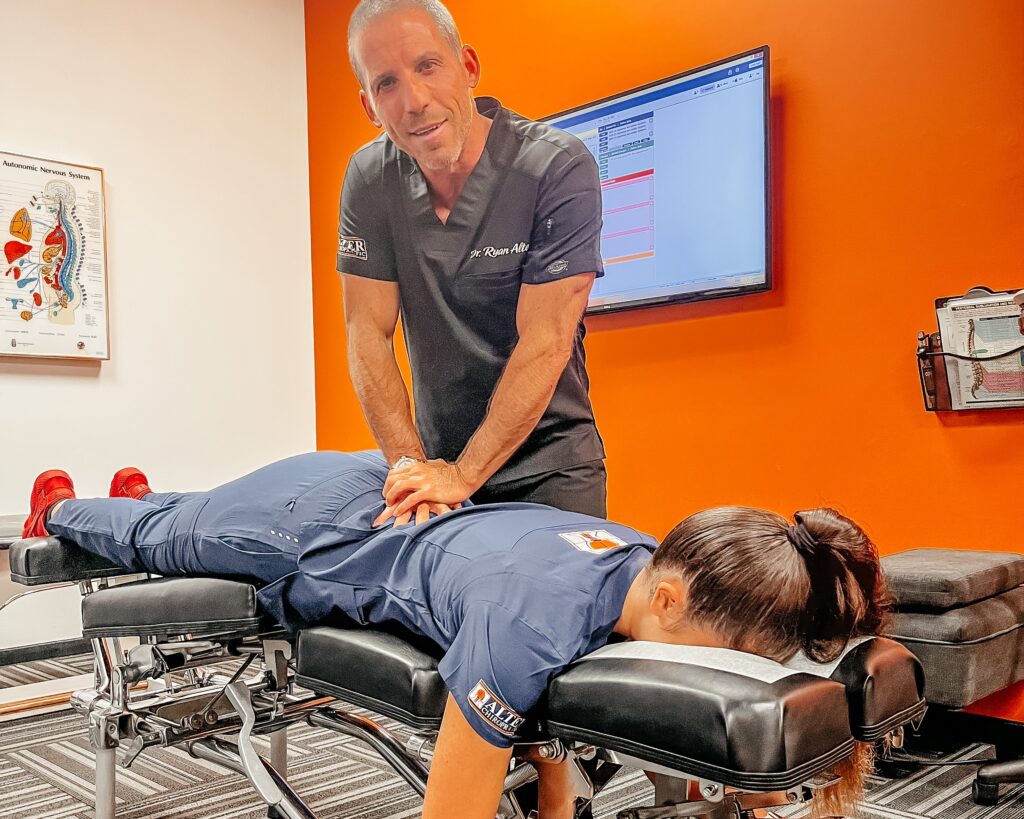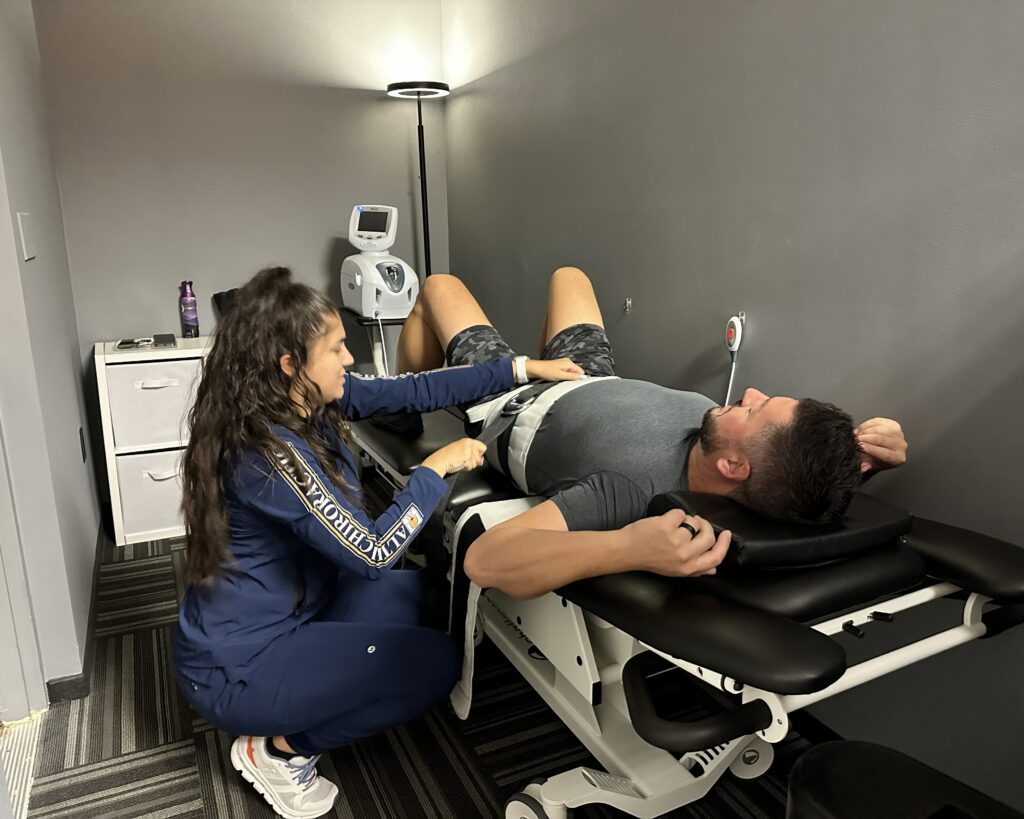

As a local chiropractor, I want to emphasize the importance of making lifestyle changes to prevent back pain, not just for your comfort but for your overall well-being. It’s about improving your quality of life. Small modifications in your posture, daily activities, and even your diet can lead to significant improvements in your spinal health.
But it doesn’t stop there. How you handle stress and the quality of your sleep environment are also crucial factors that can impact your back health in ways you might not realize. By understanding and addressing these elements, you can support a healthier spine and enhance your daily functioning.
I encourage you to reflect on these aspects and consider the first steps you can take toward a pain-free life. Remember, chiropractic care is here to guide you on this journey to natural healing and overall wellness.
Understanding the Causes of Back Pain
As a local chiropractor, I often see patients who believe that back pain is simply a natural part of aging or the result of an injury. However, it’s crucial to understand that there are numerous factors at play when it comes to back pain.
One significant factor is lifestyle choices. For instance, a sedentary lifestyle or being overweight can dramatically heighten your chances of experiencing back pain. When we don’t engage in regular exercise, our muscles weaken, which means they struggle to support the spine effectively.
Stress is another contributing factor that many people overlook. It can lead to muscle tension in your back, exacerbating any discomfort you may already be feeling.
Additionally, improper lifting techniques are a common cause of back strain. Always remember to lift heavy items using your legs, not your back, to protect your spine.
Let’s not forget about your sleeping habits. An unsupportive mattress can lead to significant discomfort over time.
By being aware of these causes, you can take proactive steps toward reducing your risk of back pain. Making small adjustments to your daily routine—like incorporating regular physical activity, managing stress, and ensuring proper lifting techniques—can have a profound impact on your spinal health and overall well-being.
As your chiropractor, I’m here to guide you in making these positive changes for a healthier, pain-free life.
The Impact of Posture on Spinal Health
As a local chiropractor, I want to emphasize how crucial good posture is for maintaining your spinal health. Your posture significantly affects how your body feels and functions. When you sit, stand, or move with proper alignment, you help alleviate unnecessary strain on your spine and the surrounding muscles. This alignment not only helps distribute your body weight evenly but also plays a key role in preventing discomfort and fatigue.
Many of you may not realize that slouching or hunching your shoulders can lead to tension in your back and neck, potentially resulting in chronic pain down the line. By simply being mindful of your posture throughout the day—whether you’re at your desk, at home, or on the go—you can make significant strides in improving your spinal health.
I encourage you to make small adjustments to your posture. For instance, keep your feet flat on the floor when sitting and ensure your ears are aligned with your shoulders when standing. These minor tweaks might feel insignificant, but they can have a remarkable impact on your overall well-being.
By prioritizing good posture, you not only help prevent back pain but also enhance your confidence and boost your energy levels.
As your chiropractor, my goal is to support you in understanding these principles and to guide you on your journey to better health through natural healing practices. Let’s work together to ensure your spine remains in optimal condition!
The Role of Physical Activity in Preventing Back Pain
As your local chiropractor, I want to emphasize how crucial physical activity is in preventing back pain. Engaging in regular exercise not only helps to strengthen your core muscles but also improves your overall flexibility. This is important because a strong core can better support your spine, reducing the risk of injury and discomfort.
Additionally, by incorporating movement into your daily routine, you become more aware of your posture. Good posture is key to minimizing strain on your spine and can significantly alleviate back pain.
I encourage you to prioritize physical activity, as it lays the groundwork for a healthier back and overall well-being. Remember, taking care of your body through movement is one of the best steps you can take to maintain a pain-free life.
Strengthening Core Muscles
As a local chiropractor, I often emphasize the importance of strengthening your core muscles to help prevent back pain. Your core plays a vital role in supporting your spine and maintaining proper alignment. A strong core stabilizes your body during everyday activities, which significantly reduces the strain on your back.
When core muscles are weak, it can lead to poor spinal alignment and increased pressure on your back, resulting in discomfort and pain. To enhance your core strength, I recommend incorporating exercises such as planks, bridges, and abdominal crunches into your routine.
It’s important to take a balanced approach by targeting not just the muscles in the front, but also the sides and back of your core.
By committing to regular workouts that focus on core strengthening, you can build the necessary support for your spine. This proactive approach not only helps to alleviate existing pain but also makes you less susceptible to injuries in the future.
Improving Flexibility and Mobility
As a chiropractor, I want to emphasize that while strengthening your core is crucial for maintaining a healthy back, improving your flexibility and mobility is just as vital.
Regular physical activity plays a significant role in enhancing your range of motion and keeping your muscles flexible. Incorporating simple stretches, yoga, and mobility exercises into your routine can help relieve tension in your back and the surrounding areas.
When you make these activities a part of your daily life, you’ll likely experience greater ease in your movements and a lower risk of injury. I encourage you to focus on a balanced approach that includes both stretching and strengthening exercises. This is essential not only for building strength but also for ensuring that your body can move freely and efficiently.
Prioritizing flexibility and mobility is key to preventing long-term back pain. By understanding the importance of these elements in your overall health, you can take proactive steps towards a pain-free lifestyle.
Let’s work together to create a plan that incorporates these practices into your routine for optimal well-being.
Enhancing Posture Awareness
As a chiropractor dedicated to your well-being, I want to emphasize the importance of good posture in preventing back pain. Many people are unaware of how their daily habits affect their spine health.
Fortunately, with a few simple adjustments, you can significantly improve your posture awareness and overall comfort. Here are four practical tips to help you:
- Assess Your Workspace: It’s crucial to ensure that your chair and desk are ergonomically designed to support your back. A proper setup can reduce strain on your spine and promote a healthier posture.
- Mindful Movements: Pay attention to your body’s alignment during everyday activities, such as walking or lifting. Being mindful of how you move can help prevent injuries and maintain a balanced posture.
- Core Strengthening: A strong core is vital for supporting your spine. Incorporate exercises that target your abdominal and back muscles to help keep you upright and reduce the risk of pain.
- Regular Breaks: Make it a habit to stand up and stretch throughout the day. Taking breaks helps alleviate stiffness and encourages you to maintain a more aligned posture.
By implementing these tips, you can enhance your posture awareness and contribute to your overall health.
Nutrition and Its Influence on Muscle and Joint Health
As your local chiropractor, I want to emphasize the crucial role nutrition plays in maintaining the health of your muscles and joints.
It’s not just about exercise; what you put into your body significantly affects how well your joints function and how strong your muscles are. Consuming essential nutrients can enhance your strength and keep you well-hydrated, both of which are vital for optimal joint performance.
Additionally, incorporating anti-inflammatory foods into your diet can greatly alleviate pain and stiffness, enhancing your overall comfort and well-being.
Essential Nutrients for Strength
As a local chiropractor, I want to share how a well-balanced diet rich in essential nutrients can play a vital role in maintaining your muscle and joint health, particularly when it comes to preventing back pain.
Understanding the impact of nutrition can empower you to take charge of your well-being and support your body’s natural healing processes. Here are four crucial nutrients that you should consider incorporating into your diet:
- Protein: This nutrient is essential for repairing and building muscle tissue, which is key to keeping your back strong and resilient. Ensuring you have enough protein can help support your chiropractic care by providing the necessary building blocks for recovery.
- Calcium: Known for its importance in bone health, calcium helps prevent fractures and supports spinal integrity. Strong bones are foundational for a healthy back, and adequate calcium intake can enhance the effectiveness of your chiropractic adjustments.
- Omega-3 Fatty Acids: These powerful nutrients are known for their ability to reduce inflammation. By incorporating omega-3s into your diet, you can ease joint pain and discomfort, complementing the adjustments you receive in our office.
- Vitamin D: This vitamin is crucial for calcium absorption and overall bone health. Adequate vitamin D levels can enhance your body’s ability to maintain strong bones, supporting your spine and overall musculoskeletal system.
By being mindful of these essential nutrients and including them in your meals, you can support your back health and lead a more active, pain-free life.
Hydration and Joint Function
As a local chiropractor, I want to share an essential aspect of joint health that often gets overlooked: hydration. Many of us focus primarily on diet when it comes to maintaining muscle and joint function, but staying well-hydrated is just as crucial.
When your body is adequately hydrated, your joints receive better lubrication, which helps reduce friction and lowers the risk of injury. You may not realize that water is a key component of synovial fluid, the substance that cushions and protects your joints during movement.
If you’re not drinking enough water, you could experience stiffness and discomfort, especially when engaging in physical activities. This can be particularly important for those of you who are active or live in warmer climates.
I encourage you to drink enough water throughout the day to keep your joints functioning optimally. Even mild dehydration can have a significant impact on how your joints perform.
Anti-Inflammatory Foods Benefits
As a local chiropractor dedicated to promoting natural healing and overall wellness, I want to emphasize the significant benefits of incorporating anti-inflammatory foods into your diet.
These foods can play a crucial role in enhancing your muscle and joint health, ultimately improving your quality of life. Here’s how you can benefit from these powerful dietary choices:
1. Pain Relief: Many of my patients have reported experiencing less discomfort and stiffness in their joints when they include anti-inflammatory foods in their meals.
This can lead to a more comfortable daily life.
2. Enhanced Mobility: By consuming these beneficial foods, you may notice an improvement in your ability to move freely, allowing you to engage more fully in your daily activities without restriction.
3. Improved Recovery: If you’re active or regularly exercise, you’ll find that your muscles recover faster after workouts.
This means you can stay engaged in the activities you love for longer periods without feeling overly fatigued.
4. Stronger Immunity: A diet that’s rich in anti-inflammatory foods can significantly boost your immune system.
This helps your body fend off illnesses, allowing you to maintain a healthier lifestyle.
By making these dietary adjustments, you can complement the chiropractic care you receive and support your body’s natural healing processes.
Let’s work together toward achieving your wellness goals!
Stress Management Techniques for a Healthier Back
As a local chiropractor, I want to emphasize the crucial link between stress management and a healthier back. Many of my patients are surprised to learn that stress can lead to muscle tightness and discomfort, directly impacting their spinal health.
To help alleviate these issues, I recommend incorporating deep breathing exercises into your daily routine. Just a few minutes of focused breathing can work wonders for relaxing both your muscles and your mind.
In addition to breathing techniques, practicing mindfulness or meditation can be incredibly beneficial. These methods not only promote relaxation but also help redirect your focus away from everyday stressors, which can contribute to back tension.
Engaging in regular physical activity, such as yoga or tai chi, is another fantastic way to reduce stress while simultaneously enhancing flexibility and strength in your back. I suggest aiming for at least 30 minutes of moderate exercise most days of the week.
Don’t underestimate the power of social connections either. Spending quality time with friends or family can significantly elevate your mood and help lower stress levels, which in turn supports your spinal health.
Finally, it’s vital to ensure you’re getting adequate sleep. A well-rested body is better equipped to handle stress and maintain overall well-being, ultimately leading to a healthier back.
Ergonomics: Creating a Back-Friendly Workspace
As a local chiropractor, I want to emphasize the importance of creating a back-friendly workspace, especially for those of you who spend long hours at a desk.
Poor ergonomics can contribute to discomfort and chronic pain in your spine, but with a few simple adjustments, you can significantly improve your situation.
Here are four key changes I recommend:
- Chair Selection: Opt for a chair that offers lumbar support. This type of chair encourages the natural curve of your spine, helping to reduce strain during long periods of sitting.
- Desk Height: It’s crucial to adjust your desk so that your elbows are at a 90-degree angle while typing. This positioning helps to maintain a neutral posture, which is vital for spinal health.
- Monitor Position: Ensure your monitor is positioned at eye level. This adjustment will prevent unnecessary neck strain, which is a common issue I see in patients who work at computers for extended hours.
- Foot Placement: Make sure your feet are flat on the floor or resting comfortably on a footrest. This promotes proper posture and helps to distribute your weight evenly, reducing pressure on your lower back.
By making these simple changes to your workspace, you can support your spinal health and create a more comfortable environment for yourself.
The Importance of Sleep for Spinal Recovery
As your local chiropractor, I want to emphasize the vital role that sleep plays in your spinal health and recovery. Even if you have set up an ergonomic workspace, your back still needs adequate time to heal, and quality sleep is a crucial component of that process.
When you sleep, your body enters a state of repair and rejuvenation. This is when your muscles can relax, alleviating tension and strain on your spine. During sleep, your intervertebral discs are able to absorb essential nutrients, which promotes healing and flexibility.
Moreover, deep sleep stimulates the release of growth hormones that are instrumental in tissue repair. If you’re not achieving restorative sleep, your body may struggle to recover effectively, which can lead to chronic pain and discomfort.
I encourage you to prioritize a consistent sleep schedule and create an environment conducive to restful sleep. Aim for 7-9 hours of uninterrupted sleep each night, and consider investing in a supportive mattress and pillow that align with your body’s needs.
Building a Sustainable Routine for Long-Term Relief
As a local chiropractor, I understand that many of you may be looking for quick solutions to alleviate back pain. However, I want to emphasize the importance of establishing a sustainable routine for long-term relief.
It’s essential to live a life unburdened by discomfort, and developing a daily regimen can guide you toward that goal. Here’s how to create a routine that promotes lasting wellness:
- Daily Stretching: I recommend incorporating gentle stretches into your daily routine. This practice can significantly improve flexibility and help reduce muscle tension, making a notable difference in your overall comfort.
- Strengthening Exercises: Focus on exercises that strengthen your core and back muscles. These workouts are crucial for supporting your spine and can help prevent future issues.
- Posture Awareness: Maintaining good posture is vital, whether you’re sitting at a desk or standing in line. Being mindful of your posture can greatly alleviate strain on your back and neck.
- Regular Breaks: If you find yourself sitting or standing for long periods, make it a habit to take regular breaks. This will keep your muscles engaged and reduce fatigue, which is key to maintaining your spinal health.
By integrating these practices into your daily life, you can foster a healthier spine and reduce the risk of future discomfort.
Conclusion
As a local chiropractor, I want to emphasize the importance of making lifestyle changes to prevent back pain for your overall health. Many of my patients often underestimate how crucial it is to understand the underlying causes of their discomfort. By improving your posture and staying active, you can significantly protect your spine and enhance your well-being.
Incorporating proper nutrition into your diet is another key factor in maintaining a healthy back. Additionally, managing stress through relaxation techniques can positively impact your spinal health. It’s also vital to create an ergonomic workspace, especially if you spend long hours sitting, as this can prevent strain on your back.
Don’t overlook the importance of quality sleep in your recovery process—rest allows your body to heal and rejuvenate. By establishing a sustainable routine that includes these practices, you can not only alleviate pain but also greatly improve your quality of life in the long run. Remember, as your chiropractor, I’m here to help guide you on this journey to better health and pain-free living.