When it comes to managing back pain, a one-size-fits-all approach often falls short. You might find that a personalized plan not only addresses your specific symptoms but also considers your lifestyle and preferences. This tailored strategy can greatly enhance your recovery process, making you feel more in control of your health. But what exactly does it take to create such a plan, and how can it truly transform your experience with back pain?
Understanding Back Pain
Back pain is a common issue that affects millions of people, and understanding its causes can help you find effective relief. You might experience back pain due to various factors, including muscle strain, ligament sprains, or even underlying medical conditions. Knowing the specific cause of your pain is essential in determining the best course of action for relief.
Muscle strain is often the result of heavy lifting, sudden awkward movements, or overexertion. You may have felt this when you tried to lift something too heavy or twisted your back improperly. Ligament sprains can occur in similar situations, leading to inflammation and discomfort.
Additionally, poor posture while sitting or standing can contribute to chronic back pain, as it places undue stress on your spine and surrounding muscles.
Other potential causes include herniated discs, arthritis, and sciatica. Herniated discs happen when the soft material inside the spinal disc protrudes, pressing on nearby nerves. Arthritis can lead to inflammation in the joints of your spine, causing stiffness and pain. Sciatica results from compression of the sciatic nerve, leading to pain that radiates down your leg.
Understanding these causes can empower you to take proactive steps toward prevention and treatment. By identifying your specific issue, you can tailor your approach to managing back pain effectively, whether that involves physical therapy, exercise, or lifestyle changes.
The Importance of Personalization
When it comes to managing your back pain, one size doesn't fit all.
By evaluating your individual needs and crafting tailored treatment approaches, you can find the relief that works best for you.
Personalization is key to ensuring your plan addresses the unique challenges you face.
Individual Needs Assessment
Personalized back pain plans begin with a thorough individual needs assessment, essential for tailoring effective treatments. This assessment helps you identify the specific factors contributing to your pain and the unique characteristics of your lifestyle.
It's not just about your symptoms; it's about understanding your medical history, daily activities, and any previous treatments you've tried. During this process, you'll share details about your pain's location, intensity, and duration, which allows your healthcare provider to gain insight into how it affects your daily life.
Additionally, discussing your goals for treatment—whether that's returning to a favorite sport or simply being able to play with your kids—enables a more focused approach. Your individual needs assessment also considers psychological factors, such as stress or anxiety, which can exacerbate back pain.
By taking the time to address these elements, you can guarantee that your treatment plan aligns with your overall well-being. The more thorough the assessment, the more tailored and effective your back pain plan can be, leading to better outcomes and improved quality of life.
This personalized approach empowers you to take control of your recovery journey.
Tailored Treatment Approaches
Understanding that each person's experience with back pain is unique, tailored treatment approaches are crucial for effective management. You can't expect a one-size-fits-all solution to work when your condition, lifestyle, and pain triggers vary considerably from someone else's. That's why personalized plans take into account your specific symptoms, medical history, and personal preferences.
When you engage in a tailored treatment approach, you're more likely to see improvement. For instance, a combination of physical therapy, medication, and lifestyle changes can address your unique pain factors more effectively than a generic treatment.
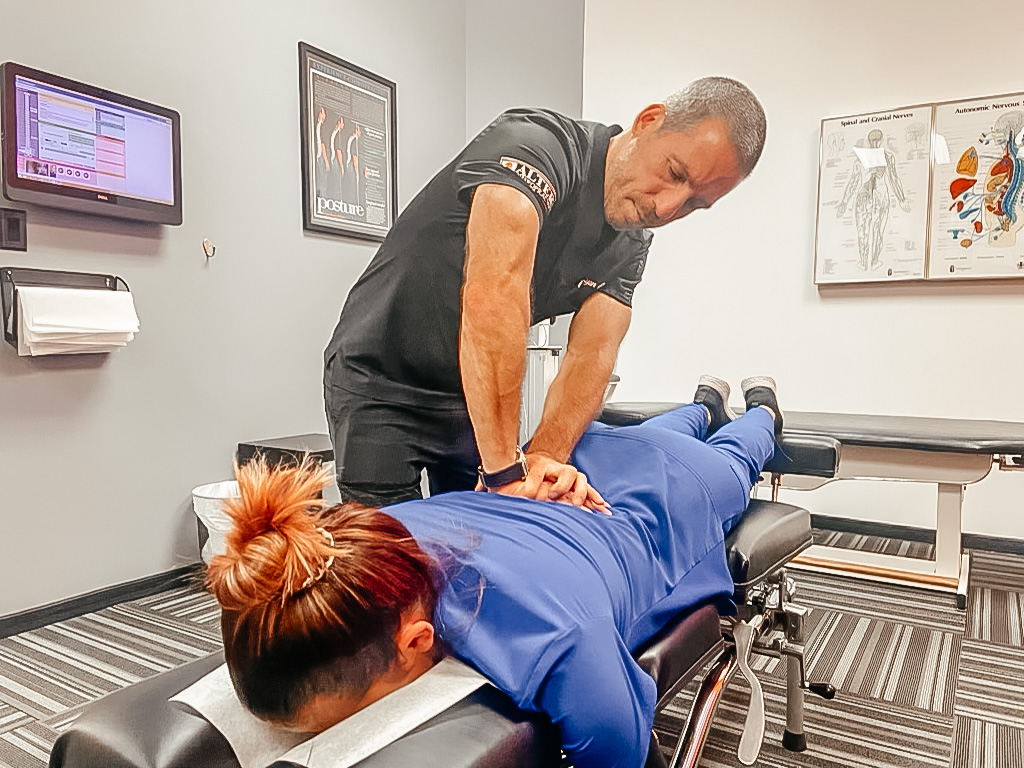
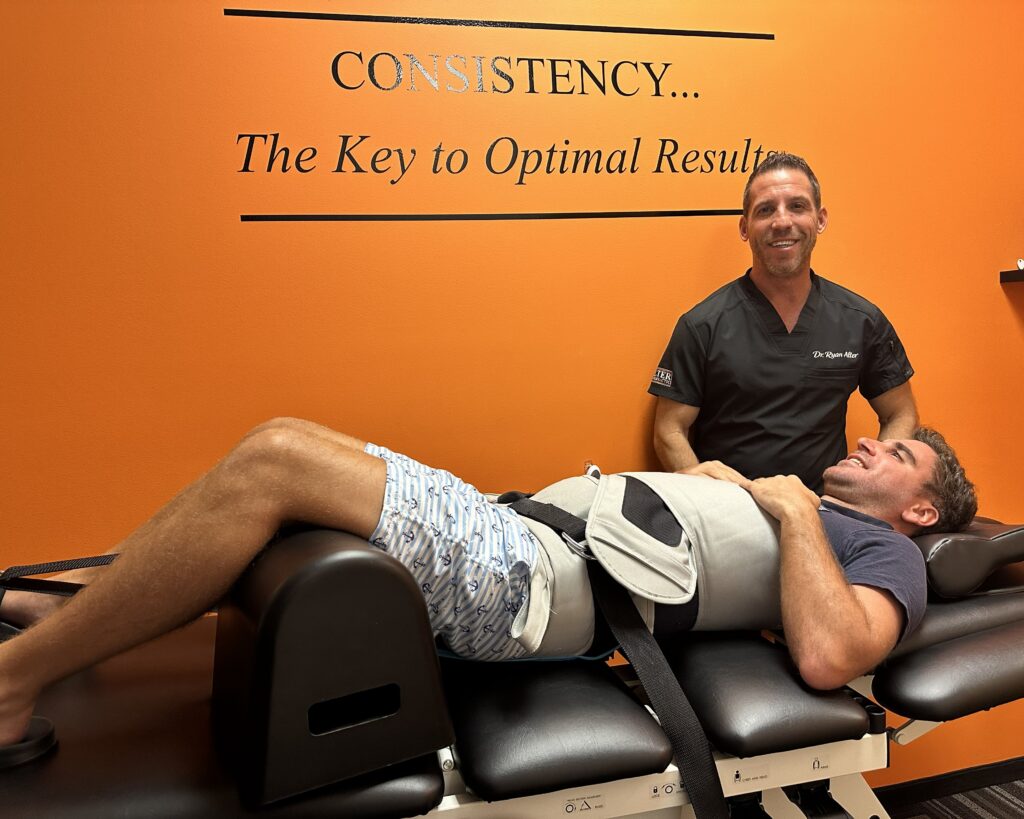
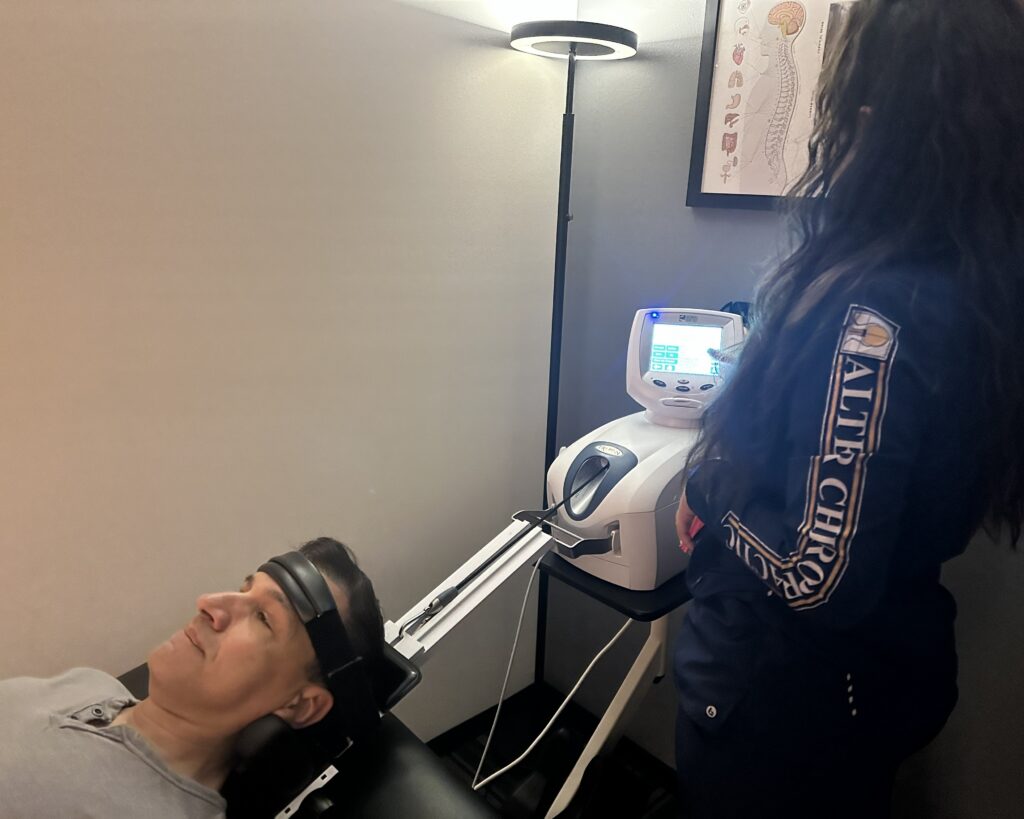
You'll also find that therapies like acupuncture or chiropractic care may resonate better with you based on your preferences and experiences.
Moreover, tracking your progress and adjusting your plan as needed is essential. As you respond to treatments, your plan should evolve to accommodate changes in your pain levels and overall health. This adaptability guarantees you're always working towards the most effective strategies for your situation.
In short, personalized treatment approaches not only enhance your chances of finding relief but also empower you to take control of your back pain journey.
Identifying Individual Pain Triggers
Many people experience back pain that stems from specific triggers unique to their lifestyles and activities. Identifying these triggers is essential for managing your pain effectively. Start by keeping a detailed pain journal. Track when your pain occurs, what you were doing at the time, and any other relevant factors, like stress levels or sleep quality. This practice can help you pinpoint patterns and specific activities that exacerbate your pain.
Next, consider your daily habits. Are you sitting for long hours at a desk? Poor posture can contribute greatly to back pain. If you enjoy sports or exercise, evaluate your techniques and routines. Sometimes, improper form can lead to discomfort.
Be mindful of your body mechanics during everyday tasks, such as lifting heavy objects or twisting your torso. You should also pay attention to your emotional state. Stress and anxiety can manifest as physical tension in your back. Recognizing the relationship between your mental health and back pain is essential.
Lastly, consult with a healthcare professional. They can offer insights on potential triggers based on your medical history and lifestyle. An expert can help you uncover underlying issues that may not be immediately apparent.
Benefits of Customized Plans
Customized plans for back pain offer individualized treatment approaches that cater specifically to your needs.
This tailored strategy not only addresses your unique pain triggers but also enhances recovery outcomes.
Individualized Treatment Approaches
Personalized treatment plans for back pain offer significant advantages, tailored specifically to your unique needs and lifestyle. When you receive individualized approaches, you're more likely to address the root causes of your discomfort rather than just the symptoms. This focused attention allows you to explore various therapies, whether it's physical therapy, chiropractic adjustments, or specific exercises designed just for you.
Moreover, an individualized plan guarantees that you're not subjected to one-size-fits-all solutions that may not resonate with your body's specific requirements. You'll find that your preferences and daily routines are considered, making it easier to commit to your treatment. This personalized approach boosts your motivation and adherence, leading to a more seamless integration of pain management into your life.
Furthermore, regular assessments enable your healthcare provider to adjust your plan in real-time, guaranteeing you're always on the most effective path to recovery. You're not just another patient; you're a partner in your healing process.
Enhanced Recovery Outcomes
An effective back pain treatment plan can greatly enhance your recovery outcomes by addressing your specific needs and circumstances. When you have a customized plan, it considers factors like your medical history, lifestyle, and personal preferences. This tailored approach guarantees that you're not just following generic advice but receiving treatment that truly resonates with your situation.
With a personalized plan, you're more likely to stick to the recommended exercises and therapies. This consistency is key to achieving faster results and minimizing pain. Additionally, when your plan includes elements that you find enjoyable or manageable, it boosts your motivation to stay engaged.
Your recovery journey also benefits from real-time adjustments. If you notice certain methods aren't working as expected, a customized plan allows for tweaks that can optimize your experience. You're not locked into a one-size-fits-all approach, which means you can adapt your treatment as needed.
Ultimately, personalized back pain plans lead to better outcomes, quicker recovery, and a greater sense of control over your health. Investing in a customized approach means you're taking a proactive step toward a pain-free life.
Holistic Approaches to Treatment
Holistic approaches to treating back pain focus on the whole person, not just the symptoms. These methods consider your physical, emotional, and lifestyle factors, ensuring you receive thorough care. By addressing all aspects of your well-being, you're more likely to find relief and improve your quality of life.
One key element of holistic treatment is the integration of physical therapies. Techniques like chiropractic adjustments, acupuncture, and massage therapy can alleviate pain and promote healing. These therapies not only target the pain but also help restore balance and function to your body.
You might find that these treatments enhance your overall sense of well-being.
In addition to physical therapies, mental health plays a vital role in managing back pain. Stress and anxiety can exacerbate your discomfort, so exploring mindfulness practices, yoga, or meditation can be beneficial. These techniques help you learn to cope with pain more effectively, reducing its impact on your daily life.
Nutrition also matters in a holistic approach. A balanced diet rich in anti-inflammatory foods can support your body's healing process. You might consider consulting a nutritionist to help create a meal plan that aligns with your needs.
Ultimately, a holistic approach empowers you to take an active role in your recovery. By focusing on the interconnectedness of your body and mind, you can develop a personalized treatment plan that addresses your unique circumstances, leading to lasting relief and improved overall health.
Incorporating Lifestyle Factors
Incorporating lifestyle factors into your back pain management plan is vital for achieving lasting relief. Your daily habits considerably impact your overall health, and addressing them can lead to a more effective treatment outcome.
Start by evaluating your posture. Whether you're sitting at a desk or standing, maintaining proper alignment can reduce strain on your back muscles. Invest in ergonomic furniture if necessary, and make a conscious effort to sit and stand tall.
Next, consider your physical activity level. Regular exercise strengthens the muscles that support your spine, enhancing stability and reducing pain. Aim for a balanced routine that includes stretching, strength training, and cardiovascular workouts. Activities like yoga or swimming are particularly beneficial, as they promote flexibility and lower back strength.
Diet also plays a key role in your back pain plan. Eating a balanced diet rich in anti-inflammatory foods can help minimize pain and support healing. Focus on fruits, vegetables, whole grains, and healthy fats while limiting processed foods and sugars. Staying hydrated is vital too; it helps maintain disc health in your spine.
Lastly, don't underestimate the power of stress management. Chronic stress can lead to muscle tension and exacerbate your pain. Incorporate relaxation techniques like deep breathing, meditation, or mindfulness into your routine.
Success Stories and Case Studies
Many individuals have successfully transformed their back pain experiences by implementing personalized management plans that include lifestyle changes.
For instance, you might remember Sarah, who struggled with chronic back pain for years. After working with a specialist to create a tailored exercise regimen and adjusting her daily sitting habits, she noticed a significant reduction in discomfort. She now enjoys activities she once avoided, like hiking and gardening.
Another inspiring case is Mark, who found relief through a combination of physical therapy and mindfulness practices. By integrating yoga and meditation into his routine, he not only alleviated his pain but also improved his overall mental well-being.
Mark's story shows how a holistic approach can lead to remarkable outcomes.
Lastly, consider Linda, who adjusted her nutrition to support her back health. By focusing on anti-inflammatory foods and staying hydrated, she discovered that her pain levels decreased dramatically. This change inspired her to share her journey, encouraging others to take charge of their health.
These success stories highlight the importance of personalized plans.
Here's a quick recap of their key components:
- Tailored exercise programs: Customized routines that cater to your specific needs and abilities.
- Mindfulness practices: Techniques like meditation and yoga that help manage stress and pain.
- Nutritional adjustments: Dietary changes aimed at reducing inflammation and promoting healing.
These examples illustrate that with the right support and commitment, you can achieve lasting relief from back pain.
Steps to Create Your Plan
Creating a personalized back pain management plan starts with understanding your unique situation and needs. Begin by evaluating your pain's nature, intensity, and triggers. Keep a journal for a week, noting when your pain flares up, what activities exacerbate it, and how long it lasts. This information is vital for tailoring your plan.
Next, consult a healthcare professional. Whether it's a physical therapist, chiropractor, or doctor, getting expert advice guarantees you're on the right path. They can help identify underlying issues contributing to your pain and recommend appropriate treatment options.
Once you have professional input, set realistic goals. Determine what you want to achieve—be it reducing pain, improving mobility, or returning to a specific activity. Break these goals into smaller, actionable steps. For example, if your goal is to strengthen your back, start with specific exercises and gradually increase intensity.
Incorporate a variety of approaches into your plan. This might include physical therapy, chiropractic adjustments, medication, or lifestyle changes like exercise and diet. Experiment to find what works best for you.
Lastly, monitor your progress. Regularly evaluate how your plan is working and be open to adjusting it. Pain management isn't one-size-fits-all; what works today might need tweaks tomorrow. Stay proactive and engaged in the process, and remember, your journey toward relief is a marathon, not a sprint.
Conclusion
To sum up, personalized back pain plans are essential for effective treatment and long-lasting relief. By understanding your unique challenges and triggers, you can create a tailored approach that addresses your specific needs. This empowers you to take control of your health and promotes a holistic recovery process. Remember, the journey to back pain relief is personal, and with the right plan in place, you can achieve a better quality of life and greater overall well-being.